This authentic German Lebkuchen recipe makes about 30–36 traditional soft gingerbread cookies with honey, ground almonds or hazelnuts, warm spices, and finely chopped candied orange and lemon peel. The thick, sticky dough rests overnight, then bakes at 350°F (175°C) for 10–14 minutes so the edges set while the centers stay tender and chewy.
Lebkuchen tastes deeper and more aromatic than ordinary gingerbread, with mellow honey, fragrant cinnamon, ginger, cloves, cardamom, and bright citrus in every bite. Bake the cookies on traditional Oblaten wafers for a Nuremberg-style touch, or shape them as rounded mounds directly on parchment and finish them with lemon glaze or dark chocolate.
Jump to RecipeWhy You’ll Love This Recipe

Lebkuchen is one of Germany’s most beloved holiday cookies, and its character comes from a wonderfully old-fashioned combination of honey, nuts, spice, and candied citrus. Unlike crisp cutout gingerbread, these cookies are thick mounds with a soft, chewy middle and a gently browned edge.
The flavor becomes more rounded as the cookies rest. Honey adds floral sweetness, ground almonds or hazelnuts provide richness, and citrus peel brings tiny bursts of orange and lemon to the warmly spiced dough.
If you enjoy a deeper molasses note in holiday baking, you may also like these chewy molasses cookies. Lebkuchen is softer and more nutty, but both cookies are especially welcome with coffee, tea, or hot chocolate.
- Yield: About 30–36 cookies
- Active preparation: 35–45 minutes
- Chilling: At least 8 hours, preferably overnight
- Baking: 10–14 minutes per batch
- Oven temperature: 350°F (175°C)
Ingredients You’ll Need
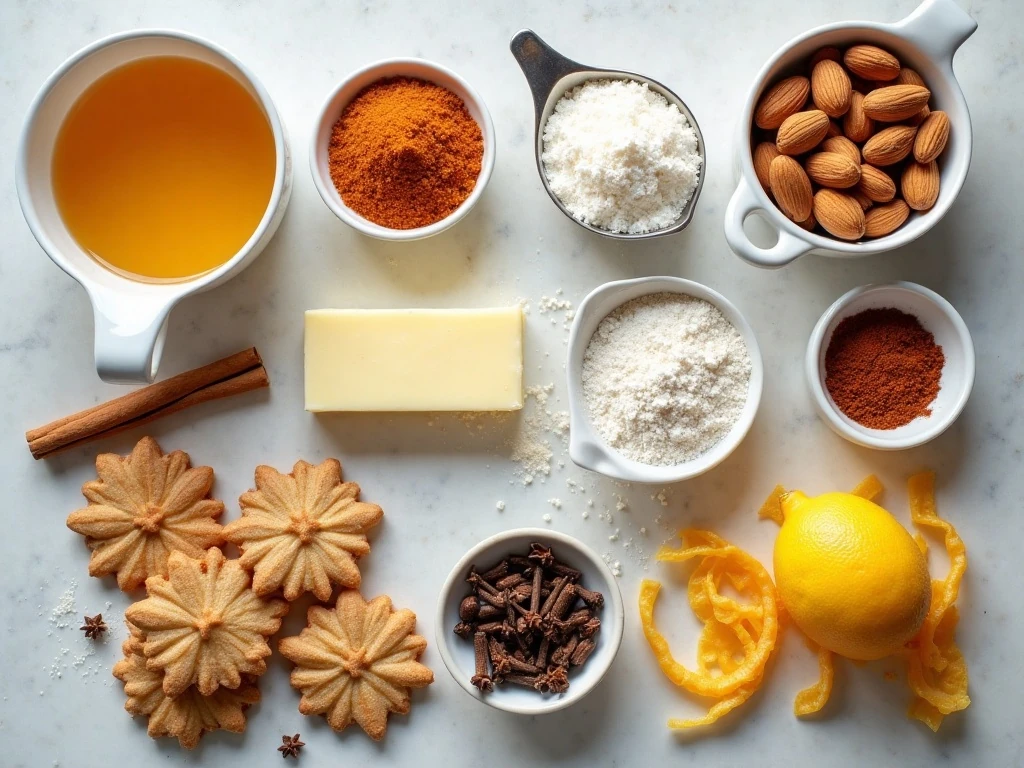
Honey is the defining sweetener in this recipe, giving the cookies their supple texture and distinctive German bakery flavor. Use finely ground almonds or hazelnuts; either choice works beautifully, although hazelnuts create a slightly more toasted, aromatic cookie.
The spice blend is intentionally generous but balanced. Cinnamon and ginger lead, while cloves, cardamom, allspice, nutmeg, and optional anise create the complex fragrance associated with traditional Christmas Lebkuchen.
Do not skip the candied orange and lemon peel if you want the classic taste. In German shops, these ingredients are often labeled Orangeat and Zitronat, and chopping them very finely helps distribute their flavor through every portion.
Oblaten are thin edible baking wafers traditionally used for Nuremberg-style Elisenlebkuchen. They make the sticky dough easier to handle and give the cookies an unmistakable traditional appearance, but parchment works perfectly if wafers are unavailable.
How to Make It Step-by-Step

Step 1: Add the honey, sugar, and butter to a saucepan and warm them over low heat. Stir gently until the butter melts and the sugar is mostly dissolved, but never let the mixture boil because excessive heat can change its texture and make the eggs difficult to incorporate later.
Step 2: Remove the saucepan from the heat and let the mixture cool until lukewarm. Beat in the two eggs only after cooling; a hot honey mixture could partially cook the eggs and create unwanted bits in the dough.
Step 3: In a large bowl, whisk together the flour, ground almonds or hazelnuts, baking powder, salt, cinnamon, ginger, cloves, cardamom, allspice, nutmeg, and optional anise. Stir in the finely chopped candied orange peel, candied lemon peel, and optional lemon zest so the fruit is evenly coated with the dry ingredients.
Step 4: Add the dry mixture to the honey mixture and stir until no obvious streaks of flour remain. The finished dough should be thick and sticky rather than smooth and rollable, so resist the temptation to add a large amount of extra flour.
Step 5: Cover the bowl and refrigerate the dough for at least 8 hours, preferably overnight. This resting time allows the honey, nuts, citrus, and spices to meld while the dough firms enough for neat portioning.
Step 6: When ready to bake, heat the oven to 350°F (175°C) and line baking sheets with parchment paper. If using Oblaten, arrange 30–36 wafers on the sheets with enough space for the cookies to spread slightly.
Step 7: Place roughly 1 1/2 tablespoons of dough on each wafer. Dampen your fingers and gently flatten and smooth the dough, leaving a small border around the wafer; for parchment-only cookies, shape the dough into rounded mounds.
Step 8: Bake each batch for 10–14 minutes. Look for set edges and light browning, but remove the cookies while their centers still look soft because they continue to firm as they cool.
Step 9: Transfer the baked cookies to a wire rack and cool them completely. Warm cookies are fragile, and glazing them before they cool can cause the icing to slide off or become thin.
Step 10: Whisk the powdered sugar with 2–3 tablespoons of lemon juice or water until smooth and brush or dip the cooled Lebkuchen in the glaze. Allow the coating to set, or replace it with melted dark chocolate for a richer finish.
Traditional Oblaten and Shaping Tips
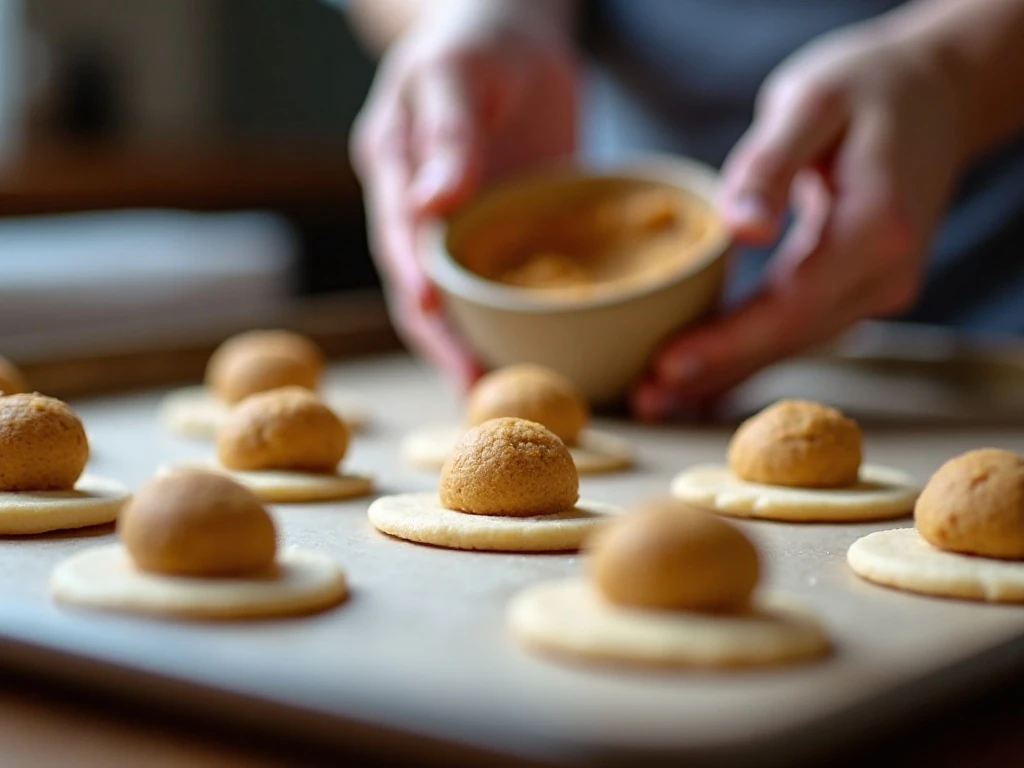
The most traditional soft Elisenlebkuchen is baked on an Oblaten, a thin edible wafer that supports the sticky mound as it bakes. Spread the dough nearly to the edge but leave a modest border visible, since the dough should sit securely on the wafer.
Damp fingers are the easiest tool for smoothing the surface. Re-wet them whenever the dough begins to cling, and use a small amount of finely ground nuts or flour only when necessary because too much added dry ingredient can make the cookies firm.
These are not usually rolled and cut into shapes. Thick, rounded mounds protect the soft center and showcase the ground nuts and candied fruit that distinguish Lebkuchen from standard gingerbread.
Pro Tips for Soft, Flavorful Lebkuchen

- Cool the honey mixture: Lukewarm is ideal before adding the eggs.
- Rest overnight: The dough becomes easier to portion and the spices taste more integrated.
- Chop citrus finely: Small pieces distribute the bright candied flavor more evenly.
- Watch the timer: Ten minutes may be enough for smaller cookies, while larger mounds may need up to 14 minutes.
- Protect the centers: Remove the cookies when the edges are set but the centers remain soft.
- Choose your finish: Lemon glaze provides brightness, while dark chocolate gives a classic festive contrast.
For a more authentic Elisenlebkuchen style, use Oblaten and replace much of the flour with additional finely ground nuts. This recipe uses the full 2 cups of flour listed above for a dependable, slightly firmer dough that remains soft after baking and is easier to portion at home.
Serving, Storage, and Holiday Pairings

Serve Lebkuchen at room temperature with strong coffee, black tea, or a mug of warm spiced punch. The cookies are excellent on a holiday dessert tray, tucked into a gift tin, or arranged beside fresh citrus and toasted nuts.
Store cooled, glazed cookies in an airtight container at room temperature. They often improve after resting for a day or two as the flavors settle and the texture becomes pleasantly chewy.
For a German-inspired holiday meal, pair the cookie tray with a savory centerpiece such as this classic German sauerbraten. If you are building a broader comfort-food spread, these pecan crumb sweet potatoes also bring a warm, seasonal finish to the table.
Flavor Variations and Related Comfort Food
Almonds give Lebkuchen a mild, creamy nuttiness, while hazelnuts bring a darker roasted flavor. You can also choose whether to include anise, depending on how strongly you enjoy its licorice-like fragrance.
For another cozy dinner option outside the holiday cookie season, try this creamy garlic thyme chicken before serving a plate of spiced cookies with coffee. An entirely different but equally comforting choice is this slow cooker butter chicken, ideal for a relaxed gathering where dessert can be prepared ahead.

Authentic German Lebkuchen Recipe
Ingredients
Method
- Warm the honey, sugar, and butter in a saucepan over low heat until the butter melts and the sugar is mostly dissolved. Do not boil, then remove the pan from the heat and cool the mixture until lukewarm.
- Beat the eggs into the lukewarm honey mixture. In a separate bowl, mix the flour, ground nuts, baking powder, salt, spices, candied orange peel, candied lemon peel, and optional lemon zest.
- Stir the dry ingredients into the honey mixture until a thick, sticky dough forms. Cover and refrigerate the dough for at least 8 hours, preferably overnight.
- Heat the oven to 350°F (175°C) and line baking sheets with parchment, or arrange the Oblaten on the sheets. Portion roughly 1 1/2 tablespoons of dough onto each wafer, or form rounded mounds directly on parchment.
- Flatten and smooth each mound with damp fingers, leaving a small border around the edge of the wafer. Bake for 10–14 minutes, until the cookies are set and lightly browned around the edges while the centers remain soft.
- Cool the Lebkuchen completely on a wire rack before glazing. Whisk the powdered sugar with lemon juice or water, then brush or dip the cookies in the glaze and let it set.
Notes
Final Thoughts
This authentic German Lebkuchen recipe delivers the tender, fragrant cookies associated with German Christmas markets and family baking traditions. Honey, ground nuts, candied citrus, and a full blend of warming spices create a cookie that is richly flavored without being heavy.
Give the dough its overnight rest, shape it as thick mounds, and watch the oven closely so the centers stay soft. Whether you use traditional Oblaten, a simple lemon glaze, or melted dark chocolate, these cookies are made for sharing and become even more delicious after a day or two.