This easy Irish soda bread scones recipe makes 8 large or 10–12 smaller scones in about 35–50 minutes. Made with all-purpose flour, baking soda, cold butter, buttermilk, egg, and raisins or currants, these quick bread scones need no yeast and are ready for the oven almost as soon as the dough is mixed.
Each scone is lightly sweet, golden on the outside, and tender in the middle, with a pleasantly rustic crumb that tastes like classic Irish soda bread. Serve them warm with butter, jam, or clotted cream for breakfast, afternoon tea, brunch, or a cozy snack.
Jump to RecipeWhy You’ll Love This Recipe
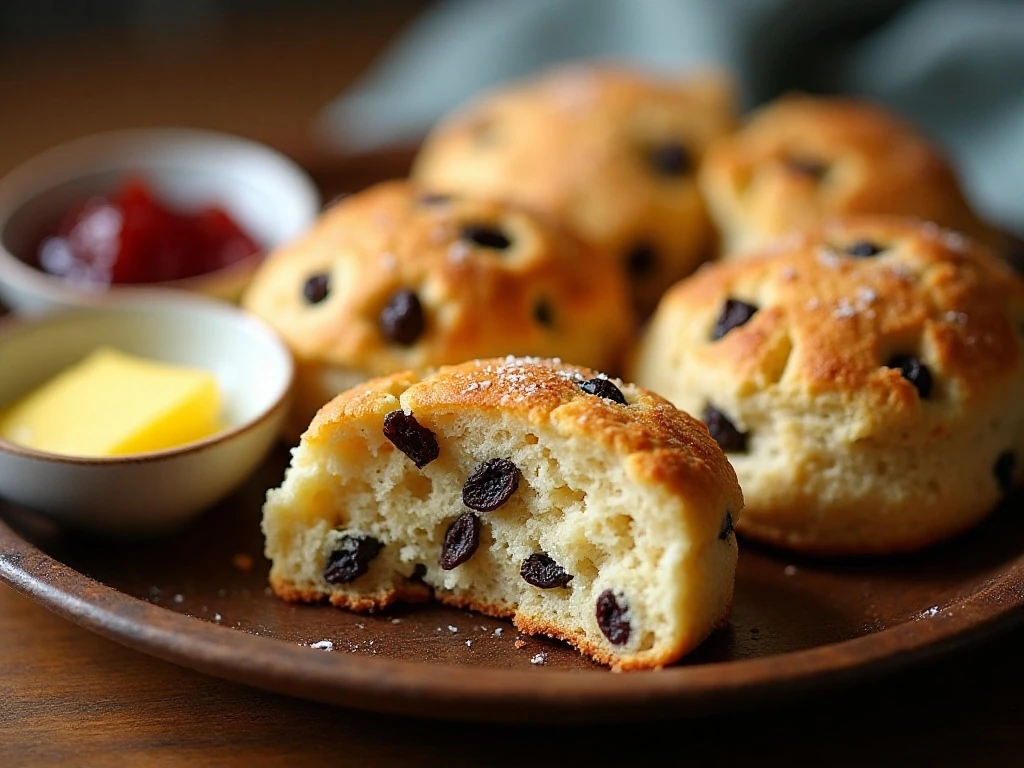
Irish soda bread scones combine the best qualities of a classic scone and a traditional quick bread. They have a crisp, lightly browned exterior, a soft center, and a rustic flavor that comes from tangy buttermilk reacting with baking soda.
Because there is no yeast, kneading, or long rising time, this recipe is especially useful when you want fresh bread quickly. The dough comes together in one bowl, and the optional 10–15 minute rest or chill gives you a little flexibility without turning the recipe into an all-day project.
The raisins or currants add chewy bursts of sweetness, while caraway seeds contribute a gentle savory note reminiscent of traditional Irish soda bread. For a sweeter breakfast table, serve them with jam; for a more traditional pairing, split them while warm and add plenty of salted butter.
If you enjoy baking quick breads, you may also like this fresh peach bread idea for another fruit-filled loaf to serve with coffee.
Ingredients You’ll Need
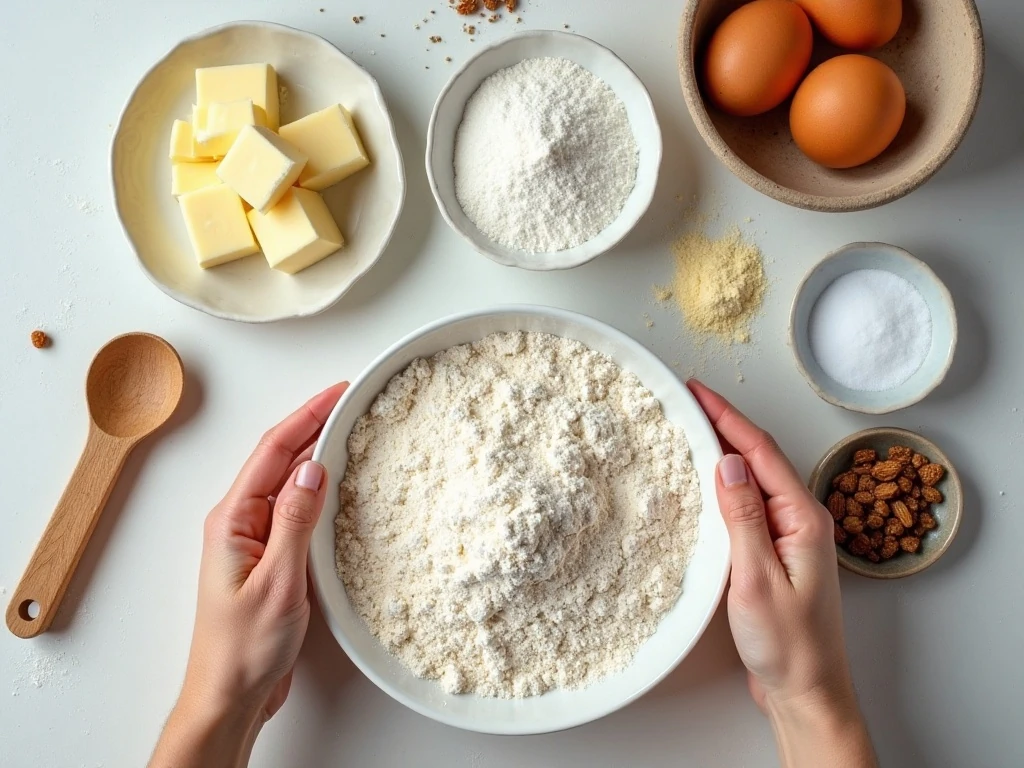
The ingredient list is short, but each item has an important job. All-purpose flour provides structure, sugar adds gentle sweetness and helps with browning, and baking soda supplies the lift when it meets the acidity in the buttermilk.
- Flour: Use 2 1/2 cups, or 300 grams, of all-purpose flour. Weighing it is the most accurate method, but spooning it into a measuring cup and leveling the top also works.
- Sugar: The 1/4 cup creates a lightly sweet scone. You can reduce it to 1–2 tablespoons or leave it out for a more plainly savory soda-bread character.
- Butter: Six tablespoons of cold unsalted butter create rich flavor and a tender crumb. Cut the butter into small cubes before adding it to the flour.
- Buttermilk and egg: The 3/4 cup buttermilk activates the baking soda, while the egg adds richness, color, and binding power.
- Fruit: Use 3/4 cup of raisins or dried currants. Currants are smaller and distribute evenly, while raisins provide a plumper, chewier bite.
- Caraway seeds: This optional tablespoon gives the scones a distinctive old-fashioned Irish soda bread flavor.
If you are planning a larger breakfast spread, our moist banana bread loaf is another comforting option that can be sliced and served alongside these scones.
How to Make It Step-by-Step

Step 1: Begin by heating the oven to 400°F (200°C). Line a baking sheet with parchment so the bottoms brown evenly and the finished scones lift away easily.
Step 2: Whisk together the flour, sugar, baking soda, and salt in a large bowl. If you like the classic flavor of caraway, stir in the optional seeds now so they are spread through the dough rather than concentrated in a single spot.
Step 3: Cut in the cold butter until the mixture looks like coarse crumbs. You should see a mixture of fine floury crumbs and a few small butter pieces; avoid mixing until the butter disappears completely.
Step 4: Stir in the raisins or currants. Coating the dried fruit with flour helps separate the pieces and makes it easier to distribute them without overworking the dough later.
Step 5: Whisk the egg with the buttermilk, then pour it into the bowl. Stir with a fork or wooden spoon only until no large dry patches remain, adding 1–2 tablespoons of extra buttermilk if needed.
Step 6: Turn the shaggy dough onto a lightly floured work surface. Gently gather it together and pat it into a round approximately 1 inch thick; do not knead it like yeast bread because excess handling can make the scones dense.
Step 7: Cut the round into 8 wedges for large scones, or use a round cutter for 10–12 smaller portions. Place the pieces on the lined baking sheet, leaving a little space between them, and brush with the optional buttermilk or cream.
Step 8: Bake for 15–20 minutes, watching for puffed tops and a rich golden color. The centers should feel set when lightly pressed, and the baking sheet should go into the oven soon after the wet ingredients are mixed in.
Step 9: Let the scones cool for at least 10 minutes before serving. This short cooling period allows the crumb to finish setting while keeping the centers pleasantly warm.
Chef’s Tips for Tender Scones

Cold ingredients are the foundation of good scones. Keep the butter chilled until you are ready to cut it in, and use cold buttermilk straight from the refrigerator when possible.
Handle the dough with a light touch. The mixture should look rustic and slightly shaggy before shaping, not smooth and elastic like bread dough.
Do not wait too long to bake after adding the buttermilk. Since baking soda starts reacting with the acidity immediately, prompt baking helps preserve the lift and keeps the scones from becoming heavy.
If you choose to rest or chill the shaped dough, keep the pause to about 10–15 minutes. This optional rest can make the butter slightly firmer, but the recipe is designed to be baked soon after mixing.
For evenly sized wedges, pat the dough into a neat round before cutting. Press straight down with a cutter for smaller scones rather than twisting, since twisting can seal the edges and limit how much they rise.
Flavor Variations and Serving Ideas
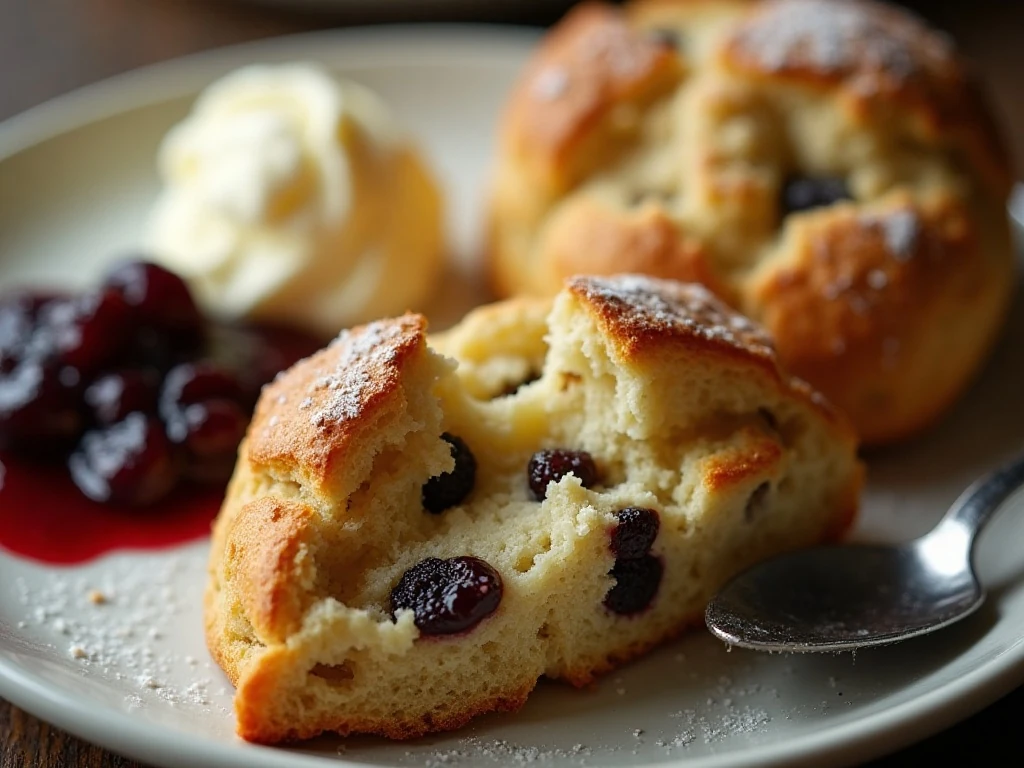
Raisins are traditional, but dried currants offer a delicate fruitiness and a more even distribution. You can also make the recipe without dried fruit for a simpler soda-bread scone that pairs beautifully with savory toppings.
Caraway seeds are optional but worthwhile if you enjoy a gently herbal flavor. They balance the sugar and raisins, creating a scone that works equally well with butter, sharp cheese, or soup.
For a less sweet batch, reduce the sugar to 1–2 tablespoons or omit it altogether. The result will taste more like a rustic soda bread, while the full 1/4 cup gives the scones a pleasant breakfast sweetness.
Serve the scones warm with softened butter, raspberry or strawberry jam, lemon curd, or clotted cream. They are also lovely beside tea, coffee, or a bowl of soup.
For another cinnamon-scented bake to add to the table, try this Amish-inspired cinnamon bread. It brings a sweeter, tender contrast to the lightly rustic soda scones.
Buttermilk Substitutions
Buttermilk gives these scones their characteristic tang and activates the baking soda, so it is the preferred choice. If you do not have it, heavy cream can replace it, although the flavor will be richer and less tangy.
Whole milk soured with lemon juice is another option, as is plain yogurt thinned with milk until it has a pourable consistency. Whichever substitute you use, add it gradually and stop when the dough is moist enough to hold together.
Do not add all the extra liquid automatically. Flour absorbs moisture differently depending on humidity and measuring technique, so reserve the additional 1–2 tablespoons and use them only if the dough needs help coming together.
Storage and Reheating

These scones are best on the day they are baked, especially during the first few hours when the crust is crisp and the center is tender. Once completely cool, place leftovers in an airtight container at room temperature.
To serve them the next day, warm them gently in a low oven until heated through. Avoid overheating, which can dry the crumb and make the raisins tough.
For a breakfast assortment, you can pair leftover scones with strawberry banana bread or keep the meal focused on quick breads with a sweet spread. If you want a fried treat for a special brunch, these easy homemade beignets make a fun companion.
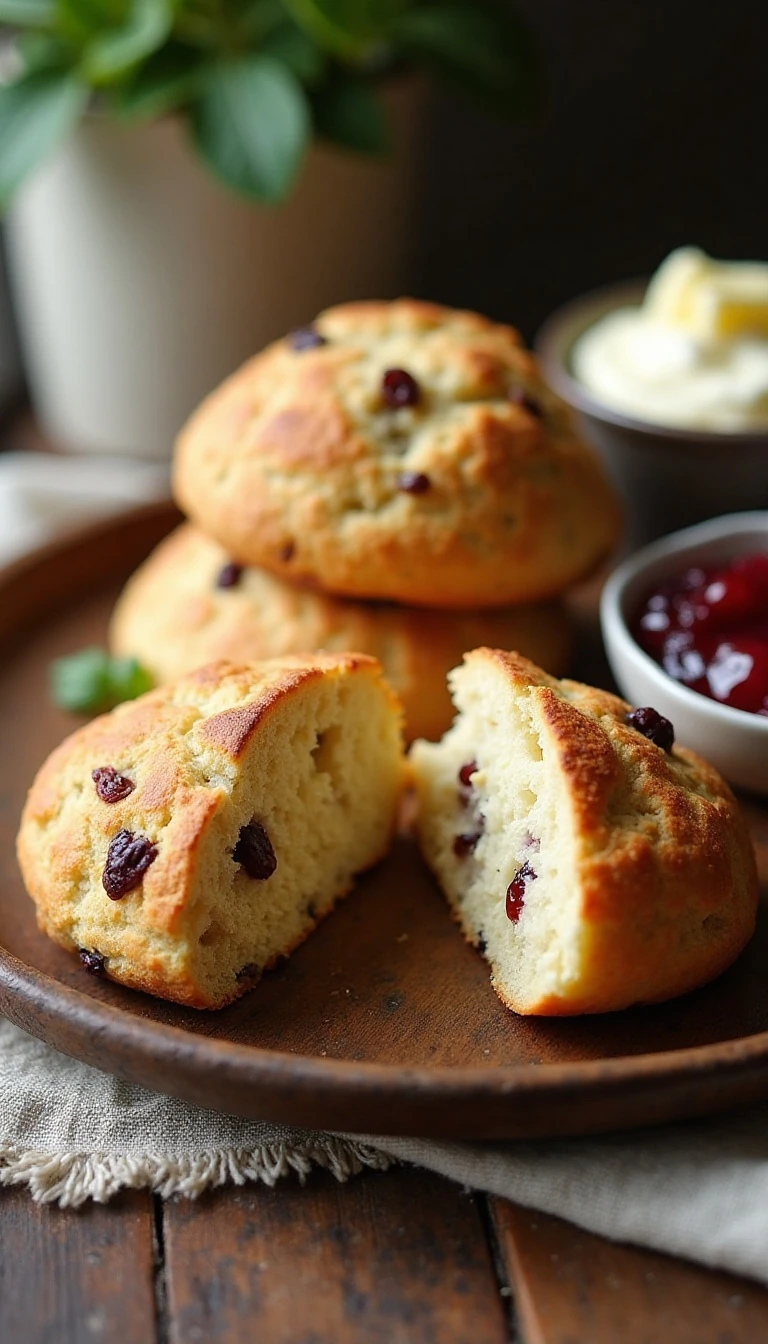
Easy Irish Soda Bread Scones Recipe
Ingredients
Method
- Heat the oven to 400°F (200°C) and line a baking sheet with parchment paper. Set the pan aside while you prepare the dough so the shaped scones can go into the oven promptly.
- Whisk the flour, sugar, baking soda, and salt in a large bowl. Stir in the caraway seeds if you are using them, making sure the baking soda is evenly distributed throughout the flour.
- Add the cold butter and cut it into the flour with a pastry blender or your fingertips until coarse crumbs form. A few small visible pieces of butter are welcome because they help keep the baked scones tender.
- Stir in the raisins or dried currants until they are coated with the flour mixture. This helps prevent the fruit from clumping together when the wet ingredients are added.
- Whisk the egg and buttermilk together in a separate measuring cup. Pour the liquid into the dry ingredients and stir just until a shaggy dough forms, adding 1–2 tablespoons more buttermilk only if the mixture remains very dry.
- Turn the dough onto a lightly floured surface and gently bring it together with your hands. Pat it into a round about 1 inch (2.5 cm) thick, taking care not to knead or compress the dough.
- Cut the round into 8 wedges, or use a round cutter to make 10–12 smaller scones. Arrange them on the prepared baking sheet and brush the tops lightly with buttermilk or cream if desired.
- Bake for 15–20 minutes, until the scones are puffed and golden brown and the centers feel set. Bake soon after adding the buttermilk because the baking soda begins reacting with the acidic liquid immediately.
- Cool the scones on the baking sheet or a rack for at least 10 minutes before serving. Enjoy them warm with butter, jam, or clotted cream.
Notes
Final Thoughts
This easy Irish soda bread scones recipe is a dependable way to put warm, homemade bread on the table without yeast or a lengthy rise. Cold butter, tangy buttermilk, and gentle mixing are the simple secrets to a tender crumb and beautifully golden top.
Make the full batch as 8 generous wedges for a relaxed breakfast, or cut 10–12 smaller scones for tea, brunch, or a dessert board. Whether you choose raisins, currants, caraway seeds, or no additions at all, serve them warm with butter and jam for a comforting taste of Irish-inspired baking.