This traditional Irish colcannon recipe combines fluffy mashed potatoes, tender green cabbage, scallions, whole milk, and plenty of butter in one comforting side dish. Ready in about 40–50 minutes, it makes 4–6 servings and is an easy, budget-friendly addition to a family dinner, Sunday roast, or St. Patrick’s Day menu.
Every spoonful is creamy without being heavy, with buttery potatoes, gently sweet cabbage, and a fresh onion flavor from the scallions. A traditional well of melted butter finishes the bowl, while crumbled bacon can be added for a savory modern variation.
Jump to RecipeWhy You’ll Love This Recipe

Colcannon is one of those recipes that turns humble ingredients into a dish people remember. The potatoes provide a soft, creamy base, while cabbage brings gentle sweetness and just enough texture to keep the mash interesting.
It is also wonderfully practical. The ingredient list is short, the preparation is straightforward, and most of the cooking happens in one pot and one skillet.
Traditional versions center on potatoes, cabbage or kale, butter, milk or cream, and scallions. Bacon is a popular addition, but it is not essential, so the basic recipe is easy to keep meat-free.
If you enjoy Irish potato dishes with a generous amount of scallions, you may also like our classic champ potato recipe, which has a similar creamy comfort-food appeal.
Ingredients You’ll Need
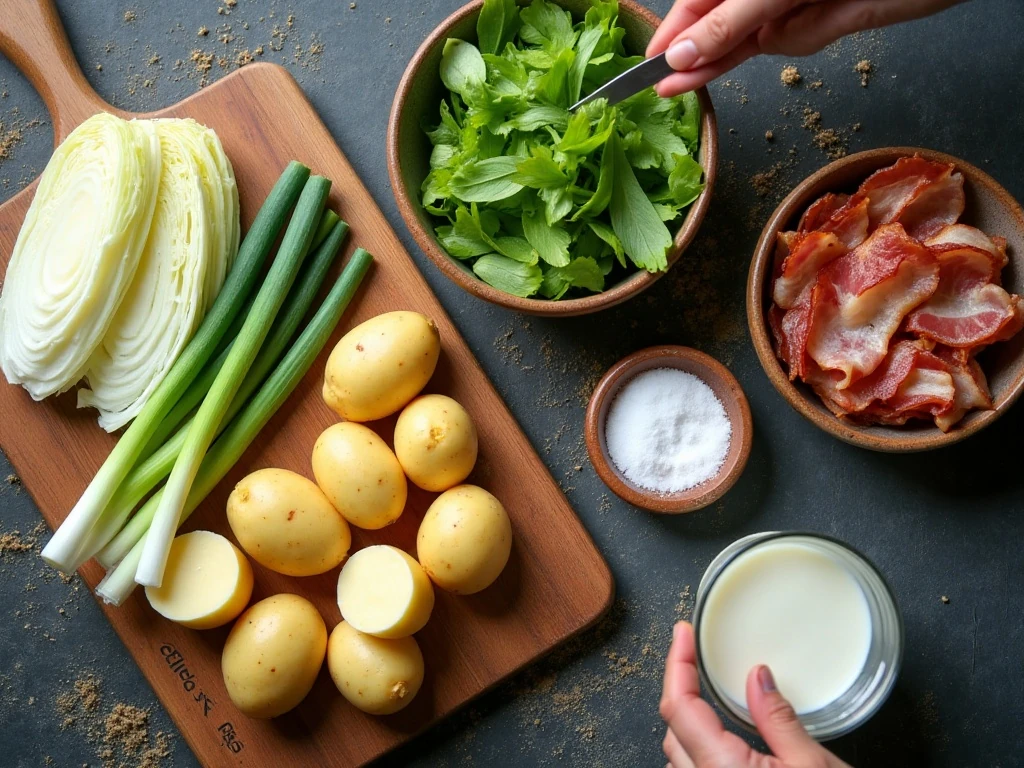
Choose floury potatoes such as Russet, Maris Piper, or Yukon Gold. These varieties mash easily and create a light, fluffy texture when they are cooked until tender and handled gently.
- Potatoes: Use 2 pounds, peeled and cut into even chunks so they finish cooking at the same time.
- Cabbage: Half of a small green cabbage, about 1 pound, adds color, tenderness, and a mild vegetable sweetness.
- Scallions: Four to six thinly sliced scallions provide a fresh onion flavor throughout the mash.
- Milk and butter: One cup of whole milk and 6 tablespoons of butter make the potatoes rich and smooth.
- Seasoning: Start with 1 1/2 teaspoons of salt and 1/2 teaspoon of freshly ground black pepper, adjusting to taste.
For a fuller plate, prepare 4–6 slices of cooked bacon and crumble them over the finished colcannon. Chopped parsley or chives add a bright finish, and kale may replace some or all of the cabbage.
For dessert after an Irish-inspired meal, keep our Irish cream chocolate fudge in mind. Its rich chocolate flavor makes a lovely contrast to the savory potatoes.
How to Make It Step-by-Step
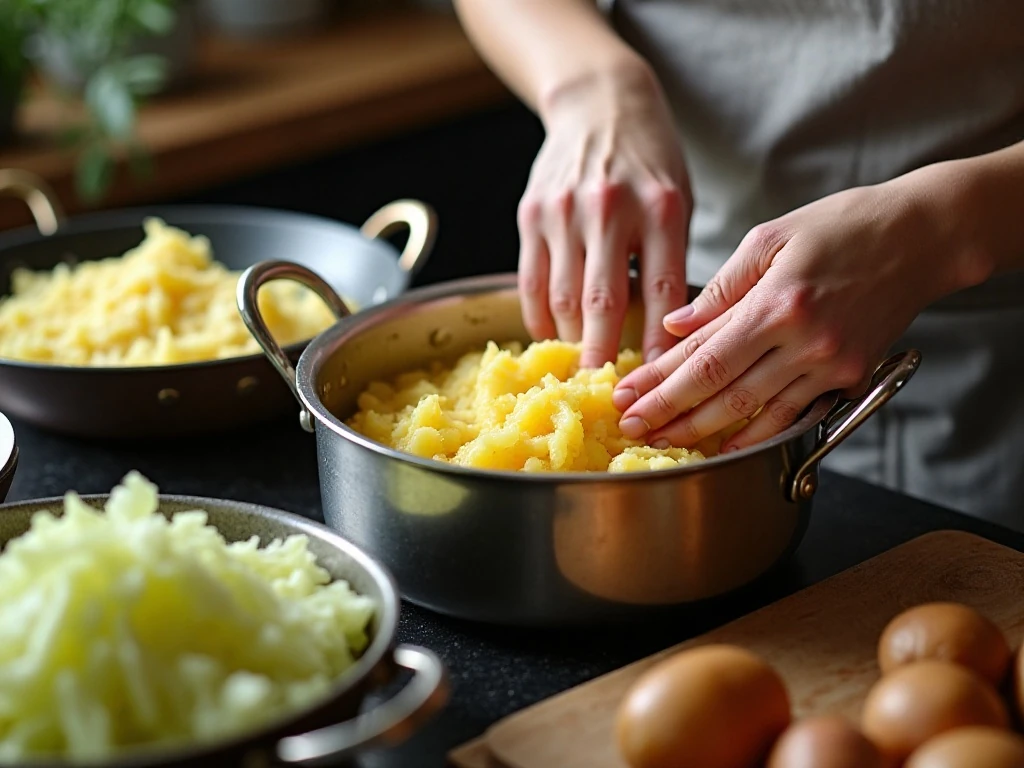
Step 1: Peel the potatoes and cut them into even chunks, aiming for pieces of similar size. Put them in a large pot, cover with cold water, and season the water with salt before bringing it to a boil.
Step 2: Once the water boils, reduce the heat so the potatoes simmer steadily rather than break apart in a rolling boil. Cook for approximately 15–20 minutes, testing with a knife; they are ready when the knife slides through the center without resistance.
Step 3: While the potatoes simmer, melt 2 tablespoons of butter in a large skillet or saucepan over medium heat. Add the finely sliced cabbage and cook for 5–8 minutes, stirring occasionally, until tender but not heavily browned.
Step 4: Warm the milk with another 2 tablespoons of butter in a small saucepan. The mixture should be hot enough to blend easily with the potatoes, but do not boil the milk.
Step 5: Drain the potatoes thoroughly, allowing excess water to escape, and return them to the warm pot. Mash them until smooth or slightly rustic, stopping before they become gummy.
Step 6: Pour in the warm milk and butter, then stir gently until just combined. Fold in the softened cabbage and sliced scallions, and season with the remaining salt and freshly ground black pepper.
Step 7: Spoon the colcannon into a serving bowl and use the back of a spoon to make a shallow well in the middle. Add the remaining 2 tablespoons of butter to the well, then finish with crumbled bacon or fresh herbs if desired.
Pro Tips for Fluffy Colcannon
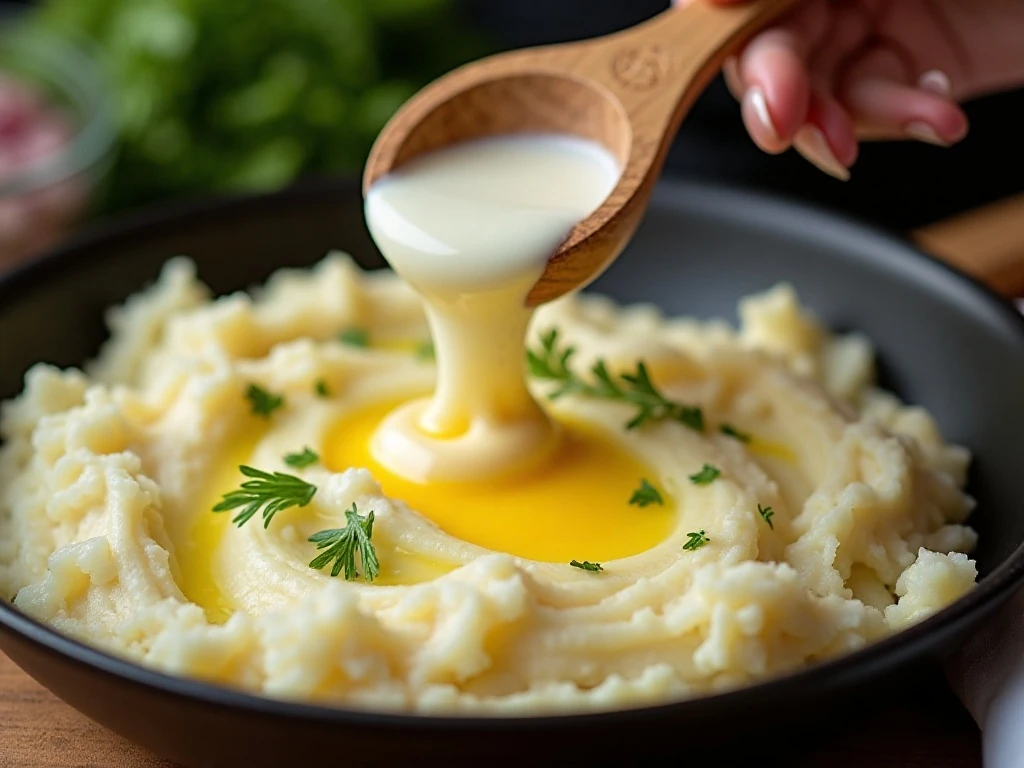
The most important texture tip is to warm the milk and butter before adding them to the potatoes. Cold liquid can cool the mash quickly and encourage overmixing, while warm liquid blends in with less stirring.
Do not let the cabbage become watery. Cook it until softened, and if it releases a lot of moisture, continue cooking briefly so that liquid does not thin the potatoes.
Use a potato masher or ricer rather than an electric mixer. Mash just until the potatoes reach the texture you like, then fold in the cabbage and scallions with a light hand.
- For rustic colcannon, leave a few small pieces of potato visible.
- For smoother colcannon, rice the cooked potatoes before adding the warm milk.
- For a greener version, replace some or all of the cabbage with finely sliced kale.
- For a savory topping, add cooked crumbled bacon immediately before serving.
- For a fresh finish, sprinkle on parsley or chives.
Colcannon is especially good beside roasted meat, sausages, or a simple baked fish. If you are planning a broader comfort-food spread, our easy salmon pasta offers another satisfying main-course idea.
What to Serve with Irish Colcannon
Serve colcannon as a generous side dish while it is hot and the butter in the center is still melting into the mash. It pairs naturally with roast beef, lamb, sausages, glazed ham, or a simple roast chicken.
The mild cabbage and creamy potatoes also balance boldly seasoned dishes. A spoonful of colcannon can round out a dinner with mustard, herbs, pan gravy, or a crisp green salad.
For an Irish-style table, add warm bread and a simple vegetable dish. Our Irish soda scone recipe can help complete the bread basket without requiring yeast or a long rise.
Storage and Reheating

Cool leftover colcannon promptly and place it in a covered container in the refrigerator. It is best enjoyed within a few days, and the texture may become firmer after chilling.
Reheat it gently in a saucepan over low to medium-low heat, stirring occasionally. Add a small splash of milk if needed, and finish with a little butter to restore its creamy consistency.
You can also reheat individual portions in the microwave in short intervals, stirring between each one. Avoid high heat for too long, since it can dry the potatoes and make the cabbage tough.
If you are collecting traditional baking ideas for the same meal, see our traditional Irish soda scones for another simple accompaniment.

Traditional Irish Colcannon
Ingredients
Method
- Peel the potatoes and cut them into even chunks. Place them in a large pot, cover with cold salted water, and bring to a boil.
- Reduce the heat and simmer the potatoes for approximately 15–20 minutes, or until completely tender when pierced with a knife.
- While the potatoes cook, melt 2 tablespoons of butter in a large skillet or saucepan. Add the sliced cabbage and cook for 5–8 minutes, stirring occasionally, until softened without heavily browning it.
- Warm the milk with another 2 tablespoons of butter in a small saucepan. Keep it warm, but do not let the milk boil.
- Drain the potatoes thoroughly and return them to the warm pot. Mash them until smooth or slightly rustic, according to your preference.
- Stir in the warm milk and butter, then fold in the cooked cabbage and scallions. Season with salt and pepper, taking care not to overwork the potatoes.
- Transfer the colcannon to a serving bowl and make a shallow well in the center. Add the remaining 2 tablespoons of butter, then scatter over bacon, parsley, or chives if using.
Notes
Final Thoughts
This traditional Irish colcannon recipe is proof that a few everyday ingredients can make an exceptionally comforting dish. Creamy potatoes, tender cabbage, fresh scallions, and warm butter come together in a bowl that feels both rustic and generous.
Keep the cabbage tender rather than watery, warm the milk before mixing, and avoid overworking the potatoes. Those small details are what give the finished colcannon its light, fluffy texture.
Serve it with the traditional butter well in the center, add bacon if you like, and bring it to the table while hot. Whether you make it for a holiday gathering or a quiet weeknight dinner, this Irish favorite is sure to disappear quickly.