To cook perfect Indian basmati rice every time, rinse 1 cup of aged white basmati rice until the water is mostly clear, soak it for 20–30 minutes, then drain it thoroughly. Cook the rice with 1½ cups water, optional salt, and optional ghee or neutral oil: bring it to a boil, cover, reduce the heat to very low, cook for 10–12 minutes, and let it rest covered for 10 minutes before fluffing.
The result is fragrant, tender rice with long, distinct grains that are fluffy rather than sticky. This simple absorption method takes about 35–45 minutes including soaking and makes approximately 3 cups cooked rice, enough for 3–4 people.
Jump to RecipeWhy You’ll Love This Recipe
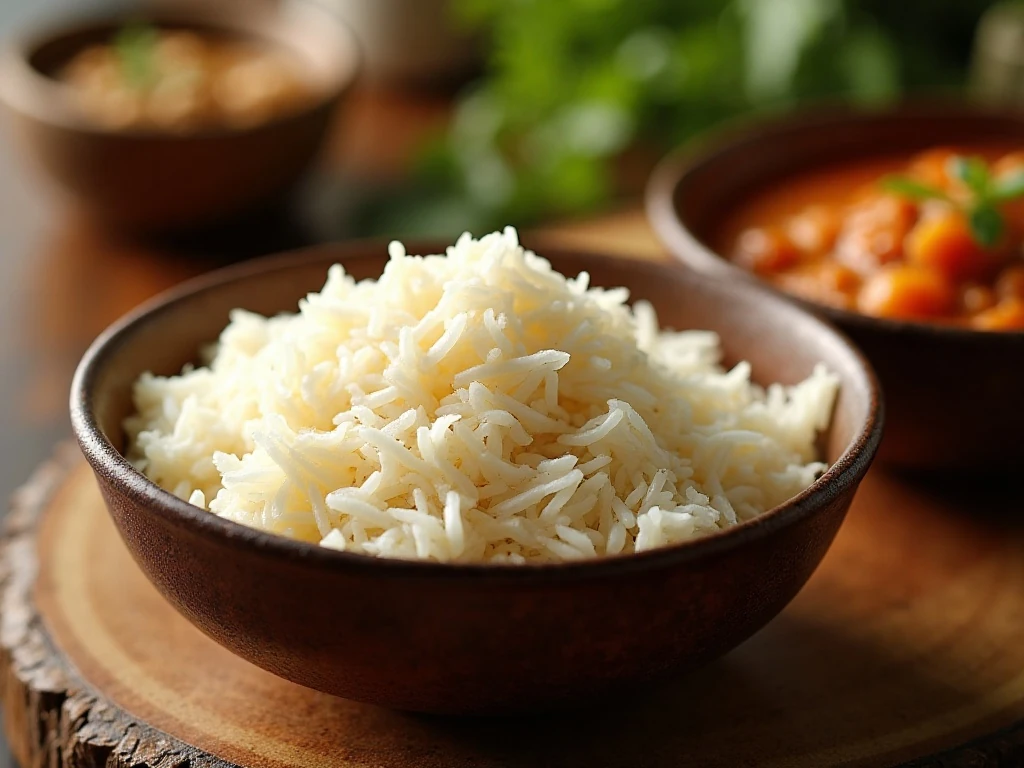
This Indian basmati rice recipe relies on a small number of ingredients and a carefully controlled cooking method. Once you learn the rhythm of rinsing, soaking, boiling, low simmering, and resting, you can make dependable rice for weeknight dinners or special occasions.
Aged white basmati is particularly well suited to this technique. Its naturally aromatic grains cook into a light, fluffy side dish with a gentle nutty fragrance and enough structure to pair with saucy foods without becoming heavy.
The rice is also wonderfully versatile. Serve it beside dal, vegetable curry, grilled chicken, or a rich stew, or use it as the foundation for a colorful bowl with roasted vegetables and herbs.
For another rice-centered idea with a completely different sweet-and-savory personality, try this pineapple, coconut, and cashew rice recipe when you want a tropical accompaniment.
Ingredients You’ll Need
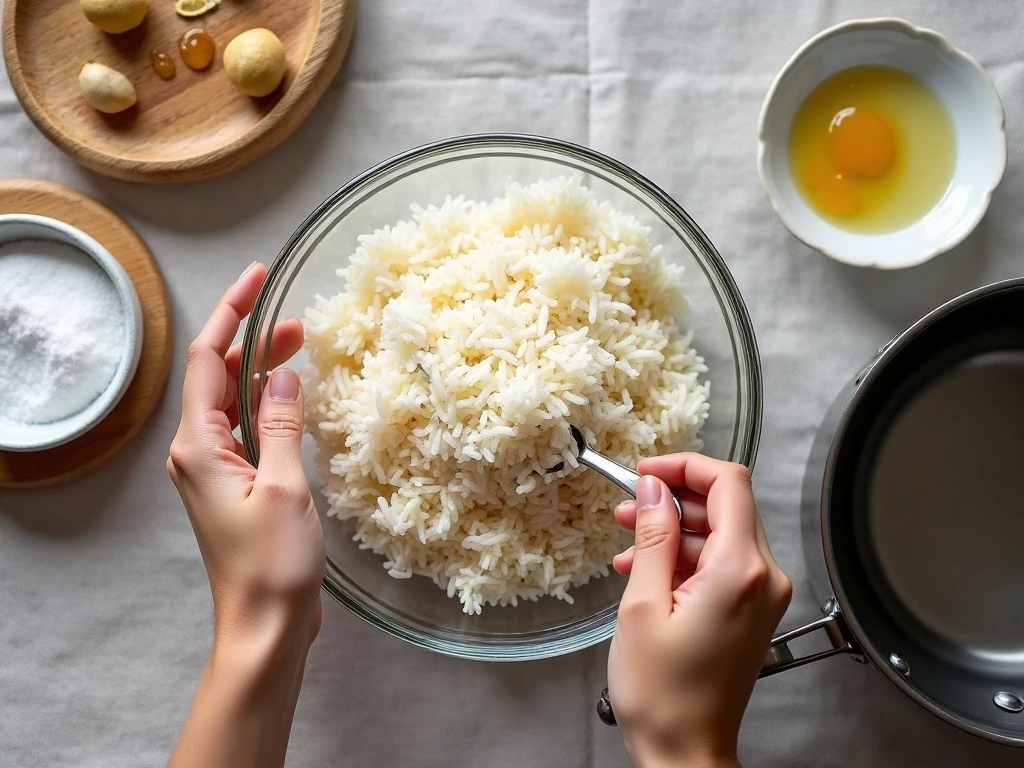
You only need one cup of rice, water, and two optional additions. The quantities are modest, but each ingredient has a purpose in the finished dish.
- 1 cup aged white basmati rice: Choose aged rice when possible for long, separate grains and a fragrant aroma.
- 1½ cups water: This absorption ratio is designed for rinsed and soaked basmati rice.
- ½–1 teaspoon salt: Add it when you want the rice seasoned from within.
- 1 teaspoon ghee or neutral oil: This is optional, but it adds a subtle richness and can help the cooked grains feel silky.
A heavy saucepan with a snug lid is important. A thick base distributes heat more evenly, while a tight lid holds the steam that finishes cooking the rice after the burner is turned off.
Measure the rice and water carefully the first few times you make this recipe. After you understand how your pan and stovetop behave, small adjustments become easy.
For a lighter meal-planning option that swaps traditional rice for vegetables, keep this cauliflower rice salad in mind as a fresh side dish.
How to Make It Step-by-Step
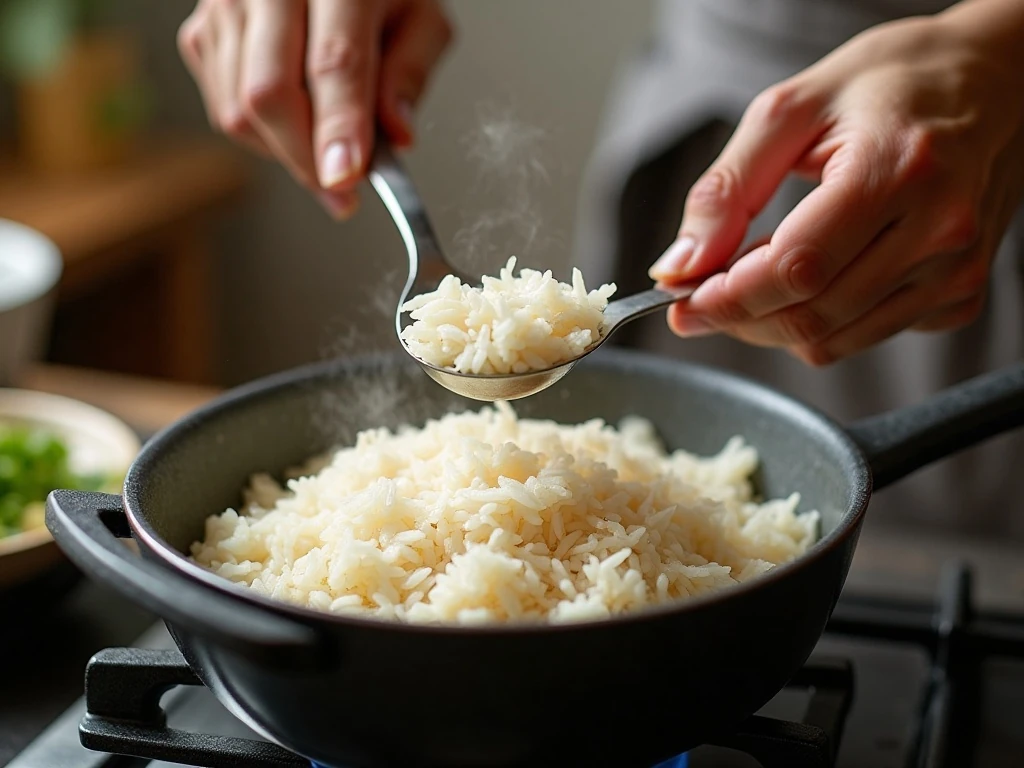
Step 1: Place the rice in a bowl and cover it with cold water. Swirl the grains gently with your fingers, pour off the cloudy water, and repeat in several changes until the water is mostly clear. This removes excess surface starch, which helps keep the cooked grains from clumping together.
Step 2: Cover the rinsed rice with fresh water and let it soak for 20–30 minutes. Soaking allows the grains to absorb some moisture before cooking, helping them lengthen and cook more evenly. When the soaking time is complete, drain the rice thoroughly so extra water does not change the intended ratio.
Step 3: Add the drained rice to a heavy saucepan with 1½ cups water. Add ½–1 teaspoon salt and 1 teaspoon ghee or neutral oil if using, then give the mixture one gentle stir to distribute everything evenly.
Step 4: Set the saucepan over medium-high heat and bring the water to a full boil. Wait for active bubbling across the surface rather than relying on a few small bubbles around the edges, since the rice needs to reach an even cooking temperature.
Step 5: Stir the rice once, cover the pan tightly, and immediately reduce the heat to very low. Cook for about 10–12 minutes without lifting the lid. The trapped steam is essential, and repeatedly checking the pan lets heat and moisture escape.
Step 6: Check only near the end of the cooking time if necessary. The water should be absorbed and the grains should be tender; if a little moisture remains, replace the lid and continue for another minute or two on very low heat.
Step 7: Turn off the heat and leave the pan covered for 10 minutes. This resting period allows the remaining steam to distribute through the rice, so the bottom, center, and top finish with a more even texture.
Step 8: Remove the lid and fluff gently with a fork, lifting and separating the grains rather than stirring aggressively. Serve immediately, or keep the rice covered briefly so it stays warm and aromatic.
Pro Tips for Separate, Fluffy Grains
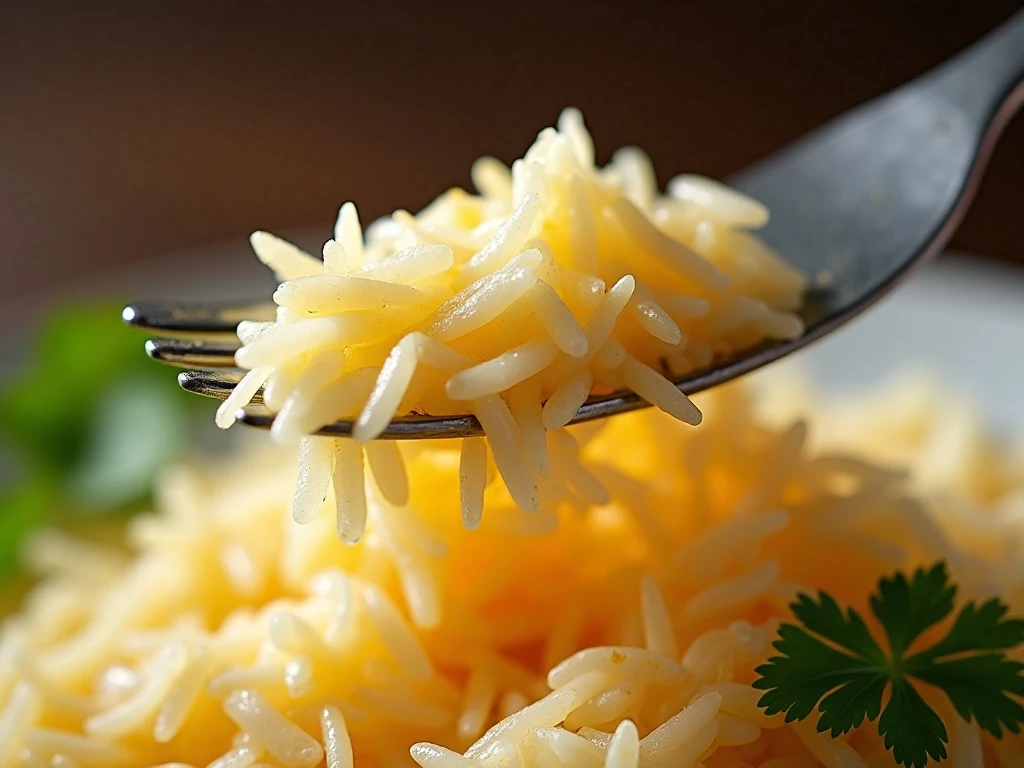
Rinsing is one of the most important steps. The cloudy water contains loose surface starch, and removing much of it makes the finished rice less sticky without stripping away the grain’s natural fragrance.
Do not skip the covered rest. The rice may appear finished when the water disappears, but the final 10 minutes off the heat are what help the grains become tender throughout.
- Use aged rice: It generally produces longer, more separate grains and needs slightly less water than freshly milled rice.
- Keep the lid closed: Steam trapped inside the saucepan completes the cooking process.
- Fluff carefully: A fork separates the grains with less pressure than a spoon.
- Adjust only slightly: If the rice is consistently too soft, reduce the water by 1–2 tablespoons.
- Correct undercooked rice: Add 1–2 tablespoons hot water, cover, and steam for a few more minutes.
Every stovetop and saucepan behaves a little differently. If your burner runs hot, the water may evaporate too quickly, while a very low burner may need a little extra time. Make small changes rather than changing the ratio dramatically.
When serving a complete dinner, the rice makes a calm, neutral partner for bold flavors. It is especially good with spiced proteins, including dishes inspired by these ground beef cooking ideas.
How to Serve Indian Basmati Rice
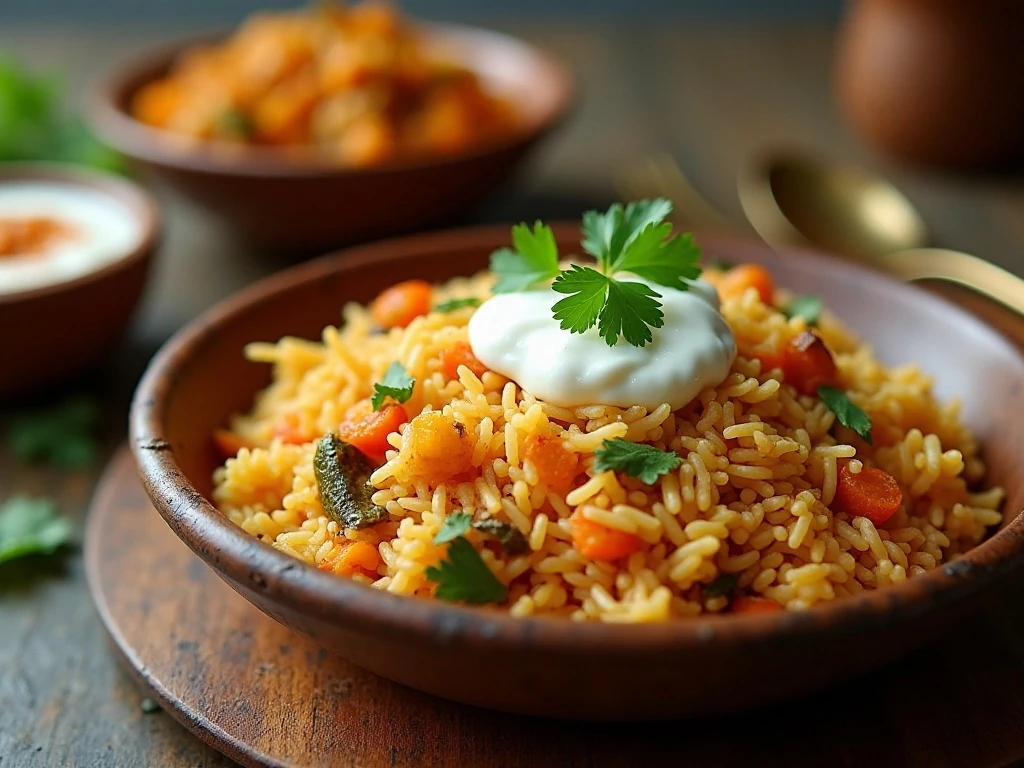
Freshly fluffed basmati rice is delicious with a spoonful of dal, chickpea curry, butter chicken, roasted vegetables, or a simple lentil stew. Its long grains catch sauces while retaining enough texture to keep each bite interesting.
For a simple finishing touch, garnish with fresh cilantro, toasted nuts, or a few crisp fried onions. Keep the garnish restrained so it complements rather than hides the delicate aroma of the rice.
This rice also works beautifully as the base of a composed plate. Add a protein, a cooked vegetable, something cooling such as yogurt or cucumber, and a bright pickle or chutney for contrast.
If you are planning a family-style meal, serve the rice in a warmed bowl and fluff it once more just before bringing it to the table. A tight cover or clean kitchen towel over the bowl can help retain warmth for a short serving window.
For a one-pan dinner where rice cooks alongside seasoned chicken, see this Spanish chicken and rice meal for a different flavor direction.
Storage, Reheating, and Alternate Methods
Cool leftover rice promptly and transfer it to a covered container. Refrigerate it and use it within a few days, reheating only the portion you plan to eat.
To reheat, sprinkle a small amount of water over the rice, cover it, and warm it until steaming hot. Gently separate the grains with a fork instead of stirring forcefully.
If you prefer a less exact but very reliable approach, use the boiling method: boil 1 cup rice in 6–8 cups salted water for about 8–10 minutes, drain it when just tender, and let it steam covered for 5–10 minutes. This method is useful when you are cooking several batches or want to avoid measuring the absorption water precisely.
The absorption method in this article provides the most concentrated rice flavor because the grains take up the seasoned cooking water. The boiling method offers more flexibility, but draining must happen promptly so the grains do not become too soft.
For a sweet leftover-rice idea rather than a savory meal, consider this glorified rice dessert salad for a creamy, nostalgic treat.
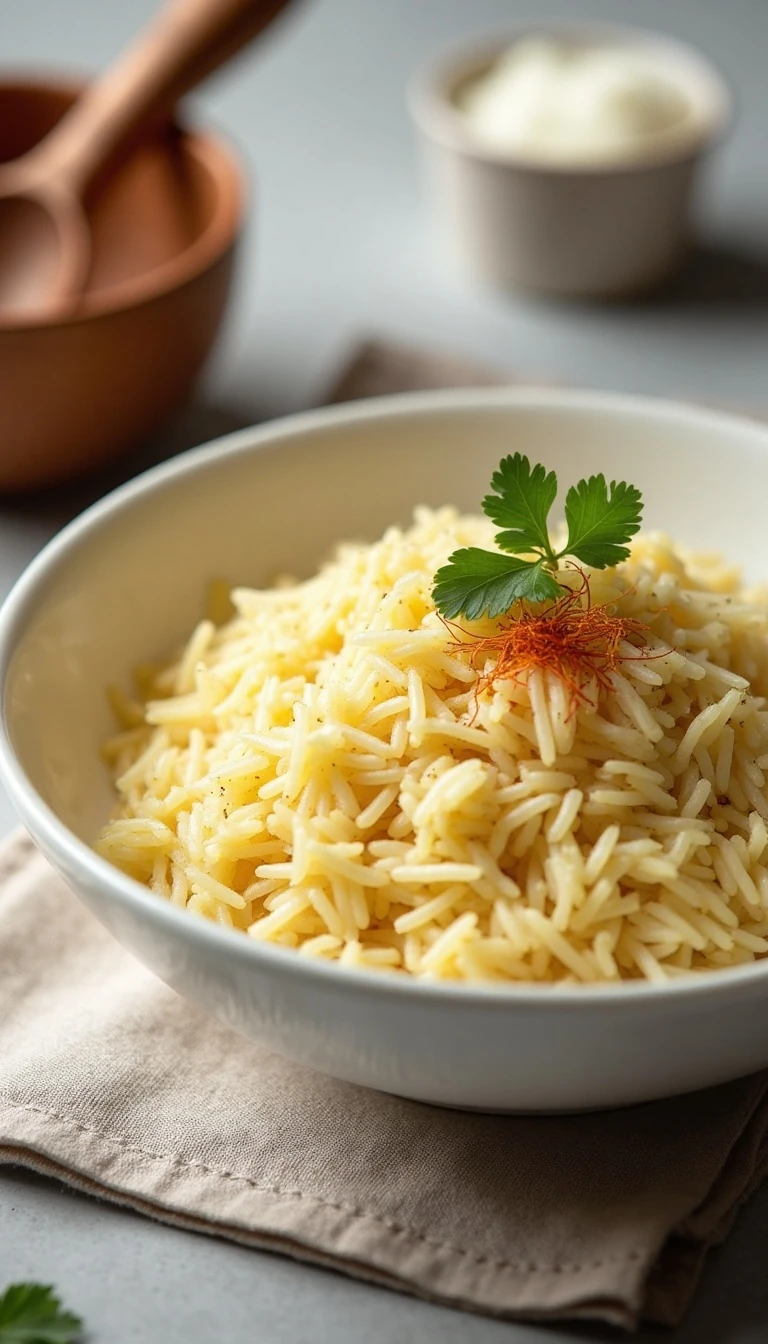
Perfect Indian Basmati Rice
Ingredients
Method
- Rinse 1 cup aged white basmati rice in several changes of cold water until the water is mostly clear.
- Soak the rinsed rice in fresh water for 20–30 minutes, then drain it thoroughly.
- Add the drained rice, 1½ cups water, optional salt, and optional ghee or neutral oil to a heavy saucepan.
- Bring the mixture to a full boil over medium-high heat. Stir once, cover tightly, and reduce the heat to very low.
- Cook for about 10–12 minutes, or until the water has been absorbed and the rice is tender.
- Turn off the heat and leave the pan covered for 10 minutes.
- Fluff gently with a fork and serve. Avoid vigorous stirring because it can break the grains and make the rice gummy.
Notes
Final Thoughts
Perfect Indian basmati rice comes down to restraint: rinse away excess starch, soak the grains, measure the water, keep the lid closed, and allow the rice to rest before fluffing. These small habits create consistently long, tender grains with a fragrant aroma and a clean, separate texture.
Start with the exact ratio of 1 cup aged basmati rice to 1½ cups water, then make only tiny adjustments if your particular rice or saucepan calls for them. Once the method becomes familiar, this reliable side dish will be ready whenever curry, dal, grilled foods, or a comforting family meal is on the menu.
Serve it hot and gently fluffed, with sauces spooned alongside or over the top. The rice is simple enough for everyday cooking, yet special enough to anchor a festive Indian-inspired spread.