This old-fashioned homemade egg custard pie recipe makes a silky, gently sweet dessert with a flaky 9-inch pastry crust, creamy whole-milk custard, vanilla, and a light dusting of nutmeg. Bake the unfilled crust and custard together at 400°F for 10 to 15 minutes, then reduce the oven to 350°F and continue baking for 30 to 40 minutes, or until the edges are set and the center has a slight wobble.
After at least 1 to 2 hours of cooling, each slice is tender, creamy, and fragrant without being overly rich. The secret to its old-fashioned texture is warming the milk, adding it gradually to the eggs, straining the filling, and taking the pie out before the center becomes completely firm.
Jump to RecipeWhy You’ll Love This Recipe
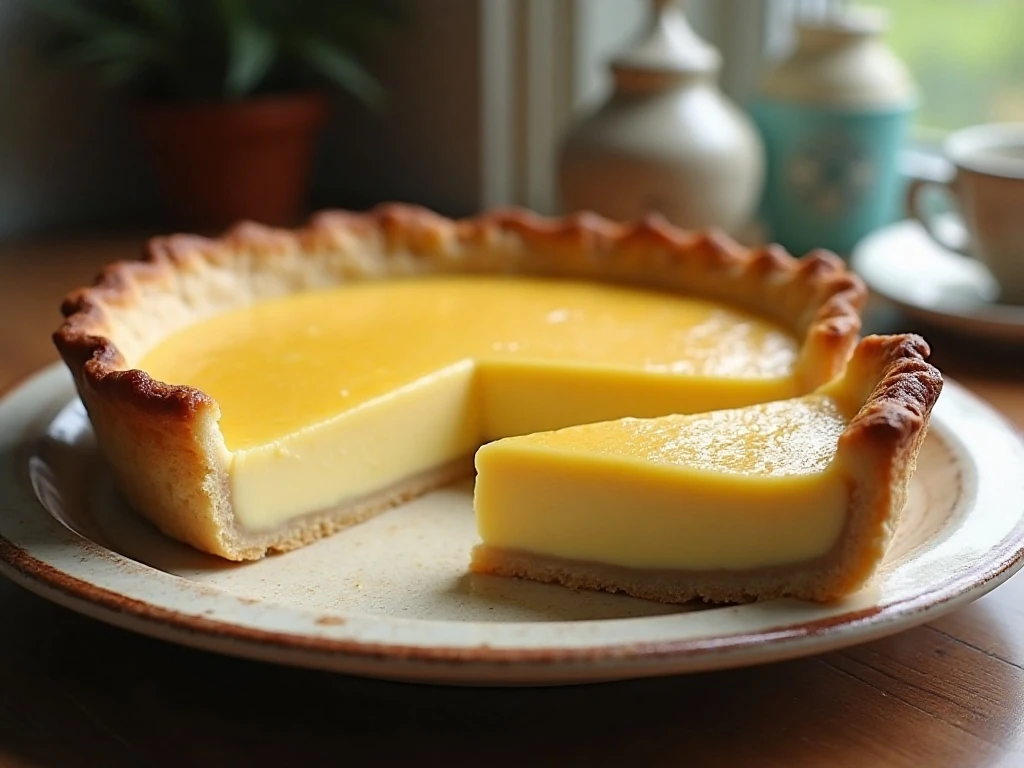
There is a reason egg custard pie has remained a favorite on traditional dessert tables. It is made from simple pantry and refrigerator staples, yet the finished pie feels special: the pastry is crisp and buttery, while the interior is soft, creamy, and delicately scented with vanilla and nutmeg.
This is not an intensely sweet pie. The half cup of granulated sugar lets the flavor of the eggs and milk remain present, creating a balanced dessert that is especially welcome after a hearty meal.
The two-temperature baking method is important. The initial 400°F oven helps the pastry shell begin setting, while the lower 350°F temperature allows the custard to cook gently instead of becoming tough.
If you enjoy classic, comforting pies, you may also like this pumpkin pie custard idea, which offers another lovely way to serve a smooth custard-style dessert.
Ingredients You’ll Need
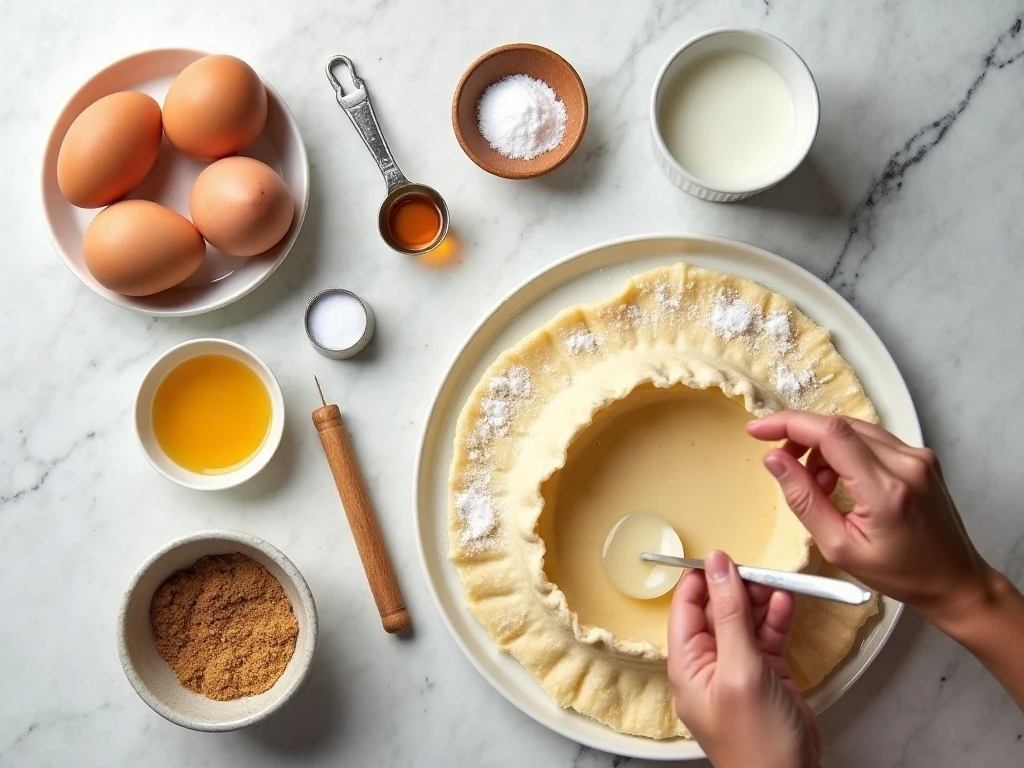
Gather the ingredients before you begin, especially because the warm milk should be added to the eggs soon after it is heated. A refrigerated crust is perfectly suitable for this recipe, although a homemade crust brings its own rustic charm.
- One unbaked 9-inch pie crust: Use a homemade or refrigerated pastry shell fitted into a 9-inch pie plate.
- Four large eggs: Eggs provide the structure that turns milk into a sliceable custard.
- One-half cup granulated sugar: This gives the pie its traditional gentle sweetness.
- One-quarter teaspoon salt: Salt rounds out the flavor without making the pie taste salty.
- One teaspoon vanilla extract: Vanilla adds warmth and a familiar bakery aroma.
- Two cups whole milk: Whole milk gives the filling its most traditional texture.
- One-quarter teaspoon ground nutmeg, plus more for sprinkling: Nutmeg supplies the signature old-fashioned finish.
Whole milk is the classic choice, but part of it can be replaced with cream when you want a richer filling. Some versions use 2 1/2 cups of milk for a softer, fuller custard, while others use 3/4 to 1 cup of sugar for a sweeter pie; this recipe keeps the proportions traditional and moderately sweet.
How to Make It Step-by-Step
Step 1: Heat the oven to 400°F. Set the unbaked 9-inch pastry crust into a pie plate, checking that it sits evenly and that the edge is neatly crimped or pressed into place.
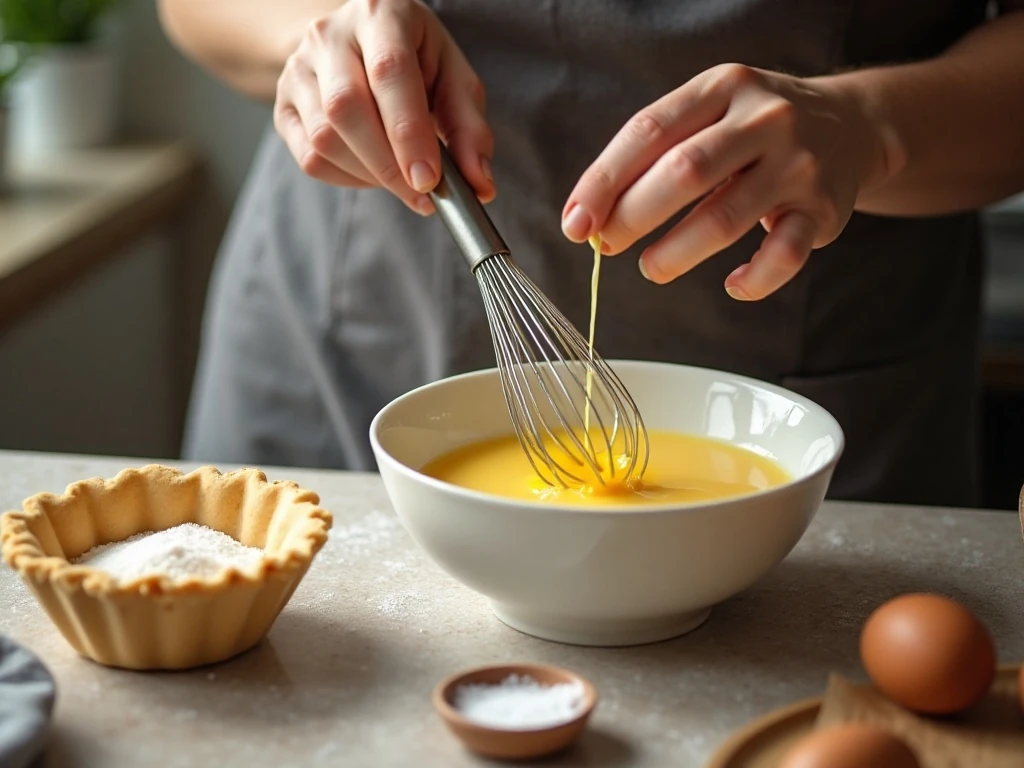
Step 2: Add the eggs, sugar, salt, and vanilla to a mixing bowl. Whisk just until the mixture is blended and lightly uniform, rather than beating vigorously, because too much air can create bubbles and a less polished surface.
Step 3: Warm the milk in a saucepan or microwave-safe container until it is hot but not boiling. The milk should feel thoroughly heated, but it should not be bubbling, steaming aggressively, or forming a boil.
Step 4: Slowly whisk the hot milk into the egg mixture in a steady stream. Adding it gradually tempers the eggs and helps prevent them from scrambling, so avoid pouring all of the hot milk in at once.
Step 5: Pour the mixture through a fine strainer into the unbaked pie shell. Straining catches any small bits of egg and produces the especially smooth filling associated with a carefully made custard pie.
Step 6: Sprinkle the top evenly with the 1/4 teaspoon of ground nutmeg, adding a little more if you prefer a clearly visible nutmeg finish. Move the filled pie carefully to the oven so the liquid custard does not slosh over the pastry edge.
Step 7: Bake at 400°F for 10 to 15 minutes. This hotter first stage helps the crust begin to set before the custard finishes cooking at a gentler temperature.
Step 8: Reduce the oven temperature to 350°F and continue baking for about 30 to 40 minutes. The total baking time should be about 45 to 55 minutes, depending on your oven and the depth of your pie plate.
Step 9: Check for doneness by gently moving the pie. The edges should be set, while the center should wobble slightly without looking liquid; an instant-read thermometer inserted near the center will generally register about 170 to 175°F.
Step 10: Cool the pie on a rack for at least 1 to 2 hours before slicing. The custard continues firming as it cools, so this waiting period is essential for clean slices and a creamy, settled texture.
Pro Tips for Silky Custard

The most common mistake with egg custard pie is overbaking. If the center is already rigid in the oven, it may become rubbery as it cools, and the surface can crack as the custard contracts.
Look for a controlled wobble rather than a liquid wave. The outer ring should appear set, but the middle should move gently as one piece when the pie plate is nudged.
Straining is an optional step, but it is one of the easiest ways to improve the texture. It removes tiny strands of egg and any bits that did not fully blend, leaving a smooth custard that cuts beautifully.
Do not rush the milk. Hot but not boiling milk blends into the egg mixture effectively, while milk that is boiling can cook the eggs too quickly and create curds.
A metal pie shield or a strip of foil around the crust edge can prevent excessive browning during the longer bake. Place it around the rim when the pastry is becoming darker than you want, taking care not to cover the custard surface.
For another cozy recipe that uses eggs in a completely different way, you can try this savory egg biscuit recipe for breakfast or brunch.
Serving Suggestions
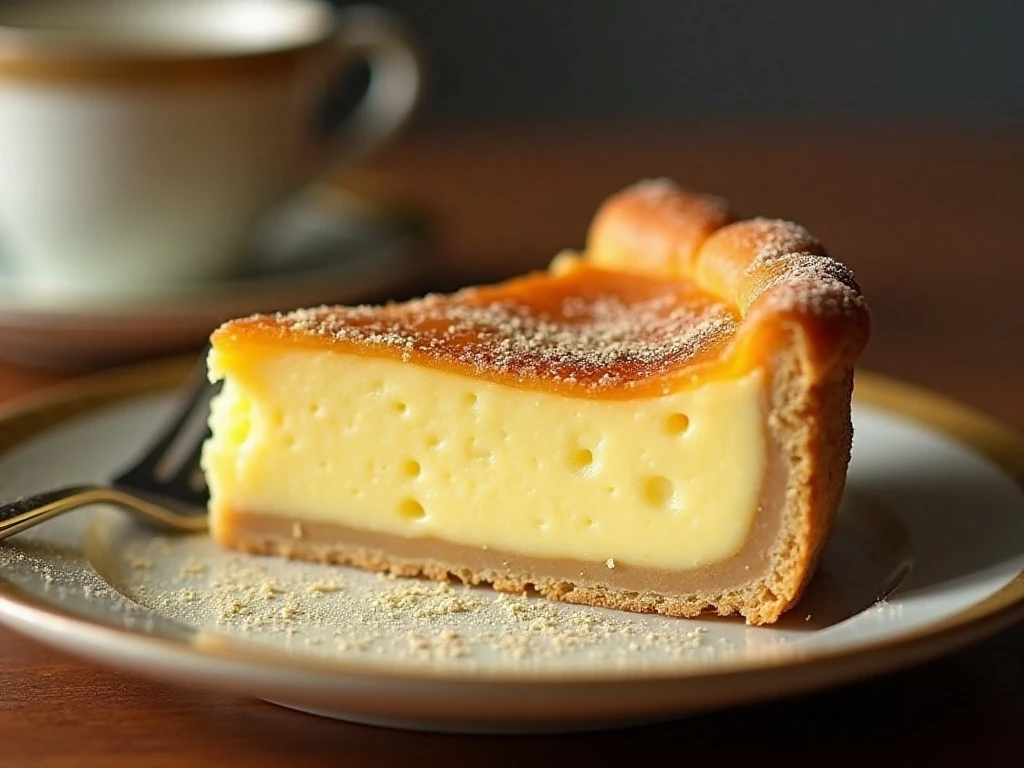
Serve each slice chilled or cool, depending on your preference. The pie is wonderful on its own because the vanilla custard and nutmeg already provide a complete flavor, but a simple garnish can make it feel festive.
- Dust each slice with a very light touch of additional nutmeg.
- Serve with coffee, black tea, or a glass of cold milk.
- Offer a small spoonful of softly whipped cream for a richer dessert.
- Use a sharp, thin knife for clean slices, wiping the blade between cuts.
Because the flavor is restrained and traditional, this pie fits many occasions, from a Sunday family dinner to a holiday dessert buffet. It also makes a pleasant contrast beside a more intensely spiced pie or a fruit-forward dessert.
If you are planning a nostalgic snack table, pair dessert with these old-school pizza English muffins for a familiar, family-friendly spread.
Storage and Make-Ahead Advice

Allow the pie to cool on a rack before covering it or moving it into the refrigerator. If it will not be served within a few hours, refrigerate it once cooled so the egg-based filling stays properly chilled.
Keep the pie covered while refrigerated to protect its delicate surface and prevent it from absorbing refrigerator odors. Slice it directly from the refrigerator for the neatest cuts, or let individual slices stand briefly if you prefer a softer texture.
This dessert is best treated as a finished custard pie rather than reheated aggressively. High heat can cause the filling to become firm and lose the tender texture that makes this recipe special.
For a comforting menu with another creamy classic, consider serving this pie after a bowl of homemade cream of chicken soup, followed by a simple salad or warm bread.
Classic Variations to Try
The recipe is intentionally simple, but small changes can give it a different personality. For a softer, fuller custard, some traditional versions use 2 1/2 cups of milk instead of 2 cups; expect the filling to be more delicate and follow the same visual doneness cues.
For a sweeter dessert, published variations sometimes use 3/4 to 1 cup of sugar. Increase the sweetness only if it suits your taste, since the original half-cup proportion gives a balanced old-fashioned flavor.
Whole milk produces the most traditional texture. Replacing part of the milk with cream makes the filling richer, while keeping the vanilla and nutmeg in place preserves the recognizable character of the pie.
For another classic creamy dessert to place beside this pie, see our banana crème pie recipe for a fruit-filled variation on the same comforting dessert tradition.
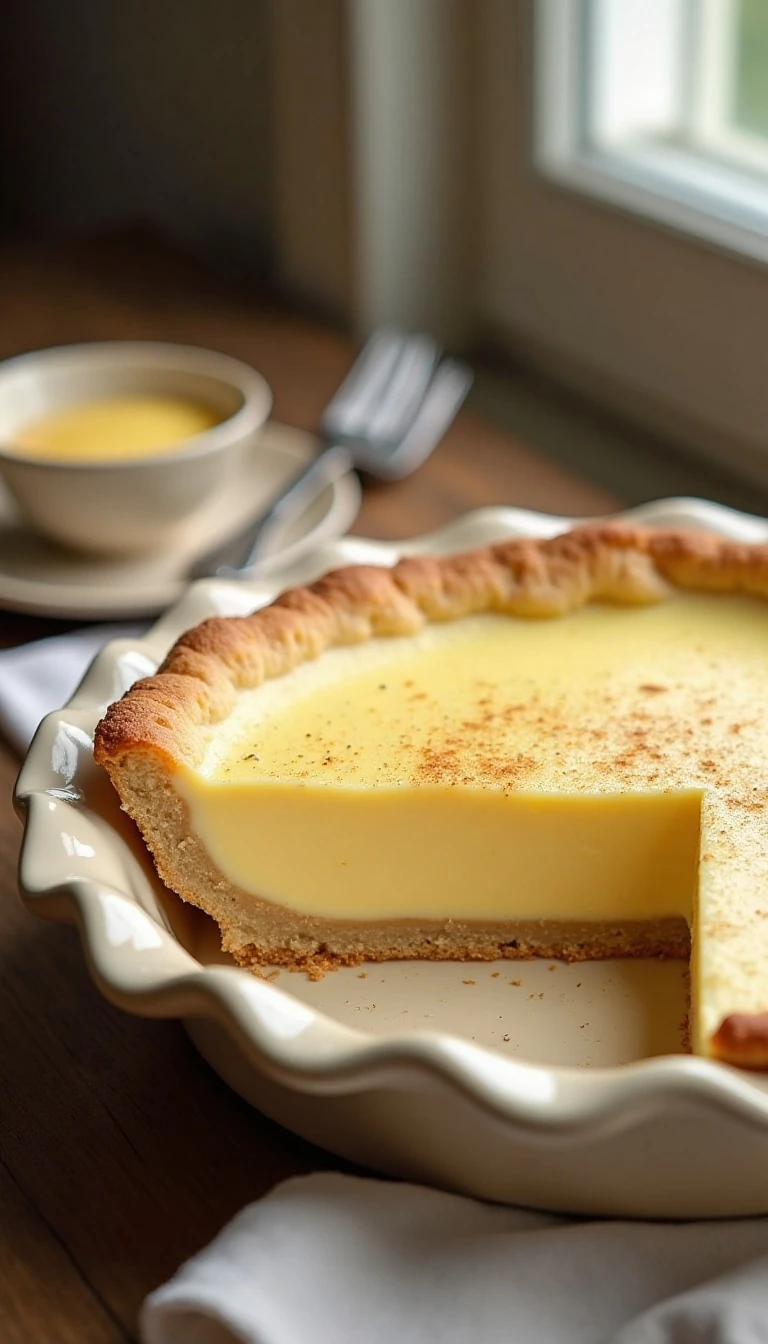
Old-Fashioned Homemade Egg Custard Pie
Ingredients
Method
- Heat the oven to 400°F and place the unbaked 9-inch pie crust in a pie plate. Whisk the eggs, sugar, salt, and vanilla in a bowl until blended, taking care not to whip in excessive air.
- Warm the whole milk until hot but not boiling. Gradually whisk the warm milk into the egg mixture so the eggs do not scramble.
- For an especially smooth filling, pour the custard through a fine strainer into the unbaked pie shell. Sprinkle the top with nutmeg.
- Bake at 400°F for 10 to 15 minutes. Reduce the oven temperature to 350°F and continue baking for about 30 to 40 minutes.
- Remove the pie when the edges are set and the center still has a slight jiggle; an instant-read thermometer near the center should generally read about 170 to 175°F. Cool on a rack for at least 1 to 2 hours before slicing.
Notes
Final Thoughts
This old-fashioned homemade egg custard pie proves that a short ingredient list can produce an unforgettable dessert. Eggs, sugar, milk, vanilla, and nutmeg come together inside a single pastry shell to create a pie that is creamy, fragrant, and wonderfully nostalgic.
Take your time with the warm milk, strain the filling when possible, and trust the gentle wobble in the center instead of waiting for the pie to look completely rigid. After at least 1 to 2 hours of cooling, you will have tidy slices with a tender custard texture and a golden pastry edge.
Whether served after a family supper or included on a holiday dessert table, this pie belongs in the collection of recipes worth making again and again. Its quiet sweetness and familiar nutmeg finish are exactly what make an old-fashioned custard pie so comforting.