This easy homemade ham glaze recipe is the best brown sugar glaze for a baked ham. Made with packed light brown sugar, honey, orange juice, Dijon mustard, cinnamon, and cloves, it takes only 5 minutes to prepare and 5–8 minutes to cook, yielding about 1 1/2 cups—enough for one 8–10 lb ham.
The finished glaze is sweet, citrusy, gently tangy, and warmly spiced, creating a glossy, caramelized crust without overpowering the ham. Brush on part of the glaze before baking, then add thin layers during the final 20–30 minutes so the brown sugar and honey turn shiny and flavorful instead of burning.
Jump to RecipeWhy You’ll Love This Recipe
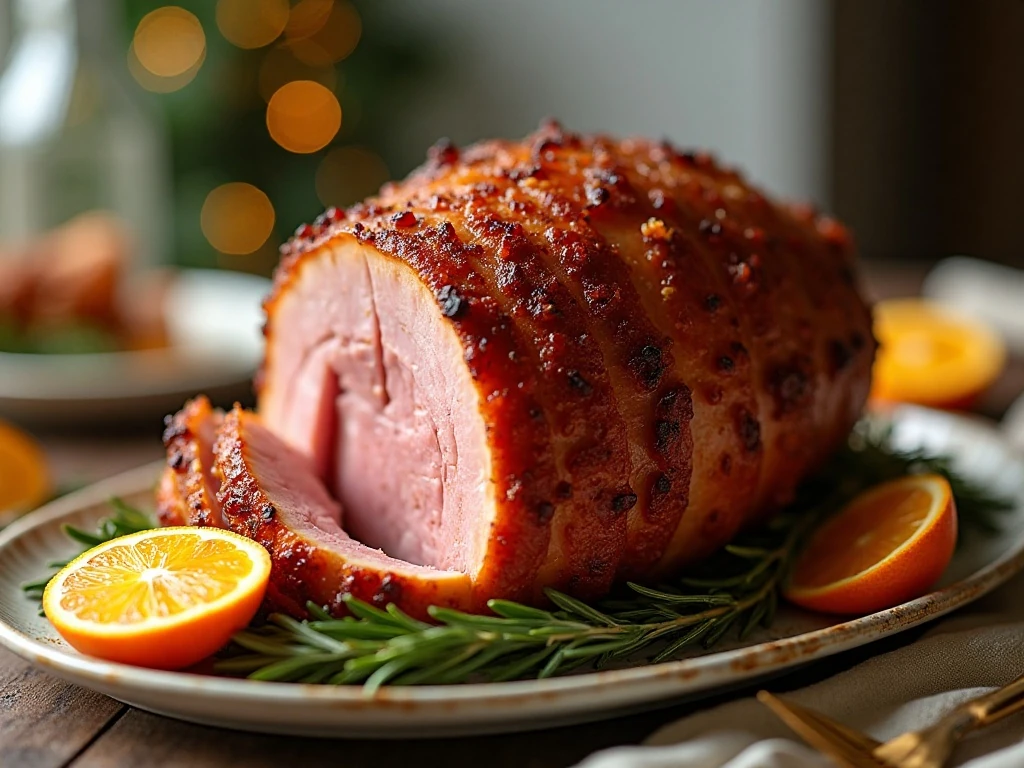
A homemade ham glaze gives a holiday ham the glossy finish and sweet-savory crust that bottled sauces rarely provide. The base is simple, but every ingredient has a purpose: brown sugar supplies caramel flavor, honey adds shine, orange juice brings brightness, and Dijon mustard keeps the sweetness balanced.
Cinnamon and cloves provide a classic baked-ham aroma without making the sauce taste like dessert. The glaze is also flexible, so you can add apple cider vinegar for extra tang, butter for a richer finish, or a small amount of garlic powder or cayenne for a more savory style.
This recipe is especially useful for a fully cooked spiral ham because it can be mixed while the oven preheats. The glaze needs only about 10–15 minutes from saucepan to brush, leaving plenty of time to focus on side dishes such as this cranberry and apple cake for dessert.
Ingredients You’ll Need
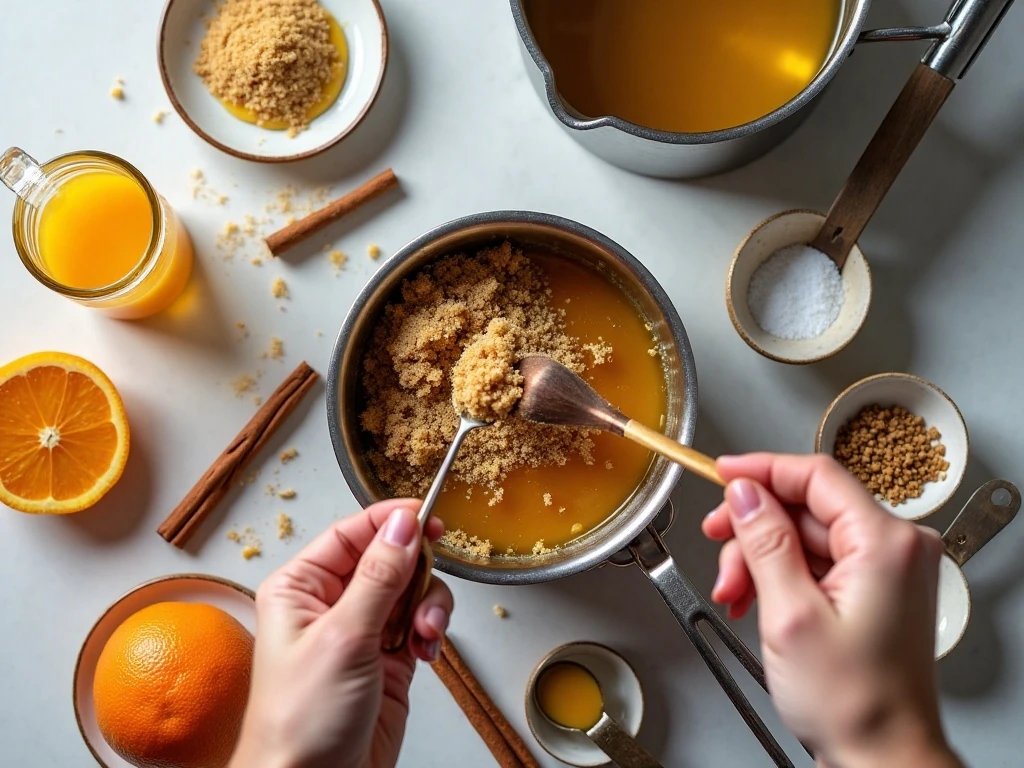
Gather the ingredients before turning on the stove. Measuring everything first prevents the sugar from sitting over the heat while you search for the mustard or spices.
- 1 cup packed light brown sugar: This creates the rich caramel base and helps form a shiny crust.
- 1/2 cup honey: Honey adds floral sweetness, smooth texture, and attractive browning.
- 1/4 cup orange juice: Citrus cuts through the richness and loosens the glaze to a brushable consistency.
- 2 tablespoons Dijon mustard: Dijon adds savory depth and a mild sharpness that keeps the sauce from becoming flat.
- 1/4 teaspoon ground cinnamon and 1/4 teaspoon ground cloves: These spices give the ham a familiar warm holiday flavor.
The optional additions are not required, but each changes the character of the glaze. Stir in 1 tablespoon of apple cider vinegar for a tangier finish, or add 1 tablespoon of unsalted butter after cooking for a smoother, richer sauce.
For a savory variation, use 1/2 teaspoon garlic powder or a pinch of cayenne. Keep the amount modest so the additions support the brown sugar, honey, and mustard rather than masking them.
How to Make It Step-by-Step
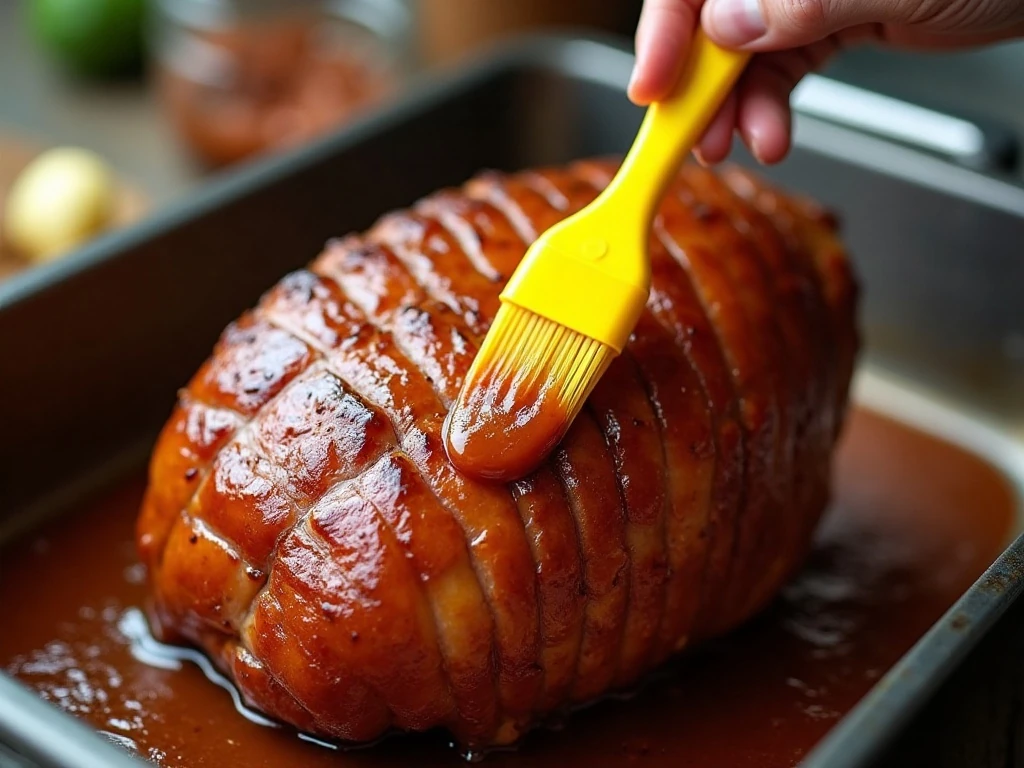
Step 1: Add the packed brown sugar, honey, orange juice, Dijon mustard, cinnamon, and cloves to a small saucepan. Use a pan with enough room for stirring, since the mixture will loosen as the sugar warms.
Step 2: Set the saucepan over medium-low heat and stir steadily. Continue until the brown sugar dissolves and the mixture looks smooth, with no dry pockets of sugar clinging to the bottom or sides.
Step 3: Bring the glaze just to a gentle simmer, then cook for 3–5 minutes. Avoid a vigorous boil because the concentrated sugar can scorch or become too thick to spread easily.
Step 4: Remove the pan from the heat. Stir in the apple cider vinegar or unsalted butter if you are using either option, and add garlic powder or cayenne only for the savory variation.
Step 5: Prepare the ham by patting the surface dry and scoring the fat layer in a shallow diamond pattern, if it has not already been scored. The cuts help the glaze cling to the surface and allow some flavor to reach the outer layer.
Step 6: Brush about one-third to one-half of the glaze over the ham before baking. Follow the ham’s package or recipe directions, generally using an oven temperature of 325°F.
Step 7: Brush the remaining glaze over the ham during the final 20–30 minutes of baking. Apply another thin coat during the last 10 minutes for a darker, shinier crust, watching closely so the sugars do not burn.
Step 8: Remove the ham from the oven and let it rest for 10–15 minutes before slicing. Resting gives the juices time to settle and allows the glaze to firm slightly on the surface.
How to Glaze a Ham Without Burning It
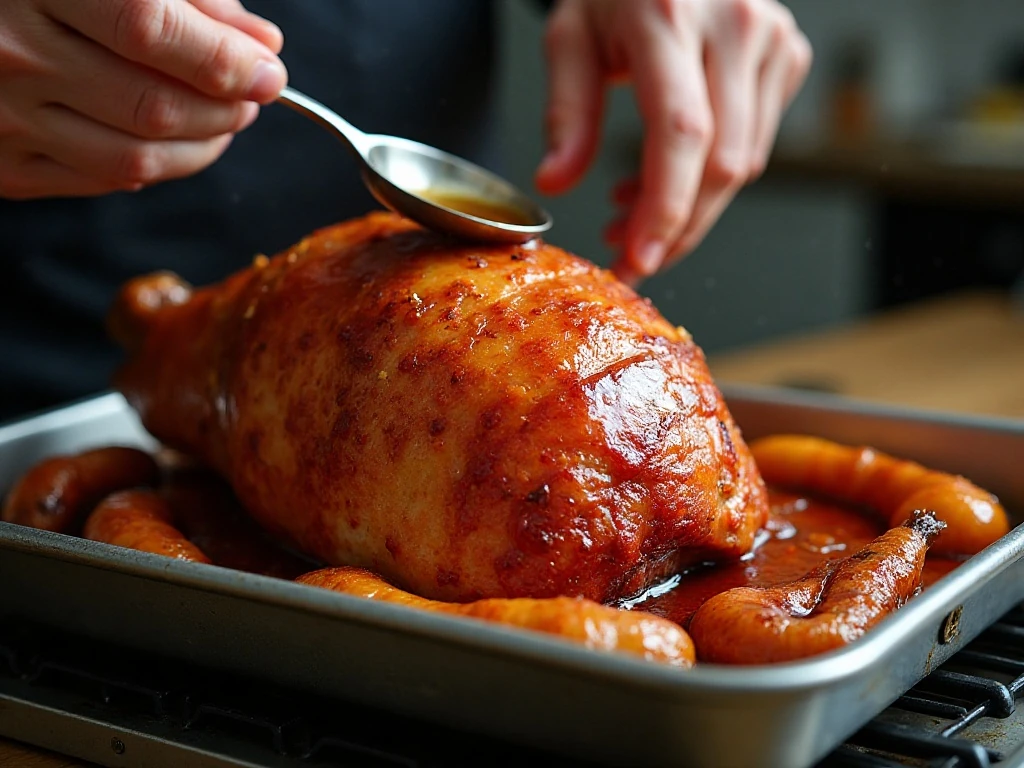
The timing of the glaze matters more than the total amount. Brown sugar and honey taste wonderful when caramelized, but they can darken too quickly if spread over the ham for the entire baking time.
For that reason, apply only one-third to one-half of the sauce before baking, then save the rest for the last 20–30 minutes. A final coat during the last 10 minutes gives the ham a polished appearance and concentrated flavor.
If you are preparing a fully cooked spiral ham, typical guidance is approximately 10–15 minutes per pound at 325°F, until heated through. For food safety, reheat a fully cooked ham to 140°F; a raw or cook-before-eating ham must reach the temperature listed by its package or recipe.
For another make-ahead-friendly main dish, you can also browse this slow cooker chicken recipe when planning a large family meal with different tastes.
Pro Tips for the Best Brown Sugar Glaze
- Use medium-low heat: Gentle heating dissolves the sugar while protecting the honey from scorching.
- Stir until smooth: Scrape the bottom and corners of the saucepan so the sugar melts evenly.
- Score shallowly: Cut only into the outer fat layer rather than deeply into the meat, creating diamonds that hold the glaze.
- Brush in thin layers: Several light coats create a more even crust than one heavy layer that may slide off or burn.
- Keep the glaze warm: If it thickens while standing, gently rewarm it with 1–2 teaspoons of orange juice or water.
- Taste before adding extras: The core recipe is already balanced, so add vinegar, butter, garlic, or cayenne gradually.
For the smoothest application, use a silicone pastry brush and work from the top of the ham toward the sides. If you are glazing a spiral ham, brush into the folds without forcing the slices apart, which helps keep the meat moist.
Serving, Storage, and Reheating
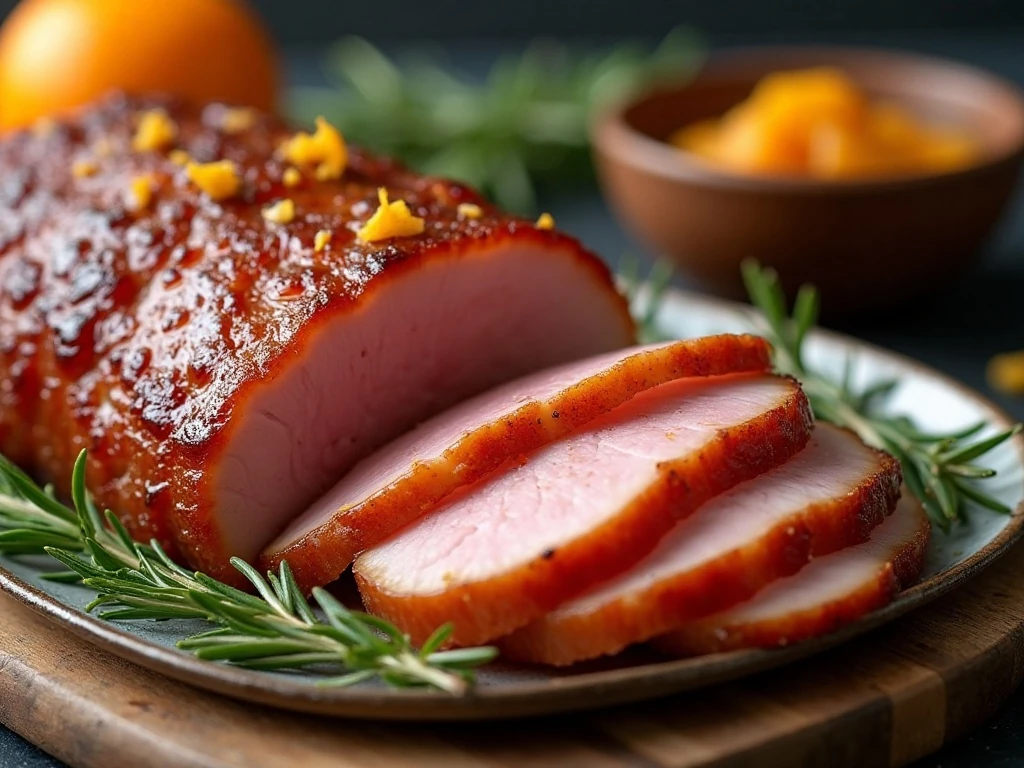
Let the glazed ham rest for 10–15 minutes, then slice along the spiral or cut thin portions against the grain. Spoon a little pan juice over each serving, but keep extra glaze separate so guests can add more sweetness as desired.
Any unused glaze should be cooled promptly and stored in a covered container in the refrigerator. Rewarm it gently in a saucepan or microwave before serving, adding a small splash of orange juice or water if it has become too thick.
Because the glaze contains sugar and honey, do not leave it over high heat or allow it to boil hard during reheating. Serve the ham with roasted vegetables, potatoes, green beans, or a crisp salad to balance the rich, sweet crust.
For a festive dessert spread, these mini pumpkin pies are easy to portion and especially cheerful on a holiday table.
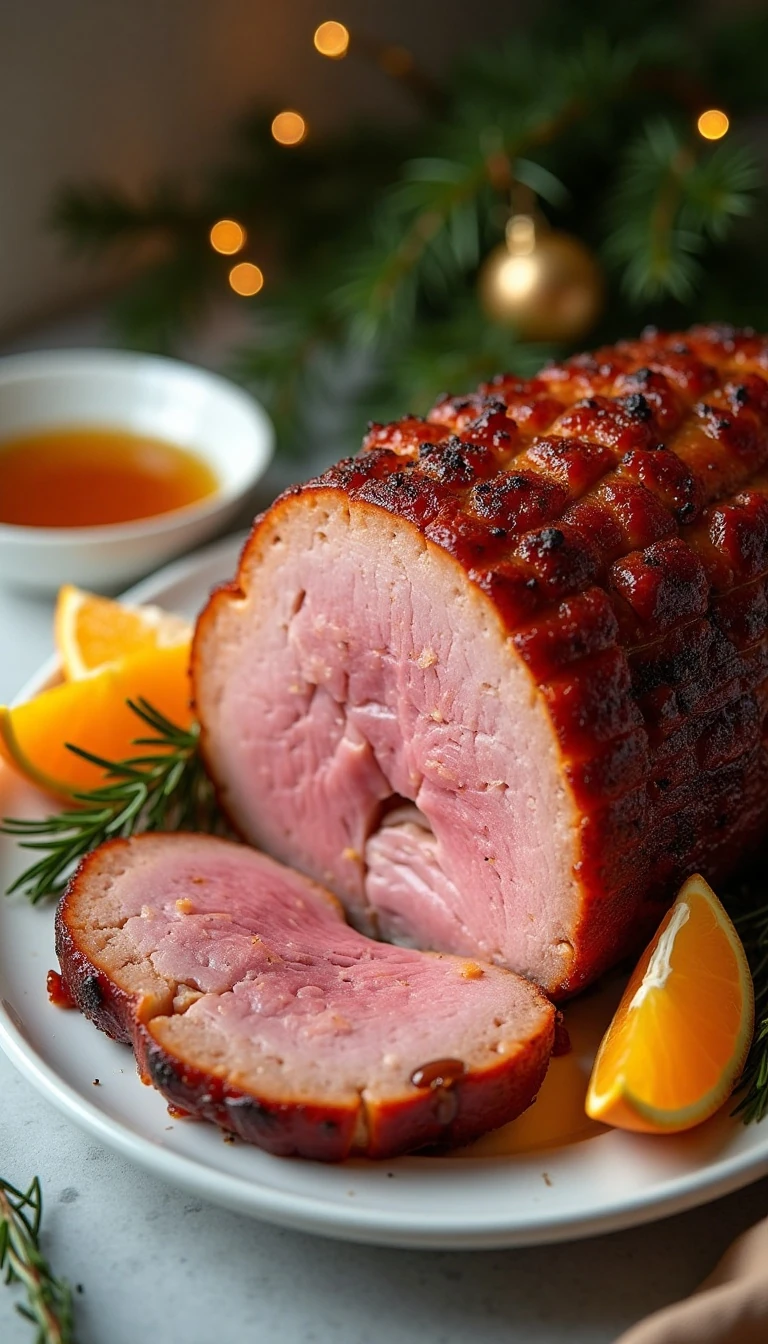
Easy Homemade Ham Glaze Recipe (Best Brown Sugar Glaze)
Ingredients
Method
- Add the brown sugar, honey, orange juice, Dijon mustard, cinnamon, and cloves to a small saucepan.
- Warm over medium-low heat, stirring until the sugar dissolves and the glaze is smooth.
- Bring the mixture just to a gentle simmer and cook for 3–5 minutes. Do not boil vigorously.
- Remove the saucepan from the heat and stir in the apple cider vinegar or butter, if using.
- Brush one-third to one-half of the glaze over the ham before baking according to the ham package or recipe directions, generally at 325°F.
- Brush the remaining glaze over the ham during the final 20–30 minutes of baking, adding a second thin coat during the last 10 minutes.
- Rest the ham for 10–15 minutes before slicing and serving.
Notes
Final Thoughts
This easy homemade ham glaze recipe delivers the ideal combination of brown sugar sweetness, honeyed shine, orange freshness, Dijon tang, and warm spice. It is quick enough for a busy cooking day but flavorful enough to make a simple baked ham feel special.
Remember the most important technique: simmer gently, glaze in layers, and save most of the sauce for the end of baking. Once the ham rests for 10–15 minutes, you will have tender slices beneath a glossy, caramelized crust that belongs at the center of any festive meal.