This easy and healthy chicken stir-fry recipe makes a colorful, satisfying dinner in about 30 to 35 minutes. Tender strips of boneless chicken, three cups of crisp-tender vegetables, and a lightly sweet soy-ginger sauce come together in one hot skillet or wok for four generous servings.
The finished stir-fry is savory, fresh, and pleasantly bright, with garlic, ginger, rice vinegar, and optional red pepper flakes balancing the honey or maple syrup. Serve it over brown rice, white rice, or quinoa for a quick family meal that is flexible, nutritious, and far more flavorful than takeout.
Jump to RecipeWhy You’ll Love This Recipe
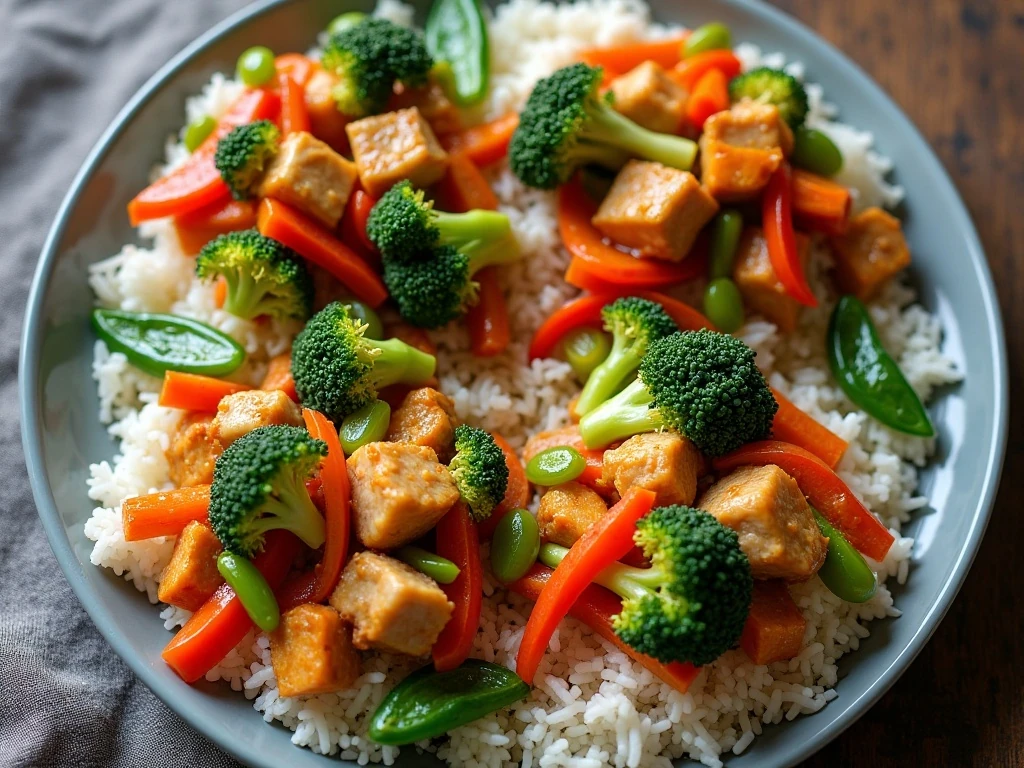
This chicken stir-fry is the kind of dinner that earns a regular place in your weekly rotation. It uses familiar ingredients, cooks in a single wok or large skillet, and brings together protein, vegetables, and a flavorful sauce without requiring a long list of complicated techniques.
The recipe yields four servings, making it practical for a family dinner or a meal with planned leftovers. The chicken becomes tender from a brief soy-cornstarch coating, while the cornstarch also helps the sauce cling to every vegetable and grain.
It is also wonderfully adaptable. Choose chicken breast for a leaner bite or boneless, skinless thighs for richer flavor, then use whatever combination of broccoli, bell pepper, carrots, snap peas, mushrooms, and zucchini looks best at the market.
If you enjoy quick chicken dinners, you may also like these easy baked chicken tacos for another weeknight-friendly idea.
Ingredients You’ll Need
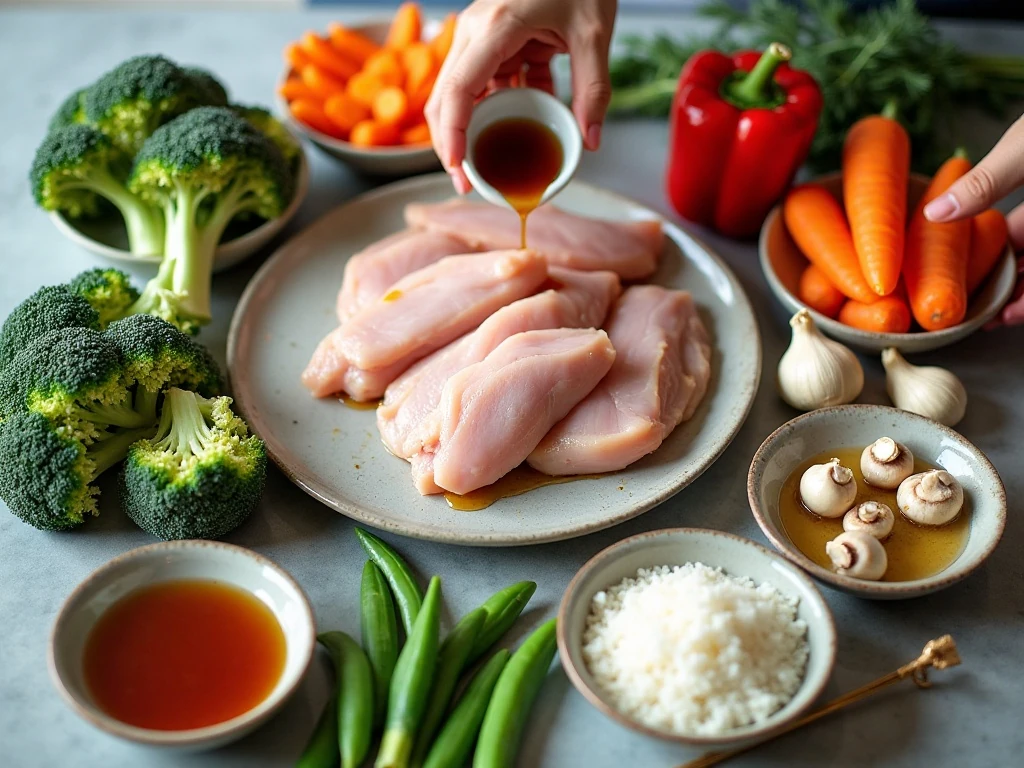
Gather and chop everything before you turn on the burner. A stir-fry cooks quickly, so having the chicken, vegetables, aromatics, and sauce ready prevents overcooking and keeps the process calm.
- Chicken: Use 1 pound of boneless, skinless chicken breast or thighs cut into thin, similarly sized strips.
- Chicken coating: One tablespoon of low-sodium soy sauce, one tablespoon of cornstarch, and one teaspoon of toasted sesame oil, if using, season the chicken and help it brown.
- Vegetables: Measure 3 cups of bite-size mixed vegetables. Broccoli, bell pepper, carrots, snap peas, mushrooms, and zucchini all work well.
- Aromatics: Three minced garlic cloves and one tablespoon of freshly grated or finely minced ginger provide the stir-fry’s fragrant backbone.
- Sauce: Combine 1/4 cup low-sodium soy sauce, 1/2 cup low-sodium chicken broth or water, 1 tablespoon honey or maple syrup, 1 tablespoon rice vinegar, 1 tablespoon cornstarch, and optional 1/4 teaspoon crushed red pepper flakes.
- Cooking oil: Use 1 tablespoon of canola, avocado, peanut, or another high-heat oil, divided between the chicken and vegetables.
- Serving options: Prepare cooked brown rice, white rice, or quinoa. Sliced green onions and sesame seeds make a fresh, crunchy finish.
Low-sodium soy sauce is especially helpful here because the sauce contains a generous amount of soy flavor. The broth adds savory depth, while water keeps the dish light when you want the vegetables and ginger to stand out more clearly.
How to Make It Step-by-Step
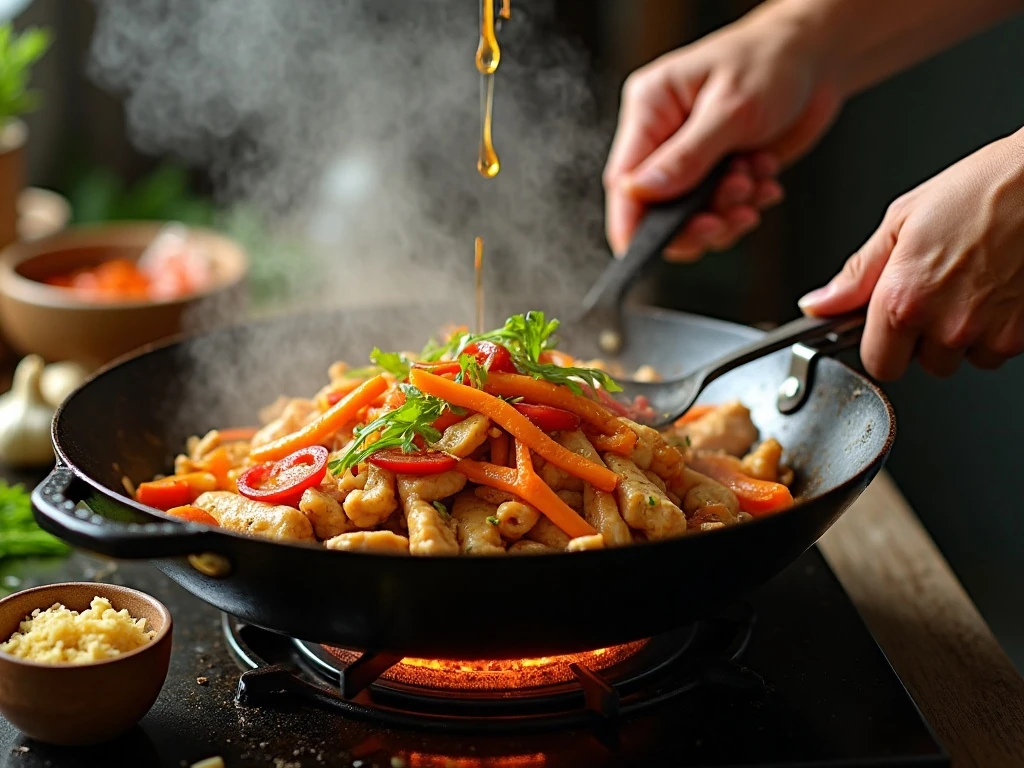
Step 1: Slice the chicken into thin strips, aiming for pieces that are close in size so they cook evenly. Whisk together the chicken’s 1 tablespoon soy sauce, 1 tablespoon cornstarch, and optional sesame oil, then toss in the chicken and let it stand for 5 to 10 minutes.
Step 2: Prepare the sauce before cooking by whisking the 1/4 cup soy sauce, broth or water, honey or maple syrup, rice vinegar, cornstarch, and red pepper flakes in a bowl. Stir until no dry cornstarch remains at the bottom, because undissolved starch can create lumps instead of a smooth coating.
Step 3: Heat a large wok or skillet over medium-high to high heat. Add about half of the oil, and wait until the pan is hot before adding the chicken so the pieces begin browning rather than sitting in a cool, wet pan.
Step 4: Arrange the chicken in a single layer and cook for 3 to 5 minutes, turning once, until the strips are browned and cooked through. Check that the thickest pieces reach 165°F internally, then transfer the chicken to a clean plate while you cook the vegetables.
Step 5: Add the remaining oil to the same pan, followed by the firmest vegetables, such as carrots and broccoli. Stir-fry for 4 to 6 minutes, adding bell pepper, snap peas, mushrooms, or zucchini later according to how quickly each vegetable cooks.
Step 6: Add the minced garlic and ginger during the final portion of vegetable cooking. Stir constantly for about 30 seconds, just until fragrant, taking care not to let the garlic scorch against the hot pan.
Step 7: Return the cooked chicken and any juices on the plate to the pan. Give the sauce another quick stir, pour it over the mixture, and toss constantly for 1 to 2 minutes as it boils and thickens into a glossy coating.
Step 8: Remove the pan from the heat as soon as everything is coated and the vegetables are crisp-tender. Spoon the stir-fry over cooked rice or quinoa and add green onions and sesame seeds immediately before serving.
Pro Tips for the Best Stir-Fry
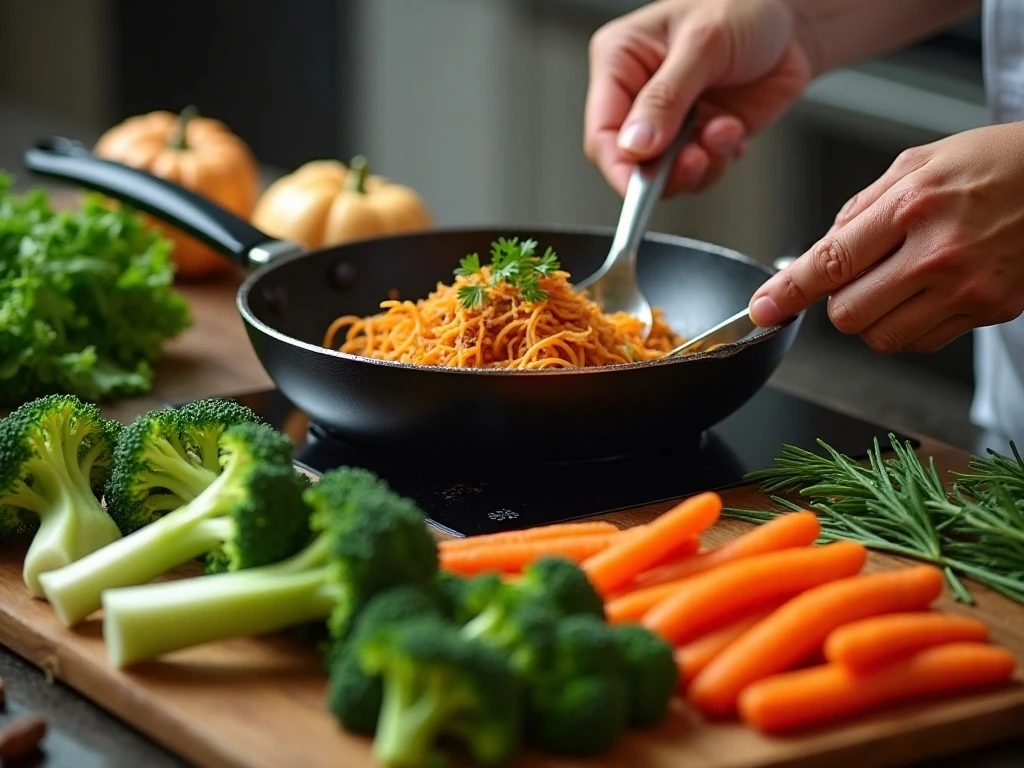
The most important tip is to prepare the entire ingredient list before cooking. Once the pan is hot, the chicken, vegetables, aromatics, and sauce move from one stage to the next quickly, leaving little time to pause and measure.
- Keep pieces consistent: Thin chicken strips and similarly sized vegetables cook more evenly and make every bite easy to pick up with chopsticks or a fork.
- Avoid overcrowding: If the chicken or vegetables cover the pan in a thick layer, they will release moisture and steam instead of browning. Cook in batches when necessary, especially if your skillet is smaller than a wok.
- Respect vegetable order: Carrots and broccoli need a head start, while zucchini, mushrooms, bell pepper, and snap peas can be added later so they retain texture.
- Add sauce at the end: The cornstarch thickens quickly once the sauce boils. Prolonged cooking can soften the vegetables and make the finished dish heavier than intended.
- Control the heat: Medium-high to high heat encourages quick cooking, but lower the burner slightly if the garlic begins to darken or the sauce catches on the bottom.
- Check the chicken: Color alone is not a reliable doneness test. Use an instant-read thermometer and confirm 165°F in the thickest piece.
For a lighter plate, use extra vegetables, low-sodium soy sauce, and brown rice. You can also replace the chicken with tofu or shrimp, adjusting the cooking time according to the ingredient used.
Serving Ideas and Flavor Variations
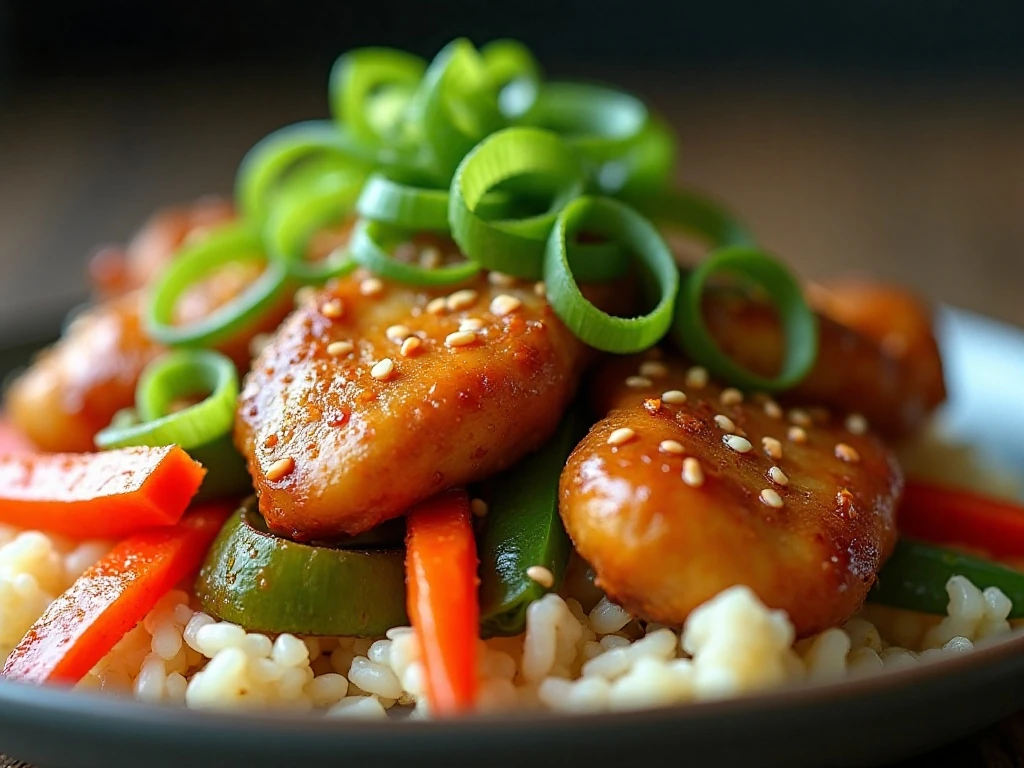
Brown rice gives this meal a hearty, nutty base, while white rice lets the savory sauce take center stage. Quinoa adds a pleasantly chewy texture and is a useful option when you want a different cooked grain.
Keep the toppings simple so they complement rather than hide the stir-fry. Sliced green onions add freshness, and sesame seeds provide a delicate crunch and a subtle toasted note.
For a warmer, spicier finish, include the optional crushed red pepper flakes in the sauce. If your family prefers a milder dinner, leave them out and place hot sauce at the table instead.
When you want another comforting chicken dinner for a different night, this easy chicken potpie recipe is a cozy option with a very different style.
Storage and Reheating
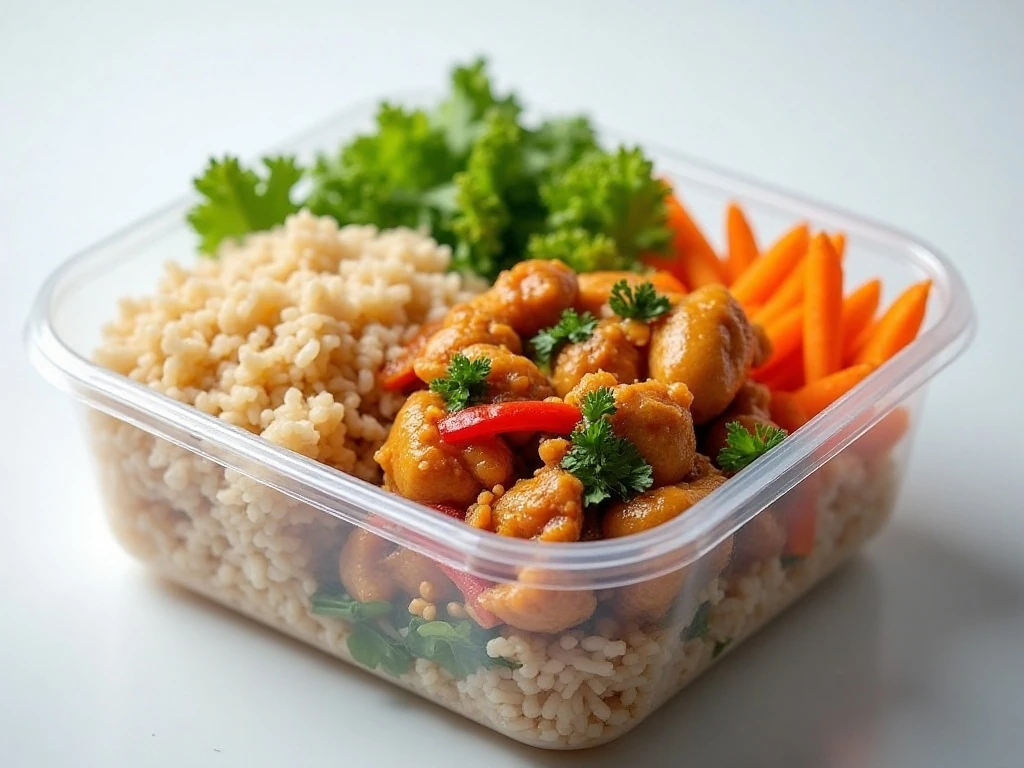
Let leftovers cool promptly, then transfer the chicken stir-fry and cooked grain to airtight containers. Refrigerate them and plan to enjoy the leftovers while they still have their best texture.
Reheat gently in a skillet over medium heat, stirring occasionally until the chicken and vegetables are hot. A microwave also works; use short intervals and stir between them so the sauce warms evenly without drying the chicken.
Store the rice or quinoa separately when possible. This keeps the grains from absorbing too much sauce and allows you to refresh the stir-fry in the skillet without making the base overly soft.
If you are planning a varied weeknight menu, try pairing this meal with another fast seafood option such as garlic butter shrimp with asparagus.
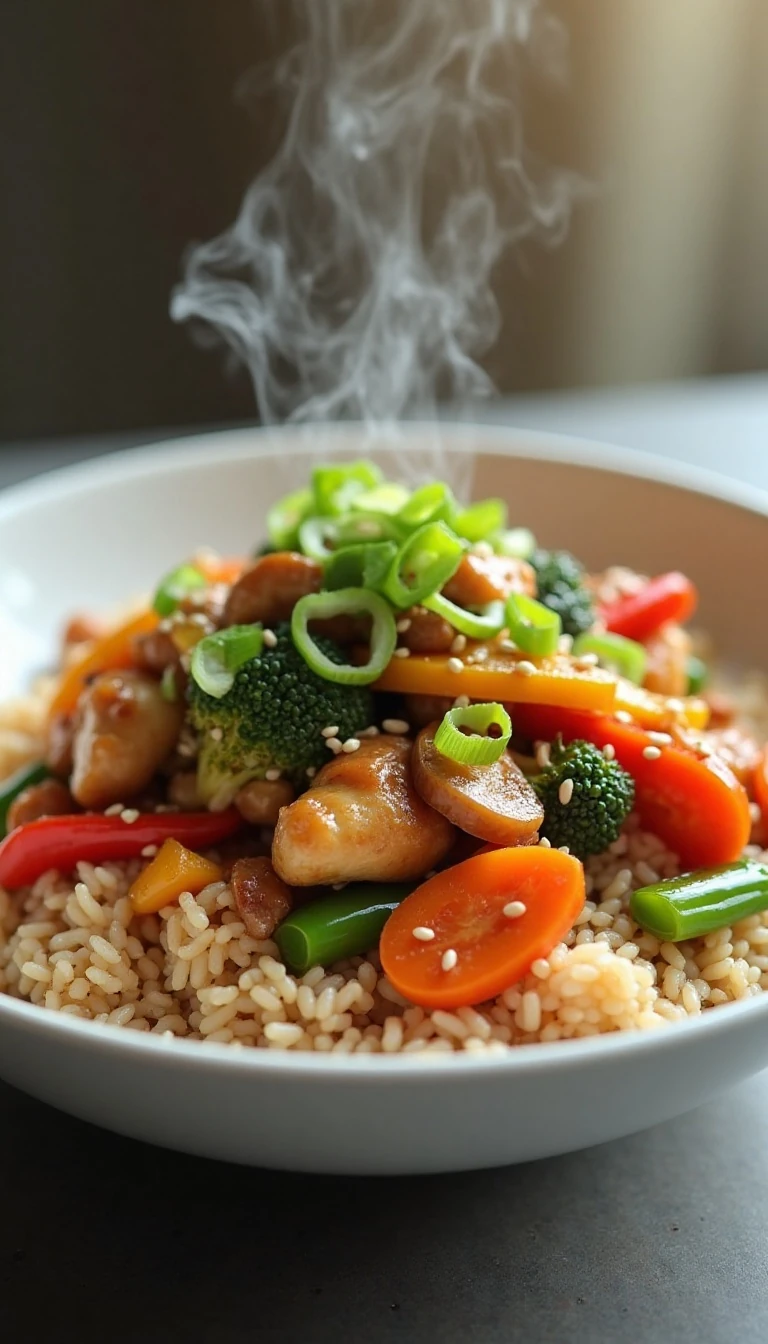
Easy and Healthy Chicken Stir-Fry
Ingredients
Method
- Whisk 1 tablespoon low-sodium soy sauce, 1 tablespoon cornstarch, and the optional sesame oil together. Toss with the sliced chicken and let it stand for 5 to 10 minutes.
- Whisk the sauce ingredients together in a bowl until the cornstarch has completely dissolved.
- Heat a large wok or skillet over medium-high to high heat, then add half of the high-heat oil. Cook the chicken in a single layer for 3 to 5 minutes, turning once, until browned and cooked through; transfer it to a plate when it reaches 165°F internally.
- Add the remaining oil and stir-fry the vegetables for 4 to 6 minutes. Begin with firm vegetables such as carrots and broccoli, then add softer choices such as bell pepper, snap peas, mushrooms, or zucchini.
- Add the garlic and ginger and cook for about 30 seconds, just until fragrant. Return the chicken to the pan, pour in the sauce, and toss constantly for 1 to 2 minutes until the sauce boils, thickens, and coats everything.
- Serve the stir-fry immediately over cooked brown rice, white rice, or quinoa. Finish with green onions and sesame seeds if desired.
Notes
Final Thoughts
This easy and healthy chicken stir-fry delivers a complete dinner with tender chicken, colorful vegetables, and a balanced sauce in roughly 30 to 35 minutes. The method is straightforward: marinate briefly, cook the chicken, stir-fry the vegetables, then add the sauce at the very end.
Once you have the basic formula down, the recipe becomes a useful way to cook whatever vegetables you have available. Keep the pieces bite-size, give the pan enough room, and stop cooking as soon as the sauce thickens and the vegetables remain crisp-tender.
Serve it hot over your favorite grain, finish with green onions and sesame seeds, and enjoy a bright, satisfying homemade dinner that brings takeout-style flavor to your own kitchen.