This easy gingerbread butter recipe combines softened unsalted butter with molasses, brown sugar, ginger, cinnamon, cloves, nutmeg, salt, and optional vanilla for a sweetly spiced spread ready in about 10 minutes. There is no cooking time, and you can serve it immediately as a soft spread or chill it for 30–60 minutes to create a sliceable butter log.
Rich, creamy, and warmly spiced, homemade gingerbread butter turns ordinary toast, biscuits, pancakes, waffles, muffins, cornbread, and warm quick breads into cozy holiday treats. The molasses brings classic gingerbread depth while brown sugar rounds out the spices with a soft caramel note.
Jump to RecipeWhy You’ll Love This Recipe
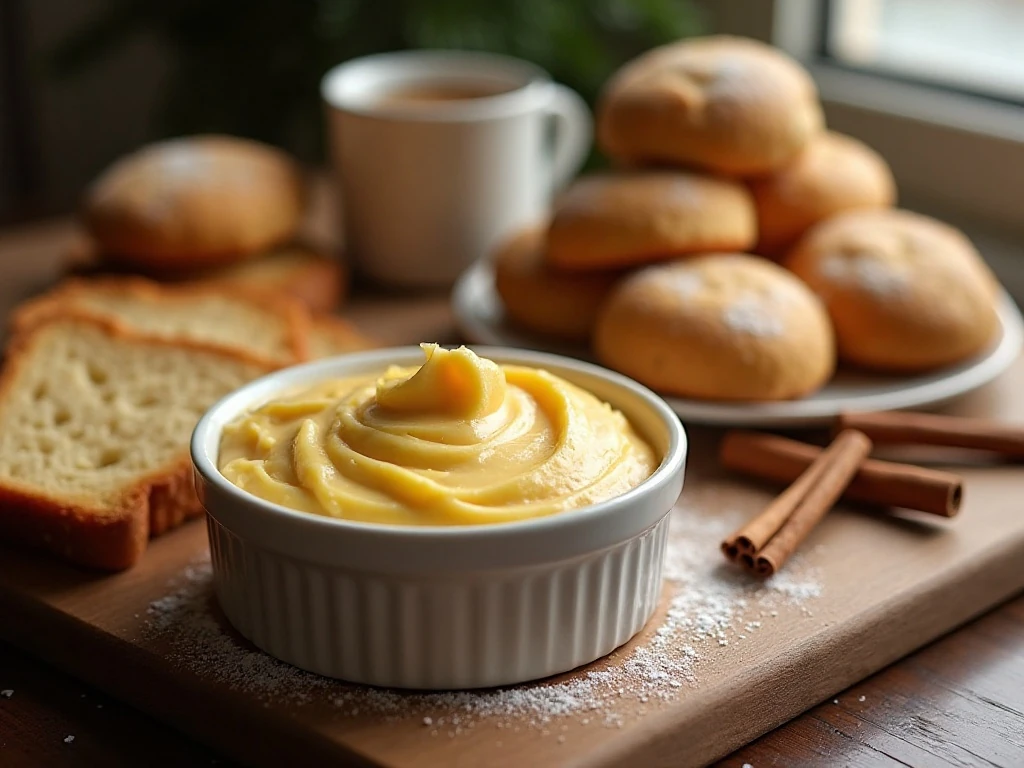
Gingerbread butter is one of the quickest ways to bring holiday flavor to the breakfast table. It has the familiar warmth of gingerbread cookies, but its creamy texture makes it instantly useful as a spread for everyday breads and baked goods.
The recipe yields about 1 1/4 cups, so there is plenty to enjoy over several breakfasts or to share during a holiday brunch. Since it requires no cooking, you can mix it while coffee brews or prepare it just before serving.
Every bite begins with sweet butter and molasses, followed by cinnamon, ginger, cloves, and nutmeg. The flavor is festive without being heavy, and the fine salt keeps the sweetness balanced.
If you enjoy making flavored butters for savory occasions too, try this garlic herb butter idea for a completely different flavor profile.
Ingredients You’ll Need
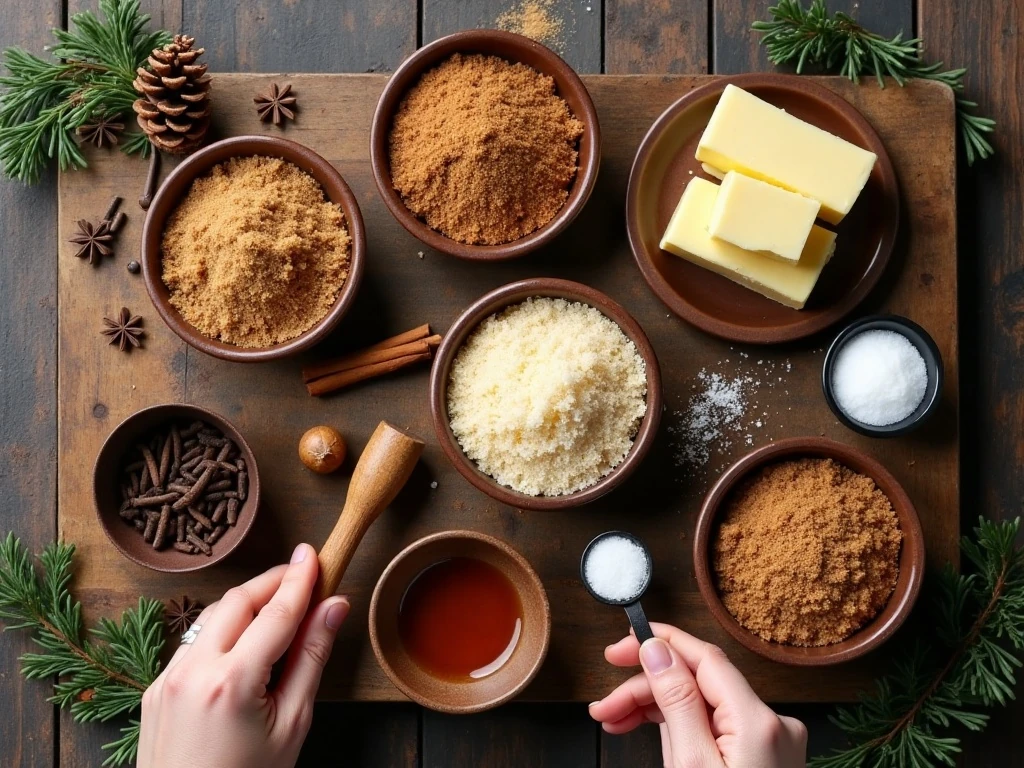
The ingredient list is short, but each component has a clear purpose. Use unsalted butter so you can control the salt, and choose unsulphured molasses for a smooth, classic gingerbread flavor.
- Unsalted butter: One cup, or 226 grams, softened to an easily spreadable texture.
- Unsulphured molasses: One-quarter cup, about 85 grams, for deep sweetness and color.
- Light brown sugar: One-quarter cup, or 50 grams, packed firmly for a mellow caramel note.
- Ground spices: One teaspoon each of ginger and cinnamon, plus one-quarter teaspoon each of cloves and nutmeg.
- Fine salt: One-quarter teaspoon to sharpen the sweet, spiced flavor.
- Vanilla: One teaspoon, optional but especially pleasant with the brown sugar and molasses.
For the best texture, set the butter out ahead of time rather than trying to soften it with heat. It should yield easily when pressed, but it should still hold its shape and never look shiny or melted.
For another sweet peanut butter project to make during the holidays, you can also browse these chocolate peanut butter snack bites.
How to Make It Step-by-Step
Step 1: Soften the butter at room temperature until it is easily spreadable. This usually gives you the best control over the final texture, while melted butter can produce a greasy, loose mixture that will not whip properly.
Step 2: Place the softened butter in a mixing bowl and beat it with an electric mixer until smooth and creamy. If you are mixing by hand, use a sturdy spoon and stir vigorously until no firm streaks remain.
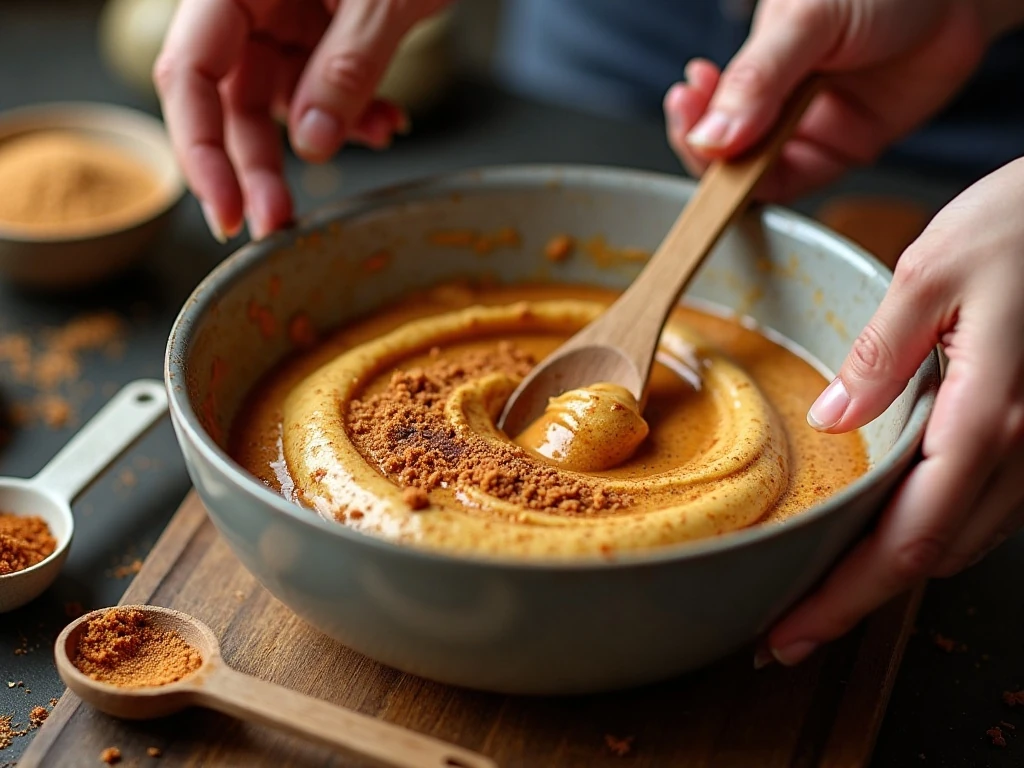
Step 3: Add the molasses gradually rather than pouring it all in at once. Add the packed brown sugar, ginger, cinnamon, cloves, nutmeg, salt, and vanilla, if using, then begin mixing on low speed to keep the molasses and spices from scattering.
Step 4: Increase the mixer speed and beat the mixture for 1–2 minutes. Scrape down the sides and bottom of the bowl so every bit of spice and sugar is incorporated, then continue until the butter looks fluffy and evenly colored.
Step 5: Taste the finished butter carefully and adjust the spices or salt if needed. A small extra pinch of ginger makes the flavor livelier, while a touch more cinnamon emphasizes its gentle holiday character.
Step 6: Serve the butter immediately while it is soft and spreadable. For a firmer presentation, spoon it onto parchment paper, shape it into a log, wrap it tightly, and refrigerate for 30–60 minutes.
Pro Tips for the Best Texture
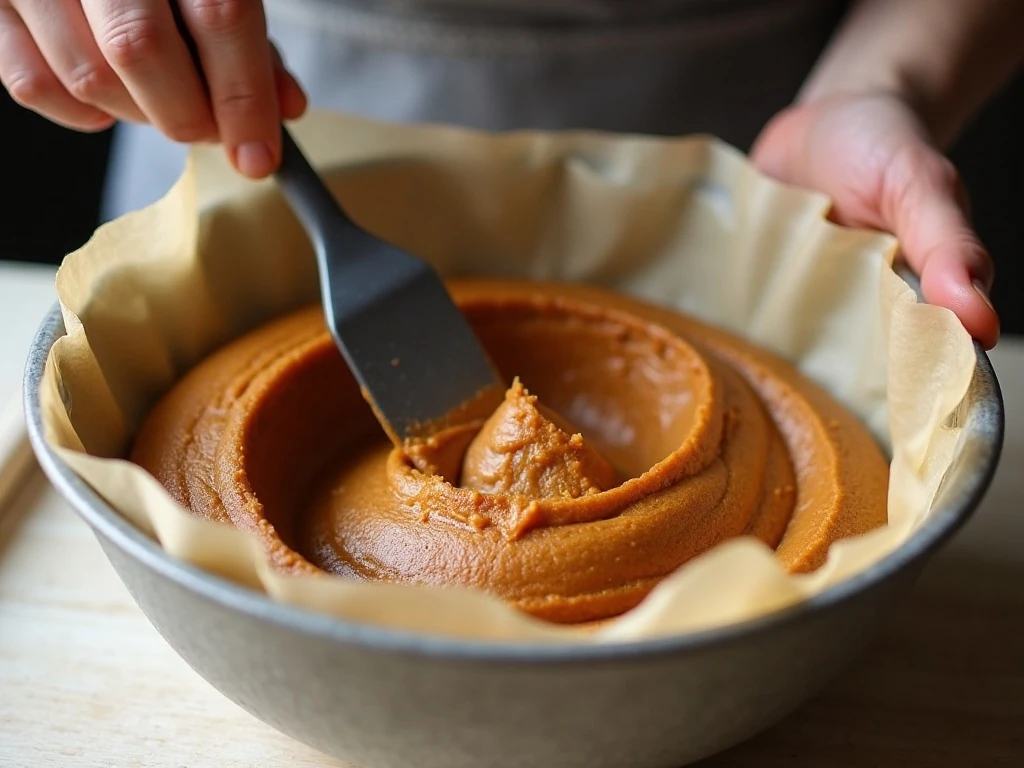
The most important tip is to start with softened butter, not melted butter. When butter is melted, it cannot hold the air created during mixing, so the finished compound butter may feel oily rather than light and creamy.
Molasses is powerful, so add it gradually and beat thoroughly. This helps prevent separation and distributes its bold flavor throughout the butter instead of leaving dark, intensely flavored pockets.
For a milder and sweeter spread, reduce the molasses slightly and add one or two tablespoons of confectioners’ sugar. For a sharper gingerbread flavor, increase the ground ginger by 1/4 teaspoon.
Let the butter sit for a few minutes after mixing before making final adjustments. The spices become more noticeable as they mingle, which makes it easier to decide whether the flavor needs more ginger, cinnamon, or salt.
If you are preparing a larger holiday breakfast, make the butter the day before and chill it overnight. Let it stand briefly at room temperature before serving so it becomes easy to spread without losing its shape.
For a rich dessert pairing, consider serving a small spoonful alongside a slice of peanut butter cake with creamy frosting.
Ways to Serve Gingerbread Butter
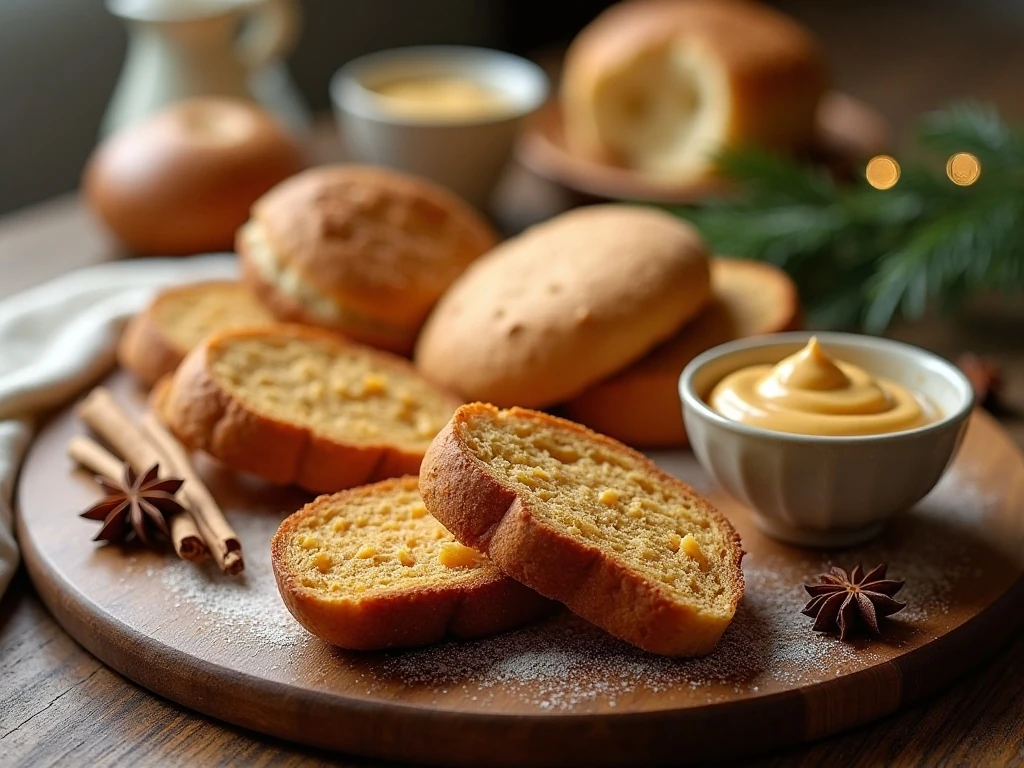
Warm bread is the classic partner for this spread, especially toast with crisp edges and a tender center. The butter melts into the surface, carrying molasses and spice into every bite.
- Spread it on toast, English muffins, or homemade bread.
- Serve it with biscuits, scones, muffins, or cornbread.
- Add a pat to pancakes or waffles just before serving.
- Spoon it over warm quick breads, banana bread, or pumpkin bread.
- Offer it with a holiday brunch board alongside fruit, nuts, and coffee.
It also makes a charming edible gift when shaped into a small parchment-wrapped log. Add a simple label with the name and storage date, and pair it with a loaf of bread or a basket of breakfast pastries.
If your holiday menu includes something rich and chocolatey, a small amount of this spiced butter can provide a welcome contrast alongside chocolate peanut butter dump cake.
Storage and Freezing
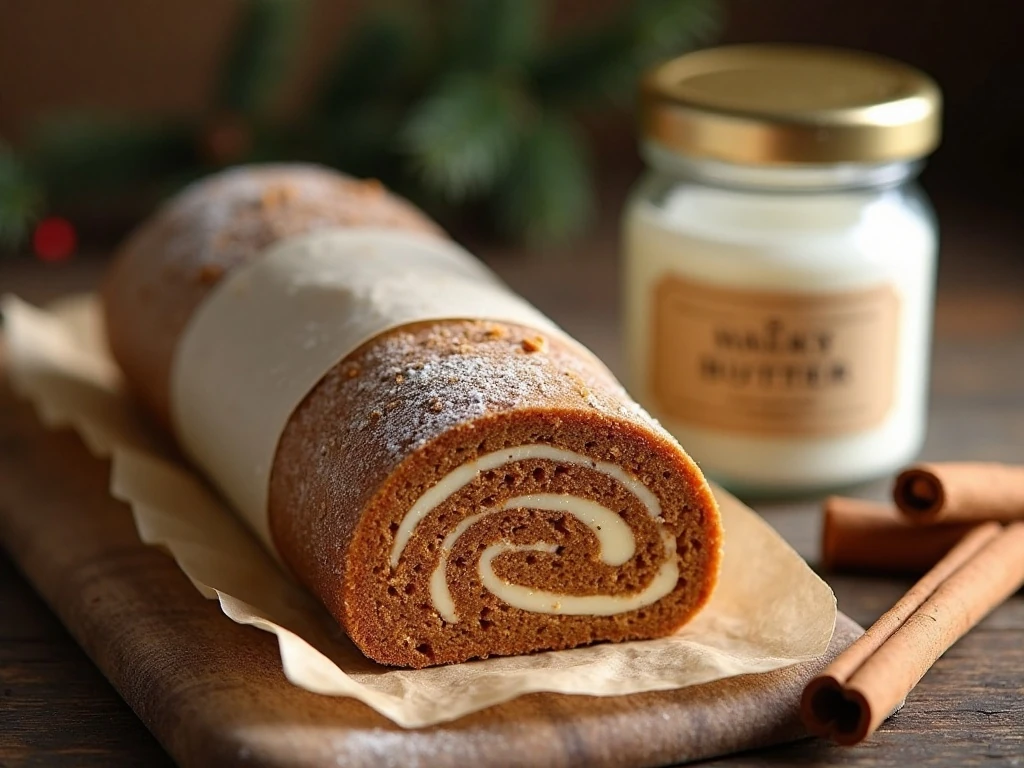
Keep finished gingerbread butter in an airtight container in the refrigerator for about 1 week. A parchment-wrapped log should also be placed inside a covered container or storage bag to protect it from refrigerator odors.
The butter can be frozen for roughly 2–3 months. Wrap it tightly, place it in a freezer-safe container, and thaw it in the refrigerator before letting it soften slightly for serving.
Because this is a compound butter with no cooking step, always use clean utensils when serving and return leftovers to the refrigerator promptly. If the aroma, appearance, or flavor seems unusual, discard it rather than tasting further.
For a cozy meal to serve before a holiday baking session, pair warm bread and gingerbread butter with a quick corn chowder.
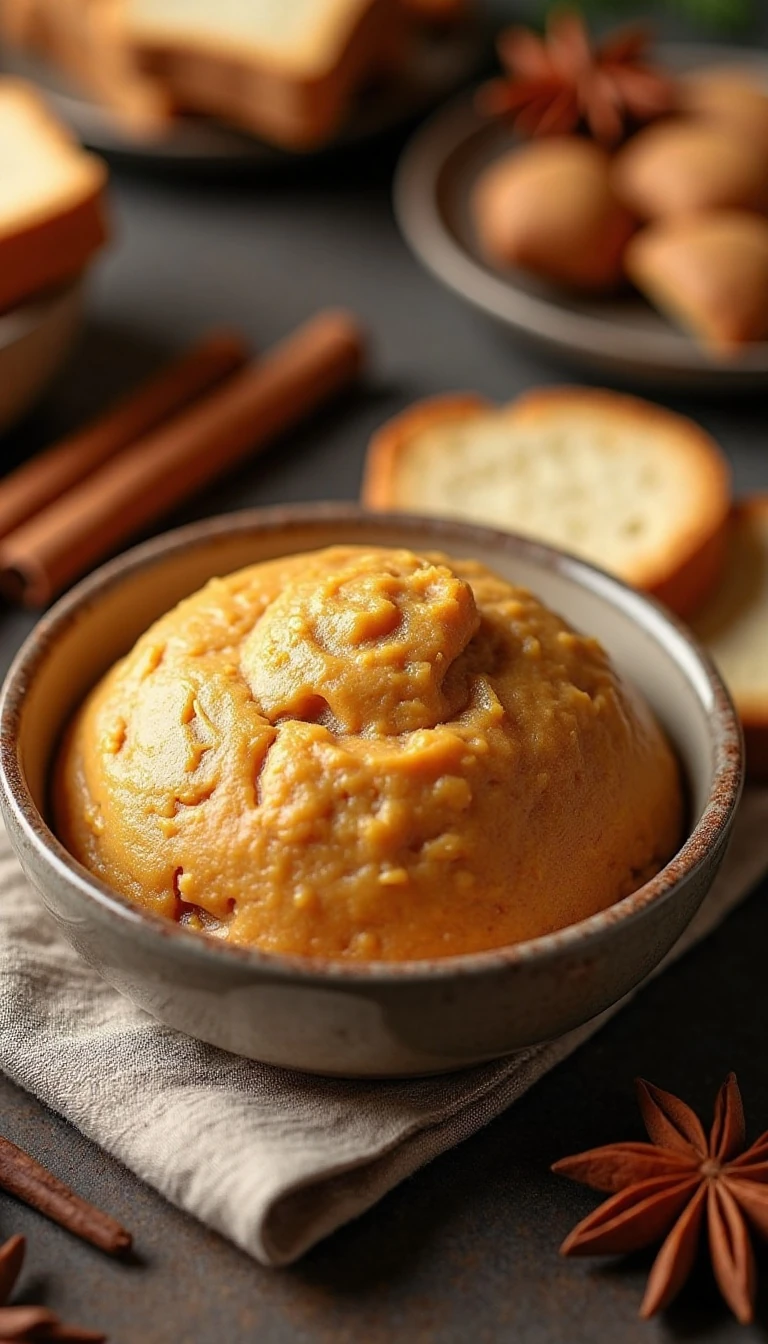
Gingerbread Butter
Ingredients
Method
- Let the butter soften at room temperature until easily spreadable, but do not melt it.
- Beat the softened butter with an electric mixer, or stir vigorously by hand, until smooth and creamy.
- Add the molasses, brown sugar, ground ginger, cinnamon, cloves, nutmeg, salt, and vanilla if using.
- Beat for 1–2 minutes, scraping down the bowl as needed, until the mixture is evenly blended and fluffy.
- Taste and adjust the spices or salt if desired. Serve immediately as a soft spread, or shape into a log on parchment paper, wrap tightly, and refrigerate for 30–60 minutes.
Notes
Final Thoughts
This gingerbread butter recipe is proof that a handful of familiar ingredients can create something special in minutes. The creamy butter, dark molasses, brown sugar, and warming spices make even a simple slice of bread feel ready for the holidays.
Make it soft for easy spreading, or chill it into a neat log for a festive breakfast table or homemade food gift. However you serve it, keep the butter chilled for storage and bring it out just long enough to become wonderfully spreadable.
Once you taste it on toast, biscuits, pancakes, or warm quick bread, you may find yourself making it throughout the season. It is a simple, fragrant finishing touch that belongs beside every cozy cup of coffee and tea.