This fail-proof butter cake recipe makes one moist, tender 8- or 9-inch round cake with everyday ingredients and a simple creaming method. Bake it at 350°F (175°C) for 35 to 45 minutes, then cool it before slicing for a soft crumb and rich buttery flavor.
The cake is gently sweet, fragrant with vanilla, and sturdy enough for a birthday dessert while remaining lovely with afternoon tea. Room-temperature ingredients, properly creamed butter and sugar, and careful mixing are the three secrets that make this easy butter cake consistently successful.
Jump to RecipeWhy You’ll Love This Recipe
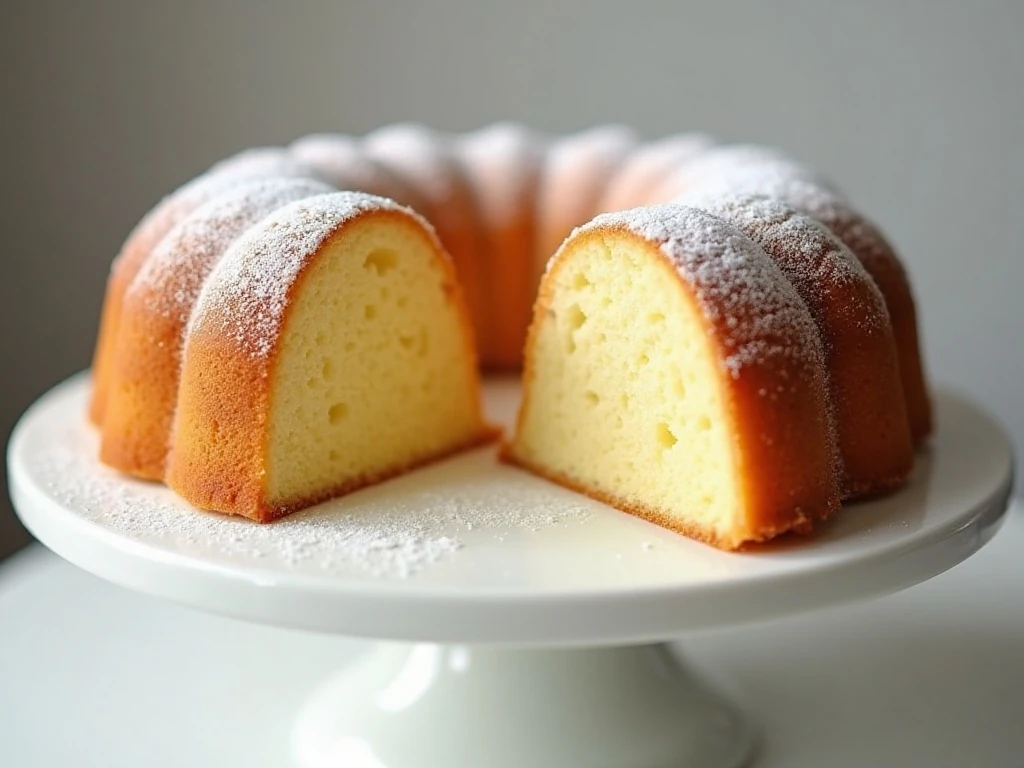
This classic butter cake has the kind of dependable texture that makes it a favorite for both new and experienced bakers. The crumb is moist but not wet, fluffy but not fragile, and rich without being heavy.
The ingredient list is short, and there are no unusual techniques or specialty products to find. A round cake pan, a mixer, and a few pantry staples are all you need to create a dessert that tastes homemade in the best possible way.
Serve each slice plain, with a dusting of powdered sugar, or with fresh berries and softly whipped cream. If you enjoy cozy homemade cakes, you may also like this old-fashioned zucchini cake for another tender dessert idea.
- One dependable 8- or 9-inch round cake
- Moist, fine-textured crumb with buttery vanilla flavor
- About 15 to 20 minutes of preparation
- Easy to serve plain or dress up for a celebration
Ingredients You’ll Need
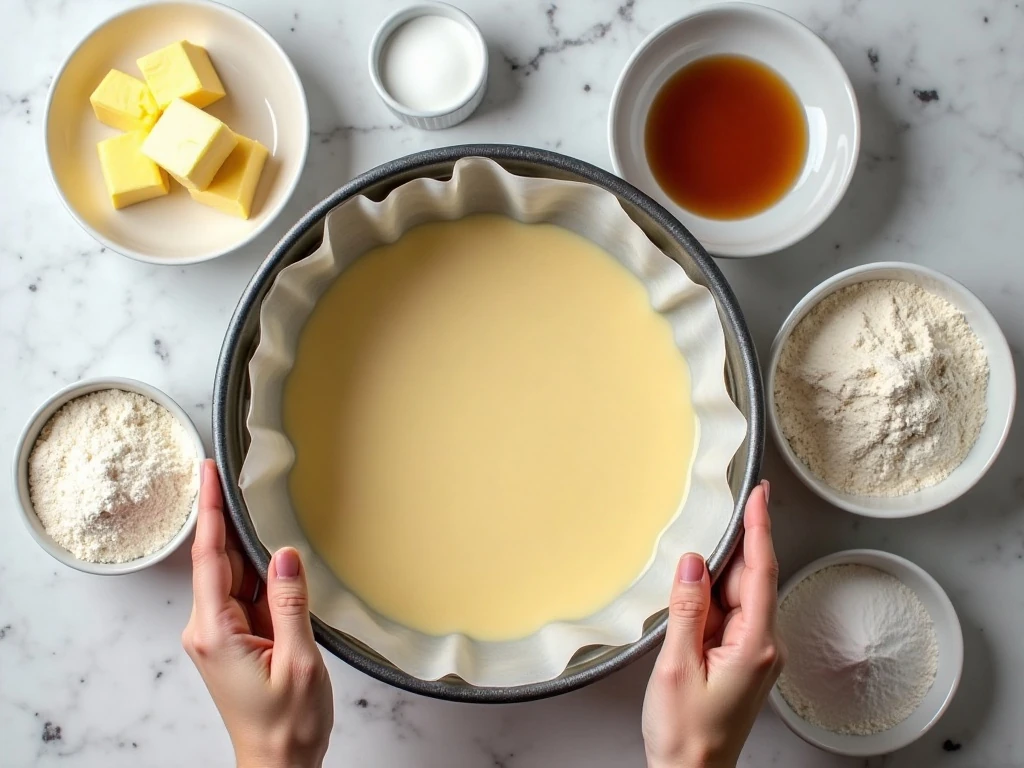
Unsalted butter provides the cake’s rich flavor and helps create a light texture when beaten with sugar. Choose butter that is soft enough to press with a fingertip but not shiny, greasy, or melted.
Granulated or caster sugar works well. Caster sugar dissolves especially easily into the butter, while regular granulated sugar gives the cake a classic texture.
Use four large eggs at room temperature. Eggs add structure, moisture, and richness, and adding them gradually helps the batter stay smooth.
All-purpose flour forms the base of the cake, while baking powder supplies the lift. Fine salt balances the sweetness, vanilla adds aroma, and whole milk keeps the crumb soft.
- Measure the flour by weight when possible for the most consistent result.
- Let the butter, eggs, and milk sit at room temperature before mixing.
- Prepare the pan before making the batter so it can go straight into the oven.
How to Make It Step-by-Step
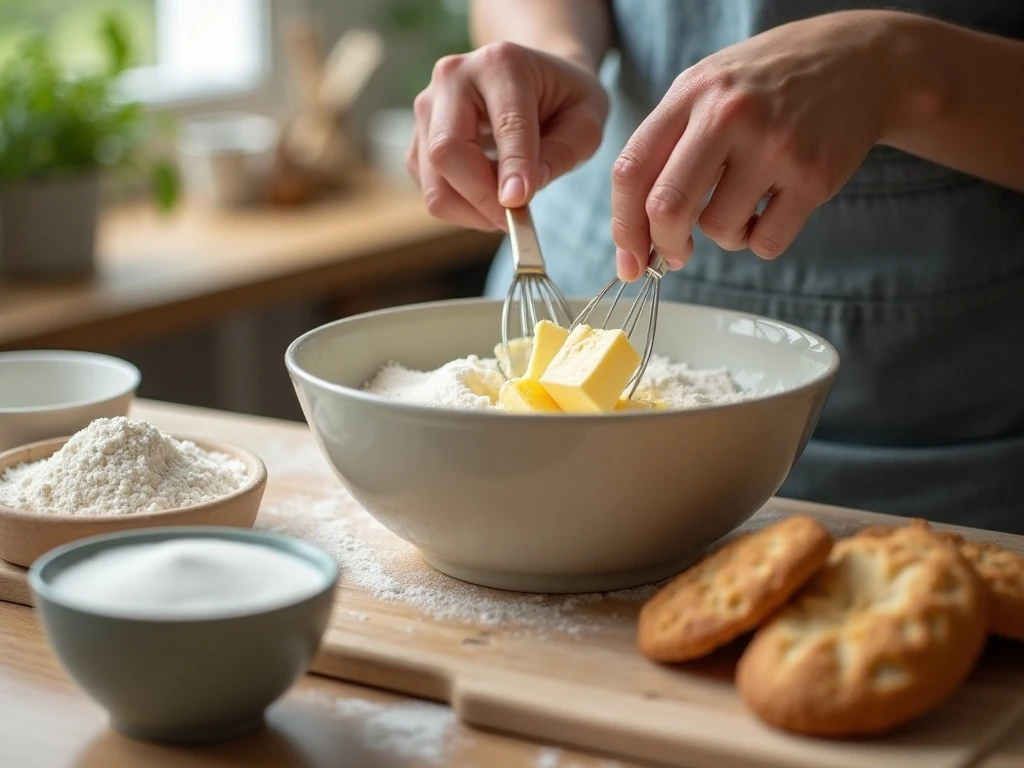
Step 1: Grease an 8- or 9-inch round cake pan, line the bottom with parchment, and lightly grease the parchment as well. Preheat the oven to 350°F (175°C), lowering it to 325°F (165°C) when baking in a dark-colored pan.
Step 2: Whisk the all-purpose flour, baking powder, and fine salt in a medium bowl until evenly combined. This distributes the leavening and seasoning throughout the flour, helping the cake rise evenly.
Step 3: Place the softened butter and sugar in a large mixing bowl and beat for 3 to 5 minutes. Stop when the mixture looks pale, creamy, and fluffy, because this creaming step creates much of the cake’s light texture.
Step 4: Add the room-temperature eggs one at a time, beating well after each addition. Scrape down the sides of the bowl as needed, then mix in the vanilla extract until the batter smells fragrant and looks cohesive.
Step 5: Add the flour mixture in two or three additions, alternating each addition with some of the room-temperature milk. Begin and end with the dry ingredients, mixing on low speed only until no visible streaks remain.
Step 6: Spoon the batter into the prepared pan and spread it evenly with a spatula. A smooth surface helps the cake bake evenly and makes it easier to decorate after cooling.
Step 7: Bake for 35 to 45 minutes, checking near the shorter end of the baking range. The cake is ready when the center springs back lightly and a toothpick inserted in the middle comes out clean or with a few moist crumbs.
Step 8: Let the cake cool in the pan for about 10 to 15 minutes. Carefully turn it onto a wire rack, remove the parchment, and allow it to cool completely before slicing so the crumb can set.
Pro Tips for a Moist, Tender Crumb
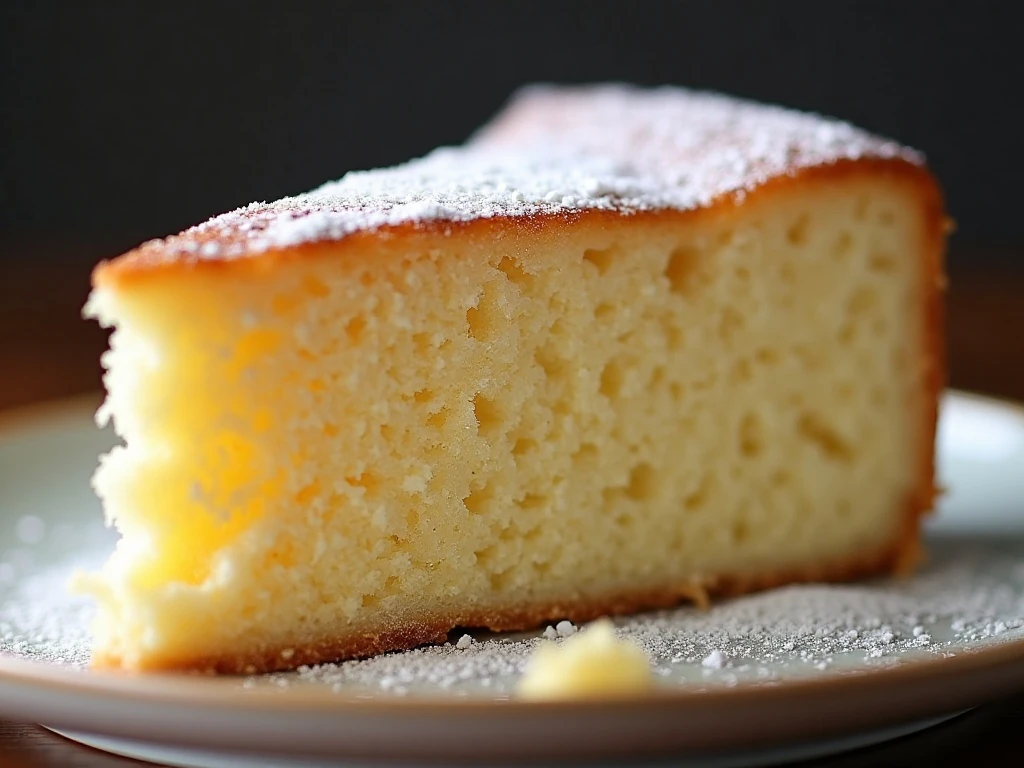
Room-temperature ingredients are important because they blend more smoothly. Cold eggs or milk can make the butter mixture look curdled and may reduce the cake’s volume, so plan to set them out before you begin.
Do not rush the creaming stage. Three to five minutes of beating gives the butter and sugar time to become pale and airy, which helps the finished cake feel light rather than compact.
Once the flour enters the bowl, mix as little as possible. Too much mixing develops gluten and can produce a dense or tough cake instead of the soft texture you want.
Ovens vary, so use the visual and toothpick tests together. Begin checking at 35 minutes, but allow the cake to continue baking if the center still looks wet or wobbles gently.
- Use a light-colored pan when possible for even browning.
- Do not open the oven repeatedly during the first part of baking.
- Cool the cake fully before adding frosting, glaze, or powdered sugar.
- Run a thin knife around the edge if the cake needs help releasing from the pan.
Serving Ideas and Variations
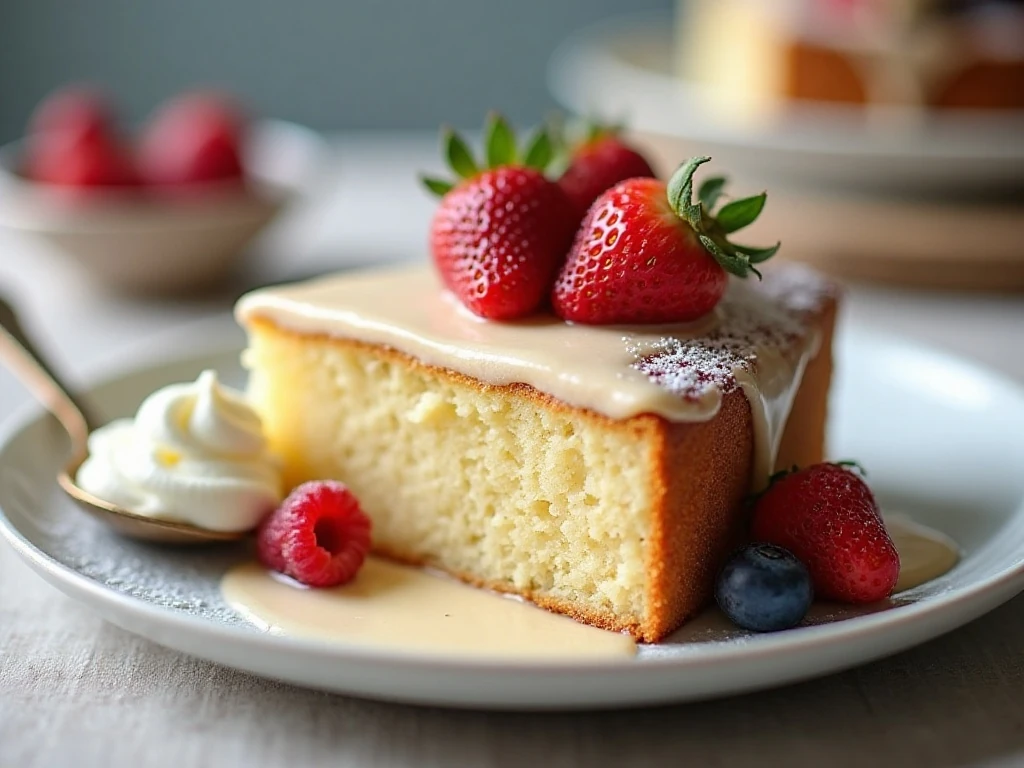
A simple butter cake is excellent on its own, but a few easy additions can change its character. Dust the top with powdered sugar, spoon over a quick vanilla glaze, or serve slices with berries and whipped cream.
For a special occasion, split the cooled cake horizontally and fill it with jam, lemon curd, or lightly sweetened whipped cream. Keep the additions modest so the buttery crumb remains the star.
You can also pair this recipe with a seasonal dessert spread. For a festive table, consider serving it alongside these pumpkin-spiced glazed cake bites.
Although this recipe is written as a vanilla butter cake, the finished cake also welcomes fresh fruit. Add berries at serving time rather than folding them into the batter, which keeps the bake simple and prevents excess moisture.
Storage, Slicing, and Make-Ahead Advice
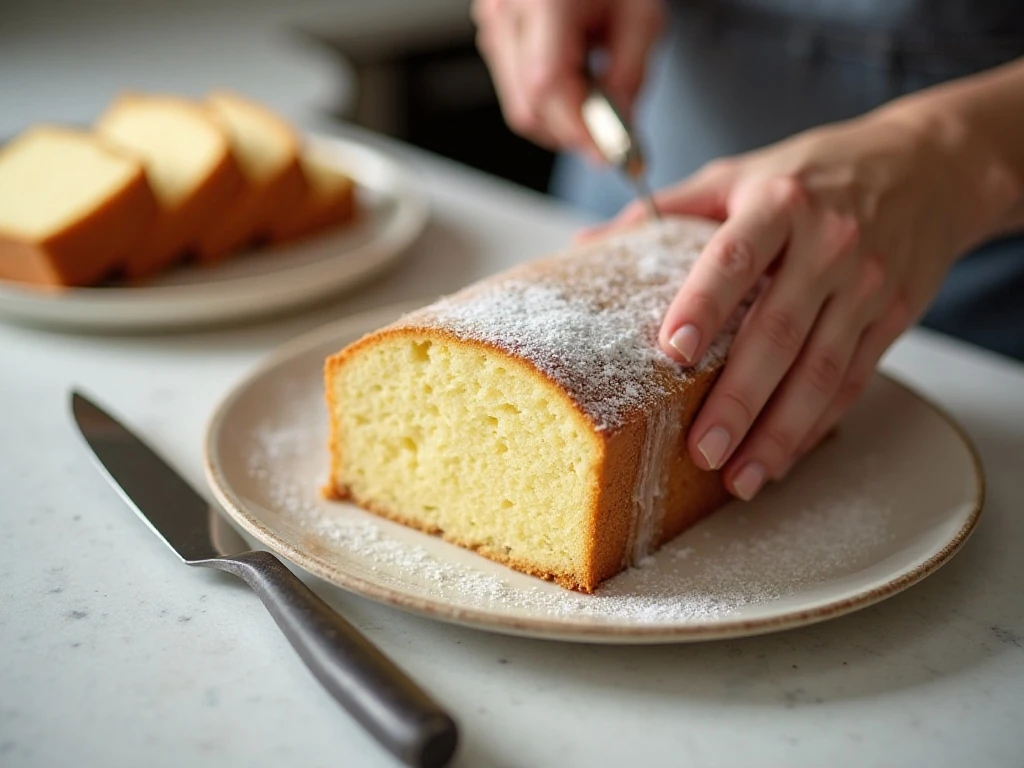
Cool the cake completely before storing it. Wrap it well or place it in an airtight container and keep it at room temperature for up to 3 days.
For cleaner slices, use a sharp knife and wipe the blade between cuts. If you plan to frost the cake, chilling it briefly after cooling can make handling easier, though it should be brought back toward room temperature for the best flavor.
The cake can be made a day ahead and kept covered until serving. Add any powdered sugar, glaze, fruit, or cream shortly before serving so the surface stays fresh and attractive.
For a balanced meal followed by dessert, browse this easy chicken potpie recipe before finishing with a slice of butter cake.
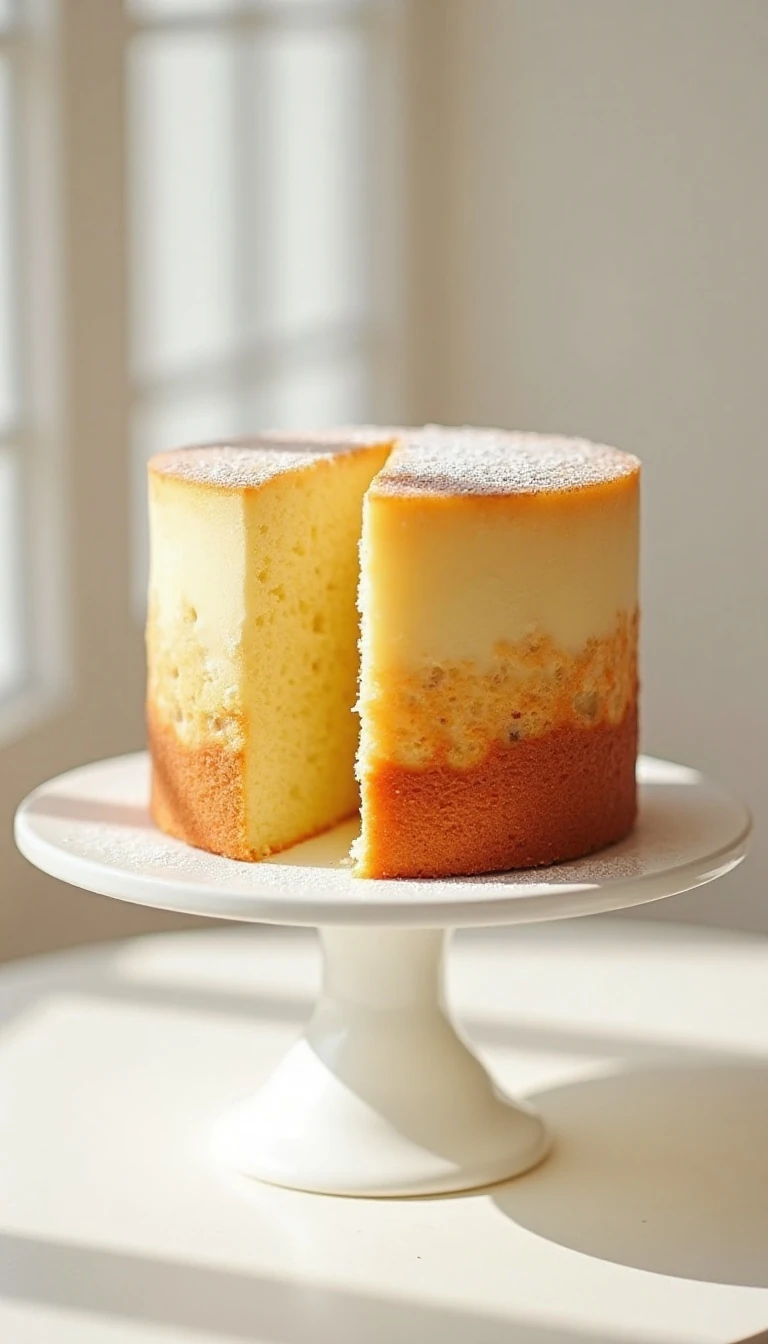
Fail-Proof Butter Cake Recipe
Ingredients
Method
- Grease and line an 8- or 9-inch round cake pan with parchment. Preheat the oven to 350°F (175°C), or 325°F (165°C) if using a dark-colored pan.
- Whisk the flour, baking powder, and salt together in a medium bowl. In a separate large bowl, beat the softened butter and sugar for 3 to 5 minutes, until pale and fluffy.
- Add the eggs one at a time, beating well after each addition. Mix in the vanilla extract.
- Add the dry ingredients in two or three additions, alternating with the milk. Mix only until the batter is smooth.
- Spread the batter evenly in the prepared pan. Bake for 35 to 45 minutes, until the center springs back lightly and a toothpick comes out clean or with a few moist crumbs.
- Let the cake rest in the pan for 10 to 15 minutes, then turn it out onto a wire rack. Cool completely before slicing or decorating.
Notes
Final Thoughts
This fail-proof butter cake earns its name by relying on a few well-tested steps rather than complicated ingredients. Cream the softened butter and sugar thoroughly, add the eggs gradually, alternate the flour and milk, and stop mixing as soon as the batter is smooth.
After a short bake and a proper cooling period, you will have a golden cake with a tender crumb and welcoming vanilla-butter flavor. Keep it simple with powdered sugar or dress it up with berries, cream, or a favorite glaze for an easy dessert that suits nearly any occasion.