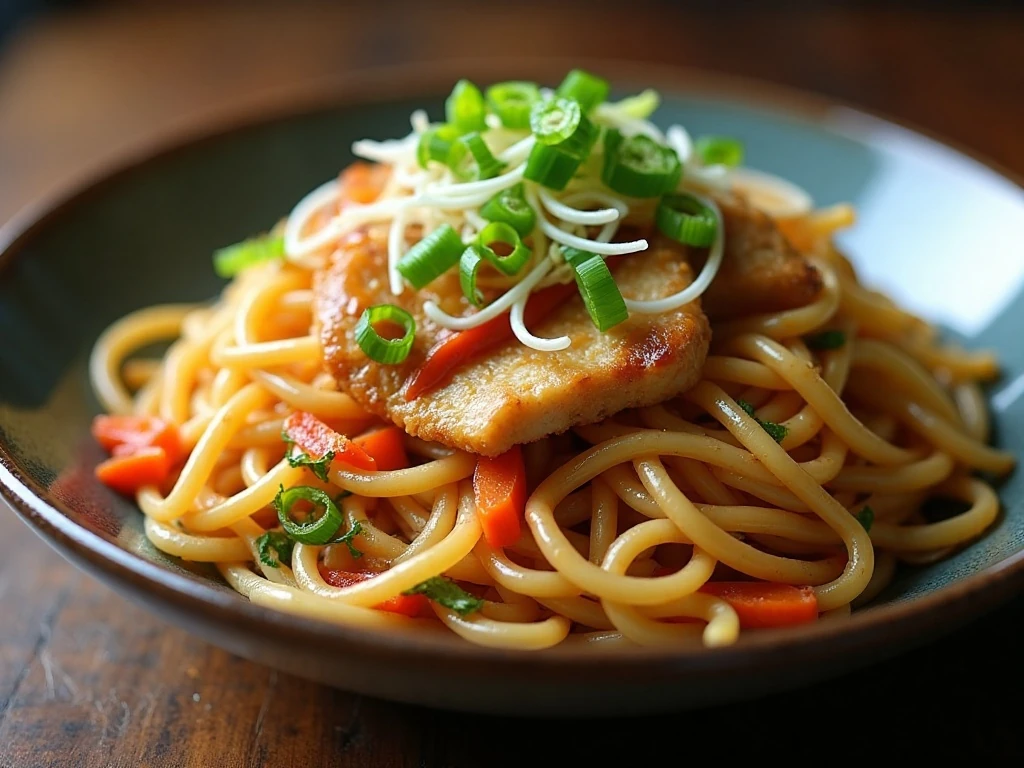
This authentic classic Chinese chow mein recipe brings restaurant-style Cantonese noodles to your table in about 20 minutes. Fresh chow mein noodles are stir-fried with thinly sliced chicken, crisp cabbage, carrot, bean sprouts, scallions, garlic, ginger, and a savory soy-oyster sauce.
Every bite has the ideal balance of chewy noodles, tender chicken, lightly crisp vegetables, and deep umami flavor. The secret is a very hot wok, well-drained noodles, and adding the sauce near the end so the chow mein stays glossy and dry-fried instead of watery.
Jump to RecipeWhy You’ll Love This Recipe
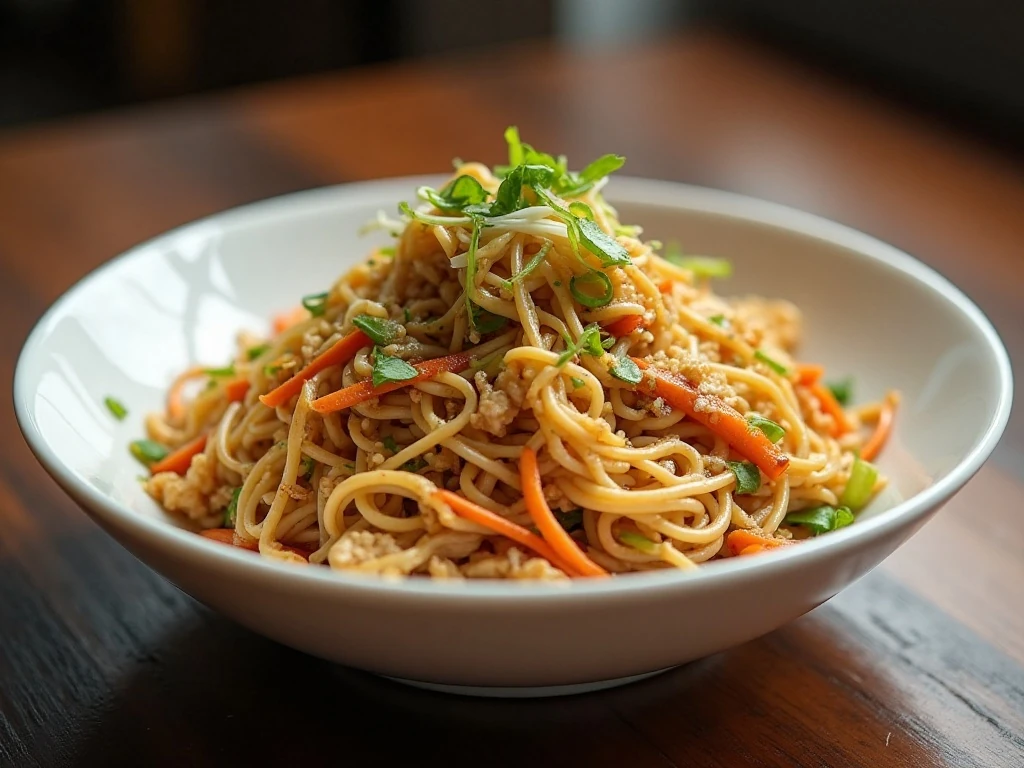
This quick chicken chow mein delivers the flavors people crave from a Chinese restaurant without requiring a long ingredient list or complicated technique. It is savory, lightly sweet, fragrant with garlic and ginger, and filled with enough vegetables to make every forkful colorful and satisfying.
The complete meal serves 3 to 4 people and takes about 10 minutes to prep and 10 minutes to cook. Because the ingredients cook rapidly, this is an excellent recipe for a busy weeknight, a casual lunch, or a relaxed family dinner.
Chow mein has many regional versions, so “authentic” can mean different things depending on the cook and location. This recipe follows a common Cantonese-style, restaurant-style approach using stir-fried noodles, meat, cabbage, aromatics, and a savory soy-oyster sauce.
If you enjoy saucy chicken dishes, you may also like this chicken teriyaki recipe for another easy Asian-inspired dinner.
Ingredients You’ll Need
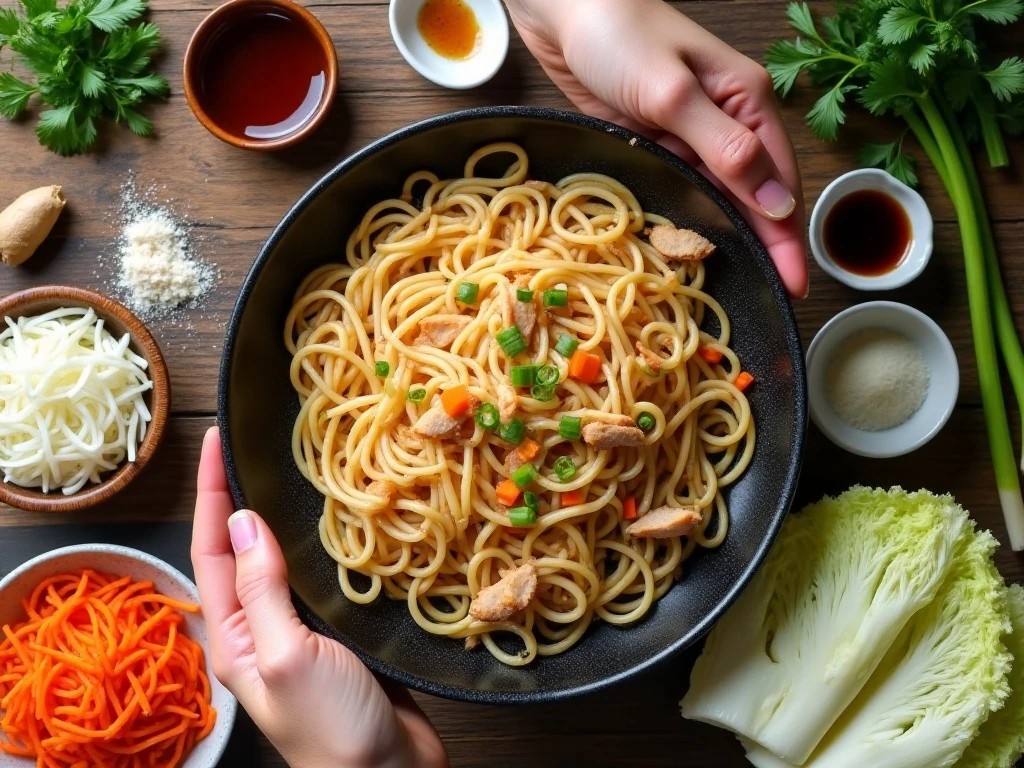
Fresh chow mein noodles or fresh Chinese egg noodles provide the best springy texture. You will need 12 ounces, and fresh noodles generally cook in only 1 to 3 minutes before they are ready for the wok.
- Chicken: Use 8 ounces of boneless, skinless chicken thigh or breast, sliced thinly against the grain.
- Vegetables: Green cabbage, carrot, bean sprouts, and scallions create a crisp, classic combination.
- Aromatics: Garlic and ginger add fragrance within seconds of hitting the hot oil.
- Sauce: Oyster sauce, light soy sauce, sesame oil, sugar, white pepper, and water create a balanced coating.
- Optional additions: Add 1/2 cup sliced onion or 1/2 cup sliced shiitake mushrooms if you want extra texture.
Dark soy sauce is optional and mainly contributes rich color. If you leave it out, use an additional teaspoon of light soy sauce if necessary, keeping in mind that the finished noodles will be lighter.
For a different party menu, pair the noodles with this creamy fiesta dip as an appetizer. It is not traditional to chow mein, but the contrast makes a fun buffet spread.
How to Make It Step-by-Step
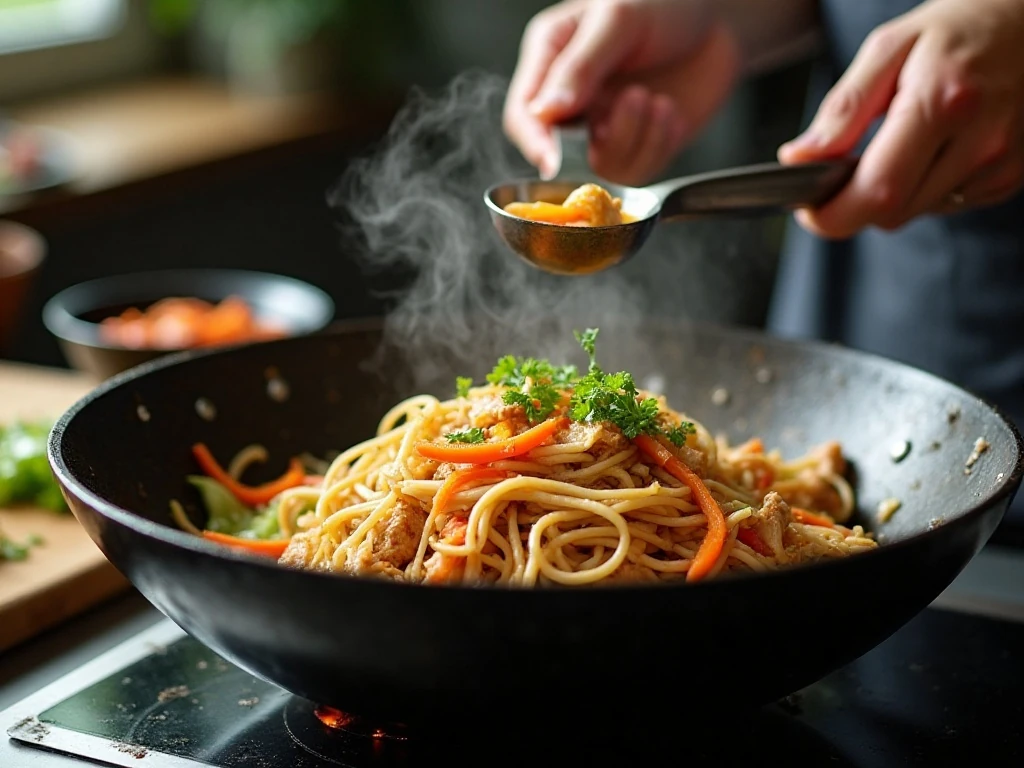
Step 1: Marinate the chicken by combining the thin slices with 1 teaspoon light soy sauce, 1 teaspoon Shaoxing wine or dry sherry, 1 teaspoon cornstarch, and 1 teaspoon neutral oil. The cornstarch helps the meat retain moisture while the brief marinade gives it a savory base flavor.
Step 2: Make the stir-fry sauce before turning on the heat. Combine 2 tablespoons oyster sauce, 1 tablespoon light soy sauce, 1 tablespoon optional dark soy sauce, 1 teaspoon toasted sesame oil, 1/2 teaspoon sugar, 1/4 teaspoon white pepper, and 2 tablespoons water or low-sodium chicken stock.
Step 3: Cook the noodles according to their package instructions. Fresh noodles often require just 1 to 3 minutes in boiling water, while dried wheat or egg noodles should be cooked only until tender; drain thoroughly, rinse briefly with cold water, and toss with a few drops of oil.
Step 4: Set a wok or large skillet over high heat and wait until it is very hot. Add 1 tablespoon oil, spread in the chicken, and stir-fry for about 2 to 3 minutes, turning often, until the pieces are just cooked; transfer them to a plate.
Step 5: Add the remaining 1 tablespoon oil to the hot wok. Stir-fry the minced garlic and ginger for about 15 seconds, then add the cabbage, carrot, and optional onion or mushrooms, cooking for 1 to 2 minutes so the vegetables stay slightly crisp.
Step 6: Add the well-drained noodles to the vegetables and toss vigorously for 1 to 2 minutes. Use lifting and turning motions rather than pressing down, allowing the noodles to pick up a little wok-char without tearing.
Step 7: Return the cooked chicken to the wok and pour the prepared sauce around the noodles. Toss continuously for another 1 to 2 minutes, making sure the sauce coats the noodles evenly and the entire mixture is piping hot.
Step 8: Add the bean sprouts and 2-inch scallion pieces during the final 30 to 45 seconds. Toss just until warmed through, then serve immediately so the sprouts remain fresh and crisp.
Chef’s Tips for Perfect Chow Mein
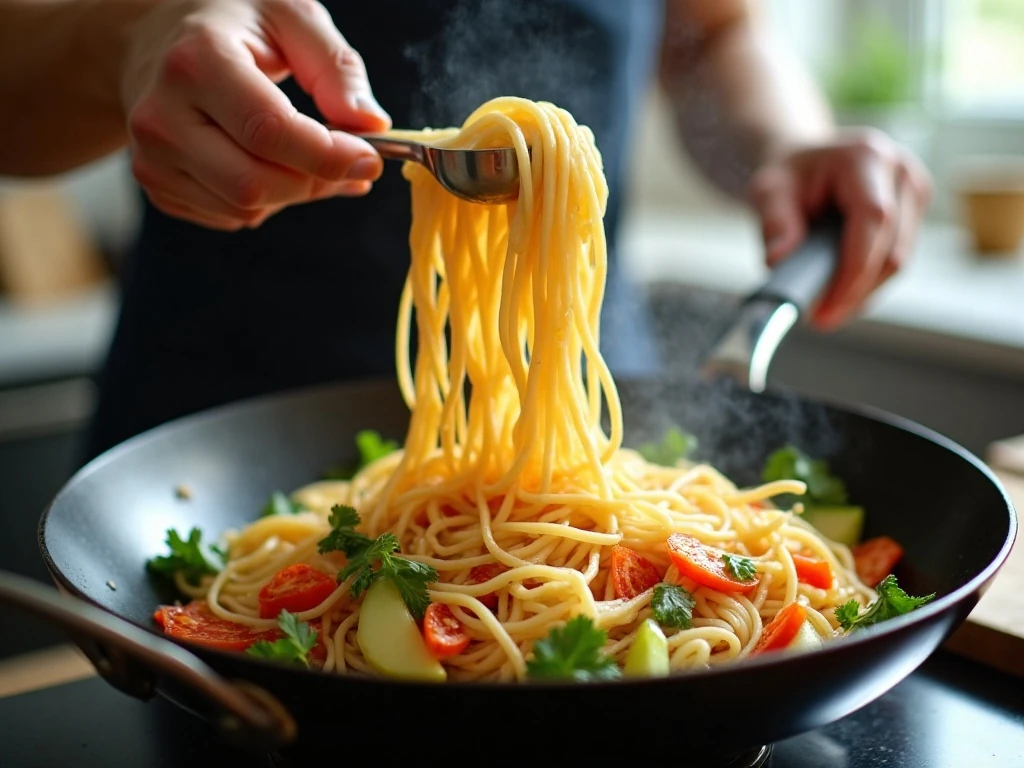
The most important texture rule is to drain the noodles extremely well. Water clinging to the noodles causes steaming, dilutes the sauce, and can turn a lively stir-fry into a soggy dish.
Prepare and measure everything before heating the wok. Once the oil is hot, the chicken, aromatics, vegetables, noodles, sauce, sprouts, and scallions move quickly from one stage to the next.
- Use high heat: A very hot wok or large skillet encourages quick browning and keeps the vegetables from releasing too much moisture.
- Avoid overcrowding: If your wok is small, cook the chicken in batches or stir-fry the full recipe in a large skillet.
- Keep vegetables crisp: Cabbage and carrot need only 1 to 2 minutes, while bean sprouts and scallions belong at the end.
- Add sauce late: Pour it in only after the noodles and chicken are hot so the dish remains closer to a dry-fried restaurant style.
- Handle noodles gently: Toss with broad movements to coat them without snapping or mashing them.
If you want a seafood variation, replace the chicken with shrimp and serve the noodles alongside garlic shrimp. The shrimp should also be cooked briefly and removed before the vegetables so it does not become tough.
Substitutions and Serving Ideas
Thinly sliced pork, beef, shrimp, or firm tofu can replace the chicken. Keep the pieces small and cook them quickly, removing the protein before stir-frying the vegetables whenever necessary.
Napa cabbage, bok choy, snow peas, or bell pepper are common vegetable additions. Use them in place of some of the green cabbage or carrot, but keep the total volume moderate so the noodles remain the center of the dish.
Dried wheat or egg noodles work well when fresh noodles are unavailable. Boil them just until tender, rinse well under cold water, drain completely, and toss with a small amount of oil before they enter the wok.
For a larger Asian-inspired meal, serve the chow mein with steamed rice or simple cucumber slices. If you are planning a broad international dinner, these pizza English muffins make a separate kid-friendly option, while this chicken biryani offers another fragrant rice-based main course.
Storage and Reheating
Chow mein is best served immediately, when the noodles are springy and the bean sprouts are crisp. If you have leftovers, cool them promptly and place them in an airtight container in the refrigerator.
Reheat the noodles in a hot skillet or wok with a small splash of water, tossing frequently until steaming hot. Avoid prolonged microwave heating, which can soften the vegetables and make the noodles lose their pleasant chew.
For the best next-day texture, store the noodles separately from any additional fresh garnishes. Add a few fresh scallions or bean sprouts after reheating if desired.

Authentic Classic Chinese Chow Mein
Ingredients
Method
- Mix the sliced chicken with 1 teaspoon light soy sauce, Shaoxing wine, cornstarch, and 1 teaspoon neutral oil. Set it aside while preparing the vegetables and sauce.
- Whisk together the oyster sauce, light soy sauce, optional dark soy sauce, toasted sesame oil, sugar, white pepper, and water or low-sodium chicken stock.
- Cook the fresh noodles according to the package directions, usually 1 to 3 minutes in boiling water. Drain thoroughly, rinse briefly under cold water, and toss with a few drops of oil.
- Heat a wok or large skillet over high heat until very hot. Add 1 tablespoon oil and stir-fry the chicken for about 2 to 3 minutes, until just cooked, then remove it from the wok.
- Add the remaining tablespoon of oil. Stir-fry the garlic and ginger for about 15 seconds, then add the cabbage, carrot, and optional onion or mushrooms; cook for 1 to 2 minutes.
- Add the noodles and toss vigorously for 1 to 2 minutes, allowing them to pick up a little wok-char without breaking apart.
- Return the chicken to the wok, pour in the sauce, and toss continuously for another 1 to 2 minutes, until the noodles are evenly coated and hot.
- Add the bean sprouts and scallions during the final 30 to 45 seconds. Serve immediately while the noodles and vegetables are hot.
Notes
Final Thoughts
This authentic classic Chinese chow mein recipe proves that a flavorful noodle dinner does not need hours of preparation. With fresh egg noodles, tender marinated chicken, crisp vegetables, and a carefully balanced soy-oyster sauce, you can create a satisfying Cantonese-style meal in about 20 minutes.
Keep the wok hot, keep the ingredients moving, and remember that well-drained noodles are the foundation of great chow mein. Serve the finished dish immediately, while the noodles are glossy, the chicken is tender, and the cabbage, sprouts, carrot, and scallions still have a little bite.