This cinnamon raisin breakfast cottage loaf is a soft, lightly sweet yeast bread shaped into the classic English two-tiered cottage loaf. Made with bread flour, whole milk, brown sugar, butter, cinnamon, egg, and raisins, it takes about 2 1/2 to 3 hours from mixing to cooling and makes 10–12 servings.
Every slice has a tender, buttery crumb, warm cinnamon fragrance, and juicy raisins tucked throughout. Toast it for breakfast, spread it with butter while still slightly warm, or serve it alongside coffee for a cozy homemade treat that looks as special as it tastes.
Jump to RecipeWhy You’ll Love This Recipe
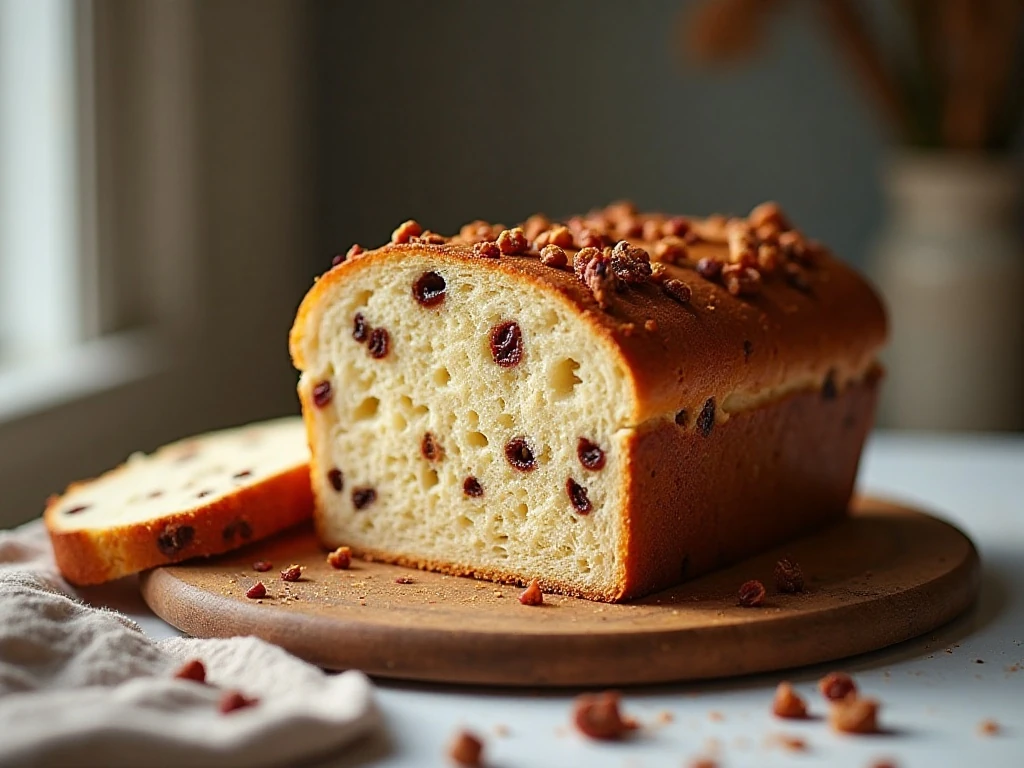
This breakfast cottage loaf brings together two wonderful baking traditions: a classic English stacked loaf shape and the comforting flavor of cinnamon raisin bread. The rounded lower tier supports a smaller upper tier, creating a centerpiece that looks charming on a breakfast table.
The dough is enriched with milk, egg, butter, and brown sugar, so the finished bread is softer and more tender than a plain lean loaf. Cinnamon adds gentle warmth rather than an overpowering spice flavor, while soaked raisins stay pleasantly plump in every slice.
It is also a flexible make-ahead bake. Serve it plain, toast it until the edges are crisp, or pair it with a fruit-filled breakfast such as our blueberry breakfast cake for a generous weekend spread.
Ingredients You’ll Need
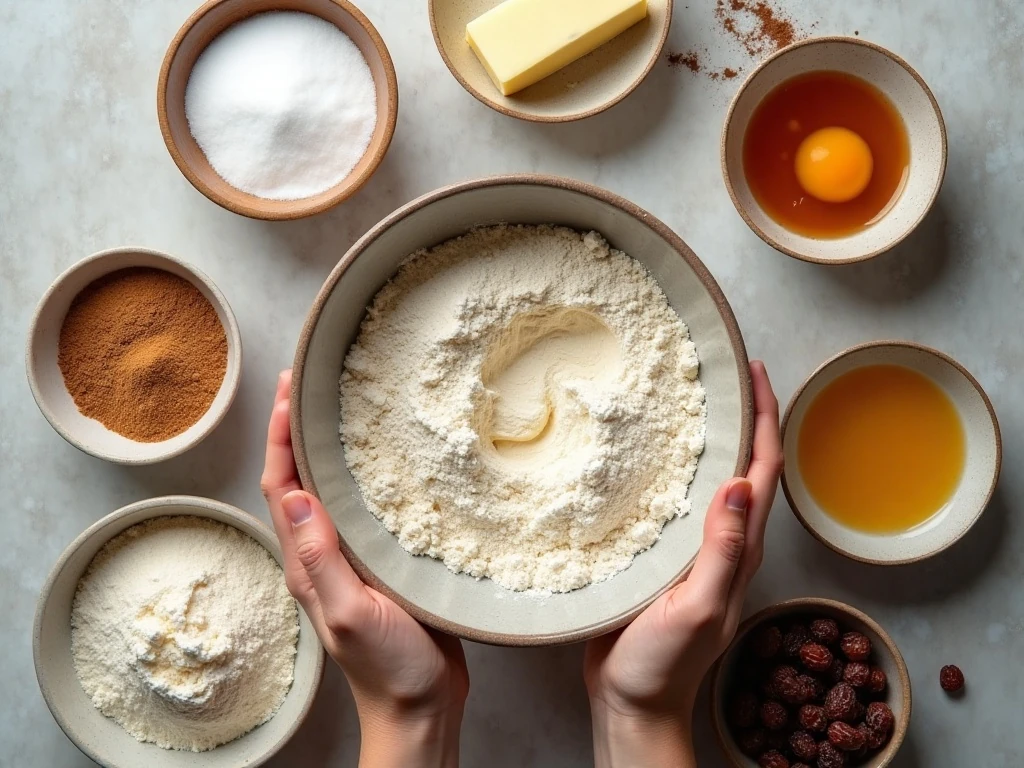
The ingredient list is straightforward, but each item has an important role in the dough. Bread flour gives the loaf enough gluten strength to hold its tall, stacked shape, while whole milk, egg, and butter create a tender texture.
- Bread flour: Use 450 g, or about 3 3/4 cups, for structure and chew.
- Milk and water: The lukewarm liquid wakes the yeast and hydrates the flour.
- Egg and butter: These enrich the dough and give the crumb a soft, satisfying bite.
- Brown sugar: Light brown sugar adds mild caramel notes and balances the cinnamon.
- Yeast, salt, and cinnamon: Yeast provides lift, salt sharpens the flavor, and cinnamon brings the signature aroma.
- Raisins: Use 150 g, or about 1 cup, and soak them briefly before adding them.
For the optional finish, brush the shaped loaf with milk for a softer matte crust or beaten egg for a shinier, deeper-golden surface.
If you enjoy warm cinnamon flavors in the morning, you may also like these easy pumpkin cinnamon rolls for another cozy breakfast bake.
How to Make It Step-by-Step
Step 1: Soak the raisins in a heatproof bowl and cover them with hot water for 5–10 minutes. Drain them thoroughly and pat them dry, because excess water can make the dough sticky and moisture left on the fruit can create damp pockets around the raisins.
Step 2: Add the bread flour, yeast, brown sugar, cinnamon, and salt to a large mixing bowl. Keep the salt from sitting directly on the yeast before mixing, then stir the dry ingredients together so the cinnamon is evenly dispersed.
Step 3: Pour in the lukewarm milk and water, then add the egg and softened butter or cooled melted butter. Mix until the flour is hydrated and the ingredients come together into a rough, shaggy dough.
Step 4: Knead the dough by hand for 8–10 minutes, or use a dough hook for 5–7 minutes. It should become smooth and elastic, with only a slight tackiness; resist adding lots of extra flour, since that can make the loaf heavy.
Step 5: Knead in the raisins gradually, adding a little at a time. Work gently so the fruit becomes evenly distributed without ripping the developing dough.
Step 6: Place the dough in a lightly greased bowl and cover it. Leave it in a warm place for 60–90 minutes, until it has doubled in size; the exact time depends on the temperature of your kitchen.
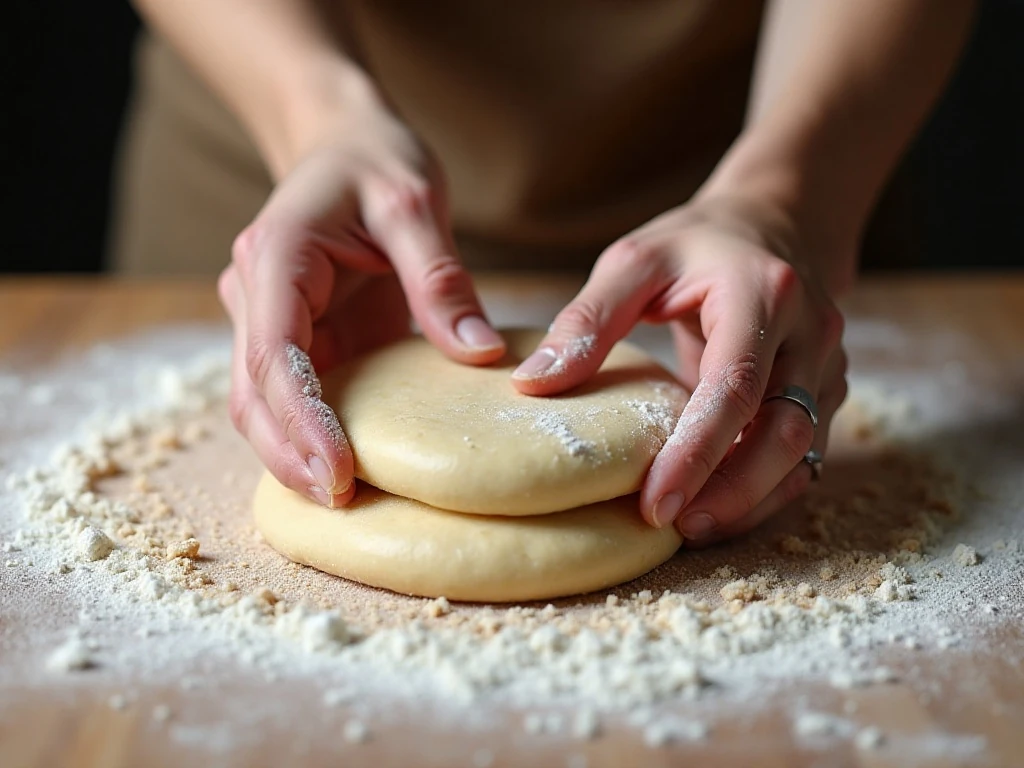
Step 7: Gently deflate the risen dough and divide it into two pieces, making one approximately two-thirds of the total and the other approximately one-third. Shape each piece into a tight, smooth round, keeping the bottom round slightly taller than wide for a more defined cottage-loaf profile.
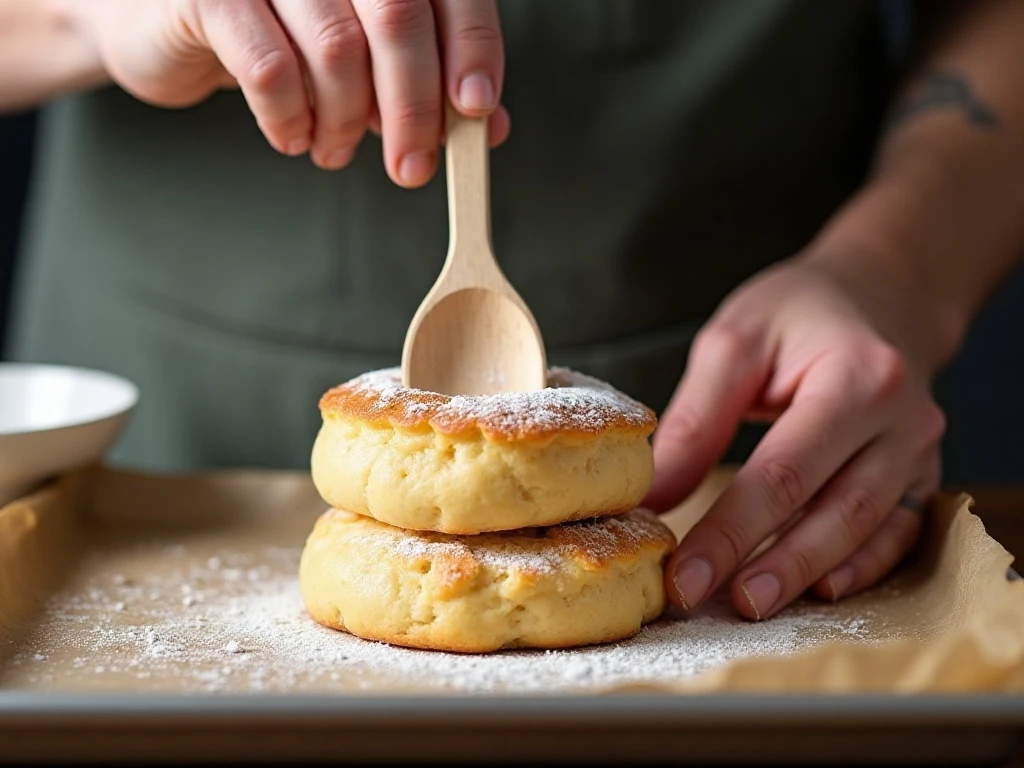
Step 8: Set the smaller round on top of the larger one. With a floured finger or the handle of a wooden spoon, press vertically through the center of both rounds to help anchor the tiers and create the traditional central depression.
Step 9: Cover the shaped loaf and let it rise for 30–45 minutes, until visibly puffy. Watch it closely during this stage, because overproofing can weaken the structure and allow the top section to slide during baking.
Step 10: Heat the oven to 190°C (375°F), then brush the loaf lightly with milk or beaten egg if you want a finished crust. Bake it on a parchment-lined tray for 35–40 minutes, until deeply golden and the center reaches approximately 88–93°C (190–200°F).
Step 11: Transfer the loaf to a wire rack and let it cool for at least 45 minutes before slicing. This resting time allows the crumb to finish setting, so the slices remain tender rather than gummy.
Pro Tips for a Beautiful Cottage Loaf
The most important preparation tip is to soak and dry the raisins well. Dry raisins can pull moisture from the dough while it rises and bakes, whereas briefly hydrated raisins blend into the bread with a softer, juicier texture.
Pay attention to surface tension when shaping. Pull the dough gently toward the underside as you form each round, creating a smooth outer skin that helps the loaf keep its shape as it rises.
Make the bottom piece slightly taller than it is wide, and do not make the upper piece too large. The approximate two-thirds-to-one-third division gives the loaf a stable, recognizable silhouette without placing too much weight on the lower tier.
The center press is more than decoration. A floured finger or wooden spoon handle creates a small channel through both rounds, helping the pieces bake together instead of separating as the dough expands.
For another cinnamon-forward breakfast idea, compare this loaf with our pumpkin cinnamon roll recipe. Both are excellent choices when you want the kitchen to smell warmly spiced.
Serving Suggestions
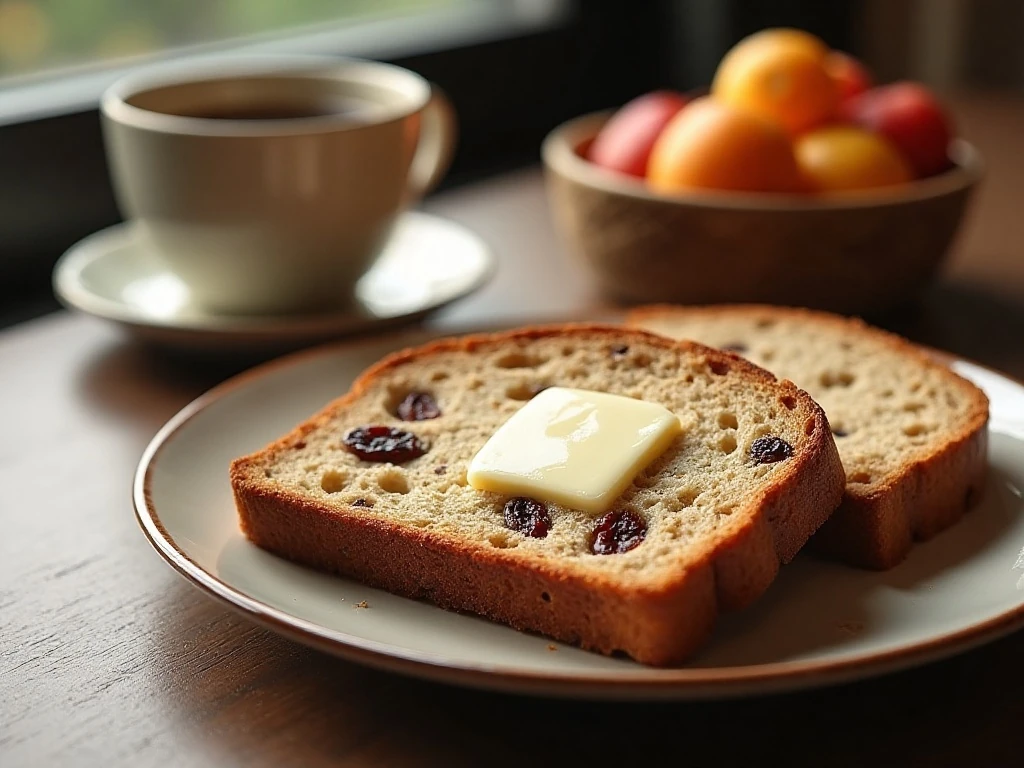
Let the loaf cool, then cut it into 10–12 slices with a serrated bread knife. The two-tiered shape means the slices may vary slightly in size, which makes the loaf especially fun to share.
- Spread warm slices with salted or unsalted butter.
- Toast slices and add cream cheese, honey, or apple butter.
- Serve with fresh fruit and yogurt for a balanced breakfast plate.
- Pair it with coffee, tea, or warm milk.
- Use day-old slices for a cinnamon raisin French toast breakfast.
For a savory companion on a larger brunch table, try these bacon, egg, and cheese breakfast quesadillas. A fresh fruit side such as this strawberry banana salad also adds bright color and freshness beside the rich bread.
Storage and Reheating
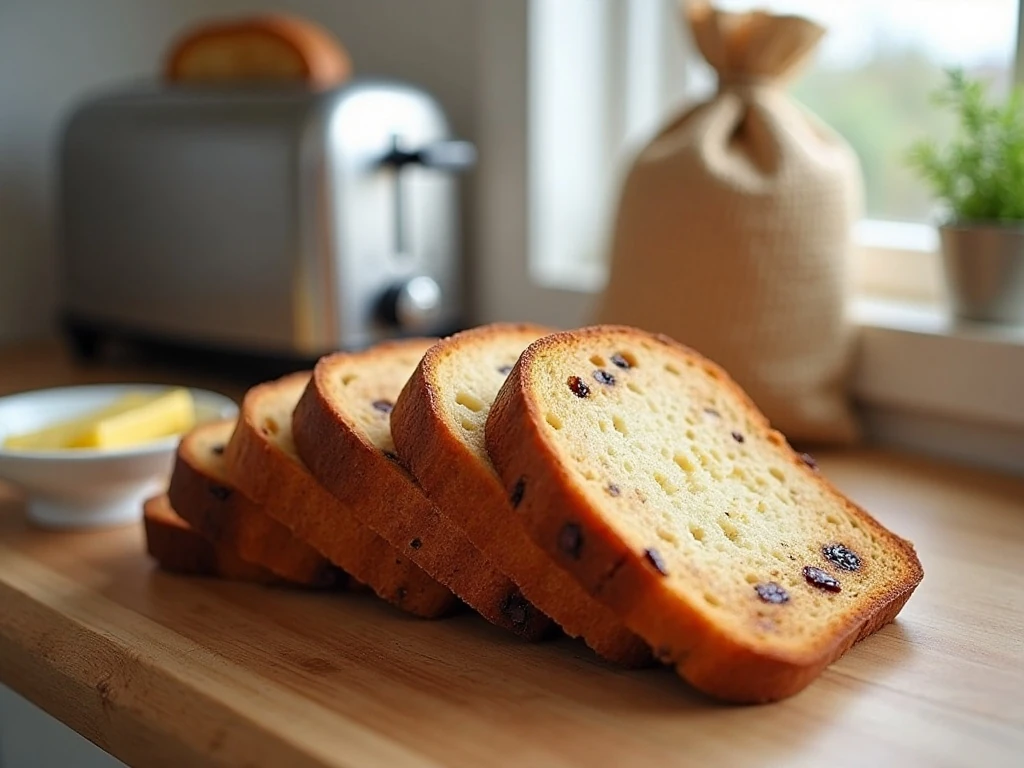
Once completely cool, store the loaf tightly wrapped at room temperature for up to a few days. Keep it away from excess heat and moisture so the crust does not become overly soft.
For longer storage, slice the cooled loaf and freeze the slices in an airtight bag or container. Separate slices with parchment if you want to remove them individually, then toast directly from frozen or allow them to thaw before warming.
To refresh a room-temperature slice, toast it until golden at the edges. A whole loaf can also be warmed gently in a low oven, but avoid overheating it, which may dry the enriched crumb.
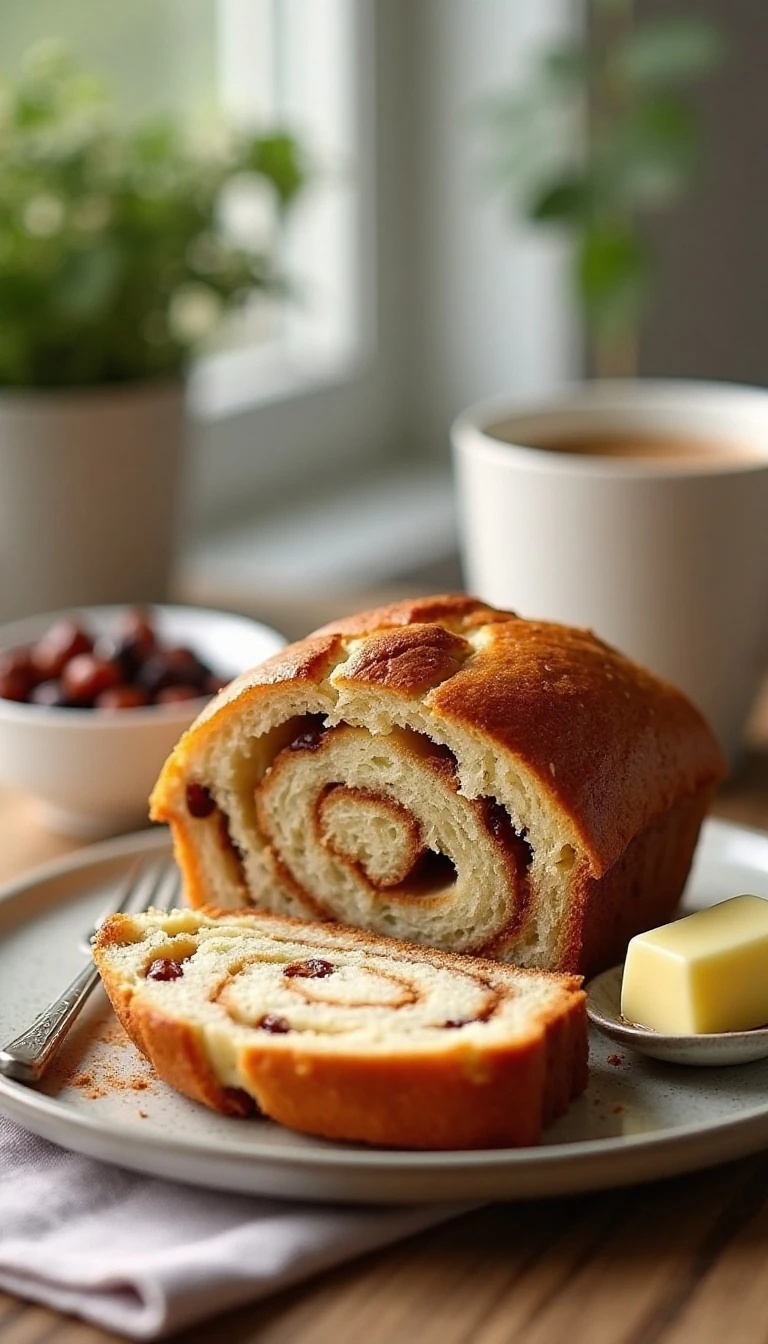
Cinnamon Raisin Breakfast Cottage Loaf
Ingredients
Method
- Soak the raisins in a heatproof bowl covered with hot water for 5–10 minutes. Drain them very thoroughly, then pat dry with paper towels.
- In a large mixing bowl, combine the bread flour, yeast, brown sugar, cinnamon, and salt, taking care not to leave the salt sitting directly on the yeast before mixing. Add the lukewarm milk, water, egg, and butter.
- Mix until a rough dough forms. Knead by hand for 8–10 minutes or with a dough hook for 5–7 minutes, until smooth, elastic, and only slightly tacky.
- Knead in the dry raisins gradually so they spread evenly through the dough without tearing it. Place the dough in a lightly greased bowl, cover, and let it rise in a warm place for 60–90 minutes, or until doubled.
- Deflate the risen dough and divide it into two pieces, using approximately two-thirds for the bottom and one-third for the top. Shape both pieces into tight, smooth rounds.
- Place the smaller round on top of the larger round. Press a floured finger or the handle of a wooden spoon vertically through the center of both rounds to help secure the traditional cottage-loaf tiers.
- Cover the shaped loaf and let it rise for 30–45 minutes, until visibly puffy. Avoid letting it overproof, since the upper section may slide off during baking.
- Heat the oven to 190°C (375°F). Brush the loaf lightly with 1 tablespoon of milk or beaten egg if desired.
- Bake the loaf on a parchment-lined tray for 35–40 minutes, until deeply golden and the center registers approximately 88–93°C (190–200°F). Cool for at least 45 minutes before slicing.
Notes
Final Thoughts
This cinnamon raisin breakfast cottage loaf is a rewarding weekend bake with a memorable shape and familiar, comforting flavor. The enriched dough stays soft, the soaked raisins add little bursts of sweetness, and the cinnamon makes every slice smell inviting.
Give the loaf enough time to rise, shape the two rounds firmly, and allow it to cool before cutting. With those simple details in place, you will have a golden homemade bread that is beautiful enough for brunch and delicious enough for everyday breakfast.