This crispy chicken katsu recipe makes four golden Japanese fried chicken cutlets in about 30 to 35 minutes. Thinly pounded chicken breasts are seasoned, coated in flour, egg, and Japanese panko breadcrumbs, then shallow-fried for about 3 to 4 minutes per side at 340 to 350°F until deeply golden and cooked through.
Each cutlet has a crunchy, airy crust and a tender center, especially when served with steamed white rice, finely shredded cabbage, and tangy-sweet tonkatsu sauce. The method is straightforward enough for a weeknight dinner, yet the crisp texture and colorful presentation make it feel like a special meal.
Jump to RecipeWhy You’ll Love This Recipe
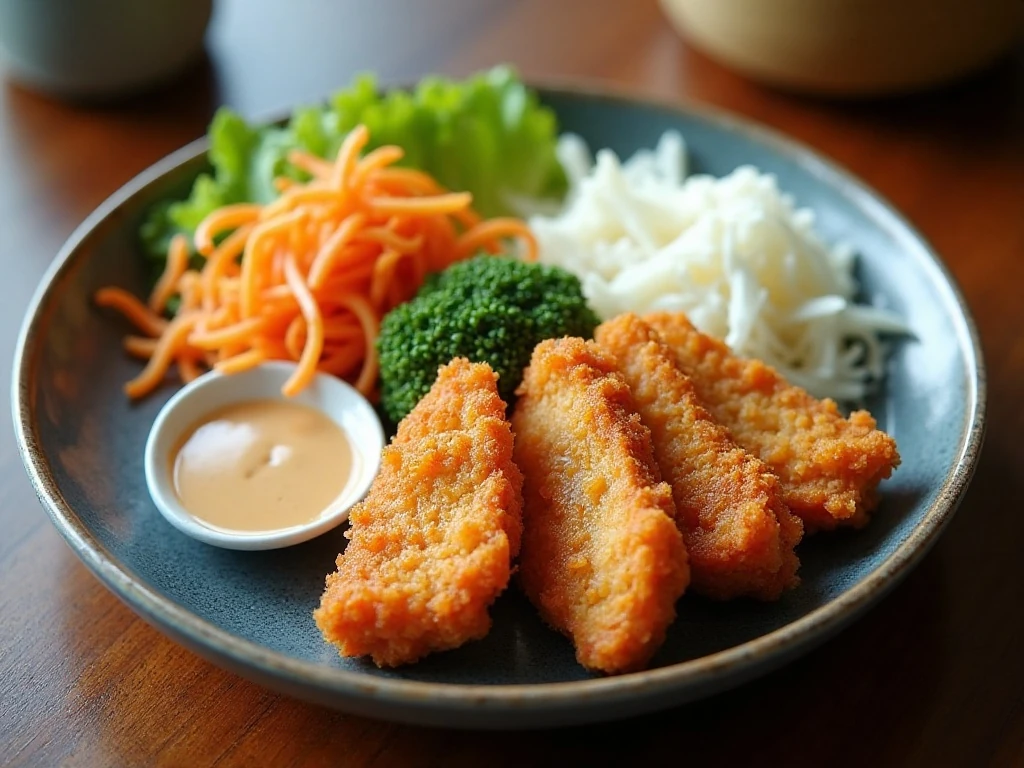
Chicken katsu is the kind of dinner that wins people over at the first bite. The breading turns wonderfully crisp and craggy in the hot oil, while the thin chicken cooks quickly enough for a practical weeknight meal.
The contrast is especially satisfying: crunchy cutlet, fluffy rice, cool cabbage, and rich tonkatsu sauce all share the plate. Unlike a heavily seasoned fried chicken recipe, katsu depends on the clean flavor of the chicken and the toasted taste of panko.
This recipe also gives you a reliable shallow-frying method. You need only about ½ inch of neutral oil in a heavy skillet, so the cutlets are easy to turn and the kitchen does not require a deep fryer.
If your family enjoys chicken-centered dinners, you can also add variety with this fresh ranch chicken salad bowl on another night.
Ingredients You’ll Need
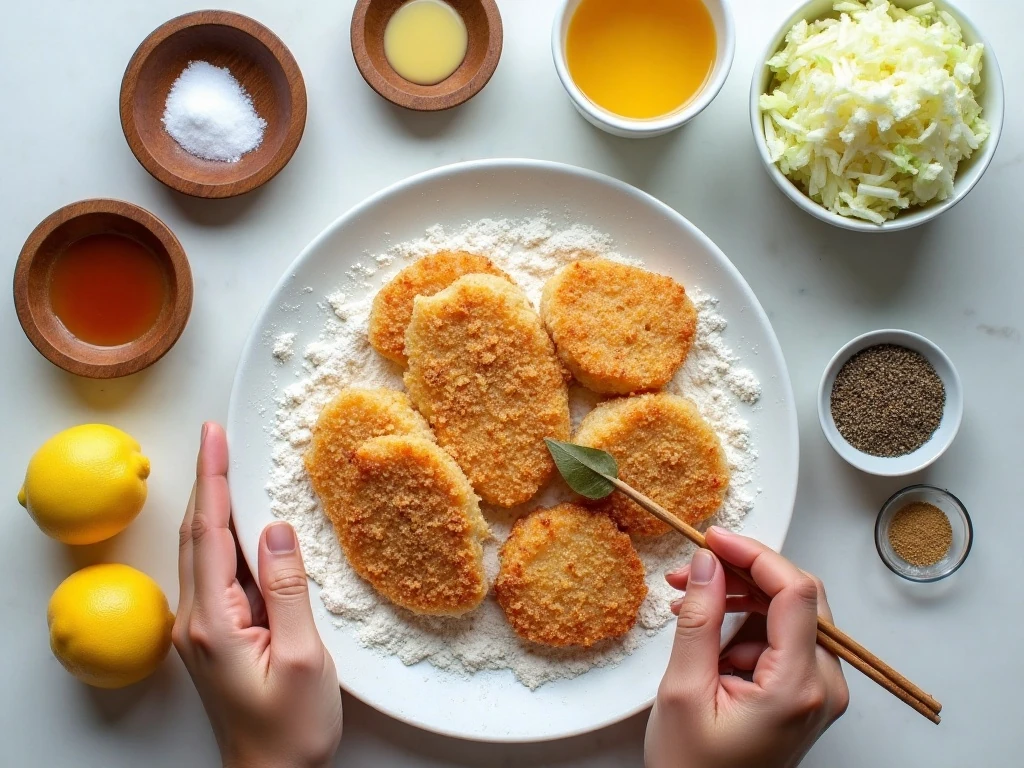
Start with two large boneless, skinless chicken breasts weighing about 1½ pounds (680 g) total. Slicing each breast horizontally gives you four thinner pieces, which are easier to cook evenly and provide more surface area for the crunchy coating.
- Seasoning: Use 1 teaspoon kosher salt and ½ teaspoon freshly ground black pepper.
- Flour: A ½ cup (65 g) of all-purpose flour creates the dry layer that helps the egg cling.
- Egg wash: Beat 2 large eggs with 1 tablespoon water or milk.
- Panko: Set out 1½ to 2 cups (75 to 100 g) of Japanese panko breadcrumbs.
- Oil: Use vegetable, canola, or rice-bran oil, enough for about ½ inch in the skillet, usually 1½ to 2 cups.
- Accompaniments: Prepare cooked white rice, finely shredded green cabbage, and tonkatsu sauce.
Japanese panko is preferred because its larger, lighter flakes create a particularly crisp shell. A small pinch of garlic powder or paprika can go into the flour, but neither is necessary for traditional chicken katsu.
Boneless chicken thighs are an excellent alternative if you prefer a juicier, more flavorful cutlet. They may have less uniform edges, so trim or pound them gently as needed.
How to Make It Step-by-Step
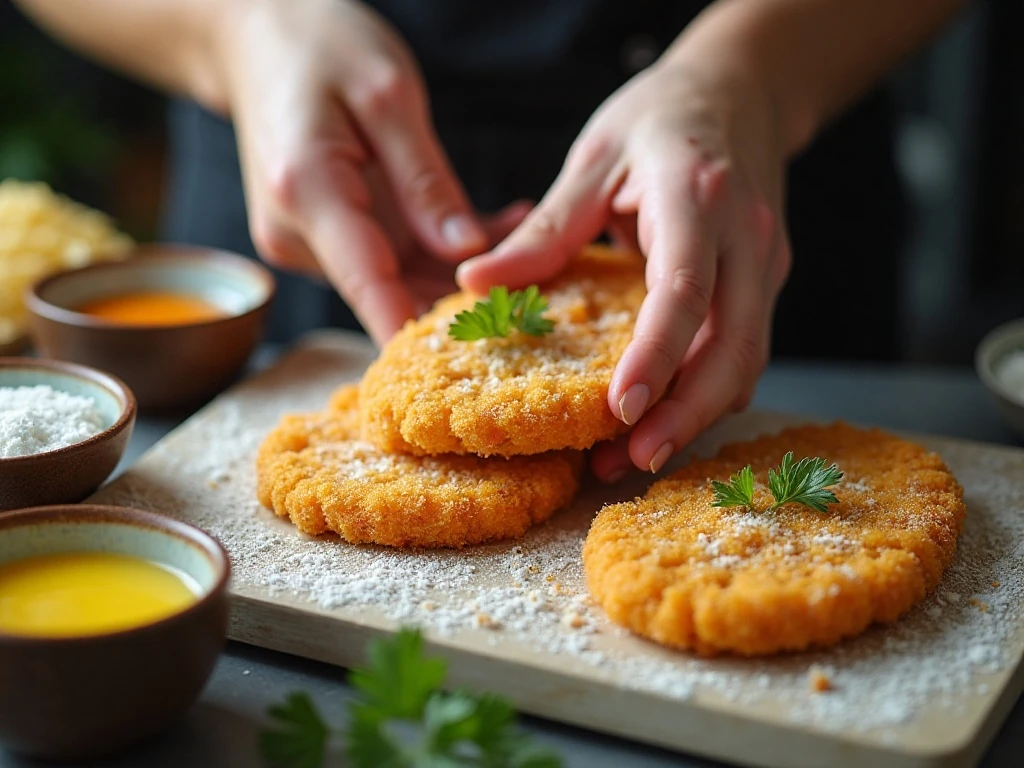
Step 1: Slice each chicken breast horizontally into two thinner pieces. Put the pieces between sheets of plastic wrap or parchment and gently pound them until they are about ½ inch thick, taking care not to tear the meat.
Step 2: Trim any especially thin or uneven edges so the cutlets cook at roughly the same rate. Season both sides with the kosher salt and black pepper, making sure the seasoning reaches the full surface.
Step 3: Arrange three shallow dishes beside the stove. Fill the first with flour, the second with the beaten eggs mixed with water or milk, and the third with panko.
Step 4: Dredge one chicken piece in flour, turning it to cover both sides, then shake off the excess. Dip it into the egg wash and let the extra drip away before placing it in the panko.
Step 5: Press the panko firmly onto both sides and around the edges. This small bit of pressure helps the crumbs adhere instead of falling off when the cutlet enters the oil.
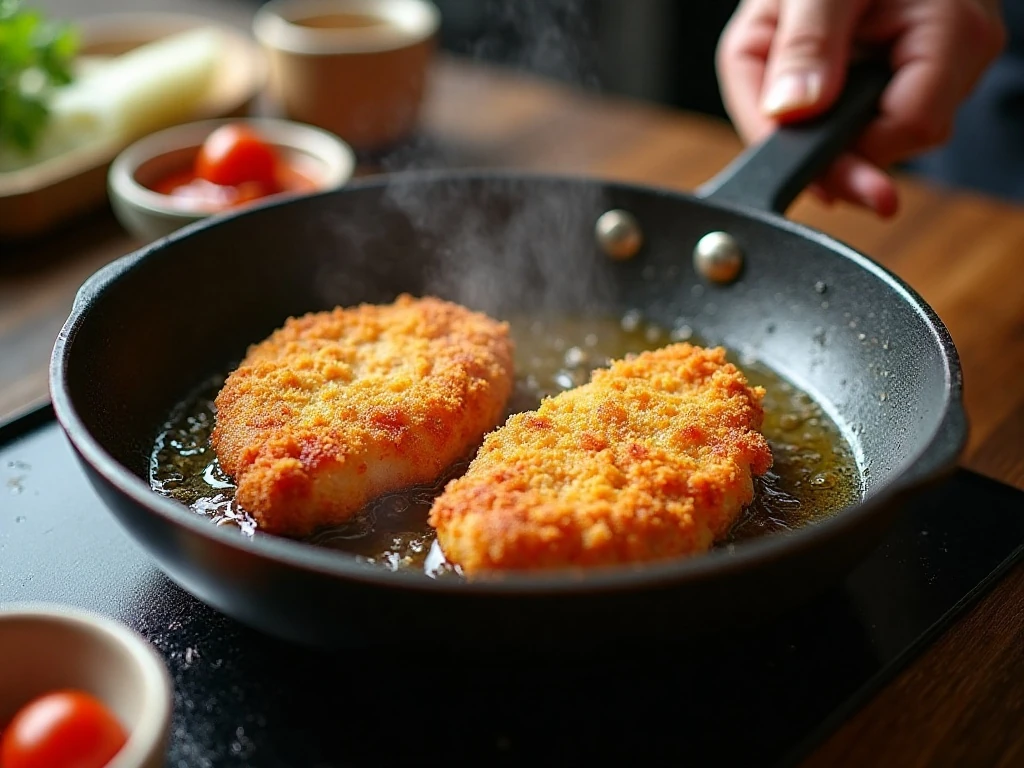
Step 6: Heat the neutral oil in a heavy skillet over medium to medium-high heat until it reaches about 340 to 350°F (170 to 175°C). If you do not have a thermometer, drop in a breadcrumb; it should sizzle right away, while oil that smokes is too hot.
Step 7: Fry the cutlets in batches, leaving room around each piece, for about 3 to 4 minutes per side. Turn them once with tongs or a spatula and cook until deeply golden and the thickest part reaches 165°F (74°C).
Step 8: Move the finished chicken to a wire rack or paper towels and let it rest for 2 to 3 minutes. Slice each cutlet into strips and serve immediately with rice, cabbage, and tonkatsu sauce.
Pro Tips for Crisp Results
Even thickness is the most important preparation detail. If one end is thin and another is thick, the thin end may dry out before the center is safely cooked, so use a gentle, controlled pounding motion.
Press rather than sprinkle the panko. A firm coating gives you a more complete crust, and the egg layer acts like glue between the flour and the breadcrumbs.
Oil temperature matters throughout frying. At roughly 340 to 350°F, the coating can brown while the chicken cooks through; overcrowding the pan chills the oil and encourages a greasy crust.
Work in batches and allow the oil to return to temperature before adding the next cutlets. A wire rack is useful because it lets air circulate underneath, protecting the bottom crust from steam.
For extra coating security, chill the breaded chicken for 10 to 15 minutes before frying. This is optional, but it can be helpful when you are preparing the cutlets ahead of time.
Always check the thickest section with an instant-read thermometer. A beautifully golden exterior does not guarantee that the chicken center has reached the safe temperature of 165°F (74°C).
For another comforting chicken dinner to keep in your rotation, try this easy slow cooker fiesta chicken when you want a hands-off meal.
Serving Ideas and Pairings
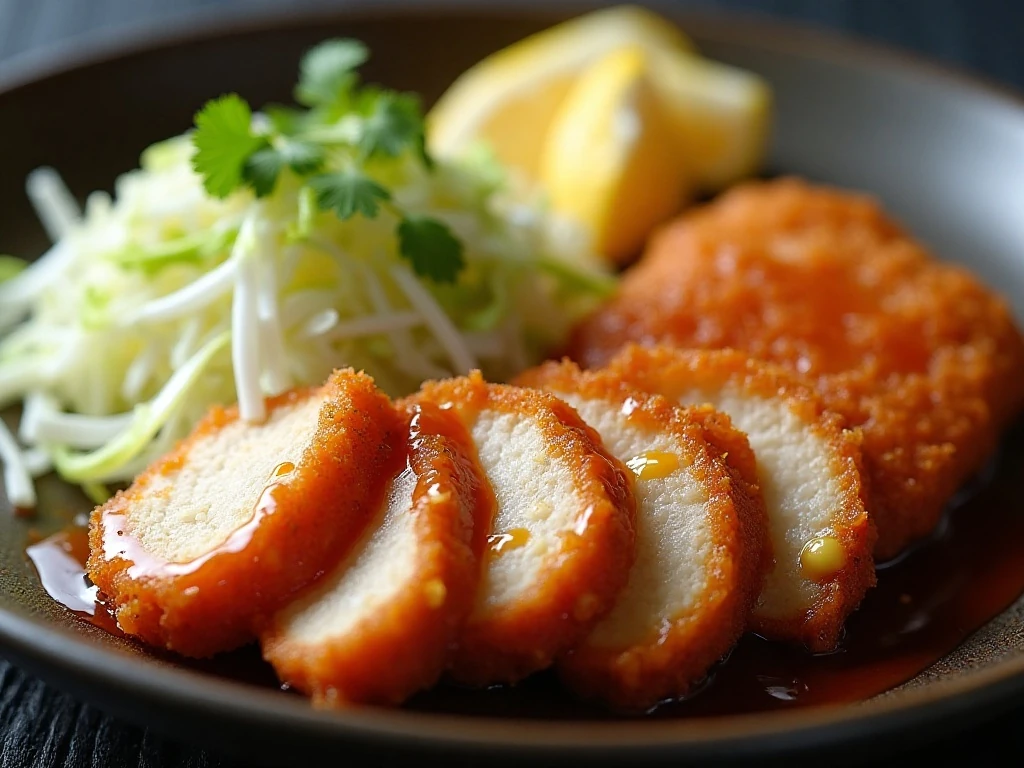
The classic plate is simple and balanced: sliced chicken katsu, a mound of white rice, finely shredded cabbage, and a generous drizzle of tonkatsu sauce. The cabbage adds freshness and crunch, while the rice softens the bold, savory sauce.
Serve the sauce on the side for a crisper crust, or drizzle it over the sliced chicken just before eating. Japanese mustard brings a sharp accent, and lemon wedges add a bright finish without changing the basic character of the dish.
A chilled cucumber salad, lightly pickled vegetables, or steamed greens can accompany the plate. If you are building a larger dinner spread, crispy smashed Brussels sprouts offer another crunchy side.
Chicken katsu can also become a sandwich or rice bowl. Keep the cutlet whole for a sandwich, or slice it into smaller pieces over rice with cabbage and sauce for an easy packed-lunch style meal.
Storage and Reheating
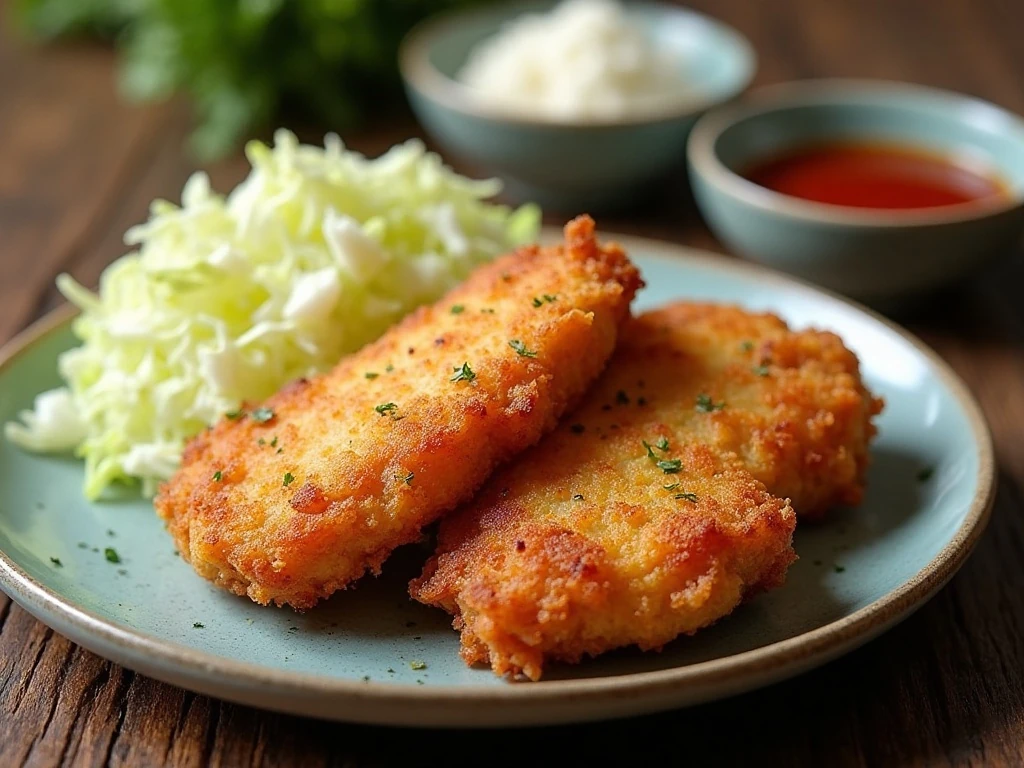
Chicken katsu is best immediately after frying, when the panko is at its crispest. If you have leftovers, cool them promptly, place them in an airtight container, and refrigerate them.
To reheat, use an oven or air fryer rather than a microwave when possible. Reheating with dry circulating heat helps bring back some of the crisp texture, while microwaving can soften the coating.
Store the chicken separately from the rice, cabbage, and sauce. Assemble the plate after reheating, and add fresh cabbage and tonkatsu sauce just before serving.
For another chicken dish with a bright, family-friendly flavor profile, keep this baked Hawaiian chicken dinner in mind.
Common Questions About Chicken Katsu
Can I use chicken thighs? Yes. Boneless chicken thighs are a common variation and are naturally juicy, though they may need a little trimming and gentle pounding for an even shape.
Can I deep-fry the cutlets? Yes, deep-frying at about 350°F (175°C) is also common. This recipe uses shallow frying with about ½ inch of oil, so turn each cutlet once during cooking.
Why did my breading fall off? Excess flour or egg can make the layers slide, and loose panko may separate in the oil. Shake off excess flour, let extra egg drip away, and press the panko firmly onto the chicken.
Why is the crust greasy? The pan may have been overcrowded or the oil temperature may have dropped too low. Fry in batches and wait for the oil to return to approximately 340 to 350°F before continuing.
What if the crust browns too quickly? Lower the heat slightly and check the chicken temperature. The cutlet is ready when the thickest part reaches 165°F (74°C), regardless of how quickly the outside colors.
For a party-friendly chicken option with a different format, this buffalo onion ranch chicken dip makes a fun companion to your dinner recipe collection.
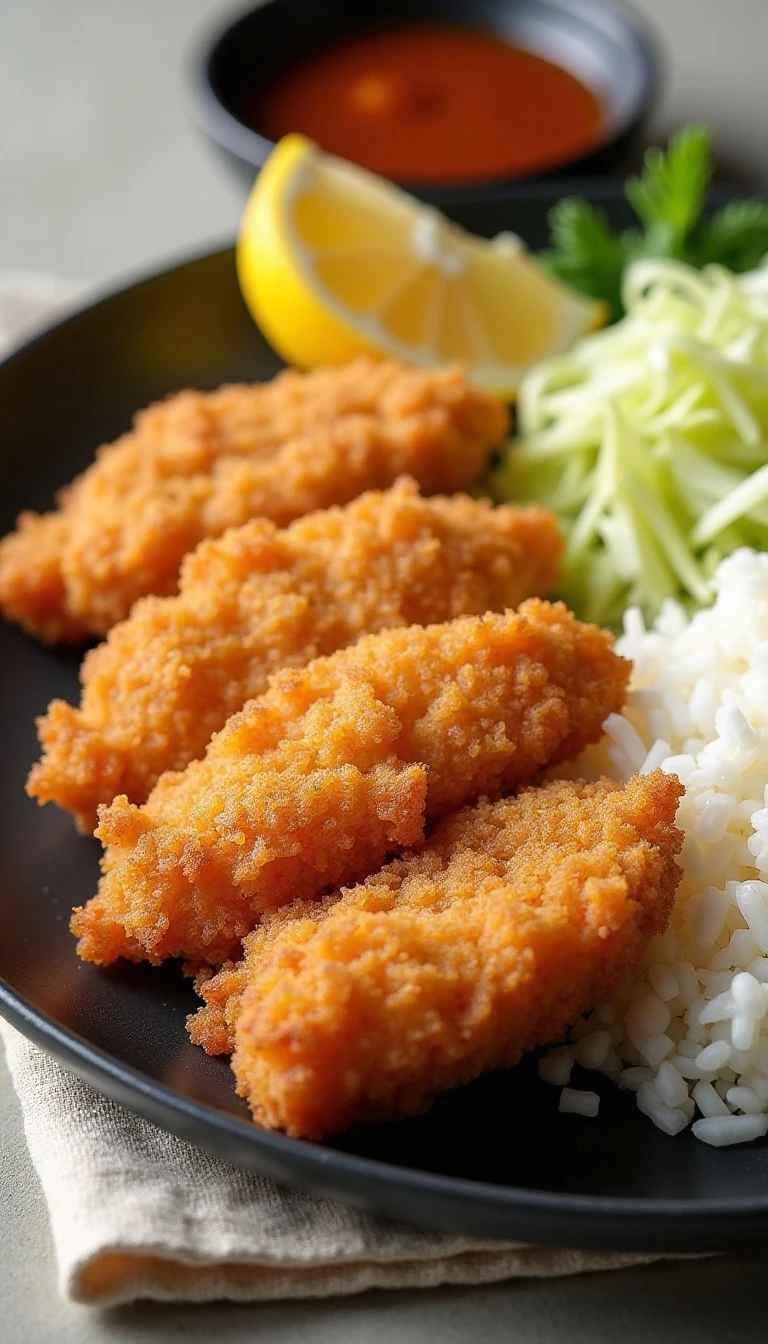
Crispy Chicken Katsu Recipe (Japanese Fried Chicken Cutlet)
Ingredients
Method
- Slice each chicken breast horizontally into two thinner pieces. Place the pieces between plastic wrap or parchment and gently pound them to an even thickness of about ½ inch (1 to 1¼ cm), trimming any uneven edges.
- Season both sides of every chicken piece with the kosher salt and freshly ground black pepper.
- Prepare three shallow dishes: place the flour in the first, beat the eggs with the water or milk in the second, and add the panko to the third.
- Coat each chicken piece in flour and shake away the excess. Dip it into the egg mixture, then press it firmly into the panko so the crumbs adhere evenly.
- Heat enough neutral oil to cover the skillet by about ½ inch over medium to medium-high heat. Bring it to approximately 340 to 350°F (170 to 175°C); a breadcrumb should sizzle immediately without the oil smoking.
- Fry the breaded chicken in batches without crowding the pan for about 3 to 4 minutes per side. Turn once and continue until the crust is deeply golden and the thickest part reaches 165°F (74°C), adding another minute or two for thicker pieces if needed.
- Transfer the cooked cutlets to a wire rack or paper towels and let them rest for 2 to 3 minutes. Slice into strips after resting so the crust stays crisp and the juices remain in the chicken.
- Serve the chicken katsu with cooked white rice, finely shredded green cabbage, and tonkatsu sauce. Add Japanese mustard or a lemon wedge if desired.
Notes
Final Thoughts
This crispy chicken katsu recipe delivers a dependable golden crust, tender chicken, and a complete dinner with just a few familiar components. Pounding the chicken evenly, pressing on the panko, and managing the oil temperature are the details that make the finished cutlets light and crunchy instead of heavy.
Give the cooked chicken a brief 2 to 3 minute rest, then slice it into strips and serve it with rice, cabbage, and tonkatsu sauce. Once you have the three-dish breading station ready, this Japanese-style fried chicken cutlet is an easy recipe to repeat whenever you want a satisfying homemade dinner.
Keep the thermometer nearby, cook the cutlets in batches, and remember that the thickest part must reach 165°F (74°C). With those simple checks, you can bring a crisp, colorful katsu plate to the table in about half an hour.
4 thoughts on “Crispy Chicken Katsu Recipe for a Golden Japanese-Style Dinner”