The best scone recipe with vanilla bean glaze is a quick, dependable cream scone made with all-purpose flour, cold butter, heavy cream, and one egg. In about 15 minutes of preparation and 12–15 minutes in a 425°F oven, you can make eight tender, lightly golden scones with flaky centers and crisp edges.
What makes these scones especially delicious is the contrast between the buttery, softly sweet pastry and the thick vanilla bean glaze drizzled over the top. The glaze uses confectioners’ sugar, real vanilla bean seeds, and just enough cream to create a smooth finish that tastes like a favorite bakery treat.
Jump to RecipeWhy You’ll Love This Recipe

This is the kind of scone recipe that earns a permanent place in your breakfast and brunch rotation. The ingredient list is simple, the method is straightforward, and the dough comes together quickly without a mixer.
Heavy cream gives the scones a rich, tender crumb, while cold butter creates small pockets that turn flaky in the hot oven. The moderate amount of sugar keeps the pastry pleasantly sweet without making it taste like cake.
The vanilla bean glaze is the finishing touch that makes these scones feel special. Tiny vanilla seeds add a fragrant, speckled appearance and a deeper flavor than a plain sugar icing.
If you enjoy desserts with a rich vanilla profile, you may also like this vanilla poke cake idea for another sweet occasion.
Ingredients You’ll Need
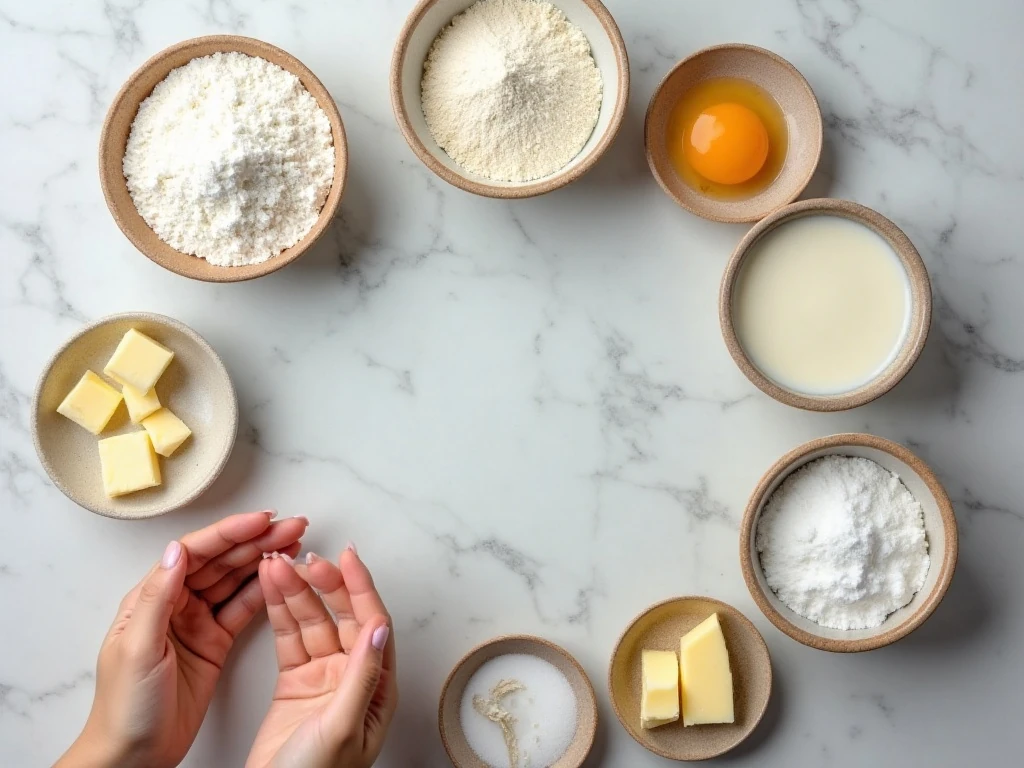
Measure the ingredients carefully, especially the flour. Too much flour can make the dough stiff and the finished scones heavy, so spoon flour into measuring cups and level it, or use the listed 240-gram weight.
- All-purpose flour: The base of the dough and the structure for the wedges.
- Granulated sugar: Adds gentle sweetness and helps the tops brown.
- Baking powder: Provides the lift needed for tender, airy scones.
- Fine salt: Balances the sugar and sharpens the buttery flavor.
- Cold unsalted butter: Creates flaky layers when small pieces melt in the oven.
- Egg and heavy cream: Form the rich liquid mixture that binds the dough.
- Confectioners’ sugar, vanilla bean, and cream: Make the smooth, thick glaze.
Use unsalted butter so the salt level remains balanced. If you do not have half-and-half for the glaze, heavy cream or milk works as well; add the liquid gradually because the glaze needs only enough to become pourable.
How to Make It Step-by-Step
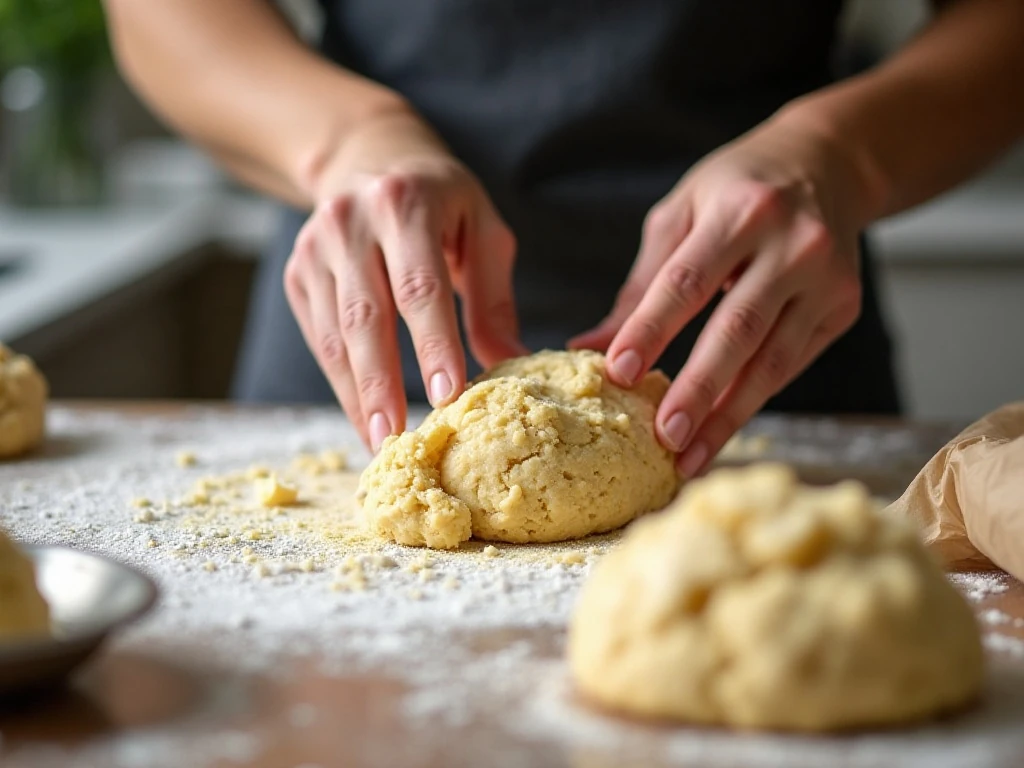
Step 1: Heat the oven to 425°F (220°C), then line a baking sheet with parchment paper. The high oven temperature helps the butter release steam quickly, encouraging the scones to rise and form lightly crisp edges.
Step 2: Whisk the flour, granulated sugar, baking powder, and fine salt in a large bowl until evenly combined. Breaking up any small lumps now makes it easier to mix the dough briefly later.
Step 3: Add the cold butter pieces and cut them into the flour with a pastry blender or your fingertips. Stop when the mixture resembles coarse crumbs and a few pea-sized butter pieces remain; those visible pieces are useful for flaky layers.
Step 4: Whisk the egg and heavy cream together in a separate bowl. Pour this mixture into the dry ingredients and stir gently just until the flour is moistened and a shaggy dough begins to form.
Step 5: Turn the dough onto a lightly floured surface and fold or knead it only a few times. Pat it into an approximately 8-inch round that is about 1 inch thick, resisting the urge to make the surface perfectly smooth.
Step 6: Cut the round into eight wedges with a sharp knife or bench scraper. Transfer the wedges to the parchment-lined baking sheet, leaving a little space between them so the edges can brown.
Step 7: Bake the scones for 12–15 minutes, watching for lightly golden tops and set centers. If you want taller scones, chill the shaped wedges for about 15–30 minutes before placing them in the oven.
Step 8: Let the baked scones cool for several minutes. They should be warm but sturdy enough to handle when you prepare the glaze.
Step 9: Scrape the seeds from half a vanilla bean and whisk them with the confectioners’ sugar. Add 1 tablespoon of cream, milk, or half-and-half, then add a little more only if needed to reach a thick but pourable consistency.
Step 10: Drizzle the glaze over the warm or cooled scones. Serve once the glaze has settled slightly, or allow it to firm for a few minutes if you prefer a more defined finish.
Pro Tips for Flaky, Tender Scones
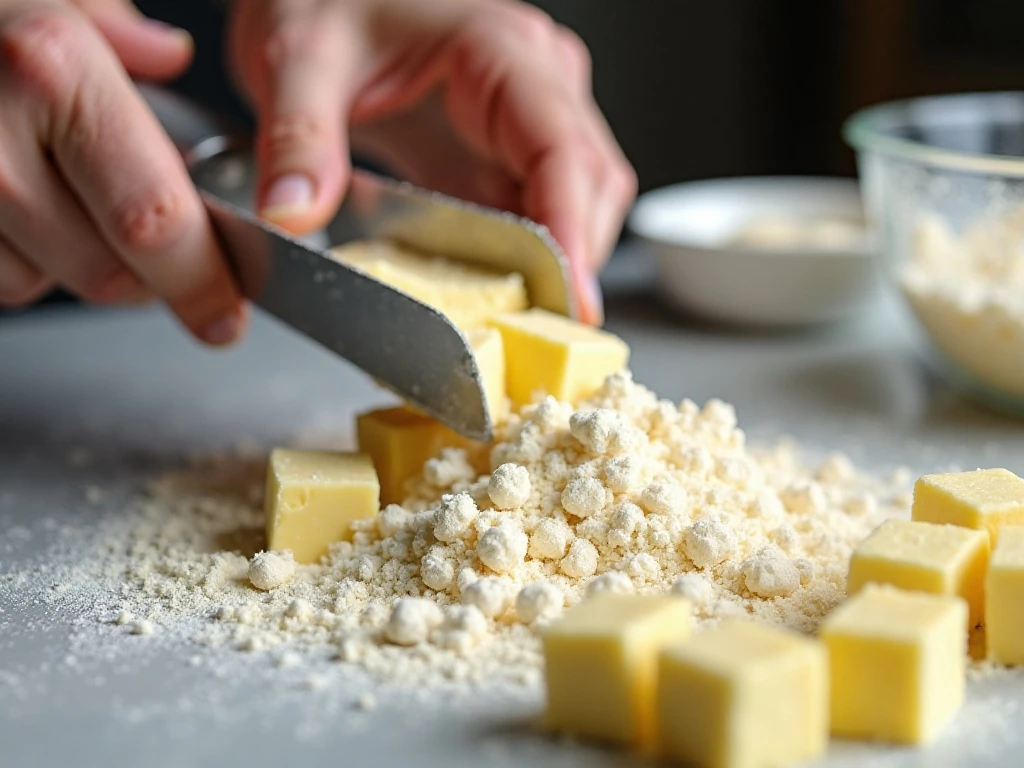
Cold butter is essential. Warm butter blends too completely into the flour, while chilled pieces remain distinct until they melt in the oven and create delicate pockets.
Keep the dough slightly rough. A shaggy dough may look less polished before baking, but minimal handling protects the tender texture and prevents dense scones.
- Chill the butter before cutting it into small pieces.
- Use your fingertips lightly so the butter does not soften from excessive handling.
- Do not knead the dough until smooth; a few folds are enough.
- Pat rather than roll the dough to avoid compressing it.
- Chill the cut wedges for 15–30 minutes when you want more height.
- Add glaze liquid one small splash at a time.
For a consistent shape, cut the dough round into eight equal wedges. If the dough cracks slightly around the edges, gently press it back together instead of adding lots of extra flour.
Serving Suggestions

These scones are wonderful with coffee, black tea, or a cool glass of milk. Serve them warm for a soft, buttery center, or let them cool completely so the glaze becomes slightly more set.
For brunch, arrange the scones on a platter with fresh berries and a small bowl of extra glaze. Their vanilla flavor also pairs nicely with peach preserves, lemon curd, or lightly sweetened whipped cream.
If you are building a dessert table, balance these delicate pastries with something fruit-forward such as this easy peach dessert. The contrast between juicy fruit and buttery scones makes a welcoming spread.
Storage & Reheating
For the best texture, cool the scones completely before storing them in an airtight container. Unglazed scones keep their texture better than glazed ones, so add the vanilla bean glaze close to serving time whenever possible.
To refresh a scone, warm it gently until just heated through. Avoid overheating, which can dry the crumb and make the glaze melt unevenly.
The glaze can be mixed separately and kept covered until needed. Stir it well before drizzling, and add a tiny amount of liquid if it has thickened more than you prefer.
These scones are designed as a sweet pastry rather than a savory side, but if you are planning a larger brunch menu, you can pair them with a savory centerpiece and finish with a homemade ham glaze for another crowd-friendly dish.

Best Scone Recipe with Vanilla Bean Glaze
Ingredients
Method
- Heat the oven to 425°F (220°C) and line a baking sheet with parchment. Whisk together the flour, granulated sugar, baking powder, and salt in a large bowl.
- Cut the cold butter into the dry ingredients with a pastry blender or your fingertips until coarse crumbs form, leaving a few pea-sized pieces visible. Whisk the egg and heavy cream together in a separate bowl, then add them to the flour mixture.
- Stir just until a shaggy dough forms, then turn it onto a lightly floured surface. Fold or knead the dough only a few times before patting it into an approximately 8-inch round about 1 inch thick.
- Cut the dough into eight wedges and transfer them to the prepared baking sheet. For taller scones, chill the shaped wedges for about 15–30 minutes before baking.
- Bake for 12–15 minutes, until the tops are lightly golden and the centers are set. Let the scones cool for several minutes while you prepare the glaze.
- Whisk the confectioners’ sugar, seeds from half a vanilla bean, and enough cream, milk, or half-and-half to make a thick but pourable glaze. Drizzle it over the warm or cooled scones and serve.
Notes
Final Thoughts
This best scone recipe with vanilla bean glaze delivers everything a homemade scone should be: buttery, tender, lightly crisp, and quick enough for a relaxed morning. The method depends on a few important details—cold butter, minimal mixing, and a hot oven—but it does not require complicated technique.
Let the dough stay a little shaggy, cut the round into eight wedges, and bake until the tops are lightly golden and the centers are set. Finish each scone with the speckled vanilla glaze, then serve them warm with your favorite coffee or tea.
Once you taste the fragrant glaze against the flaky pastry, you may find yourself making this recipe for weekend breakfasts, afternoon treats, holiday brunches, and every occasion that calls for something freshly baked.