This easy balsamic roasted asparagus recipe makes a flavorful dinner side dish in about 20 to 25 minutes. Roast 1 pound of fresh asparagus at 425°F with extra-virgin olive oil, balsamic vinegar, kosher salt, black pepper, and optional garlic until the spears are bright green and tender-crisp.
The hot oven brings out the asparagus’s natural sweetness while balsamic vinegar adds a tangy, savory note. Finish the roasted spears with Parmesan and a thin drizzle of balsamic glaze for a glossy, concentrated flavor that pairs beautifully with chicken, shrimp, steak, pasta, or a simple grain bowl.
Jump to RecipeWhy You’ll Love This Recipe
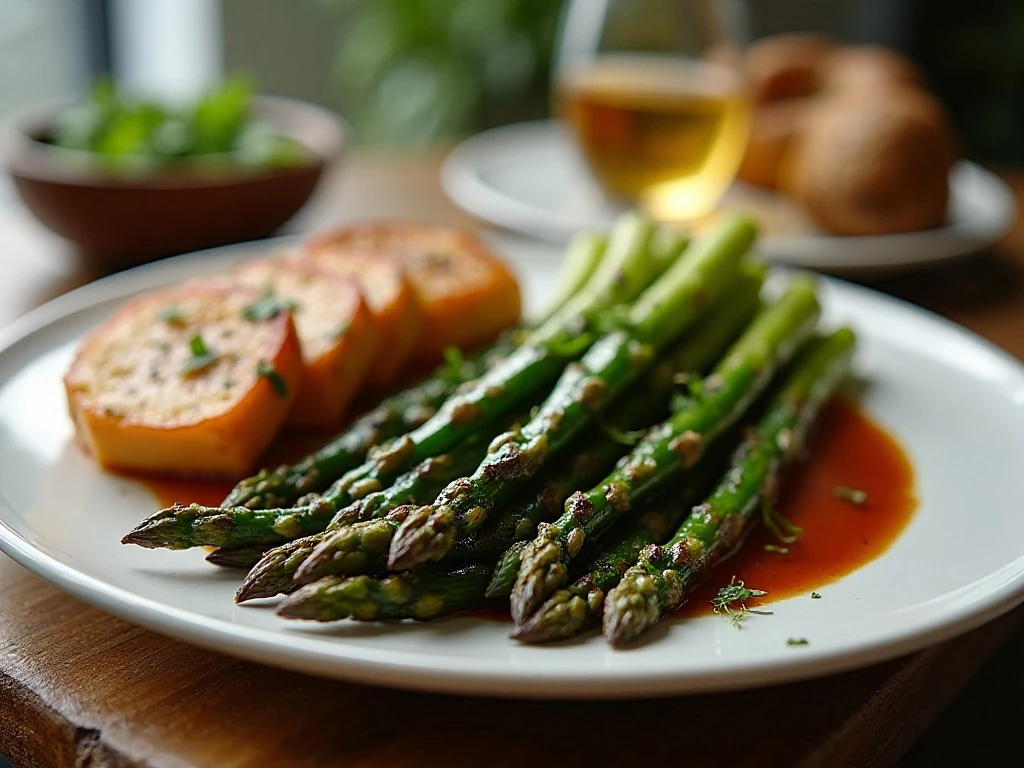
This balsamic roasted asparagus is one of those dependable side dishes that can make an ordinary dinner feel thoughtfully prepared. It requires only a handful of ingredients, one baking sheet, and about 20 to 25 minutes from start to finish.
The roasting process gives the asparagus lightly browned edges while keeping the centers pleasantly crisp. Balsamic vinegar adds a bright tang, and the optional balsamic glaze supplies a sweeter finish without requiring a separate sauce pan.
- Quick: Prep takes about 5 to 10 minutes, followed by 12 to 15 minutes in the oven.
- Flexible: Use thin or thick asparagus and adjust the roasting time accordingly.
- Easy cleanup: Parchment paper or foil helps keep the baking sheet tidy.
- Versatile: Serve it with roasted meats, seafood, pasta, rice, or a vegetarian dinner.
For a complete meal featuring another ingredient with balsamic flavor, try our skillet balsamic chicken alongside these roasted spears.
Ingredients You’ll Need
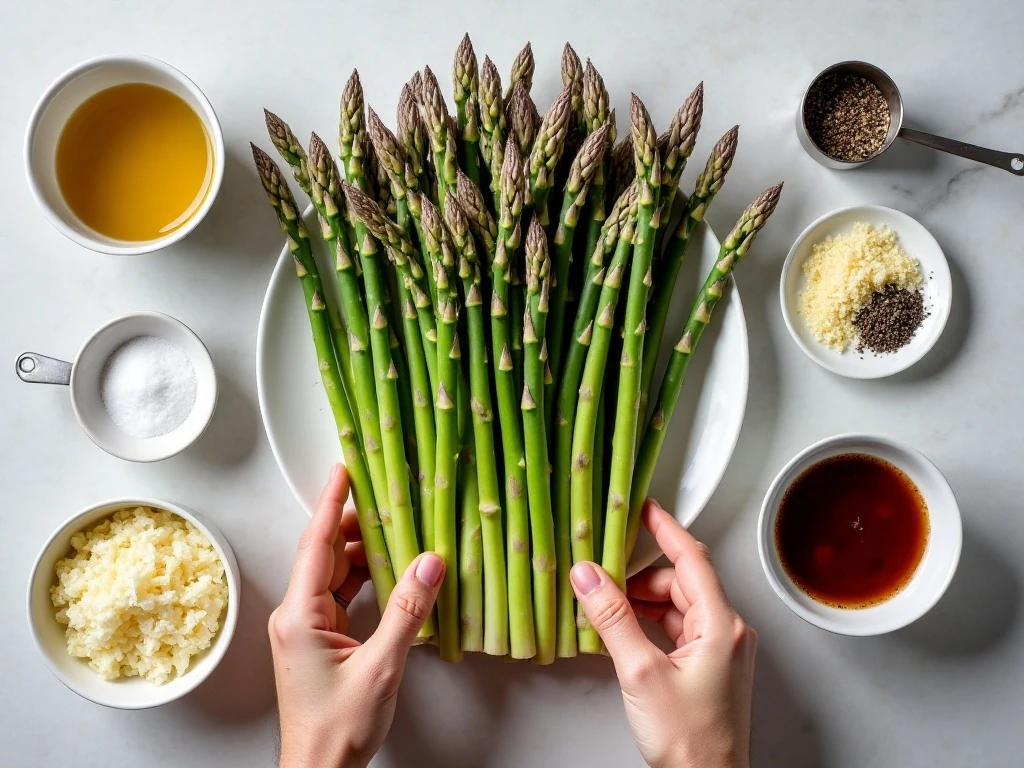
The ingredient list is short, but each item has a clear purpose. Fresh asparagus provides the main flavor and texture, olive oil helps the spears brown, and balsamic vinegar adds acidity that balances the vegetable’s mild sweetness.
- Asparagus: Choose firm, fresh spears with compact tips and no limp or shriveled sections. One pound serves four as a side dish.
- Extra-virgin olive oil: Use 1 1/2 to 2 tablespoons to coat the asparagus lightly without making it greasy.
- Balsamic vinegar: One tablespoon gives the dish a noticeable tang. You can toss it with the asparagus before roasting or add it after cooking for a sharper, fresher flavor.
- Seasonings: Kosher salt and freshly ground black pepper bring out the asparagus’s natural flavor.
- Garlic: One minced clove is optional, but it adds savory depth.
- Parmesan and balsamic glaze: Both are optional finishes. Parmesan adds saltiness and a nutty note, while 1 to 2 tablespoons of glaze create a sweet, concentrated balsamic accent.
If you are serving asparagus as part of a seafood dinner, our garlic butter shrimp with asparagus is another delicious way to build a fast meal.
How to Make It Step-by-Step
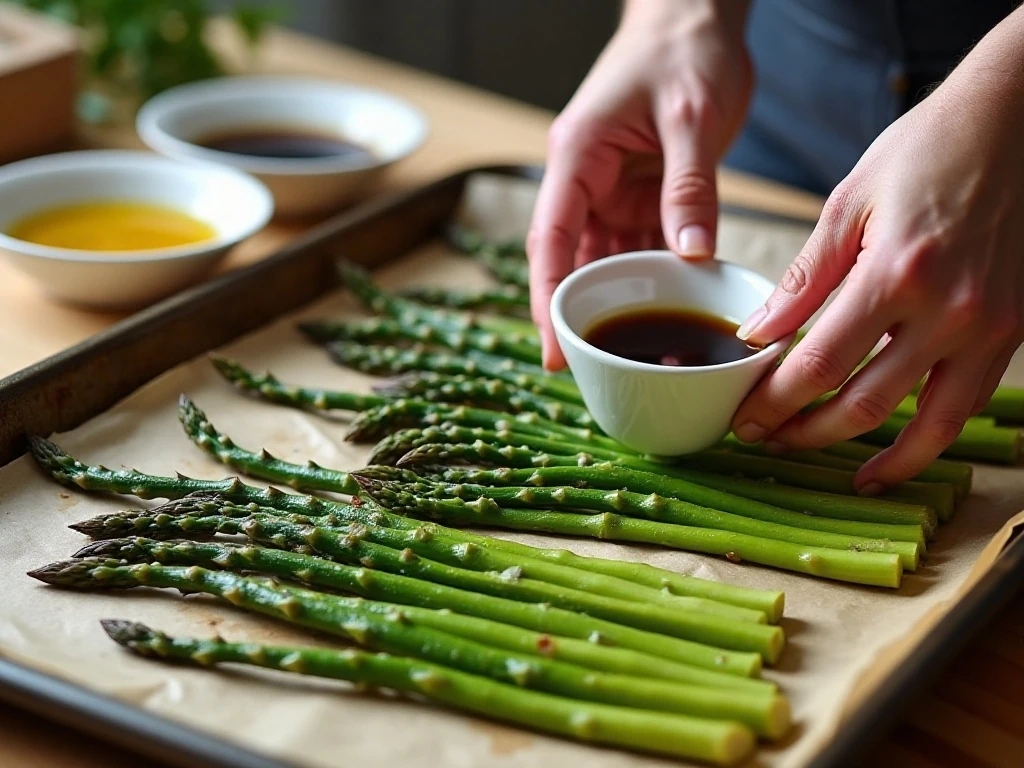
Step 1: Heat the oven to 425°F. Line a rimmed baking sheet with parchment paper or foil if you want easier cleanup, then place the pan near your work area.
Step 2: Rinse the asparagus under cool water and dry it thoroughly with a clean kitchen towel or paper towels. Snap or cut off the woody ends, generally removing 1 to 2 inches from the bottom of each spear.
Step 3: Arrange the trimmed asparagus in a single layer on the baking sheet. Keeping the spears in one layer gives the hot air room to circulate, which helps them roast and brown instead of steaming.
Step 4: Drizzle the asparagus with 1 1/2 to 2 tablespoons of olive oil and 1 tablespoon of balsamic vinegar. Sprinkle with 1/2 teaspoon kosher salt, 1/4 teaspoon freshly ground black pepper, and the minced garlic if using, then toss gently until the spears are evenly coated.
Step 5: Roast the asparagus at 425°F until it is bright green and tender-crisp. Thin spears may take 8 to 10 minutes, while thick spears usually require 12 to 15 minutes, so begin checking early if the stalks are slender.
Step 6: Remove the baking sheet from the oven and taste one spear for texture and seasoning. Sprinkle with 2 tablespoons of grated Parmesan if desired, then drizzle with 1 to 2 tablespoons of balsamic glaze immediately before serving.
Chef’s Tips for Perfect Roasted Asparagus
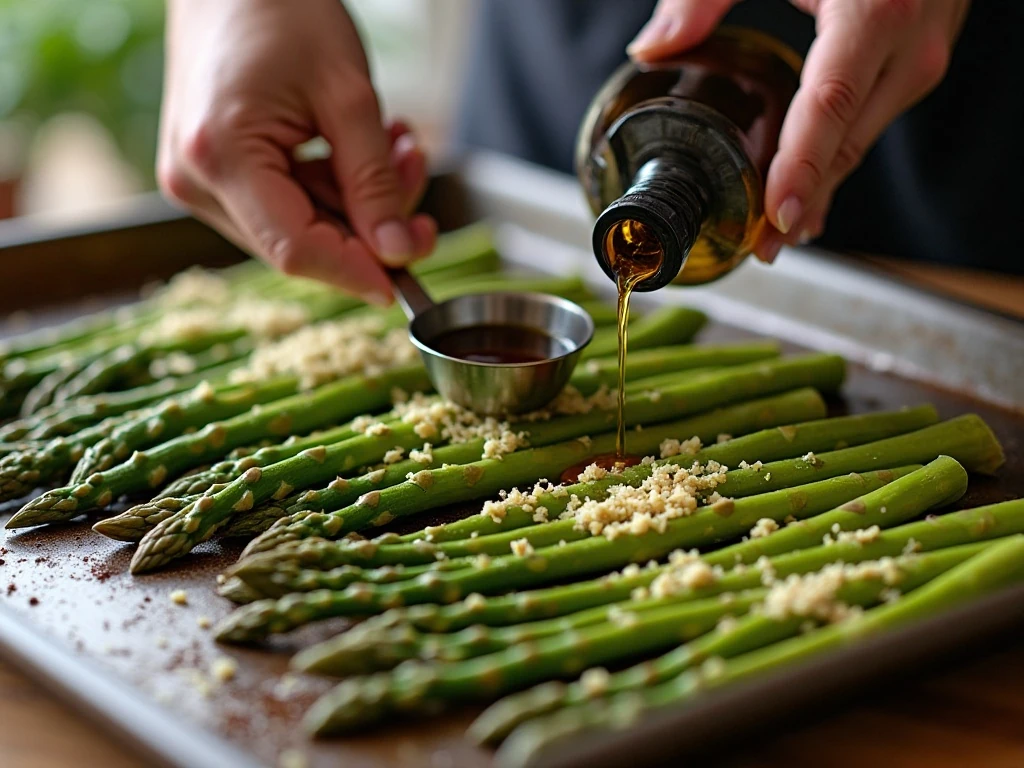
Drying the asparagus is the most important preparation detail. Water clinging to the spears creates steam in the oven, which can leave them soft and pale rather than lightly browned.
Do not crowd the baking sheet. If the asparagus is piled together, the spears release moisture into the pan and cook more slowly. A single layer with a little space between the pieces produces the best roasted texture.
Keep an eye on the asparagus near the end of cooking because thickness makes a major difference. Very thin spears can become tender in 8 to 10 minutes, while thick spears commonly need 12 to 15 minutes.
For a more controlled balsamic flavor, roast the asparagus with olive oil, salt, and pepper, then add the balsamic vinegar or glaze after cooking. This approach prevents the vinegar from becoming too sharp or burning and lets you adjust the amount at the table.
You can also make a simple balsamic reduction by simmering 1/4 cup balsamic vinegar over medium-low heat until it reduces to about 2 tablespoons. Let it cool slightly before drizzling it over the roasted asparagus, and use care because the reduction becomes hot and concentrated.
Flavor Variations and Serving Ideas
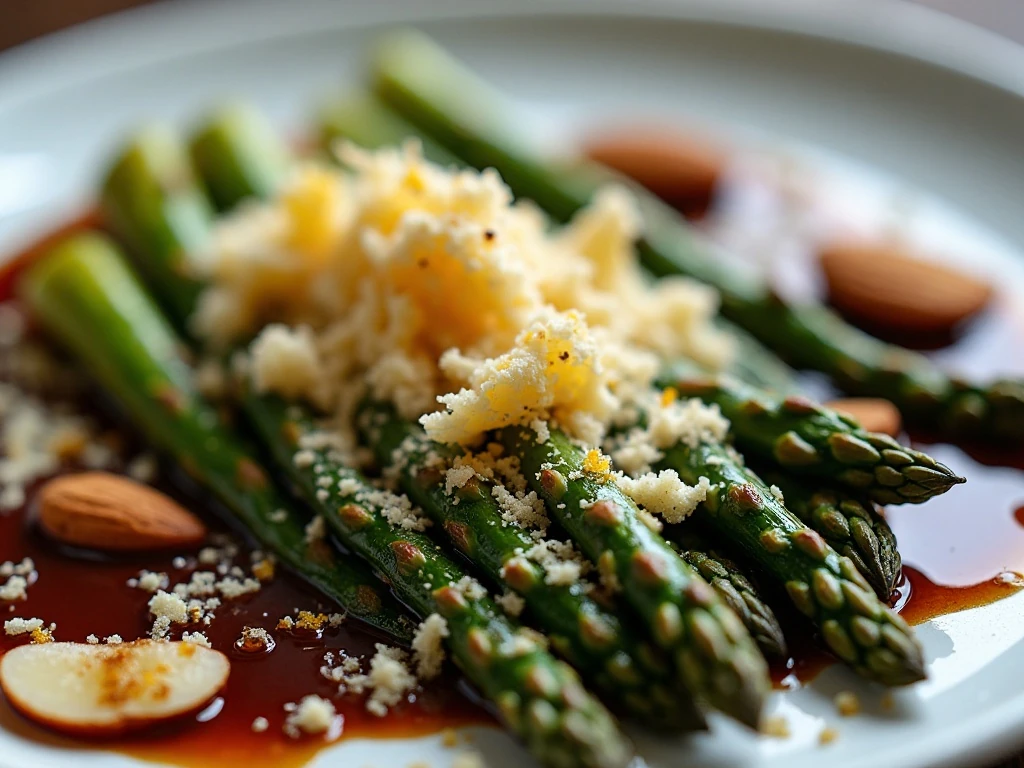
This recipe is delicious as written, but it also welcomes small changes. Add lemon zest after roasting for a fresh citrus note, or sprinkle on red pepper flakes if you enjoy gentle heat.
- Lemon Parmesan: Finish with Parmesan and a little lemon zest.
- Garlic-forward: Include the minced garlic and add an extra pinch of black pepper.
- Crunchy finish: Sprinkle toasted almonds over the plated asparagus.
- Spicy balsamic: Add red pepper flakes with the salt and pepper.
- Extra tang: Use balsamic glaze after roasting rather than tossing the spears with vinegar before they go into the oven.
As a dinner side, the asparagus works especially well with grilled chicken, baked salmon, pork tenderloin, steak, or creamy pasta. It also makes a colorful addition to a spring-inspired grain bowl with rice, quinoa, white beans, and a soft-boiled egg.
For a cozy menu, pair it with Mexican chicken tortilla soup and a simple salad. The crisp vegetable adds a welcome contrast to a warm, hearty soup.
Storage and Reheating
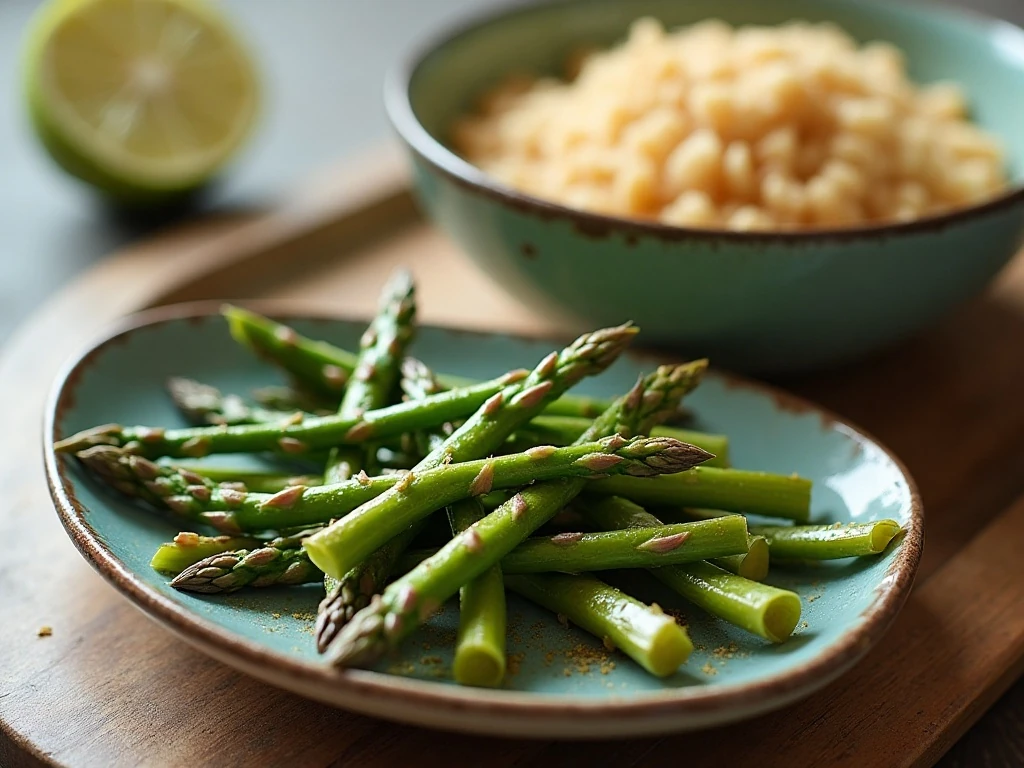
Roasted asparagus is best served right away, when the tips are crisp and the stalks are tender. If you have leftovers, let them cool briefly and transfer them to an airtight container.
Refrigerate the asparagus and use it within a few days for the best quality. Reheat it gently in a 375°F oven or toaster oven until warmed through, or warm it briefly in a skillet over medium heat.
Avoid prolonged microwaving because it can make the spears soft. Leftovers can also be chopped and folded into scrambled eggs, an omelet, pasta, risotto, or a warm grain salad.
If you are planning a larger dinner menu, slow cooker meatballs make a hearty main course that pairs nicely with this bright vegetable side.
Frequently Asked Questions
Should I peel asparagus before roasting? Usually, no. Rinsing, drying, and removing the woody bottom 1 to 2 inches is enough. If the stalks are unusually thick or tough, a vegetable peeler can remove the outer layer near the base, but it is not required.
Can I use only balsamic glaze? Yes. Roast the asparagus with olive oil, salt, pepper, and optional garlic, then drizzle 1 to 2 tablespoons of balsamic glaze over the hot spears. This creates a sweeter and more concentrated balsamic finish.
How do I know when asparagus is done? It should be bright green and tender-crisp, with enough firmness to hold its shape. A fork or the tip of a knife should enter the thickest part easily without the spear collapsing.
Can I prepare the asparagus ahead? You can rinse, dry, and trim the asparagus several hours ahead, then refrigerate it in a covered container. Toss it with the seasonings just before roasting for the freshest texture.
For something sweet after dinner, consider serving a slice of cranberry bliss bread with coffee or tea.
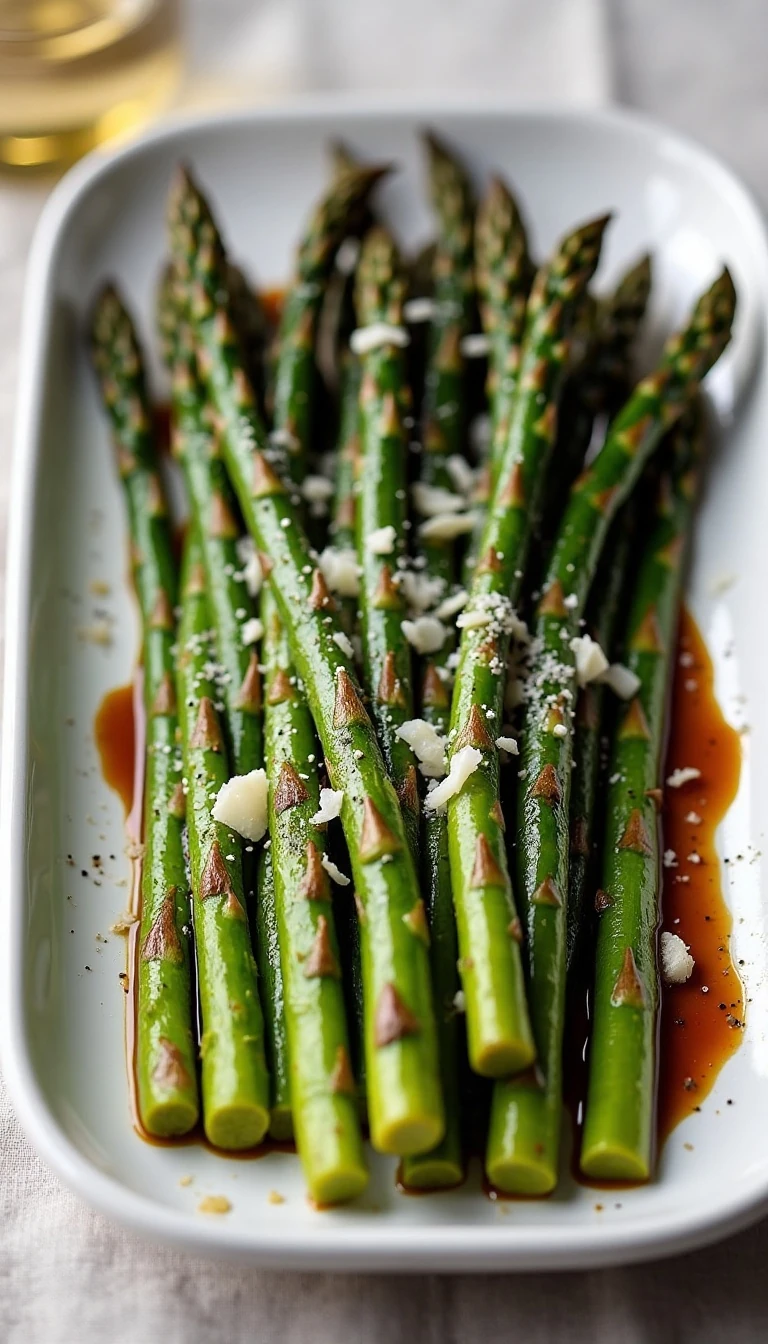
Easy Balsamic Roasted Asparagus
Ingredients
Method
- Heat the oven to 425°F and line a baking sheet with parchment paper or foil if desired.
- Rinse the asparagus and dry it thoroughly. Snap or cut away the woody ends, generally removing 1 to 2 inches from the bottom.
- Arrange the asparagus in a single layer on the baking sheet. Toss with olive oil, balsamic vinegar, kosher salt, freshly ground black pepper, and minced garlic if using.
- Roast for 12 to 15 minutes, or until the asparagus is bright green and tender-crisp. Thin spears may finish in 8 to 10 minutes, while thick spears generally need the full 12 to 15 minutes.
- Sprinkle with Parmesan if desired and drizzle with balsamic glaze immediately before serving.
Notes
Final Thoughts
Easy balsamic roasted asparagus is a fast, dependable dinner side with bright color, crisp-tender texture, and layers of sweet, tangy, savory flavor. The basic method is simple: dry and trim the asparagus, season it lightly, roast at 425°F, and finish with Parmesan or balsamic glaze if desired.
Whether you serve it beside chicken, seafood, steak, soup, or a vegetarian entrée, this recipe brings freshness to the plate without demanding much time or effort. Keep the spears in a single layer, watch the cooking time according to their thickness, and add the glaze at the end for the best result.