This apple cider doughnut cake recipe delivers all the cozy flavor of a cider mill doughnut in one tender, golden Bundt cake. Made with reduced apple cider, butter, brown sugar, cinnamon, and nutmeg, it serves 10–12 people and takes about 1 hour 45 minutes from start to finish.
The cake has a moist, buttery crumb and concentrated apple flavor, while its melted-butter coating and cinnamon sugar finish create the irresistible crackly exterior associated with a freshly fried doughnut. It is simple enough for a weekend bake and special enough for Thanksgiving, brunch, bake sales, or any crisp fall afternoon.
Jump to RecipeWhy You’ll Love This Recipe
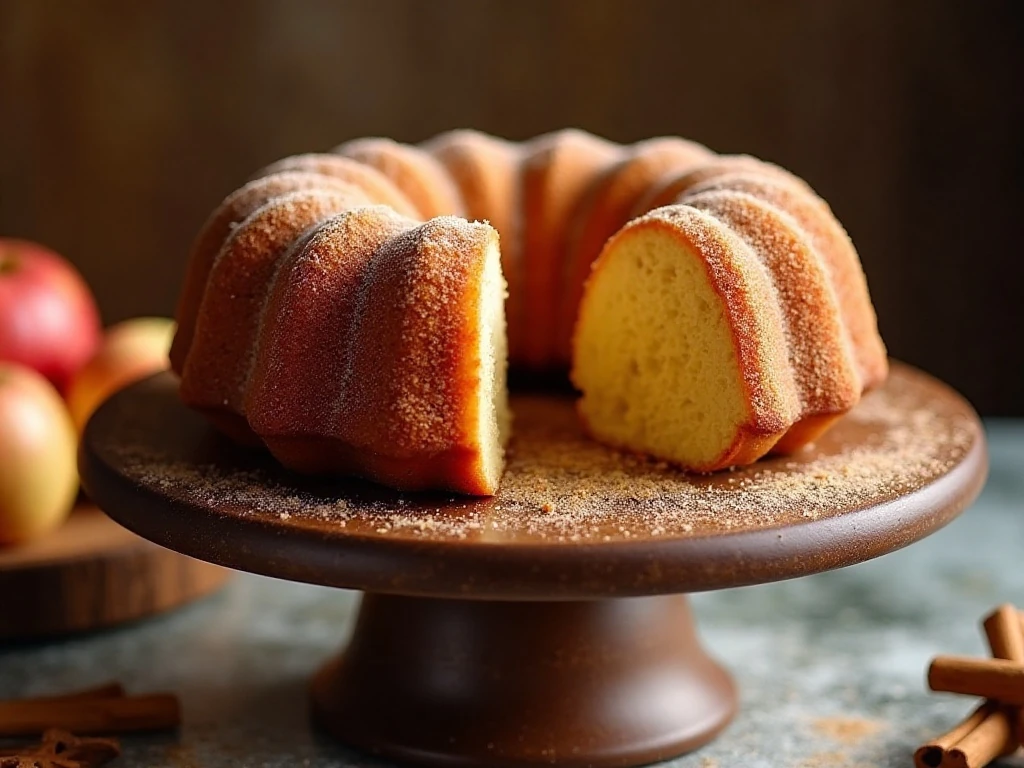
This cake captures the familiar flavor of an apple cider doughnut without requiring a fryer, yeast, or individual rounds of dough. The Bundt shape creates plenty of ridges and curves for the cinnamon sugar to cling to, giving every slice a deliciously seasoned edge.
Reducing the cider is the key to making the apple flavor stand out. Instead of adding a large amount of liquid to the batter, you simmer the cider until it becomes concentrated, producing a cake that tastes distinctly of apples rather than simply sweet spice.
The crumb is rich but not heavy, thanks to creamed butter, granulated sugar, brown sugar, and three eggs. If you enjoy apple-and-cinnamon desserts, you may also like these apple snickerdoodle cookies, which bring similar warm bakery flavors to a smaller treat.
Ingredients You’ll Need
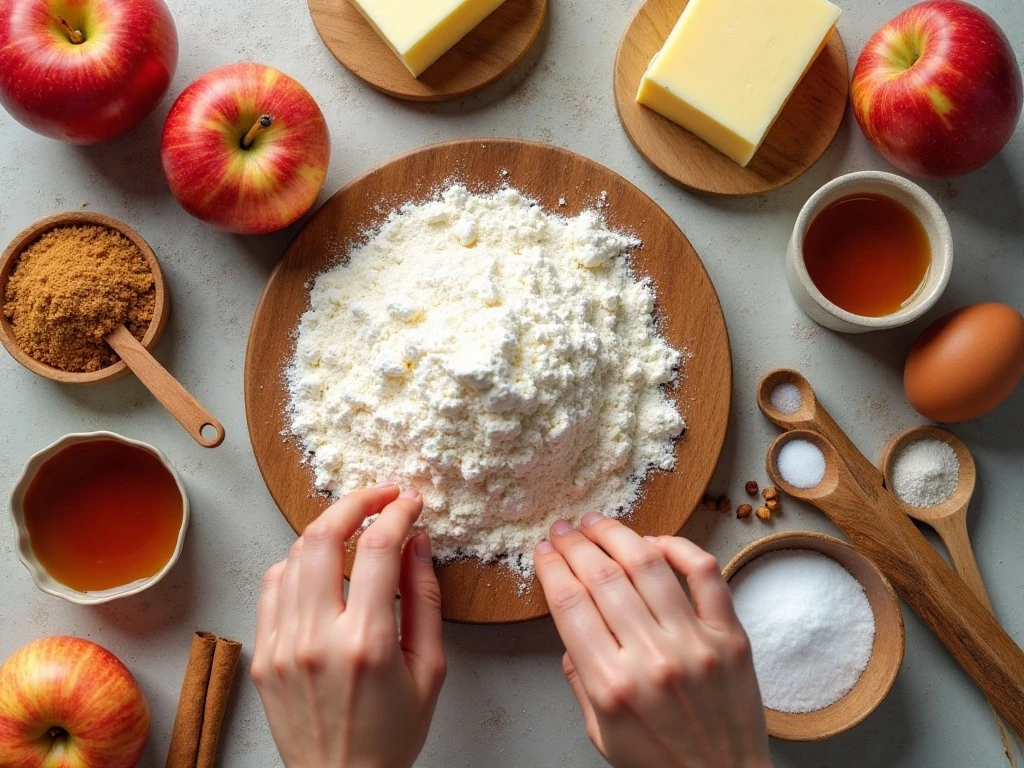
The ingredient list is straightforward, but each item has an important job. Fresh apple cider provides the signature flavor, while brown sugar adds moisture and a gentle caramel note that complements the fruit.
- Apple cider: Use fresh, unfiltered cider when possible, and reduce it to about 1 cup before adding it to the batter.
- Butter and sugars: Softened butter creates the base of the cake, while both white and brown sugar provide sweetness, structure, and moisture.
- Flour and leaveners: All-purpose flour forms the crumb, and baking powder plus baking soda help the cake rise evenly.
- Warm spices: Cinnamon and nutmeg give the cake its classic doughnut-shop aroma without overpowering the apple.
- Finishing ingredients: Melted butter, cinnamon, sugar, and an optional pinch of nutmeg create the crisp, fragrant coating.
For the best texture, bring the eggs to room temperature and soften the butter before mixing. Cold ingredients do not blend as smoothly, which can leave the batter uneven or make it harder to achieve a light crumb.
If you have extra apples on hand, our fresh apple juice recipe is another lovely way to enjoy seasonal fruit flavors alongside this cake.
How to Make It Step-by-Step
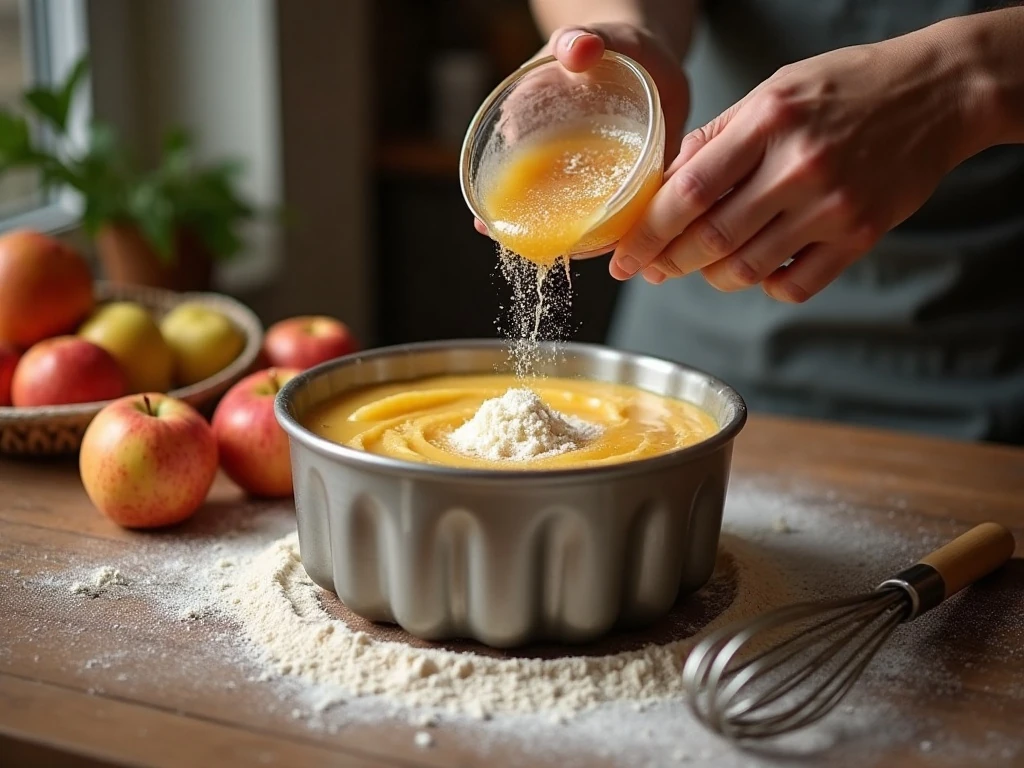
Step 1: Reduce the cider first. Pour the 2 cups of apple cider into a saucepan and simmer over medium heat for 15–20 minutes, watching until only about 1 cup remains. Set it aside to cool to lukewarm, since hot cider can soften the butter mixture and lead to a dense cake.
Step 2: Prepare the Bundt pan and oven. Heat the oven to 350°F (175°C), then grease and flour a 10- or 12-cup Bundt pan carefully. Pay special attention to the center tube, narrow grooves, and every decorative ridge where sugar-rich batter may stick.
Step 3: Mix the dry ingredients. Whisk together the flour, baking powder, baking soda, cinnamon, nutmeg, and salt in a medium bowl. Whisking distributes the leaveners and spices evenly, so you will not get a concentrated pocket of baking soda or nutmeg in the finished cake.
Step 4: Cream the butter and sugars. Beat the softened butter with the granulated sugar and packed brown sugar for 3–4 minutes, until the mixture looks pale and fluffy. This step incorporates air into the batter and helps the cake bake up tender.
Step 5: Add the eggs and vanilla. Beat in the eggs one at a time, scraping down the sides and bottom of the bowl between additions. Mix in the vanilla, and do not worry if the mixture looks slightly curdled before the flour is added.
Step 6: Finish the batter gently. Add the dry ingredients in three additions, alternating with the lukewarm reduced cider in two additions. Begin and end with the dry ingredients, mixing only until no large streaks of flour remain.
Step 7: Fill and bake the pan. Transfer the batter to the prepared Bundt pan and smooth the top with a spatula. Bake for 45–55 minutes, checking with a skewer in the thickest part; it should come out clean or with a few moist crumbs.
Step 8: Cool and release the cake. Leave the cake in the pan for 10–15 minutes, then carefully turn it onto a wire rack. Let it cool until warm rather than hot, because the coating will adhere best at this stage.
Step 9: Add the doughnut finish. Brush the entire warm cake with melted butter, including the sides and ridges. Combine the granulated sugar, cinnamon, and optional nutmeg, then sprinkle or press the mixture over the cake while the butter remains tacky.
Pro Tips for the Best Cake
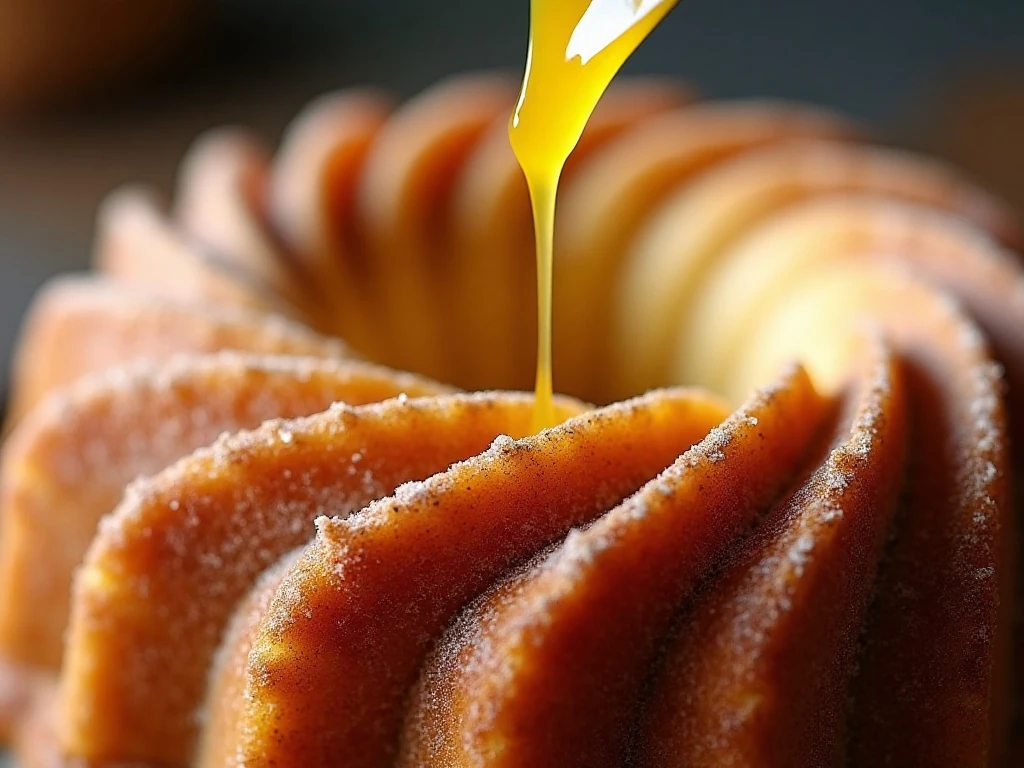
The most important technique is reducing the cider fully. Start with 2 cups and continue simmering until you have approximately 1 cup; stopping early leaves excess liquid and a weaker apple flavor.
Do not add the cider while it is hot. Lukewarm cider blends into the batter without melting the creamed butter, helping preserve the air that was created during mixing.
- Use a baking spray that contains flour, or grease and flour the Bundt pan thoroughly.
- Scrape the mixing bowl several times so the eggs and butter combine evenly.
- Stop mixing as soon as the batter comes together to protect the tender crumb.
- Wait 10–15 minutes before turning out the cake, but do not leave it in the pan until completely cold.
- Apply the coating while the cake is warm for the best adhesion and aroma.
For another comforting cake idea with a rich, familiar flavor, try this old-fashioned peanut butter cake. It makes a wonderful addition to a dessert table filled with homemade favorites.
Storage, Slicing, and Serving
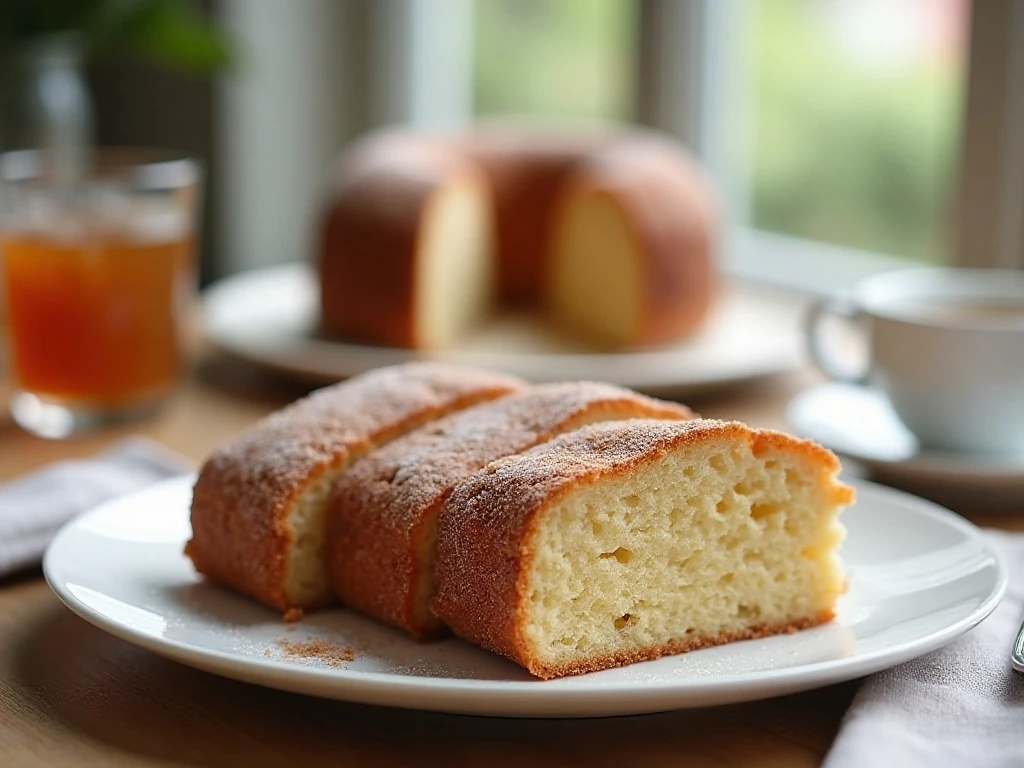
Keep the finished cake covered at room temperature for up to 3 days. The cinnamon sugar coating may soften slightly over time, but the cake will remain moist and fragrant.
For the cleanest slices, use a sharp serrated knife and wipe the blade between cuts. Serve the cake slightly warm or at room temperature with coffee, tea, hot cider, or a scoop of vanilla ice cream.
If you want to prepare it ahead, bake the cake, cool it completely, and cover it before finishing. Brush with butter and add the cinnamon sugar shortly before serving so the crust has its freshest texture.
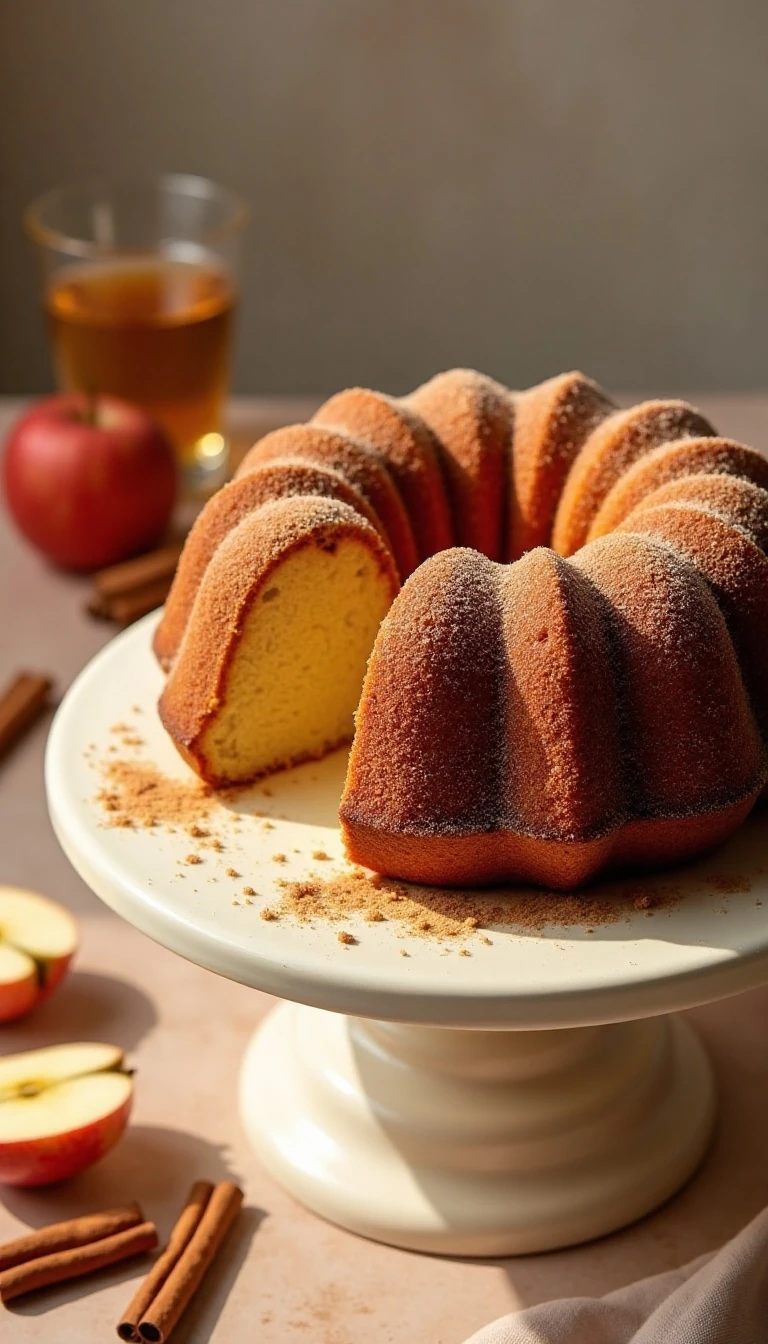
This cake is also a beautiful centerpiece for brunch. Arrange thin apple slices and cinnamon sticks around the cake stand, keeping decorations separate from the cake unless they are food-safe and intended for serving.
Easy Variations and Pairings
The classic recipe is delicious as written, but you can make small changes while keeping its signature profile. Add a little extra cinnamon sugar to the top, or include the optional pinch of nutmeg in the coating for a deeper spice flavor.
For a contrasting dessert spread, pair slices with a bright citrus cake such as this lemon love cake. The apple cider cake brings warm autumn notes, while lemon adds a fresh, tangy finish.
Chocolate lovers can serve a second Bundt or tube cake beside it, such as this chocolate pound cake. Together, the two cakes offer a pleasing choice between spiced fruit and deep cocoa flavor.
A simple vanilla glaze is not necessary because the butter and cinnamon sugar provide plenty of flavor, but a small spoonful of whipped cream or lightly sweetened crème fraîche works beautifully. Keep accompaniments modest so the concentrated cider flavor remains the star.
Apple Cider Doughnut Cake
Ingredients
Method
- Simmer the apple cider in a saucepan over medium heat until it reduces from 2 cups to about 1 cup, usually 15–20 minutes. Cool the reduced cider to lukewarm.
- Heat the oven to 350°F (175°C). Thoroughly grease and flour a 10- or 12-cup Bundt pan, making sure to coat every ridge and the center tube.
- Whisk the flour, baking powder, baking soda, cinnamon, nutmeg, and salt together in a medium bowl. Keep the dry mixture nearby while you prepare the butter mixture.
- Beat the softened butter, granulated sugar, and brown sugar for 3–4 minutes, until light and fluffy. Add the eggs one at a time, scraping the bowl as needed, then mix in the vanilla.
- Add the dry ingredients in three additions, alternating with the reduced cider in two additions. Mix only until the batter is combined, because overmixing can make the cake dense.
- Spread the batter evenly in the prepared Bundt pan and smooth the top. Bake for 45–55 minutes, until a skewer inserted into the thickest part comes out clean or with a few moist crumbs.
- Cool the cake in the pan for 10–15 minutes, then turn it out onto a rack. Let it cool until warm rather than hot before applying the finish.
- Brush the warm cake with melted butter. Stir together the sugar, cinnamon, and optional nutmeg, then sprinkle or press the mixture over the buttered cake while the surface is still tacky.
Notes
Final Thoughts
This apple cider doughnut cake is the kind of dessert that makes an ordinary day feel like a visit to a favorite autumn orchard. Reducing the cider, creaming the butter and sugars, and finishing the warm cake with cinnamon sugar are the small steps that create its memorable flavor and texture.
Make it for a family gathering, fall brunch, or cozy weekend dessert, and serve it while the cinnamon aroma is still fresh. With its tender crumb, buttery crust, and generous apple spice character, this Bundt cake is easy to share and very difficult to resist.