This easy pickled red beet eggs recipe makes 12 tangy, sweet, beautifully pink eggs with canned beets, beet juice, white vinegar, sugar, salt, and optional traditional spices. The eggs are hard-cooked, chilled, peeled, covered with hot brine, and refrigerated for at least 24 hours, although the best color and flavor develop after 2–3 days.
Every bite is pleasantly tangy with a gentle sweetness from the sugar and a subtle earthy note from the beets. The egg whites turn deep pink to red while the yolks stay creamy and golden, making these refrigerator pickled eggs a colorful snack, salad topping, picnic favorite, or savory side dish.
Jump to RecipeWhy You’ll Love This Recipe
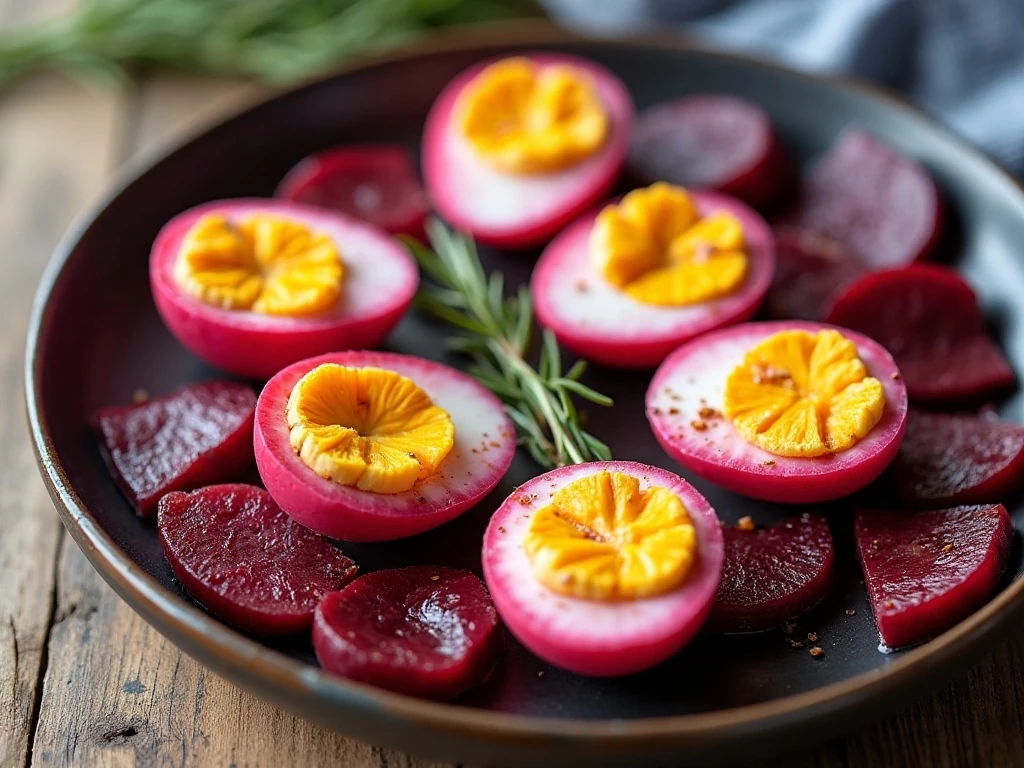
Pickled red beet eggs are one of those old-fashioned recipes that look impressive while requiring very little hands-on work. The brine comes together with pantry staples, and canned beets provide both the vegetable component and the vivid color that makes these eggs so distinctive.
The flavor is balanced rather than harsh. Distilled white vinegar brings a clean tang, sugar softens the acidity, and beet juice contributes an earthy sweetness that slowly works its way into the egg whites.
These eggs are also wonderfully versatile. Serve them chilled as a snack, slice them over greens, tuck them into a lunchbox, or arrange them on a cold platter with cheese, crackers, and vegetables.
For a comforting dinner pairing, serve a few pickled eggs beside tender oven-braised pot roast. The bright, sharp brine cuts through rich meat beautifully.
Ingredients You’ll Need
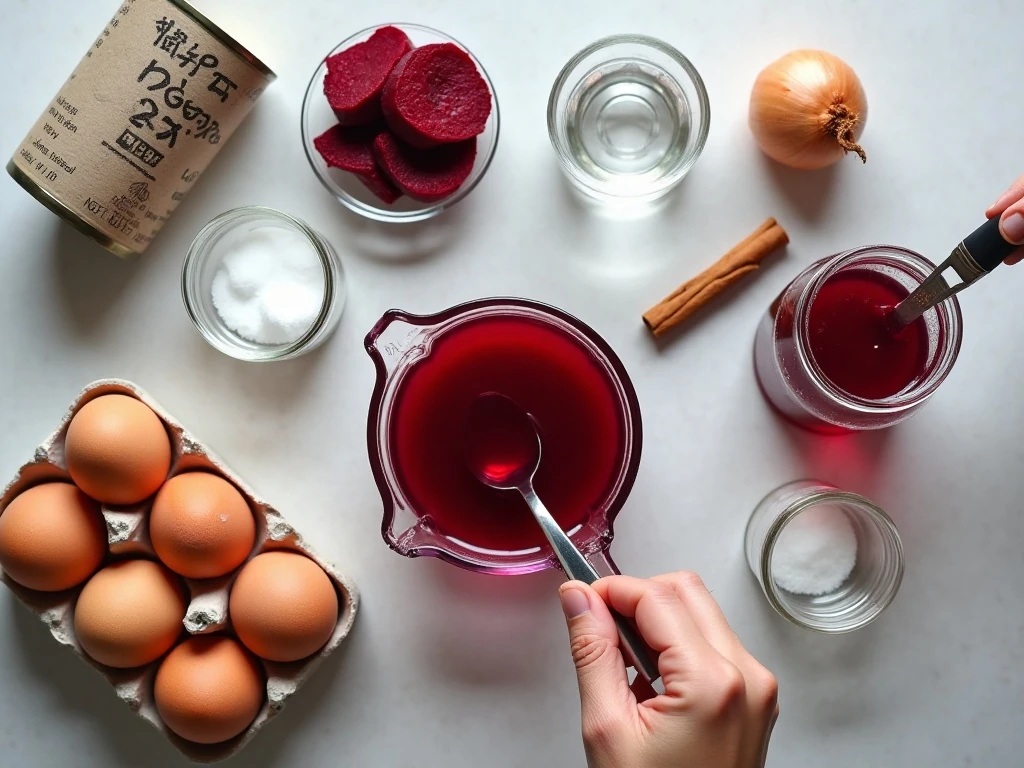
The recipe uses 12 large eggs and one 15-ounce can of sliced or whole pickled beets. Keep the beet liquid when draining the can because it forms the colorful foundation of the brine.
- Eggs: Large eggs provide sturdy whites and creamy yolks after gentle cooking.
- Pickled beets: Canned beets make this recipe quick and dependable, whether sliced or whole.
- Beet juice: Measure 1 cup, adding water only if the can does not provide quite enough.
- White vinegar: One cup supplies the clean, bright acidity expected in refrigerator pickles.
- Sugar and salt: One cup of sugar balances the vinegar, while 1/2 teaspoon of salt rounds out the flavor.
- Optional spices: Cloves are traditional, and a small cinnamon stick adds warm fragrance. Thinly sliced onion is optional but especially good with the beets.
Use a glass jar or another nonreactive container large enough to hold the eggs, beets, and brine. Glass is the best choice because beet juice can stain plastic and may leave behind a lasting color.
How to Make It Step-by-Step
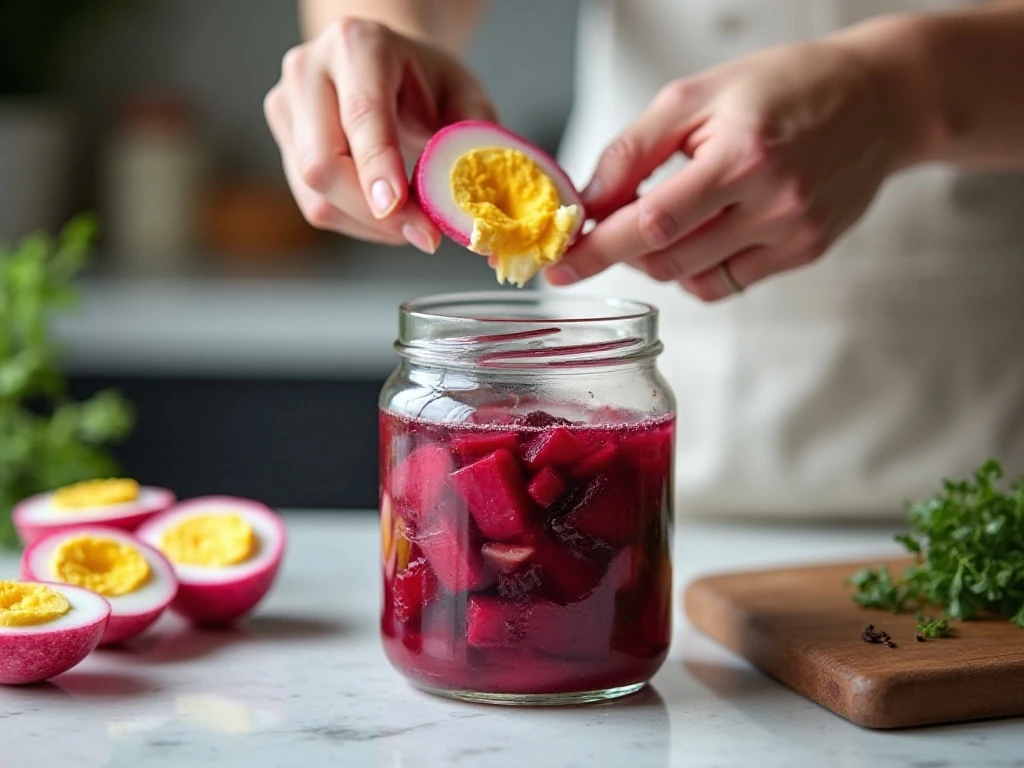
Step 1: Place the eggs in a saucepan and cover them with cold water by about 1 inch. Bring the water to a full boil, then remove the pan from the heat, cover it, and let it stand for 10–12 minutes. This covered resting method cooks the centers gently without requiring a rolling boil the entire time.
Step 2: Move the eggs immediately into ice water for at least 5 minutes. The sudden chill stops carryover cooking and helps keep the yolks tender, so do not skip this cooling step.
Step 3: Peel and rinse the eggs once they are cool enough to handle. For easier peeling, use eggs that are several days old and work under a thin stream of water, allowing the water to slip beneath the shell membrane.
Step 4: Drain the canned beets, reserving 1 cup of their juice. If the can provides less than 1 cup, add water only as needed, then place the beets and peeled eggs in a clean glass jar or nonreactive container.
Step 5: Add the beet juice, distilled white vinegar, sugar, salt, cloves, and cinnamon stick to a saucepan. Bring the mixture to a boil, stirring until the sugar and salt dissolve completely, then simmer it for about 2 minutes so the spices can perfume the liquid.
Step 6: Pour the hot pickling liquid over the eggs and beets. Add the sliced onion if using, and gently press the ingredients down so the eggs are mostly submerged without crushing them.
Step 7: Allow the container to cool uncovered briefly, then cover it and transfer it to the refrigerator. Do not leave the eggs sitting at room temperature for extended periods, since this recipe is designed for refrigerated storage.
Step 8: Wait at least 24 hours before tasting. The outside will become increasingly pink as it sits, and the best color and flavor usually arrive after 2–3 days.
Pro Tips for Perfect Pickled Eggs
Peeling is often the most frustrating part of making hard-cooked eggs, but a few small choices help. Eggs that have been refrigerated for several days generally peel more easily than very fresh eggs, and immediate chilling in ice water makes the whites contract slightly from the shell.
Tap the wider end of each egg first, since it often contains a small air pocket. Crack the shell all over, then peel carefully under water so the shell fragments rinse away instead of sticking to the egg.
Keep the brine close to the stated proportions. Do not dilute it excessively, because the vinegar is responsible for the characteristic pickled flavor and the brine should remain pleasantly sharp.
For a milder spice profile, leave out the cloves and cinnamon. For a more traditional Pennsylvania Dutch or Amish-style taste, include the cloves and onion, or use the cinnamon stick for a gentle warm note.
Avoid stirring or shaking the eggs once they are submerged. The whites can be delicate after cooking, and gentle handling keeps the finished eggs smooth and attractive.
These pickled eggs also make a lovely addition to a brunch table. If you are serving a sweet side dish with the meal, our pan-fried cinnamon bananas offer a warm contrast to the chilled, tangy eggs.
How to Serve Pickled Red Beet Eggs
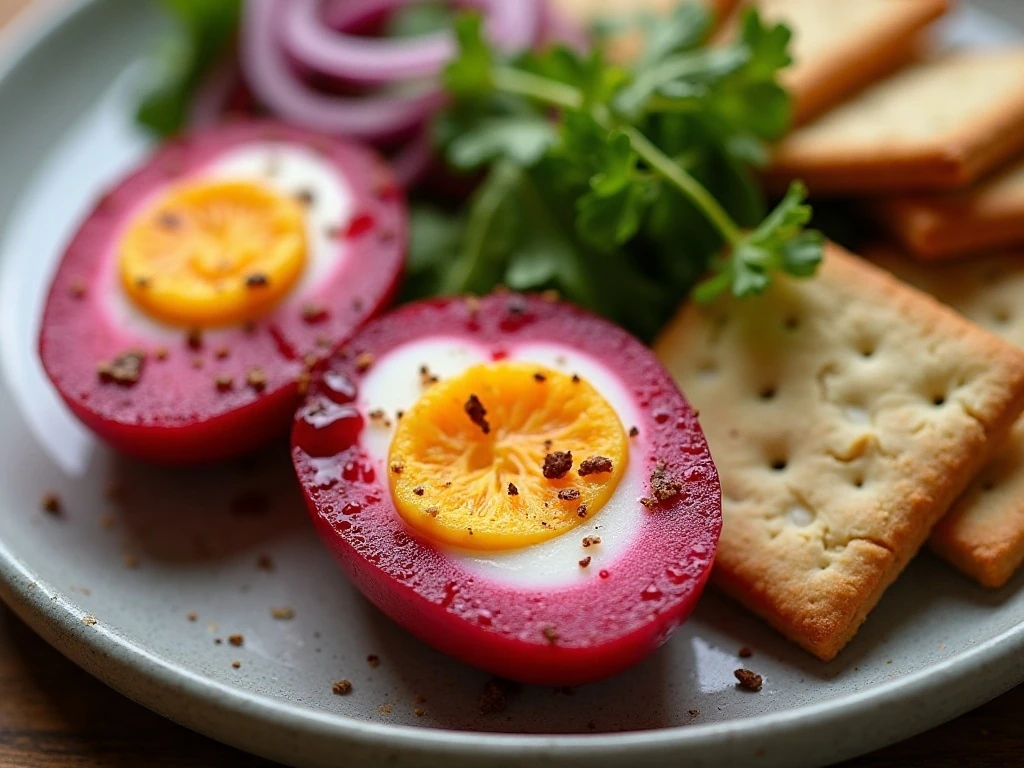
Serve the eggs cold, either whole or halved. A sharp knife wiped clean between cuts will give you neat halves and show off the contrast between the rosy white and golden yolk.
- Arrange halved eggs on a relish tray with the pickled beets and onion.
- Add slices to a green salad with crisp lettuce, cucumber, and a creamy dressing.
- Serve them with sandwiches, burgers, or a hearty cold lunch.
- Chop them into a beet egg salad with a little mayonnaise, mustard, and black pepper.
- Include them on a picnic platter alongside cheese, crackers, and fresh vegetables.
The brine-soaked beets are delicious, too, so do not discard them after the eggs are gone. Chop them into salads, serve them beside roasted meats, or enjoy them directly from the jar.
For a holiday table, place the eggs near sliced ham and mustard. A spoonful of homemade ham glaze on the main dish brings out the sweet notes in the beet brine without overpowering its tang.
Storage and Food Safety
These are refrigerator pickles, not shelf-stable canned eggs. Keep the covered container refrigerated at all times, and do not store it in a pantry or on the counter.
Use a clean glass jar or nonreactive container, and make sure the eggs remain mostly submerged in the liquid. If an egg is not covered, gently rearrange the contents with a clean utensil rather than adding large amounts of water that would weaken the brine.
Because the recipe notes specify refrigeration rather than a tested canning process, do not attempt to preserve these eggs using a boiling-water canner. Prepare them for chilled enjoyment and follow your household food-safety practices for refrigerated leftovers.
Label the container with the date you prepared it so you can track its time in the refrigerator. Always use clean utensils when removing eggs or beets, and discard the batch if it develops an unusual odor, appearance, or texture.
Flavor Variations
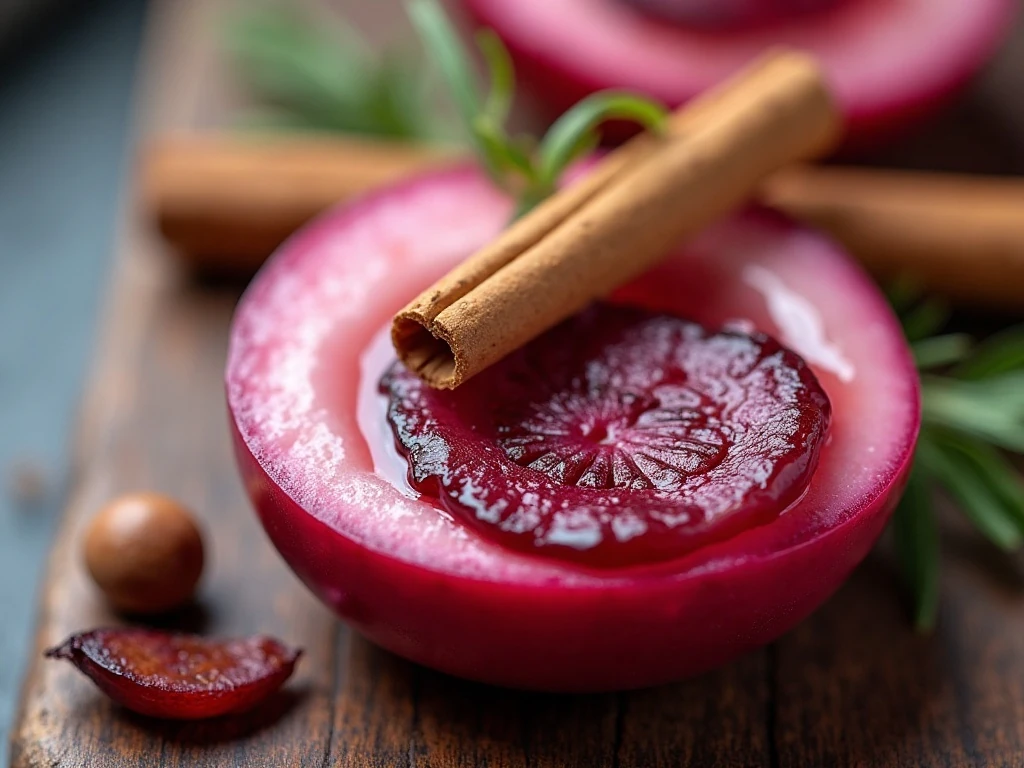
The traditional version is already delicious, but the optional ingredients make it easy to adjust the personality of the brine. Cloves create a recognizable old-fashioned pickling aroma, while cinnamon adds a soft, warm background note.
Thinly sliced onion absorbs the sweet beet brine and becomes tender and tangy. Add it with the eggs and beets so it has time to soften during refrigeration.
For the most classic color, use deep red canned beets and allow the eggs to rest for the full 2–3 days. Whole beets can be left in the jar for a rustic presentation, while sliced beets make serving easier and distribute the color throughout the container.
Keep the core balance of beet juice, vinegar, and sugar intact when making your first batch. Once you know the flavor you prefer, you can decide whether the next batch should include the optional spices or onion.
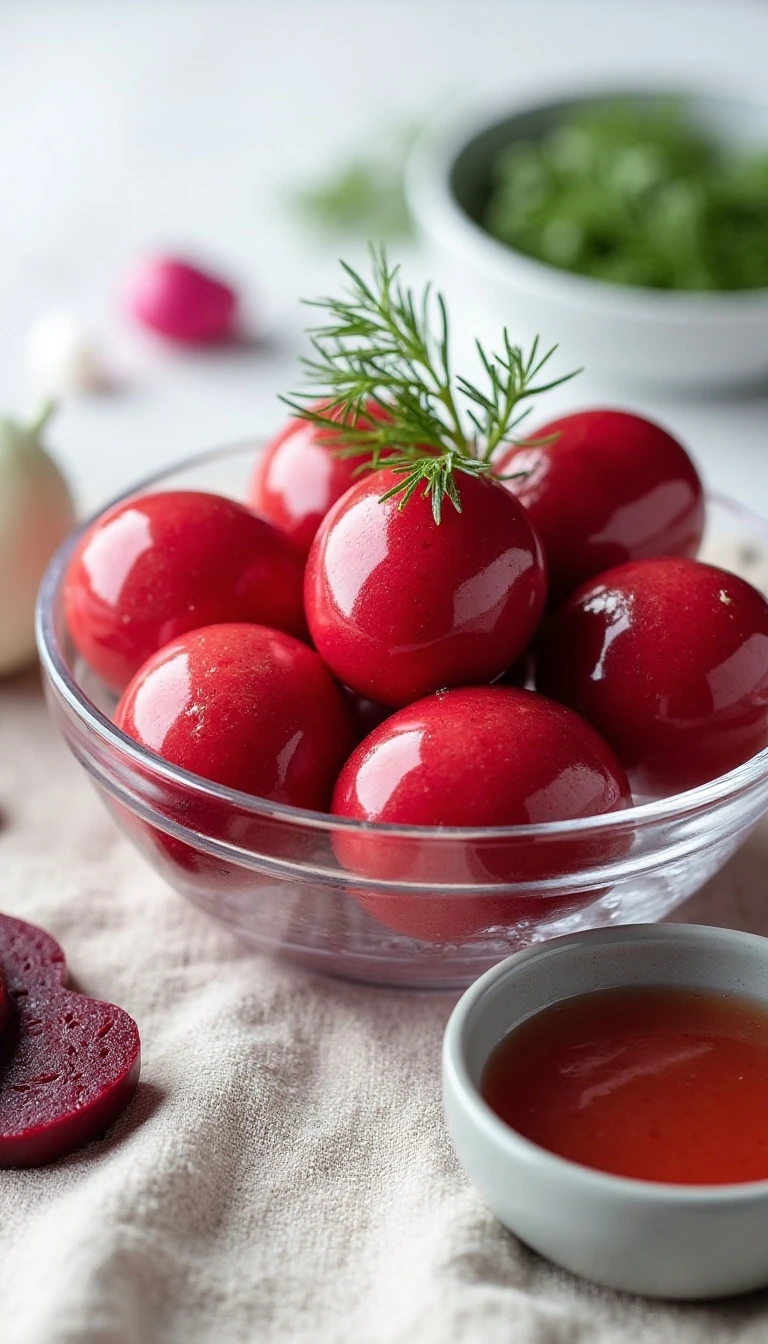
Easy Pickled Red Beet Eggs Recipe
Ingredients
Method
- Place the 12 eggs in a saucepan and cover them with cold water by about 1 inch. Bring the water to a full boil, remove the pan from the heat, cover it, and let the eggs stand for 10–12 minutes.
- Transfer the hot eggs to ice water for at least 5 minutes. Peel and rinse them, using a thin stream of water under the shell if needed to help remove stubborn pieces.
- Drain the beets and reserve 1 cup of beet juice, adding water only if necessary to reach 1 cup. Place the beets and peeled eggs in a clean glass jar or other nonreactive container.
- Combine the beet juice, vinegar, sugar, salt, cloves, and cinnamon stick in a saucepan. Bring the mixture to a boil while stirring until the sugar and salt dissolve, then simmer for about 2 minutes.
- Pour the hot pickling liquid over the eggs and beets. Add the thinly sliced onion if using, making sure the eggs are mostly submerged in the brine.
- Let the container cool uncovered briefly, then cover it and refrigerate. Chill the eggs for at least 24 hours before eating, with 2–3 days recommended for the strongest beet color and flavor.
Notes
Final Thoughts
This easy pickled red beet eggs recipe is proof that a few humble ingredients can create something striking and memorable. The eggs need only a short cooking session, a quick brine, and patience while the beet color and sweet-tangy flavor develop in the refrigerator.
Prepare them at least one day ahead for a party, picnic, or family meal, but try to wait 2–3 days if you can. By then, the whites will be richly colored, the beets will be tender, and every bite will have the satisfying balance of vinegar, sugar, salt, and earthy beet flavor.
Keep the eggs chilled, use a glass container, and serve them cold with plenty of the pickled beets and onion. Once you taste this bright, old-fashioned favorite, you may want a jar ready for snacks and salads all week.