This easy lemon mousse cake is a light, refreshing no-bake dessert made with a buttery biscuit crust and a smooth lemon mousse stabilized with gelatin. The recipe serves 8–10 people in an 8-inch springform pan and takes about 30–40 minutes to prepare, followed by at least 4 hours of chilling; overnight is best for the cleanest slices.
Every bite combines crisp, buttery crumbs with creamy lemon mousse, fresh zest, and lively citrus juice. It is cool, airy, and pleasantly tangy without feeling heavy, making it a lovely finish for a dinner party, spring gathering, afternoon tea, or any meal that calls for a bright dessert.
Jump to RecipeWhy You’ll Love This Recipe

This lemon mousse cake delivers the elegance of a celebration dessert without turning on the oven. The biscuit base is quick to mix, while the mousse comes together with cream cheese, lemon, whipped cream, and a small amount of gelatin for dependable structure.
The texture is the real star: creamy enough to feel indulgent, yet light enough to finish a generous meal comfortably. Fresh lemon zest adds fragrant citrus oils, and the juice gives the mousse a clean, lively tang.
It is also a make-ahead dessert. Prepare it the evening before serving, let it firm overnight, and add the garnish shortly before it reaches the table.
If you enjoy desserts that pair fruit with a tender crumb, our blueberry cake with lemon glaze is another wonderful choice for a citrus-inspired dessert spread.
Ingredients You’ll Need
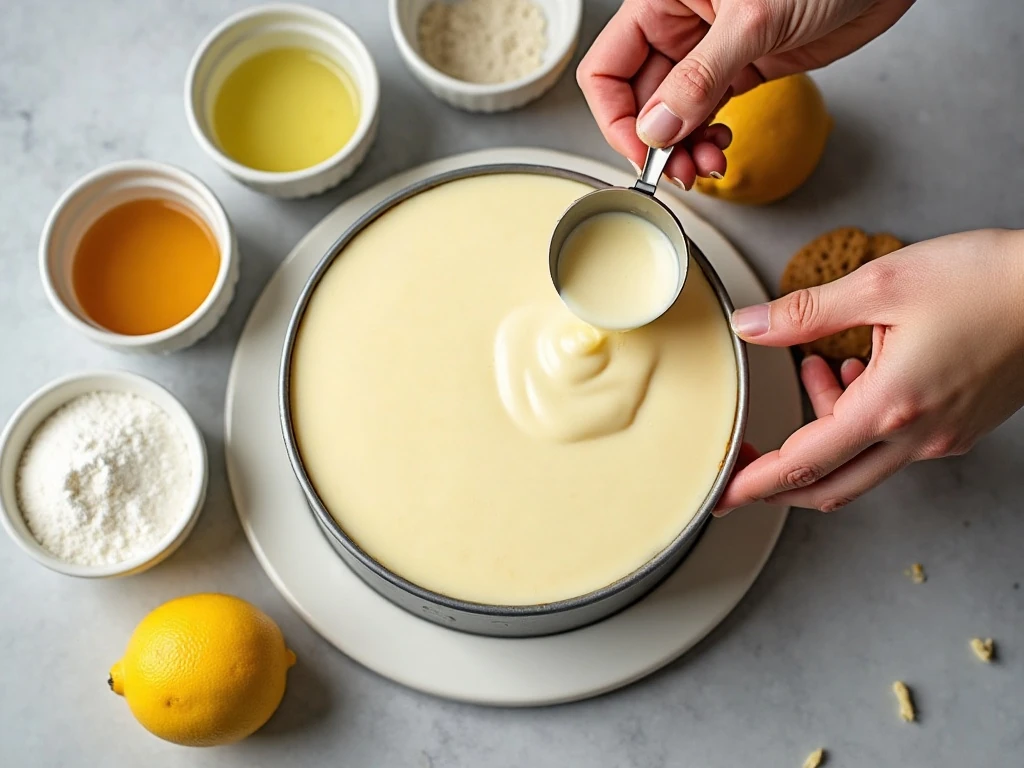
The crust requires only finely crushed digestive biscuits or graham crackers, melted unsalted butter, a pinch of salt, and optional granulated sugar. Press the crumbs firmly so the base holds together when the chilled cake is cut.
- Cookie crumbs: Use 1 1/2 cups, or 150 g, of finely crushed biscuits or graham crackers.
- Butter: Six tablespoons, or 85 g, of melted unsalted butter bind the crumbs and supply rich flavor.
- Gelatin: Two teaspoons, about 6–7 g, help the mousse set into clean, cake-style slices.
- Cream cheese: Full-fat cream cheese gives the lemon filling body and a soft, creamy finish.
- Lemons: You need the finely grated zest of two lemons and 1/2 cup, or 120 ml, of freshly squeezed juice.
- Whipping cream: Cold heavy cream creates the airy mousse texture.
- Flavor builders: Confectioners’ sugar, vanilla extract, and a pinch of salt balance the sharp citrus.
For the best flavor, choose lemons with bright, fragrant skins and zest them before squeezing. Bottled lemon juice can taste flat, while fresh zest supplies much of the dessert’s aroma.
How to Make It Step-by-Step
Step 1: Line the base of an 8-inch springform pan with parchment paper, leaving the sides uncluttered so the cake can release easily later. If your pan tends to leak, place it on a flat tray before filling it.
Step 2: Stir the finely crushed biscuits or graham crackers with the melted butter, optional sugar, and salt until every crumb is evenly moistened. Tip the mixture into the pan and press it firmly across the bottom with the flat base of a glass or measuring cup, then refrigerate it while you make the mousse.
Step 3: Sprinkle the gelatin over 3 tablespoons of cold water in a small bowl and let it stand for 5 minutes. This blooming time allows the granules to absorb the water so they dissolve evenly instead of forming dry pockets.
Step 4: Melt the bloomed gelatin gently in the microwave using short intervals, stirring between each one, or set the bowl over hot water. Do not boil the gelatin, and allow it to cool slightly so it is fluid but not hot before it meets the dairy mixture.
Step 5: Beat the softened cream cheese, confectioners’ sugar, lemon zest, lemon juice, vanilla extract, and salt until smooth. Scrape the bowl once or twice so no firm cream cheese remains around the edges.
Step 6: Stir a small spoonful of the lemon cream cheese mixture into the melted gelatin. Quickly blend this tempered gelatin mixture into the remaining lemon mixture; this extra step helps prevent firm gelatin lumps from forming.
Step 7: Whip the cold heavy cream to medium-stiff peaks. Stop as soon as the cream holds its shape, because over-whipping can make the finished mousse dense or grainy rather than soft and airy.
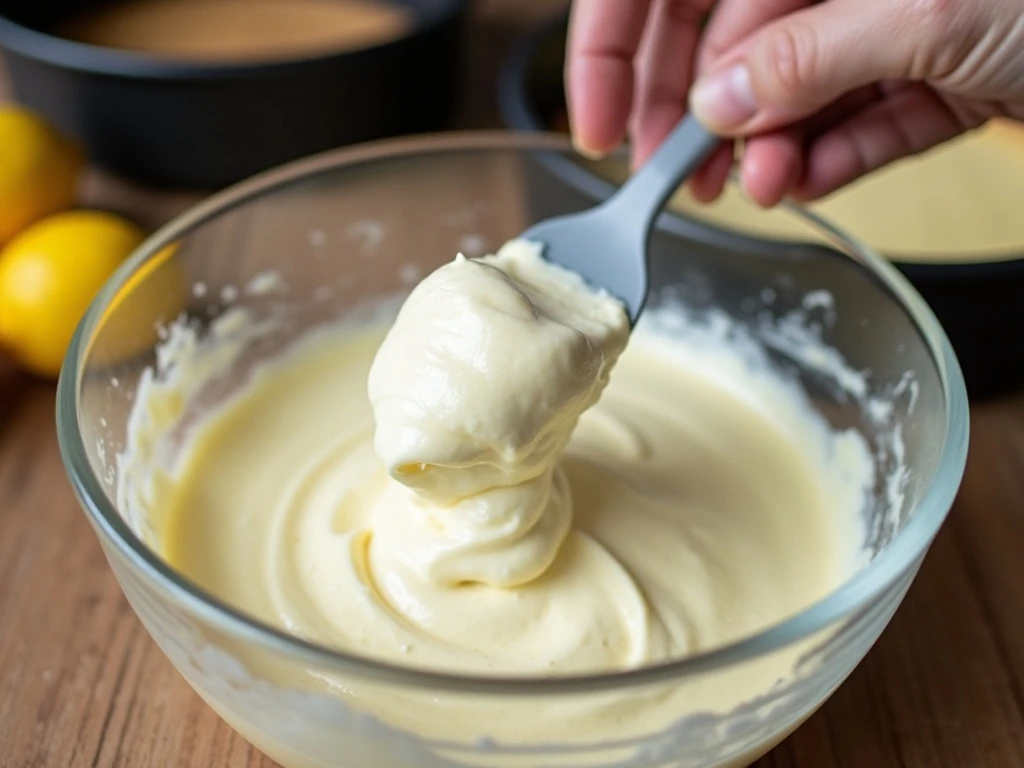
Step 8: Fold the whipped cream into the lemon mixture in two or three additions. Use a broad spatula and gentle strokes, turning from the bottom of the bowl upward until only a few pale streaks remain.
Step 9: Spoon the mousse over the chilled crust and smooth the top with an offset spatula or the back of a spoon. Tap the pan very lightly on the counter to remove large air pockets, but do not knock out the mousse’s delicate volume.
Step 10: Refrigerate the cake for at least 4 hours, until firm in the center; overnight is best for the fullest flavor and cleanest cuts. Before serving, run a warm, thin knife around the edge, release the springform ring, and add your chosen garnish.
Pro Tips for a Light, Smooth Mousse

Bring the cream cheese to room temperature before mixing. Soft cream cheese blends more easily with the sugar and lemon, which reduces the chance of small lumps in the filling.
Keep the heavy cream cold until the moment you whip it. A chilled bowl can also help the cream reach medium-stiff peaks while preserving its silky texture.
Gelatin needs careful handling. Fully dissolve it, keep it from boiling, and cool it slightly before combining it with the lemon mixture; hot gelatin can deflate whipped cream, while undissolved gelatin can leave rubbery pockets.
Do not rush the chilling stage. Although the cake may look set around the edges after a few hours, the center needs at least 4 hours to become firm enough for tidy portions.
For a dessert table with several fruit-forward choices, consider serving this cake alongside our cranberry and apple cake. The baked fruit cake offers warm spice and tender crumb, while this lemon mousse cake provides a cool contrast.
Serving and Garnishing Ideas

Keep the decoration simple so the fresh lemon flavor remains the focus. Arrange thin lemon slices around the top, scatter fine strips of zest over the center, or pipe small rosettes of whipped cream around the edge.
A light dusting of confectioners’ sugar looks pretty just before serving, although it will slowly dissolve on a moist mousse surface. For the neatest presentation, garnish individual slices rather than decorating the entire cake hours in advance.
Use a warm, thin knife for each cut, wiping and reheating the blade between slices. This gives the crust a cleaner edge and keeps the pale mousse layers distinct.
Storage and Make-Ahead Advice
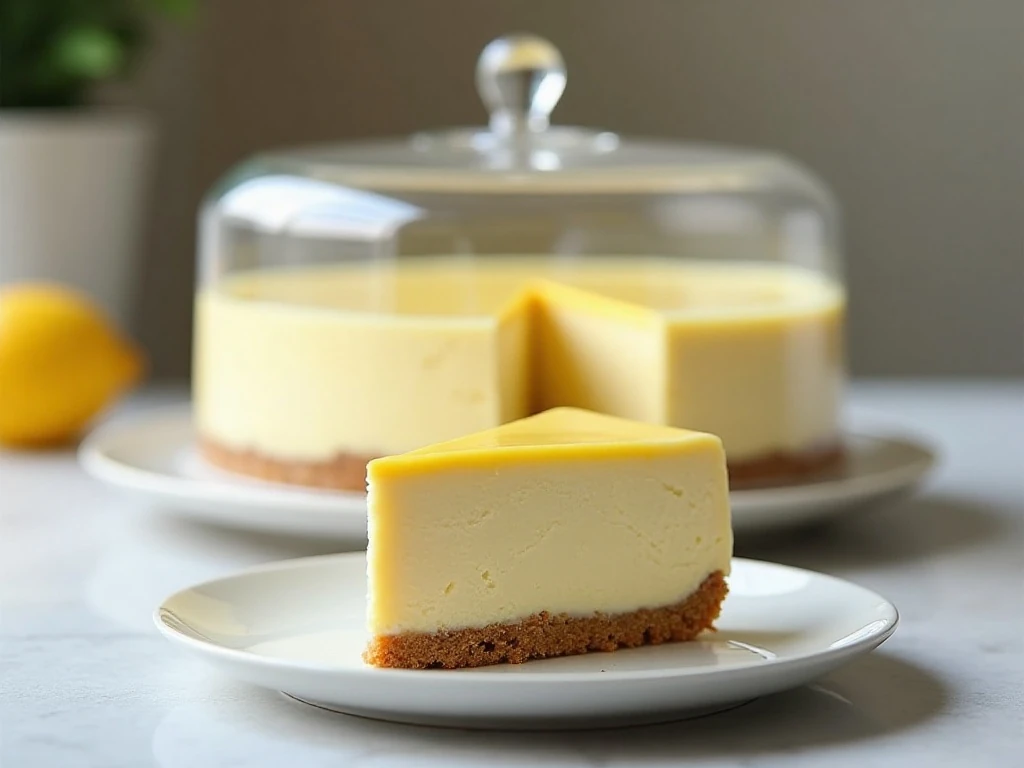
Cover the cake and keep it refrigerated until serving. The chilled mousse is at its best when firm, cool, and freshly garnished.
Overnight chilling is recommended whenever your schedule allows. It gives the gelatin time to set fully and lets the lemon, vanilla, cream cheese, and zest settle into a more rounded flavor.
Because this is a mousse-based cake, avoid leaving it at room temperature for an extended period. Return leftovers to the refrigerator promptly, and use a covered cake container if possible to protect the mousse from refrigerator odors.
If you are planning a full comfort-food menu, prepare the dessert first and then turn your attention to our easy oven-braised pot roast. The cake can chill while the savory main course cooks, making it practical for a relaxed gathering.

Easy Lemon Mousse Cake Recipe (Light & Refreshing)
Ingredients
Method
- Line the base of an 8-inch springform pan with parchment paper. Combine the cookie crumbs, melted butter, optional sugar, and salt, then press the mixture firmly into the pan and refrigerate it while preparing the mousse.
- Sprinkle the gelatin over the cold water in a small bowl and let it stand for 5 minutes. Melt it gently in short microwave intervals or over hot water, taking care not to boil it.
- Beat the softened cream cheese, confectioners' sugar, lemon zest, lemon juice, vanilla, and salt until completely smooth. Stir a small amount of this mixture into the melted gelatin, then quickly blend that mixture back into the remaining lemon mixture.
- Whip the cold heavy cream to medium-stiff peaks, stopping before it becomes grainy or buttery. Fold the whipped cream into the lemon mixture in two or three additions to keep the mousse airy.
- Spoon the mousse over the chilled crust and smooth the surface. Refrigerate the cake for at least 4 hours, or overnight when possible, until firm.
- Run a warm, thin knife around the edge before releasing the springform ring. Garnish just before serving with lemon slices, lemon zest, whipped cream, or a dusting of confectioners' sugar.
Notes
Final Thoughts
This easy lemon mousse cake is a beautiful example of how a few carefully handled ingredients can create a special dessert. The buttery cookie crust gives each slice a pleasant contrast, while the lemon mousse stays creamy, fragrant, and refreshingly light.
Fresh juice and zest make the difference, and the gelatin technique is worth following closely for a smooth, firm result. Once the cake has chilled for at least 4 hours, a warm knife and a simple garnish are all you need for an impressive presentation.
Make it the night before a celebration, serve it after a hearty dinner, or enjoy a slice with coffee on a sunny afternoon. Its bright citrus character makes this an easy favorite whenever you want a cool, elegant dessert with no baking required.