Authentic German Apfelkuchen is a traditional apple cake made with a buttery Rührteig batter and tart apple wedges arranged across the top. For this classic version, cream 125 g softened butter with 125 g sugar, add 3 eggs, then fold in 200 g flour with baking powder and salt before topping the batter with 750 g to 1 kg of sliced apples. Bake the cake in a deep 26 cm springform pan at 180°C (350°F) for 45–55 minutes.
The result is a tender, lightly sweet cake with fragrant cinnamon apples, golden edges, and a lovely contrast between soft fruit and buttery crumb. Serve it slightly warm or at room temperature with lightly sweetened whipped cream for the traditional German Kaffee und Kuchen experience.
Jump to RecipeWhy You’ll Love This Recipe
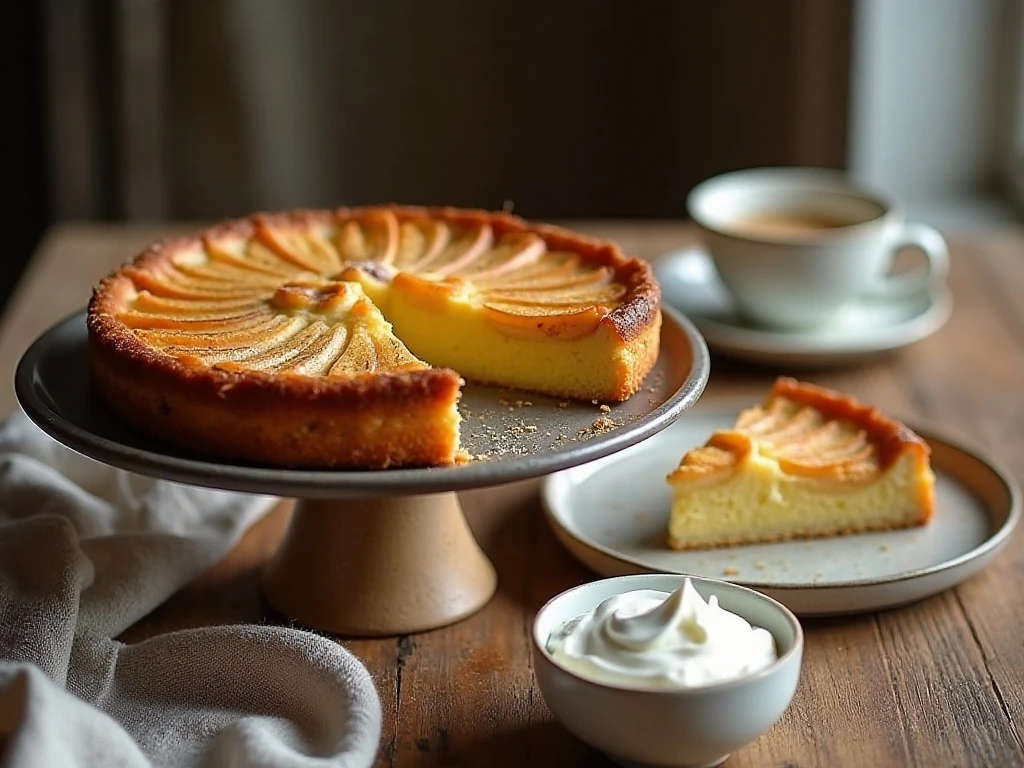
This Apfelkuchen captures the simple charm of traditional German baking. It does not rely on a complicated pastry shell or a heavy filling; instead, a lightly sweet Rührteig batter supports generous wedges of apple and lets their flavor shine.
Every bite offers several textures at once. The edge becomes golden and faintly crisp, the center stays tender and buttery, and the apples soften into fragrant pockets scented with lemon, cinnamon, and their own natural juices.
The cake is also practical enough for an afternoon bake. There is no need to pre-cook the apples or prepare a separate cream layer, and the characteristic slits make the apple topping look beautifully traditional while helping each piece cook evenly.
If you enjoy fruit-forward desserts, you may also like this easy pineapple cake, which brings a sunny tropical flavor to the same kind of welcoming dessert table.
Ingredients You’ll Need
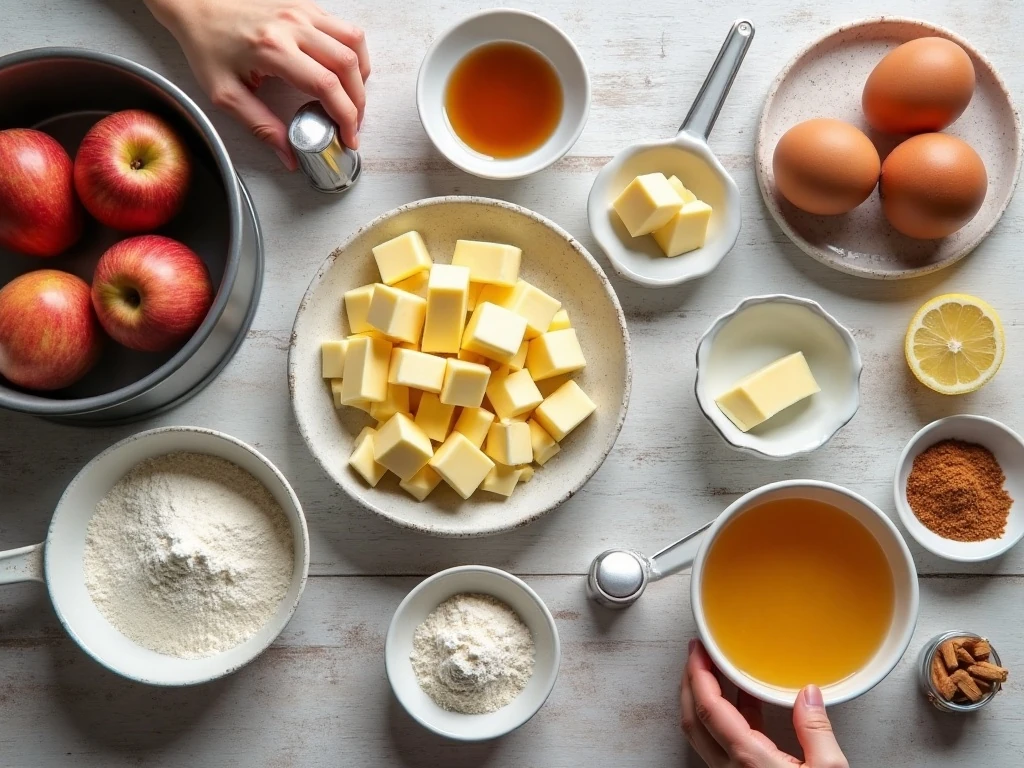
The cake batter begins with softened unsalted butter, granulated sugar, room-temperature eggs, plain flour, baking powder, fine salt, and vanilla. These everyday ingredients produce the tender, lightly sweet foundation associated with the German Rührteig style.
- Butter and sugar: Creaming them together adds air and gives the cake a rich but delicate crumb.
- Eggs: Three large eggs provide structure, moisture, and richness.
- Flour, baking powder, and salt: This combination creates a soft cake that can support the apple topping.
- Vanilla: Vanilla extract or one packet of vanilla sugar adds a gentle bakery aroma.
- Apples: Use 750 g to 1 kg of firm, tart apples such as Braeburn, Granny Smith, Jonagold, or Boskoop.
The apple topping needs only lemon juice, sugar, and cinnamon. Lemon keeps the cut fruit bright, while the cinnamon-sugar mixture forms a fragrant finish as it bakes.
Sliced almonds are optional, but one tablespoon adds a delicate toasted note and a little crunch. For the pan, use one tablespoon butter and one to two tablespoons fine breadcrumbs or flour to help the cake release cleanly.
For another creative way to use apples at the table, try these apple sage stuffing muffins as a savory companion for a seasonal meal.
How to Make It Step-by-Step
Step 1: Heat the oven to 180°C (350°F) using the conventional setting. Grease a deep 26 cm (10-inch) springform pan thoroughly with butter, then dust it with breadcrumbs or flour and tap out the excess.
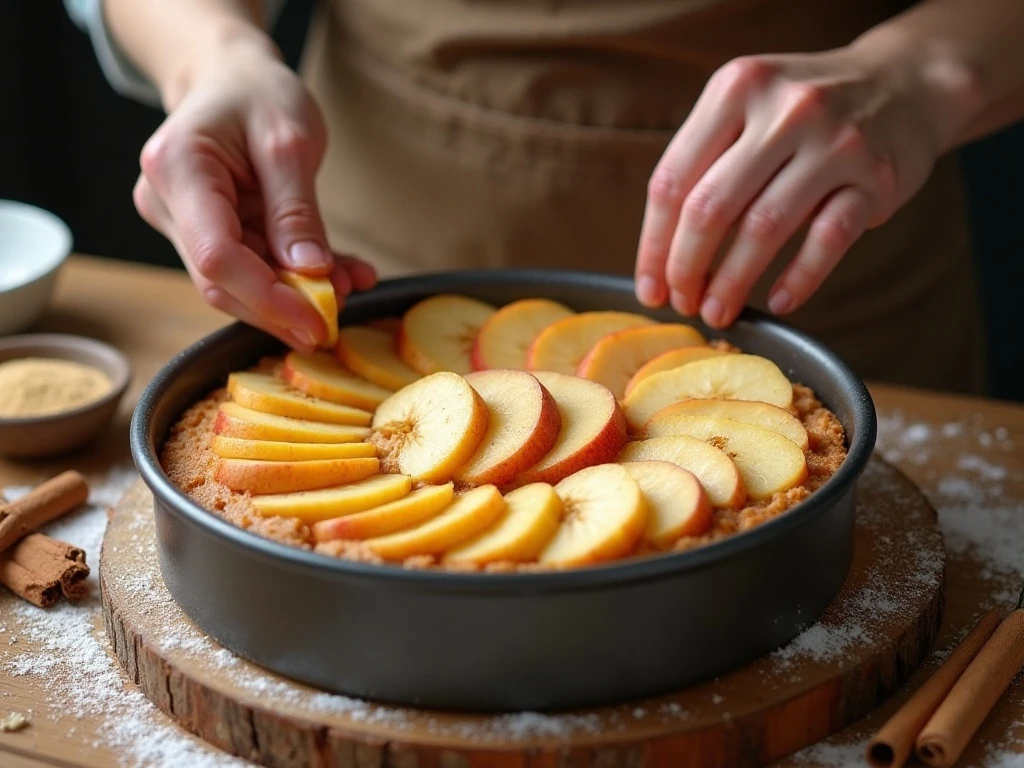
Step 2: Prepare the apples while the oven heats. Peel them if desired, quarter them, remove the cores, and cut deep parallel slits across the rounded side of each quarter without slicing all the way through.
Step 3: Place the prepared apples in a bowl and toss them gently with one tablespoon lemon juice. This prevents excessive browning while you make the batter and adds a fresh counterpoint to the sweet cake.
Step 4: Add the softened butter and sugar to a mixing bowl and cream them for about 2–3 minutes. Stop when the mixture is visibly paler and fluffy, since this air helps keep the finished cake tender.
Step 5: Beat in the eggs one at a time, mixing after each addition. Add the vanilla extract or vanilla sugar, and scrape down the sides of the bowl to make sure the mixture is evenly blended.
Step 6: In a separate bowl, combine the flour, baking powder, and fine salt. Add this dry mixture to the butter mixture and stir only until no obvious streaks of flour remain.
Step 7: Check the consistency of the batter before transferring it to the pan. It should be thick but spreadable; if it is unusually stiff, mix in one to two tablespoons milk, using only as much as needed.
Step 8: Spread the batter evenly in the prepared springform pan. Arrange the apple quarters cut side up over the cake, pressing them slightly into the batter so they are secure without being completely submerged.
Step 9: Stir together one to two tablespoons sugar and one-half to one teaspoon ground cinnamon. Sprinkle this mixture over the apples, then scatter one tablespoon sliced almonds over the top if you are using them.
Step 10: Bake the cake for 45–55 minutes. It is ready when the surface is golden brown, the apples are tender but not collapsed, and a skewer inserted into the cake portion comes out clean.
Step 11: Let the cake cool in the pan for 15–20 minutes before removing the springform ring. Allow at least 20–30 minutes of total cooling time, then serve it slightly warm or at room temperature.
Pro Tips for the Best Apfelkuchen
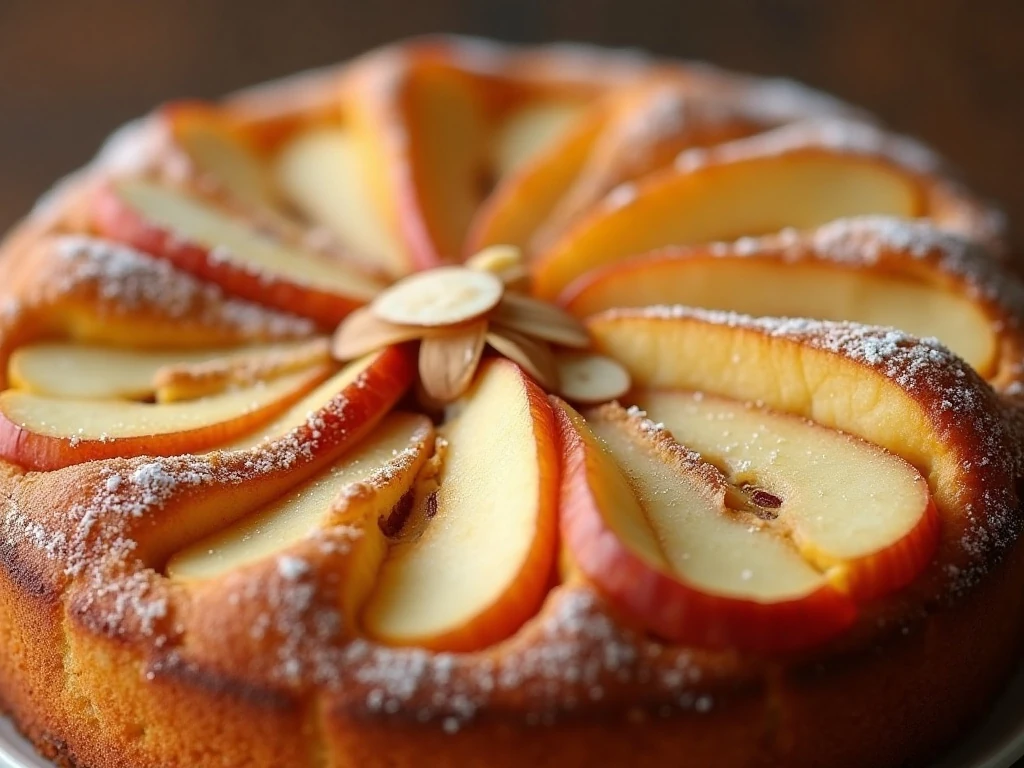
Apple choice is the most important flavor decision in this recipe. Firm, slightly tart varieties hold their shape and balance the sweet batter, while very soft or very sweet apples can release too much liquid and leave the cake soggy.
The apple slits should be deep enough to open slightly during baking, but the quarters must remain attached at the base. A sharp knife makes this easier, and placing a chopstick or the handle of a wooden spoon beside the apple can help prevent accidentally cutting all the way through.
Bring the eggs to room temperature before mixing them into the butter. Cold eggs can make the creamed mixture look curdled, although the cake will still bake; room-temperature ingredients simply combine more smoothly.
Do not overmix once the flour has been added. Stop as soon as the batter is combined, because prolonged mixing can make the crumb firm instead of soft.
Use the skewer test in the cake portion rather than pushing it through an apple. A skewer passing through fruit may emerge moist even when the cake is fully baked, so test a clear area between the apple quarters.
If you want a gently citrusy variation, add a small amount of lemon zest to the batter. Confectioners’ sugar can also be dusted over the cooled cake, though the cinnamon-sugar topping is already traditional and flavorful.
Serving Suggestions
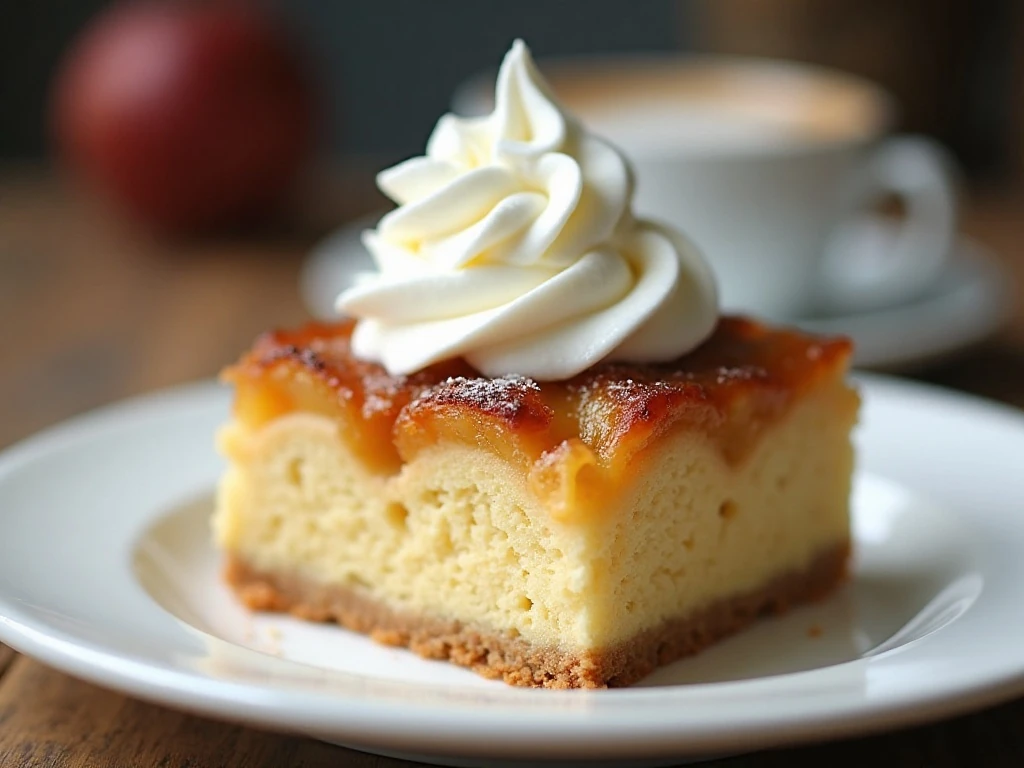
German Apfelkuchen is traditionally served with lightly sweetened whipped cream. Spoon the cream beside each slice rather than covering the whole cake, so the apple pattern and golden crust remain visible.
Serve the cake slightly warm for a soft, comforting texture, or let it reach room temperature for cleaner slices. It is especially inviting with coffee, black tea, or a mild spiced tea in the afternoon.
For a crisp apple-inspired snack alongside dessert, set out these homemade apple chips. Their light crunch contrasts nicely with the moist cake.
A small scoop of softly whipped cream is usually all this cake needs, but a restrained dusting of confectioners’ sugar can make it look festive for guests. Avoid heavy sauces that hide the buttery crumb and tart fruit.
Storage and Reheating
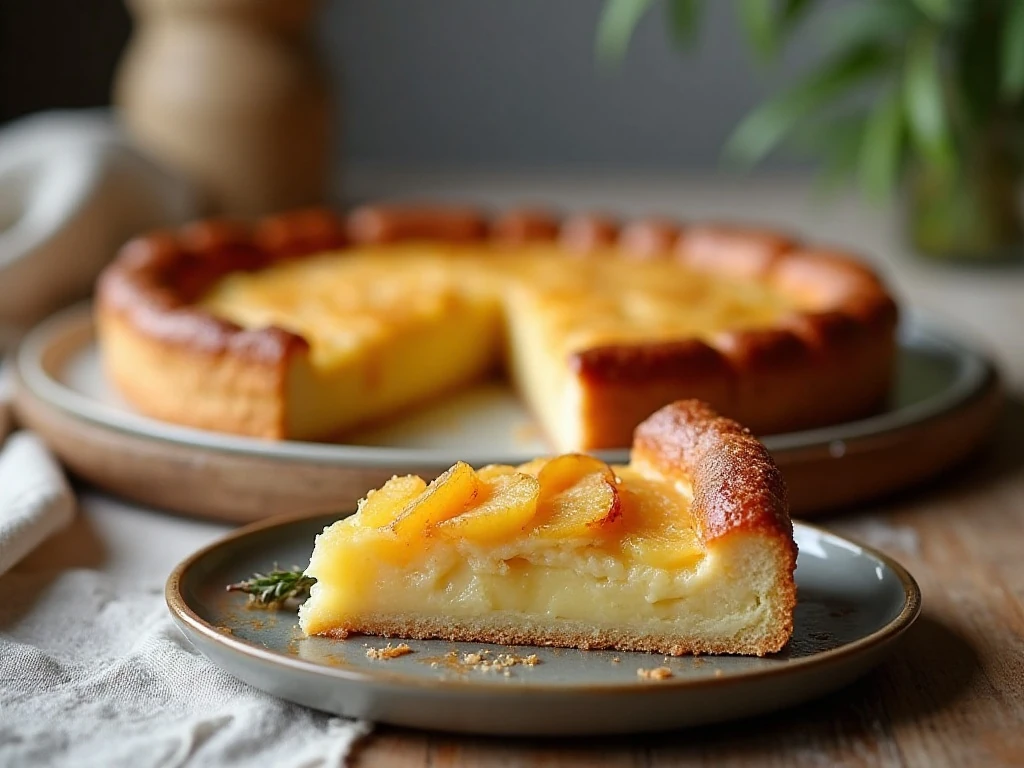
Once cool, cover the cake loosely and keep it at room temperature for serving within one day. Because the apples add moisture, refrigerate leftovers for longer storage and bring individual slices back toward room temperature before eating.
To warm a slice, use gentle heat until it is just pleasantly warm rather than hot. This preserves the tender crumb and keeps the apples from becoming overly soft.
The cake is best enjoyed within a few days for its freshest texture. If the top loses some of its sparkle after chilling, a small dusting of confectioners’ sugar just before serving makes it look freshly baked.
Leftover apple flavors can also be enjoyed in a spreadable form with this rich homemade apple butter. For a playful potluck dessert, this sweet apple salad offers a completely different texture and style.
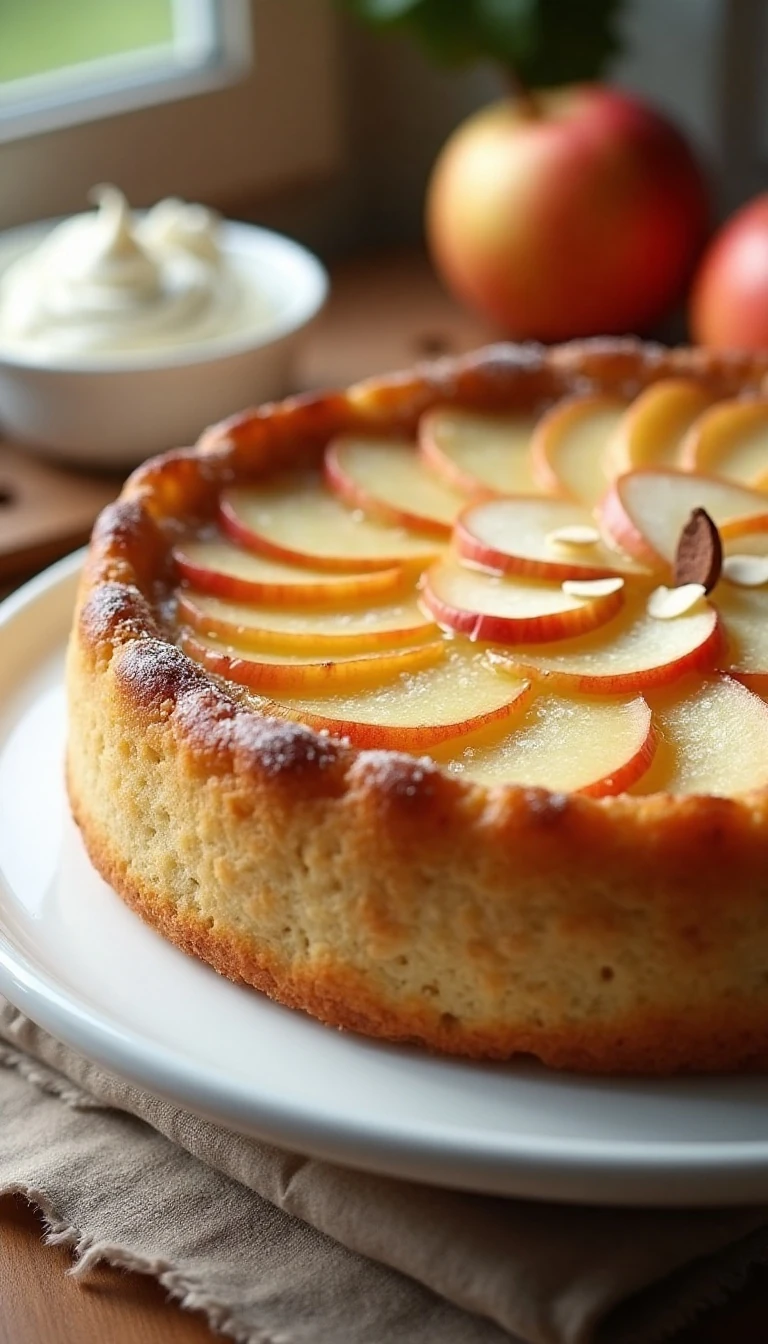
Authentic German Apfelkuchen
Ingredients
Method
- Heat the oven to 180°C (350°F), conventional setting. Grease a deep 26 cm (10-inch) springform pan with butter and dust it with fine breadcrumbs or flour, tapping out any excess.
- Peel the apples if desired, quarter them, remove the cores, and cut deep parallel slits across the rounded side of each quarter without cutting all the way through. Toss the apples with lemon juice to limit browning.
- Cream the softened butter and sugar for about 2–3 minutes, until the mixture looks pale and fluffy. This creates a light base for the tender cake crumb.
- Beat in the eggs one at a time, mixing well after each addition, then mix in the vanilla extract or vanilla sugar. Scrape down the bowl so the mixture stays even.
- Whisk together the flour, baking powder, and salt in a separate bowl. Add the dry ingredients to the butter mixture and mix only until combined, adding 1–2 tablespoons milk if the batter is unusually stiff.
- Spread the thick, spreadable batter evenly in the prepared springform pan. Arrange the apple quarters cut side up over the surface and press them gently into the batter.
- Mix the cinnamon and sugar, then sprinkle the mixture evenly over the apples. Add the sliced almonds if using them.
- Bake for 45–55 minutes, until the cake is golden brown and a skewer inserted into the cake portion comes out clean. The apples should be tender but still hold their shape rather than collapsing.
- Cool the cake in the pan for 15–20 minutes, then carefully remove the springform ring. Continue cooling for at least 20–30 minutes overall before slicing, and serve slightly warm or at room temperature.
Notes
Final Thoughts
This authentic German Apfelkuchen proves that a short ingredient list can create a deeply satisfying dessert. The buttery Rührteig is tender without being heavy, while tart apple wedges, cinnamon sugar, and optional almonds provide all the fragrance and character the cake needs.
Take your time with the creaming step, choose apples that stay firm, and avoid overmixing the batter after the flour goes in. Those small details produce the golden, softly textured cake that makes this traditional recipe so dependable.
After the cake cools, cut it into generous wedges and serve it with lightly sweetened whipped cream. Whether baked for a family coffee break, a holiday table, or a simple weekend treat, this German apple cake brings warm bakery flavor to every slice.