This ultimate triple vanilla pound cake recipe combines vanilla bean seeds, vanilla bean paste, and pure vanilla extract for an especially fragrant, buttery dessert. Baked in a 10-inch Bundt or tube pan, it yields 12 to 16 slices and takes approximately 25 to 30 minutes to prepare, 75 to 90 minutes to bake, and about 2 hours to cool before glazing.
Every slice has a fine, tender crumb, rich butter flavor, and tiny vanilla-speckled details beneath a simple vanilla glaze. The cake is substantial enough for afternoon coffee, elegant enough for a celebration, and easy to serve plain or with berries and softly whipped cream.
Jump to RecipeWhy You’ll Love This Recipe
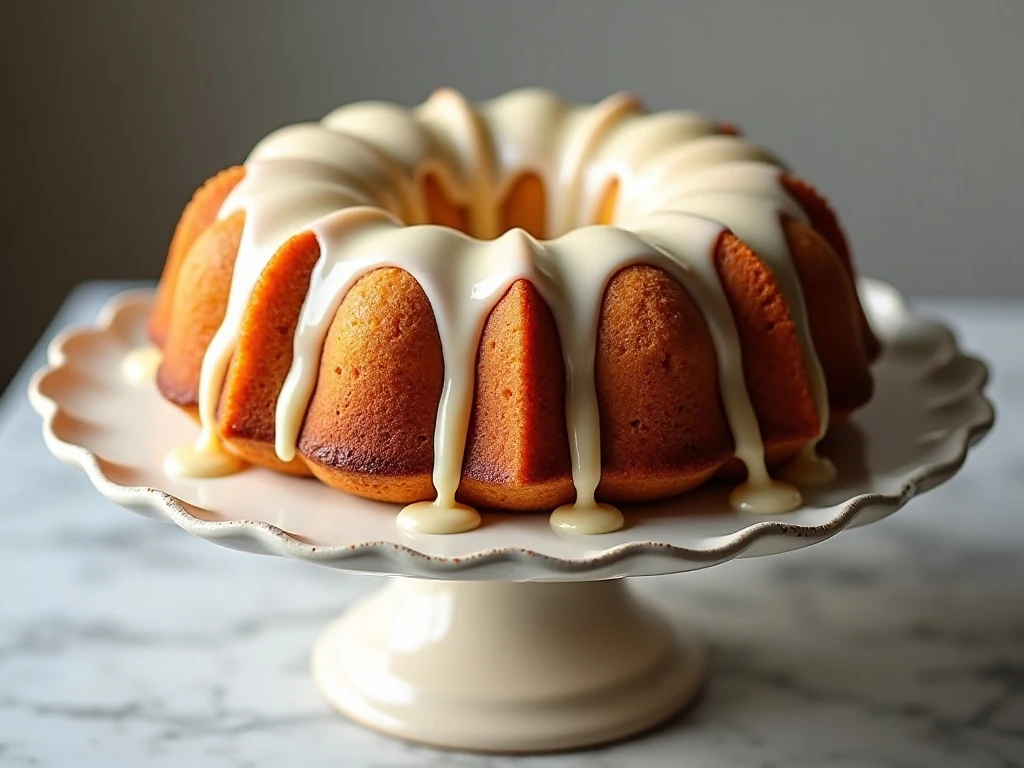
There is something wonderfully comforting about a classic pound cake, but this version gives the familiar dessert a striking vanilla presence. Vanilla bean seeds provide tiny flecks and a deep floral aroma, vanilla bean paste adds concentrated flavor and a luxurious texture, and vanilla extract rounds everything out with a familiar bakery note.
The crumb is rich without being greasy, tender without falling apart, and sturdy enough to cut into beautiful slices. The thin glaze adds just enough sweetness to the top while leaving the buttery cake as the star.
This cake also keeps beautifully, making it a practical choice when you need a make-ahead dessert. Serve it after dinner, bring it to a gathering, or pair a slice with coffee for a slow weekend breakfast.
For another fruit-forward dessert to add to your baking list, try this pineapple dessert when you want a sunny change of pace.
Ingredients You’ll Need
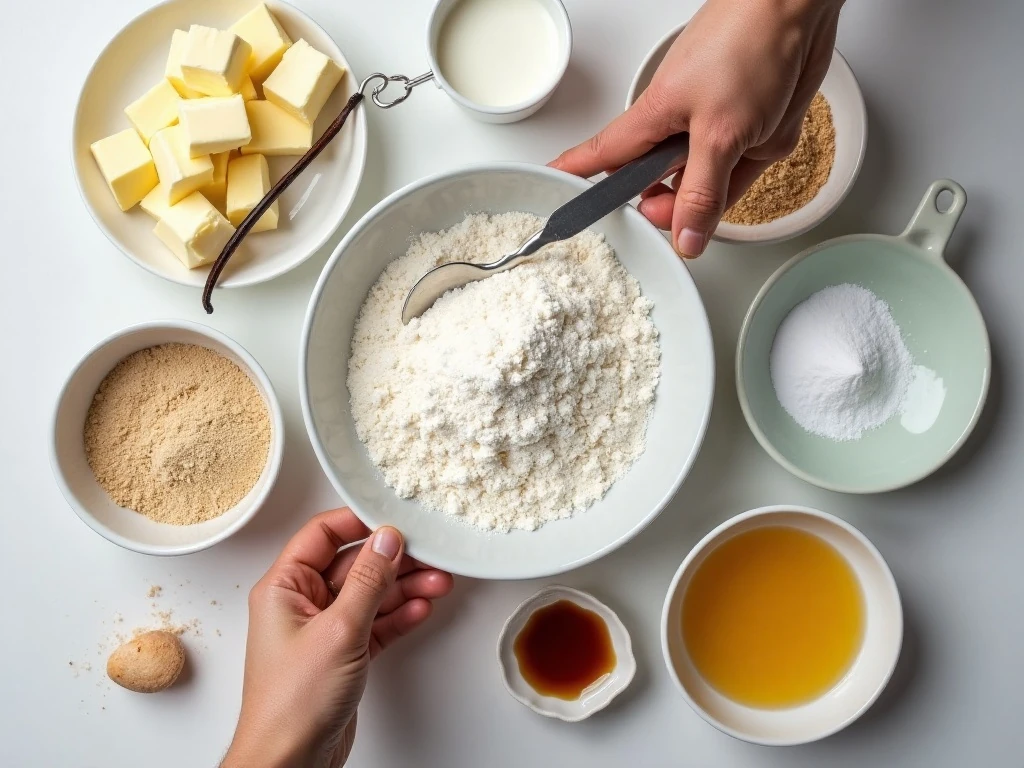
The ingredient list is straightforward, but each component has an important job. Measure the flour carefully, soften the butter thoroughly, and bring the eggs and milk to room temperature before mixing.
- All-purpose flour: Three cups provide the structure for the tall Bundt cake.
- Baking powder: A small amount helps the cake rise while preserving its classic pound-cake texture.
- Unsalted butter: The full 1 1/2 cups contribute richness and carry the vanilla flavor.
- Granulated sugar: Sugar sweetens the cake and supports a light, delicate crumb during creaming.
- Eggs: Six large room-temperature eggs provide structure, moisture, and emulsification.
- Whole milk: Milk loosens the batter and helps create a smooth, tender slice.
- Three vanillas: Use the seeds from one vanilla bean, 1 tablespoon vanilla bean paste, and 2 teaspoons pure vanilla extract.
- Glaze ingredients: Confectioners’ sugar, 2 to 3 tablespoons whole milk or heavy cream, 1 teaspoon vanilla extract, and a pinch of salt make the finishing drizzle.
If you enjoy soft, rich sweets with a creamy note, keep these cream cheese cookies in mind for your next dessert tray.
How to Make It Step-by-Step
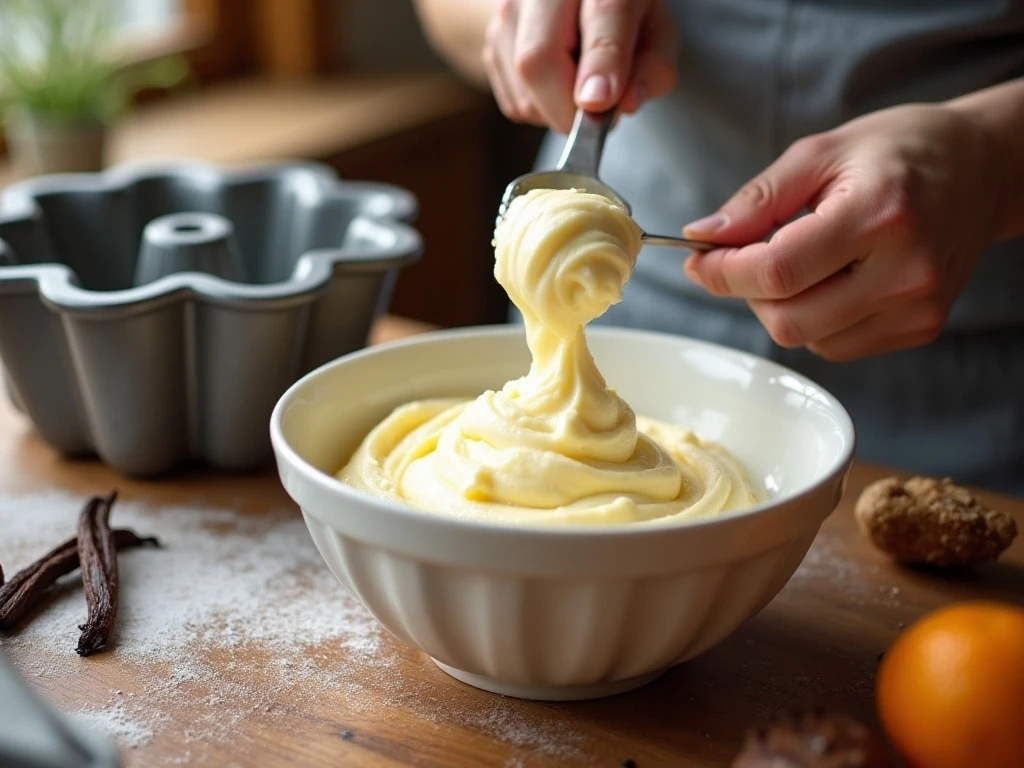
Step 1: Heat the oven to 325°F (165°C), giving it time to reach a stable temperature while you prepare the batter. Thoroughly grease and flour a 10-inch Bundt or tube pan, paying special attention to the ridges, corners, and center tube.
Step 2: Whisk the flour, baking powder, and fine salt together in a bowl. This distributes the leavening and salt evenly, so you will not need to mix the batter excessively later.
Step 3: Place the softened butter and sugar in a large mixing bowl and beat on medium speed for about 4 to 5 minutes. The mixture should become noticeably paler, airy, and very fluffy; this creaming step is central to the final texture.
Step 4: Add the eggs one at a time, beating well after each addition. Scrape the bottom and sides of the bowl as needed, since an even emulsion helps prevent a dense or uneven crumb.
Step 5: Split the vanilla bean lengthwise and scrape out the seeds with the back of a knife. Add the seeds, vanilla bean paste, and pure vanilla extract to the butter mixture, then mix until the fragrant vanilla is evenly dispersed.
Step 6: Add the flour mixture in three additions, alternating with the room-temperature milk in two additions. Begin and finish with the dry ingredients, mixing only until the batter is smooth and no obvious streaks remain.
Step 7: Spoon the batter into the prepared pan and smooth the top with a spatula. Tap the pan lightly on the counter to release large air pockets, but avoid banging it forcefully.
Step 8: Bake for approximately 75 to 90 minutes, beginning to check around the 70-minute mark. The cake is ready when a skewer inserted into the thickest section comes out clean or with a few moist crumbs; visual doneness and the skewer test are more practical than relying on a single baking time.
Step 9: Let the cake cool in the pan for 10 to 15 minutes before turning it out. Inverting immediately may cause sticking or breakage, while leaving it in the pan too long can encourage condensation and sticking.
Step 10: Transfer the cake to a rack and cool it completely, allowing about 2 hours total cooling time. Whisk the confectioners’ sugar, milk or cream, vanilla extract, and salt until pourable, then drizzle the glaze over the cake.
Pro Tips for a Tender Pound Cake
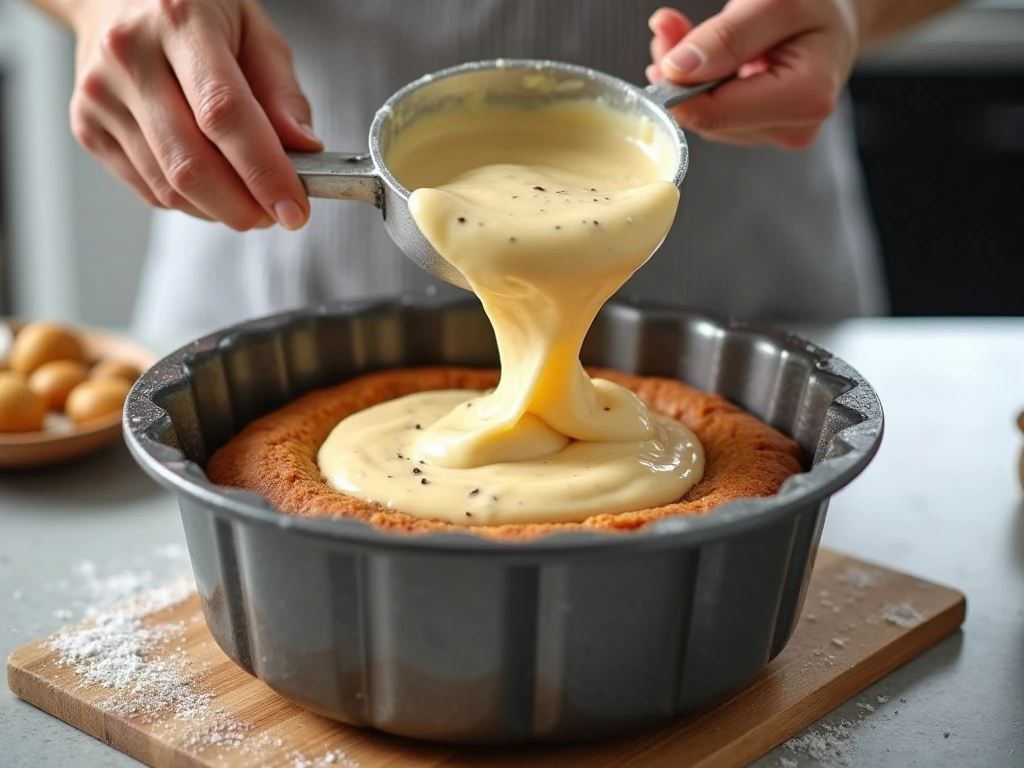
Room-temperature ingredients are one of the simplest ways to improve this cake. Soft butter can capture air during creaming, while room-temperature eggs and milk blend into the mixture more readily instead of causing it to seize or look curdled.
Do not rush the butter-and-sugar mixture. Four to five minutes on medium speed gives the sugar time to aerate the butter, which supports the cake’s fine crumb.
Once the flour is added, change your approach and mix sparingly. Overmixing develops gluten and can make the finished cake tough rather than tender.
Bundt pans differ in shape, material, and capacity, and ovens can run warmer or cooler than their settings suggest. Start checking at about 70 minutes, but trust the skewer and the appearance of the cake rather than removing it simply because a timer rings.
For a neat glaze, place the completely cooled cake on a rack set over a sheet pan. Pour slowly so some glaze rests on top and the rest creates attractive drips down the sides.
When planning a brunch menu, this sweet cake pairs nicely with savory bites such as these cheesy bacon egg muffins.
Serving Suggestions
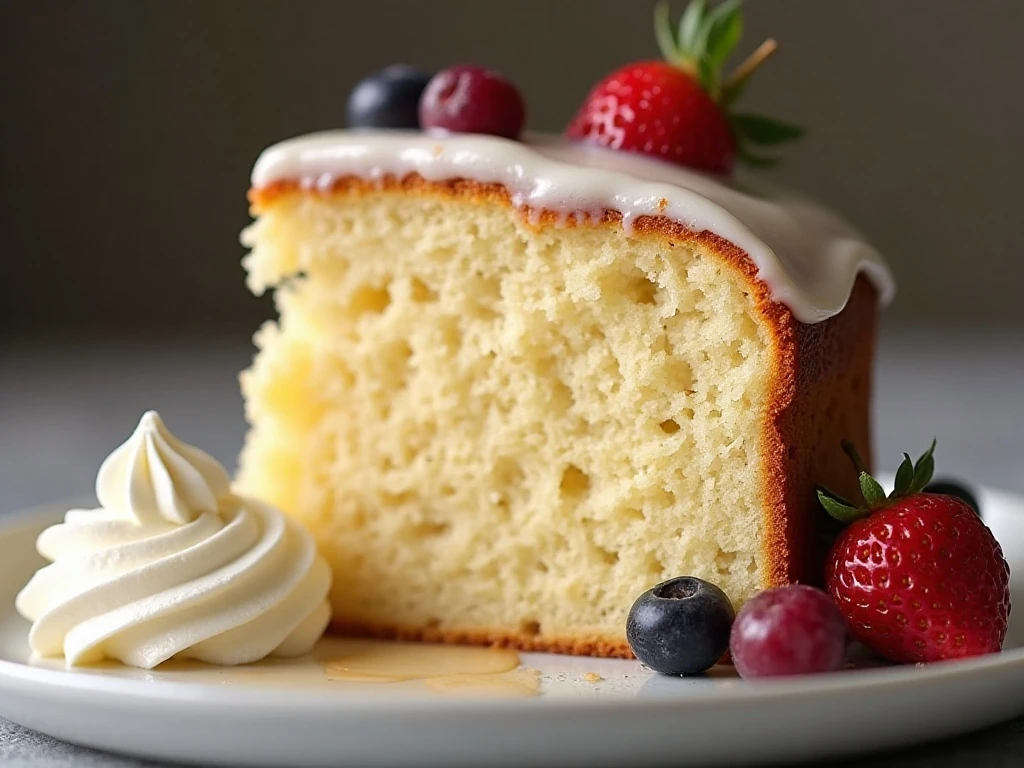
Let the glaze set for a few minutes, then use a serrated knife to cut generous slices. The cake is delicious at room temperature, when the butter flavor is most pronounced and the crumb feels soft and plush.
For a simple presentation, serve each slice with fresh strawberries, raspberries, or blueberries. A spoonful of softly whipped cream adds contrast without hiding the vanilla flavor.
You can also warm a slice very gently and serve it with vanilla ice cream. The combination of warm cake, melting ice cream, and crisp glaze makes an easy dessert that feels special.
Although this recipe is sweet, it fits beautifully into a larger buffet. If your menu also needs a hearty savory centerpiece, consider adding this comforting cabbage roll casserole before dessert.
Storage and Make-Ahead Advice
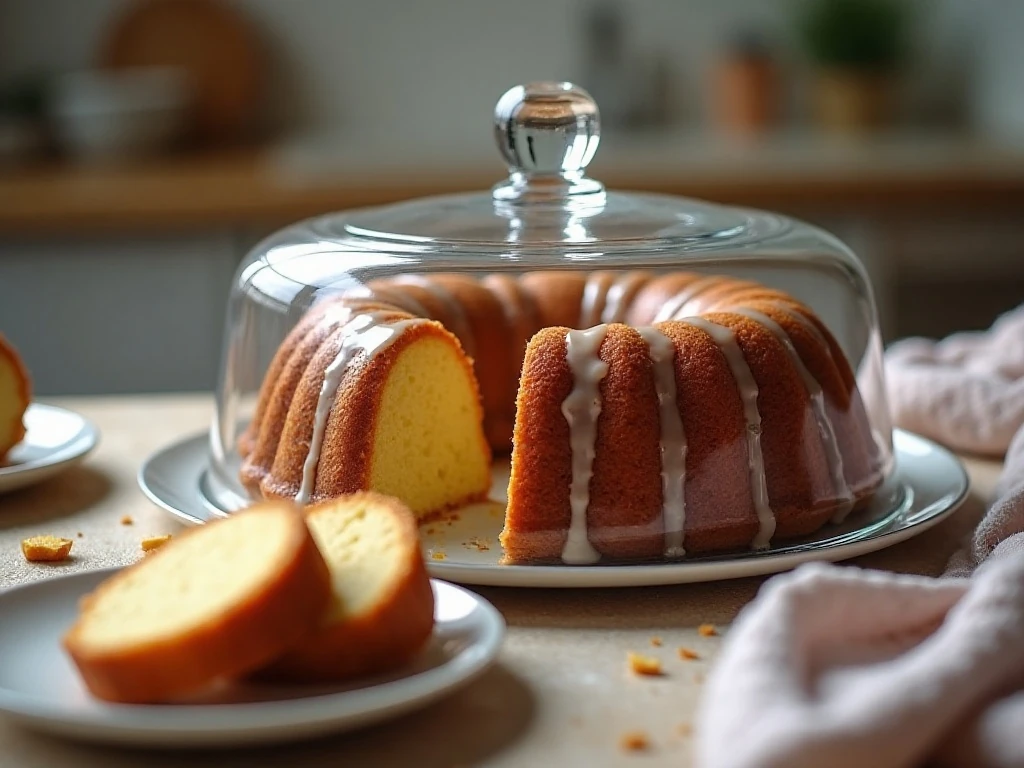
Cool the cake completely before covering it, or trapped warmth may soften the glaze and create condensation. Store the glazed cake in an airtight container or cover it well at room temperature for up to 3 days.
For longer storage, wrap the unglazed, fully cooled cake tightly and freeze it. Thaw it at room temperature while still wrapped, then prepare and drizzle the glaze shortly before serving.
If the glaze thickens while standing, whisk in a very small amount of milk or cream. If it becomes too thin, add a little more confectioners’ sugar until it flows slowly from a spoon.
Troubleshooting Common Issues
If the cake sticks to the Bundt pan, the most likely causes are insufficient preparation or turning it out at the wrong time. Grease every detail of the pan, flour it thoroughly or use a baking-release spray containing flour, and invert the cake after 10 to 15 minutes of cooling.
A dense cake can result from cool ingredients, under-creamed butter and sugar, or excessive mixing after the flour is added. Begin with properly softened butter, cream until very light and fluffy, and stop mixing as soon as the batter is smooth.
If the top browns before the center is baked, continue checking the cake rather than judging it by color alone. The skewer test in the thickest part is the most useful guide for this large cake.
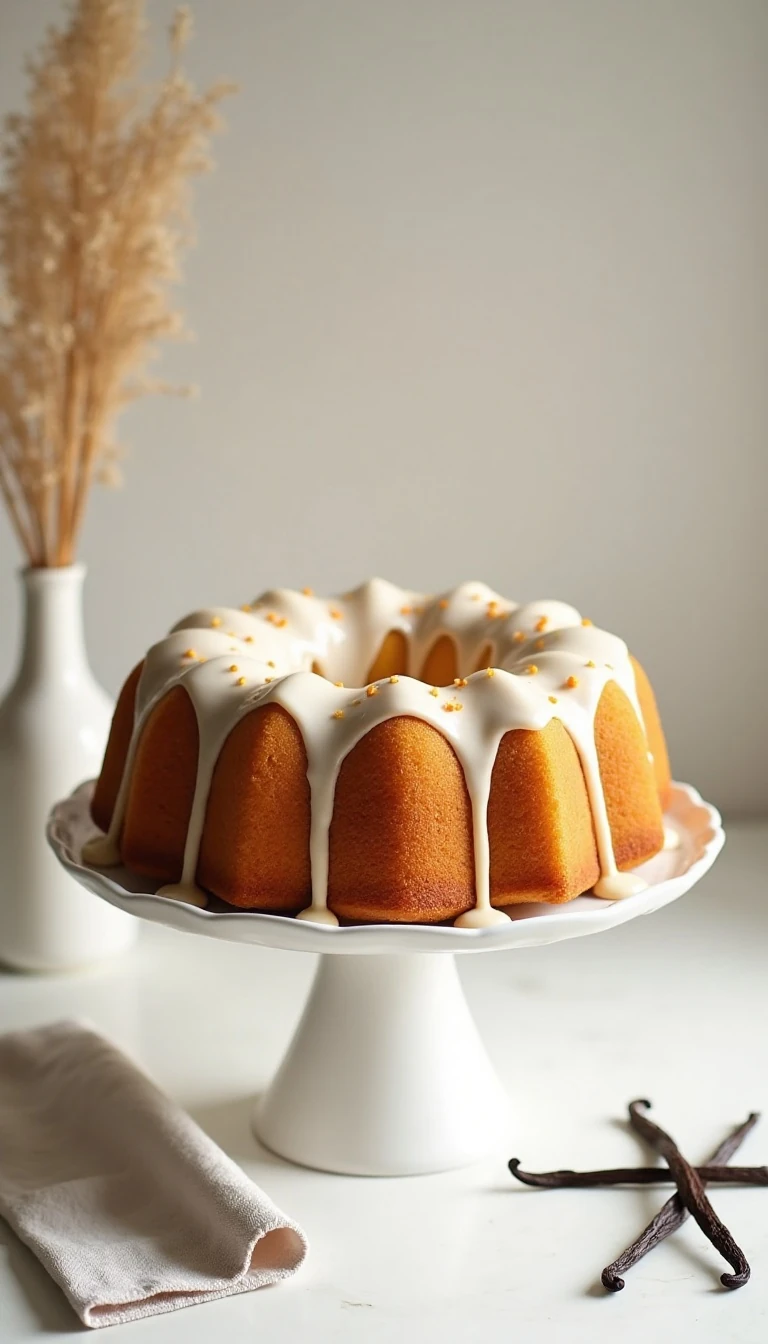
The Ultimate Triple Vanilla Pound Cake
Ingredients
Method
- Heat the oven to 325°F (165°C). Thoroughly grease and flour a 10-inch Bundt or tube pan, or coat it with baking-release spray containing flour.
- Whisk the flour, baking powder, and fine salt together in a medium bowl.
- Beat the softened butter and granulated sugar on medium speed for 4 to 5 minutes, until very light and fluffy. Scrape the bowl once or twice so the mixture creams evenly.
- Add the room-temperature eggs one at a time, beating well after each addition. Scrape down the bowl as needed before adding the next egg.
- Mix in the vanilla bean seeds, vanilla bean paste, and pure vanilla extract until evenly distributed.
- Add the dry ingredients in three additions, alternating with the milk in two additions. Mix only until the batter is smooth, taking care not to overmix after the flour goes in.
- Transfer the batter to the prepared pan and smooth the surface. Tap the pan lightly on the counter to remove large air pockets.
- Bake for approximately 75 to 90 minutes. Begin checking around 70 minutes, and remove the cake when a skewer inserted into the thickest part comes out clean or with a few moist crumbs.
- Cool the cake in the pan for 10 to 15 minutes, then carefully invert it onto a cooling rack. Let it cool completely, allowing about 2 hours total cooling time before glazing.
- Whisk the confectioners' sugar, 2 to 3 tablespoons of milk or heavy cream, vanilla extract, and a pinch of salt until pourable. Drizzle the glaze over the cooled cake and allow it to set before slicing.
Notes
Final Thoughts
This triple vanilla pound cake is a dependable classic with an especially generous vanilla character. The three-part combination of vanilla bean, vanilla bean paste, and pure vanilla extract makes every bite aromatic, while careful creaming and gentle mixing create the tender texture a great pound cake should have.
Give the cake time to cool before glazing, slice it generously, and serve it with coffee, berries, or ice cream. Once you make it, this golden Bundt cake is likely to become a favorite for holidays, birthdays, afternoon gatherings, and ordinary days that deserve a beautiful dessert.