This low-carb cauliflower ice cream is a creamy, no-churn dessert made with frozen cauliflower, full-fat coconut milk, almond butter, vanilla, and a keto-friendly sweetener. It takes about 5 to 10 minutes to blend, can be served immediately as soft serve, or frozen for approximately 2 to 4 hours until scoopable.
The finished dessert tastes like a lightly vanilla-scented coconut and almond ice cream, not a bowl of vegetables. Frozen cauliflower supplies body and volume while vanilla, salt, and almond butter round out the flavor, making this recipe keto, dairy-free, gluten-free, and vegan; for strict paleo preferences, choose a sweetener considered appropriate for your plan.
Jump to RecipeWhy You’ll Love This Recipe
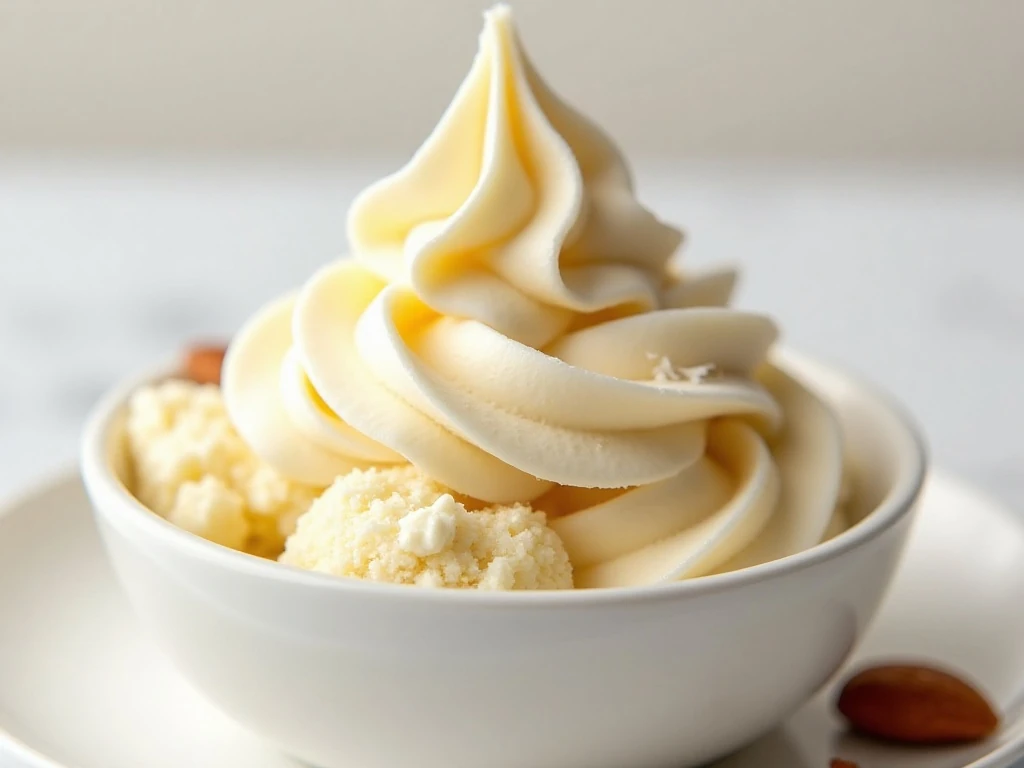
Cauliflower may seem like an unexpected ice cream ingredient, but frozen cauliflower has a remarkably mild flavor and a useful creamy texture once blended. It adds volume and body without requiring dairy, bananas, dates, or a large amount of sweetener.
This is a practical dessert for anyone following a low-carb, keto, vegan, or dairy-free eating style. It is also a helpful way to use frozen cauliflower rice when you want something sweet instead of another savory side dish.
The recipe is no-churn and requires no stovetop cooking when frozen cauliflower is ready to use. You simply blend the ingredients until smooth, then choose between an instant soft-serve texture and a firmer frozen scoop.
The flavor is softly nutty, creamy, and vanilla-forward. A small amount of sea salt keeps the sweetness balanced and helps the coconut and almond notes taste fuller.
If you are planning a complete low-carb menu, you might enjoy a savory starter such as this low-carb tomato soup before dessert.
Ingredients You’ll Need
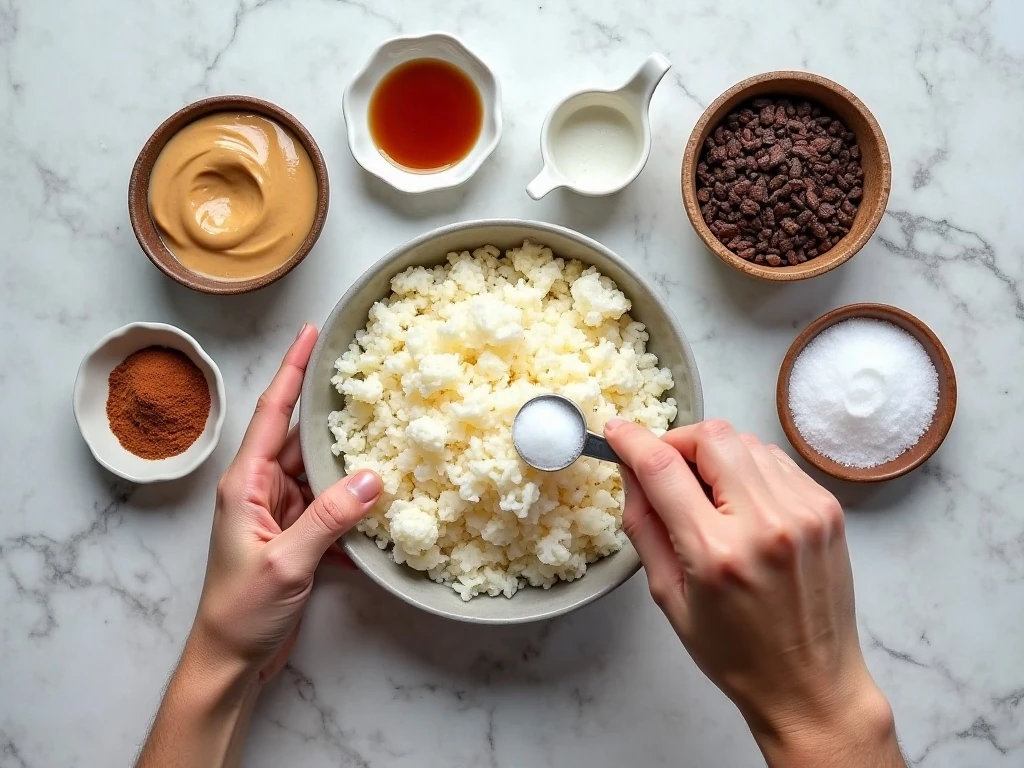
The base requires only six everyday ingredients. The quality and temperature of those ingredients matter more than the ingredient list suggests, especially because there is no custard base or ice cream machine to smooth the mixture.
- Frozen cauliflower: Use 2 cups of frozen florets or frozen cauliflower rice. Mild cauliflower rice is especially useful when you want the vegetable flavor to be difficult to detect.
- Full-fat coconut milk or coconut cream: Measure 1/2 cup. The higher fat content creates a richer, less icy mouthfeel than reduced-fat coconut milk.
- Keto-friendly sweetener: Use 1/4 cup powdered erythritol, monk-fruit sweetener, or another keto-friendly granulated sweetener. Powdered monk-fruit erythritol blends generally produce a smoother frozen texture.
- Almond butter: Two tablespoons add creaminess, gentle roasted flavor, and additional body.
- Vanilla extract: One teaspoon helps disguise any remaining cauliflower aroma and gives the dessert a classic ice cream character.
- Fine sea salt: Just 1/4 teaspoon sharpens the other flavors without making the ice cream taste salty.
For a chocolate variation, add 2 tablespoons of unsweetened cocoa powder. A small handful of sugar-free chocolate chips or cacao nibs adds a pleasant crunch, while 1/4 teaspoon xanthan gum can help create a softer, less icy texture.
For another chocolate-focused treat, visit this keto chocolate bark cupcake idea when you are planning a dessert table.
How to Make It Step-by-Step
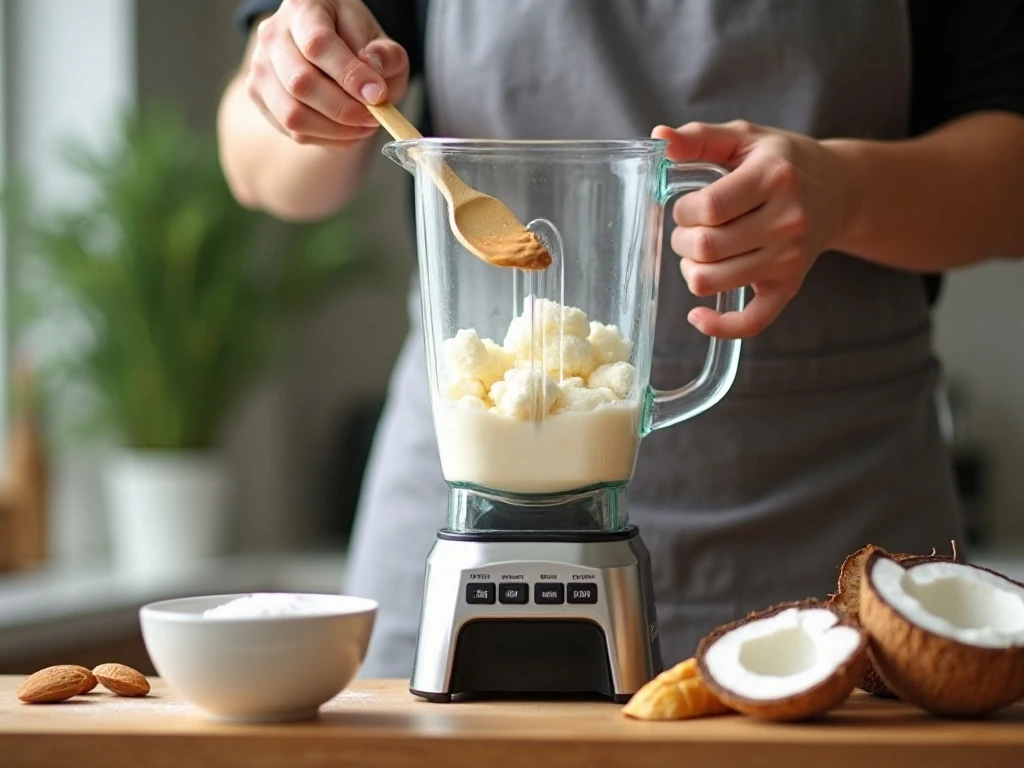
Step 1: Prepare the cauliflower if needed. If starting with fresh florets, steam them until tender, cool them completely, and freeze them in a single layer so the pieces do not form one solid block.
Step 2: Place the frozen cauliflower or frozen cauliflower rice into a high-powered blender or food processor. Add the coconut milk or coconut cream, sweetener, almond butter, vanilla extract, and fine sea salt around the frozen pieces.
Step 3: Blend the mixture until it becomes completely smooth and creamy. Pause as needed to scrape down the sides, and add only enough extra coconut milk to keep the blades moving; too much liquid can make the finished dessert icy.
Step 4: Stop and taste the blended base before freezing it. Add a little more sweetener or vanilla if desired, then blend again until the flavor is even and the texture has no visible cauliflower pieces.
Step 5: Add optional flavors if you like. Blend in 2 tablespoons of unsweetened cocoa powder for chocolate ice cream, pulse in a small handful of sugar-free chocolate chips or cacao nibs, or add 1/4 teaspoon xanthan gum for a softer texture.
Step 6: Serve the ice cream immediately if you prefer a thick, soft-serve-style dessert. Spoon it into chilled bowls and finish with cacao nibs, a light dusting of cocoa, or a few chopped almonds.
Step 7: For scoopable ice cream, transfer the mixture to a shallow freezer-safe container and smooth the surface. Freeze it for approximately 2 to 4 hours, depending on the container depth and freezer temperature.
Step 8: Stir the mixture once or twice during the first hour if possible. This simple step breaks up forming ice crystals and helps the final texture stay smoother.
Step 9: Let firm-frozen ice cream rest at room temperature for about 10 to 15 minutes before scooping. Use a sturdy spoon or scoop, and return the container to the freezer promptly after serving.
Pro Tips for Creamy Cauliflower Ice Cream
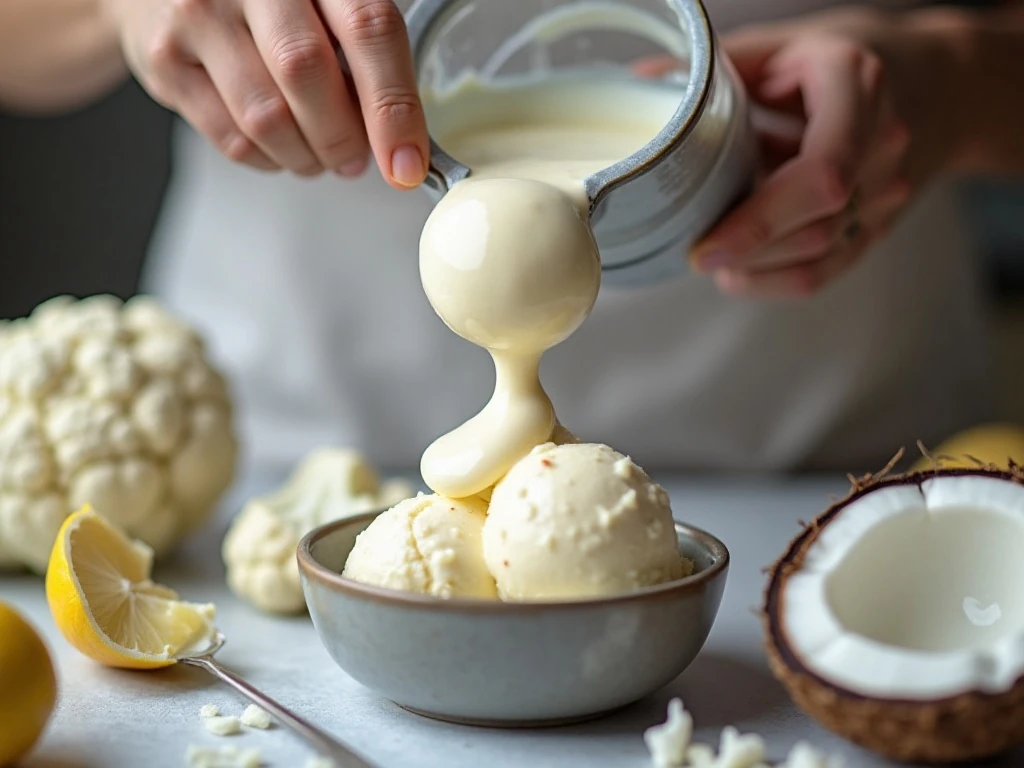
Use full-fat canned coconut milk or the solid coconut cream from a chilled can. Reduced-fat coconut milk contains more water relative to fat, which can leave the dessert noticeably more icy.
Freeze the cauliflower thoroughly before blending. Partially chilled or freshly cooked cauliflower can make the base watery and may leave a stronger vegetable aroma.
Frozen cauliflower rice is convenient because it usually blends faster than large florets. If using florets, choose small pieces or break larger pieces apart before adding them to the blender.
Keep the added liquid controlled. The mixture should move through the blender, but it should remain thick enough to hold soft-serve peaks when blending is complete.
Sweetener choice affects the frozen texture. Erythritol can become somewhat firm or grainy when frozen, while a powdered monk-fruit erythritol blend generally gives a smoother result.
Vanilla and salt are not background ingredients here. Together they help cover the mild cauliflower aroma and make the dessert taste more like a composed frozen treat.
If your blender struggles, stop the machine, scrape the sides, and allow the mixture to sit for a minute or two before trying again. Avoid pouring in a large amount of coconut milk all at once.
For a more chocolate-rich version, use the cocoa addition and cacao nibs together. The cocoa masks the vegetable note, while the nibs provide a roasted contrast to the creamy base.
Texture, Flavor, and Serving Ideas
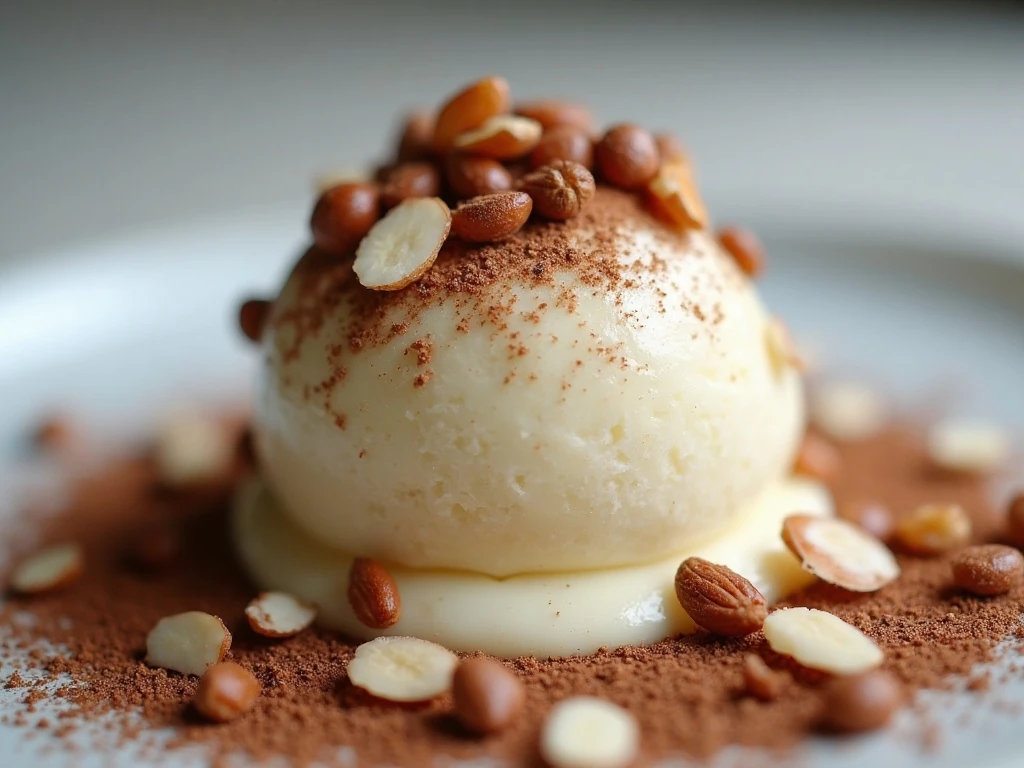
The freshly blended texture is thick and spoonable, similar to soft serve. After freezing, it becomes firmer and more scoopable, but it will not have exactly the same elasticity as a traditional egg-and-cream ice cream.
Serve small scoops in chilled bowls with cacao nibs, unsweetened coconut flakes, chopped almonds, or a dusting of unsweetened cocoa powder. Keep toppings modest so the dessert remains low in sugar and the vanilla-coconut base stays noticeable.
A spoonful of almond butter swirled through the finished ice cream creates a simple nut-butter variation. You can also divide the blended mixture in half and make one vanilla portion and one chocolate portion for a two-tone dessert.
This cool dessert pairs nicely with crisp, bright flavors. For a separate low-carb baking idea with berries and citrus, see these blueberry lemon bars.
Although the ice cream is naturally suited to dessert, it can also be part of a casual make-ahead spread. Consider serving it after a savory meal that includes pan-seared scallops with bacon and fennel cream sauce, keeping the portions of both courses balanced.
Storage and Serving Notes
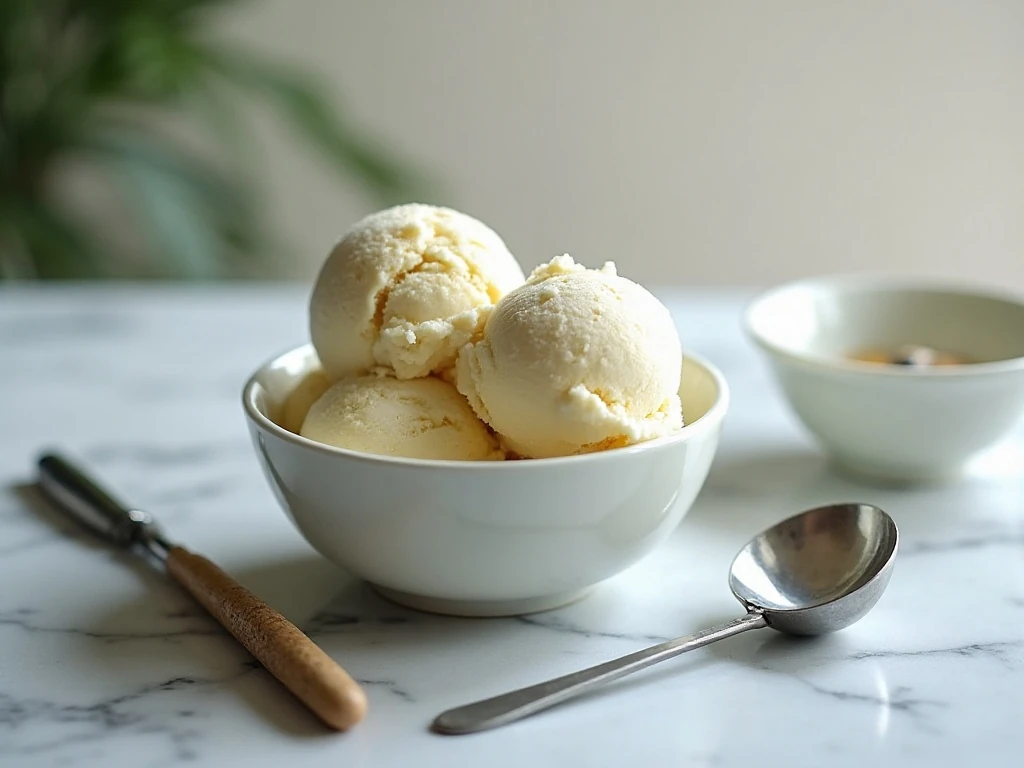
Store the ice cream in a shallow, freezer-safe container with a well-fitting lid. A shallow layer freezes more evenly and is easier to scoop than a deep, narrow container.
The dessert is best when served after a brief rest at room temperature. If it has frozen very hard, the full 10 to 15 minutes may be useful before serving.
Stirring once or twice during the first hour is one of the simplest ways to reduce ice crystals. This is particularly helpful when using erythritol or when your freezer runs especially cold.
Do not add extra coconut milk simply to make the mixture pourable. The base should be blended thick, because excess liquid is one of the main causes of a hard, icy result.
For a savory low-carb breakfast or brunch option to enjoy on another day, try these keto Asiago bagels. They make a useful contrast to this lightly sweet frozen dessert.
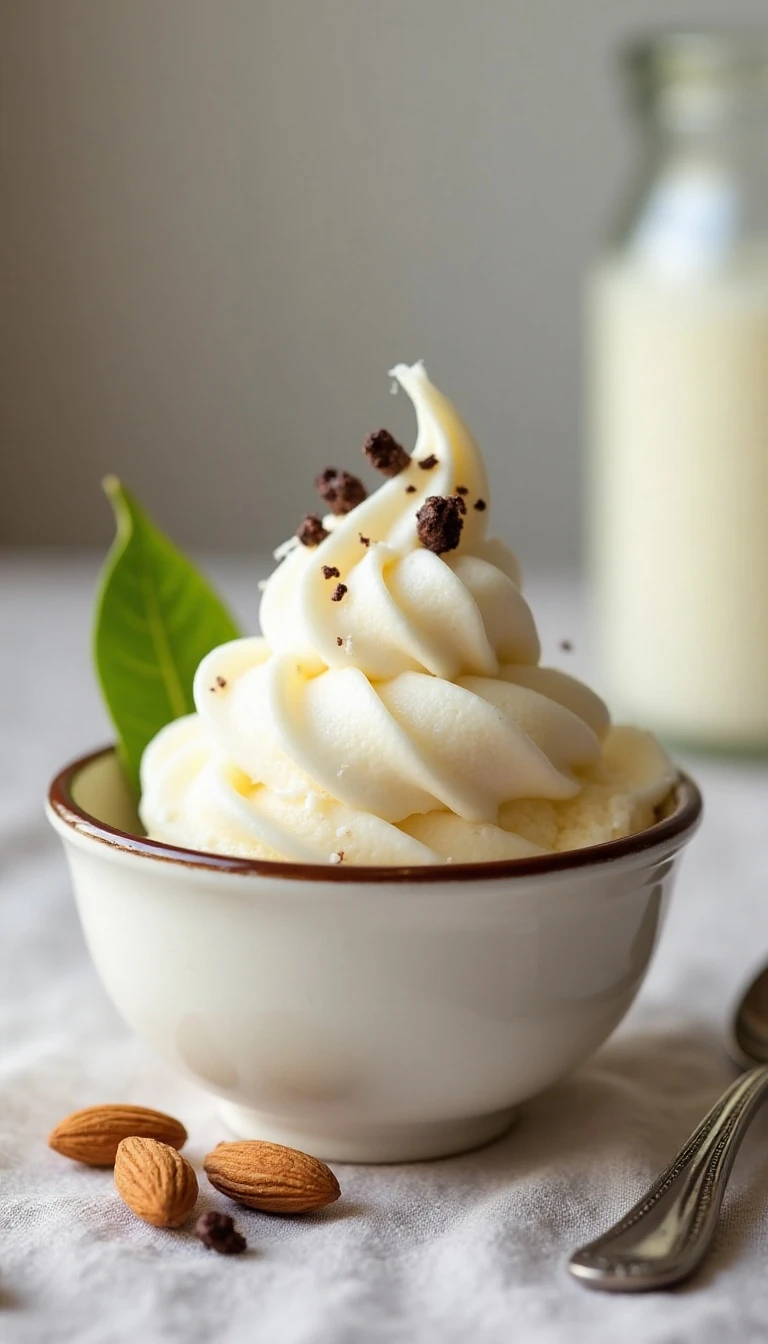
Low-Carb Cauliflower Ice Cream (Keto, Paleo & Vegan)
Ingredients
Method
- If using fresh cauliflower, steam it until tender, cool it completely, and freeze it in a single layer. Frozen cauliflower rice can be used directly.
- Add the frozen cauliflower, coconut milk or coconut cream, sweetener, almond butter, vanilla, and sea salt to a high-powered blender or food processor.
- Blend until completely smooth and creamy, stopping to scrape down the sides as needed. Add only enough additional coconut milk to keep the mixture moving.
- Taste the mixture and adjust the sweetener or vanilla if needed. Blend in cocoa powder, cacao nibs, sugar-free chocolate chips, or xanthan gum if using.
- Serve immediately for a soft-serve-style dessert, or transfer the mixture to a shallow freezer-safe container and freeze until firm, approximately 2 to 4 hours.
- If the ice cream freezes hard, let it stand at room temperature for about 10 to 15 minutes before scooping. Stirring it once or twice during the first hour can help reduce ice crystals.
Notes
Final Thoughts
Low-carb cauliflower ice cream is proof that an inventive ingredient can create a genuinely enjoyable dessert. Frozen cauliflower stays in the background while coconut cream, almond butter, vanilla, and salt provide the creamy, familiar flavor you want from a scoop of ice cream.
Blend it and eat it right away for soft serve, or freeze it in a shallow container for approximately 2 to 4 hours. With full-fat coconut milk, thoroughly frozen cauliflower, and a powdered sweetener, you can make a smooth, refreshing treat that fits many keto, vegan, dairy-free, and paleo-minded menus.
Start with the vanilla version, then try the cocoa variation with cacao nibs when you want a deeper chocolate finish. The recipe is quick to prepare, easy to customize, and especially satisfying when served in small chilled bowls straight from the freezer.