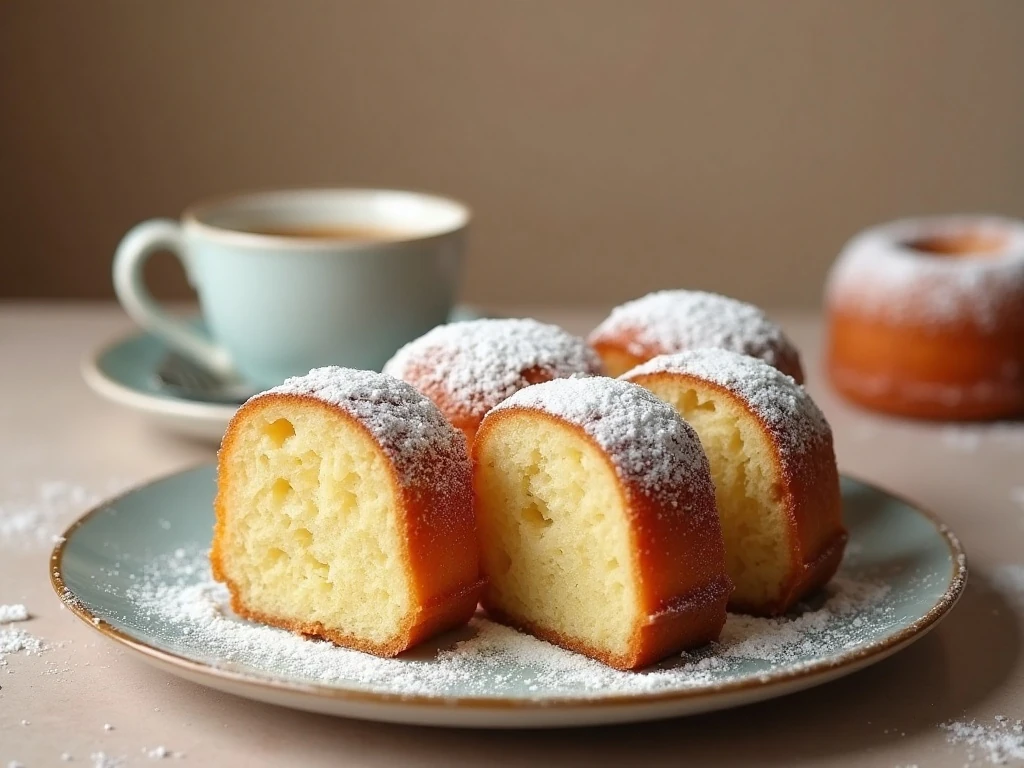
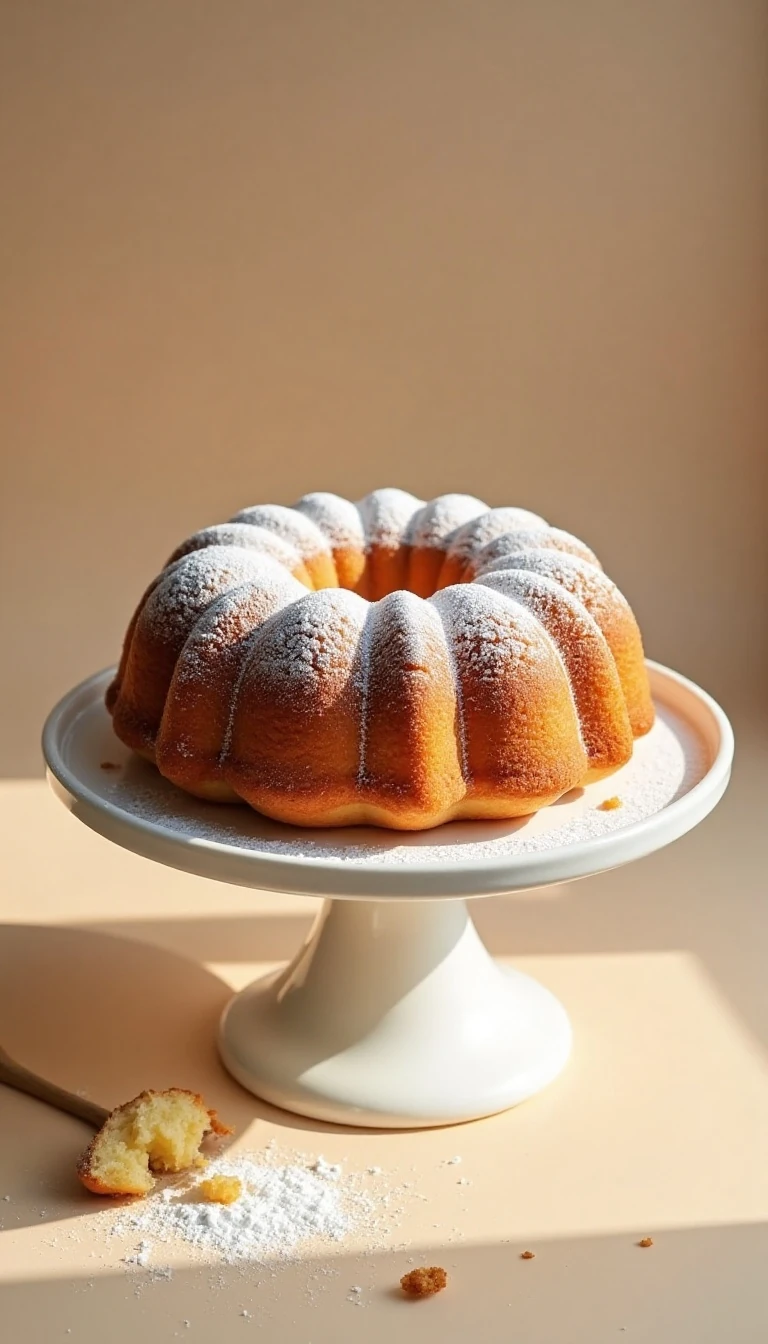
This Easy Powdered Sugar Doughnut Cake is a tender scratch Bundt cake that tastes like a classic old-fashioned doughnut in sliceable cake form. Made with butter, buttermilk, vanilla, and a touch of nutmeg, it bakes in 35–45 minutes and serves 10–12 people.
The finish could not be simpler: let the cake cool completely, then sift powdered sugar generously over the top. Each slice has a soft, buttery crumb, lightly spiced flavor, golden edges, and a snowy coating that makes this an excellent dessert for brunches, holidays, afternoon coffee, or casual family gatherings.
Jump to RecipeWhy You’ll Love This Recipe
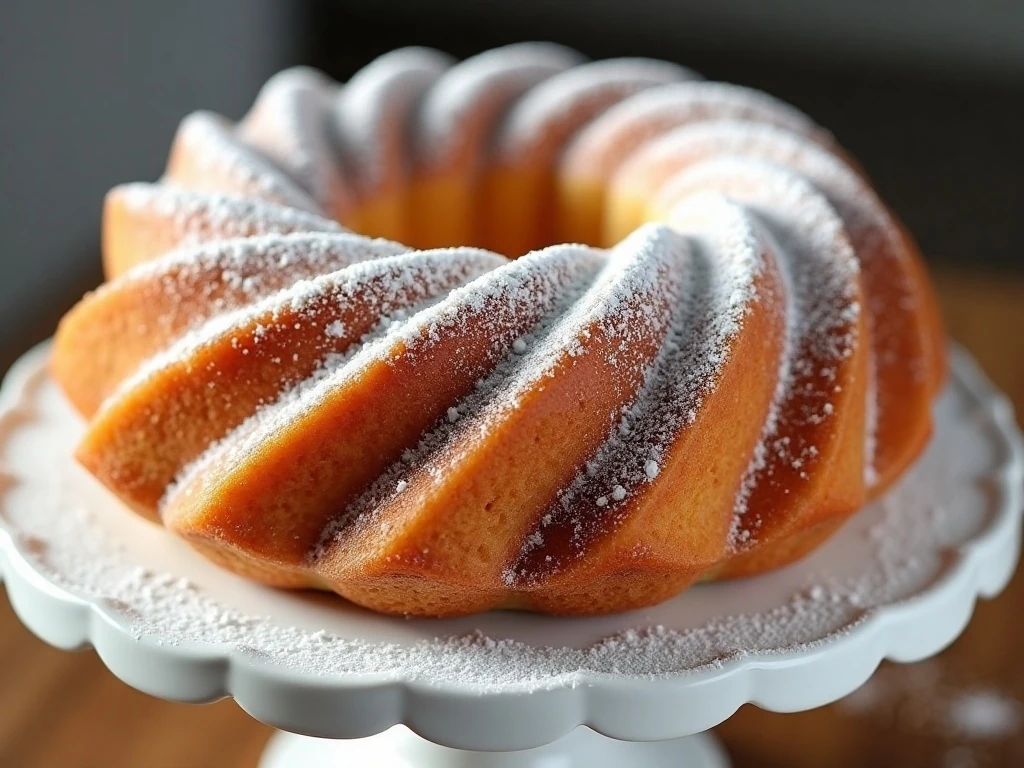
This cake brings the familiar comfort of a bakery doughnut to a simple Bundt pan. It has a delicate crumb rather than a heavy one, with buttery richness and just enough nutmeg to suggest the flavor of a traditional old-fashioned doughnut.
There is no yeast, frying, rolling, or cutting involved. Once the batter is mixed, it goes straight into the pan, making this a practical choice when you want a homemade dessert without a long list of complicated steps.
- Easy preparation: The batter follows a classic creaming method and comes together in one main mixing bowl.
- Great for sharing: One cake yields 10–12 servings, so it works well for brunch, potlucks, and celebrations.
- Simple finish: Powdered sugar adds sweetness and a pretty bakery-style appearance without requiring a glaze.
- Make-ahead friendly: The cake can cool completely before serving, which makes timing dessert easier.
If you enjoy powdered-sugar pastries, you may also like our easy beignets, another soft and comforting treat with a generous dusting of sugar.
Ingredients You’ll Need
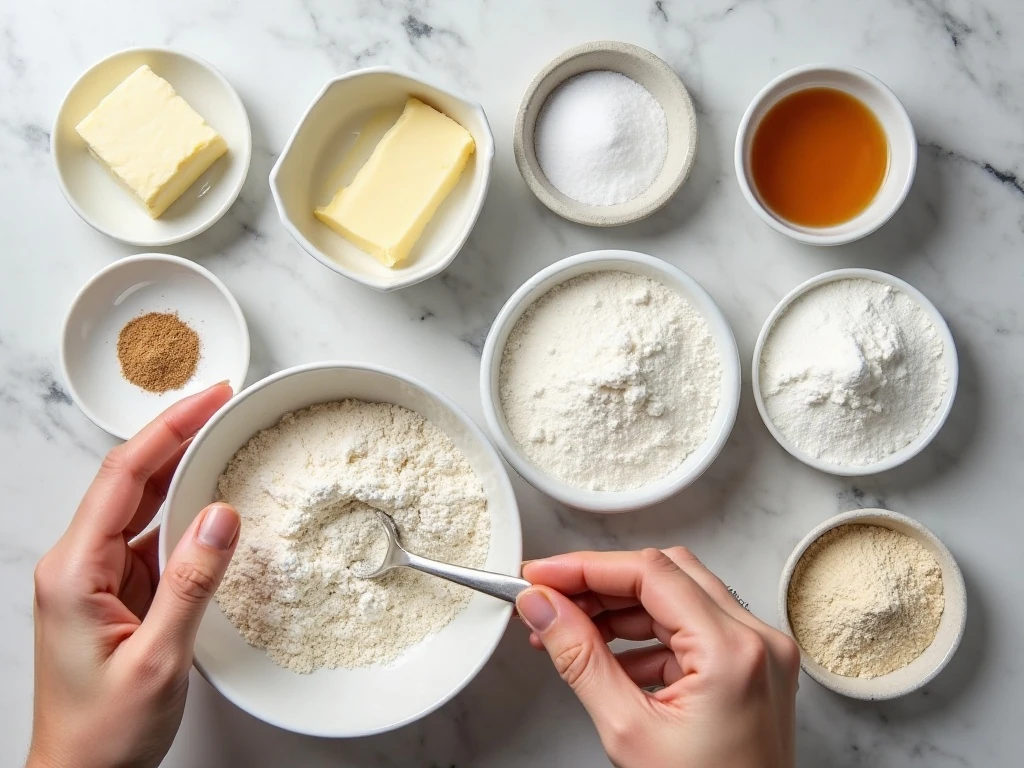
The ingredient list is short, but each item has an important job. All-purpose flour supplies structure, while baking powder and baking soda help the cake rise and keep the crumb tender.
Unsalted butter gives you control over the salt level and creates a rich base when creamed with granulated sugar. Use butter that is softened but not melted; it should yield slightly when pressed with a fingertip.
Room-temperature eggs blend more smoothly into the creamed butter and sugar. Buttermilk adds moisture and a mild tang, while vanilla rounds out the flavor and nutmeg provides the recognizable old-fashioned doughnut note.
- Measure the flour carefully, preferably by weight, or lightly spoon it into measuring cups and level the tops.
- Use fresh baking powder and baking soda for dependable lift.
- Choose finely ground nutmeg for an even flavor throughout the cake.
- Keep approximately 1/2 cup, or 60 g, of powdered sugar ready for the finish, adding more if you want a thicker coating.
For another sweet recipe with warm spice appeal, keep our pumpkin pie spice sugar in mind for a future baking project. It is not needed for this cake, but it is a useful pantry idea for other desserts.
How to Make It Step-by-Step
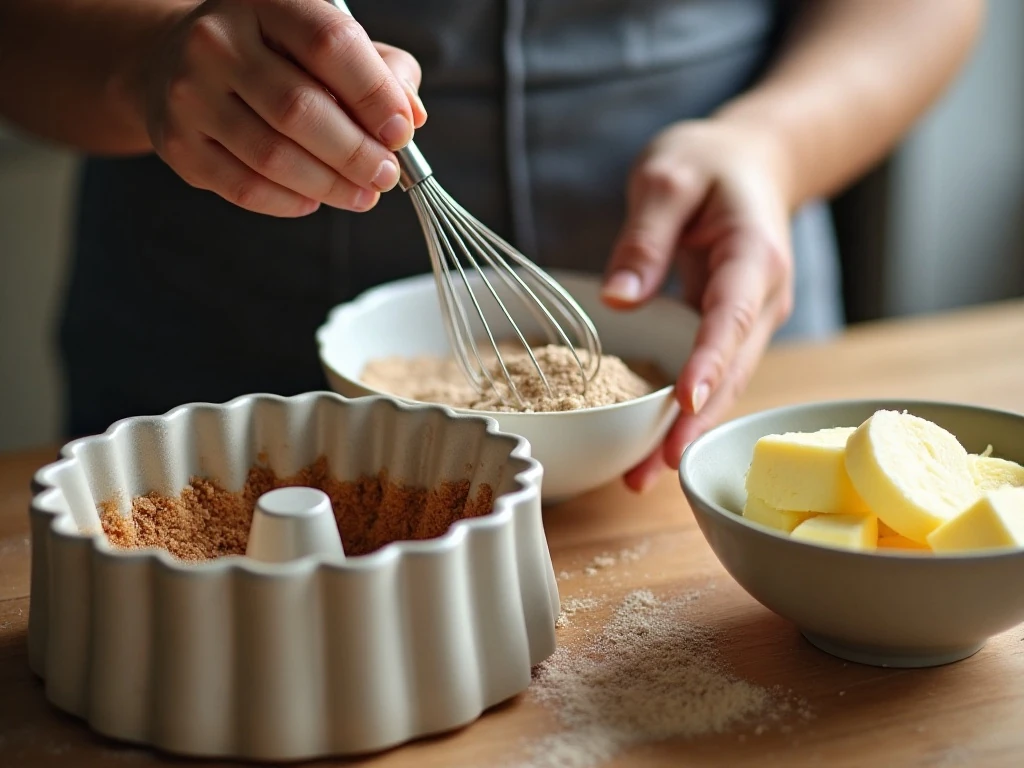
Step 1: Heat the oven to 350°F (175°C). Generously grease and flour a 10- to 12-cup Bundt pan, taking extra care around the central tube and decorative grooves because those areas are the most likely to hold onto cake.
Step 2: Whisk the flour, baking powder, baking soda, salt, and nutmeg in a bowl. This distributes the leaveners and spice before they meet the wet ingredients, helping the finished cake rise evenly.
Step 3: Place the softened butter and granulated sugar in a large bowl and beat for about 2–3 minutes. Stop when the mixture looks light and fluffy, since this creaming step helps create the cake’s tender texture.
Step 4: Beat in the eggs one at a time, allowing each egg to incorporate before adding the next. Mix in the vanilla afterward, scraping down the bowl if butter or sugar remains around the sides.
Step 5: Add the dry ingredients in three additions, alternating with the buttermilk in two additions. Begin and end with the dry ingredients, and mix only until no obvious streaks remain so the cake does not become tough.
Step 6: Spoon the batter into the prepared Bundt pan and smooth the top with a spatula. Gently settle the batter into the grooves without packing it down or knocking out more air than necessary.
Step 7: Bake for 35–45 minutes, checking near the center with a toothpick. The cake should be golden, and the toothpick should come out clean or with a few moist crumbs rather than wet batter.
Step 8: Let the cake cool in the pan for 10–15 minutes, then invert it onto a cooling rack. Wait until it is completely cool before dusting generously with powdered sugar, because sugar placed on a warm cake can melt into the surface.
Pro Tips for a Perfect Bundt Cake

Pan preparation is the most important insurance against sticking. Grease the pan generously, brush into the grooves, and dust it with flour; baking spray containing flour is often especially reliable for detailed Bundt pans.
Do not rush the butter-and-sugar step. Two to three minutes of beating introduces air, but the butter must be softened first so it can blend properly rather than leaving dense pockets in the batter.
Alternating the dry ingredients and buttermilk helps maintain a smooth batter. Mix on low or by hand once the flour is added, and stop as soon as everything is combined.
Nutmeg should be noticeable but not overpowering. The recipe uses 1/4 teaspoon for a light, classic flavor, though it can be increased to 1/2 teaspoon if you prefer a more pronounced old-fashioned doughnut taste.
- Let the eggs and buttermilk come to room temperature before mixing.
- Do not open the oven repeatedly during the first part of baking.
- Test the cake near the center, where the thickest portion usually needs the most time.
- Allow the cake to cool completely before applying the powdered sugar.
For a savory baking project to balance your dessert plans, see our easy roasted potatoes. It is a helpful side dish for a brunch or family meal where this cake can be served afterward.
Serving, Storage, and Variations
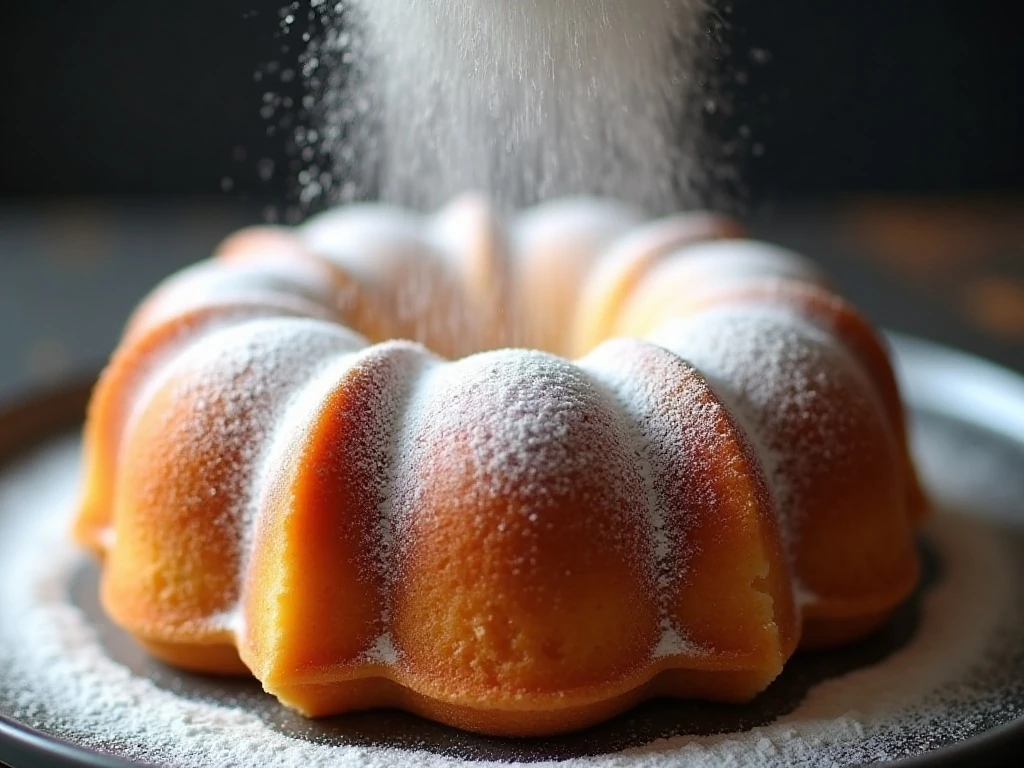
Serve slices plain with coffee, tea, or a cold glass of milk. The snowy powdered sugar is enough decoration, but you can sift it over the cake immediately before serving for the brightest finish.
Keep the completely cooled cake covered at room temperature for up to 3 days. If the sugar disappears slightly into the surface over time, add a fresh light dusting just before serving.
This recipe is best kept close to its simple design, but a few gentle serving ideas work beautifully. Add fresh berries beside each slice, spoon a little softly whipped cream onto the plate, or serve small pieces as part of a dessert table.
Do not add cinnamon, sour cream, or a glaze unless you are intentionally making a variation, since those ingredients change the flavor or texture from the tested base recipe. The plain powdered-sugar finish lets the butter, buttermilk, vanilla, and nutmeg remain the focus.
If you are planning a fruit-forward dessert spread, our easy peach bread and mandarin orange dessert offer two different ways to add bright fruit flavors alongside this warmly spiced cake.
Easy Powdered Sugar Doughnut Cake
Ingredients
Method
- Heat the oven to 350°F (175°C). Generously grease and flour a 10- to 12-cup Bundt pan, carefully coating the central tube and every decorative groove.
- Whisk the flour, baking powder, baking soda, salt, and nutmeg together in a medium bowl until evenly combined.
- Beat the softened butter and granulated sugar for about 2–3 minutes, until the mixture looks pale, light, and fluffy.
- Beat in the eggs one at a time, mixing after each addition, and then blend in the vanilla extract.
- Add the dry ingredients in three additions, alternating with the buttermilk in two additions. Mix only until combined, taking care not to overbeat the batter.
- Transfer the batter to the prepared Bundt pan and smooth the top so it sits evenly in the pan.
- Bake for 35–45 minutes, until the cake is golden and a toothpick inserted near the center comes out clean or with a few moist crumbs.
- Cool the cake in the pan for 10–15 minutes, then invert it onto a rack. Cool completely before sifting powdered sugar generously over the surface.
Notes
Final Thoughts
This Easy Powdered Sugar Doughnut Cake is proof that a modest ingredient list can produce an especially memorable dessert. The Bundt shape gives every slice attractive ridges, while the tender buttermilk crumb and subtle nutmeg bring the cozy flavor of an old-fashioned doughnut.
For the best result, prepare the pan carefully, use room-temperature ingredients, avoid overmixing, and let the cake cool completely before adding powdered sugar. Once sliced, it is ready for a relaxed breakfast table, an afternoon treat, or a simple dessert that looks beautiful without a complicated topping.
Make it when you want a reliable homemade cake with a soft crumb and familiar flavor. One generous sift of powdered sugar is all it needs to become a welcoming centerpiece.