This Apple Cider Doughnut Loaf Cake is a tender, warmly spiced loaf made with concentrated apple cider, sour cream, cinnamon, and nutmeg, then brushed with melted butter and covered in cinnamon sugar. The recipe makes one standard 9 x 5-inch loaf, serving 8 to 10 people, with about 20 minutes of preparation, 10 to 15 minutes for the cider reduction, and 50 to 60 minutes of baking.
Every slice has the comforting flavor of a classic apple cider doughnut, but the loaf-pan format makes it simple to bake, slice, and share. Reducing the cider first gives the cake a clear apple flavor, while the buttery cinnamon-sugar topping creates the crisp, doughnut-like finish that makes this dessert especially tempting.
Jump to RecipeWhy You’ll Love This Recipe
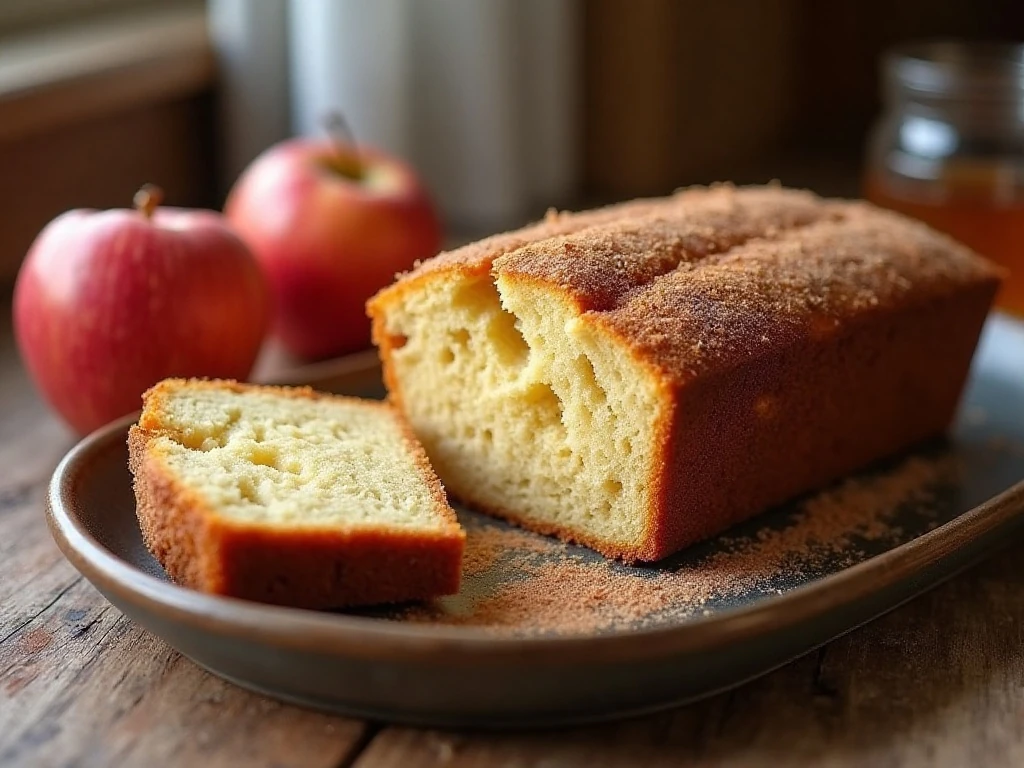
This loaf has all the cozy appeal of an apple cider doughnut without requiring a deep fryer, special doughnut pan, or batch-by-batch cooking. The batter comes together in mixing bowls, and the finished cake is easy to transport to a brunch, bake sale, family gathering, or autumn dinner.
The flavor is both familiar and layered. Concentrated apple cider brings fruity sweetness, cinnamon and nutmeg add gentle warmth, and sour cream or full-fat yogurt keeps the crumb soft and tender.
The topping is the finishing touch that makes this loaf taste like a doughnut. Melted butter gives the surface a little richness, while cinnamon sugar adds a delicate crunch and a fragrant, bakery-style crust.
If you are planning a seasonal dessert table, this loaf pairs nicely with smaller apple treats such as our mini caramel apple pops. Together, they offer contrasting textures while keeping the apple theme going.
Ingredients You’ll Need
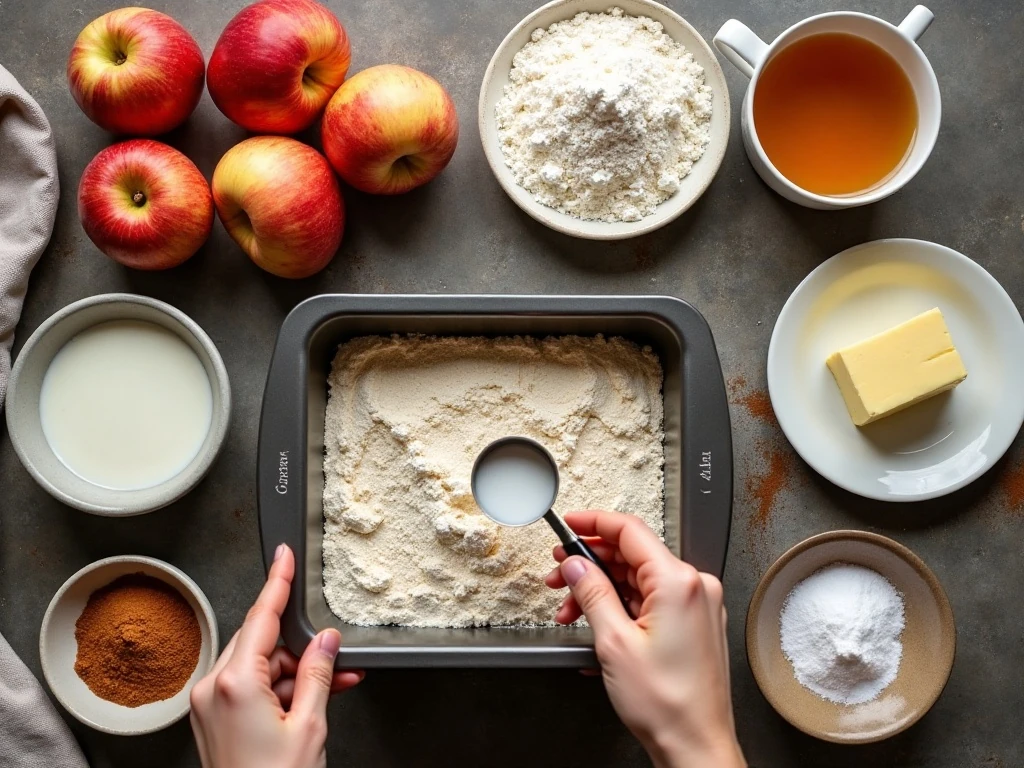
The recipe starts with 1 1/2 cups of apple cider, which is simmered until only 1 cup remains. This reduction is essential because it concentrates the cider’s flavor while removing enough water to keep the loaf from becoming wet or gummy.
For the dry ingredients, use 2 cups (250 g) of all-purpose flour, 1 1/2 teaspoons baking powder, 1/2 teaspoon baking soda, 1 teaspoon fine salt, 1 1/2 teaspoons ground cinnamon, and 1/4 teaspoon ground nutmeg. The two leaveners provide the loaf’s lift, while the spices bring the recognizable doughnut-shop aroma.
The wet ingredients include 1/2 cup melted unsalted butter, 1 cup granulated sugar, 2 room-temperature eggs, 1 teaspoon vanilla extract, 1/2 cup sour cream or plain full-fat yogurt, and the cooled 1 cup cider reduction. Room-temperature eggs blend more smoothly, and the dairy adds moisture without making the batter thin.
For the topping, set aside 2 tablespoons melted unsalted butter, 1/4 cup granulated sugar, and 1/2 teaspoon ground cinnamon. The topping is intentionally simple, allowing the apple cider and warm spices to remain the main flavors.
- Use a standard 9 x 5-inch loaf pan.
- Have parchment paper ready for easy removal.
- Use a kitchen scale for the flour when possible.
- Keep the cider reduction completely cool before mixing.
For another dessert with a rich, layered presentation, you may also enjoy this pineapple upside-down cheesecake cake. It is a different flavor profile, but it is equally suited to celebrations and generous slices.
How to Make It Step-by-Step
Step 1: Pour the apple cider into a small saucepan and bring it to a steady simmer over medium heat. Cook for about 10 to 15 minutes, stirring occasionally, until the volume has reduced from 1 1/2 cups to 1 cup, then set it aside to cool completely.
Step 2: Heat the oven to 350°F (175°C), then grease a standard 9 x 5-inch loaf pan. Line it with parchment, leaving enough overhang on the long sides to lift the baked loaf out easily.
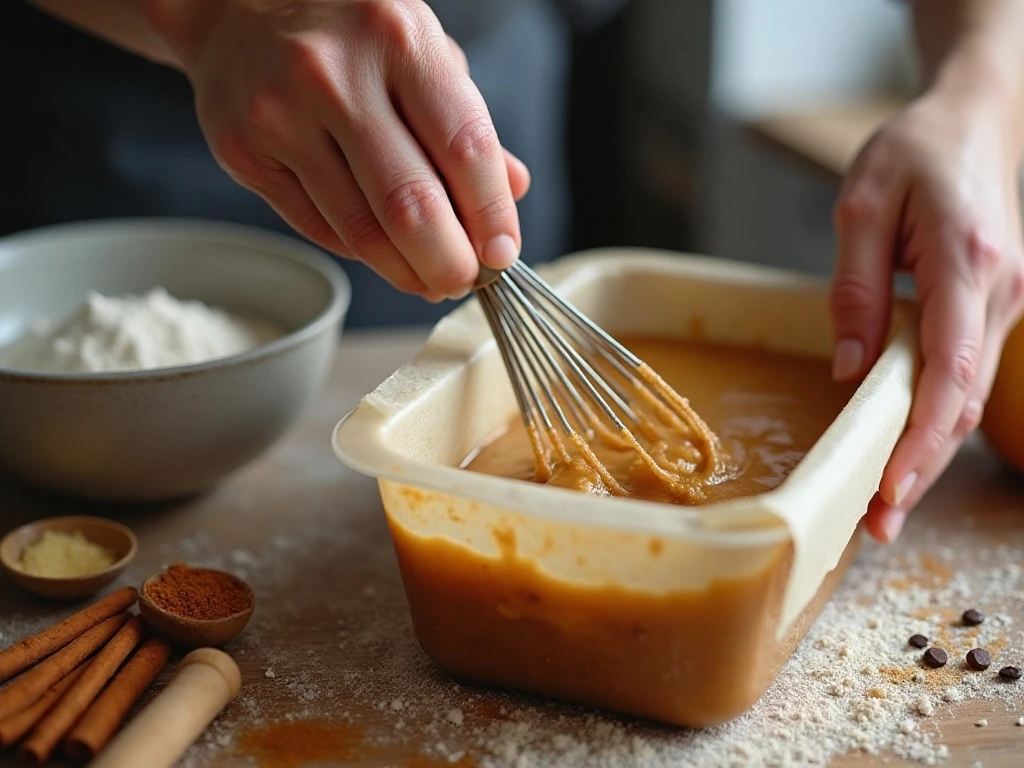
Step 3: Add the flour, baking powder, baking soda, salt, cinnamon, and nutmeg to a medium bowl. Whisk thoroughly so the leaveners and spices are distributed evenly throughout the flour.
Step 4: In a separate large bowl, whisk the melted butter and granulated sugar until well combined. Beat in the eggs one at a time, mixing after each addition, then whisk in the vanilla and sour cream or full-fat yogurt.
Step 5: Pour the cooled cider reduction into the wet ingredients and whisk until the mixture is uniform. Make sure the cider is not warm, since hot liquid can affect the texture of the batter and may partially cook the eggs.
Step 6: Add the dry ingredients to the wet mixture and fold with a spatula just until no dry streaks remain. Stop mixing as soon as the flour disappears, because overmixing can make the loaf dense instead of tender.
Step 7: Scrape the batter into the prepared loaf pan and smooth the top. Bake for 50 to 60 minutes, checking near the end of the baking window with a toothpick inserted into the center.
Step 8: Remove the cake when the toothpick comes out clean or with a few moist crumbs attached. Let it cool in the pan for about 15 minutes, then use the parchment to transfer it to a wire rack.
Step 9: Let the loaf cool completely, or leave it just slightly warm for the topping stage. Brush the top with the 2 tablespoons of melted butter, mix the 1/4 cup sugar with 1/2 teaspoon cinnamon, and sprinkle the mixture generously over the buttered surface.
Pro Tips for a Tender Loaf
Do not skip the cider reduction. Using the full amount of unreduced cider would add too much liquid, which can leave the center gummy and weaken the loaf’s structure.
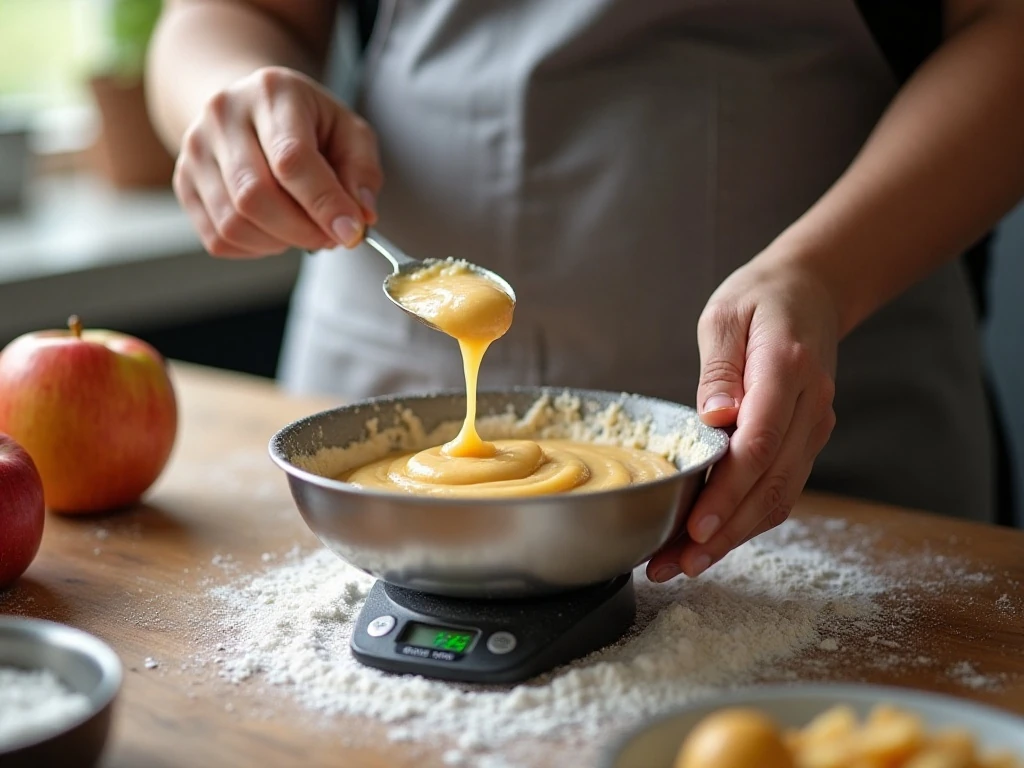
Flour measurement matters. Weighing the flour is the most reliable method, but if you use cups, spoon the flour into the measuring cup and level it with a straight edge rather than scooping directly from the bag.
Allow the melted butter to cool slightly before combining it with the eggs. It should still be liquid but not hot, and this small pause helps the batter stay smooth.
Fold gently and stop promptly. A few tiny streaks that disappear with the final fold are preferable to a heavily mixed batter, which may bake up firm or rubbery.
Apply the topping while the loaf is still slightly warm. The butter spreads more easily, and the cinnamon sugar adheres to the surface instead of falling away in a loose layer.
For a polished finish, brush the butter evenly from edge to edge before sprinkling the sugar. Let the loaf sit for several minutes after topping so the crust can set before slicing.
Serving Suggestions
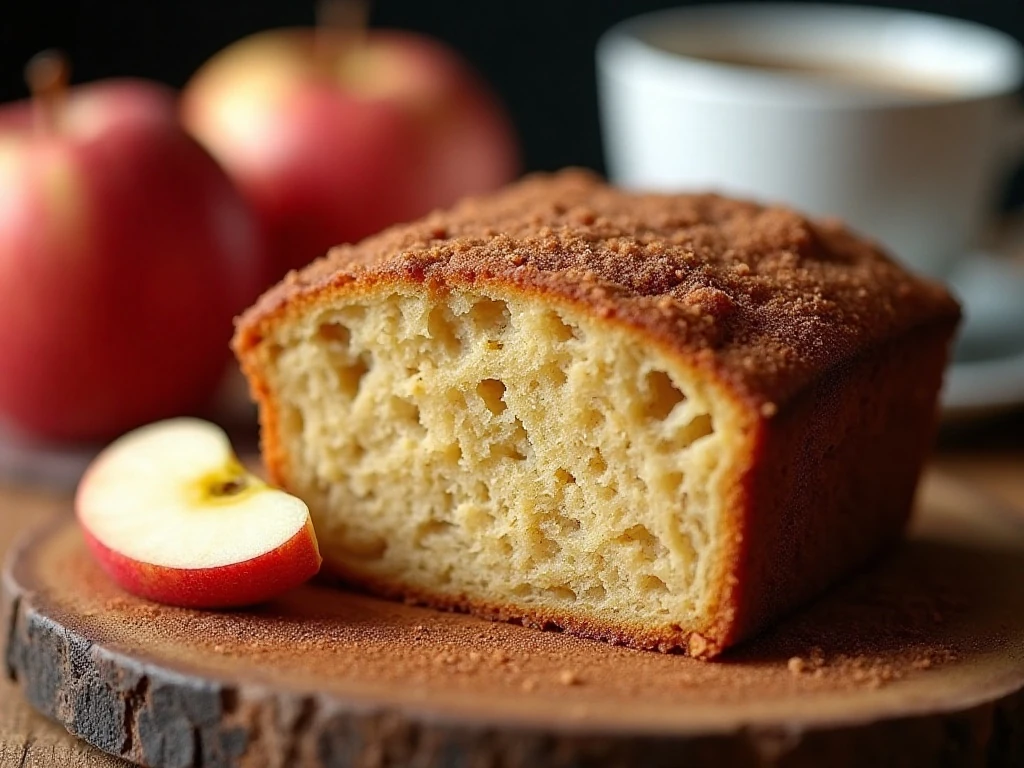
Slice the loaf with a sharp serrated knife once it has cooled enough to hold its shape. The cake is delicious on its own, but it is also excellent with coffee, chai, hot tea, or a cold glass of apple cider.
For dessert, serve each slice with a spoonful of softly whipped cream or a small scoop of vanilla ice cream. Keep additions modest so the cinnamon-sugar crust and concentrated apple flavor remain noticeable.
This loaf is especially welcome at breakfast gatherings because it feels like a pastry while slicing and serving like cake. Place it on a wooden board with apple wedges, cinnamon sticks, and mugs of warm drinks for a welcoming seasonal spread.
If your guests prefer chocolate desserts too, add a second option such as this chocolate coconut almond poke cake. The contrast between that rich, moist cake and this spiced apple loaf makes a varied dessert table.
Storage and Make-Ahead Advice
Once completely cool, keep the loaf tightly covered at room temperature for up to 2 days. The topping is at its crispest on the first day, but the cake remains soft and flavorful after being covered.
For longer storage, refrigerate the covered loaf. Bring slices toward room temperature before serving so the butter-based crumb softens and the cider flavor becomes more pronounced.
You can bake the loaf ahead for a gathering and add the butter and cinnamon-sugar topping when it is slightly warm after baking. If the cake has already cooled, warm individual slices gently before serving, then add a small fresh sprinkle of cinnamon sugar if desired.
Freeze the unfrosted, fully cooled loaf well wrapped for longer storage. Thaw it while still wrapped to reduce condensation on the surface, then brush and top it shortly before serving.
For another indulgent make-ahead cake, consider our Biscoff poke cake. It offers a creamy cookie-spiced option alongside the crisp cinnamon finish of this apple cider loaf.
Common Questions
Can I use plain yogurt instead of sour cream? Yes. Use 1/2 cup (120 g) plain full-fat yogurt in the same amount as the sour cream.
Why does the cider need to cool? The cider reduction should be completely cooled before it is mixed into the eggs, butter, and dairy. This keeps the batter balanced and prevents the warm liquid from changing the texture of the mixture.
How do I know when the loaf is done? Begin checking at 50 minutes. A toothpick inserted into the center should come out clean or with a few moist crumbs, rather than wet batter.
Can I skip the topping? The loaf will still bake successfully, but the butter and cinnamon sugar provide the characteristic apple cider doughnut finish. For the closest doughnut-inspired result, apply both while the cake is slightly warm.
What should I do if the top browns early? Continue following the baking instructions and check the center near the end of the 50 to 60 minute window. If needed, loosely cover the top with foil during the remaining baking time while keeping the loaf in the oven until the center tests done.
For a traditional crumb-topped companion dessert, see our best ever crumb cake. Its generous crumb topping makes it another dependable choice for coffee service.
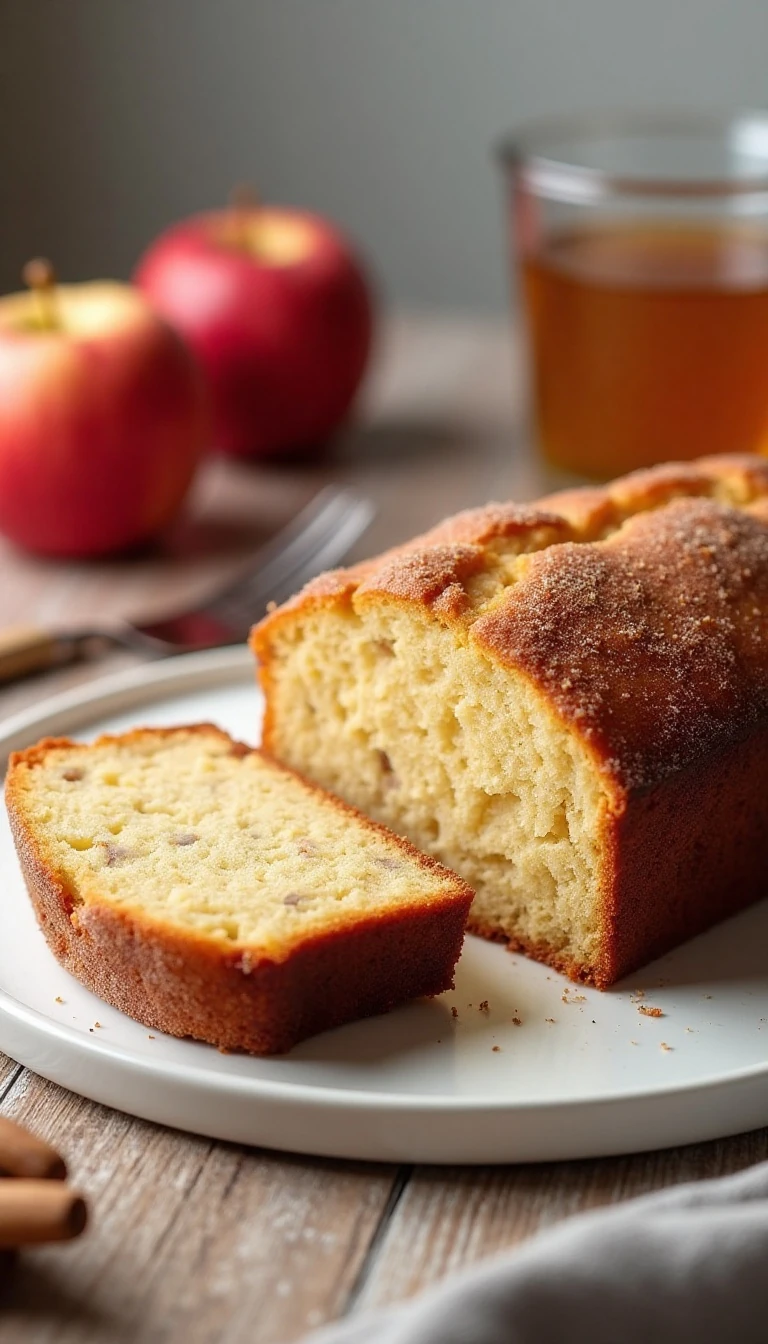
Apple Cider Doughnut Loaf Cake
Ingredients
Method
- Reduce 1 1/2 cups apple cider in a small saucepan over medium heat until 1 cup remains, about 10 to 15 minutes. Cool completely.
- Heat the oven to 350°F (175°C). Grease and parchment-line a 9 x 5-inch loaf pan.
- Whisk flour, baking powder, baking soda, salt, cinnamon, and nutmeg in one bowl.
- Whisk melted butter and sugar in another bowl. Beat in the eggs one at a time, then whisk in vanilla, sour cream, and cooled cider reduction.
- Fold the dry ingredients into the wet mixture just until no dry streaks remain. Transfer the batter to the prepared pan.
- Bake for 50 to 60 minutes, until a toothpick inserted in the center comes out clean or with a few moist crumbs.
- Cool in the pan for about 15 minutes, then transfer to a rack and cool completely.
- Brush the top with melted butter. Mix the sugar and cinnamon, then sprinkle generously over the loaf while it is still slightly warm.
Notes
Final Thoughts
This Apple Cider Doughnut Loaf Cake brings the best parts of a fall doughnut into one easy bake. The reduced cider supplies a concentrated apple note, the sour cream keeps every slice tender, and the final coating of butter and cinnamon sugar gives the loaf its signature bakery-style character.
Take your time with the cider reduction, measure the flour carefully, and avoid mixing the batter beyond the point where the dry ingredients disappear. Those small details make the difference between an ordinary loaf and a soft, fragrant cake with a beautifully crisp topping.
Serve it slightly warm for maximum cinnamon aroma, or let it cool completely for neat slices and a firm sugar crust. Whether it appears at breakfast, afternoon tea, or dessert, this loaf is a simple and memorable way to enjoy apple cider season.