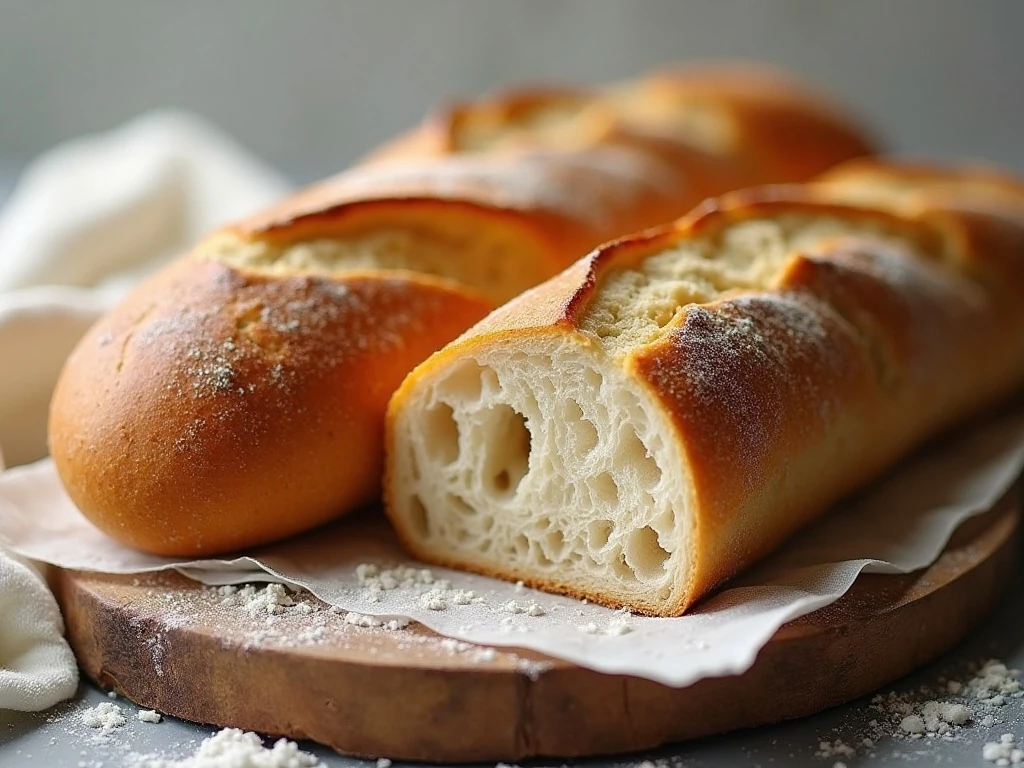
This easy homemade French baguette recipe makes two crisp, golden baguettes with a thin crackly crust and a light, airy interior. You need only 500 g bread flour, 375 g lukewarm water, 7 g yeast, and 10 g fine salt, plus about 2 1/2 to 3 1/2 hours for mixing, rising, shaping, and baking.
The secret to an authentic baguette is not a complicated ingredient list. It is a soft, slightly tacky dough, gentle shaping, a hot oven, and plenty of steam during the first part of baking, which creates the signature blistered crust and tender crumb.
Jump to RecipeWhy You’ll Love This Recipe
There is something special about pulling homemade baguettes from the oven and hearing the crust crackle as they cool. This recipe keeps the method approachable while staying close to the classic French formula of flour, water, yeast, and salt.
The dough is forgiving enough for a first attempt, yet the finished bread has the qualities experienced bakers look for: a crisp, thin crust, a chewy bite, and irregular air pockets throughout the crumb. The flavor is clean and wheaty, with a gentle fermented note that becomes more pronounced if you choose an overnight rest.
Fresh baguette is wonderful alongside soup, salad, eggs, or cheese. For a creamy snack board, serve slices with homemade caramelized French onion dip, or use the bread to soak up a hearty stew.
Ingredients You’ll Need
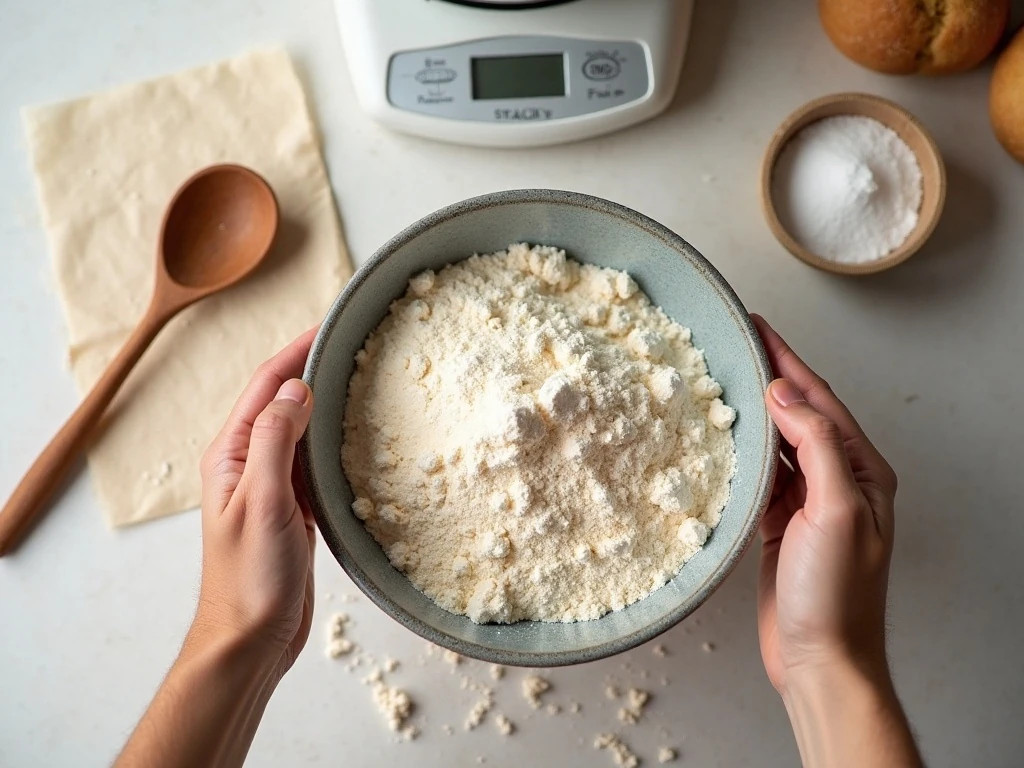
The ingredient list is short, so weighing the flour and water is worthwhile. A kitchen scale gives you the most consistent dough, although the approximate volume measurements can work when necessary.
- 500 g bread flour: This is approximately 4 cups and provides enough gluten for a lofty, chewy loaf.
- 375 g lukewarm water: This is approximately 1 1/2 cups and creates a soft, slightly sticky dough.
- 7 g instant or active-dry yeast: This equals 2 1/4 teaspoons and supports the first and second rises.
- 10 g fine salt: This is approximately 1 3/4 teaspoons and brings balance and flavor to the bread.
Keep a little extra flour nearby for the work surface, but use it sparingly. Traditional baguette dough does not contain sugar or oil, and leaving them out gives the loaf its classic lean-bread character.
If you are serving the baguette at breakfast, warm slices pair beautifully with an easy cheesy omelet. The crisp bread provides a lovely contrast to the soft eggs.
How to Make It Step-by-Step
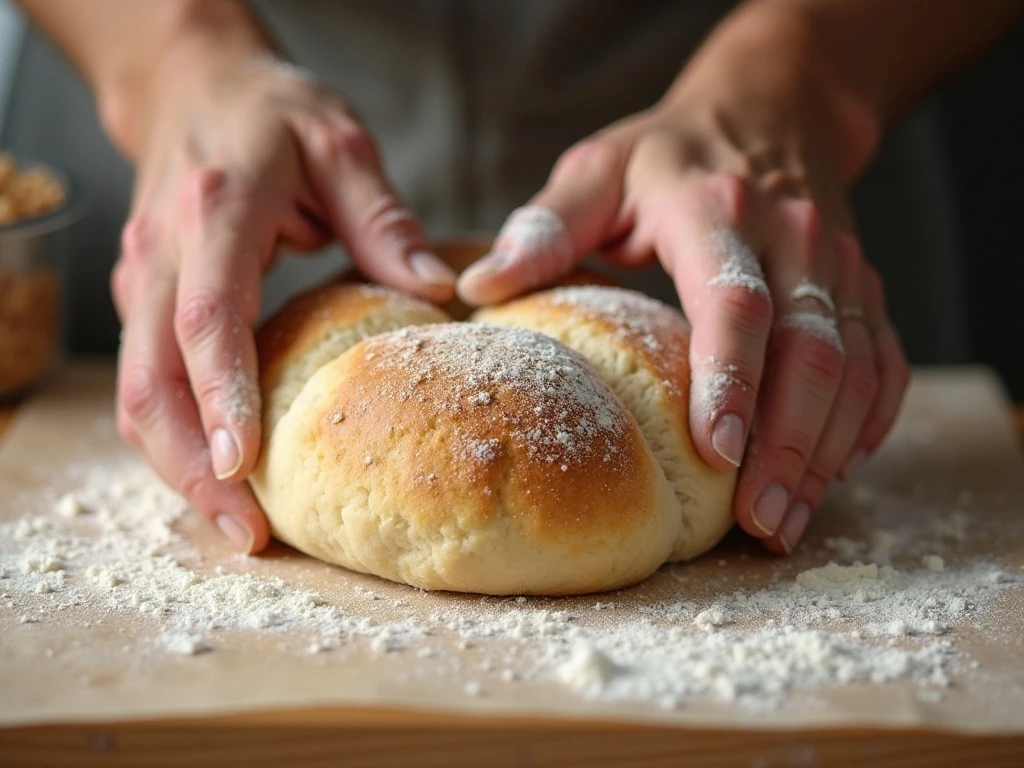
Step 1: Add the bread flour, yeast, and lukewarm water to a large mixing bowl. Stir until no large dry patches remain and the mixture looks shaggy, then cover it and let it rest for 10 to 20 minutes.
Step 2: Sprinkle in the salt and begin kneading by hand. Work the dough for about 8 to 10 minutes, folding and pressing it until it becomes soft, elastic, and slightly tacky, or use a dough hook for 5 to 7 minutes.
Step 3: Shape the dough into a rough ball and place it in a lightly oiled or clean bowl. Cover it and let it rise at room temperature for 1 to 2 hours, until it has doubled or looks visibly aerated and puffy.
Step 4: Turn the risen dough onto a lightly floured surface and divide it into two equal pieces. For three smaller baguettes, divide the dough into three portions instead, then pre-shape each portion into a loose cylinder.
Step 5: Cover the pre-shaped dough and let it rest for 10 to 15 minutes. This short pause relaxes the gluten, making the final shaping easier and helping the dough stretch without snapping back.
Step 6: Flatten one piece gently into a rough rectangle, then fold it lengthwise and press the seam closed. Roll it back and forth into a long, even loaf, taking care not to squeeze out all the air or add too much flour.
Step 7: Set each shaped baguette seam-side down on parchment or a floured couche. Cover the loaves and let them rise for 30 to 45 minutes while you preheat the oven to 230°C/450°F.
Step 8: Place a baking stone or heavy baking sheet in the oven as it heats, if you have one. Score each loaf three or four times with a very sharp knife or baker’s lame, making confident diagonal cuts along the top.
Step 9: Transfer the loaves to the hot baking surface and add steam immediately. Set a pan of boiling water in the oven, or spray water into a preheated steam pan, while taking care to protect your hands from hot steam.
Step 10: Bake for 20 to 25 minutes, until the baguettes are deeply golden brown and crisp. Cool them on a rack for at least 20 minutes before slicing so the interior can finish setting.
How to Create a Crisp, Authentic Crust
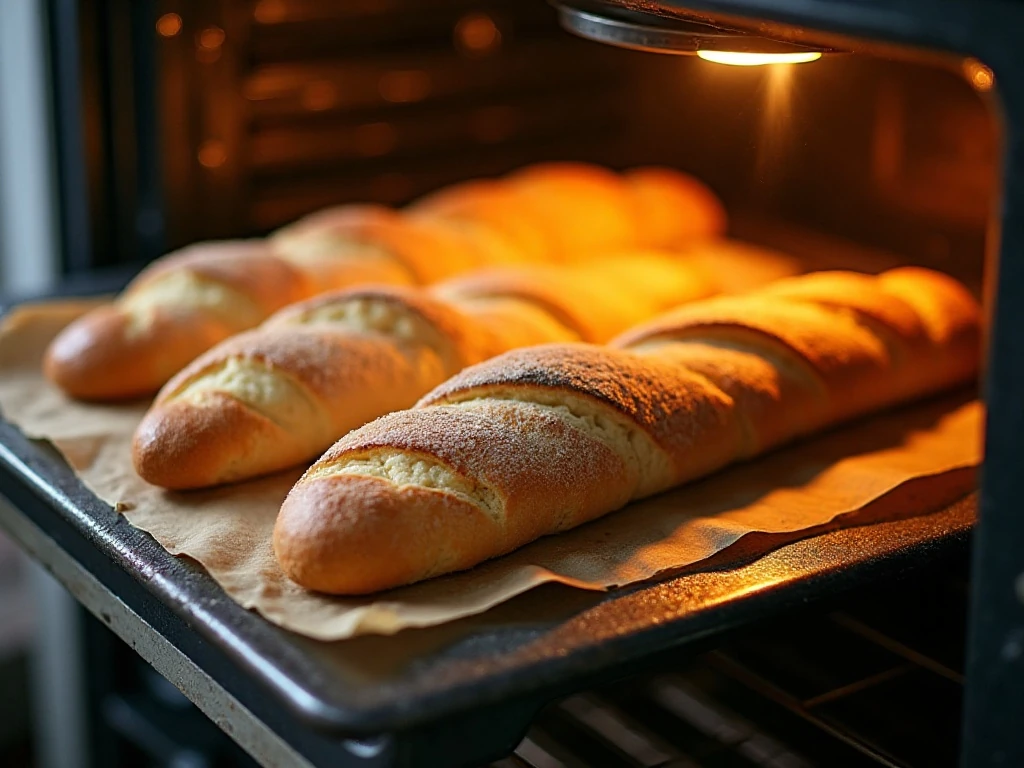
Steam is one of the most important details in baguette baking. During the first 10 to 15 minutes, moisture keeps the surface flexible while the dough expands, allowing the loaf to open around the scores and develop a thin, blistered crust.
A preheated baking stone gives the dough strong heat from below, but a heavy baking sheet also works well. If you use boiling water for steam, place the pan in the oven before loading the bread or pour the water in immediately after the loaves are inside.
Try not to open the oven repeatedly during the first part of baking. Escaping heat and steam can limit oven spring and leave the crust paler than you want.
For a casual lunch, serve the finished bread with an easy ham and pineapple salad. The fresh, sweet-savory filling and crunchy baguette make a satisfying combination.
Pro Tips for Better Baguettes
- Measure by weight: Flour can vary greatly when measured by cups, so grams give you a more reliable dough.
- Keep the dough slightly tacky: Excess flour makes the bread dense. Lightly flour your hands and surface instead of working in large amounts.
- Watch the dough, not only the clock: A cool kitchen may require closer to two hours for the first rise, while a warm kitchen may be faster.
- Make decisive scores: Shallow, hesitant cuts can drag across the dough. Use a very sharp blade and slash at a slight angle.
- Use an overnight fermentation: For deeper flavor and a more open crumb, reduce the yeast slightly, refrigerate the covered dough overnight, and let it warm for 30 to 60 minutes before shaping.
When using active-dry yeast, it can be mixed directly into the flour and water, just like instant yeast, provided it dissolves well during mixing. The dough should feel alive and elastic after kneading, not stiff or crumbly.
A sprinkle of homemade everything bagel seasoning can add a fun savory finish to a nontraditional batch. Brush the shaped loaves lightly with water before sprinkling, but keep the classic plain baguette in mind if authenticity is your goal.
Serving, Storage, and Leftover Ideas
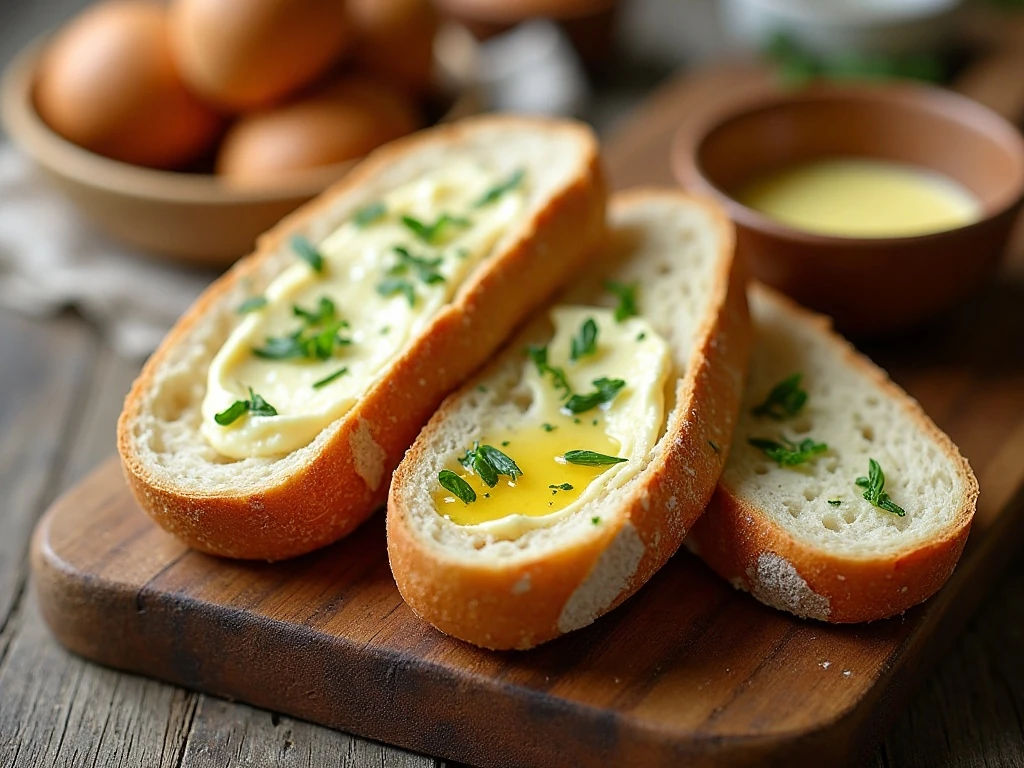
Serve baguettes once they have cooled for at least 20 minutes. Slice them with a serrated knife and enjoy them with butter, soft cheese, roasted vegetables, soup, or a simple drizzle of olive oil.
Fresh baguette is best on the day it is baked, when the crust is at its crispest. Store leftovers at room temperature in a paper bag or loosely wrapped in a clean towel; an airtight plastic bag can soften the crust.
To refresh the loaf, lightly sprinkle it with water and warm it in a 180°C/350°F oven for several minutes. Avoid refrigerating baked baguette because the cold environment speeds staling.
Stale pieces are still useful. Turn them into croutons, breadcrumbs, garlic toast, or a crunchy topping for baked pasta, and save a few slices for serving with sweet treats such as homemade almond roca.

Easy Homemade French Baguette Recipe (Crispy & Authentic)
Ingredients
Method
- Mix the flour, yeast, and lukewarm water until a shaggy dough forms. Let the mixture rest for 10 to 20 minutes so the flour can absorb the water before kneading.
- Add the salt and knead by hand for 8 to 10 minutes, or use a dough hook for 5 to 7 minutes. The finished dough should feel soft, elastic, and slightly tacky rather than dry.
- Cover the dough and let it rise at room temperature for 1 to 2 hours, until doubled or noticeably puffy. A comfortably warm kitchen will shorten the rise, while a cool room may require more time.
- Turn the dough onto a lightly floured surface and divide it into two equal pieces, or three pieces for smaller baguettes. Shape each portion into a loose cylinder, cover, and let rest for 10 to 15 minutes.
- Flatten each piece gently, fold it lengthwise, and seal the seam firmly. Roll each loaf into a long, even baguette, keeping the ends slightly tapered if desired.
- Place the shaped loaves seam-side down on parchment or a floured couche. Cover and let them rise for 30 to 45 minutes while the oven heats.
- Heat the oven to 230°C/450°F with a baking stone or heavy baking sheet inside, if available. Just before baking, slash each loaf three or four times with a very sharp knife or baker’s lame.
- Transfer the loaves to the hot baking surface and create steam by placing a pan of boiling water in the oven or spraying water into a preheated steam pan. Bake for 20 to 25 minutes, until deeply golden and crisp.
- Move the baguettes to a wire rack and cool for at least 20 minutes before slicing. This cooling period allows the crumb to finish setting while the crust remains crisp.
Notes
Final Thoughts
Making French baguettes at home is mostly a lesson in patience and touch. Let the dough rest, resist the temptation to bury it in flour, shape it gently, and give it a properly hot, steamy oven.
With just four basic ingredients, you can create two medium baguettes or three smaller loaves with a deeply golden crust and a soft, airy center. The first batch may teach you more about your flour, room temperature, and oven than any written instruction can, so use those clues to improve the next bake.
Once you taste a warm slice with butter or dip, this simple recipe is likely to become part of your regular baking routine. Begin with the same dependable quantities, then try the optional overnight refrigeration when you want a more developed flavor.