Skillet Roasted Honey Cinnamon Almonds are a quick stovetop treat made with raw almonds, honey, cinnamon, salt, and a little butter or neutral oil. Toast the almonds for 3–5 minutes, coat them over low heat for 2–4 minutes, then cool them for 10–15 minutes for a glossy, crisp snack that takes approximately 25–30 minutes from start to finish.
These honey-roasted almonds taste warm, nutty, lightly sweet, and gently spiced, with a satisfying crunch that works beautifully as a snack, salad topping, dessert garnish, or dinner-party nibble. The optional vanilla adds a soft bakery note, while a tablespoon of sugar creates a firmer, more candied shell.
Jump to RecipeWhy You’ll Love This Recipe
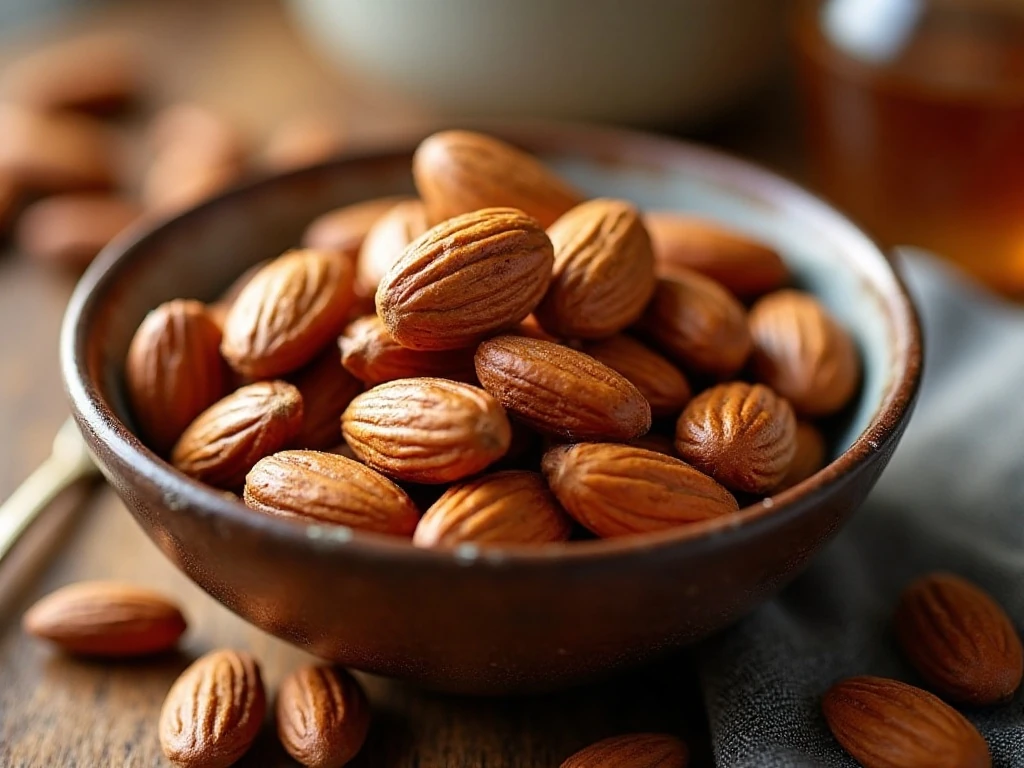
This recipe delivers the cozy flavor of oven-roasted nuts without heating the oven or waiting for a long roasting cycle. A heavy skillet gives the almonds direct contact with the heat, helping them become fragrant and lightly golden before the honey mixture is added.
The ingredient list is short, affordable, and easy to keep on hand. Honey supplies sweetness and stickiness, cinnamon brings gentle warmth, salt keeps the flavor balanced, and butter or oil helps the coating spread over the nuts instead of clumping in one place.
Although these almonds are perfect for snacking, they can also become part of a dinner spread. Serve them beside a cheese board, sprinkle them over roasted vegetables, or place a small bowl on the table with other savory nibbles.
For another sweet-and-savory vegetable idea, try these honey-roasted cabbage steaks as a dinner companion. Their caramelized edges pair especially well with the cinnamon-scented crunch of the almonds.
Ingredients You’ll Need
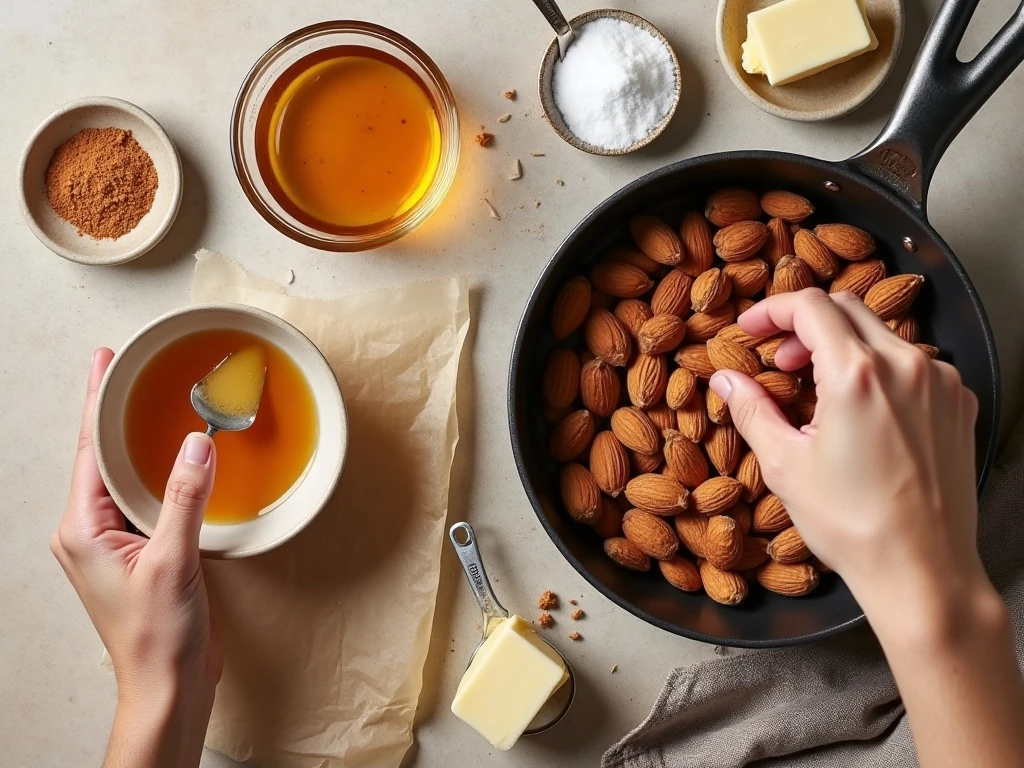
Start with raw, unsalted almonds so you can control both the roasting level and the seasoning. Two cups produce about two cups of finished almonds, with the final quantity depending on how much coating clings to the skillet and how many clusters you keep intact.
- Raw almonds: Use whole, unsalted almonds for the best texture and a clean nutty flavor.
- Honey: Two tablespoons create a thin, glossy coating without making the nuts excessively sticky.
- Butter or neutral oil: One tablespoon encourages even toasting and adds a little richness. Choose unsalted butter if you want a round, buttery flavor, or neutral oil for a dairy-free option.
- Cinnamon: One teaspoon gives the almonds a noticeable but balanced spice flavor.
- Salt: Fine sea salt or kosher salt offsets the honey and keeps the finished almonds from tasting flat.
- Vanilla: The optional half teaspoon adds a sweet, pastry-like aroma.
- Granulated sugar: The optional tablespoon produces a firmer, more candied coating.
Have the parchment-lined baking sheet or plate ready before cooking begins. The coated almonds need to be transferred right away, so preparing this landing place in advance makes the process calmer and prevents the syrup from setting in the skillet.
How to Make It Step-by-Step
Step 1: Line a baking sheet or large plate with parchment paper and place it within easy reach of the stovetop. The parchment prevents the honey coating from sticking and makes cleanup much simpler once the almonds have cooled.
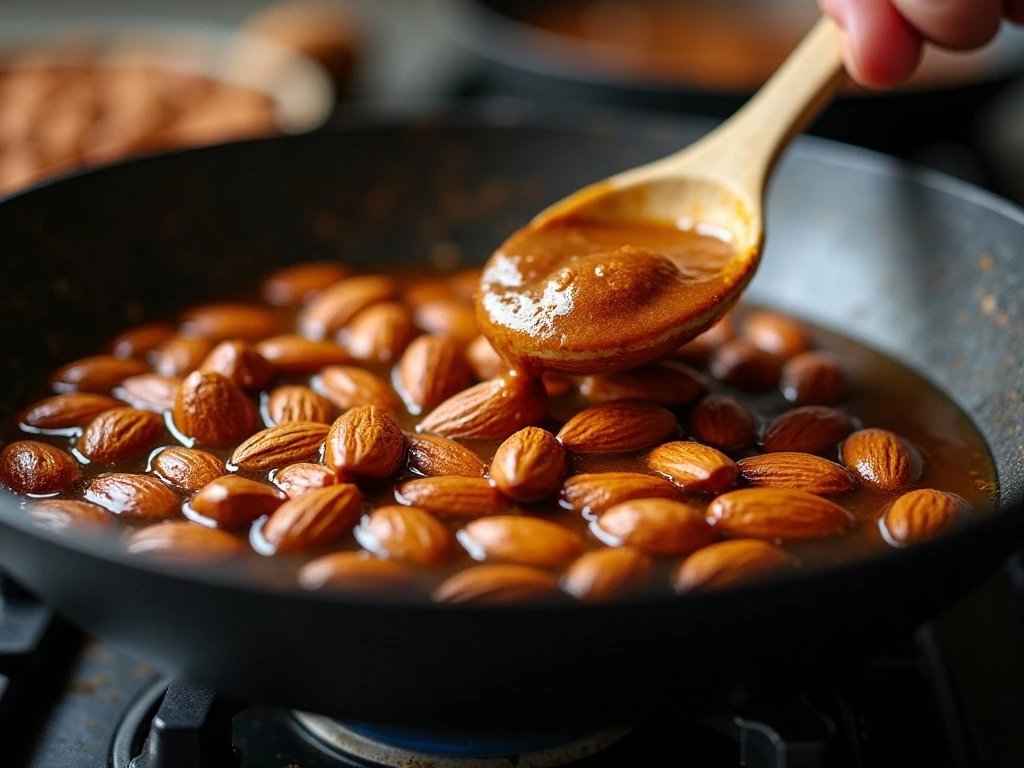
Step 2: Warm a large, heavy skillet over medium-low heat, then add the butter or neutral oil. Add the raw almonds and toast them for 3–5 minutes, stirring frequently so they color evenly rather than darkening on one side.
Step 3: Watch for a lightly golden surface and a clear roasted aroma. The almonds should smell fragrant before the sweetener goes in, but they do not need to be deeply browned because they will continue cooking during the coating stage.
Step 4: Reduce the burner to low and add the honey, cinnamon, salt, and vanilla if using. If you prefer a harder, candy-like finish, add the optional granulated sugar at this point as well.
Step 5: Stir continuously for 2–4 minutes, turning the almonds over and over until the honey mixture looks glossy and coats them evenly. Low heat is essential here because honey can burn quickly, leaving a bitter taste and a dark, sticky residue.
Step 6: Transfer the almonds immediately to the prepared parchment. Use a spoon or spatula to spread them into a single layer, separating large clusters while they are still warm and pliable.
Step 7: Let the almonds cool completely for 10–15 minutes. As they cool, the coating firms; once set, break apart any remaining clusters and serve or store.
For a playful skillet-centered meal idea, these nuts can also be scattered over a savory snack board alongside skillet nachos. The sweet cinnamon crunch contrasts nicely with salty chips, beans, cheese, and fresh toppings.
Pro Tips for Glossy, Crunchy Almonds
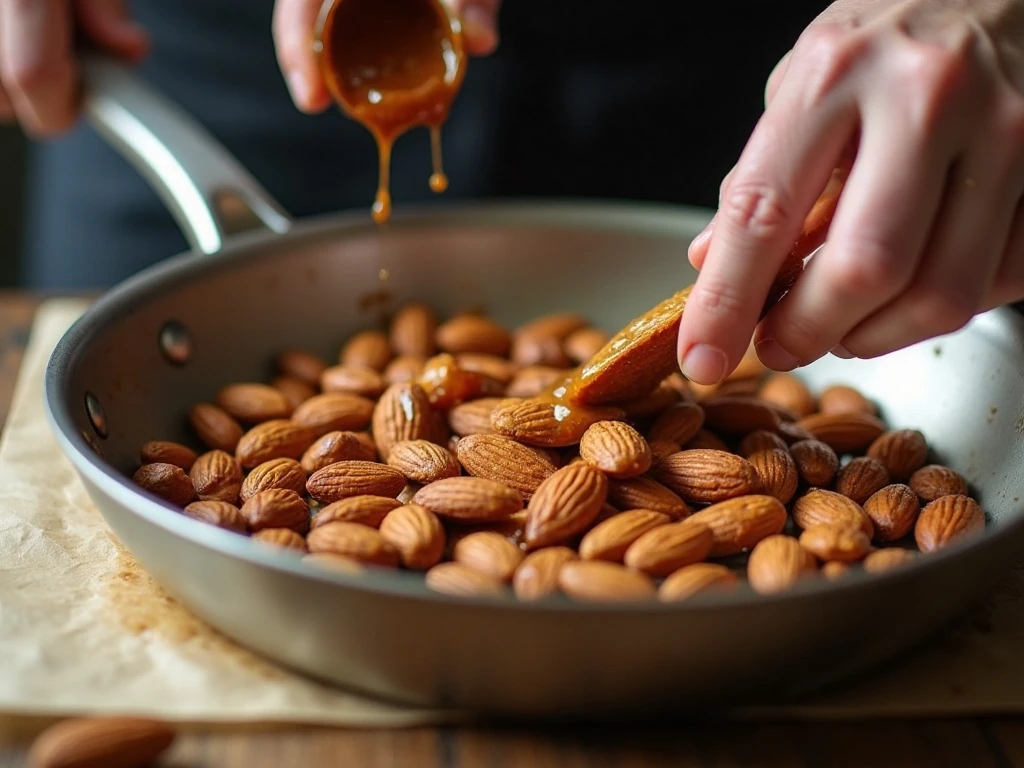
The most important technique is heat control. Medium-low heat is ideal for toasting, but once honey enters the skillet, lower the temperature and keep stirring; a hot pan can scorch the sweet coating before it has time to spread evenly.
Use a wide skillet whenever possible. More surface area gives the almonds room to move, allowing each one to touch the warm pan and making it easier to coat the nuts without crushing them.
Do not walk away during the final cooking stage. Two to four minutes is a short window, and the mixture can change from glossy and aromatic to burned if left unattended.
Spread the almonds at once after cooking. Warm clusters are easy to nudge apart with a fork or spatula, while fully cooled clusters become firm and require more force to separate.
- For a dairy-free batch, use a neutral oil instead of butter.
- For a simpler coating, omit the butter or oil and use honey as the binder.
- For extra heat, add a pinch of cayenne.
- For a savory edge, try a little smoked salt.
- For a fresh citrus note, add a small amount of orange zest.
- For deeper roasted flavor, dry-toast the almonds first, then coat them afterward.
Ways to Serve Honey Cinnamon Almonds
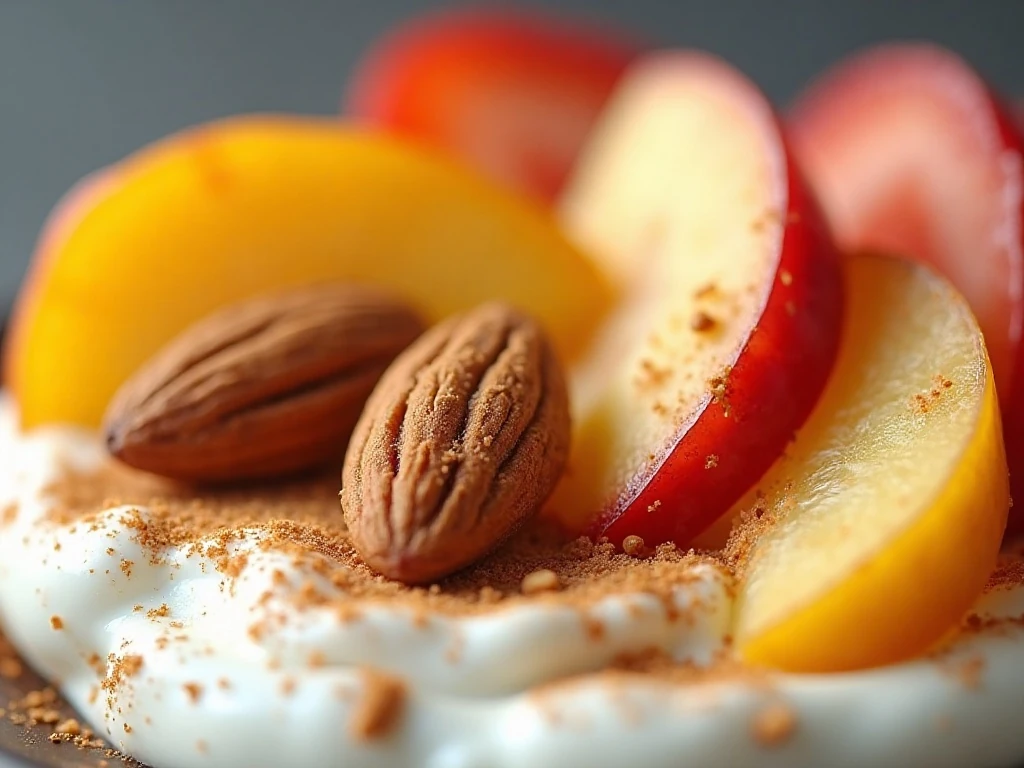
These almonds are ready to eat once cool, but their uses extend far beyond a snack bowl. Chop them roughly and scatter them over yogurt, oatmeal, fruit, baked apples, or a simple green salad for contrasting texture and a touch of sweetness.
At dinner, use them as a finishing accent for roasted carrots, squash, sweet potatoes, or lightly dressed greens. They also add interest to a grain bowl, especially when paired with salty cheese, dried fruit, or a lemony dressing.
For a bright breakfast-style serving, spoon them over a fruit-and-yogurt bowl inspired by this fruit and honey power bowl. Their crisp texture makes soft fruit and creamy yogurt feel more substantial.
They are also lovely on a dessert platter with dark chocolate, dried apricots, and fresh pear. If you are planning a cozy seasonal menu, serve a small bowl beside pumpkin dessert; this pumpkin dump cake offers a soft, warmly spiced contrast to the crunchy almonds.
Storage and Make-Ahead Advice
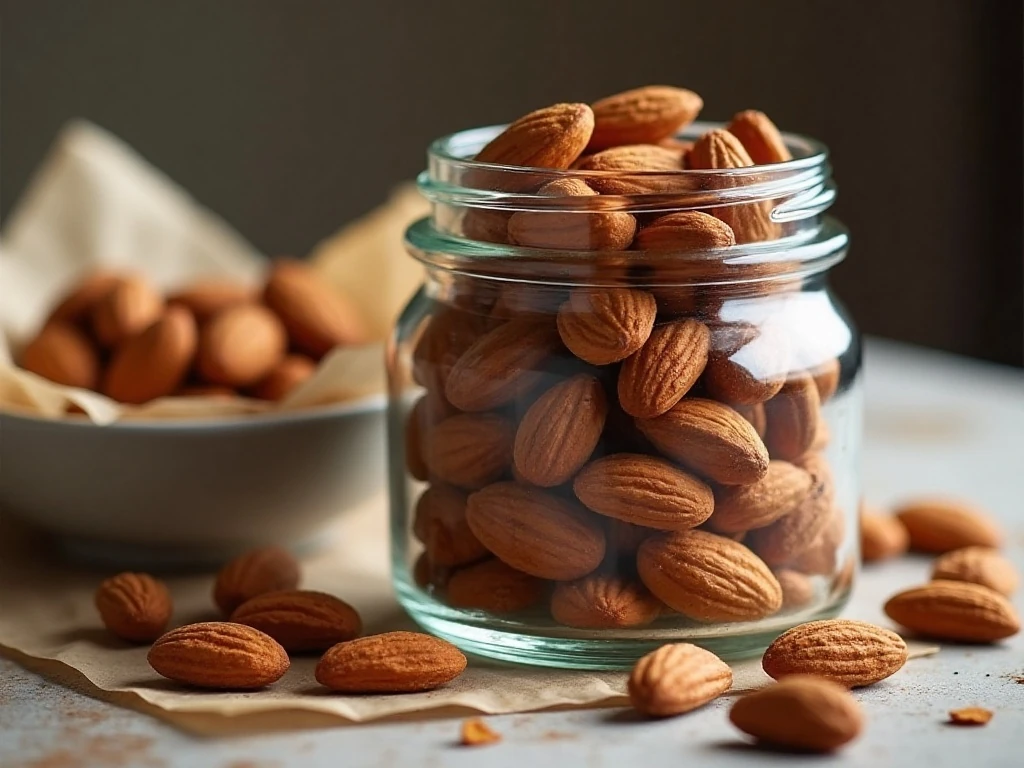
Allow the almonds to cool completely before storing them. Packing them while warm traps steam, which can soften the coating and reduce the crisp texture you worked to create.
Place the cooled almonds in an airtight container and keep them at room temperature. They are convenient to make ahead for entertaining, lunchbox snacks, or a dinner gathering, and breaking apart the clusters after cooling makes portioning easy.
If the almonds become a little sticky in humid weather, spread them on parchment for a few minutes before serving. Avoid adding extra heat unless necessary, since reheating may cause the honey coating to melt or scorch.
When preparing a larger menu, make these nuts while another dish rests. Their 5-minute prep and 8–12-minute cooking time leave plenty of room to arrange a vegetable side such as lemon herb roasted potatoes.

Skillet Roasted Honey Cinnamon Almonds
Ingredients
Method
- Line a baking sheet or large plate with parchment paper and set it beside the stove.
- Warm a large, heavy skillet over medium-low heat. Add the butter or neutral oil, followed by the almonds, and toast for 3–5 minutes, stirring frequently, until fragrant and lightly golden.
- Reduce the heat to low. Add the honey, cinnamon, salt, and vanilla if using, plus the sugar if a harder candy-like coating is desired.
- Stir continuously for 2–4 minutes, until every almond is coated and the mixture looks glossy. Keep the heat low because honey can scorch quickly.
- Immediately transfer the coated almonds to the parchment-lined surface and spread them into a single layer.
- Cool completely for 10–15 minutes, then break apart any clusters before serving.
Notes
Final Thoughts
Skillet Roasted Honey Cinnamon Almonds are proof that a handful of pantry staples can become something special in less than half an hour. Toasting the raw almonds first builds their nutty flavor, while the low-heat honey coating gives them a glossy finish without requiring complicated candy-making equipment.
Keep the heat gentle, stir continuously once the honey is added, and spread the almonds immediately so they cool into a pleasantly crisp coating. Whether served as a dinner-party nibble, a salad topping, or a sweet snack, this small-batch recipe brings warmth and crunch to the table.
Make the optional sugar version when you want a more candied bite, or leave it out for a lighter honey finish. A pinch of cayenne, smoked salt, or orange zest can also give the same dependable base a new personality each time you make it.