The quickest way to freeze peppers is to wash and dry them thoroughly, remove the stems, seeds, and inner membranes, cut them into useful pieces, and freeze them raw in a single layer for 1–2 hours. Once firm, transfer the pieces to labeled freezer bags or airtight containers, press out excess air, and return them to the freezer. No oil, salt, sugar, water, or blanching is required for this easy method.
Frozen peppers keep their sweet, fresh flavor beautifully for cooked meals, although freezing softens their texture. They are ready to use straight from the freezer in soups, stews, sauces, casseroles, fajitas, and stir-fries, making this a practical way to preserve a garden harvest or a great sale at the market.
Jump to RecipeWhy You’ll Love This Recipe
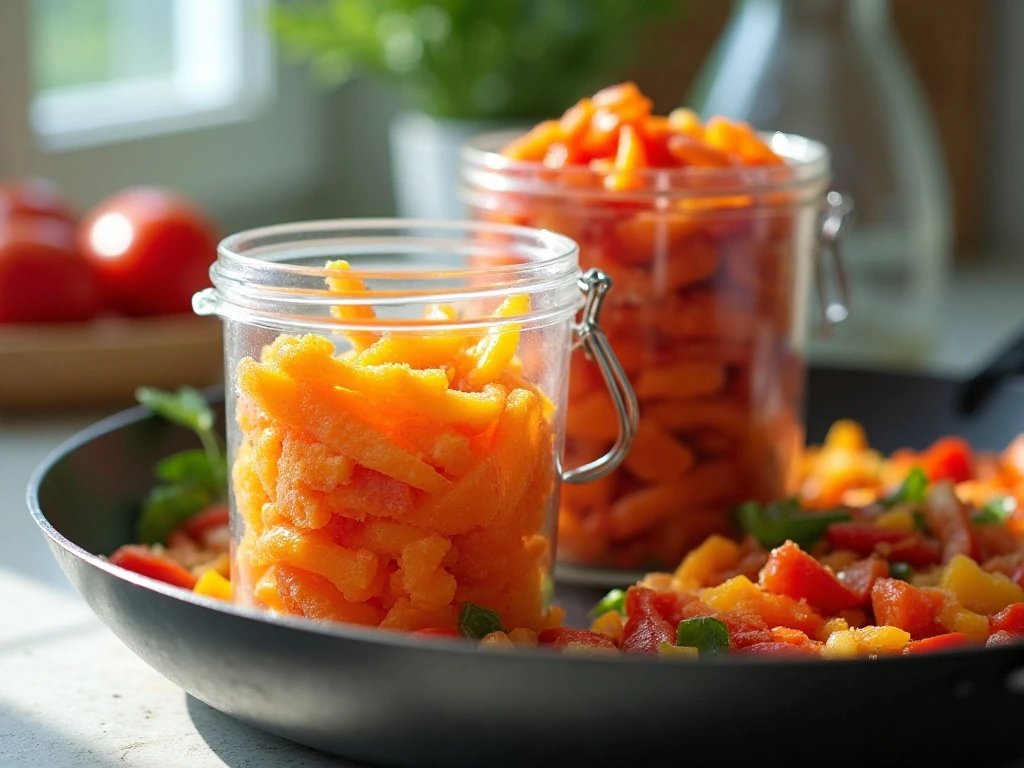
Freezing peppers is one of the simplest ways to preserve their bright color, sweet flavor, and useful shape without standing over a hot stove. The quick raw-freezing method takes only about 10–20 minutes of preparation per pound, depending on whether you slice, dice, or cut the peppers into strips.
There is no cooking time, and you do not need oil, salt, sugar, or water. Once prepared, the peppers go straight onto a lined baking sheet and into the freezer, making this method especially helpful when you have more peppers than you can use immediately.
The best part is convenience. Instead of washing and chopping peppers every time you make dinner, you can reach into the freezer and scoop out the amount you need for a skillet, pot, or baking dish.
Keep a bag nearby when preparing a quick weeknight meal such as a beef noodle stir-fry. Frozen peppers add color and gentle sweetness without requiring an extra trip to the store.
Ingredients You’ll Need
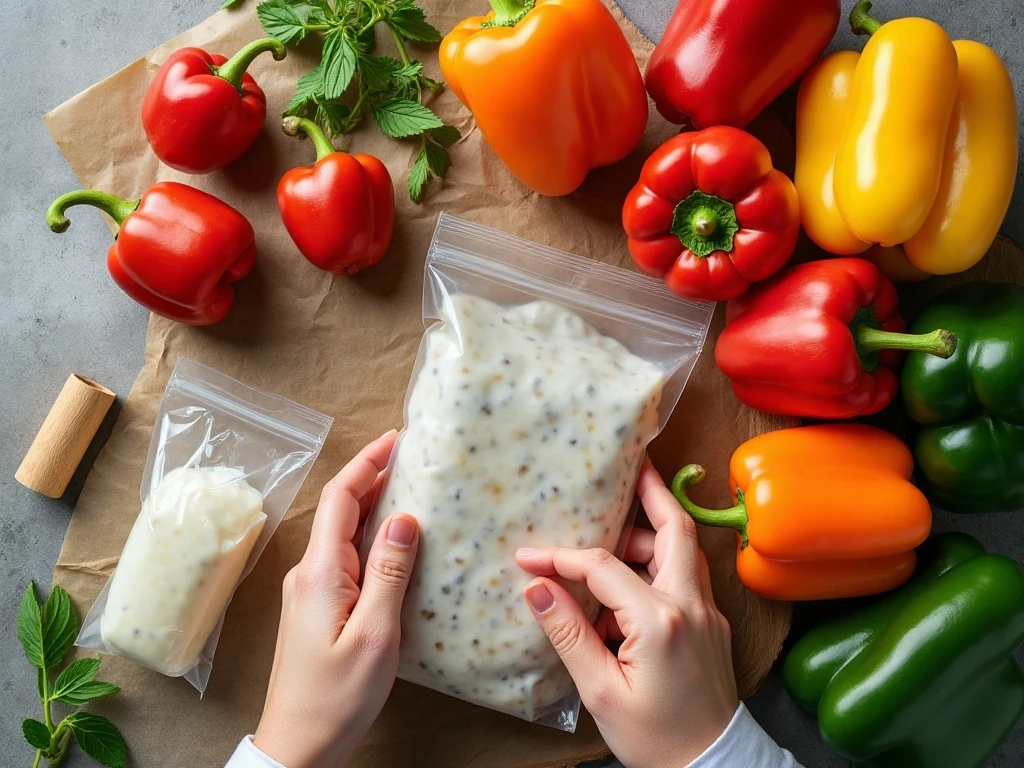
This preservation method has an unusually short ingredient list because the peppers provide everything needed. Choose fresh bell peppers or other sweet peppers that feel firm, look brightly colored, and have smooth skin.
- Fresh peppers: Use any quantity of bell peppers or sweet peppers. Red, yellow, orange, and green peppers can be frozen individually or combined.
- Freezer packaging: Use one freezer bag or airtight freezer container per practical batch. A container of about 1 quart holds roughly 1 pound of prepared peppers.
- Parchment or wax paper: Use this to line the baking sheet and help the frozen pieces release easily.
No oil, salt, sugar, or water is needed for raw freezing. Avoid seasoning the peppers before storage because they are most versatile when kept plain and ready for many different recipes.
Cutting the peppers before freezing is also important. Choose strips for fajitas, dice for soups and sauces, or rings for skillet meals, and use the shape you normally reach for while cooking.
How to Make It Step-by-Step
Step 1: Wash and dry the peppers thoroughly. Hold them under cool running water and rinse away any dirt, then dry every surface with clean kitchen towels. Surface moisture can create extra ice crystals and contribute to freezer burn, so take time to make the peppers as dry as possible.
Step 2: Remove the stems, seeds, and inner membranes. Slice off the stem end, pull out the seed cluster, and scrape away the pale inner ribs. A few remaining seeds are not harmful, but removing them gives the frozen peppers a cleaner texture and appearance.
Step 3: Cut the peppers into strips, rings, or dice. Keep the pieces fairly consistent in size so they freeze at roughly the same rate and cook evenly later. If you regularly prepare several types of meals, divide the peppers into separate cut styles before freezing.
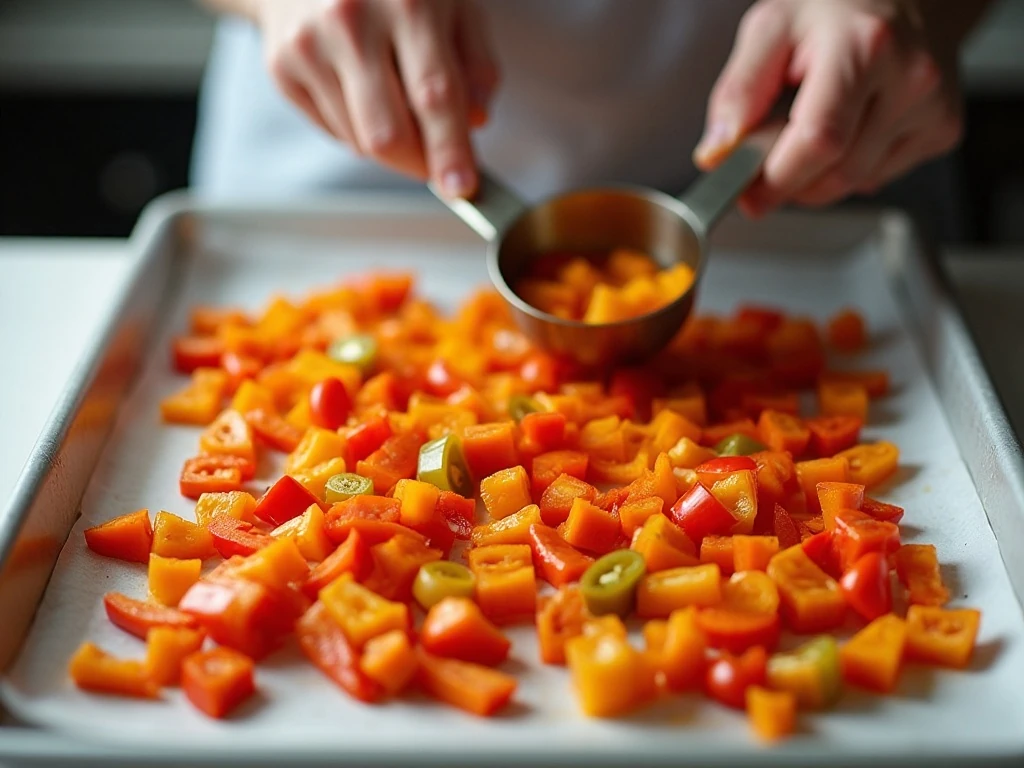
Step 4: Line a baking sheet with parchment or wax paper and spread the pepper pieces across it in a single layer. Leave a little space between the pieces rather than allowing them to overlap. This step may seem small, but it is what keeps the peppers loose and scoopable instead of frozen into one large mass.
Step 5: Freeze the baking sheet for 1–2 hours, or until the pieces are firm. The exact time depends on the size of the pieces, how full the tray is, and how cold your freezer runs. Do not package them while they are still soft or wet, since they are more likely to clump together.
Step 6: Transfer the firm pepper pieces to freezer bags or airtight freezer containers. Press out as much air as possible before sealing the bags, or fill containers appropriately so there is minimal empty space. Label each package with the pepper variety, cut style, and date.
Step 7: Return the sealed packages to the freezer at 0°F (-18°C). When you are ready to cook, take out only the amount needed and add the peppers directly to the recipe. There is no need to thaw them first for soups, stews, sauces, casseroles, fajitas, or stir-fries.
Raw Freezing or Optional Blanching?
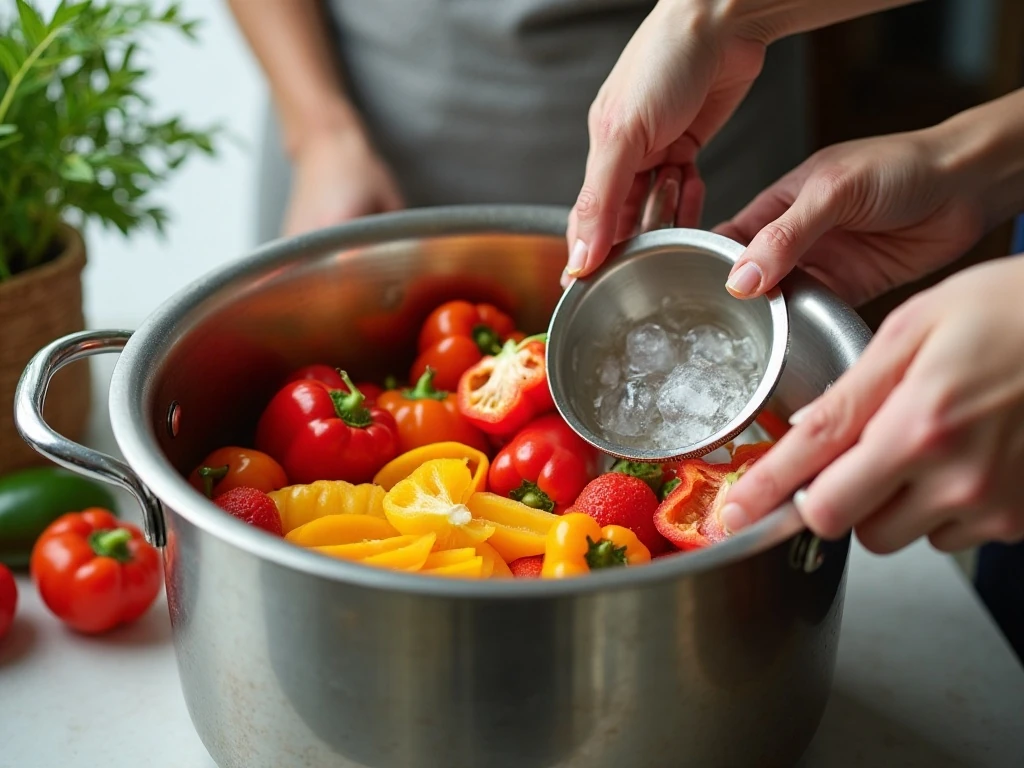
For the quickest method, raw freezing is the best choice. University extension preservation guides and major food publications commonly agree that peppers do not require blanching before freezing, so you can skip the boiling water and ice bath when speed and simplicity matter most.
Some preservation sources recommend blanching for better color, flavor, and texture during longer storage. If you prefer that approach, place the prepared peppers in boiling water for 2 minutes, then cool them immediately in ice water.
After blanching, drain and dry the peppers extremely well before spreading them on the lined baking sheet. The optional blanching route adds a little work, but it can be useful when you are storing a large harvest and expect the peppers to remain frozen for many months.
For most home cooks, the raw method is more than adequate. It protects the fresh pepper flavor while avoiding extra cookware, boiling water, and cooling time.
Once your freezer is stocked, the peppers can become a handy addition to comfort food such as an easy overnight lasagna. Add them to the sauce or sauté them briefly before layering for extra color and sweetness.
Pro Tips for the Best Frozen Peppers
Start with peppers that are fresh and firm. Freezing preserves the condition of the produce, so discard pieces that are moldy, badly bruised, or soft before you begin.
- Dry carefully: Pat the peppers completely dry after washing. Moisture on the surface encourages ice crystals and freezer burn.
- Freeze separately: The single-layer tray freeze is the key to loose pieces that are easy to scoop.
- Match the cut to the meal: Use strips for fajitas, dice for soups and casseroles, and rings for skillet recipes.
- Package in useful portions: If you often cook small meals, use several smaller bags instead of one oversized package.
- Remove air: Press excess air out of freezer bags before sealing to help protect quality.
- Label everything: Include the variety, cut style, and date so you can identify the contents at a glance.
It is also helpful to keep different pepper varieties separate if you want specific flavors later. Green peppers are more grassy and savory, while red, yellow, and orange peppers are generally sweeter when cooked.
Frozen peppers work well in savory meals, but they are not limited to one cuisine. A handful can brighten a quick skillet dinner, blend into a tomato sauce, or add color to a creamy pasta dish such as this simple salmon pasta idea.
Storage, Thawing, and Best Uses
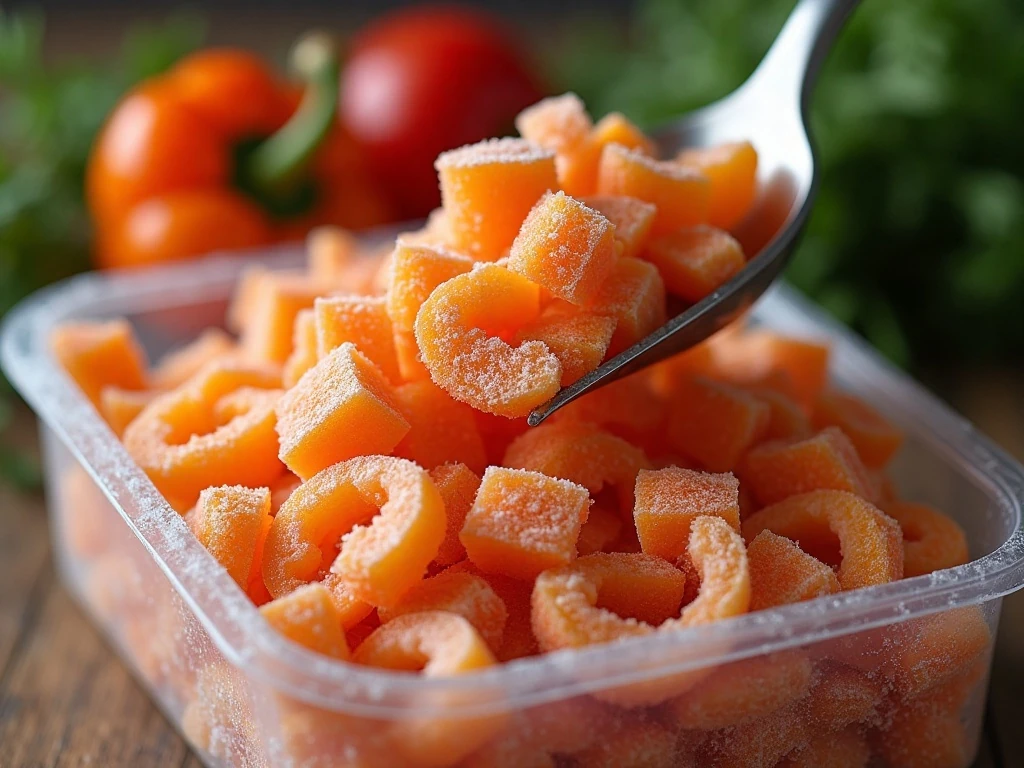
For best quality, store frozen peppers for about 8–12 months at 0°F (-18°C). They remain safe longer if they stay continuously frozen, but their color, flavor, and texture may gradually decline over time.
Keep the freezer bags or containers tightly sealed and avoid repeatedly opening one large package. Every opening allows warm air and moisture inside, which can lead to more ice crystals and freezer burn.
Thawing is usually unnecessary. Add the frozen peppers directly to hot soups, sauces, stews, casseroles, fajitas, and stir-fries, allowing the cooking process to warm them through.
Freezing softens the peppers, so they are generally not ideal for raw salads, fresh vegetable platters, or dishes that depend on a crisp bite. They are at their best in cooked recipes where their tender texture becomes part of the dish.
If you do need thawed peppers, place only the amount required in the refrigerator until softened, then drain away any excess liquid before cooking. Do not refreeze previously thawed peppers unless they have first been cooked.
Although this is a savory pantry project, keeping the freezer organized makes every kind of cooking easier. After labeling your peppers, you can turn your attention to a sweet baking project like an apple cream cheese Danish without wondering what is hidden at the back of the freezer.
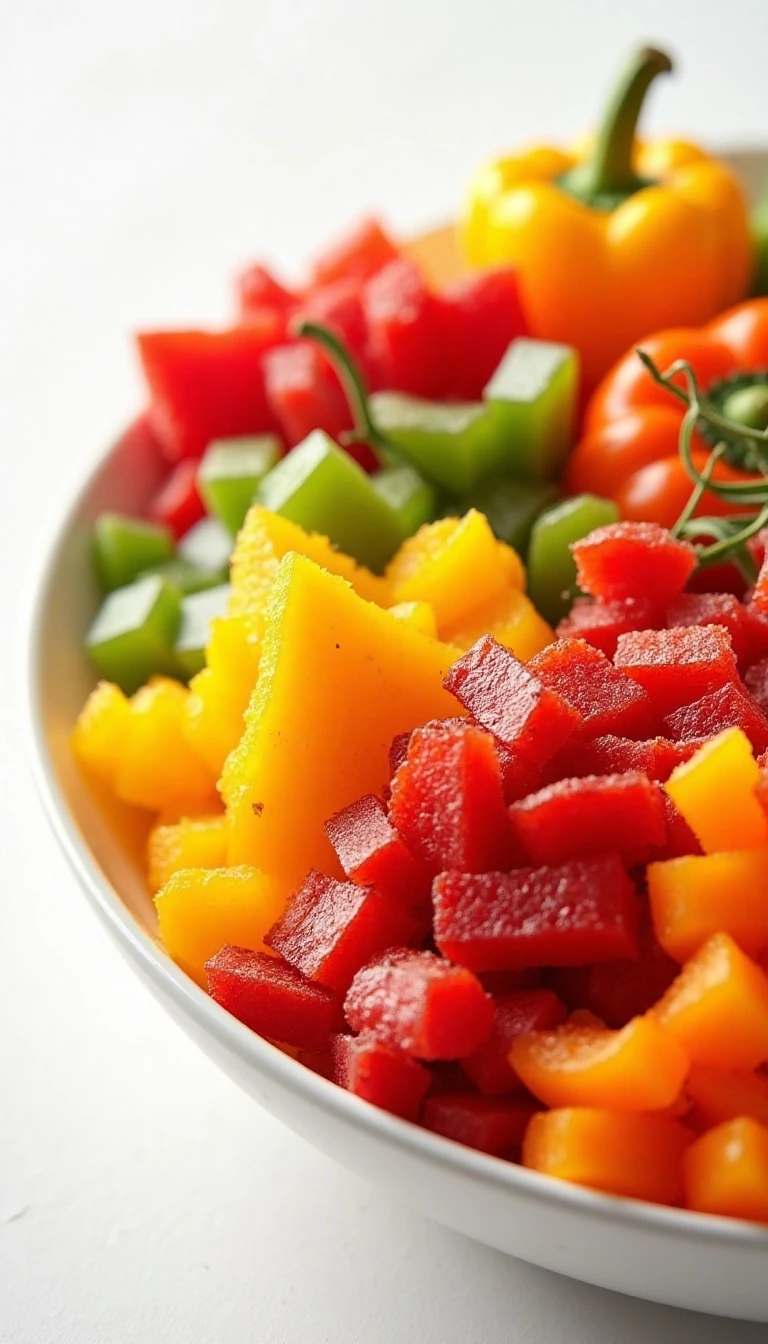
Quick and Easy Frozen Peppers
Ingredients
Method
- Wash the fresh peppers under cool running water, then dry them very thoroughly with clean towels. Remove the stems, seeds, and inner membranes, and cut the peppers into strips, rings, or dice according to how you plan to use them.
- Arrange the prepared pepper pieces in one layer on a parchment- or wax-paper-lined baking sheet. Keep the pieces separated rather than piling them together, which helps prevent them from freezing into one solid block.
- Place the baking sheet in the freezer for 1–2 hours, or until every piece feels firm. This initial freeze creates loose pieces that are easy to measure and scoop later.
- Transfer the frozen pieces to labeled freezer bags or airtight containers. Press out as much air as possible, seal tightly, write the variety, cut style, and date on the package, and return it to the freezer.
- Use the peppers directly from frozen in cooked recipes. Add them to soups, stews, sauces, casseroles, fajitas, stir-fries, and other dishes without thawing first.
Notes
Final Thoughts
Freezing peppers raw is a practical, low-effort way to save fresh produce for future meals. Wash, dry, trim, cut, tray-freeze for 1–2 hours, and package the firm pieces with as little air as possible.
The peppers will not stay crisp after freezing, but they remain wonderfully useful in cooked dishes. With labeled portions ready to scoop, you can add color and sweet pepper flavor to dinner in seconds.
For the best results, remember the three most important details: dry the peppers well, freeze them in a single layer, and use them within about 8–12 months for the best quality. Then your freezer will be ready whenever a recipe needs a quick handful of peppers, whether it is a savory skillet or a seasonal dessert such as a late-summer peach cake.
1 thought on “The Quick and Easy Way to Freeze Peppers for Storage”