To make homemade peony jelly, steep 2 cups of fresh, unsprayed peony petals in 4 cups of boiling water for 10–15 minutes, then strain the floral infusion. Combine 3 1/2 to 4 cups of that infusion with 1/4 cup bottled lemon juice and one 1.75-ounce box of powdered fruit pectin, bring it to a rolling boil, add 4 cups of sugar, boil for 1 minute, and can the jelly in hot sterilized half-pint jars.
The result is a delicate, lightly tangy, sweet jelly with a soft floral fragrance and a color that can range from pale pink to rose. It is lovely spread on toast, spooned beside buttery cookies, or served with a cheese board when you want a homemade preserve that feels special without requiring complicated ingredients.
Jump to RecipeWhy You’ll Love This Recipe
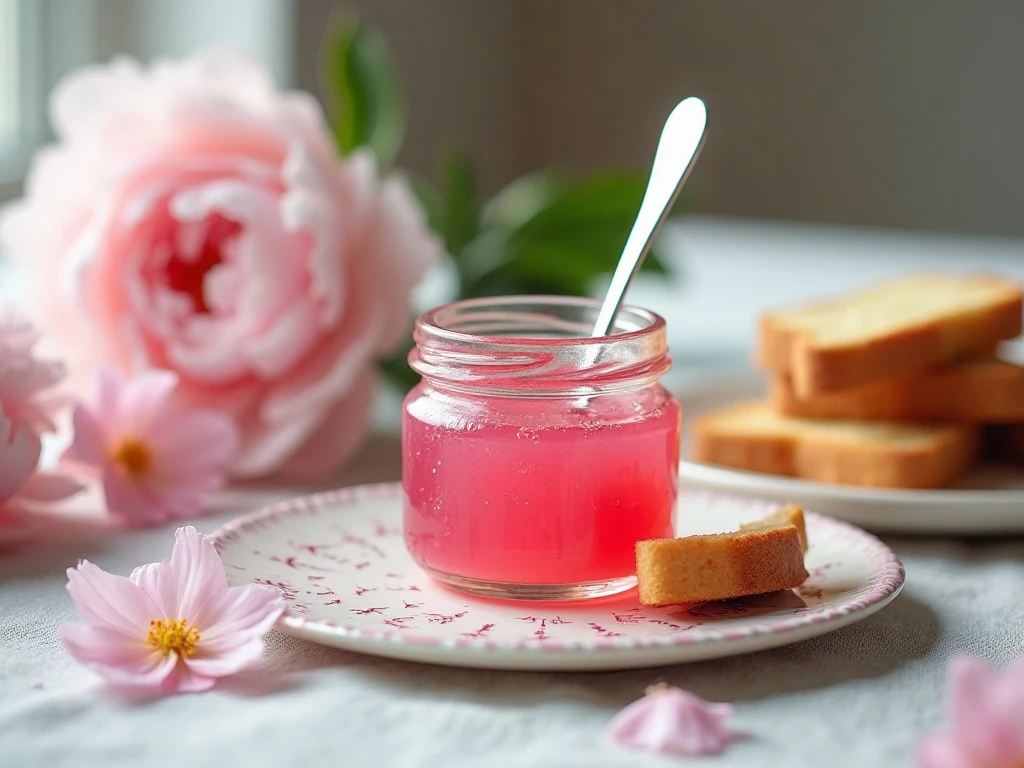
Peony jelly is one of those old-fashioned homemade treats that surprises everyone at the table. The finished preserve is sweet and lightly tangy, with a gentle floral note that is more graceful than overpowering when the petals are fresh and fragrant.
Its color is part of the charm. Depending on the peony variety, the jelly may turn a blush pink, bright rose, or a deeper rosy shade, especially when you begin with richly colored petals.
This recipe also fits beautifully into a cookie-focused kitchen. Spread it between sugar cookies, spoon it over shortbread, or serve a small dish alongside a plate of vanilla biscuits. For another colorful preserve to put on a snack table, try this easy hot pepper jelly with cream cheese and crackers.
Ingredients You’ll Need
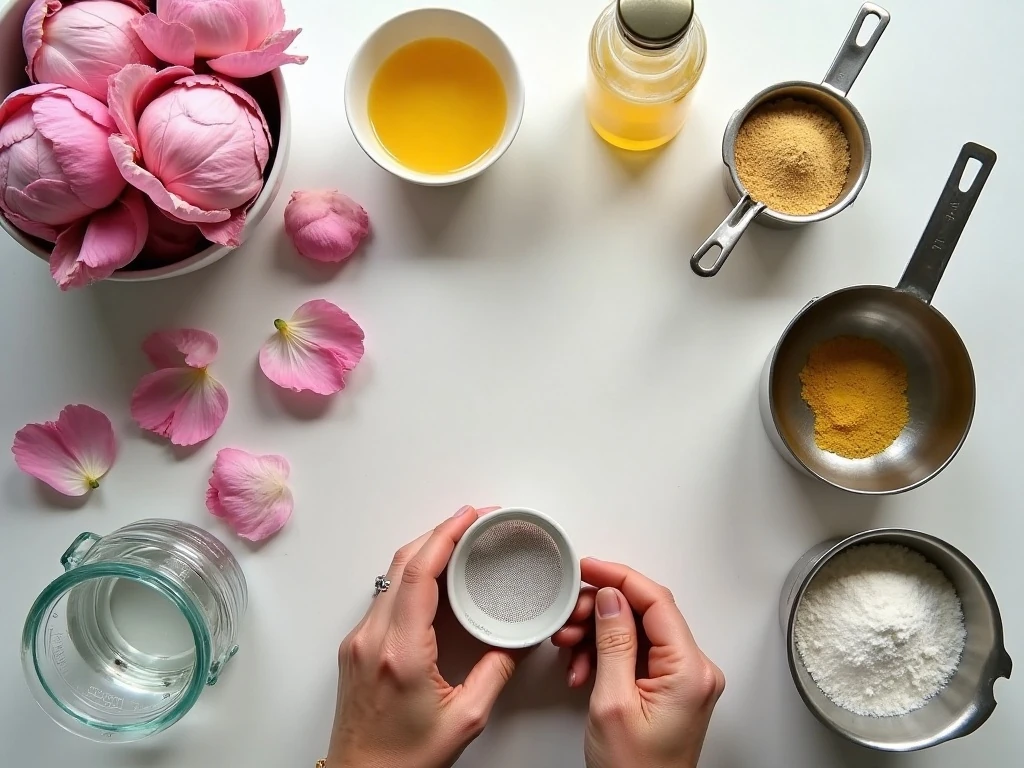
The ingredient list is short, but each item has a specific job. Peony petals provide the fragrance and color, water extracts those qualities, lemon juice adds brightness and acidity, pectin creates the set, and sugar balances the floral flavor while helping the jelly become glossy and spoonable.
- 2 cups fresh peony petals: Pack them firmly after removing stems, leaves, sepals, and most stamens.
- 4 cups water: Use it to make the floral infusion.
- 1/4 cup bottled lemon juice: Bottled juice is preferred for canning because its acidity is standardized and it helps protect the jelly’s color.
- 1 box powdered fruit pectin: Choose a standard box of approximately 1.75 ounces, or 49–50 grams.
- 4 cups granulated sugar: Add the full amount at once after the pectin mixture reaches a boil.
Do not pick flowers from a florist, roadside, garden center, or ornamental planting unless you know they are food-safe. Flowers treated with pesticides, systemic chemicals, or floral preservatives should never be used for cooking.
If you enjoy pairing preserves with savory bites, this pumpkin cheese ball makes a welcoming companion for a holiday spread, with peony jelly served in a little bowl nearby.
How to Make It Step-by-Step
Step 1: Prepare the petals carefully before measuring them. Remove every stem, leaf, and sepal, pull away most of the stamens, and keep the soft petals; then rinse them gently under cool water so they stay intact.
Step 2: Place the clean petals in a heatproof bowl or saucepan. Bring 4 cups of water to a boil, pour it over the petals, and let the mixture steep for 10–15 minutes, until the liquid smells floral and looks pale or lightly tinted.
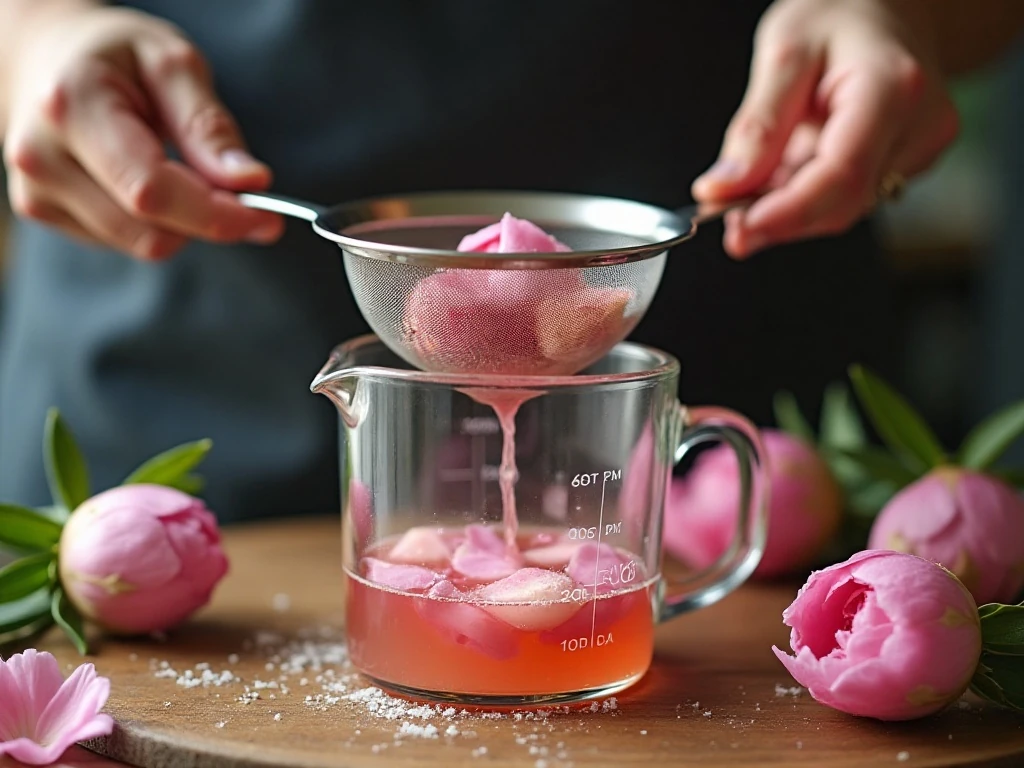
Step 3: Strain the infusion through a fine-mesh strainer. Press the petals gently with the back of a spoon to recover the liquid, but avoid crushing them aggressively, which can introduce extra sediment; measure 3 1/2 to 4 cups and add a little water if necessary.
Step 4: Pour the measured infusion into a large saucepan and add the bottled lemon juice and powdered fruit pectin. Stir frequently over the heat until the mixture reaches a full rolling boil, meaning it continues boiling even while stirred.
Step 5: Add all 4 cups of sugar at once. Keep stirring constantly as the mixture returns to a full rolling boil, then boil it for exactly 1 minute so the pectin has the proper opportunity to set the sweet floral liquid.
Step 6: Take the pan off the heat and inspect the surface. If foam has collected on top, skim it away with a spoon; a little foam is harmless, but removing it gives the jars a clearer, more polished appearance.
Step 7: Ladle the hot jelly into hot, sterilized half-pint jars. Leave about 1/4 inch of headspace, wipe each rim carefully, and apply the lids according to the lid manufacturer’s instructions.
Step 8: Process the filled jars in a boiling-water canner for approximately 5–10 minutes, adjusting for altitude and following current tested canning guidance. Use a jar lifter to remove them and place them upright on a towel without disturbing them.
Step 9: Allow the jars to cool undisturbed for 12–24 hours. Once cool, check each seal and examine the texture; refrigerate any jar that has not sealed properly, and do not judge the final set while the jelly is still warm.
Chef’s Tips for Better Floral Jelly
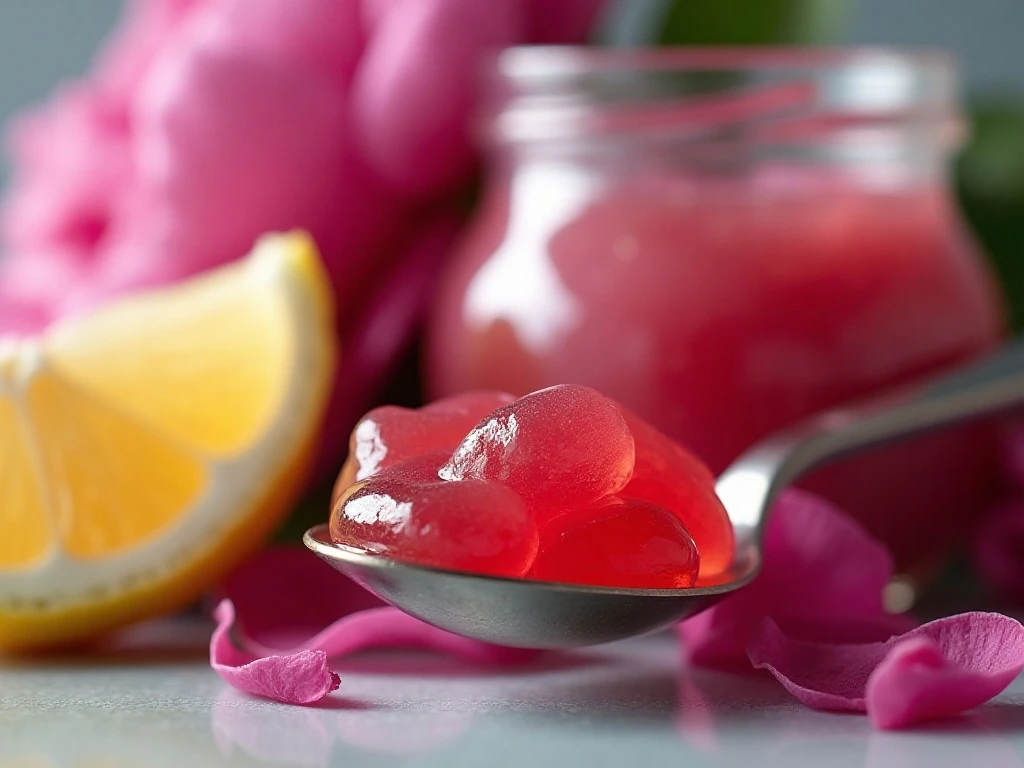
Choose peonies at their freshest, preferably blossoms that are strongly scented and deeply colored. A mild-smelling flower will produce a mild jelly, while richly hued petals generally create a more attractive rose-colored infusion.
Accurate measuring matters more than usual with a floral jelly. Too much infusion can leave the finished preserve soft, so measure the strained liquid before adding it to the pectin and lemon juice.
- Use a large saucepan because the mixture rises quickly once it boils.
- Stir constantly after adding sugar to prevent scorching.
- Keep jars hot before filling to reduce the risk of thermal shock.
- Use bottled lemon juice instead of fresh lemon juice for a standardized acidity.
- Do not replace powdered pectin with liquid pectin by equal volume.
Powdered and liquid pectin follow different cooking schedules. Some published versions use one pouch of liquid pectin, but that option should be prepared according to the manufacturer’s directions rather than inserted into this powdered-pectin formula.
For a savory preserve comparison, take a look at this bright apple pepper jelly. Its fruit-and-pepper profile is very different, but the same careful attention to pectin and canning produces a reliable set.
Serving Ideas for Cookies and More
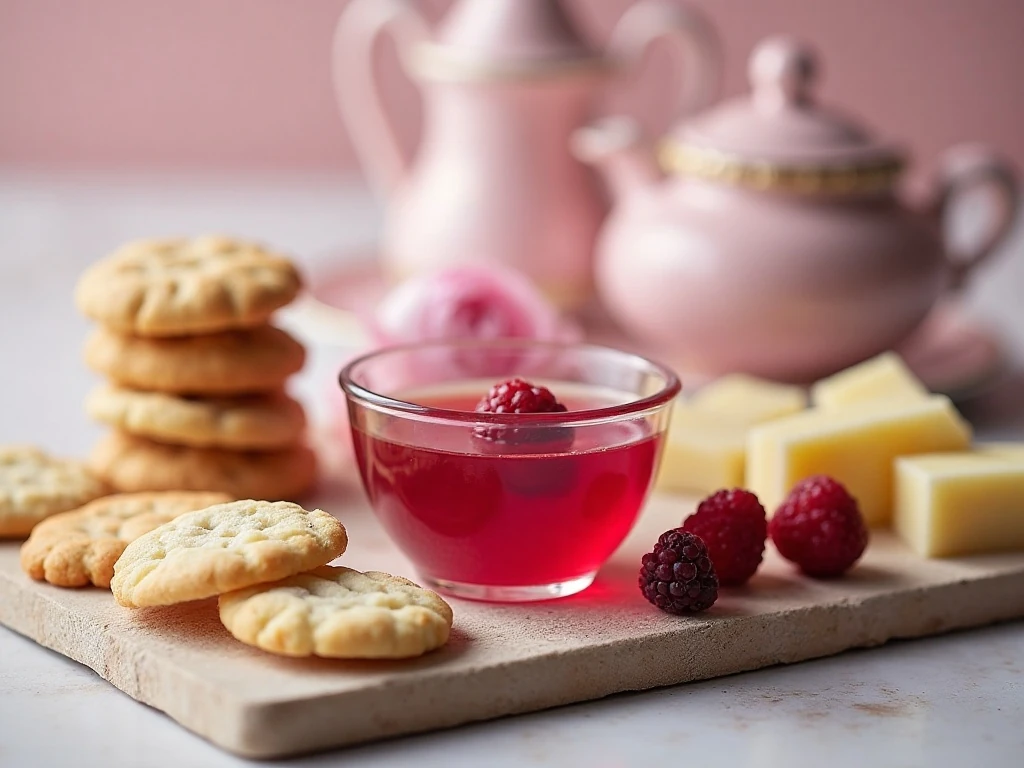
Peony jelly is especially pretty on a cookie tray. Serve it in a small glass dish with shortbread, lemon cookies, butter cookies, or plain tea biscuits so the floral flavor can remain the focus.
For sandwich cookies, spread a very thin layer between two crisp cookies and let them rest for a few minutes before serving. The jelly adds color, moisture, and a lightly tangy contrast to rich buttery dough.
You can also spoon it over cream cheese, goat cheese, or mild brie. A platter with cheese, crackers, fresh fruit, and a small jar of peony jelly turns a simple afternoon snack into a memorable gathering.
For a more substantial party table, pair the jelly with these sweet and sour mini meatballs as a separate sweet-tart accent. The jelly is best offered in a small serving bowl rather than poured directly over hot food.
Storage, Setting, and Canning Safety
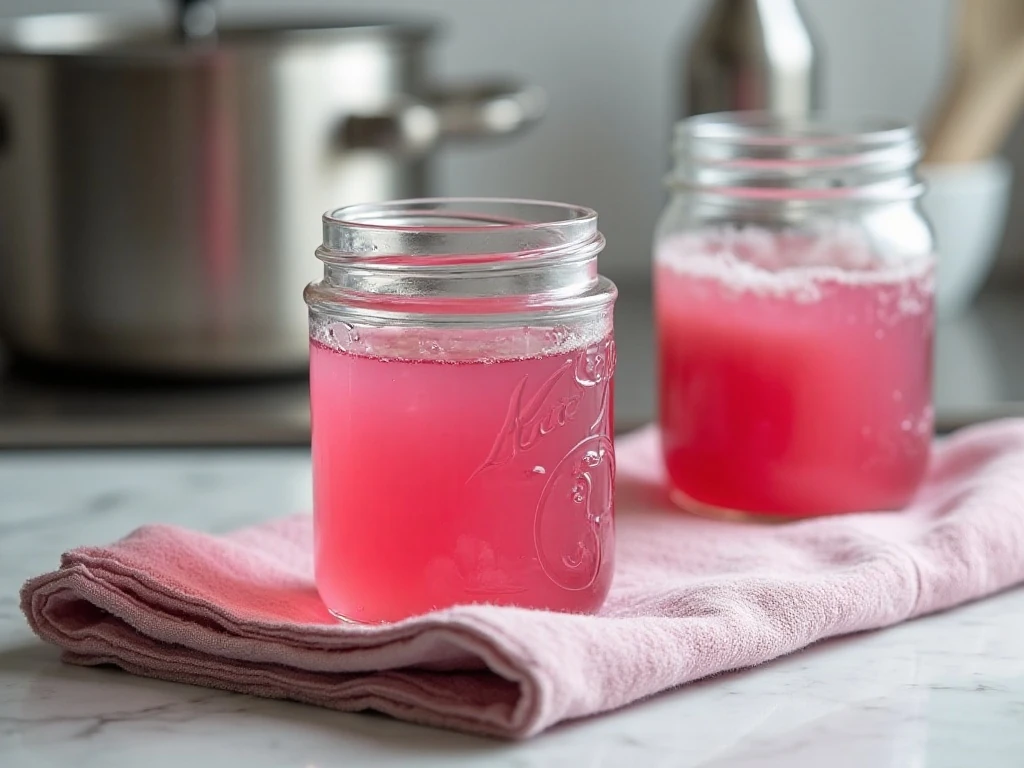
The active preparation and cooking time is typically about 35–55 minutes, but the jelly needs 12–24 hours to cool and set completely. Leave the jars undisturbed during this period, since moving them can interfere with the seal or make it harder to judge the texture.
After cooling, press the center of each lid to check the seal. A properly sealed lid should remain firm and should not flex up and down; any unsealed jar should be refrigerated and used promptly.
Store properly processed, sealed jars according to current home-canning guidance, in a cool, dark, dry place. Once opened, refrigerate the jelly and use a clean utensil each time.
Always adjust boiling-water canning times for altitude and rely on current tested canning guidance in your area. The approximately 5–10 minute processing time listed here is a typical range, but altitude and local recommendations take priority.
For another make-ahead accompaniment that belongs on a generous snack table, this sweet corn relish for canning offers a crisp, savory contrast to the floral sweetness of the jelly.
Homemade Peony Jelly
Ingredients
Method
- Use only fresh peonies that are food-grade and free from pesticides, systemic chemicals, and floral preservatives. Remove stems, leaves, sepals, and most stamens, retaining the clean petals, then rinse them gently.
- Bring 4 cups of water to a boil and pour it over the prepared petals in a heatproof bowl or saucepan. Steep for 10-15 minutes, until the water is pale, fragrant, and infused with floral flavor.
- Strain the petals thoroughly through a fine-mesh strainer, pressing gently to recover the liquid. Measure 3 1/2 to 4 cups of infusion; add a small amount of water if needed to reach that range.
- Place the measured infusion, bottled lemon juice, and powdered pectin in a large saucepan. Stir frequently while bringing the mixture to a full rolling boil that continues bubbling as you stir.
- Add all 4 cups of sugar at once and stir constantly. Return the mixture to a full rolling boil, then boil for 1 minute.
- Remove the saucepan from the heat and skim away foam if necessary. Ladle the hot jelly into hot, sterilized half-pint jars, leaving approximately 1/4 inch of headspace.
- Wipe the jar rims clean, apply the lids, and process the jars in a boiling-water canner for approximately 5-10 minutes. Adjust for altitude and follow current tested canning guidance for your location.
- Remove the jars and let them cool undisturbed for 12-24 hours. Check the seals and texture only after the resting period, then refrigerate any jar that did not seal properly.
Notes
Final Thoughts
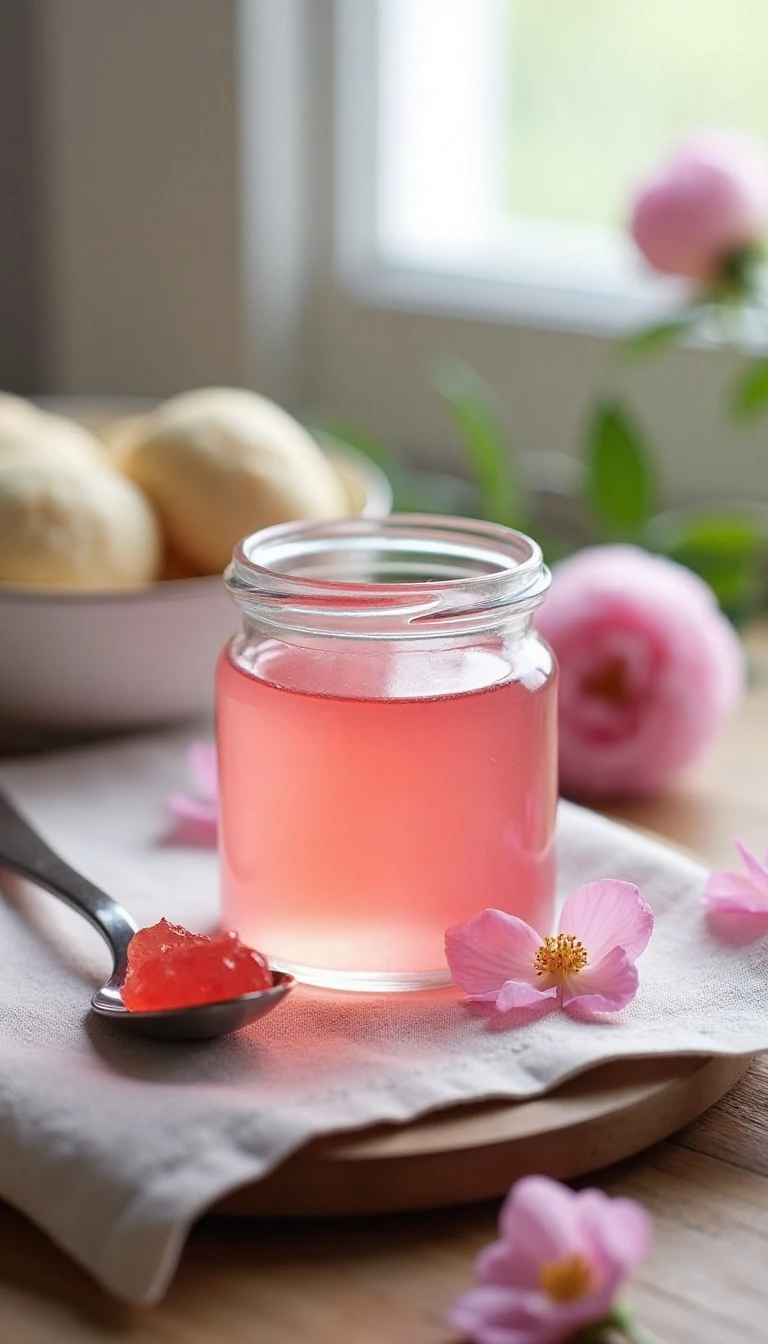
Homemade peony jelly turns a short season of beautiful blossoms into a glowing pantry treat. With fresh food-grade petals, standardized bottled lemon juice, powdered pectin, and careful boiling-water processing, you can create a preserve that is fragrant, jewel-toned, and surprisingly easy to serve.
Give the jars the full 12–24 hours to set before opening one. Then spread the jelly on cookies, toast, or warm biscuits, or set it beside mild cheese for a sweet floral bite that tastes like spring in every spoonful.
Remember to use only peonies you can confirm are unsprayed and safe for eating. Once that essential detail is covered, the recipe is a charming way to preserve the color and perfume of the garden in a form that feels right at breakfast, dessert, and every gathering in between.