These crispy keto fried cod fish sticks are a fast, low-carb answer to a family-friendly fish dinner. Tender cod is cut into easy-to-hold sticks, dipped in beaten egg, coated with finely crushed pork rinds, Parmesan, paprika, and garlic powder, then pan-fried in avocado oil for about 2–3 minutes per side. The recipe makes 4 servings, takes about 15 minutes to prepare, and cooks in 8–12 minutes.
Every bite delivers a deeply golden, crunchy crust followed by mild, flaky cod. With estimated net carbohydrates usually under 2–3 grams per serving, depending on the pork-rind brand and dipping sauce, these fish sticks fit comfortably into a keto meal without sacrificing the familiar pleasure of crisp fried fish.
Jump to RecipeWhy You’ll Love This Recipe
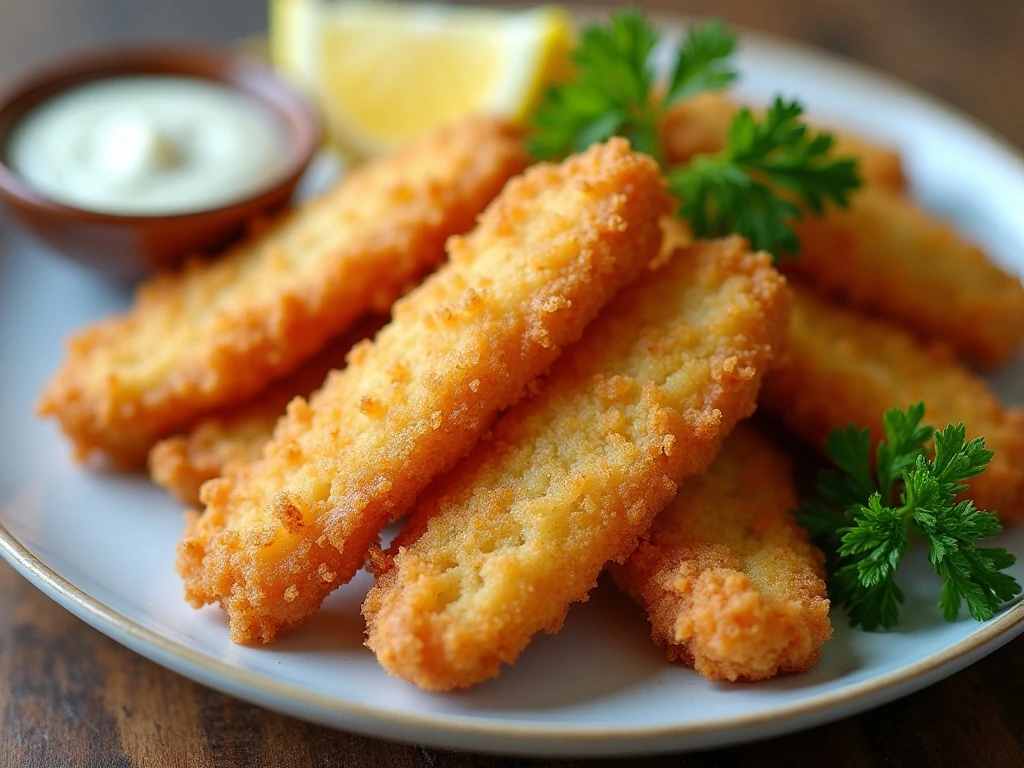
These keto fish sticks bring the comfort of classic fried seafood to the dinner table without wheat flour, breadcrumbs, or a heavy batter. The pork-rind coating becomes remarkably crisp in hot oil, while finely grated Parmesan adds savory flavor and helps the exterior brown beautifully.
Cod is especially well suited to this recipe because it is mild, lean, and firm enough to slice into neat sticks. Its clean flavor allows the paprika, garlic, Parmesan, and dipping sauce to shine without overpowering the fish.
The method is also practical for busy evenings. You can prepare the breaded fish in roughly 15 minutes, allow the coating to rest for 5 minutes, and pan-fry everything in 8–12 minutes. For another simple seafood idea, take a look at this lemon pan-fried fish dinner.
- Keto-friendly: The coating is based on pork rinds and Parmesan rather than flour or breadcrumbs.
- Quick: The total preparation and cooking time is approximately 30 minutes.
- Family friendly: The mild cod and crunchy shape appeal to children and adults.
- Customizable: You can adjust the spices or choose a favorite low-carb dipping sauce.
Ingredients You’ll Need
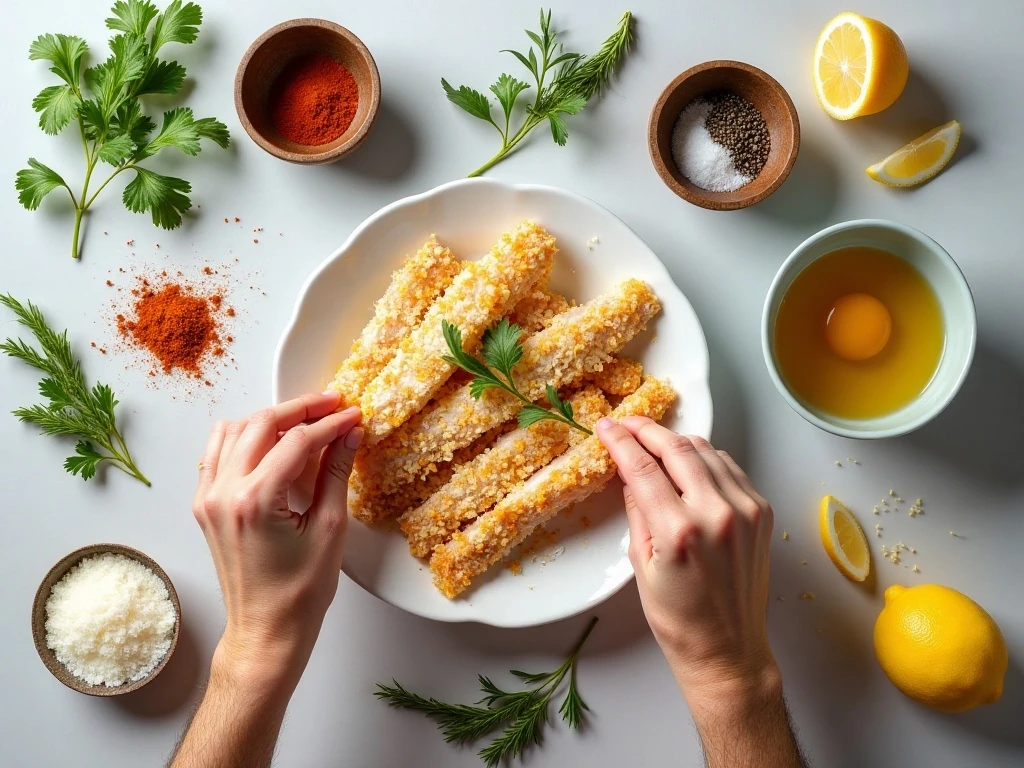
Start with 1 pound, or 450 grams, of skinless, boneless cod fillets. Fresh cod works wonderfully, but thawed frozen cod is also suitable as long as it is drained and patted exceptionally dry before cutting.
The crust uses 1/2 cup of finely crushed pork rinds, approximately 30–35 grams, combined with 1/4 cup of finely grated Parmesan, approximately 25 grams. Use very fine crumbs rather than large shards so the coating clings evenly to each piece of fish.
One large egg creates the adhesive layer. The seasoning blend is simple but flavorful: 1/2 teaspoon paprika, 1/2 teaspoon garlic powder, 1/2 teaspoon fine sea salt divided between the fish and coating, and 1/4 teaspoon black pepper.
For frying, use 1/4 cup avocado oil or another neutral high-heat oil, adjusting the amount to suit the size of your skillet. A broad skillet is useful because it gives the fish room to cook without touching too closely.
- Optional variation: replace part of the pork-rind crumbs with 1–2 tablespoons of almond flour.
- For more spice, add 1/4 teaspoon onion powder and a pinch of cayenne.
- Keep sugar-free tartar sauce, ranch dressing, or lemon-garlic mayonnaise ready for serving.
How to Make It Step-by-Step
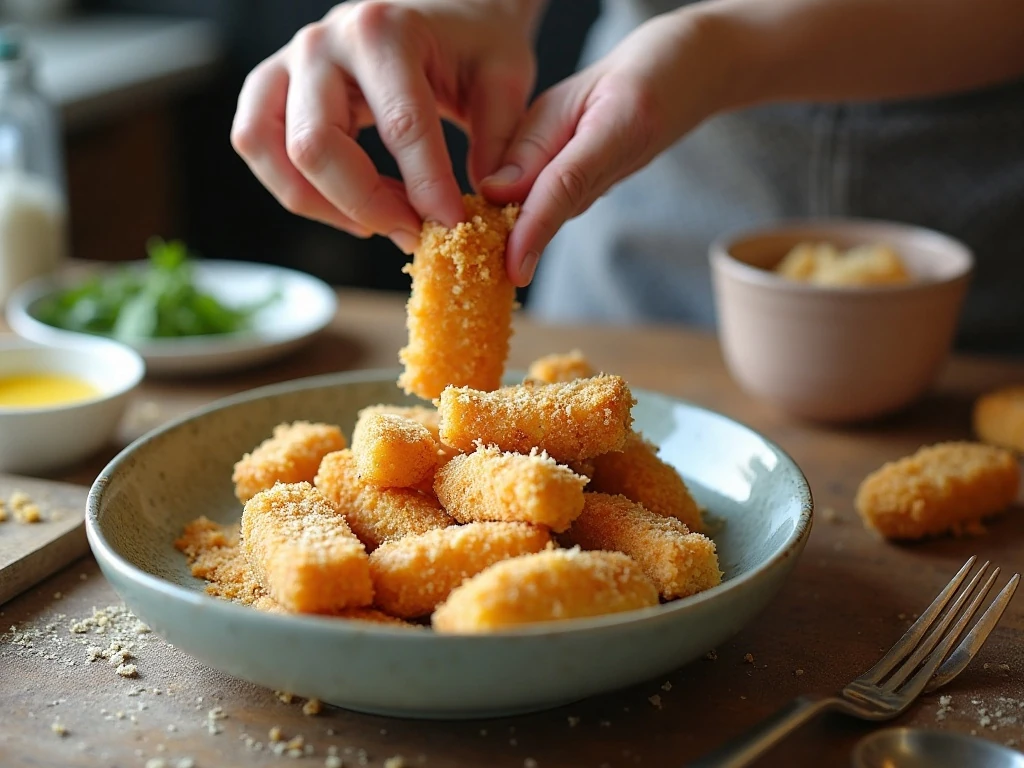
Step 1: Pat the cod very dry with several paper towels, paying attention to the sides and any natural creases in the fillets. Cut the fish into sticks about 1 inch wide and 3–4 inches long, then season lightly with half of the salt and the black pepper.
Step 2: Set up a three-dish breading station before you begin. Put the beaten egg in the first shallow dish, combine pork-rind crumbs, Parmesan, paprika, garlic powder, and the remaining salt in the second, and place a clean plate or tray beside them for the finished pieces.
Step 3: Dip one cod stick into the beaten egg, turning it so every surface is lightly covered. Hold it above the dish for a moment to let excess egg drip off, since too much liquid can make the crust uneven.
Step 4: Move the egg-coated cod into the pork-rind mixture and turn it carefully. Press the crumbs onto all sides, especially the edges, so the coating forms a complete crust rather than loose patches.
Step 5: Place each coated stick on the clean plate and let the breading rest for approximately 5 minutes. This pause gives the egg and crumbs time to bind, which helps reduce slipping when the fish is turned in the skillet.
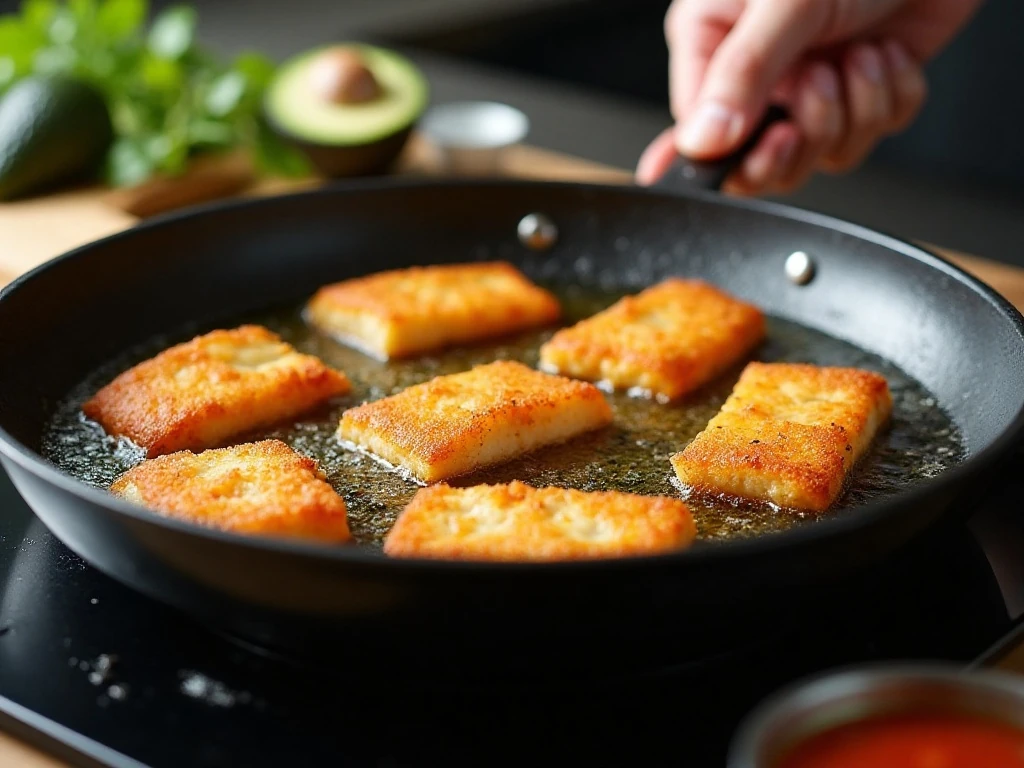
Step 6: Heat the avocado oil in a large skillet over medium to medium-high heat to approximately 350°F (175°C). Test the temperature by adding a tiny pinch of crumbs; they should sizzle immediately, while the oil should remain clear and should never smoke.
Step 7: Add the fish sticks in a single layer, working in batches if necessary. Fry for approximately 2–3 minutes per side, turning gently with tongs or a thin spatula so the crust remains intact.
Step 8: Check the thickest fish stick with an instant-read thermometer. Cod is ready when it reaches 145°F (63°C) internally and flakes easily; do not depend on the crust color alone because a thick piece can brown before the center is cooked.
Step 9: Transfer the finished fish sticks to a wire rack or paper towels to drain briefly. Serve them right away while the crust is at its crispiest, with a low-carb sauce and fresh lemon if desired.
Pro Tips for the Crispiest Coating
Drying the cod is the most important preparation detail. Moisture on the fish creates steam beneath the coating, which can cause the crumbs to slide off and prevent the exterior from becoming crisp.
Crush the pork rinds finely and evenly. A food processor makes quick work of this, but you can also place them in a sealed bag and roll over them with a rolling pin. Avoid leaving large curls or hard chunks, which can create gaps in the coating.
Do not overcrowd the skillet. When too many fish sticks are added at once, they cool the oil and release moisture into the pan, producing a softer, greasier crust. Fry in batches and allow the oil to return to a steady medium-high temperature between batches.
Use a thermometer whenever possible. The coating can look perfectly golden before a thick cod stick reaches the safe internal temperature of 145°F (63°C). Turning the fish carefully and checking the thickest piece helps you avoid both undercooking and dryness.
If you enjoy crunchy coated dishes, the technique also pairs well with poultry; you may enjoy this crispy chicken katsu cutlet for another dinner inspiration.
Serving Ideas and Low-Carb Pairings
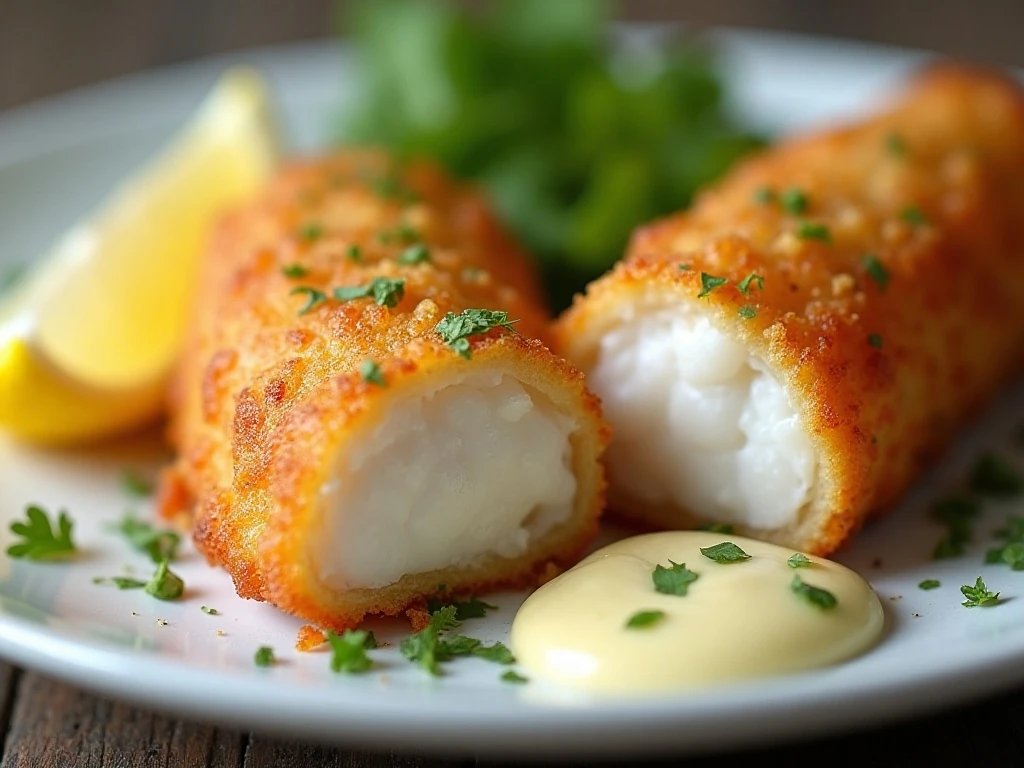
Serve the fish sticks immediately with a bowl of sugar-free tartar sauce for a classic combination. Ranch dressing brings a creamy, herby flavor, while lemon-garlic mayonnaise adds brightness and richness without requiring a traditional flour-based condiment.
For a balanced plate, add a crisp green salad, cauliflower rice, or roasted vegetables. A side of smashed Brussels sprouts with crispy prosciutto would provide a savory vegetable contrast; try these crunchy Brussels sprouts alongside the cod.
A squeeze of lemon just before eating cuts through the richness of the fried crust. Fresh parsley, dill, or finely sliced chives can also add color and a fresh finish without changing the low-carb character of the meal.
Estimated net carbohydrates are usually under 2–3 grams per serving, although the exact amount depends mainly on the pork-rind brand, any almond flour variation, and the dipping sauce you choose. Check product labels when strict carbohydrate tracking is important.
Storage and Reheating
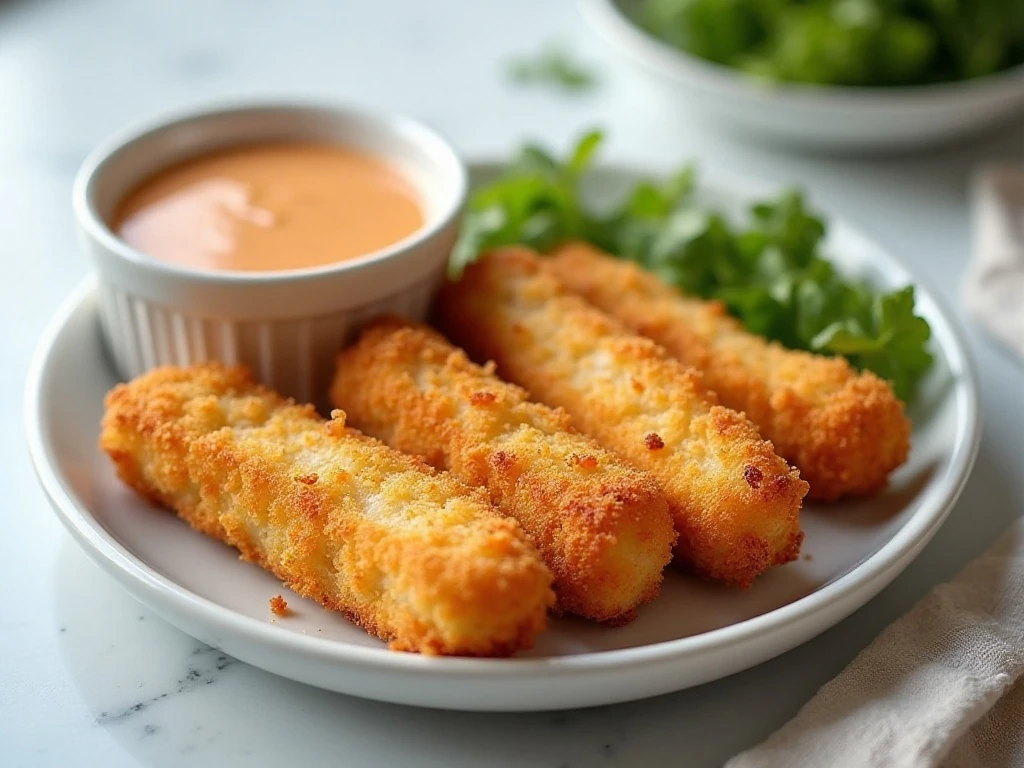
These fish sticks are best straight from the skillet, when the pork-rind crust is at peak crispness. If you have leftovers, cool them briefly and store them in an airtight container in the refrigerator.
For the best reheating result, warm them in a hot oven or air fryer until heated through and crisp again. Avoid relying on the microwave alone, since it can soften the coating and make the fish seem less freshly fried.
Because cod is lean, reheat only until hot rather than cooking it for an extended period. A thermometer can help you confirm that the center is warm without overcooking the fish.
Keep sauces separate from the stored fish. Adding tartar sauce or mayonnaise before storage will soften the crust, while serving the sauce on the side preserves the contrast between crisp coating and tender cod.
More Low-Carb Recipe Inspiration
After dinner, a bright low-carb dessert can finish the meal nicely. These blueberry lemon bars offer a fruity, tangy option, while keto chocolate bark cupcakes are a good choice when you are craving something rich and chocolatey.
For the fish sticks themselves, keep the recipe simple and focus on the small details: dry fish, fine crumbs, a short breading rest, hot oil, and enough room in the pan. Those steps make the difference between a coating that stays crisp and one that separates or turns soft.
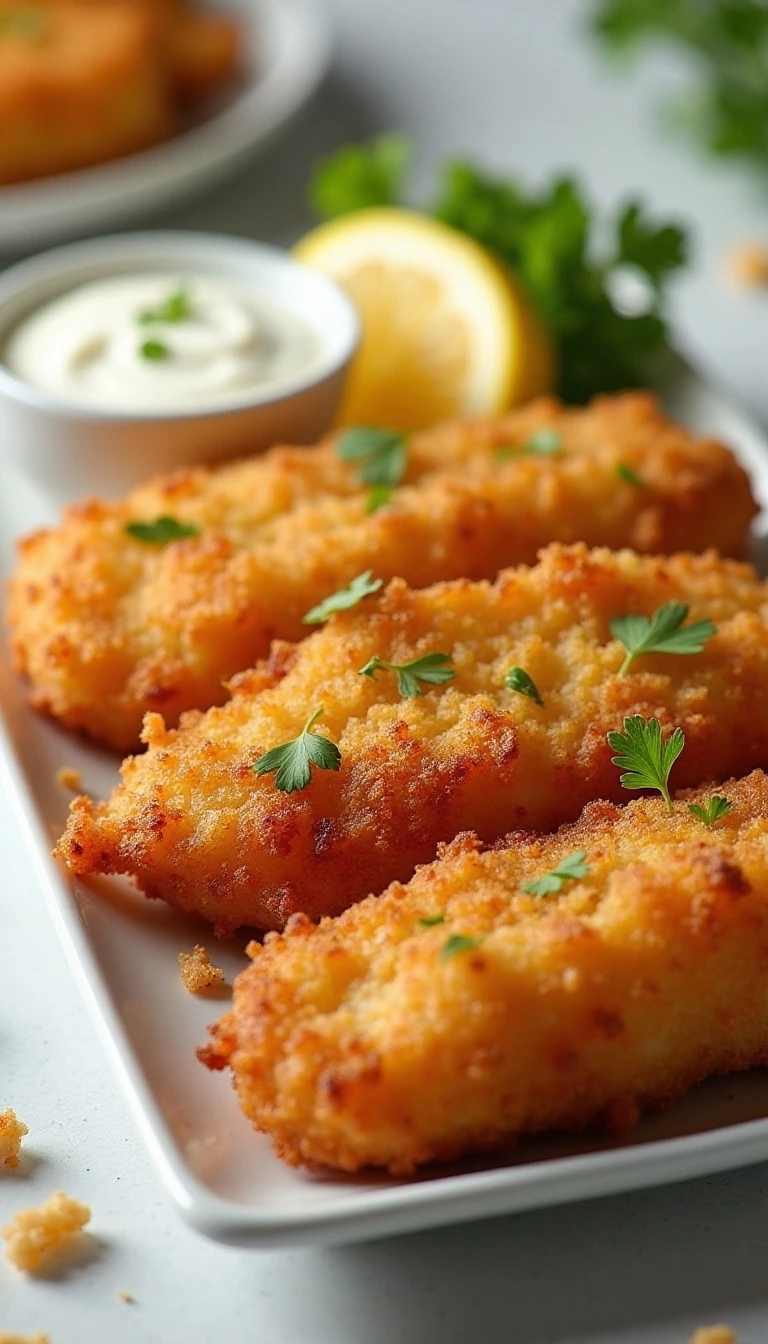
Crispy Keto Fried Cod Fish Sticks
Ingredients
Method
- Pat the cod very dry with paper towels. Cut it into sticks approximately 1 inch wide and 3–4 inches long, then season lightly with half of the salt and all of the black pepper.
- Beat the egg in one shallow dish. In a second shallow dish, combine the pork-rind crumbs, Parmesan, paprika, garlic powder, and remaining salt; keep a clean plate or tray nearby for the coated fish.
- Dip each cod stick into the beaten egg and allow excess egg to drip away. Place it in the pork-rind mixture, turning to coat every side, and press the crumbs firmly onto the fish.
- Arrange the breaded cod on the clean plate and let it rest for about 5 minutes. This short rest helps the crust set before frying.
- Heat the avocado oil in a large skillet over medium to medium-high heat until it reaches approximately 350°F (175°C). The oil should sizzle as soon as the coating touches it, but it should not smoke.
- Fry the fish sticks in batches for approximately 2–3 minutes per side, turning carefully with tongs or a thin spatula. Continue until the crust is deeply golden and the thickest part of the cod reaches 145°F (63°C).
- Transfer the cooked fish sticks to a wire rack or paper towels to drain briefly. Serve immediately with sugar-free tartar sauce, ranch dressing, or lemon-garlic mayonnaise.
Notes
Final Thoughts
Crispy keto fried cod fish sticks are proof that low-carb cooking can still deliver the crunch and comfort of a classic family favorite. The pork-rind and Parmesan crust browns beautifully, while the cod remains mild, tender, and flaky inside.
Prepare the dipping sauce before frying so the fish can be served as soon as it leaves the skillet. With a total time of approximately 30 minutes, this recipe is quick enough for a weeknight and satisfying enough for a relaxed weekend meal.
Remember to fry in batches, check the thickest piece for 145°F (63°C), and enjoy the fish while it is hot. Add a fresh vegetable side, a squeeze of lemon, and your favorite low-carb sauce for a complete plate everyone will want to reach for.