Make smooth, naturally sweet pumpkin purée in two simple stages: roast a small sugar pumpkin cut-side down at 400°F (200°C) for 45–60 minutes, then scoop and blend the tender flesh until silky. A 3–4 lb pie pumpkin yields about 2 cups, making this homemade purée ideal for pies, muffins, custards, breads, soups, sauces, and more.
Oven roasting concentrates the pumpkin’s gentle sweetness while keeping the flesh tender and spoonable. The result is fresher and more fragrant than canned purée, with a beautiful orange color and a neutral flavor that works equally well in desserts and savory dishes.
Jump to RecipeWhy You’ll Love This Recipe
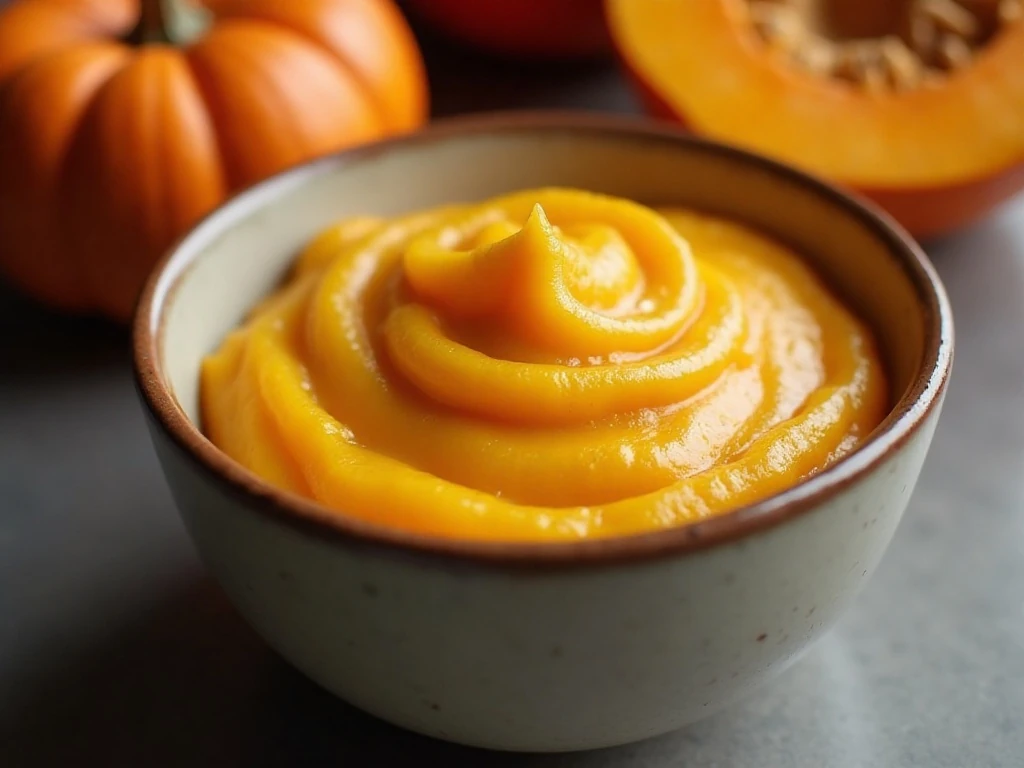
This oven-roasted pumpkin purée requires only a pumpkin and water, yet it creates a remarkably useful staple for the fall kitchen. There is no oil, salt, sugar, or seasoning to distract from the pumpkin’s natural flavor, so you can season it later for either a sweet or savory recipe.
The method is wonderfully hands-off. Once the pumpkin halves are in the oven, the heat softens the flesh and brings out a mellow sweetness while the shallow water bath helps prevent scorching.
Homemade purée also lets you control the final texture. Blend it completely smooth for pie and custards, or leave it just slightly rustic for soups, sauces, and rustic baked goods.
When you are ready for a sweet project, use this purée in our easy pumpkin dump cake or spoon it into caramel pumpkin mini pies for individual desserts.
Ingredients You’ll Need
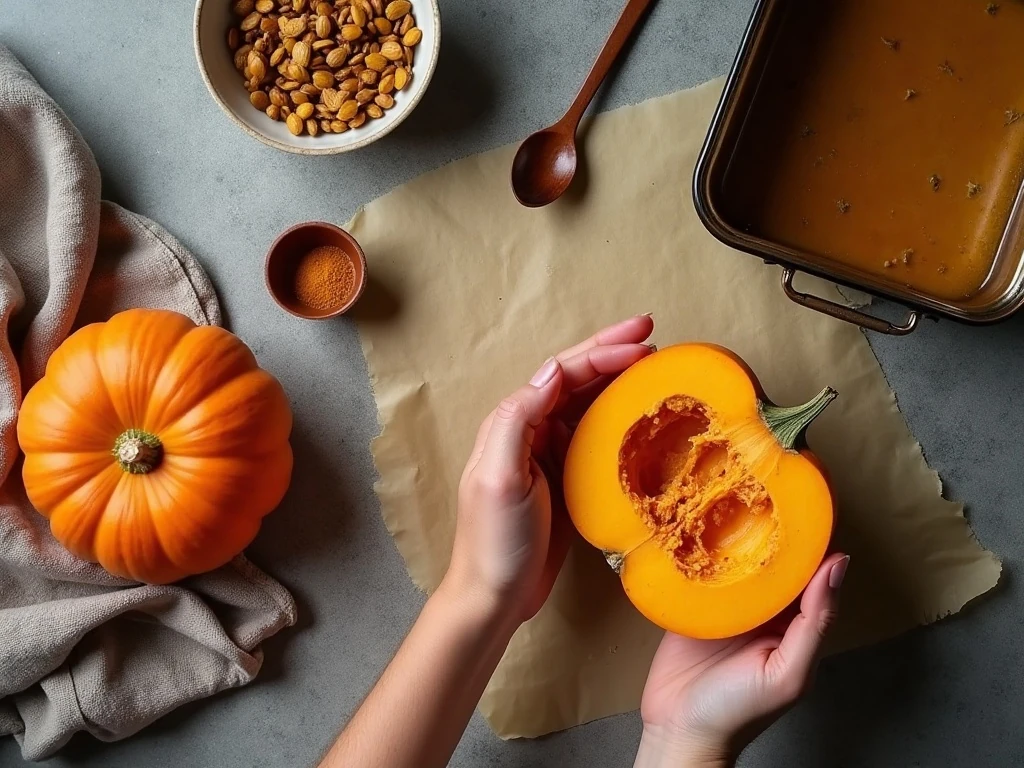
The ingredient list is intentionally short because the pumpkin is the star. Choose a small pumpkin labeled sugar pumpkin or pie pumpkin, weighing about 3–4 lb (1.4–1.8 kg).
- 1 small sugar pumpkin or pie pumpkin: This typically produces approximately 2 cups of purée, although the exact yield depends on its size and moisture content.
- Water: Add enough to create about ½ inch in the rimmed baking sheet or shallow roasting pan. The water is for the roasting pan, not for mixing into the purée.
Avoid large decorative carving pumpkins. Their flesh is often fibrous, watery, and less sweet, which can make the finished purée thin and bland.
For the smoothest dessert results, select a pumpkin that feels heavy for its size and has firm, unblemished skin. You may reserve the cleaned seeds for roasting separately, turning kitchen scraps into a crunchy snack.
How to Make It Step-by-Step
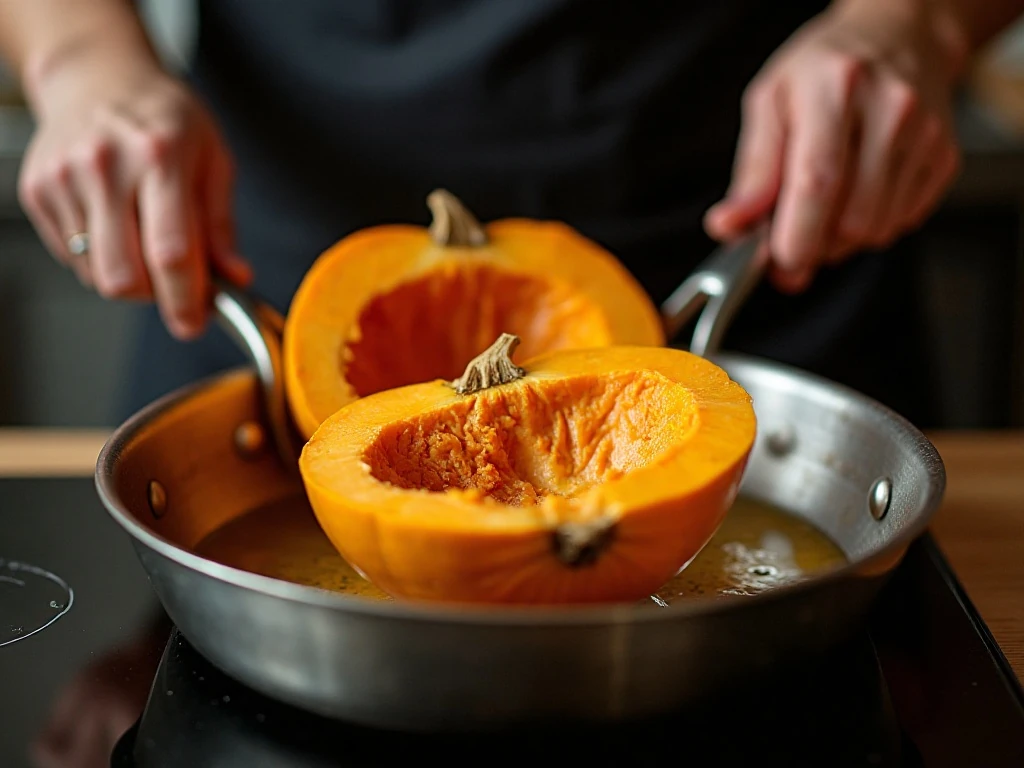
Step 1: Heat the oven to 400°F (200°C). Wash the pumpkin well, then place it on a stable cutting board and cut it in half from the stem to the base. Use a sturdy spoon to scrape out the seeds and stringy fibers, reserving the seeds if you would like to roast them later.
Step 2: Arrange the pumpkin halves cut-side down on a rimmed baking sheet or in a shallow roasting pan. Pour in a small amount of water, about ½ inch deep, to help prevent the exposed pumpkin from scorching during roasting.
Step 3: Roast for 45–60 minutes, checking near the shorter end of the range. The pumpkin is ready when a fork slides easily through the thickest part of the flesh and the halves look visibly softened.
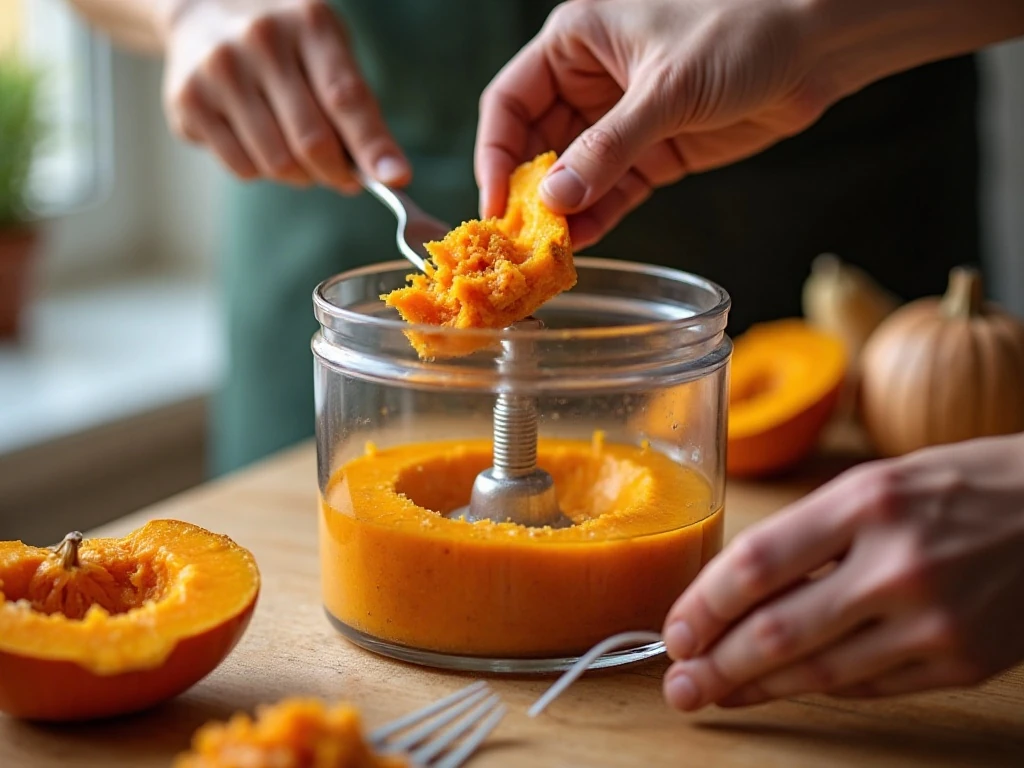
Step 4: Remove the pan and let the pumpkin cool enough to handle safely. Turn the halves over, scoop the flesh from the skin, and transfer it to a food processor or blender.
Step 5: Process the pumpkin until smooth and creamy, pausing to scrape down the sides if needed. If you prefer traditional equipment, pass the flesh through a food mill or potato ricer for a fine, fluffy texture.
Step 6: Check the consistency before adding the purée to a recipe. If it is watery, place it in a fine-mesh sieve lined with cheesecloth and drain for 30 minutes to several hours, depending on how thick you need it.
Step 7: Measure the purée into the recipe of your choice. It is ready for pie, bread, muffins, custards, soups, or sauces, and any unused portion can be refrigerated or frozen for later.
For a classic dessert application, try the purée in our pumpkin spice muffins. The smooth texture blends easily into the batter and gives the muffins a tender crumb.
Pro Tips for Smooth, Flavorful Purée
Cutting the pumpkin from stem to base makes it easier to scrape the cavity and helps the halves sit securely in the roasting pan. If the stem is especially tough, carefully cut around it first rather than forcing a knife through it.
Roasting cut-side down helps the flesh stay moist and tender. If you want a thicker purée straight from the oven, turn the halves cut-side up near the end of roasting so a little surface moisture can evaporate, then blend as directed.
Pumpkins vary naturally, so do not worry if one produces a little more or less than 2 cups. Measure the finished purée for your recipe instead of assuming every pumpkin will give the same amount.
For pie, thickness matters because excess water can interfere with setting. Drain the purée until it resembles the consistency of thick applesauce, especially if your pumpkin looked very moist after blending.
Keep the purée plain unless you are using it immediately in a specific dish. Cinnamon, nutmeg, ginger, salt, and other seasonings are best added to the final recipe, where they can be balanced with the other ingredients.
While this is primarily a dessert ingredient, a portion can become a silky soup or sauce. Serve a pumpkin-based dish alongside loaded smashed baby potatoes for a cozy autumn meal.
Ways to Use Homemade Pumpkin Purée

The most familiar use is pumpkin pie, where the purée provides body, color, and a soft custard texture. It also works beautifully in mini pies, cheesecake, pumpkin bread, coffee cake, pancakes, waffles, and muffins.
For a no-oven dessert, stir the purée into a chilled filling and follow our no-bake pumpkin pie idea. Homemade purée adds a fresh roasted note that pairs especially well with vanilla, maple, caramel, and warm spices.
In savory cooking, combine it with stock, onion, garlic, and herbs for soup. You can also fold it into pasta sauces, risotto, casseroles, or a creamy dip, seasoning each dish according to its purpose.
- Breakfast: Add it to oatmeal, pancakes, waffles, or smoothies.
- Baking: Use it in muffins, quick breads, cakes, cookies, and custards.
- Dessert: Make pie, mini pies, pudding, cheesecake, or spiced parfaits.
- Savory meals: Stir it into soup, pasta sauce, risotto, or a vegetable purée.
Storage, Freezing & Thawing
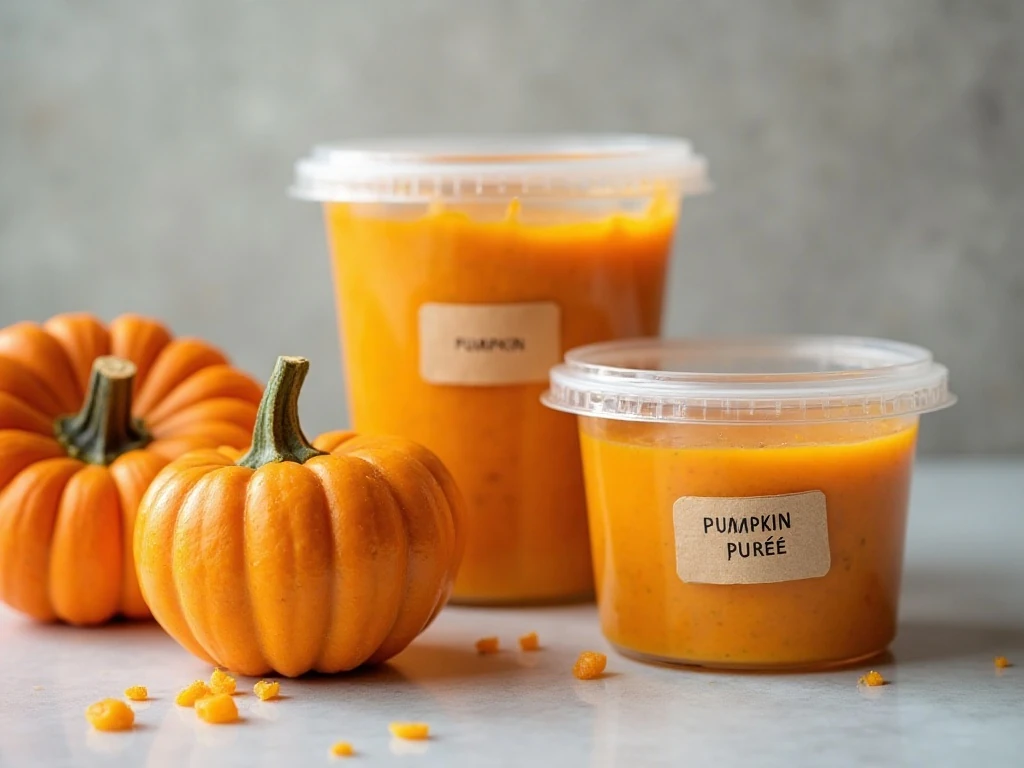
Store cooled pumpkin purée in an airtight container in the refrigerator for up to 4 days. Label the container with the date so it is easy to use within that window.
For longer storage, freeze the purée in measured 1- or 2-cup portions for up to about 3 months. Portioning it this way makes it simple to thaw exactly what a pie, muffin batch, or soup requires.
Thaw frozen purée in the refrigerator, then stir it well and drain any excess liquid before using it in baking. If the thawed purée looks loose, return it to a cheesecloth-lined fine-mesh sieve for 30 minutes or longer.
Do not add water to loosen the purée unless a particular soup or sauce calls for it. A thick, concentrated base is easier to adapt, while a watery purée can make baked recipes heavy or slow to set.
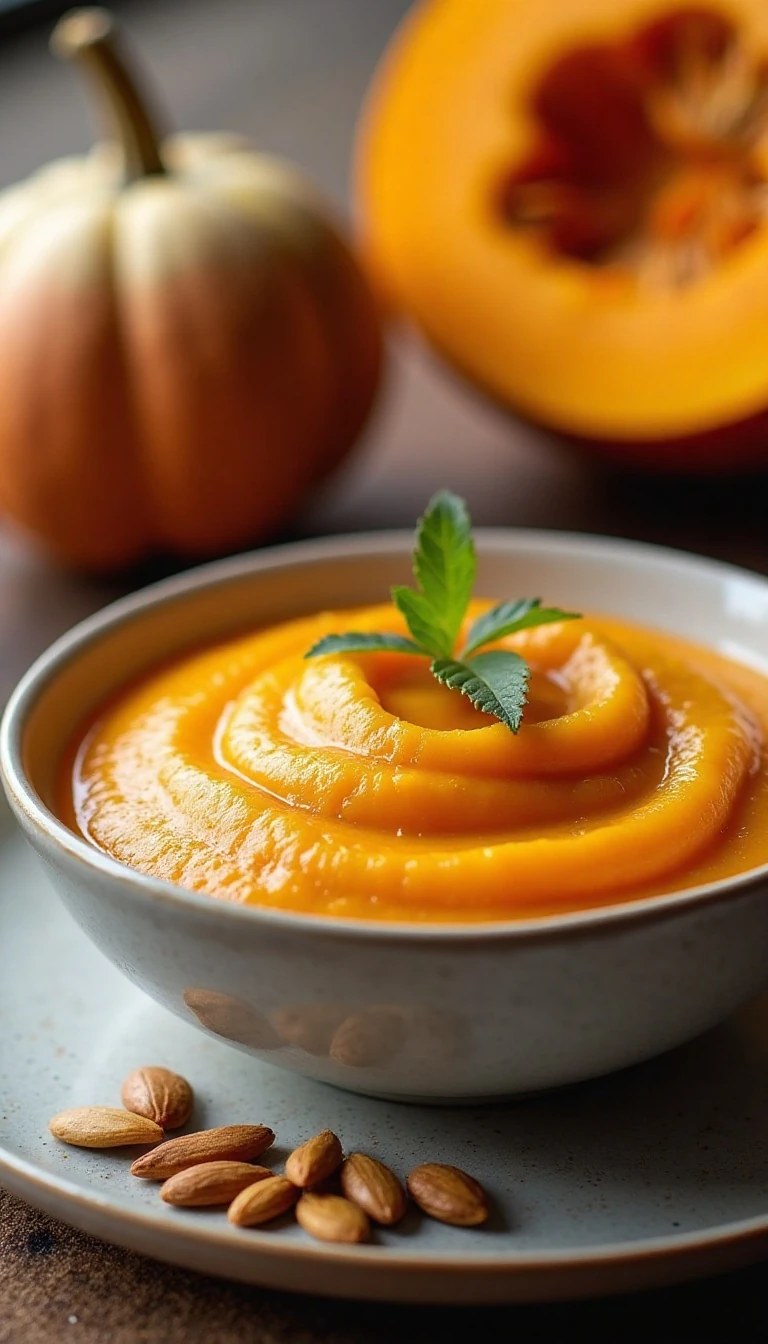
2-Step Oven-Roasted Pumpkin Purée
Ingredients
Method
- Heat the oven to 400°F (200°C). Wash the pumpkin, cut it in half from stem to base, and scrape out the seeds and stringy fibers; reserve the seeds for roasting if desired.
- Place the pumpkin halves cut-side down on a rimmed baking sheet or in a shallow roasting pan. Add about ½ inch of water to the pan and roast for 45–60 minutes, until the flesh is very tender and easily pierced with a fork.
- Cool the roasted pumpkin until it is comfortable to handle. Scoop the flesh away from the skin and process it in a food processor or blender until smooth; a food mill or potato ricer also works.
- If the purée seems watery, drain it in a fine-mesh sieve lined with cheesecloth for 30 minutes to several hours. Use immediately, refrigerate in an airtight container for up to 4 days, or freeze in measured portions for up to about 3 months.
Notes
Final Thoughts
With one small pie pumpkin, a roasting pan, and a blender, you can make a deeply colored, naturally sweet purée in about 1 hour 10 minutes to 1½ hours. The two essential stages are roasting until tender and processing until smooth, with draining available when a thicker texture is needed.
Keep the finished purée neutral so it can move from dessert to dinner without restriction. Freeze a few measured portions now, and you will have a convenient homemade ingredient ready for pies, muffins, custards, soups, sauces, and all your favorite pumpkin recipes.