To make yummy homemade noodles from scratch, combine 2 cups of all-purpose flour, 3 large eggs, and 1/2 teaspoon of fine salt into a firm dough. Knead it for 8–10 minutes, let it rest for 30 minutes, roll it thin, cut it into 1/8–1/4-inch strands, and boil the fresh noodles for just 2–4 minutes.
These homemade noodles are tender, pleasantly chewy, and rich with the flavor of fresh eggs. Serve them with butter, warm broth, or your favorite sauce for a comforting meal that tastes far better than ordinary dried noodles and comes together in about one hour, including resting time.
Jump to RecipeWhy You’ll Love This Recipe
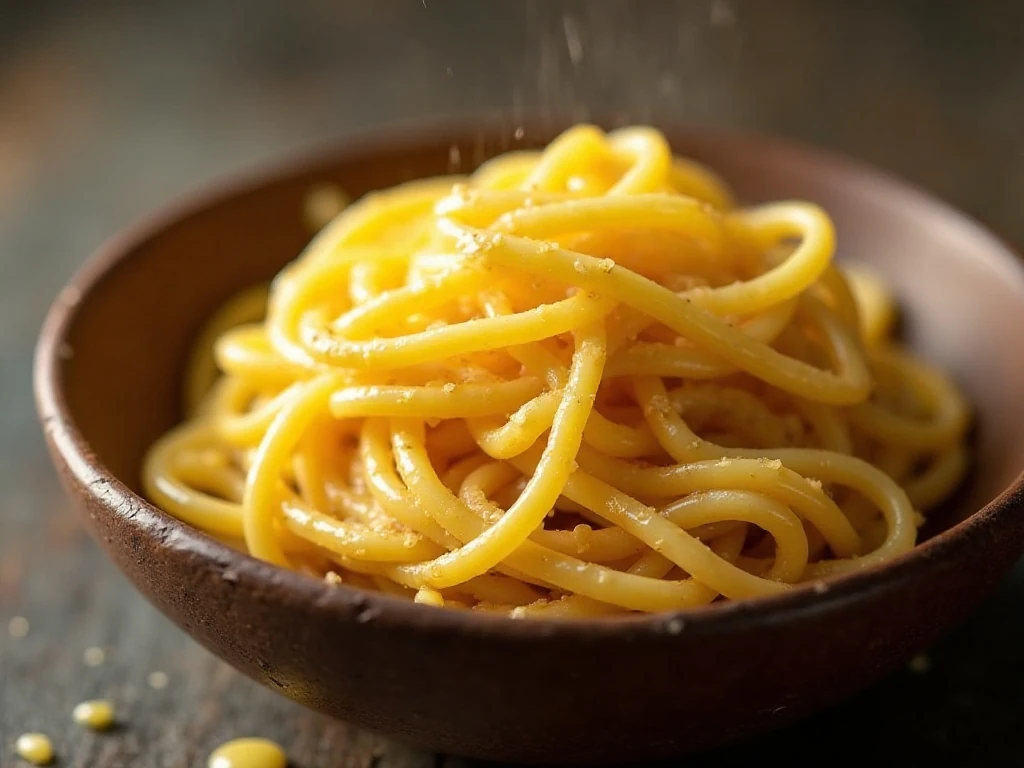
Making noodles at home sounds like a weekend project, but this simple egg-noodle dough requires only a few everyday ingredients. There is no special equipment required, although a pasta machine can make rolling the sheets thinner and more even.
The finished noodles have a soft, springy bite and a delicate egg flavor. They also absorb butter, broth, and sauce beautifully, making them useful for everything from a quick bowl of comfort food to a hearty family dinner.
This recipe is especially satisfying because you can control the thickness and width. Cut them narrow for soup, wider for a rustic buttered noodle dish, or somewhere in between for a versatile side dish.
If you enjoy making fresh pasta, you may also like these fresh egg noodles, which offer another delicious way to use a homemade dough.
Ingredients You’ll Need
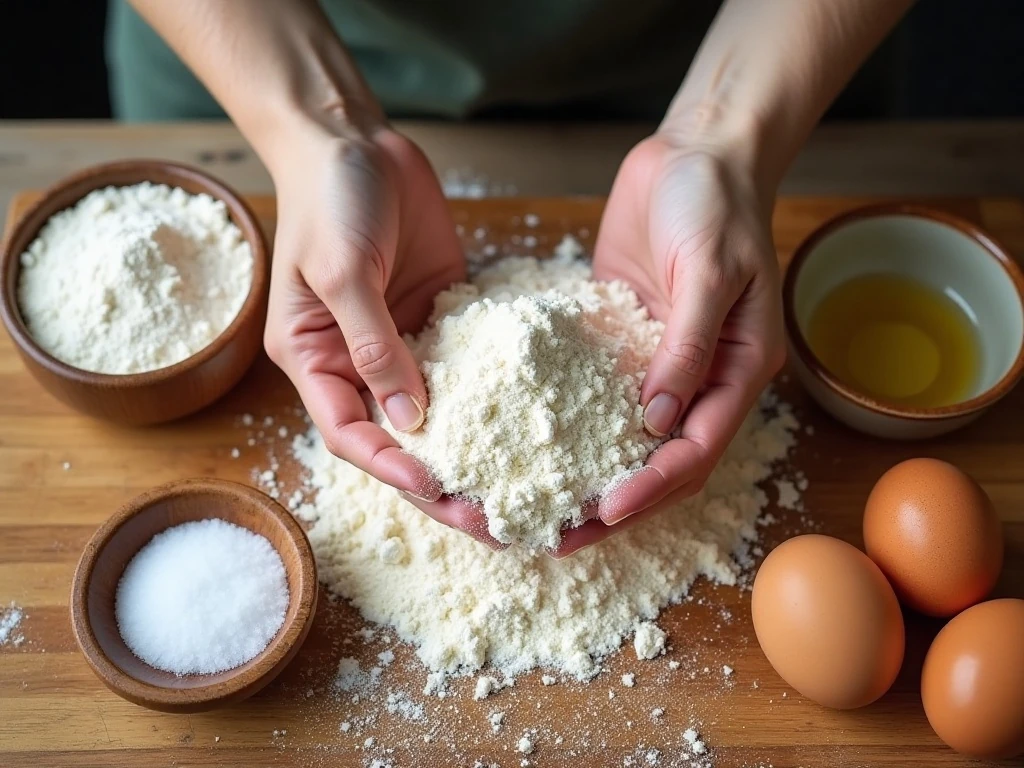
The foundation of this recipe is 2 cups, or about 240–250 grams, of all-purpose flour. Weighing the flour is helpful because a packed cup can contain more flour than a lightly filled cup, and that difference can make the dough noticeably firmer.
- All-purpose flour: Provides structure while keeping the noodles tender.
- Eggs: Add moisture, richness, color, and a pleasantly chewy texture.
- Fine salt: Seasons the dough from the inside.
- Olive oil or melted butter: Optional, but it can add richness and a smoother feel.
- Water: Use only 1–2 tablespoons if the dough is too dry, adding it a teaspoon at a time.
Keep a little extra flour nearby for rolling and cutting, but use it sparingly. Too much flour can make the noodles tough and may leave the cooking water cloudy.
How to Make It Step-by-Step
Step 1: Add the flour and salt to a large mixing bowl, or mound them on a clean counter and make a well in the center. Crack the eggs into the well and add the optional olive oil or melted butter if using.
Step 2: Use a fork to beat the eggs while slowly pulling flour from the inner edge of the mound. Work gradually so the egg mixture thickens before it reaches the outer flour, which helps prevent loose liquid from escaping across the work surface.
Step 3: Continue mixing until the ingredients form a shaggy, uneven dough. If dry crumbs refuse to join the dough, add water one teaspoon at a time rather than pouring in the full 1–2 tablespoons at once.
Step 4: Transfer the dough to a lightly floured surface and knead for 8–10 minutes. Press the dough forward with the heel of your hand, fold it back, turn it, and repeat until it feels smooth, firm, and elastic without being sticky.
Step 5: Wrap the dough tightly in plastic wrap or cover it securely in a bowl. Let it rest at room temperature for 30 minutes so the gluten relaxes and the dough becomes easier to stretch and roll.
Step 6: Divide the rested dough into 2–4 portions with a knife or bench scraper. Cover the pieces you are not working with so their surfaces do not dry out while you roll the first portion.
Step 7: Roll one portion into a thin sheet with a rolling pin, turning it often and dusting lightly with flour as necessary. If using a pasta machine, begin with a wider setting and gradually work thinner, taking care not to overload the rollers.
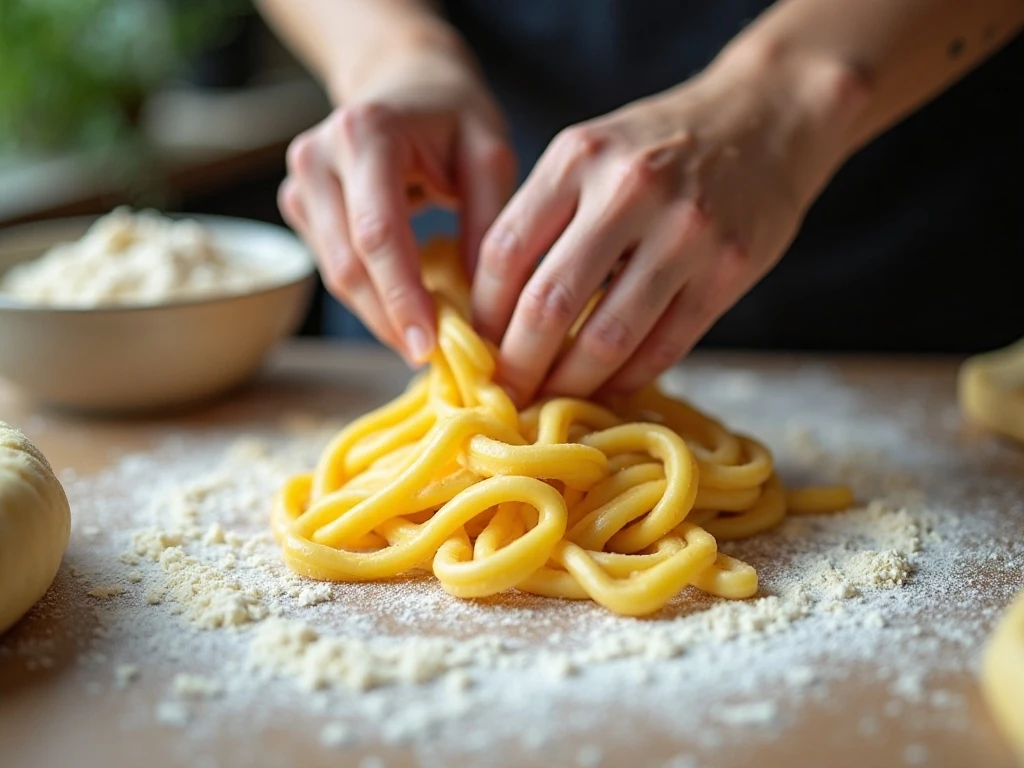
Step 8: Fold the sheet loosely or roll it without pressing it tightly together. Use a sharp knife to cut noodles about 1/8–1/4 inch wide, then lift and separate the strands with your fingers.
Step 9: Dust the cut noodles very lightly with flour and arrange them in loose nests or spread them in a single layer. Repeat with the remaining dough, keeping the strands covered until the water is ready.
Step 10: Bring a large pot of well-salted water to a full boil. Add the noodles, stir gently once to separate them, and cook for about 2–4 minutes, checking after 2 minutes because thinner noodles finish quickly.
Step 11: Drain the noodles as soon as they are tender but still slightly firm. Serve immediately with butter, broth, sauce, or as a substitute for dried noodles in your favorite dish.
Chef Tips for Tender Homemade Noodles
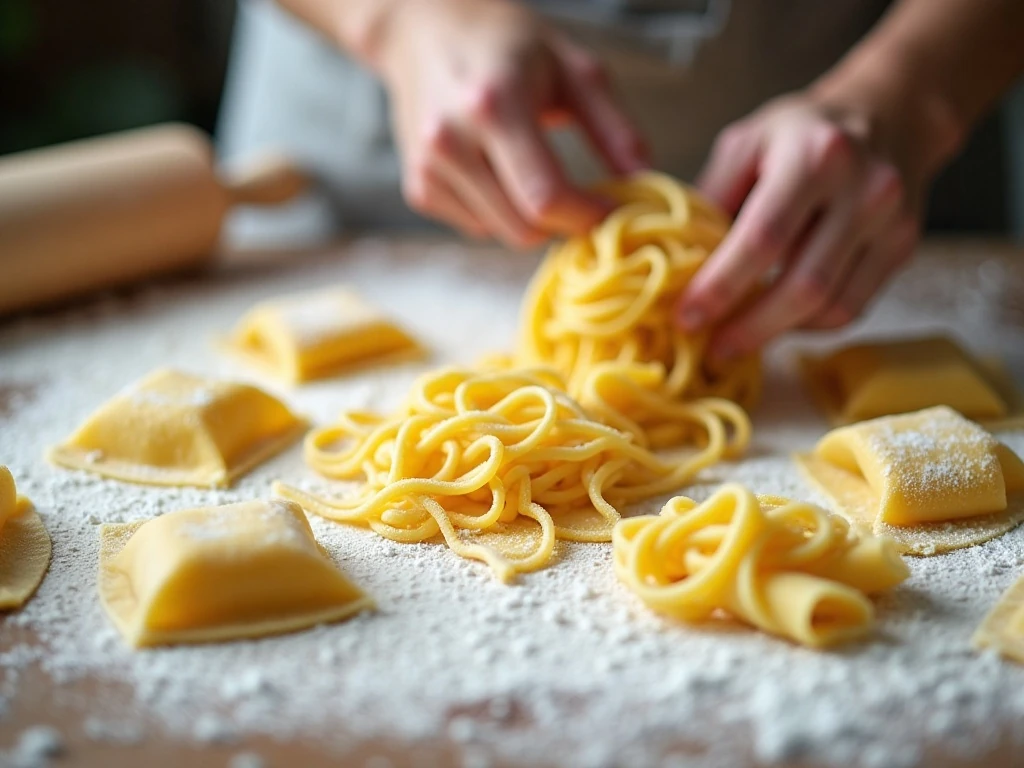
Texture is the best guide when making this dough. A properly mixed dough should not feel wet, but it also should not crumble into dry pieces; adjust with tiny amounts of water until it holds together.
Do not rush the kneading or resting stages. Kneading develops the structure that gives the noodles their pleasant bite, while the 30-minute rest makes the dough less likely to spring back when rolled.
Keep unused dough covered at every stage. Even a short time exposed to air can create a dry skin that makes rolling and cutting less tidy.
Fresh noodles need very little cooking time. Start tasting at the two-minute mark, especially if you have rolled the dough thin or cut narrow strands.
- Use a sharp knife for clean cuts.
- Dust only when the sheet or strands begin to stick.
- Shake off excess flour before boiling.
- Have the sauce or serving bowl ready before the noodles finish cooking.
For a complete comfort-food spread, serve the noodles with warm homemade breadsticks. The soft noodles and savory breadsticks make a particularly welcoming dinner combination.
Ways to Serve Fresh Noodles
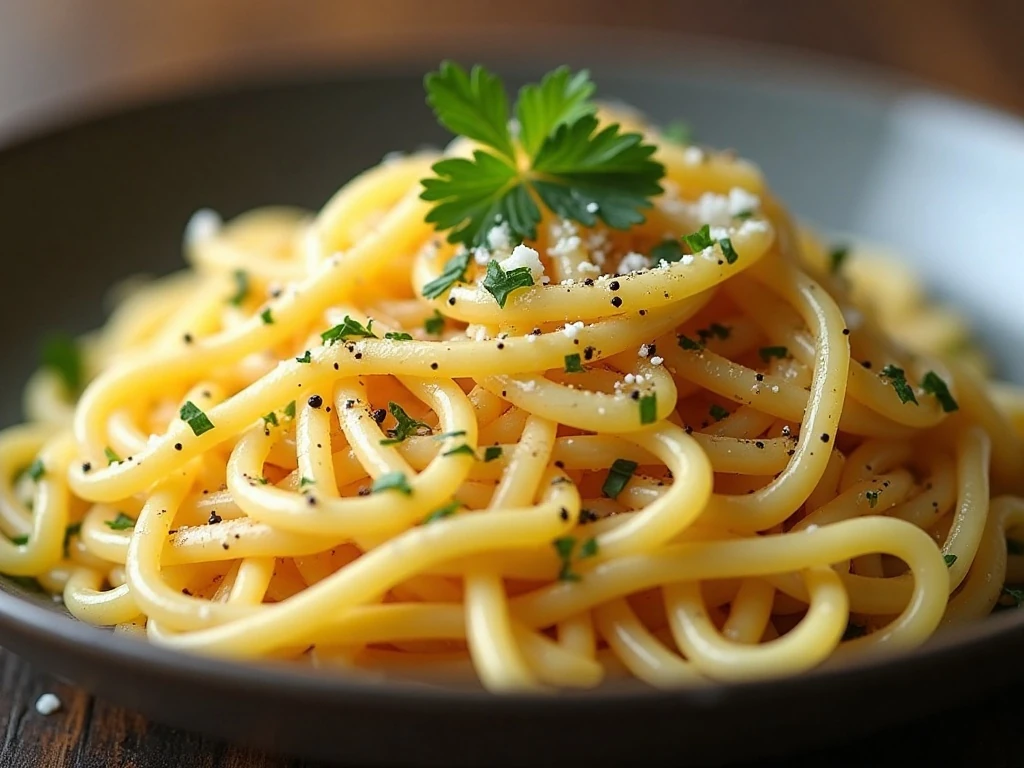
The simplest serving is also one of the most delicious: toss the hot noodles with butter and a pinch of salt. A spoonful of grated cheese, cracked black pepper, or chopped parsley can finish the bowl without hiding the flavor of the fresh pasta.
For a cozy soup, place cooked noodles in hot chicken or vegetable broth. Add shredded chicken, sliced carrots, celery, or greens for a satisfying meal.
These noodles also work well with tomato sauce, browned butter, creamy mushroom sauce, or a light garlic sauce. Their uneven homemade shape helps sauce cling to every strand.
For a more boldly seasoned dinner, use the noodles in a Thai-inspired peanut chicken noodle dish. Freshly boiled strands pair nicely with savory, nutty sauces and tender pieces of chicken.
Storage, Freezing, and Reheating
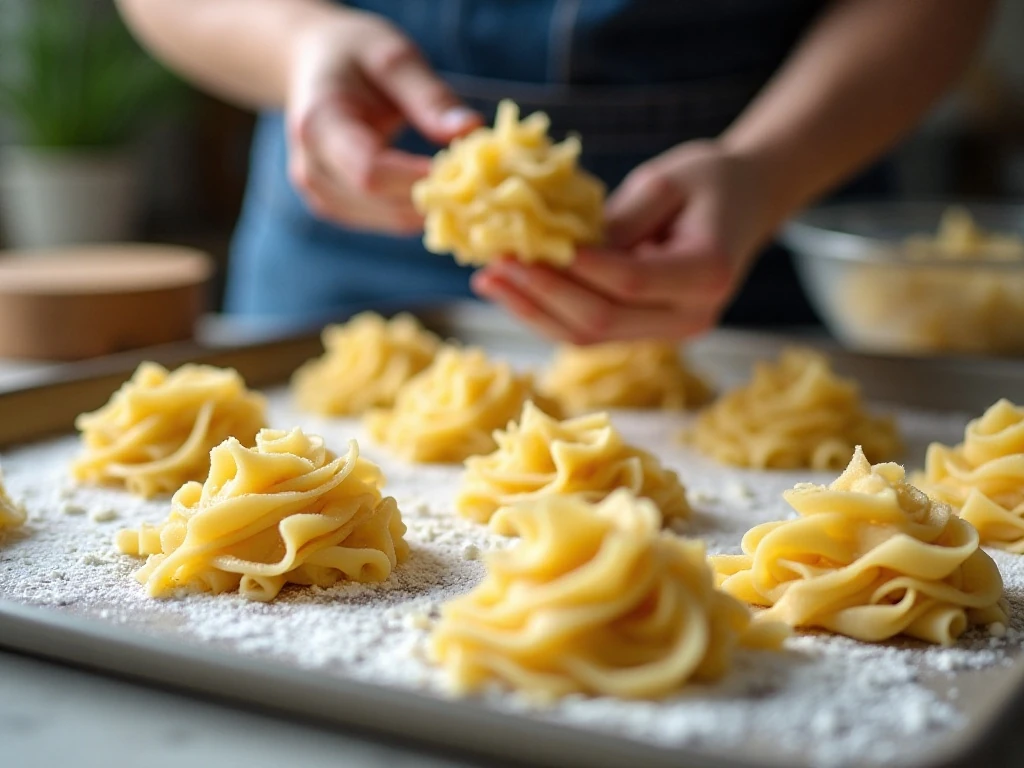
Fresh noodles are best cooked immediately, but you can hold cut noodles for a short time while preparing the rest of the meal. Keep them lightly dusted with flour and covered so they do not dry out.
To freeze the noodles, arrange them in loose nests on a lightly floured tray and freeze until firm. Transfer the nests to a freezer-safe container, then cook them directly from frozen, allowing a little extra time and testing for tenderness.
Cooked noodles can be refrigerated in a covered container, although their texture is best on the day they are made. Reheat them briefly in simmering water or toss them in a skillet with sauce and a small splash of water.
Fresh noodles are also an excellent base for creative leftovers. Serve them beside crispy homemade chicken nuggets for a family-friendly meal with a simple dipping sauce.
Troubleshooting Common Problems
If the dough is too sticky, knead in a very small amount of flour and allow it to rest before adding more. If it is too dry, wet your fingertips or add water by the teaspoon until the crumbs come together.
If the dough keeps shrinking while you roll it, cover it and let it rest for another few minutes. Gluten needs time to relax, and forcing the sheet thinner too quickly can make the process frustrating.
If the noodles stick together, separate them immediately after cutting and use a light dusting of flour. Avoid coating them heavily, since excess flour can create a thick, tough surface and make the cooking water cloudy.
If the noodles seem undercooked, return them to boiling water for another 30 seconds and test again. Thickness makes a major difference, so tasting is more reliable than following the clock alone.
For dessert after your noodle dinner, use a prepared fruit filling in a homemade apple pie. A warm slice makes a lovely finish to this from-scratch meal.
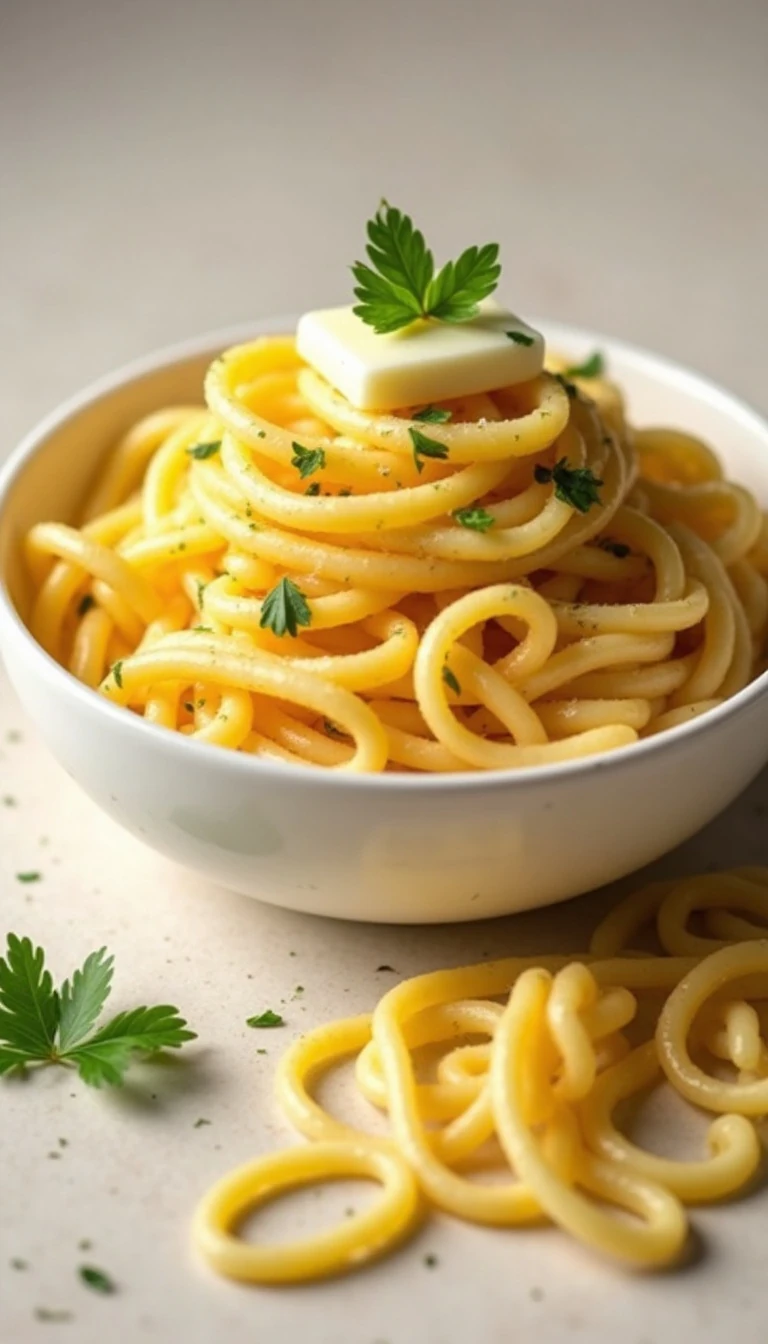
Yummy Homemade Noodles From Scratch
Ingredients
Method
- Place the flour and salt in a large bowl or mound them on a clean work surface. Make a wide well in the center, then add the eggs and optional olive oil or melted butter.
- Beat the eggs gradually with a fork while drawing flour in from the sides. Continue mixing until a shaggy dough forms; if it remains crumbly, add water one teaspoon at a time until it comes together.
- Knead the dough for 8–10 minutes until smooth and elastic. It should feel firm but not dry or sticky.
- Wrap the dough tightly or cover it in a bowl and rest it at room temperature for 30 minutes. This gives the gluten time to relax and makes the dough easier to roll.
- Divide the rested dough into 2–4 pieces, keeping the pieces you are not using covered. Roll each portion thin with a rolling pin or pasta machine, dusting lightly with flour only when needed.
- Fold or loosely roll each sheet, then cut it into noodles about 1/8–1/4 inch wide. Separate the strands and dust them lightly with flour so they do not cling together.
- Bring a large pot of well-salted water to a rolling boil. Add the fresh noodles and cook for 2–4 minutes, beginning to test them after 2 minutes, until tender but still slightly firm.
- Drain the noodles immediately and serve them hot with butter, broth, sauce, or another favorite topping. Fresh noodles cook much faster than dried pasta, so avoid leaving them unattended.
Notes
Final Thoughts
Homemade noodles from scratch are easier than they look: mix a simple flour-and-egg dough, knead it well, rest it for 30 minutes, then roll, cut, and boil. The most important details are adding water gradually, using only a light dusting of flour, and beginning to test the noodles after about 2 minutes of cooking.
Once you taste the tender, fresh texture, you may find yourself making these noodles for soups, sauces, buttered side dishes, and family dinners again and again. Keep the first batch simple, then experiment with different widths and serving ideas as your confidence grows.