This is the best white bread recipe for making one soft, fluffy loaf in a standard 9-by-5-inch pan. Made with warm water, milk, sugar, yeast, butter, salt, and gradually added flour, the dough rises beautifully and bakes into a golden sandwich bread with a tender crumb.
The loaf takes about 2 1/2 to 3 1/2 hours from start to finish, including rising time, but the active preparation is only about 20 to 30 minutes. Enjoy thick slices with butter, use it for sandwiches and toast, or save a few pieces for a comforting bread dessert such as this rich custard bread pudding.
Jump to RecipeWhy You’ll Love This Recipe
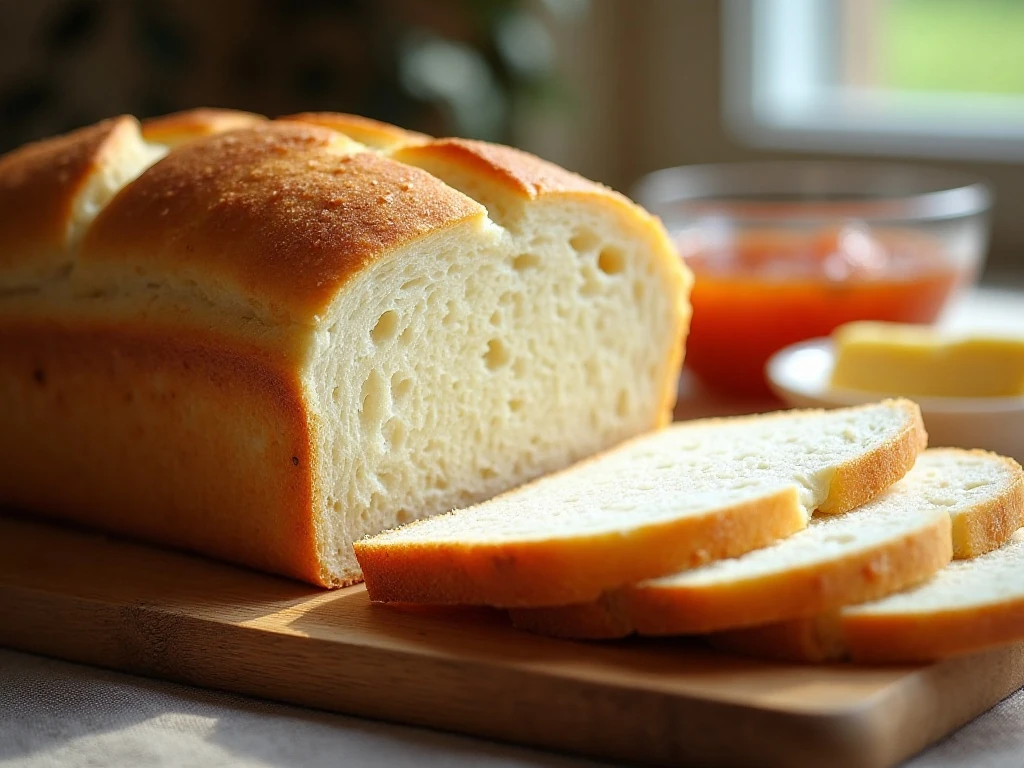
Homemade white bread has a softness and fresh-baked aroma that packaged bread cannot quite match. This loaf is tender enough for everyday sandwiches, sturdy enough for toast, and mild enough to pair with sweet or savory toppings.
The formula is simple, dependable, and made with common pantry ingredients. Milk contributes richness, butter adds a delicate flavor, and a modest amount of sugar supports the yeast while giving the crust a lovely golden color.
This recipe makes one standard 9-by-5-inch loaf, so it is practical for a family kitchen without leaving you with several loaves to use at once. Once the bread is cool, slice it thickly for French toast or cube it for a dish such as our Louisiana-style bread pudding.
Ingredients You’ll Need
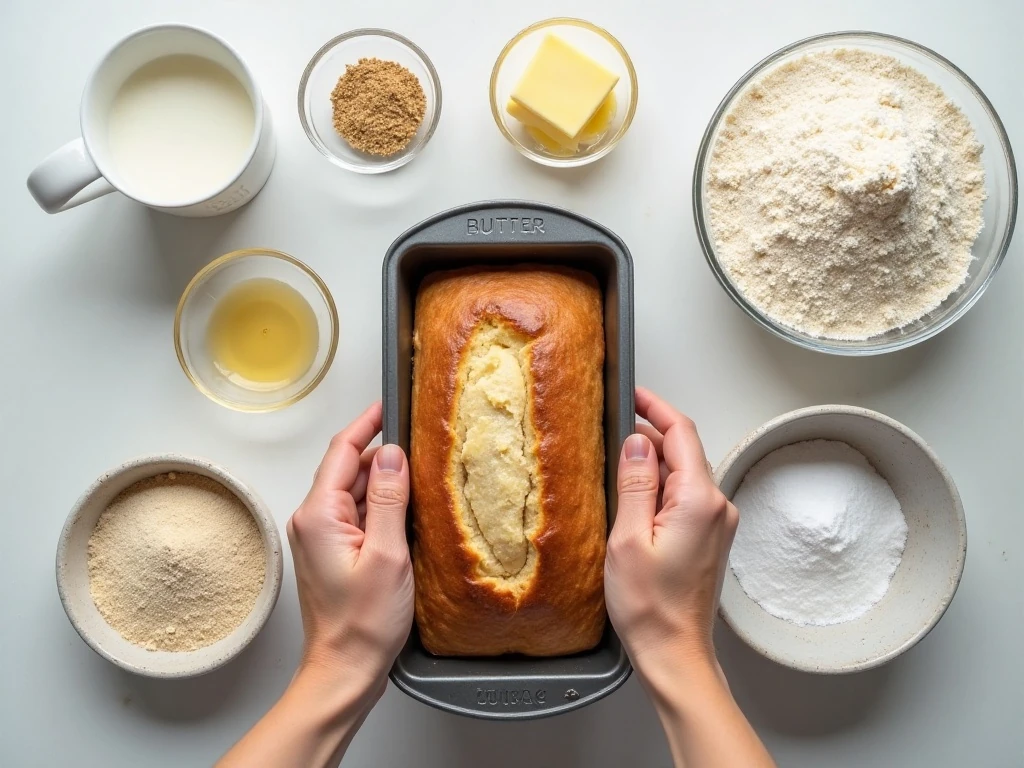
Use warm, not hot, liquids for the yeast mixture. Water and milk should be approximately 105-110°F, which feels pleasantly warm when tested carefully.
- Warm water and milk: These create the liquid base and help form a tender dough.
- Sugar: Adds gentle sweetness and supports fermentation.
- Active dry yeast: Use 2 1/4 teaspoons, equal to one standard 7-gram packet.
- Melted unsalted butter: Brings richness to the crumb and flavor to the crust.
- Fine salt: Balances the flavor and keeps the bread from tasting flat.
- Flour: Start with 3 1/2 cups and add more gradually only if needed, up to 4 cups.
All-purpose flour makes a wonderfully soft loaf, while bread flour can provide a little more chew. Weighing the flour is the most reliable method, but spooning it into a measuring cup and leveling the top works well too.
For another cozy way to use homemade baked goods, you might also enjoy these oatmeal bars with white chocolate chips alongside a slice of fresh bread at snack time.
How to Make It Step-by-Step
Step 1: Combine the warm water, warm milk, sugar, and active dry yeast in a large mixing bowl. Stir gently and let it stand for 5-10 minutes, until a foamy layer appears on the surface; this shows that the yeast is active.
Step 2: Pour in the melted butter and add the salt, then stir to distribute them through the liquid. The butter should be melted but not scorching hot, since excessive heat can interfere with the yeast.
Step 3: Add the flour gradually, mixing after each addition. Begin with 3 1/2 cups and stop when the dough is soft, slightly tacky, and pliable rather than dry or crumbly.
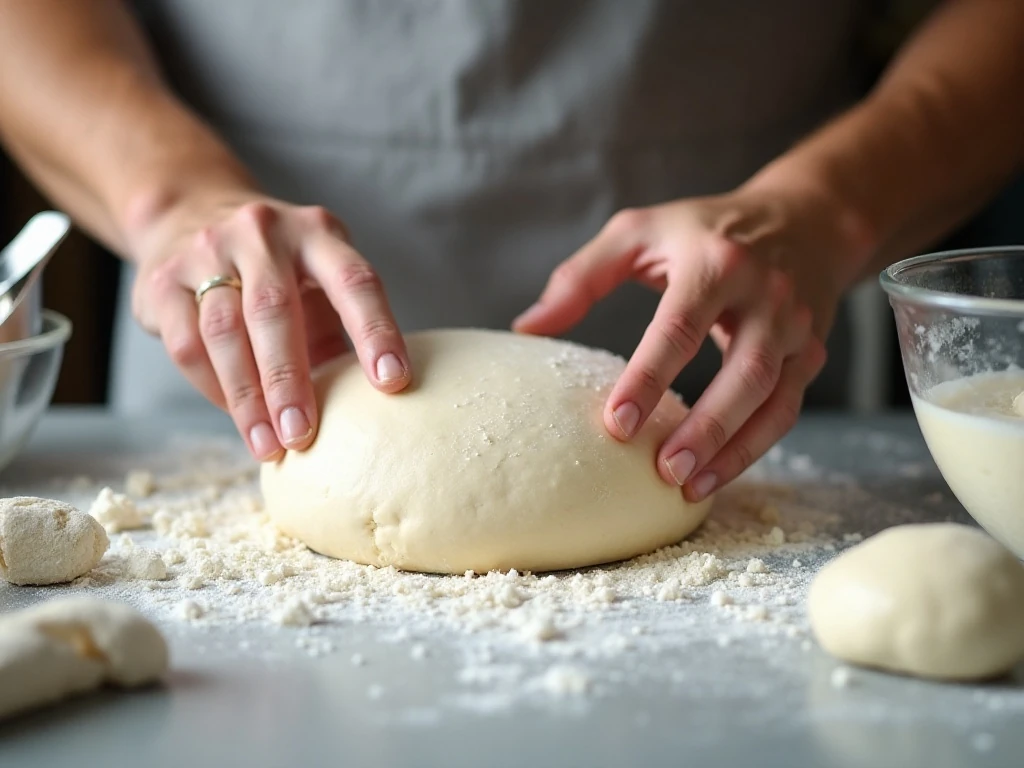
Step 4: Knead the dough by hand on a lightly floured surface for 8-10 minutes. If using a stand mixer, knead with the dough hook for about 5-7 minutes, until the dough looks smooth and stretches without immediately tearing.
Step 5: Place the kneaded dough in a lightly greased bowl and turn it once so the surface is lightly coated. Cover the bowl and let it rise in a warm, draft-free place for 60-90 minutes, or until it has doubled in size.
Step 6: Gently press down on the risen dough to remove excess gas without aggressively tearing it. Shape it into a neat loaf by flattening it into a rectangle, folding it inward, and rolling it firmly from one short end to the other.
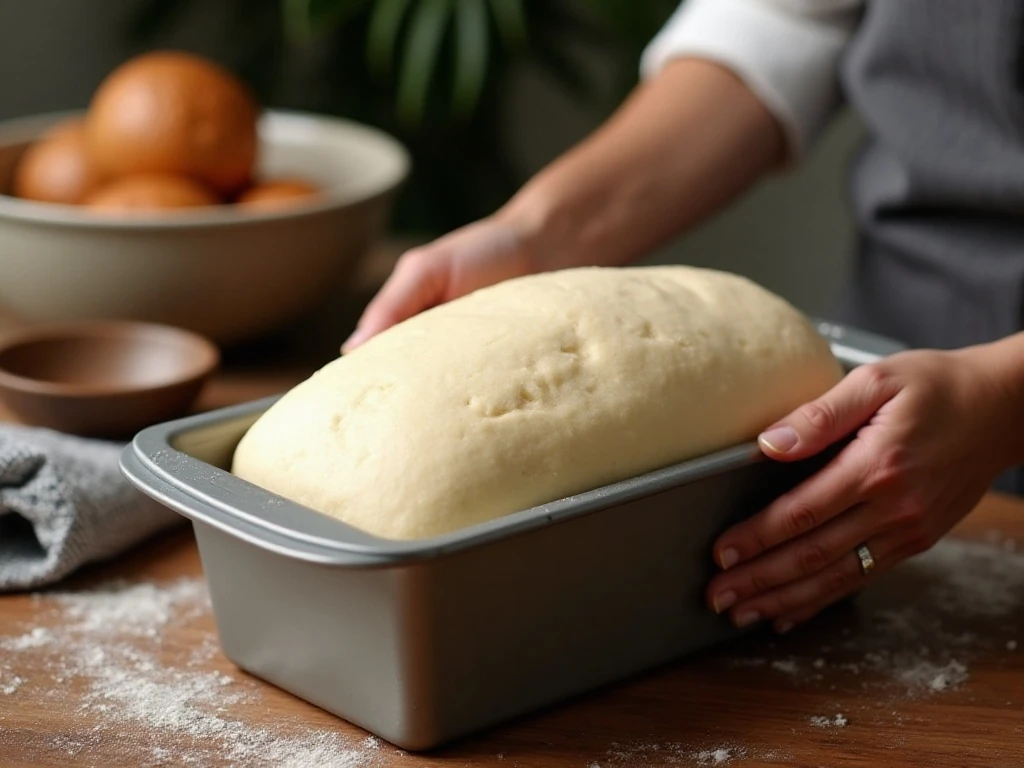
Step 7: Set the shaped dough seam-side down in a greased 9-by-5-inch loaf pan. Cover it and let it rise again for 30-45 minutes, watching for the dough to crown about 1 inch above the rim.
Step 8: Bake the loaf in a preheated 350°F (175°C) oven for 30-35 minutes. It should have a golden-brown crust, sound hollow when tapped, and reach 190-200°F (88-93°C) at the center.
Step 9: Remove the loaf from the pan and brush the hot crust with melted butter if you want a softer, more flavorful finish. Place it on a rack and let it cool for at least 30 minutes before slicing.
Pro Tips for Soft, Fluffy Bread
The most important tip is to avoid adding too much flour. A dough that feels slightly tacky during kneading usually bakes into a lighter loaf, while a stiff dough often produces a dense, dry result.
Flour absorbs liquid differently depending on humidity, brand, and how it is measured. Add the final portion slowly and judge the dough by its texture rather than forcing in every gram or cup listed.
- Check that the yeast foams before proceeding if you are using active dry yeast.
- Keep the dough covered during both rises so the surface does not dry out.
- Give the second rise enough time for the dough to crown about 1 inch above the pan rim.
- Use an instant-read thermometer when possible for the most dependable doneness check.
- Brush the hot crust with butter and cool the loaf under a clean kitchen towel for a softer crust.
If your kitchen is cool, the first and second rises may take longer than the typical times. Look for visual signs, especially doubled dough during the first rise and a crowned loaf during the second, rather than relying only on the clock.
Serving, Storage & Slicing
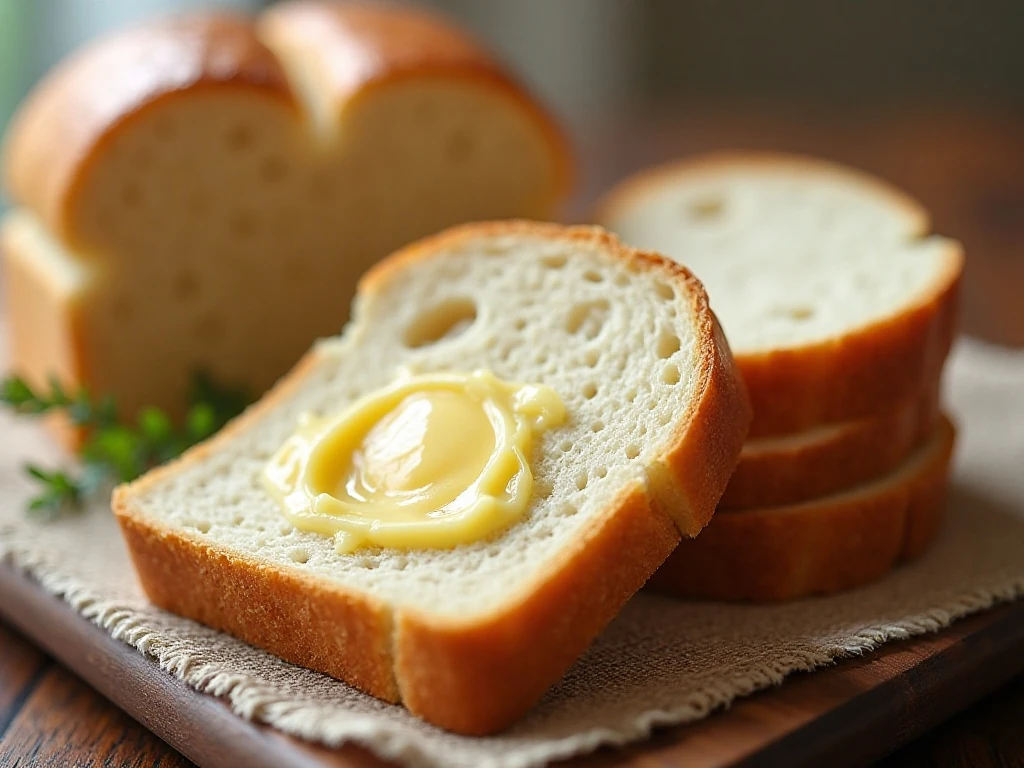
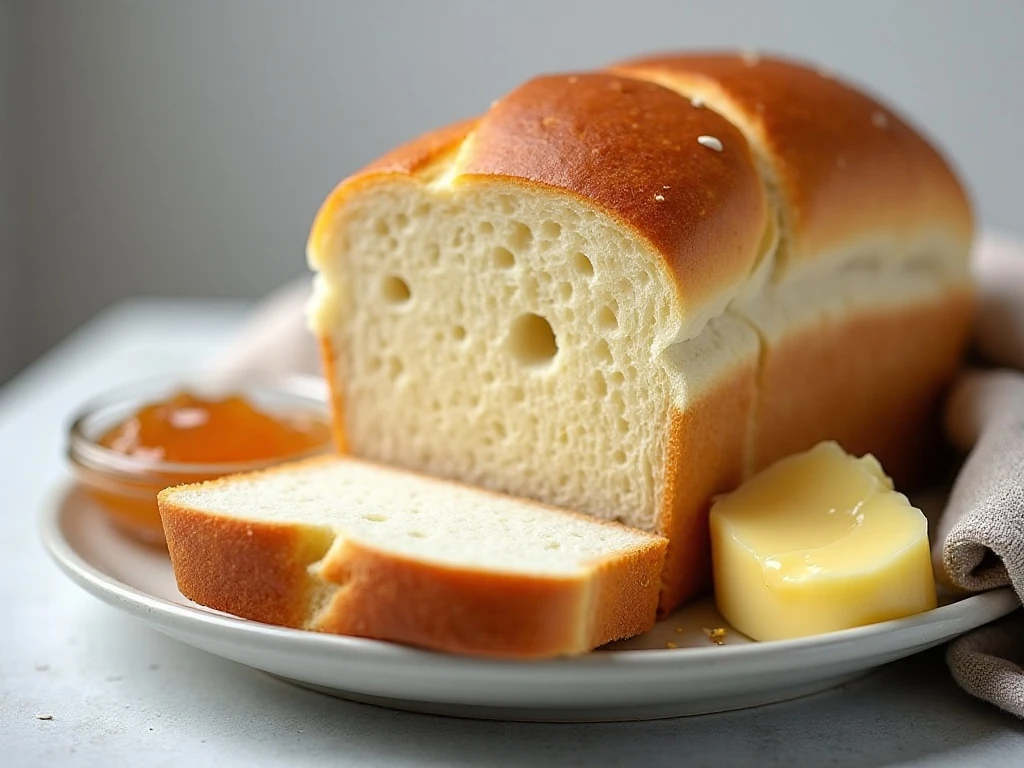
Serve this bread warm with butter, jam, honey, or a savory spread. It makes excellent toast, grilled cheese, breakfast sandwiches, and lunchbox sandwiches because the crumb is soft but not fragile.
Allow the loaf to cool for at least 30 minutes before cutting. Slicing while the bread is very hot can compress the interior and make the crumb seem gummy, even when the bread is fully baked.
Store the cooled loaf in an airtight bag or bread container at room temperature. For longer storage, slice it once cool, wrap the slices well, and freeze them so individual pieces can go straight into the toaster.
Day-old slices are also useful in sweet recipes. If you enjoy baking with ripe fruit, pair a slice of this bread with our banana Bundt cake recipe for a generous dessert spread, or use leftover bread beneath a hearty meal such as this slow cooker cube steak to soak up savory juices.
Troubleshooting Common Bread Problems
If the dough does not rise, first check the yeast date and the liquid temperature. Very hot liquid can damage yeast, while cool surroundings can simply slow the rise.
A dense loaf is most often caused by too much flour, insufficient kneading, or under-proofing. Keep the dough soft, knead until elastic, and wait for the dough to visibly double during the first rise.
If the crust browns before the center is baked, loosely cover the loaf with foil for the remaining baking time. Always use the center temperature of 190-200°F as an additional guide rather than judging the crust alone.
The Best White Bread Recipe for Soft, Fluffy Loaves
Ingredients
Method
- Stir the warm water, warm milk, sugar, and active dry yeast together in a large bowl. Let the mixture stand for 5-10 minutes, until foamy.
- Mix in the melted butter and fine salt. Add the flour gradually, starting with 3 1/2 cups, until a soft, slightly tacky dough forms.
- Knead the dough by hand for 8-10 minutes, or use a stand mixer with a dough hook for about 5-7 minutes. Continue until the dough is smooth, elastic, and pliable, adding only enough remaining flour to keep it manageable.
- Place the dough in a lightly greased bowl, cover it, and let it rise in a warm, draft-free place for about 60-90 minutes, or until doubled in size.
- Gently deflate the dough and shape it into a loaf. Place it seam-side down in a greased 9-by-5-inch loaf pan.
- Cover the pan and let the dough rise for 30-45 minutes, until it crowns about 1 inch above the rim.
- Bake at 350°F (175°C) for 30-35 minutes. The loaf should be golden brown, sound hollow when tapped, and register 190-200°F (88-93°C) in the center.
- Brush the hot crust with melted butter if desired. Cool the loaf for at least 30 minutes before slicing.
Notes
Final Thoughts
This soft white bread recipe is a reliable starting point for anyone who wants a classic homemade sandwich loaf. The key is keeping the dough supple, allowing both rises to finish properly, and giving the baked bread time to cool before slicing.
With its tender crumb, buttery crust, and familiar bakery aroma, this loaf deserves a regular place in your baking routine. Make it for toast, sandwiches, weekend breakfasts, or a comforting bread pudding when a few slices remain.