This Spaghetti Squash Chow Mein recipe is a lighter dinner made with roasted spaghetti squash, crisp-tender vegetables, and a savory soy-sesame sauce. It serves 4, takes about 15 minutes to prepare, roasts for 35–45 minutes, and finishes on the stovetop in 10–12 minutes for a total time of approximately 55–65 minutes.
Each forkful brings tender squash strands, sweet carrots, crunchy celery, soft cabbage, and the deep flavor of garlic, soy sauce, brown sugar, and toasted sesame oil. It is vegetarian as written, satisfying without wheat noodles, and easy to customize with chicken, shrimp, pork, tofu, or scrambled egg.
Jump to RecipeWhy You’ll Love This Recipe
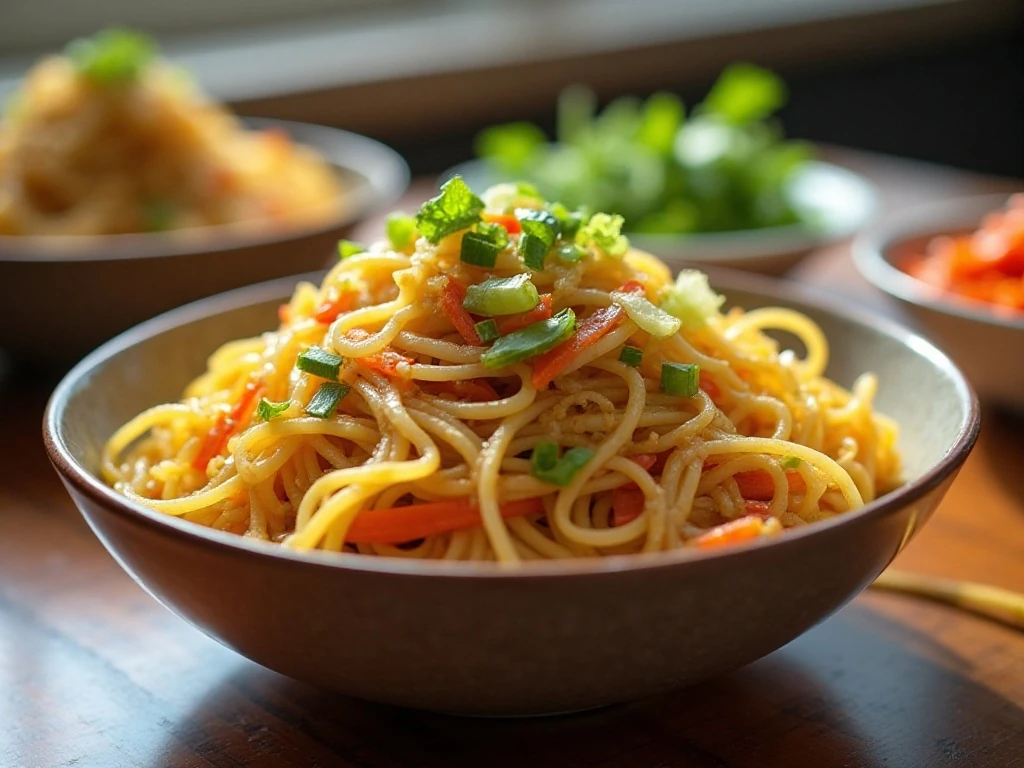
This dinner has the familiar comfort of chow mein while using roasted spaghetti squash in place of wheat noodles. The squash becomes tender, strand-like, and ready to carry the savory sauce without making the meal feel heavy.
The vegetables provide a lively mix of colors and textures. Sweet carrots and onion balance the earthy squash, celery adds a little crunch, and cabbage gives the skillet plenty of volume.
The sauce is deliberately simple, combining soy sauce, brown sugar, and toasted sesame oil. Garlic and sautéed vegetables build the flavor underneath, so the finished dish tastes much more complex than its short ingredient list suggests.
If your household enjoys cozy noodle dinners, you may also like this bright lemon basil pasta for another easy weeknight option.
Ingredients You’ll Need
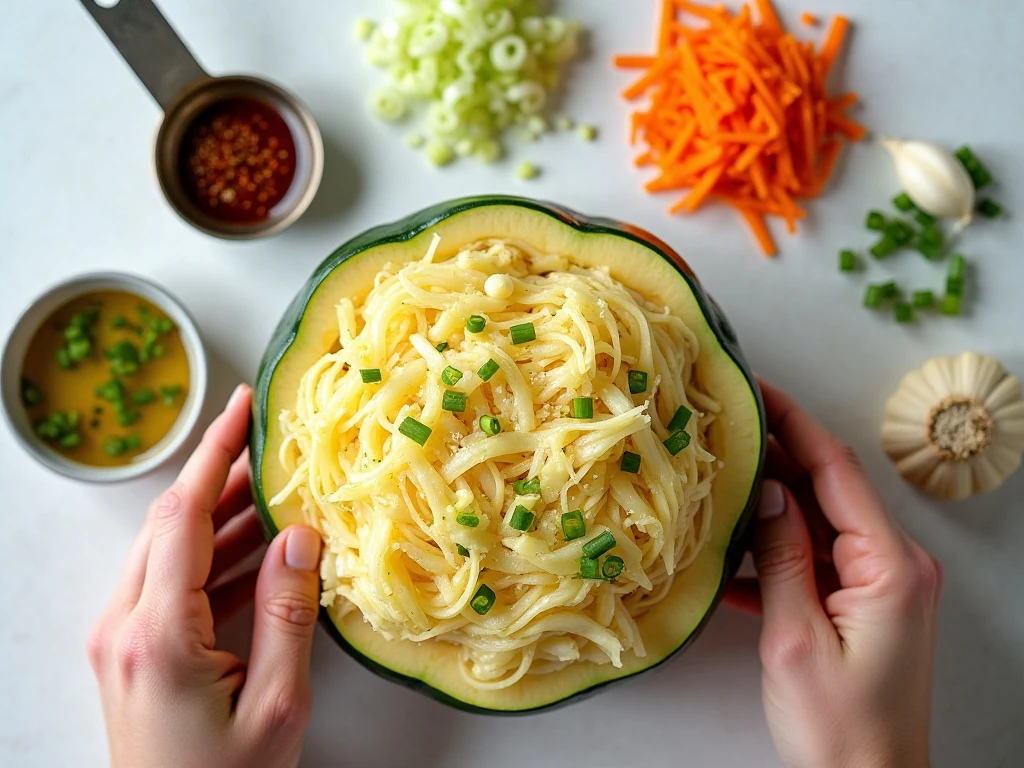
Choose a medium spaghetti squash weighing approximately 2 pounds. A squash of this size gives you enough strands for four servings while still fitting comfortably on a standard baking sheet.
- Spaghetti squash: The roasted squash forms the noodle-like base.
- Olive oil: Two tablespoons are divided between preparing the pan and sautéing the vegetables.
- Vegetables: Yellow onion, garlic, celery, carrots, and half a head of green cabbage create the colorful stir-fry mixture.
- Sauce ingredients: One-quarter cup soy sauce, two teaspoons brown sugar, and one teaspoon toasted sesame oil provide salty, sweet, and nutty notes.
- Garnish: Thinly sliced green onions add freshness and a crisp finish.
Low-sodium soy sauce works well if you prefer a gentler salt level. For a gluten-free version, use tamari or certified gluten-free soy sauce, since ordinary soy sauce is not necessarily gluten-free.
For a lower-sodium variation, a Skinnytaste-style approach uses about 2 tablespoons of low-sodium soy sauce and 1 teaspoon of sesame oil. Add the sauce gradually and adjust to taste; bean sprouts, typically about 1 cup, can also join the cabbage and carrots.
How to Make It Step-by-Step
Step 1: Heat your oven to 375°F and lightly oil a baking sheet. Carefully cut the spaghetti squash lengthwise, then scoop out the seeds and stringy center with a spoon.
Step 2: Place the squash halves cut-side down on the baking sheet and roast for 35–45 minutes. The squash is ready when a fork or thin knife pierces the shell and flesh with little resistance, but avoid roasting it until it is mushy.
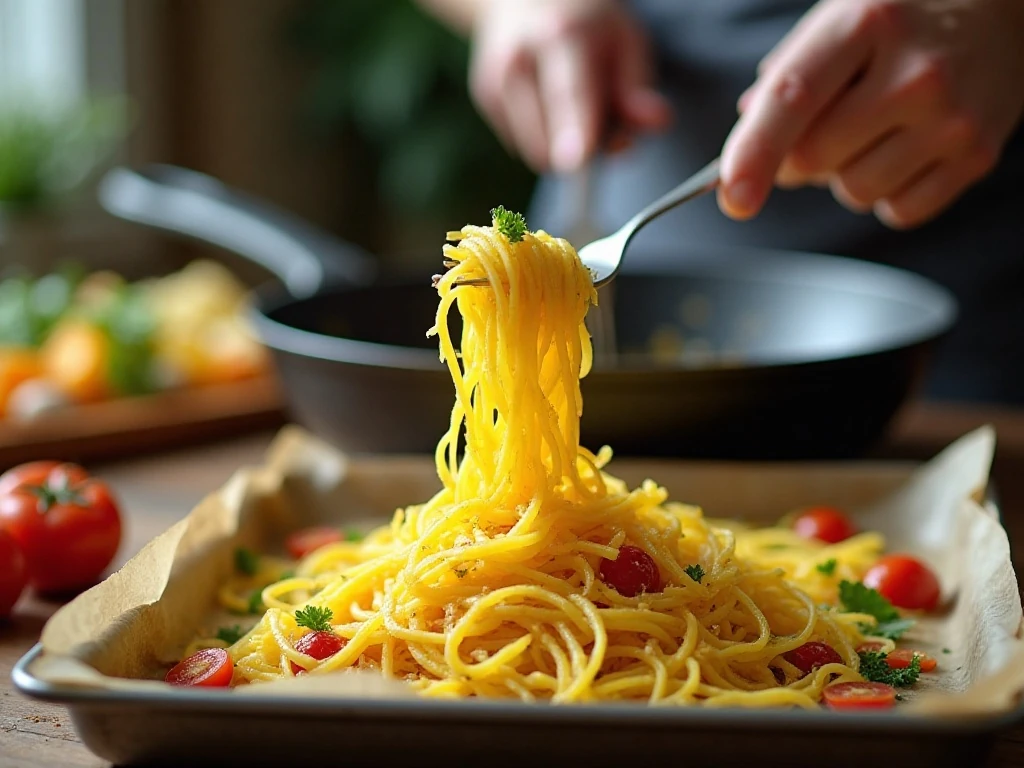
Step 3: Allow the roasted squash to cool enough to handle safely. Scrape from end to end with a fork to pull the flesh into strands, and let the strands drain or rest briefly so excess moisture does not water down the stir-fry.
Step 4: Heat approximately 1 tablespoon of the olive oil in a large skillet over medium-high heat. Add the diced onion and sauté for 3–4 minutes, stirring occasionally, until it turns translucent and fragrant.
Step 5: Add the minced garlic, sliced celery, and julienned carrots. Cook for another 3–4 minutes, tossing frequently, until the carrots and celery begin to soften while keeping a pleasant bite.
Step 6: Add the shredded cabbage and cook for approximately 2 minutes. The cabbage should wilt slightly and mingle with the other vegetables without losing all of its texture.
Step 7: Add the spaghetti squash strands, soy sauce, brown sugar, and toasted sesame oil. Toss everything for about 2 minutes, just until the squash is hot and the sauce coats each strand evenly.
Step 8: Turn off the heat and scatter the sliced green onions over the skillet. Serve the chow mein immediately while the vegetables are warm and the strands still have their best texture.
Chef’s Tips for the Best Squash Strands

Cut-side-down roasting is one of the most important details in this recipe. The squash steams more evenly in its shell, which helps keep the strands moist without drying them out.
Do not judge doneness only by the clock because squash sizes and ovens vary. Begin checking around 35 minutes, and remove it once the flesh is tender enough to scrape but not collapsing into a wet puree.
Moisture control matters during the skillet stage. If the squash seems especially wet after scraping, let it rest in a colander for a few minutes before adding it to the vegetables.
Prepare the vegetables before turning on the skillet. The cooking moves quickly once the onion is in the pan, and having the carrots, celery, cabbage, and sauce ready keeps nothing from overcooking.
For a little heat, add red pepper flakes or a small amount of chili sauce at the table. Keep additions modest at first so the soy, sesame, and vegetable flavors remain clear.
For another hearty dinner idea, pair this vegetable-forward skillet with our spice-rubbed sirloin and chimichurri when serving a larger gathering.
Ways to Make It a Complete Dinner
The vegetarian recipe is satisfying on its own, especially when served in generous bowls. If you want additional protein, fold in cooked chicken, shrimp, pork, tofu, or scrambled egg after the vegetables are tender.
Cooked protein should be added near the end so it warms without drying out. Tofu can be cubed and browned separately, while scrambled egg can be cooked in the same skillet before the vegetables and folded back in at the finish.
Bean sprouts are another useful addition, particularly if you enjoy a more traditional chow mein texture. Add about 1 cup with the cabbage and cook briefly so the sprouts stay crisp.
When planning a comfort-food dinner menu, our Southern chicken spaghetti is another family-friendly recipe worth keeping nearby.
Storage and Reheating
For the best texture, serve spaghetti squash chow mein immediately. If you have leftovers, cool them promptly and store them in a covered container in the refrigerator.
Reheat gently in a skillet over medium heat, tossing until warmed through. A microwave also works in short intervals, though the vegetables and squash may soften more than they do on the first serving.
Keep extra green onions separate when possible and add them after reheating. This preserves their fresh flavor and crisp bite.
Leftover vegetables can also be used as part of another meal. For a creative next-day option, see our leftover quiche idea for inspiration on turning cooked ingredients into a new dinner.
Serving Suggestions
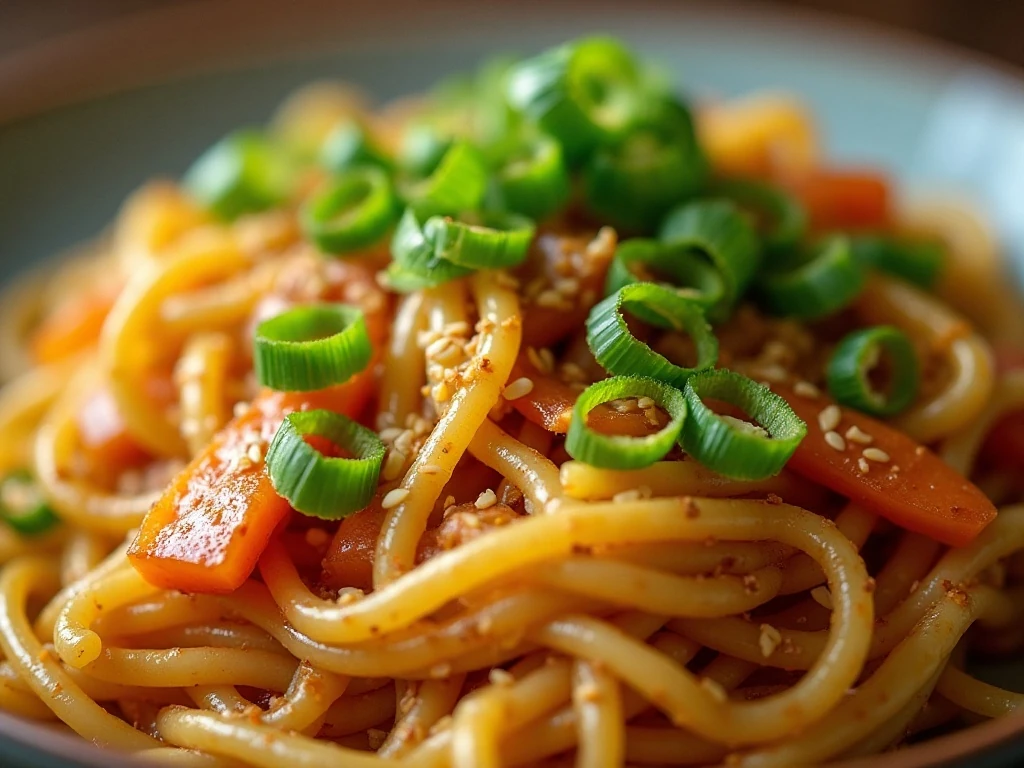
Serve the chow mein in warm bowls with green onions scattered over the top. A small drizzle of toasted sesame oil at the table can add extra aroma, but use it sparingly because its flavor is concentrated.
For a complete spread, offer sliced cucumber, steamed edamame, or a simple green salad alongside the skillet. These fresh sides balance the warm, savory vegetables without competing with the sauce.
If you prefer stronger seasoning, place soy sauce or tamari on the table so each person can adjust their portion. This is especially helpful when using low-sodium soy sauce or adding protein.
For a different nostalgic main course to bookmark, take a look at this cozy goulash recipe.
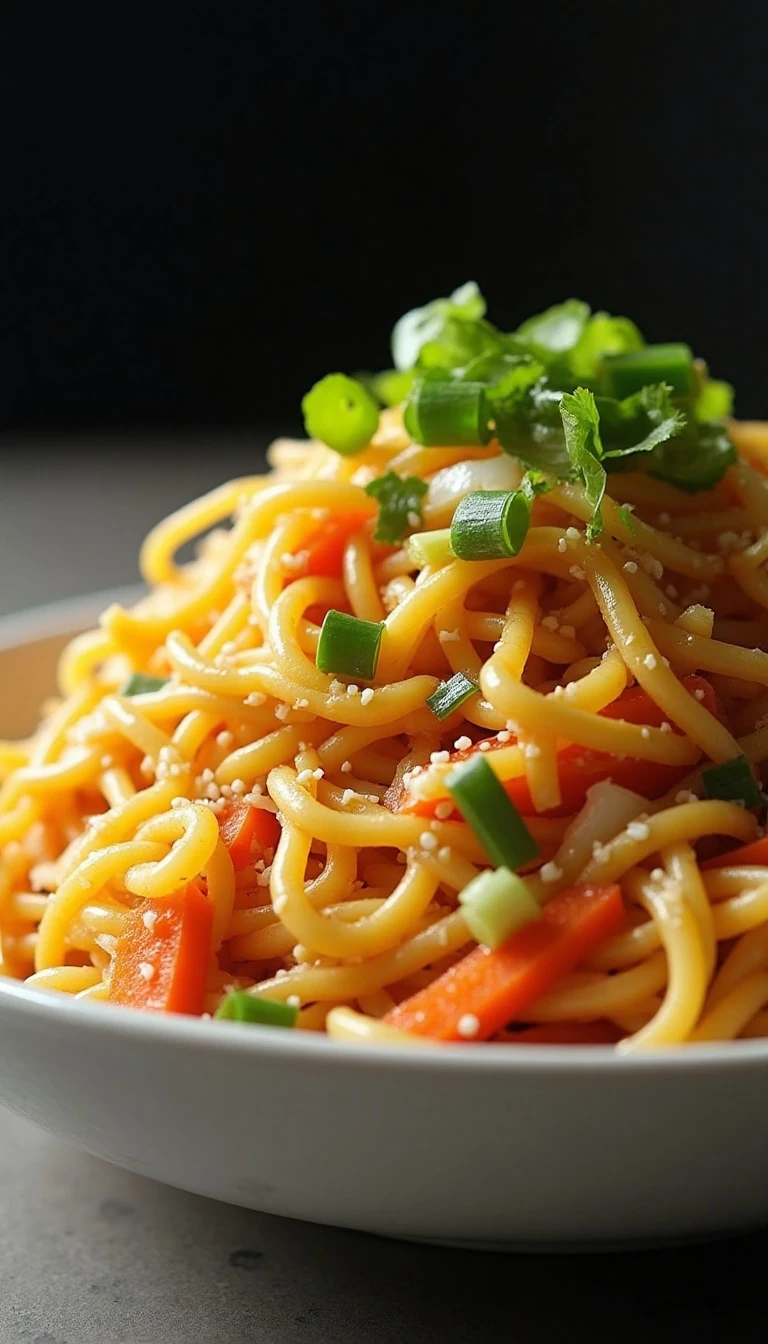
Spaghetti Squash Chow Mein
Ingredients
Method
- Heat the oven to 375°F and lightly oil a baking sheet. Cut the spaghetti squash lengthwise, scoop out the seeds, and place the halves cut-side down on the prepared sheet.
- Roast the squash for 35–45 minutes, or until the flesh is tender when pierced. Let it cool enough to handle, then scrape the flesh into strands with a fork.
- Heat approximately 1 tablespoon of the olive oil in a large skillet over medium-high heat. Sauté the diced onion for 3–4 minutes, until translucent.
- Add the garlic, celery, and carrots to the skillet. Cook for another 3–4 minutes, until the vegetables are beginning to soften while retaining some texture.
- Add the shredded cabbage and cook for approximately 2 minutes. Stir often so the cabbage softens evenly without becoming limp.
- Stir in the spaghetti squash strands, soy sauce, brown sugar, and toasted sesame oil. Toss for about 2 minutes, just until everything is hot and evenly coated.
- Garnish with sliced green onions and serve immediately. Add cooked chicken, shrimp, pork, tofu, or scrambled egg if you want a more substantial dinner.
Notes
Final Thoughts
This Spaghetti Squash Chow Mein is a colorful, practical dinner that brings stir-fry flavor to the table with roasted squash and plenty of vegetables. The key is to roast the squash cut-side down, avoid overcooking it, and give the strands a brief rest before they meet the hot skillet.
With approximately 15 minutes of preparation, 35–45 minutes in the oven, and 10–12 minutes on the stovetop, it fits comfortably into a weeknight cooking routine. Make the vegetarian version as written, or add your favorite cooked protein for a more substantial plate.
Gather your squash, shred the cabbage, and let the soy-sesame sauce do the finishing work. This lighter chow mein is warm, savory, satisfying, and ready to become a regular dinner favorite.