These 30-Minute Quick Dinner Rolls are soft, fluffy, and ready in about half an hour from start to finish. The easy yeast dough uses warm water, sugar, active dry yeast, oil, egg, salt, and approximately 3 1/2 cups of all-purpose flour, followed by a short 10-minute rest and a quick bake at 400°F.
Each roll has a tender, lightly chewy center and a delicate golden top that tastes wonderful brushed with melted butter. They are a fast choice for busy weeknights, holiday meals, soups, stews, and Sunday dinners when you want fresh bread without a long rising schedule.
Jump to RecipeWhy You’ll Love This Recipe
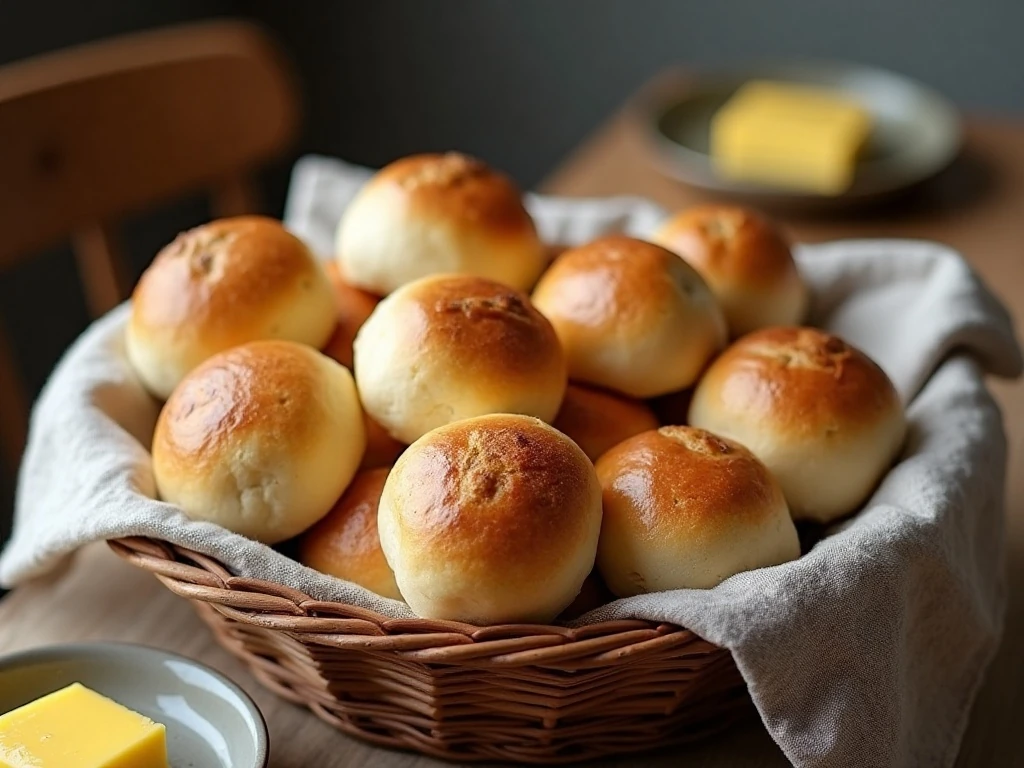
There is something especially comforting about a basket of warm dinner rolls on the table, but traditional yeast recipes can require multiple rises and several hours of planning. This quick version keeps the process practical by using a short yeast rest, a brief shaped-dough rest, and a hot oven.
The finished rolls are tender enough to pull apart with your fingers, yet sturdy enough for dipping into gravy or soup. Their mild flavor pairs with nearly any main course, from roast chicken to baked pasta.
This recipe makes 12 rolls, which is enough for a family meal or a small gathering. If you are serving them with a cozy entrée, they are especially delicious alongside our easy chicken potpie, where the soft bread is perfect for catching creamy filling.
- Ready in about 30 minutes.
- Uses basic pantry and refrigerator ingredients.
- Requires only a 10-minute rest after shaping.
- Produces soft, lightly golden rolls with a tender center.
Ingredients You’ll Need
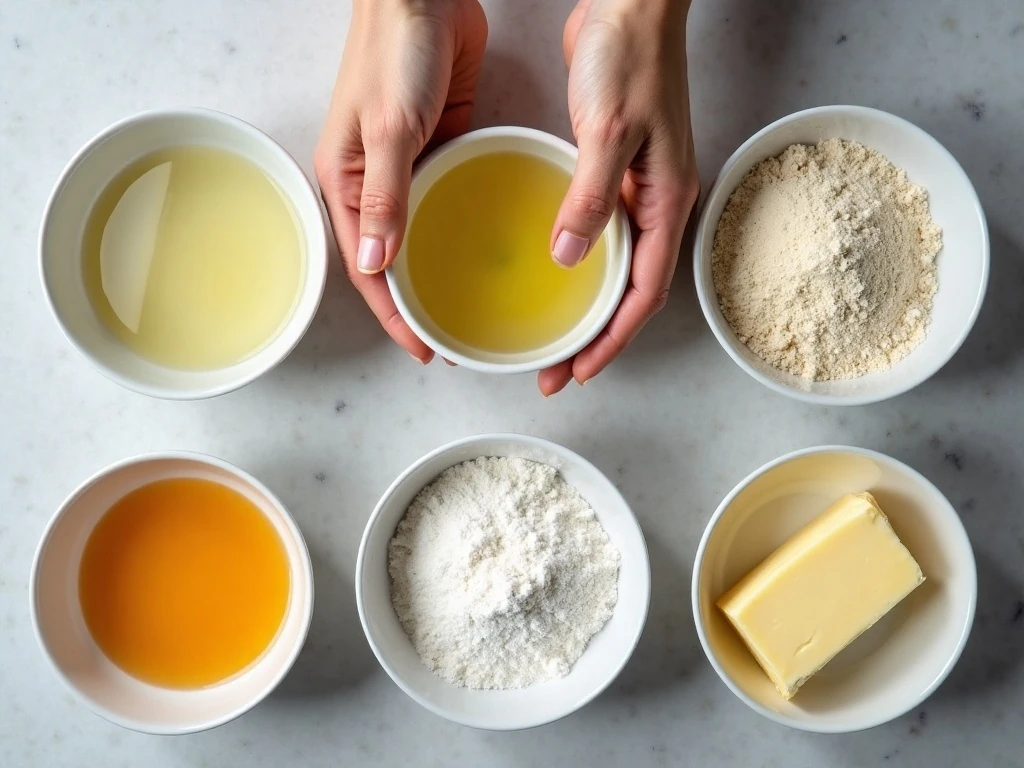
The foundation of these rolls is simple: warm water, sugar, active dry yeast, oil, egg, salt, and all-purpose flour. The sugar gives the yeast something to work with while adding a gentle sweetness, and the oil helps keep the crumb soft.
Use water that feels warm but not hot, ideally 105-110°F. If you do not have a thermometer, the water should feel comfortably warm on your wrist rather than sharply hot.
The recipe calls for approximately 3 1/2 cups of flour, but that amount can vary slightly. Flour absorbs moisture differently depending on the brand, measuring method, humidity, and storage conditions.
- Warm water: Activates the yeast and hydrates the dough.
- Granulated sugar: Adds mild sweetness and supports yeast activity.
- Active dry yeast: Gives the rolls their lift and pleasant bread flavor.
- Neutral oil: Helps create a soft texture without adding a strong taste.
- Egg: Adds richness and tenderness.
- Salt: Balances the sweetness and strengthens the flavor.
- All-purpose flour: Forms the structure of the rolls.
- Melted butter: Optional, but excellent for a glossy, buttery finish.
How to Make It Step-by-Step
Step 1: Add the warm water, sugar, and active dry yeast to a large bowl. Stir briefly, then leave the mixture alone for about 10 minutes until it becomes foamy; this shows that the yeast is active and ready to use.
Step 2: Pour in the oil, crack in the egg, and add the salt. Stir until the ingredients are evenly mixed, making sure the egg is fully incorporated before adding the flour.
Step 3: Add about 1 1/2 cups of flour and stir to make a thick, sticky mixture. Continue adding the remaining flour gradually rather than adding all of it at once, since the dough may need slightly less depending on flour absorption.
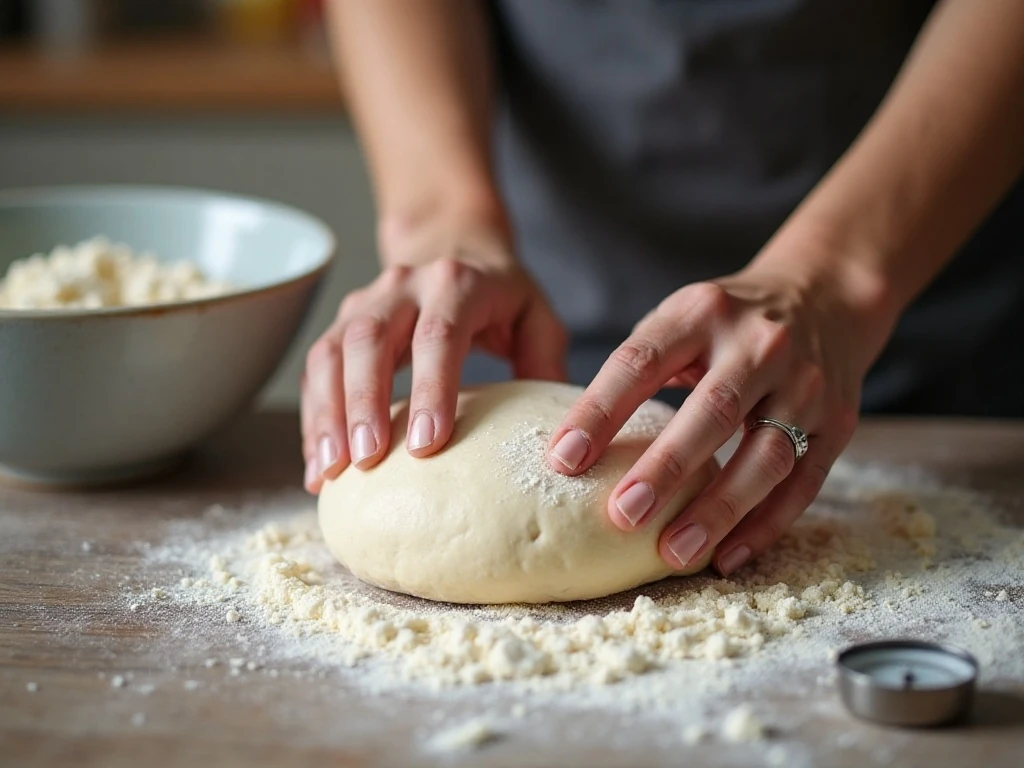
Step 4: Once the dough forms, knead it by hand on a lightly floured surface or use a dough hook for about 3-5 minutes. It should become smooth and elastic while remaining soft and slightly tacky; if it feels dry or stiff, too much flour has likely been added.
Step 5: Divide the dough into 12 reasonably equal portions. Shape each portion into a ball by tucking the edges underneath and gently rolling it against the work surface until the top looks smooth.
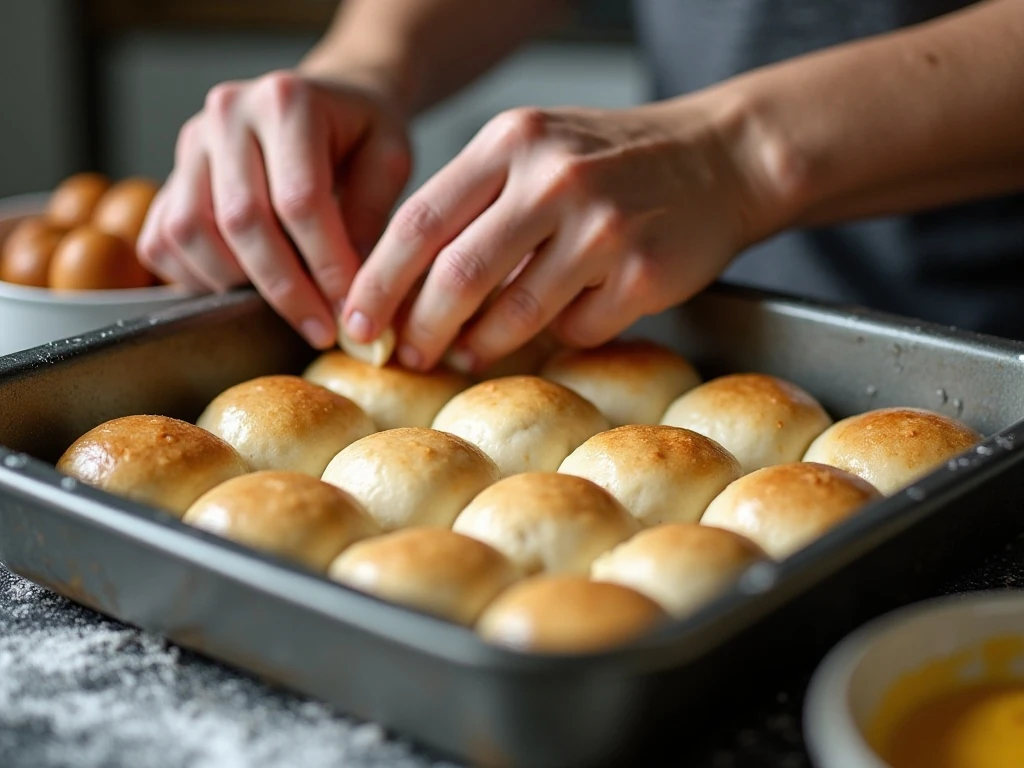
Step 6: Lightly grease a 9-by-13-inch baking pan and arrange the dough balls inside, leaving a little space between them. Let the rolls rest for 10 minutes, which gives them a brief opportunity to relax and expand before baking.
Step 7: Bake the rolls at 400°F (200°C) for 10-12 minutes. Remove them when the tops are lightly golden, then brush with melted butter while they are hot if you want a richer finish.
Pro Tips for Soft, Fluffy Rolls
The most important detail is water temperature. Yeast is living and sensitive, so water above roughly 120°F can damage it and prevent the rolls from rising properly.
Do not treat the flour amount as an unbreakable rule. Begin with 1 1/2 cups, then add the rest in small additions until the dough is soft, workable, and only slightly tacky.
A little stickiness is normal and desirable. If the dough clings heavily to your hands, dust in a small amount of flour; if it feels firm, crumbly, or difficult to knead, stop adding flour and work it gently instead.
For evenly sized rolls, divide the dough in half, then divide each half into six portions. You can also use a kitchen scale if you want every roll to bake at precisely the same rate.
Keep the rolls together in the pan rather than spacing them far apart. The close arrangement helps the sides stay tender while the tops brown lightly in the hot oven.
If you are making a hearty dinner, consider serving these rolls with our oven-braised pot roast. The fluffy crumb is made for soaking up savory juices without falling apart.
Serving Suggestions
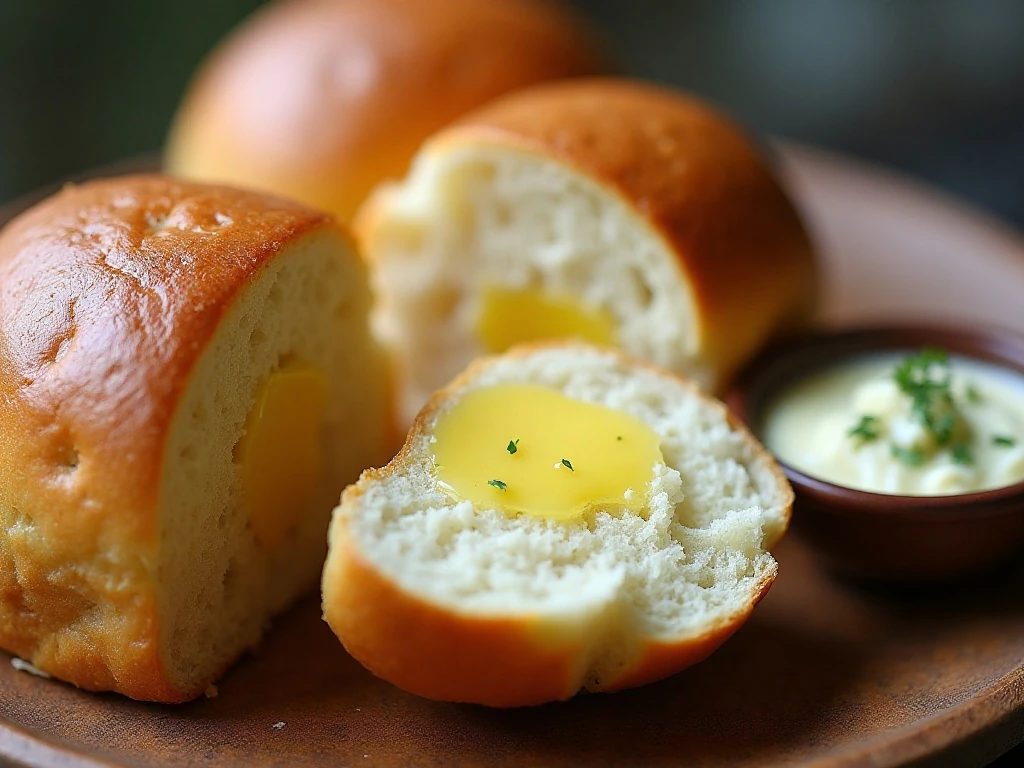
Serve the rolls warm from the oven with butter, salted whipped butter, or a little honey butter. They are also lovely with herb butter made by stirring chopped parsley, chives, or rosemary into softened butter.
For a weeknight meal, place them beside soup, chili, roasted vegetables, or a simple green salad. Their mild flavor also makes them a natural partner for turkey, ham, roast beef, and baked chicken.
For holidays, bake the rolls shortly before dinner so they reach the table warm. If you are planning a dessert-heavy meal, a sweet finish such as these chocolate-covered marshmallows can follow the savory course.
Storage and Reheating
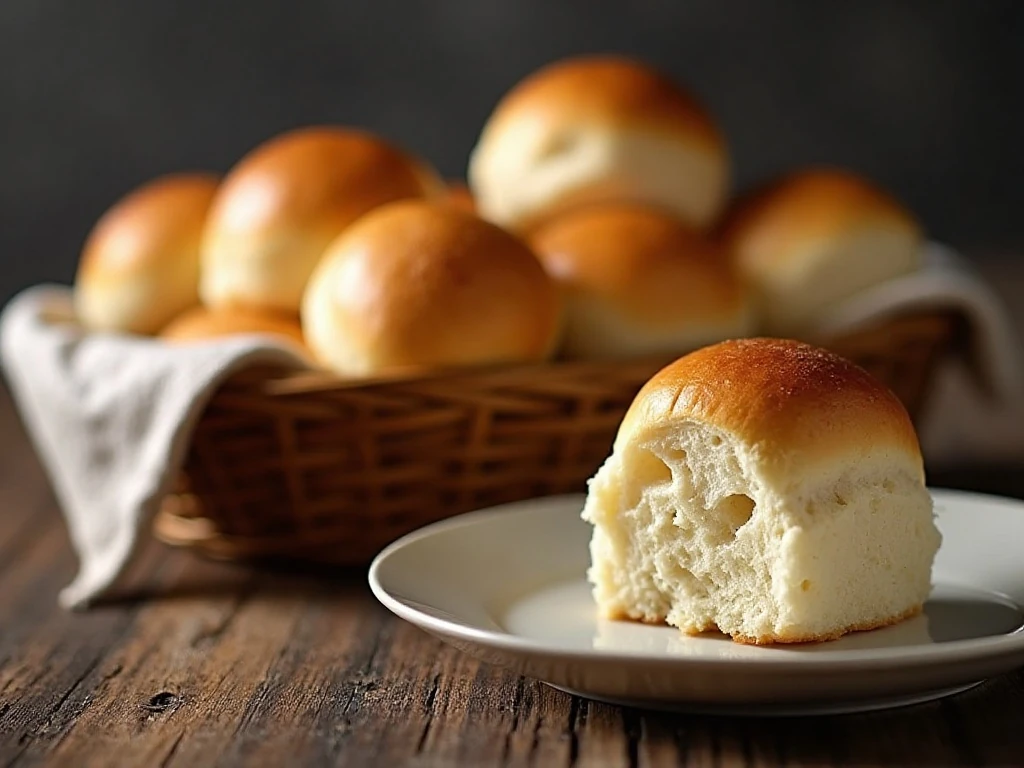
Allow leftover rolls to cool completely before storing them in an airtight container or zip-top bag at room temperature. They are best within a day or two, though they can be frozen for longer storage.
To freeze, place cooled rolls in a freezer-safe bag and remove as much air as possible. Thaw them at room temperature, then warm them in a 300°F oven until heated through.
For a single serving, microwave one roll briefly, checking often so it does not become chewy. Brushing the top with a little butter after reheating helps restore a soft, freshly baked feel.
Troubleshooting Common Problems
If the yeast mixture does not become foamy after 10 minutes, the yeast may be old or the water temperature may have been unsuitable. Start again with fresh yeast and carefully measured warm water rather than trying to continue with an inactive mixture.
Dense rolls usually come from adding too much flour, under-kneading, or using inactive yeast. Keep the dough soft and slightly tacky, knead for the full 3-5 minutes, and check that the yeast shows activity before mixing the dough.
If the tops brown before the centers are baked, your oven may run hot or the pan may be positioned too close to the upper heating element. Watch the rolls closely during the 10-12 minute baking window and remove them when lightly golden.
30-Minute Quick Dinner Rolls
Ingredients
Method
- Combine the warm water, sugar, and active dry yeast in a large mixing bowl. Let the mixture stand for about 10 minutes, until the surface looks foamy.
- Mix in the vegetable oil, egg, and salt until well combined. Add about 1 1/2 cups of flour first, stirring to make a thick batter.
- Gradually add enough of the remaining flour to form a soft, workable dough. The dough should be slightly tacky but not wet, so stop adding flour as soon as it comes together.
- Knead the dough by hand or with a dough hook for about 3-5 minutes, until it feels smooth and elastic. Avoid adding excessive flour, since a stiff dough can produce dense rolls.
- Divide the dough into 12 portions and shape each piece into a smooth ball. Place the balls in a greased 9-by-13-inch baking pan with a little space between them.
- Let the shaped rolls rest for 10 minutes while the oven finishes heating to 400°F (200°C). This brief rest helps the dough relax and puff slightly.
- Bake for 10-12 minutes, until the tops are lightly golden. Brush the hot rolls with melted butter if desired, then serve warm.
Notes
Final Thoughts
These 30-Minute Quick Dinner Rolls prove that homemade yeast bread does not have to be an all-day project. With warm water, gradual flour additions, a short knead, and two brief rests, you can serve a dozen soft rolls while dinner is still coming together.
Remember to protect the yeast from hot water and resist the urge to add extra flour. Once brushed with butter and served warm, these tender rolls are likely to disappear quickly from the dinner table.