This easy pork fried rice recipe comes together in about 30 minutes with 15 minutes of prep and 15 minutes of cooking. Made with 1 pound of ground pork or finely diced pork loin, cold rice, eggs, frozen peas and carrots, soy sauce, oyster sauce, and sesame oil, it makes 4 generous servings and is one of the best ways to turn simple leftovers into dinner.
Every bite has savory browned pork, fluffy egg, chewy separate rice grains, sweet vegetables, and the nutty fragrance of toasted sesame oil. The key to making fried rice better than takeout is using thoroughly chilled day-old rice and cooking the ingredients in a hot, roomy pan so they fry instead of steam.
Jump to RecipeWhy You’ll Love This Recipe

This pork fried rice has the comfort of a complete one-pan dinner without requiring a long shopping list. Pork provides rich, savory flavor, eggs add tenderness, and peas and carrots bring color and a little sweetness to every forkful.
The sauce is balanced rather than heavy. Low-sodium soy sauce brings salt and umami, oyster sauce adds a rounded savory note, and a small amount of toasted sesame oil perfumes the finished dish without making it greasy.
It is also wonderfully flexible. Use ground pork for the fastest version, or choose finely diced boneless pork loin when you want small, juicy pieces with a little more texture.
This recipe is especially useful after a rice-based meal because leftover rice becomes the foundation for something completely new. Keep the cooking organized, and the entire dinner can move from refrigerator to table in roughly half an hour.
For another pork dinner idea, you may also enjoy our quick pork chops recipe when you are planning a different style of weeknight meal.
Ingredients You’ll Need

Gather everything before heating the wok or skillet. Fried rice cooks quickly, so having the aromatics, sauce, vegetables, pork, and eggs ready prevents overcooking and keeps the process relaxed.
- Pork: Use 1 pound of ground pork, or finely dice boneless pork loin. Pork shoulder, leftover roast pork, and other cooked pork can also be used, though the cooking approach may vary slightly.
- Rice: Four cups of cold cooked long-grain white rice are ideal. Jasmine rice is a particularly good choice, but any firm, chilled long-grain white rice works.
- Eggs: Three lightly beaten eggs create soft, savory pieces throughout the rice.
- Vegetables: A small diced yellow onion, two minced garlic cloves, 1 teaspoon of fresh ginger, and 1 cup of thawed frozen peas and carrots build the aromatic base.
- Sauce: Use 3 tablespoons of low-sodium soy sauce, 1 tablespoon oyster sauce, and 1 teaspoon toasted sesame oil. Add more soy sauce only after tasting.
- Finish: Two thinly sliced green onions add freshness, while 1/4 teaspoon ground white pepper is optional for a gentle warm spice.
If you are using diced pork loin, combine 1 tablespoon soy sauce, 1 teaspoon Shaoxing wine or dry sherry, 1 teaspoon cornstarch, and 1/4 teaspoon white pepper with the pork. Let it stand for 10 to 15 minutes; ground pork can go straight into the hot pan.
Shaoxing wine gives the marinade a traditional Chinese restaurant flavor, but dry sherry is a suitable substitute. You can also omit it without changing the main cooking method.
For a comforting soup to serve on another evening, take a look at this wild rice and mushroom soup. It is a cozy option when you want a meal with a spoon instead of a skillet.
How to Make It Step-by-Step

Step 1: Prepare the rice before you begin cooking. Refrigerate cooked long-grain white rice until it is thoroughly chilled, then break up large clumps with your fingers or a fork so the grains can move easily in the pan.
Step 2: Marinate the diced pork if you are using pork loin. Toss it with the soy sauce, Shaoxing wine or dry sherry, cornstarch, and white pepper, then let it stand for 10 to 15 minutes; skip this step when using ground pork.
Step 3: Heat a large wok or skillet over medium-high to high heat and add 1 tablespoon of neutral oil. Pour in the beaten eggs and stir until they are just set, then transfer them to a plate and roughly chop them.
Step 4: Add another tablespoon of oil to the hot pan. Cook the pork for 4 to 6 minutes, breaking ground pork into small crumbles, until browned and fully cooked; if the pan feels crowded, move the pork to the plate with the eggs.
Step 5: Pour in the remaining tablespoon of oil. Stir-fry the diced onion for about 1 minute, then add the garlic and ginger and cook for 30 seconds, stirring constantly so the aromatics become fragrant without burning.
Step 6: Add the thawed peas and carrots. Stir-fry for 1 to 2 minutes, just until the vegetables are hot and the onion mixture is evenly distributed.
Step 7: Add the cold rice to the pan. Toss it with the vegetables, then press it across the hot surface to break apart clumps; cook for 3 to 4 minutes so the grains dry slightly and pick up the pan’s savory flavor.
Step 8: Return the browned pork and chopped eggs to the pan. Drizzle the soy sauce around the hot sides of the wok or skillet when possible, allowing it to briefly caramelize before tossing it through the rice.
Step 9: Add the oyster sauce, toasted sesame oil, and optional ground white pepper. Toss for about 1 to 2 minutes, making sure the rice, pork, vegetables, and eggs are evenly coated and hot.
Step 10: Stir in the green onions at the very end. Taste carefully before adding salt, then serve immediately while the rice is hot and the grains are still distinct.
Chef Tips for Separate, Flavorful Rice

The most important rule is to start with cold rice. Freshly cooked rice contains more moisture, so it tends to soften and clump when it hits the pan; thoroughly chilled, day-old rice fries into distinct grains.
If you need to cook rice on the same day, spread it in a shallow layer and chill it thoroughly before using. The goal is not simply cooled rice, but rice that feels firm and dry on the surface.
Choose the largest wok or skillet available. A crowded pan loses heat, and the ingredients then steam instead of sear, which can make the finished dish soft.
Cook in batches when necessary. Eggs and pork can be removed to a plate while the vegetables and rice cook, then everything returns to the pan for the saucing step.
Add the soy sauce around the hot sides of the pan instead of pouring it directly onto one mound of rice. This brief contact with the hot surface helps the sauce caramelize and makes it easier to distribute its flavor.
Keep the heat high enough to cook efficiently, but stir often once the garlic and ginger are added. Those small pieces can scorch quickly, and burned aromatics will make the whole dish taste bitter.
Do not add salt at the beginning. Soy sauce and oyster sauce already season the rice, and the final taste is easier to control after all ingredients have been combined.
For a different savory pie idea that pairs nicely with Asian-inspired sides, you can browse this easy taco pie for another family-friendly dinner.
Substitutions and Serving Ideas
Ground pork is the most convenient option because it browns quickly and distributes flavor throughout the rice. Finely diced pork loin gives you neat little pieces, while pork shoulder or leftover roast pork works well when cut into small, bite-sized pieces.
Frozen peas and carrots are a dependable quick choice because they are already portioned and easy to keep on hand. Diced fresh carrots and fresh peas can also be used, but give the carrots enough time to become tender before adding the rice.
Jasmine rice is common in takeout-style fried rice, yet any firm chilled long-grain white rice is suitable. Avoid rice that is very wet or freshly cooked, since it will be difficult to keep the grains separate.
Serve this fried rice in warm bowls with extra sliced green onions. A simple cucumber salad, steamed greens, or lightly dressed cabbage can add freshness without competing with the savory pork and rice.
For a sweet finish after dinner, save room for our easy butterscotch pie. The creamy, caramel-like dessert makes a pleasant contrast to the salty, savory main dish.
Storage and Reheating

Cool leftovers promptly and place them in a covered container in the refrigerator. Because this recipe contains cooked pork, eggs, and rice, handle leftovers carefully and reheat them until hot throughout.
For the best texture, reheat a portion in a skillet over medium-high heat with a small splash of water or a few drops of oil. Stir frequently until the rice is hot, taking care not to add too much liquid.
A microwave also works for convenience. Cover the portion loosely, heat it until hot, stir halfway through, and check that the center is fully warmed before serving.
Keep extra sauce on the side rather than mixing a large amount into the storage container. This allows you to adjust the flavor after reheating without making the rice overly salty or wet.
When planning the meal, remember that the rice should be cooked and chilled before the 15-minute cooking time begins. That small bit of advance preparation is what makes this recipe feel so fast and gives the finished fried rice its classic texture.
Frequently Asked Questions
Can I use freshly cooked rice? You can, but it is not the preferred choice. Fresh rice contains too much moisture and is more likely to become soft or gummy, while cold day-old rice separates more easily in the hot pan.
Does ground pork need a marinade? No. Ground pork can be browned directly in the skillet, which keeps the recipe within its approximately 30-minute total time. Diced pork loin benefits from the optional 10- to 15-minute marinade.
Can I make this without a wok? Absolutely. Use a large skillet over medium-high to high heat, and cook in batches if the ingredients cannot fit comfortably in a single layer.
How do I keep the fried rice from becoming salty? Begin with the listed 3 tablespoons of low-sodium soy sauce and 1 tablespoon of oyster sauce. Taste after tossing everything together, then add soy sauce or salt only if needed.
Can I prepare the ingredients ahead? Yes. Dice the onion, mince the garlic and ginger, thaw the vegetables, slice the green onions, and measure the sauces before cooking. Keep the chilled rice and raw pork refrigerated until you are ready to use them.
For an after-dinner drink idea that is quite different from this savory meal, see this fun whipped coffee recipe. It is a playful option for a weekend brunch or relaxed dessert course.
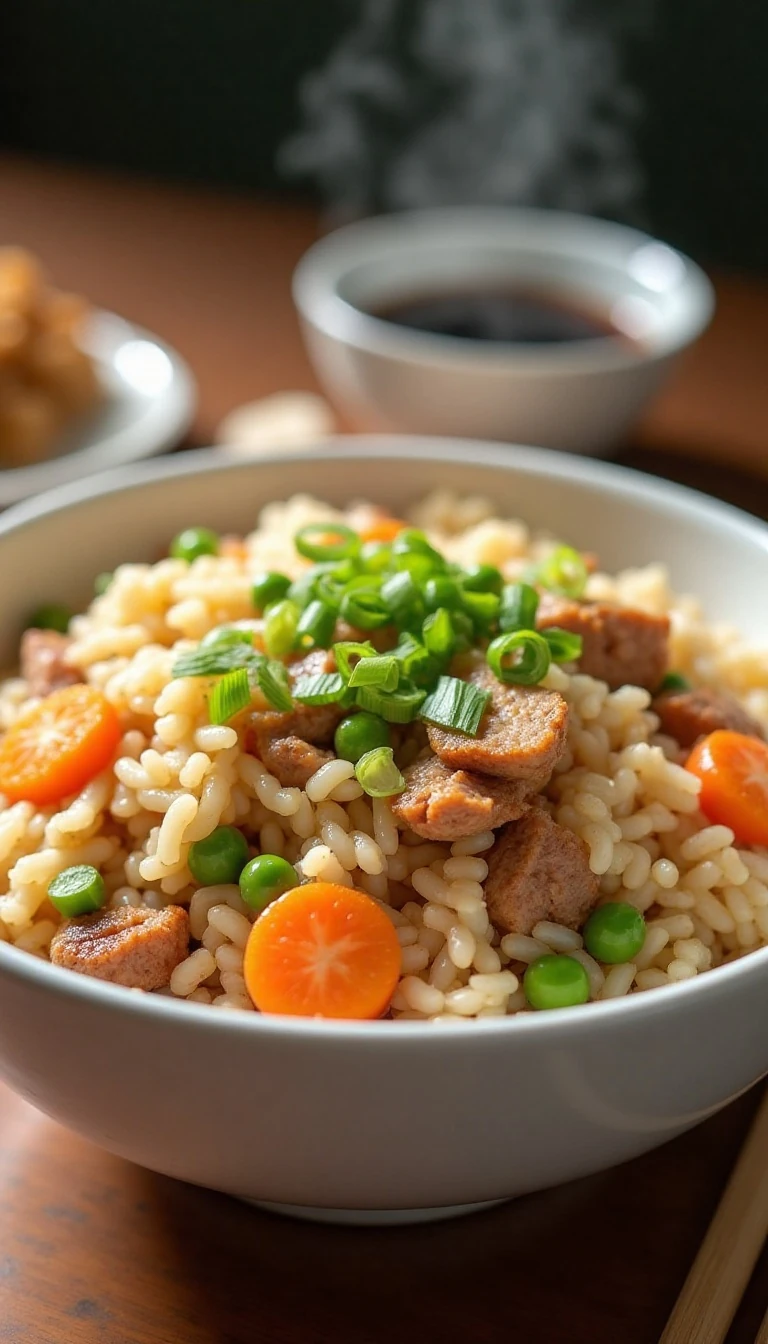
Easy Pork Fried Rice Recipe Better Than Takeout
Ingredients
Method
- Cook the rice in advance and refrigerate it until thoroughly chilled. Break up any large clumps before frying.
- If using diced pork loin, toss it with the soy sauce, Shaoxing wine or dry sherry, cornstarch, and white pepper. Let it stand for 10 to 15 minutes; ground pork does not require marinating.
- Heat 1 tablespoon of oil in a large wok or skillet over medium-high to high heat. Add the beaten eggs, stir until just set, then transfer them to a plate and roughly chop.
- Add another tablespoon of oil and cook the pork for 4 to 6 minutes, breaking up ground pork as it browns. Make sure the pork is fully cooked, transferring it to the plate if the pan becomes crowded.
- Add the remaining oil to the pan. Stir-fry the onion for about 1 minute, then add the garlic and ginger and cook for 30 seconds.
- Add the thawed peas and carrots and stir-fry for 1 to 2 minutes. The vegetables should be hot while still keeping some color and texture.
- Add the cold rice and toss it with the vegetables. Press the rice across the hot pan to separate the grains, then cook for 3 to 4 minutes.
- Return the pork and eggs to the pan. Add the soy sauce, oyster sauce, toasted sesame oil, and optional white pepper, tossing until everything is evenly coated and hot, about 1 to 2 minutes.
- Stir in the sliced green onions. Taste before adding salt because both soy sauce and oyster sauce already contain salt.
- Serve the fried rice immediately while it is hot. Spoon it into bowls and finish with extra green onions if desired.
Notes
Final Thoughts
This easy pork fried rice recipe delivers everything you want from a takeout-style dinner: savory browned pork, tender vegetables, fluffy egg, fragrant aromatics, and rice with beautifully separate grains. The combination of soy sauce, oyster sauce, sesame oil, ginger, garlic, and green onions gives every serving plenty of flavor without requiring a complicated sauce.
Remember the three habits that make the biggest difference: chill the rice thoroughly, keep the pan hot and roomy, and add the soy sauce around the hot sides of the pan when possible. Those steps help the rice fry properly and keep the dish from turning soft.
Make it with ground pork for a quick weeknight meal, or use diced pork loin and the optional marinade when you have a few extra minutes. Serve it immediately, add salt only after tasting, and enjoy a homemade dinner that may become more satisfying than your usual takeout order.