The best pineapple tarts are made with a tender, buttery shortcrust pastry wrapped around thick homemade pineapple jam. This traditional Southeast Asian recipe yields approximately 30–36 enclosed pineapple tarts and takes about 2 to 2½ hours, including jam cooking, dough chilling, baking, and cooling.
Each tart has a lightly crisp exterior that gives way to a soft, rich crumb and a bright, pleasantly tangy pineapple center. Cooking the filling until genuinely thick is the key to pastries that hold their shape, while a cool, minimally handled dough creates the delicate texture associated with Singaporean and Malaysian pineapple tarts.
Jump to RecipeWhy You’ll Love This Recipe
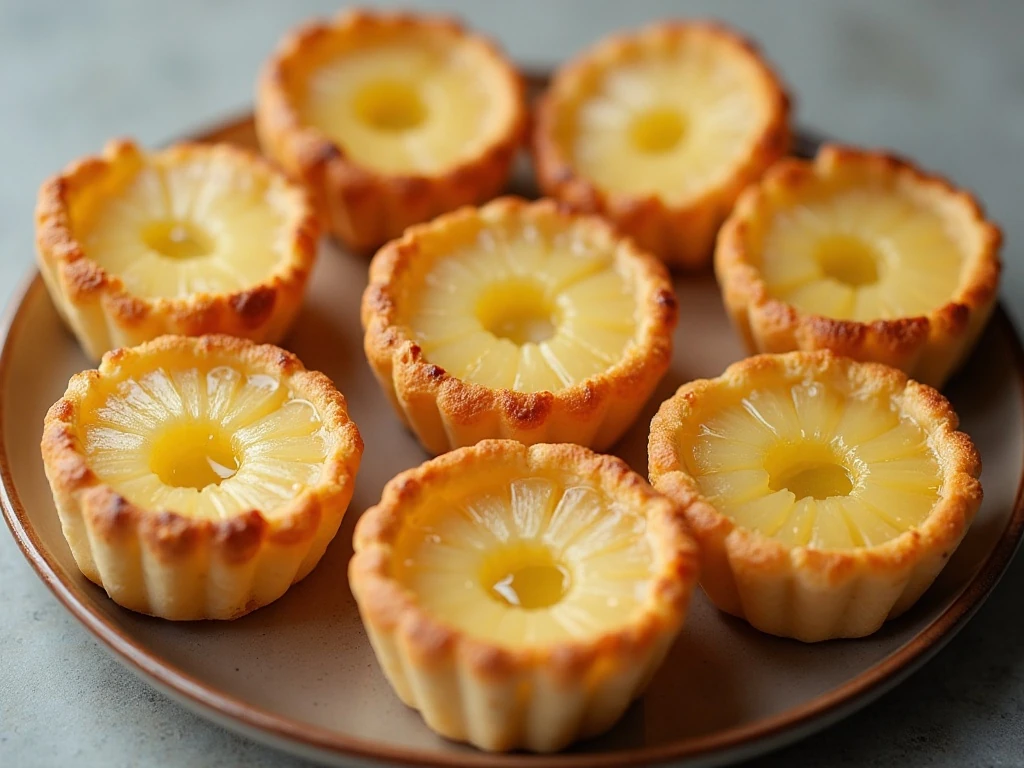
These pineapple tarts bring together two contrasting textures in one small pastry: a crumbly, milky shortcrust shell and a dense, glossy fruit filling. The butter gives the dough a rich flavor, while cornstarch keeps the pastry tender rather than bready.
The filling is not simply sweet. Fresh pineapple contributes acidity and fragrant tropical notes, and the cinnamon, cloves, and optional star anise add the warm spice traditionally associated with festive pineapple tarts across Southeast Asia.
Because every tart is individually enclosed, they are easy to arrange on a dessert platter, pack into gift boxes, or serve with tea and coffee. If you are planning a larger meal, their small size makes them a lovely finish after savory dishes such as our comforting lentil shepherd’s pie.
Ingredients You’ll Need
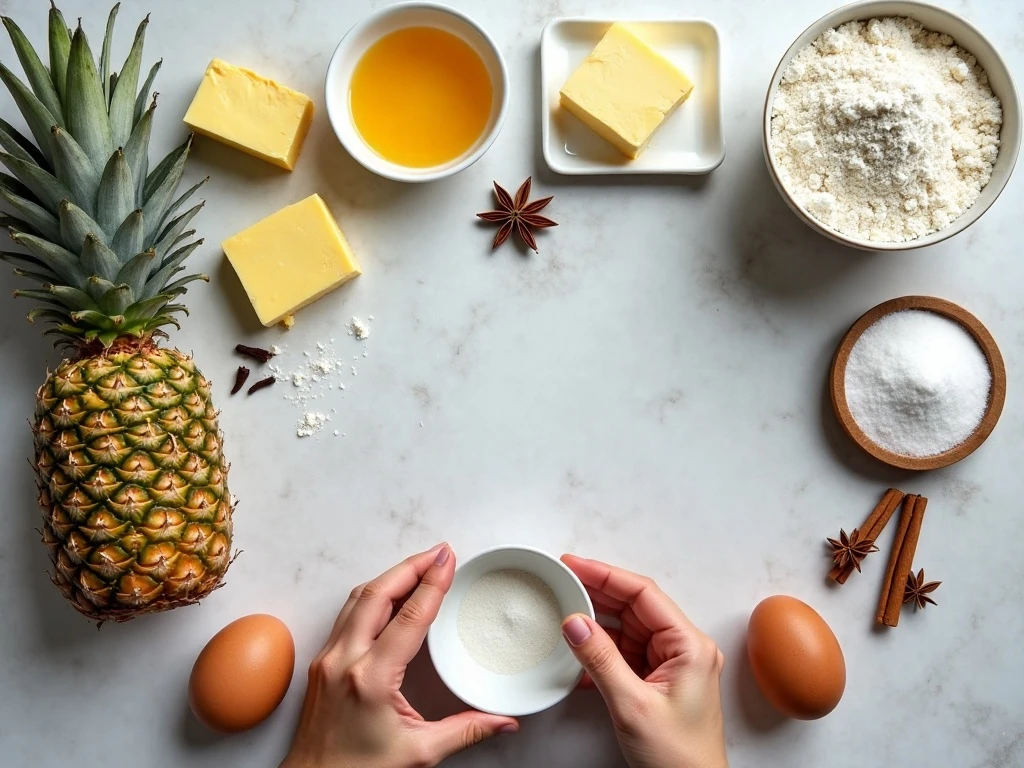
Begin with one large ripe pineapple weighing about 1.2–1.5 kg whole, or use 800–900 g prepared pineapple. Choose fruit that smells fragrant and yields slightly when pressed, since ripe pineapple provides better flavor and usually needs less added sugar.
- Fruit and sweetener: Use 150–200 g granulated sugar, adjusting within that range to suit the pineapple’s natural sweetness.
- Warm spices: Add one cinnamon stick, two cloves, and one optional star anise. These should be removed before shaping.
- Pastry base: You will need 250 g softened unsalted butter, 50 g icing sugar, two large egg yolks, 350 g plain flour, 30 g cornstarch, 30 g optional milk powder, and ¼ teaspoon fine salt.
- Finish: Combine one egg yolk with one tablespoon milk or water for a thin egg wash.
Milk powder is optional, but it adds a gentle dairy richness and contributes to the tender texture. For another sweet treat using ripe fruit, you can also browse this banana Bundt cake idea when planning a dessert table.
How to Make It Step-by-Step
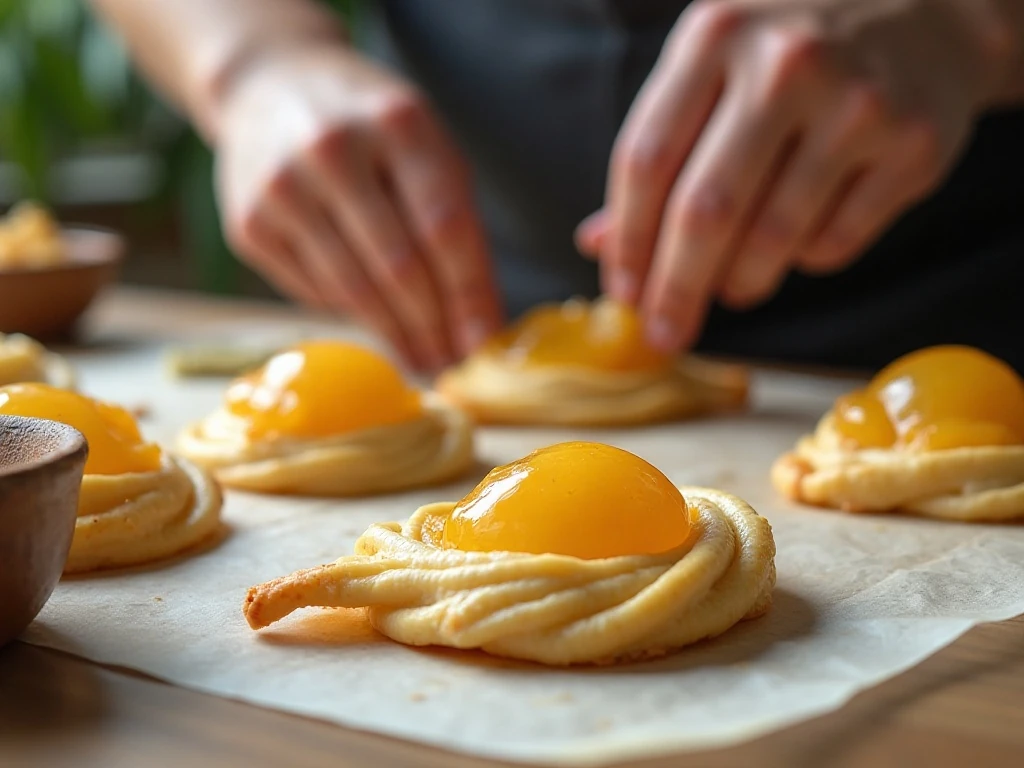
Step 1: Prepare the pineapple by peeling and coring it, then chopping or pulsing it into fine shreds. Stop before it becomes a smooth purée, because a little texture gives the finished jam more character and makes it easier to judge when the moisture has cooked away.
Step 2: Place the shredded pineapple in a wide saucepan with 150–200 g sugar, the cinnamon stick, cloves, and optional star anise. Cook uncovered over medium heat, stirring frequently, until the fruit has released its liquid and most of that liquid has evaporated.
Step 3: Lower the heat and continue cooking for 45–60 minutes. Stir more often as the mixture thickens, and look for a sticky consistency that gathers around the spoon and holds a track when stirred; add one teaspoon lemon or lime juice at the end if you want extra brightness.
Step 4: Remove the spices and let the jam cool completely. Refrigerate it until firm, then portion it into balls weighing roughly 8–10 g each; chilled filling is much easier to enclose and is less likely to smear into the pastry.
Step 5: For the dough, beat the softened butter and icing sugar just until smooth and creamy. Mix in the two egg yolks, but do not whip vigorously, since incorporating a large amount of air can affect the shape and spread of the baked tarts.
Step 6: Sift together the flour, cornstarch, milk powder if using, and salt. Add the dry mixture to the butter mixture and mix only until a soft dough forms, then wrap it and chill for approximately 30 minutes.
Step 7: Divide the chilled dough into pieces of approximately 12–14 g. Flatten one portion in your palm, place a pineapple-jam ball in the center, and gently bring the dough around it until the filling is fully covered.
Step 8: Roll each pastry gently into a ball or form it into the traditional small oval. Place the tarts on a parchment-lined baking sheet, leaving a little space between them, then brush lightly with the egg wash and add small decorative lines if desired.
Step 9: Bake at 170°C conventional or 160°C fan/convection for 18–22 minutes per tray. The edges should be lightly golden and the bottoms set, while the tops remain a soft golden color rather than deeply brown.
Step 10: Cool the pastries on the tray for several minutes before transferring them to a rack. They are delicate while hot but become pleasantly firm as they cool, making the texture easier to appreciate after a short rest.
Shaping and Baking Success
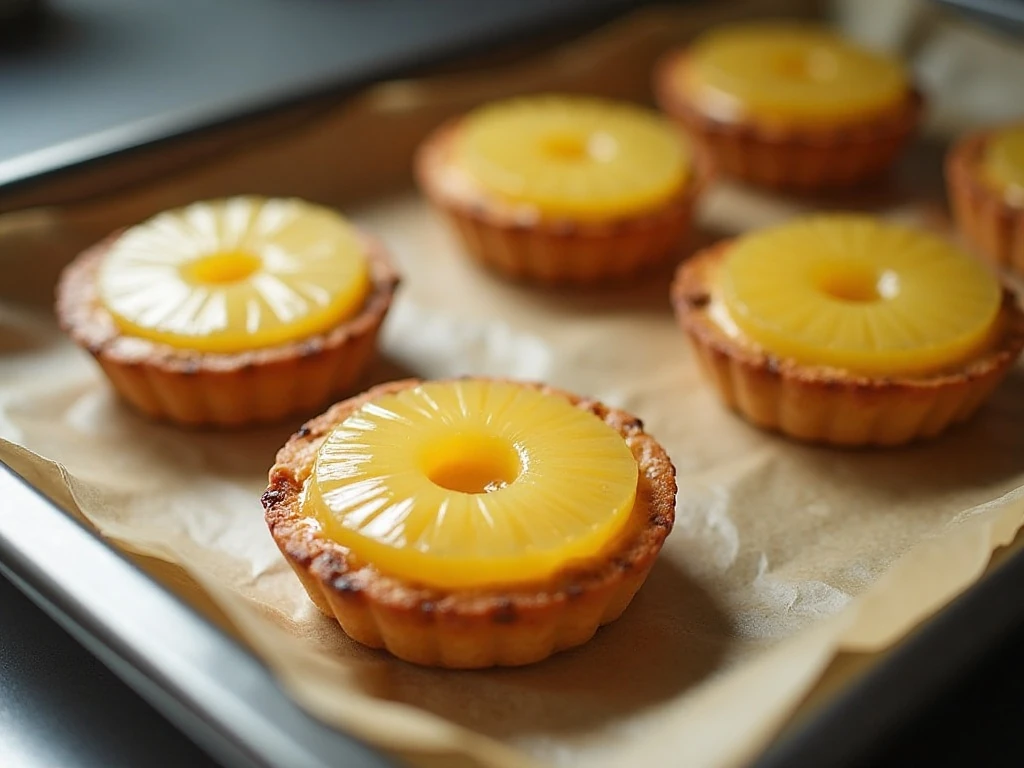
Uniform portions are more than a visual detail: they help every tart bake at the same rate. A kitchen scale makes it simple to portion the filling at 8–10 g and the dough at 12–14 g, giving you consistent pastry-to-jam proportions throughout the batch.
Seal the dough completely around the filling, paying special attention to thin spots at the base. If a small opening remains, the jam may leak during baking, especially if the pineapple mixture still contains excess moisture.
Keep the unshaped dough covered while you work. If it becomes very soft, return it to the refrigerator briefly rather than adding extra flour, which can make the pastry dry and heavy.
Pro Tips for Buttery Pineapple Tarts
- Use a wide saucepan: More surface area allows moisture to evaporate efficiently, shortening the time needed to thicken the jam.
- Trust the texture: The filling must be genuinely dry, sticky, and shapeable. A jam that looks merely thick in the pan may still be too wet once enclosed.
- Mix gently: Stop working the dough as soon as it comes together. Kneading develops gluten and can produce a tougher crust.
- Brush lightly: A thin egg wash creates a soft sheen without pooling in the decorative lines or making the tops overly dark.
- Work in batches: Bake one tray at a time if your oven has uneven heat, rotating only according to your oven’s usual baking pattern.
For a shortcut, substitute approximately 450–500 g prepared pineapple jam or pineapple paste. If the purchased filling is soft, cook it briefly until it is firm enough to roll into balls before using it in the pastry.
Serving, Storage, and Make-Ahead Advice
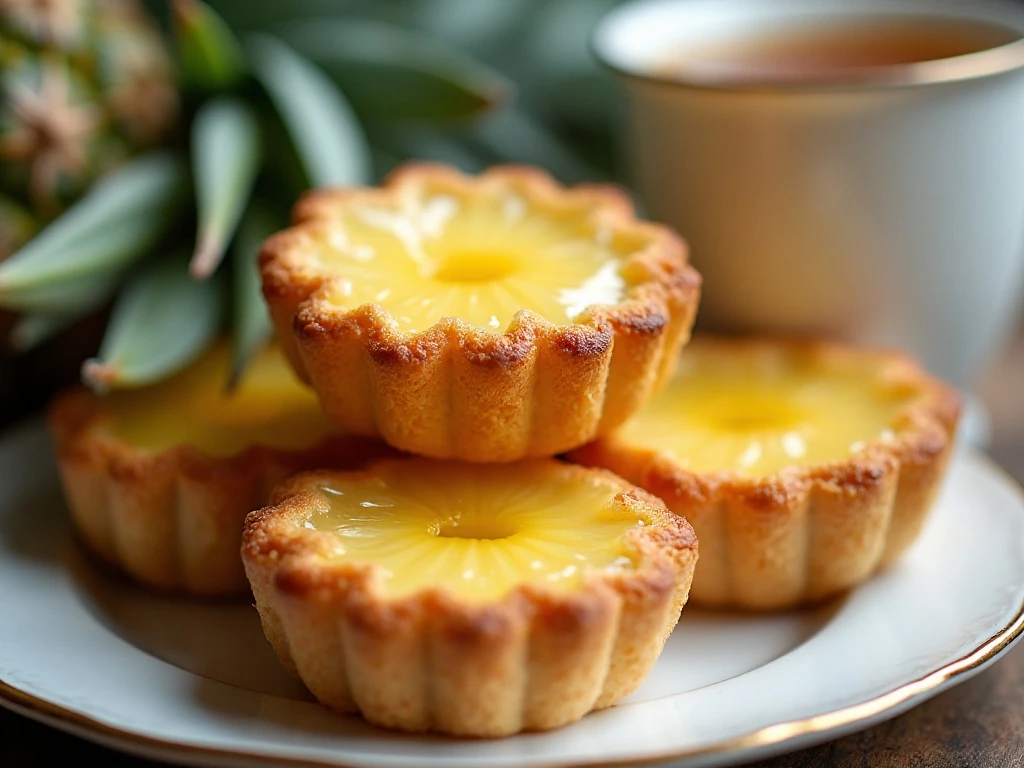
Serve the tarts at room temperature, when the butter flavor is most noticeable and the crust has reached its ideal crumbly texture. They pair beautifully with unsweetened tea, coffee, or a lightly spiced drink that balances the fruit’s sweetness.
Once fully cool, store the pastries in an airtight container at room temperature. Separate layers with parchment if needed, and avoid packing them while warm because trapped steam can soften the crust.
The pineapple jam can be prepared ahead and refrigerated until firm, which makes assembly easier on baking day. You can also make the dough in advance, keep it wrapped and chilled for a short period, and allow it to soften just enough to portion without warming it excessively.
These pastries are designed to be enjoyed as a dessert or edible gift. After dinner, a savory menu featuring Parmesan baked chicken breasts or cilantro-lime chicken leaves plenty of room for their bright fruit filling.
Common Questions About Pineapple Tarts
Why did my tarts split? The most common cause is pineapple jam that contains too much moisture or pastry that was not fully sealed. Cook the filling longer until it holds its shape, chill it before shaping, and inspect each enclosed tart for thin areas.
Can I make round tarts instead of ovals? Yes. Both shapes are traditional and delicious; round balls are particularly simple for beginners, while small ovals create the familiar festive appearance.
Why is my pastry tough? Overmixing or kneading can develop gluten and make the shortcrust less tender. Mix only until the ingredients come together and handle each portion as little as possible.
Can I use canned pineapple? The source proportions are written for fresh ripe pineapple or prepared pineapple, but canned fruit may work if it is drained very thoroughly and cooked until the filling is thick and sticky.
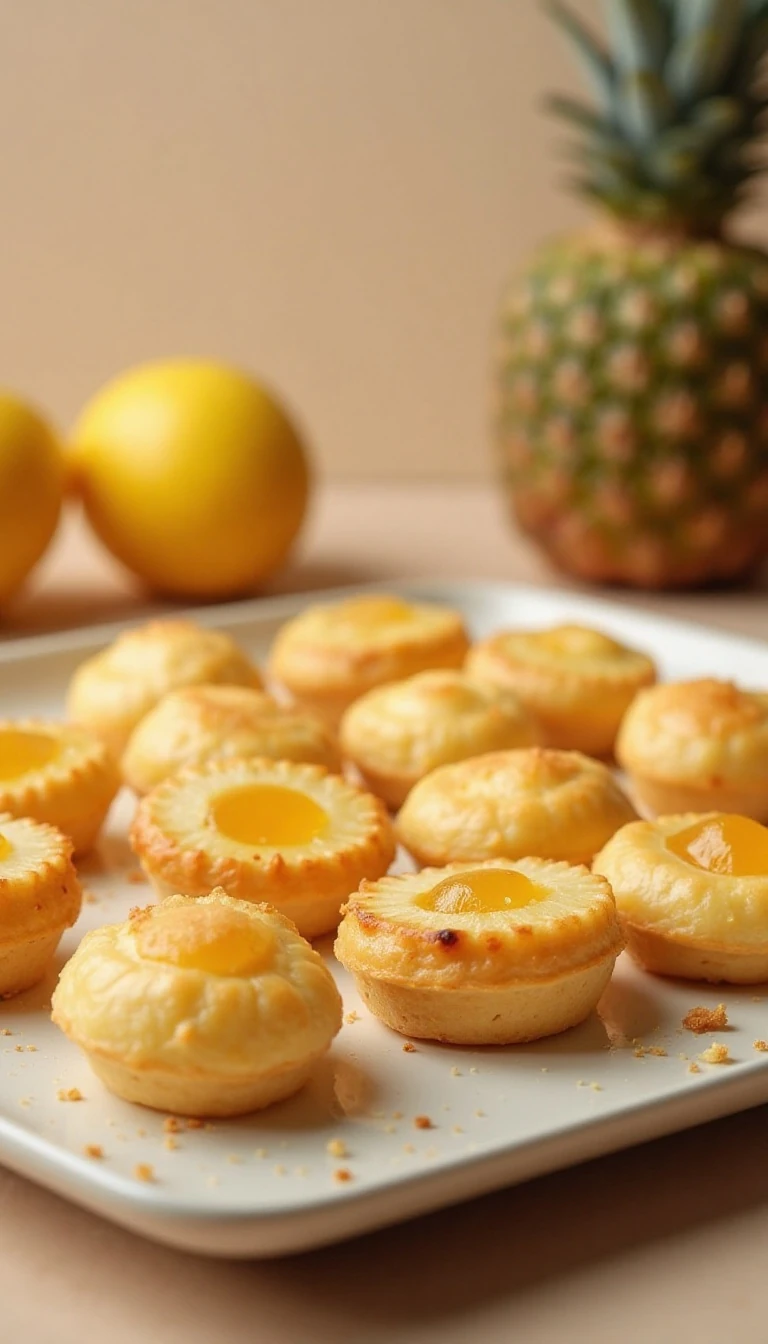
The Best Pineapple Tarts Recipe
Ingredients
Method
- Finely shred or pulse the pineapple without turning it into a completely smooth purée. Combine it with the sugar, cinnamon stick, cloves, and optional star anise in a wide saucepan, then cook uncovered over medium heat until most of the liquid has evaporated.
- Reduce the heat and continue cooking the pineapple mixture for approximately 45–60 minutes, stirring frequently, until thick, sticky, and able to hold its shape when stirred. Add the optional citrus juice, remove the spices, and cool the jam completely before refrigerating it until firm.
- Beat the softened butter and icing sugar just until smooth and creamy, then mix in the egg yolks. Sift in the flour, cornstarch, milk powder, and salt, mixing only until a soft dough forms; wrap and chill for about 30 minutes.
- Shape the chilled jam into roughly 8–10 g balls and divide the dough into approximately 12–14 g pieces. Flatten each dough piece, place jam in the center, and enclose it completely before rolling into a ball or shaping into a small oval.
- Arrange the filled pastries on a parchment-lined baking sheet. Mix the egg yolk with milk or water, brush the tarts lightly, and add decorative lines with a small knife or fork if desired.
- Heat the oven to 170°C conventional or 160°C fan/convection. Bake for 18–22 minutes per tray, until the edges are lightly golden and the bottoms are set.
- Let the tarts cool on the baking sheet for several minutes before moving them to a rack. The pastry firms as it cools, so wait until they are no longer fragile before storing or serving.
Notes
Final Thoughts
This pineapple tarts recipe rewards patience with a pastry that is rich, delicate, fragrant, and wonderfully balanced. The homemade jam brings concentrated pineapple flavor, while the butter, cornstarch, and optional milk powder create a shortcrust that melts gently after the first bite.
Give the jam the full 45–60 minutes it needs, chill both the filling and dough when necessary, and resist the temptation to overwork the pastry. Those simple details are what help each of the 30–36 tarts bake with a neat shape, lightly golden edges, and a soft jewel-like center.
Make a batch for a celebration, afternoon tea, or a thoughtful food gift. Once you taste the contrast between the buttery shell and tangy pineapple filling, these small Southeast Asian pastries are likely to become a favorite dessert in your kitchen.