The perfect homemade white bread recipe starts with warm water, active dry yeast, sugar, oil or melted butter, salt, and about 4 to 5 cups of flour. This easy recipe makes one standard 9 x 5-inch loaf, with a tender crumb and golden crust, in about 20 to 25 minutes of active preparation plus rising and baking time.
Every slice is soft, lightly sweet, buttery, and sturdy enough for sandwiches while still being delicious warm from the oven. Follow the flour guidance carefully, allow both rises to finish, and cool the bread for at least 30 minutes so the crumb sets before slicing.
Jump to RecipeWhy You’ll Love This Recipe
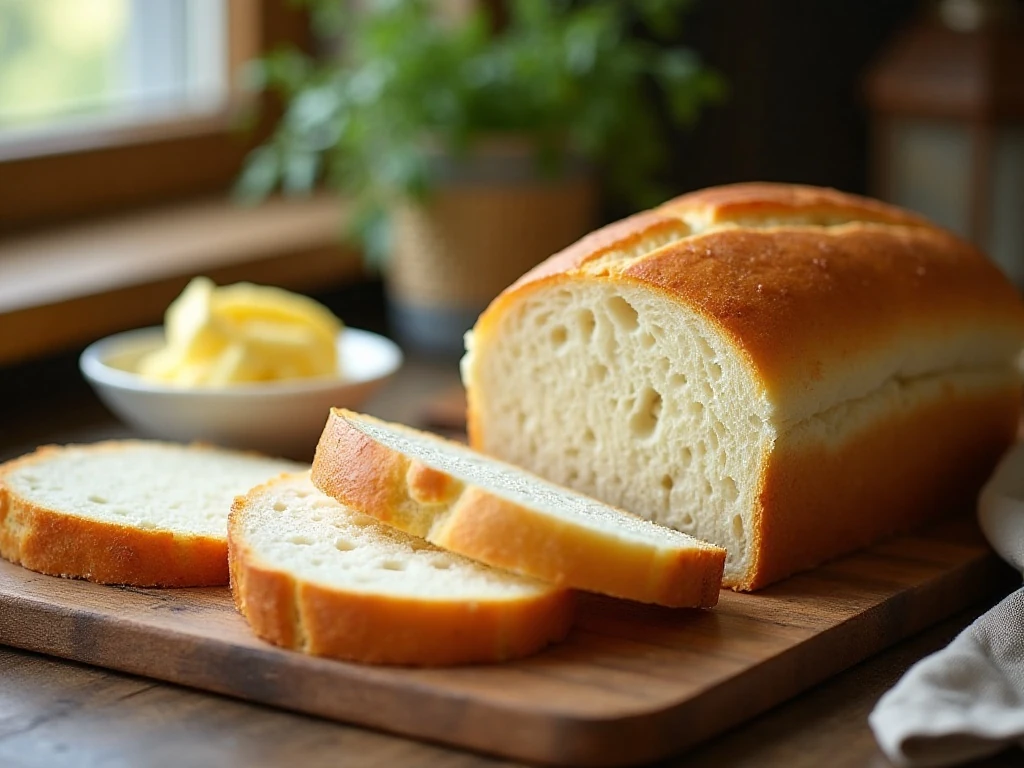
This homemade white bread has the familiar flavor many people remember from bakery loaves, but the texture is fresher and more satisfying. The crust turns golden in the oven while the center stays soft, springy, and easy to slice.
The dough is forgiving and uses everyday pantry ingredients. You do not need a complicated starter, specialty flour, or unusual equipment; a large bowl, loaf pan, and your hands are enough.
- Yield: One 9 x 5-inch loaf, about 12 slices.
- Active preparation: About 20 to 25 minutes.
- Rising time: About 1 1/2 to 2 hours total.
- Baking time: 30 to 35 minutes at 350°F (175°C).
Serve it with butter alongside dinner, use it for toast in the morning, or build a classic sandwich with thick, tender slices. For another sweet bread idea, try this triple chocolate banana bread when you are in the mood for a rich loaf.
Ingredients You’ll Need
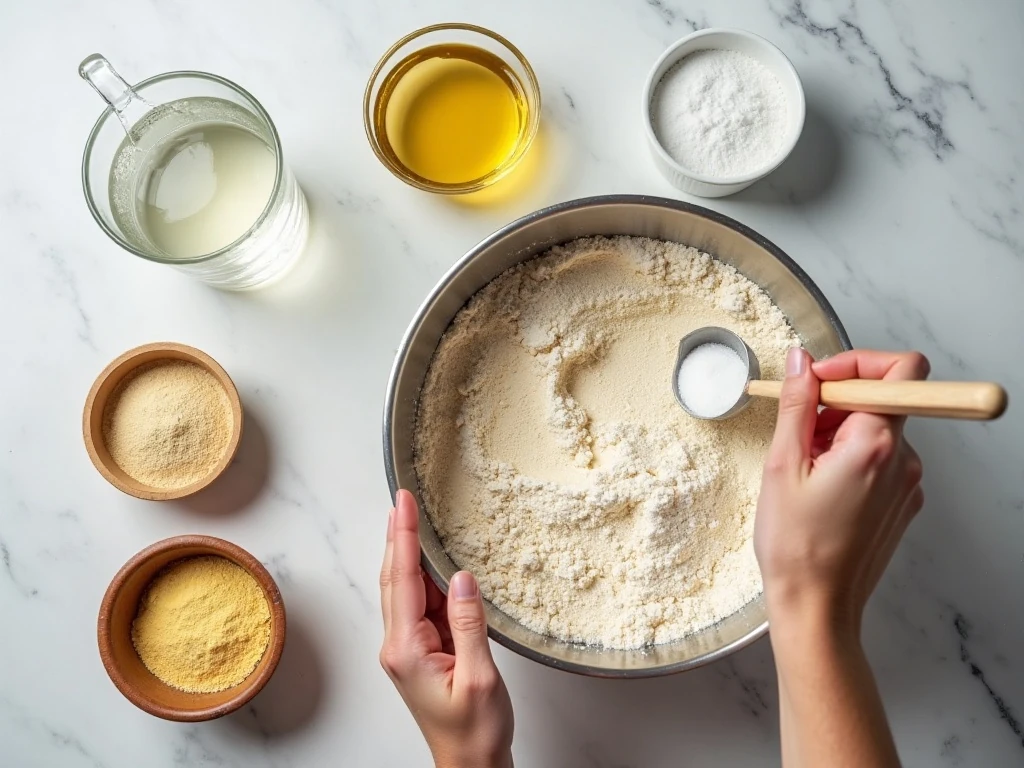
Warm water activates the yeast and gives the dough the moisture it needs to become supple. Aim for approximately 105 to 110°F (40 to 43°C); water that feels comfortably warm is ideal, while very hot water can damage the yeast.
Active dry yeast provides the rise, and sugar gives it food during the first stage while adding a gentle sweetness. Vegetable oil creates a tender crumb, while melted butter adds a fuller, buttery taste.
- 1 3/4 cups warm water: Keep it around 105 to 110°F.
- 2 1/4 teaspoons active dry yeast: This is the amount in one standard packet.
- 2 tablespoons granulated sugar: Adds mild sweetness and supports yeast activity.
- 2 tablespoons vegetable oil or melted butter: Choose oil for a neutral flavor or butter for richness.
- 1 teaspoon fine salt: Balances the flavor and improves the dough.
- 4 to 5 cups all-purpose or bread flour: Add it gradually rather than measuring the entire amount into the bowl at once.
A kitchen scale can make flour measuring more consistent, but careful cup measuring works well. Fluff the flour, spoon it into the measuring cup, and level it instead of packing it down.
How to Make It Step-by-Step
Step 1: Combine the warm water, sugar, and yeast in a large mixing bowl. Stir gently, then leave the bowl undisturbed for 5 to 10 minutes; a foamy surface shows that the yeast is active and ready.
Step 2: Pour in the vegetable oil or melted butter and add the salt. Stir to combine, making sure the salt and fat are distributed through the liquid before the flour goes in.
Step 3: Add about 4 cups of flour gradually, stirring after each addition until a soft dough forms. If the dough remains very sticky, add more flour 1 tablespoon at a time, stopping as soon as it becomes workable.
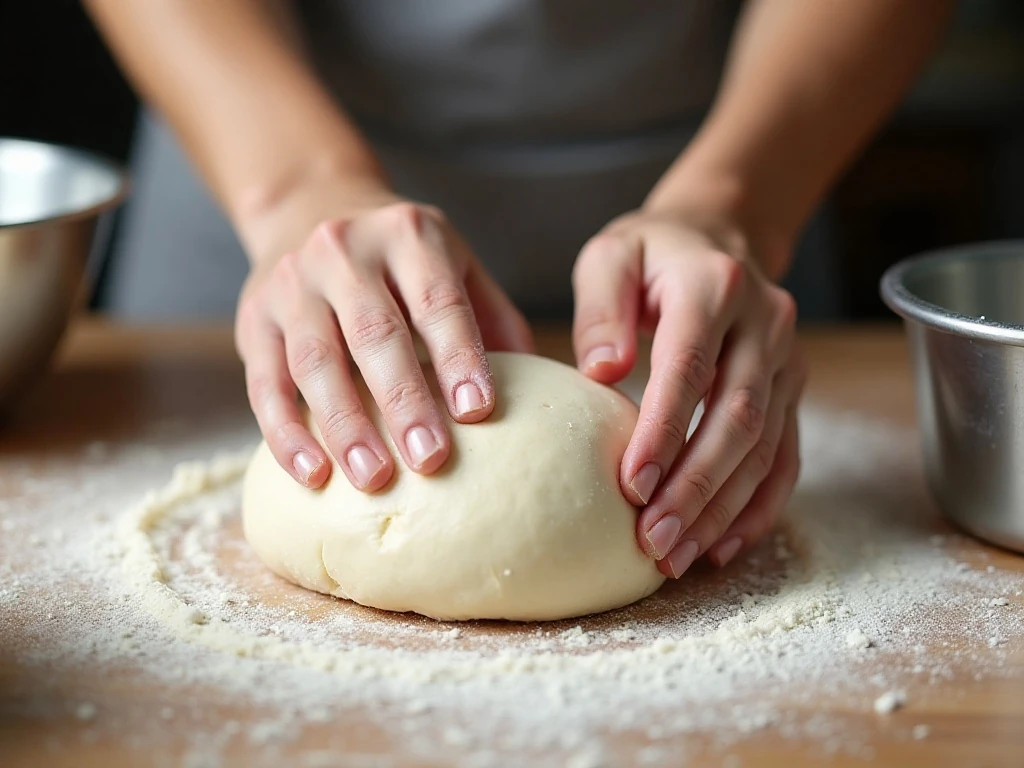
Step 4: Knead the dough by hand for about 8 to 10 minutes, or use a dough hook for 5 to 7 minutes. The finished dough should look smoother and feel elastic, with a slightly soft or tacky surface rather than a dry, stiff texture.
Step 5: Lightly oil a clean bowl and place the dough inside, turning it once so the surface is lightly coated. Cover the bowl and let the dough rise in a warm, draft-free place for about 1 hour, or until it has doubled in size.
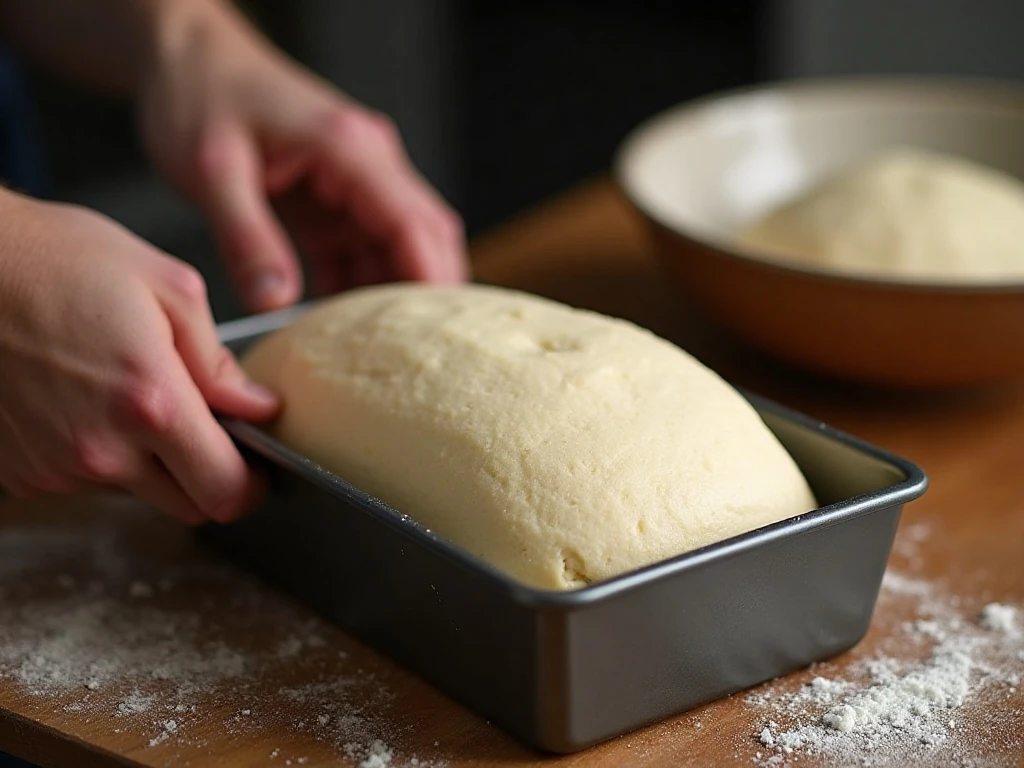
Step 6: Gently punch down the dough to release excess air, then shape it into a loaf. Place it in a greased 9 x 5-inch loaf pan, cover it, and allow a second rise for 30 to 45 minutes, until the dough sits slightly above the rim.
Step 7: Preheat the oven to 350°F (175°C), then bake the loaf for 30 to 35 minutes. Look for a golden-brown top and a hollow sound when the loaf is tapped; an internal temperature of about 190 to 200°F (88 to 93°C) is also a useful doneness check.
Step 8: Remove the bread from the pan as soon as it comes out of the oven and transfer it to a cooling rack. Brush the hot crust with melted butter for a softer finish, then wait at least 30 minutes before slicing.
Pro Tips for Soft, Even Bread
The most important dough tip is to resist adding flour automatically. The exact amount can change with humidity, the brand of flour, and how it was measured, so the dough itself should guide you.
A slightly tacky dough is usually a good sign. If it clings heavily to the bowl and cannot be kneaded, add flour in small increments, but avoid correcting stickiness with a large scoop because over-floured dough produces a heavier loaf.
- Check your yeast: Foam after 5 to 10 minutes indicates good activity.
- Give the dough room: Use a bowl large enough for it to double without touching the cover.
- Watch the dough, not only the clock: A warm kitchen may shorten rising time, while a cool kitchen may require more time.
- Do not skip the second rise: It helps create a lighter, more even crumb.
- Cool before cutting: Slicing too soon can compress the soft interior and make it seem gummy.
For a complete meal, serve thick slices with a comforting casserole such as this creamy hashbrown casserole. The tender bread is also excellent for soaking up sauces.
How to Store and Serve White Bread
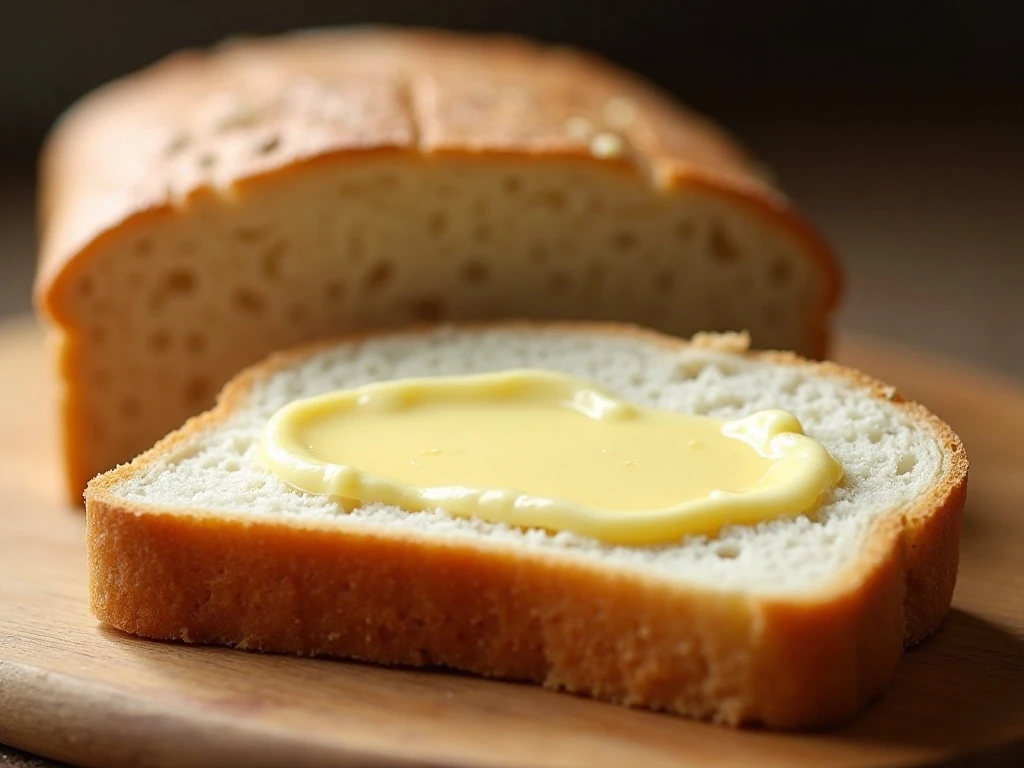
Let the loaf cool completely before storing it. Wrap it tightly or place it in an airtight bread bag and keep it at room temperature for several days.
For longer storage, slice the cooled loaf and freeze the slices in a well-sealed freezer bag. Individual slices can be toasted straight from frozen, making this recipe useful for quick breakfasts and school or work lunches.
Fresh white bread is wonderful with butter and jam, but it also makes excellent grilled cheese, French toast, bread pudding, and croutons. Use it beside a saucy pasta dinner, including this white chicken ravioli bake, so every last bit of sauce can be enjoyed.
Common Questions About Homemade White Bread
Can I use all-purpose flour? Yes. All-purpose flour works well, while bread flour may give the loaf a slightly chewier structure. Either choice should be added gradually within the 4 to 5 cup range.
Why did my loaf not rise? The yeast may have been inactive, the water may have been too hot or too cool, or the dough may have been left in a chilly location. Give the dough a warm, draft-free place and look for visual signs such as doubling rather than relying only on a fixed time.
Why is my bread dense? Common causes include adding too much flour, insufficient kneading, or cutting into the loaf before it has cooled. Keep the dough soft, knead until elastic, and allow the full cooling period.
When planning a baking day, pair this loaf with other cozy recipes such as cranberry bliss bread or oatmeal bars with white chocolate for a generous homemade spread.
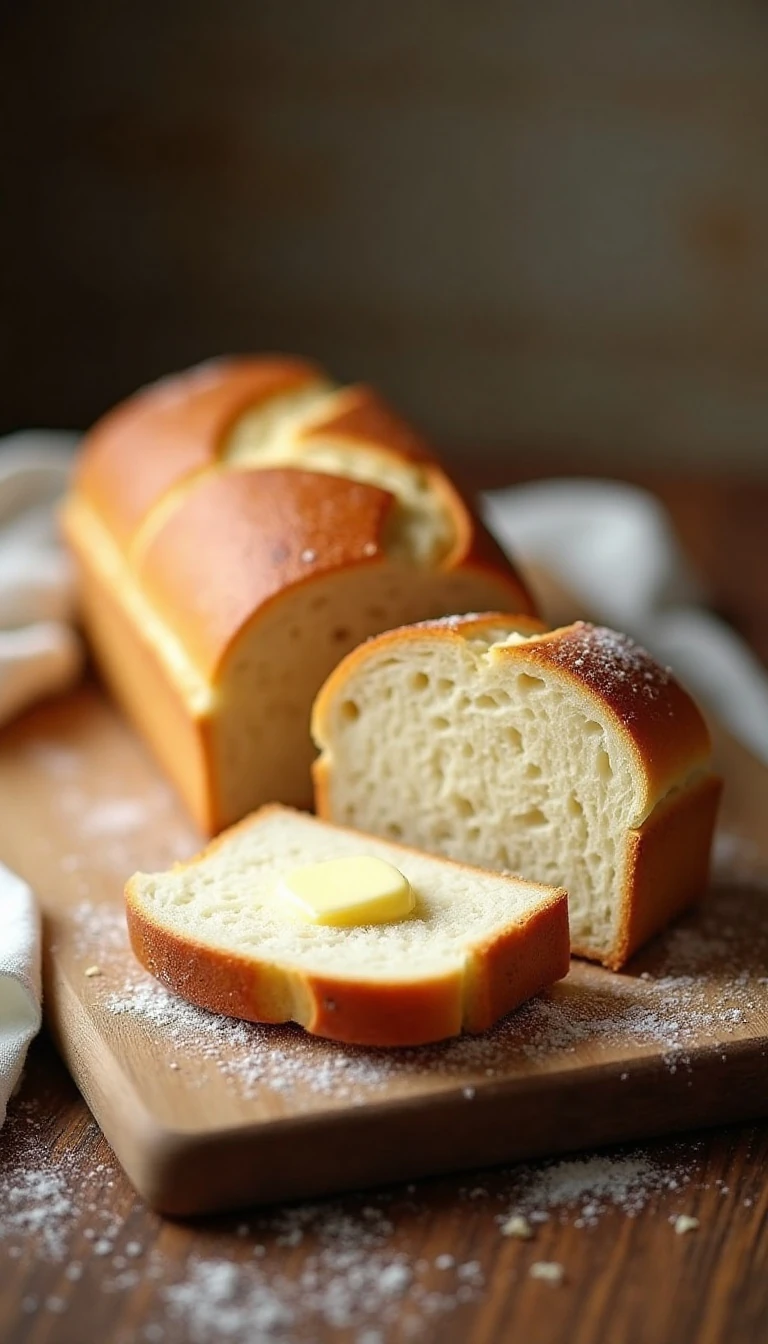
The Perfect Homemade White Bread Recipe
Ingredients
Method
- Stir the warm water, sugar, and active dry yeast together in a large bowl. Let the mixture stand for 5 to 10 minutes, until it becomes foamy.
- Mix in the vegetable oil or melted butter and fine salt. Add about 4 cups of flour gradually, stirring until a soft dough forms.
- Add extra flour only 1 tablespoon at a time if the dough is very sticky. Knead by hand for 8 to 10 minutes, or with a dough hook for 5 to 7 minutes, until smooth and elastic.
- Place the dough in a lightly oiled bowl, cover it, and let it rise in a warm, draft-free place for about 1 hour, or until doubled in size.
- Punch down the risen dough and shape it into a loaf. Place it in a greased 9 x 5-inch loaf pan, cover it, and let it rise again for 30 to 45 minutes, until slightly above the rim.
- Bake at 350°F (175°C) for 30 to 35 minutes. The loaf should be golden brown and sound hollow when tapped, or register about 190 to 200°F (88 to 93°C) internally.
- Remove the bread from the pan and cool it on a rack for at least 30 minutes before slicing. Brush the hot loaf with melted butter after baking if you prefer a softer crust and richer flavor.
Notes
Final Thoughts
This perfect homemade white bread recipe delivers everything a dependable everyday loaf should: a golden crust, soft crumb, gentle sweetness, and enough structure for sandwiches and toast. The method is simple, but careful flour additions, patient rising, and proper cooling make the final result noticeably better.
Once you make it, keep the recipe close for weekend baking, family dinners, and homemade lunches. A warm slice with butter is all it needs, although the loaf is just as welcome beside soup, casserole, pasta, or your favorite breakfast spread.
1 thought on “The Perfect Homemade White Bread Recipe”