Overnight cinnamon rolls are the answer when you want a warm, homemade breakfast without waking up before sunrise. Prepare the soft yeast dough, fill and shape the rolls, then refrigerate them for 8–18 hours; the next morning, let them become puffy for 1–2 hours and bake at 350°F for 25–28 minutes.
These make-ahead cinnamon rolls have tender, buttery layers packed with brown sugar and cinnamon, then finished with creamy vanilla icing while they are still warm. The overnight rest makes breakfast practical for holidays, weekends, and guests, while the freshly baked aroma makes the whole kitchen feel welcoming.
Jump to RecipeWhy You’ll Love This Recipe
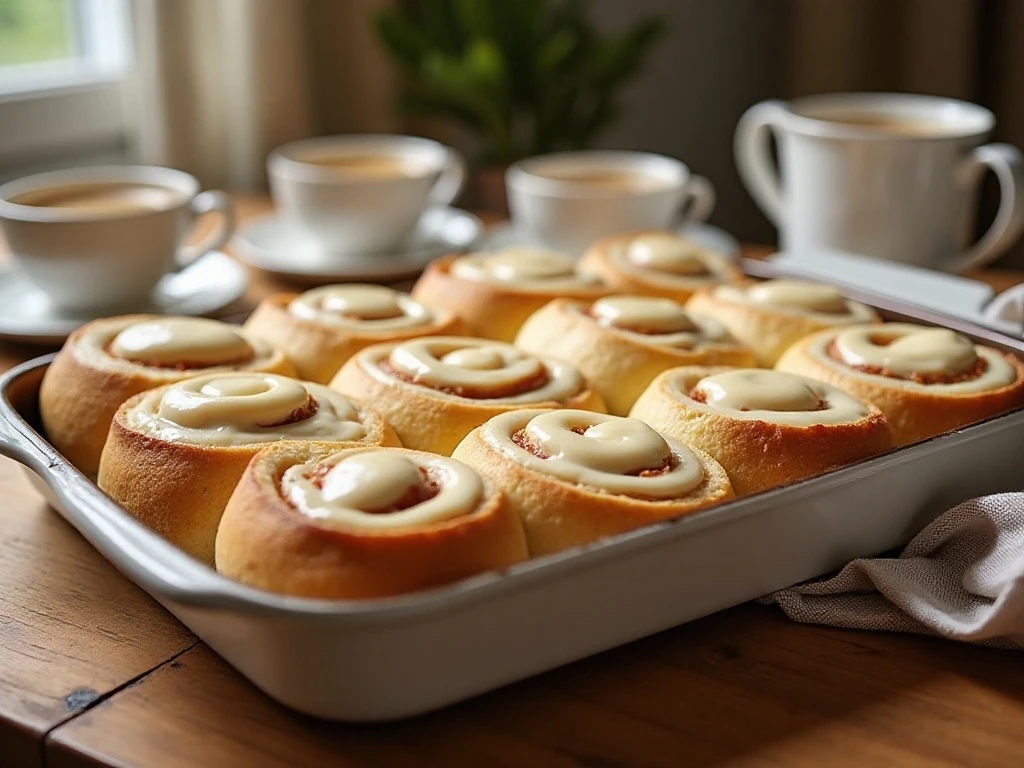
This recipe gives you the comfort of bakery-style cinnamon rolls with a schedule that fits real mornings. Most of the work happens the day before, so all that remains is proofing, baking, and icing the rolls.
The dough is soft without being difficult to handle, and the filling uses familiar pantry staples. Brown sugar melts into the butter as the rolls bake, creating rich, sticky cinnamon layers beneath a cool, tangy cream-cheese topping.
- Make-ahead friendly: Shape the rolls at night and bake them the next morning.
- Generous yield: One 9-by-13-inch pan makes 12 rolls.
- Reliable texture: A proper morning proof keeps the centers soft and fluffy.
For another cozy cinnamon-inspired breakfast idea, try these apple cinnamon crescent rolls when you need something faster and smaller-batch.
Ingredients You’ll Need
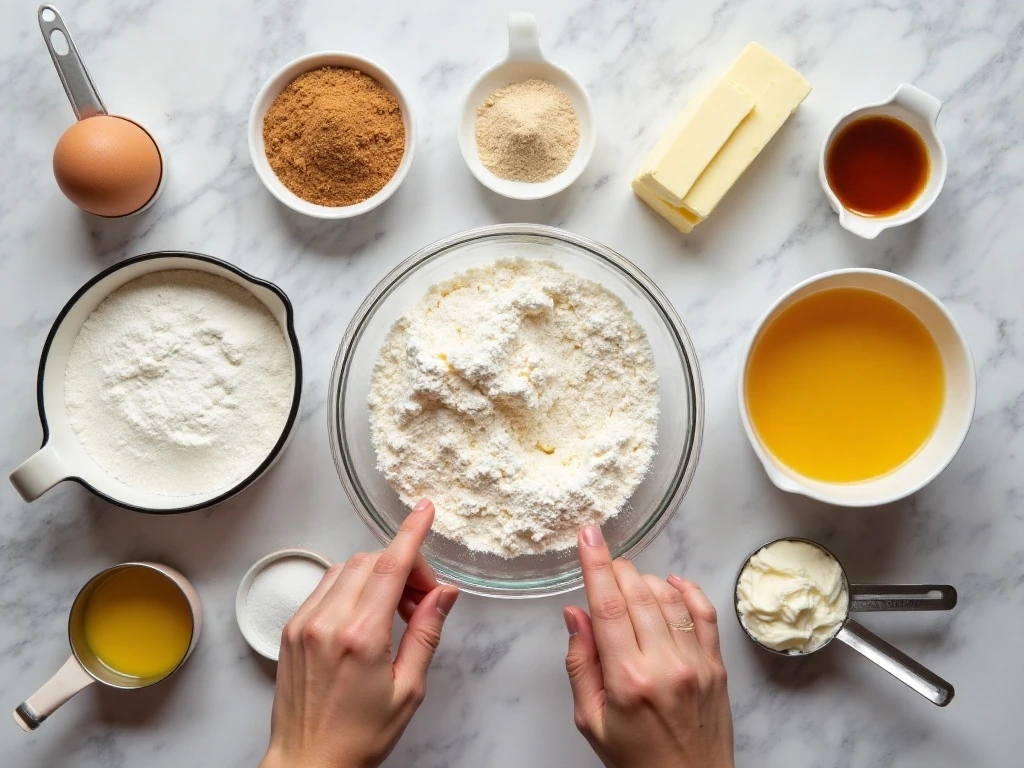
Whole milk, eggs, butter, and flour form a tender enriched dough. Use milk warmed only to 105–110°F; it should feel pleasantly warm rather than hot when tested carefully.
Active dry yeast needs a brief foam test in the warm milk. The sugar feeds the yeast and sweetens the dough, while salt keeps the flavor balanced and prevents the finished rolls from tasting flat.
The filling is wonderfully simple: softened butter, packed brown sugar, and ground cinnamon. Light brown sugar gives a mellow caramel note, while dark brown sugar brings a deeper molasses flavor.
For the icing, use full-fat cream cheese for the richest flavor and smoothest consistency. Confectioners’ sugar dissolves quickly, and a teaspoon of vanilla rounds out the tangy topping.
Set out the eggs, butter, and cream cheese ahead of time so they soften or warm as directed. Softened filling butter spreads easily without tearing the dough, which helps keep the cinnamon mixture in an even layer.
How to Make It Step-by-Step
Step 1: Warm the milk to 105–110°F (40–43°C), then stir in the yeast and a little of the sugar. Let the mixture stand for 5–10 minutes, until a foamy layer appears on top; this shows the yeast is active.
Step 2: Mix in the remaining sugar, melted butter, eggs, and salt. Add the flour gradually, stirring until the ingredients come together into a soft dough that pulls away from the sides of the bowl.
Step 3: Knead for 5–7 minutes by hand or with a dough hook. The dough should become smooth and elastic, and it should feel soft rather than stiff; add only a little extra flour if truly needed.
Step 4: Transfer the dough to a lightly greased bowl and turn it once so the surface is lightly coated. Cover the bowl and let it rise in a warm place for 1–2 hours, until the dough has doubled in size.
Step 5: Gently press down the risen dough and roll it into a rectangle roughly 12 by 18 inches. Work from the center outward, keeping the corners as square as possible so the finished log produces evenly sized rolls.
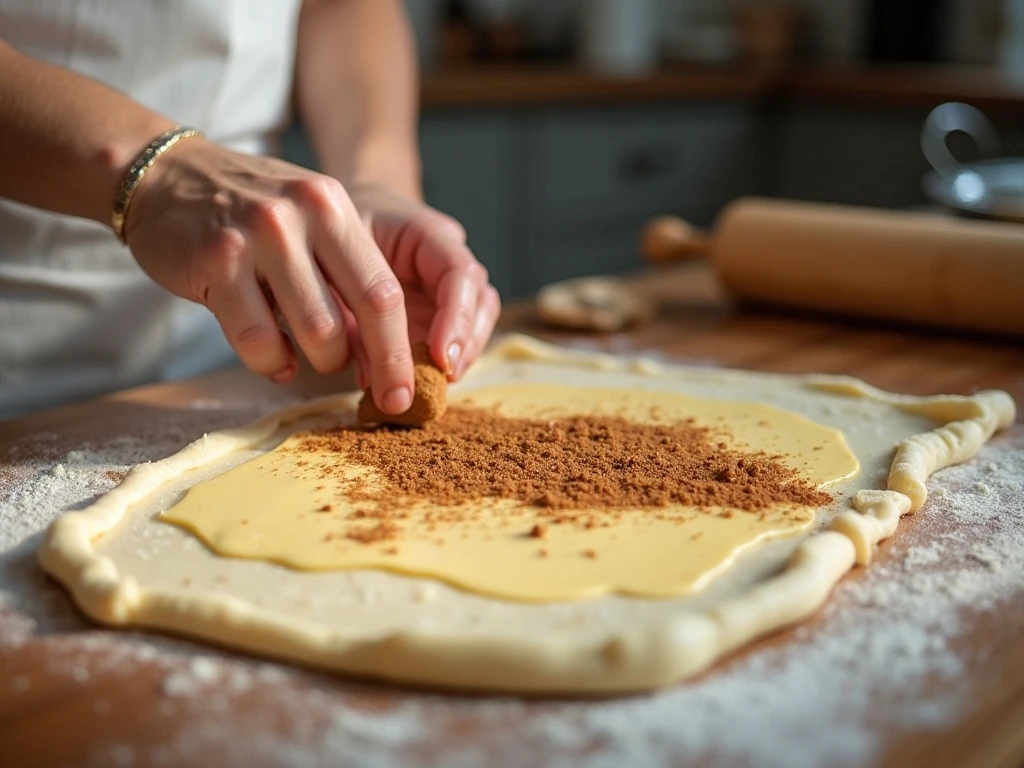
Step 6: Spread the softened butter over the entire rectangle, leaving no large bare areas. Sprinkle the brown sugar and cinnamon evenly over the butter, lightly pressing the mixture into place if needed.
Step 7: Starting at a long edge, roll the dough into a tight log. Use unflavored dental floss to cut the log into 12 pieces, sliding the floss underneath and crossing it over the top for clean slices without flattening the spirals.
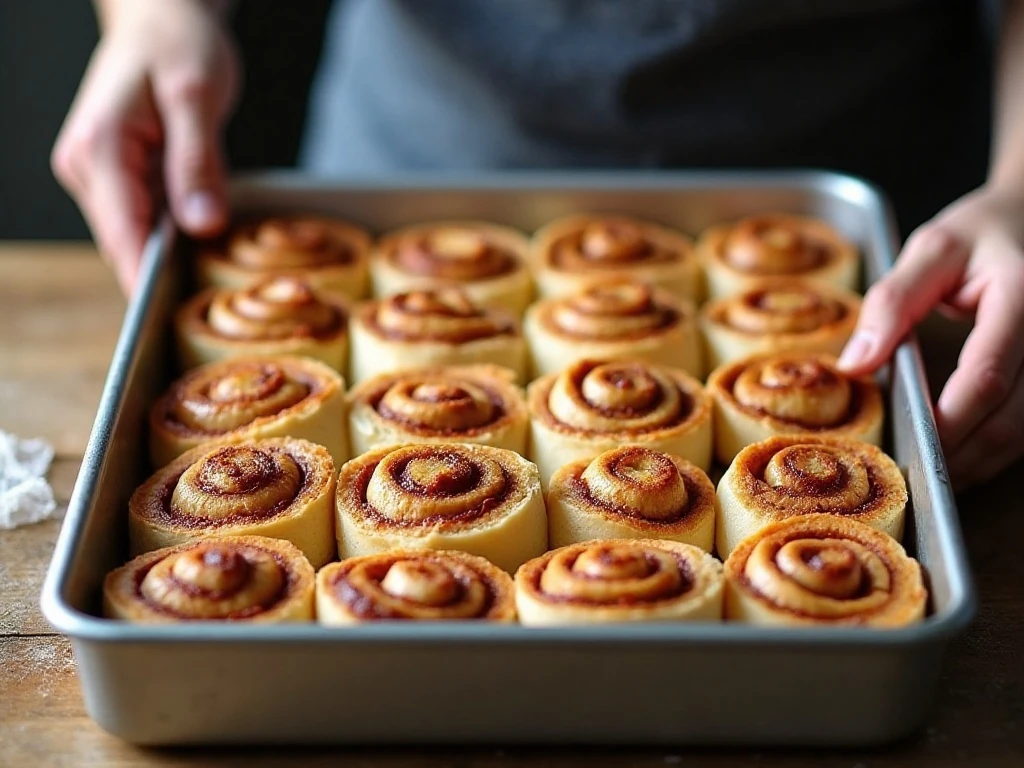
Step 8: Arrange the rolls cut-side up in a greased 9-by-13-inch baking dish. Cover the dish tightly and refrigerate for 8–18 hours, giving the dough a long, cool rest without extending the chill too far.
Step 9: The next morning, remove the pan from the refrigerator and leave it at room temperature for 1–2 hours. The rolls should look visibly puffy before they go into the oven; cold, under-proofed rolls can bake up dense.
Step 10: Bake at 350°F (177°C) for 25–28 minutes, until the tops are lightly golden and the center rolls are cooked through. If the tops brown quickly, watch the center closely rather than removing the pan before the middle is done.
Step 11: While the rolls are warm, beat the softened cream cheese and butter until smooth. Add the confectioners’ sugar and vanilla, then mix in 1–2 tablespoons of milk or heavy cream as needed until the icing is spreadable.
Step 12: Spread the cream-cheese icing over the warm rolls so it softens into the ridges and cinnamon spirals. Serve while fresh, when the edges are tender and the centers are soft, fragrant, and generously coated.
Pro Tips for Soft, Fluffy Rolls
Milk temperature is one of the most important details. Milk above approximately 120°F can weaken or kill the yeast, so use a thermometer if possible and allow overheated milk to cool before proceeding.
Do not rush the second rise. The refrigerator slows the yeast, and the shaped rolls need 1–2 hours at room temperature to become visibly puffy before baking.
Use a light touch when adding extra flour. Too much flour makes the dough firm and can produce dry rolls, while a soft dough creates tender layers after baking.
Roll firmly but not aggressively. A snug log gives defined swirls, yet crushing the dough can squeeze out the filling and make the slices uneven.
For a breakfast spread with contrasting flavors, serve the rolls with raspberry basil lemonade. The bright fruit and citrus are a refreshing match for the rich, buttery pastry.
Storage, Reheating, and Serving
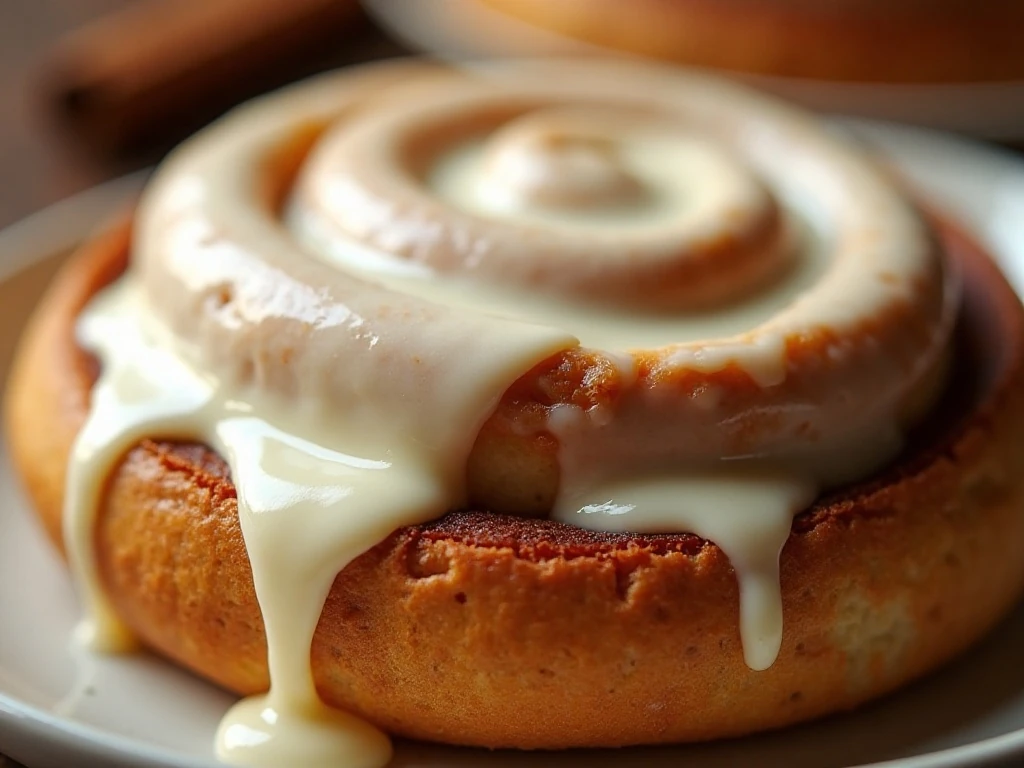
Freshly baked rolls are best served warm, but leftovers can be covered and kept at room temperature for a short period. For longer storage, refrigerate them in an airtight container and reheat individual portions gently so the icing does not become overly runny.
Warm a roll until the center is soft and fragrant, taking care not to overheat it. A brief rewarming brings back the tender texture without drying the bread.
If you are preparing the rolls for a gathering, mix the icing while the pan bakes. Spread it on just before serving so the topping stays creamy and visibly melts over the ridges.
These rolls make a beautiful brunch centerpiece beside fresh fruit, coffee, or tea. A small dish of honey cinnamon almonds can add a crisp, nutty contrast to the pillowy pastry.
Make-Ahead Planning Guide
Begin by counting backward from breakfast. Allow 30–40 minutes for active preparation, 1–2 hours for the first rise, 8–18 hours in the refrigerator, and another 1–2 hours the next morning before baking.
A practical schedule is to mix and shape the rolls after dinner, refrigerate the covered pan overnight, then set it on the counter when you start your morning coffee. Once the rolls look puffy, bake them for 25–28 minutes at 350°F.
Keep the shaped rolls refrigerated for no more than about 18 hours for the best rise and texture. If your kitchen is especially cool, the morning proof may take the full 2 hours.
For a savory option to serve later in the day, pair a sweet roll with roasted eggplant dip as part of a larger brunch or snack table. A little sweet-and-savory variety keeps the menu interesting.
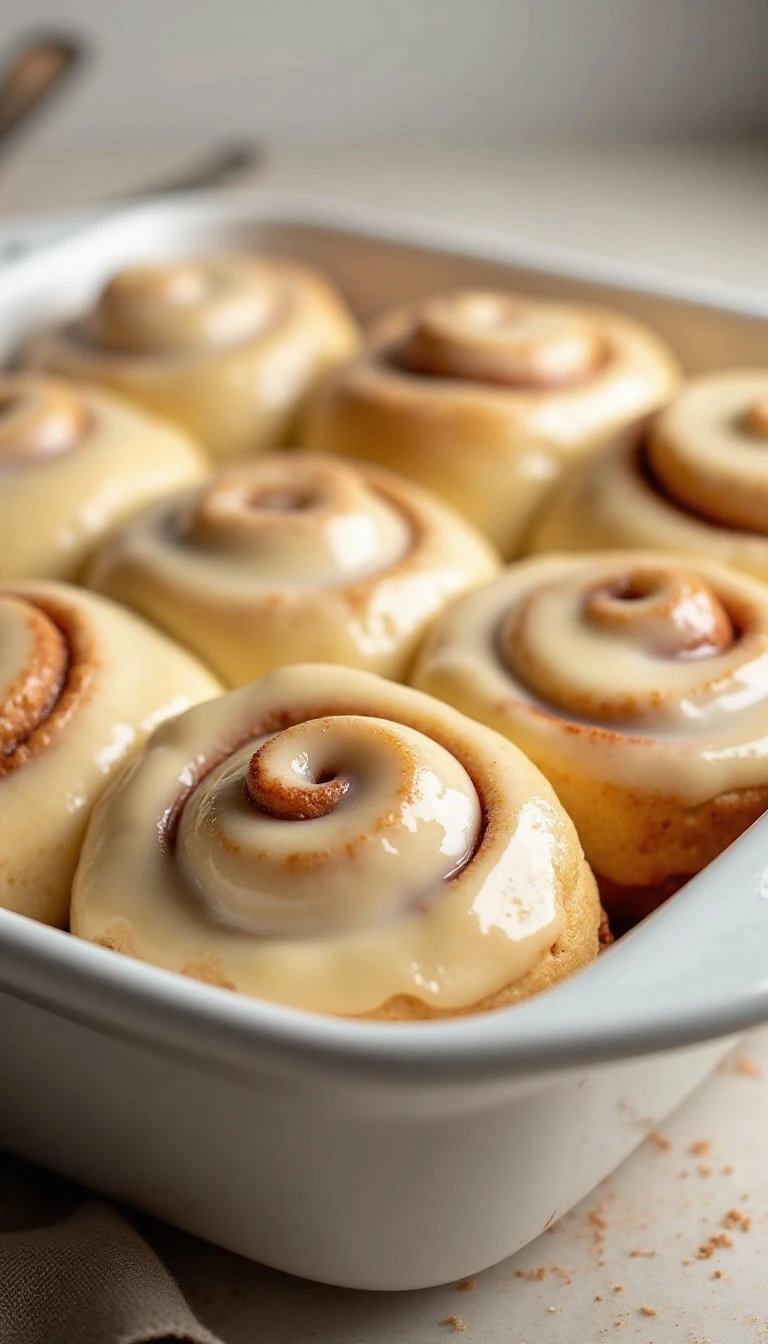
Overnight Cinnamon Rolls
Ingredients
Method
- Warm the milk to 105–110°F (40–43°C). Stir in the yeast and a little of the sugar, then let it stand for 5–10 minutes until foamy.
- Add the remaining sugar, melted and slightly cooled butter, room-temperature eggs, and salt. Gradually mix in the flour until a soft dough forms.
- Knead the dough for 5–7 minutes by hand or with a dough hook, until smooth and elastic. Add only a small amount of extra flour if the dough is unusually sticky.
- Place the dough in a lightly greased bowl, cover it, and let it rise in a warm place for 1–2 hours, or until doubled in size.
- Roll the dough into a rectangle about 12 by 18 inches. Spread the softened butter evenly over the surface, then sprinkle on the brown sugar and cinnamon.
- Roll the dough tightly from the long side into a log. Cut it into 12 even pieces and arrange them in a greased 9-by-13-inch baking dish.
- Cover the pan tightly and refrigerate the shaped rolls for 8–18 hours. Keeping the chill within this range helps preserve a good rise and soft texture.
- In the morning, remove the pan from the refrigerator and let the rolls sit at room temperature for 1–2 hours. Wait until they look noticeably puffy before baking.
- Bake at 350°F (177°C) for 25–28 minutes, until lightly golden and cooked through in the center. Avoid judging doneness by the edges alone, since the middle rolls need enough time to bake.
- Beat the cream cheese, butter, confectioners’ sugar, vanilla, and enough milk or cream to make a spreadable icing. Spread it over the warm rolls and serve.
Notes
Final Thoughts
Overnight cinnamon rolls prove that a special breakfast does not need to be complicated at sunrise. Once the dough is mixed, risen, filled, sliced, and chilled, the next morning becomes a simple rhythm of proof, bake, and ice.
Give the rolls enough time to become puffy after refrigeration, protect the yeast by keeping the milk at the right temperature, and resist adding too much flour. Those small details lead to soft centers, tender edges, distinct cinnamon spirals, and a generous cream-cheese finish.
For a bright finishing idea, serve fresh fruit alongside the rolls or add a spoonful of smooth lemon curd to the brunch table. Make this recipe the night before, and you can greet everyone with warm cinnamon rolls instead of a rushed kitchen.