To make Hamburger Helper better, brown the ground beef thoroughly with diced onion, add garlic and extra seasonings, replace some or all of the water with low-sodium beef broth, and finish the cooked pasta with sharp cheddar cheese. You can also stir in tomato paste, vegetables, mushrooms, or a little sour cream for a richer, more flavorful skillet dinner.
This upgraded cheeseburger macaroni takes about 10 minutes to prepare and 20 to 25 minutes to cook, so dinner is ready in roughly 30 to 35 minutes. The result is creamy, savory, cheesy, and satisfying, with tender pasta and plenty of homemade flavor while still keeping the convenience of a boxed mix.
Jump to RecipeWhy You’ll Love This Recipe
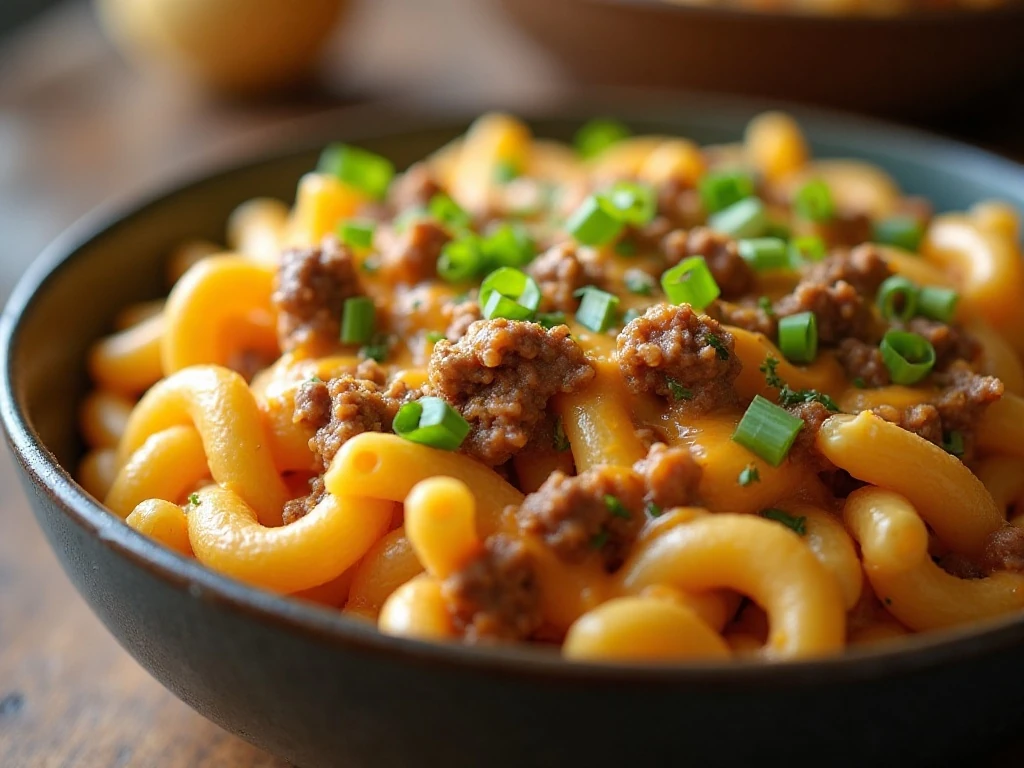
Hamburger Helper is already quick and comforting, but a few smart additions can make it taste much more like a carefully prepared skillet meal. Thoroughly browned beef brings savory depth, while onion and garlic give the sauce a fresh aromatic foundation.
The best part is that these improvements do not require complicated techniques or a long ingredient list. You can make the base recipe in one large skillet, then customize it with vegetables, extra cheese, spicy seasonings, or a creamy finish.
For another from-scratch skillet dinner with a similar cozy feel, try this homemade one-pot version when you have a few extra pantry ingredients available.
Ingredients You’ll Need
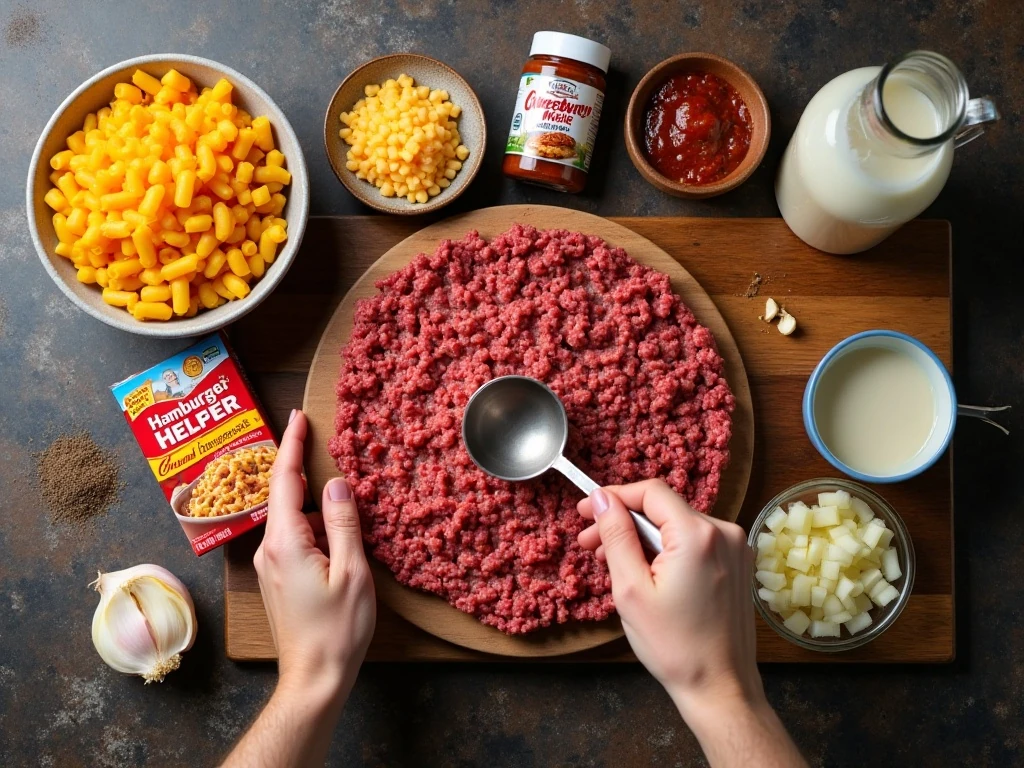
Start with one 5- to 7-ounce box of Hamburger Helper, with Cheeseburger Macaroni being the most common flavor for this method. Add one pound of 80/20 or 85/15 ground beef, one small diced yellow onion, two minced garlic cloves, 2 1/4 cups water or low-sodium beef broth, and 1/2 cup milk.
The finishing ingredients include one cup of shredded sharp cheddar, one tablespoon of tomato paste, one teaspoon Worcestershire sauce, 1/2 teaspoon paprika, and 1/2 teaspoon black pepper. Salt should be added only after tasting because the boxed seasoning packet and broth may already provide plenty.
- For extra savoriness: Use low-sodium beef broth instead of water.
- For a richer sauce: Keep sour cream, cream cheese, or heavy cream ready for the end.
- For a vegetable boost: Prepare one cup of frozen peas, corn, or mixed vegetables.
- For a hearty variation: Have 4 ounces of sliced mushrooms available to sauté with the onion.
If your beef is very lean, one tablespoon of olive oil can help prevent sticking and provide a little extra moisture. With 80/20 or 85/15 beef, you usually will not need it.
How to Make It Step-by-Step
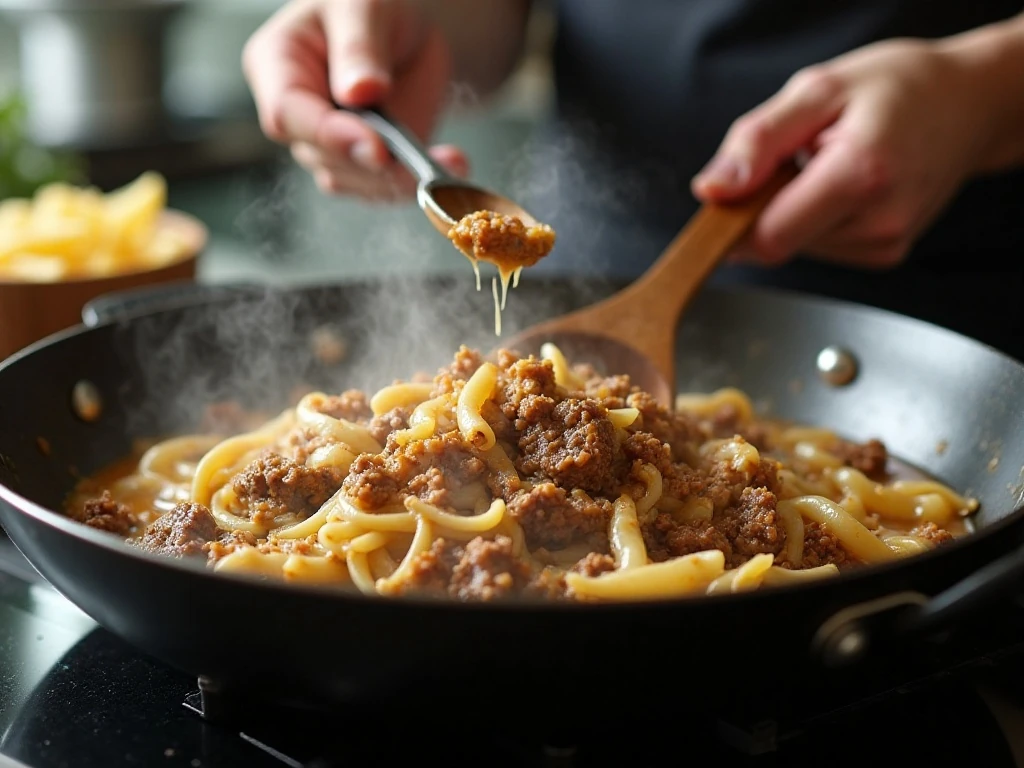
Step 1: Heat a large skillet or sauté pan over medium-high heat. Add the ground beef and finely diced onion, then cook for 6 to 8 minutes, breaking the meat apart with a spatula until the beef is thoroughly browned and the onion is tender.
Step 2: Look at the amount of fat in the pan and drain only the excess. Leaving a small amount of rendered beef fat behind helps carry flavor through the sauce and keeps the finished pasta from tasting dry.
Step 3: Return the skillet to the heat and stir in the minced garlic. Cook for about 30 seconds, just until fragrant, taking care not to let the garlic brown too much.
Step 4: Add the tomato paste, Worcestershire sauce, paprika, and black pepper. Stir everything into the beef and onion mixture, then cook for 1 minute to develop the tomato and spice flavors.
Step 5: Add the Hamburger Helper seasoning packet and the uncooked pasta from the box. Pour in the water or low-sodium beef broth and the milk, then stir well so the seasoning dissolves into the liquid.
Step 6: Bring the skillet to a boil, then reduce the heat to medium-low. Cover or partially cover the pan and simmer for the time printed on the package, usually 10 to 12 minutes, stirring every few minutes so the pasta cooks evenly and does not stick.
Step 7: Test the pasta near the end of the cooking time. When it is tender and the sauce has thickened, remove the skillet from the heat while it still looks slightly saucier than you want, since the pasta will continue absorbing liquid during the rest.
Step 8: Stir in the shredded cheddar after the pan has been removed from the heat. Let the Hamburger Helper stand for 2 to 3 minutes, then taste and add salt only if necessary.
Step 9: Spoon the finished skillet dinner into bowls and add your favorite toppings. Chopped green onions, parsley, crumbled bacon, chopped pickles, hot sauce, or toasted breadcrumbs can provide fresh color and contrasting texture.
10 Easy Ways to Make Hamburger Helper Better
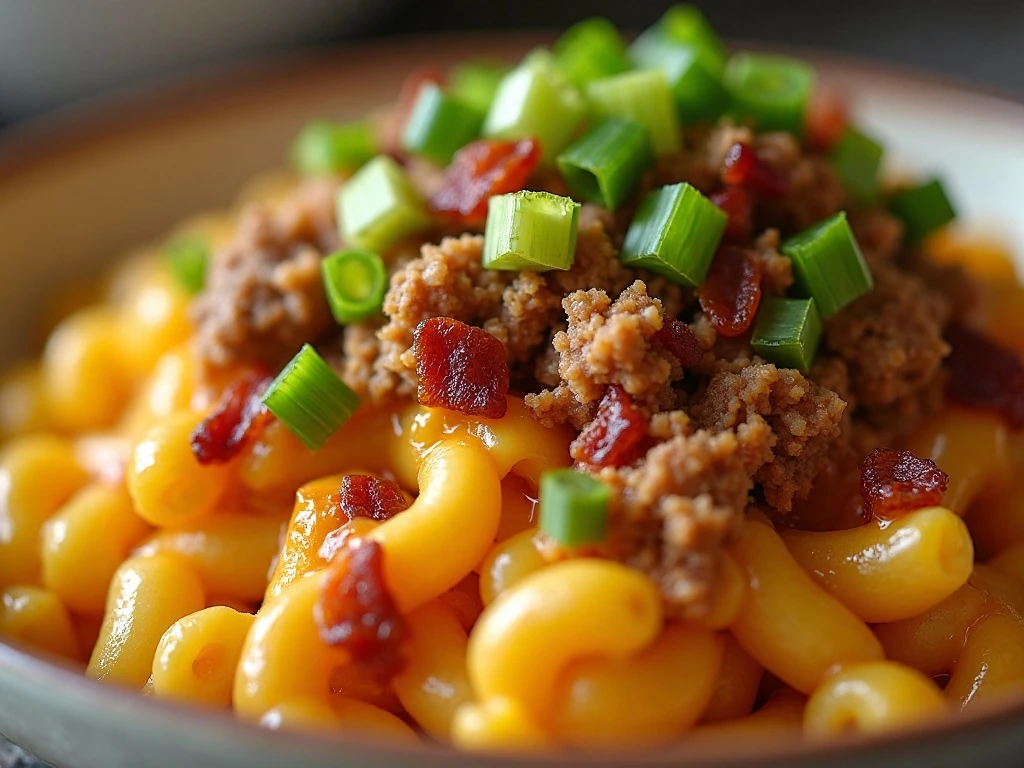
1. Brown the beef thoroughly. Do not stop as soon as the meat is no longer pink. Let it develop browned edges for a deeper, more savory taste.
2. Cook onion and garlic with the meat. Onion softens in the beef drippings, and garlic adds a fresh aromatic note. Add the garlic after the beef and onion so it does not burn.
3. Swap water for beef broth. Low-sodium broth gives the pasta sauce a fuller beef flavor. Since the boxed mix is seasoned, low-sodium broth gives you better control over the final salt level.
4. Add tomato paste or tomato sauce. One tablespoon of tomato paste adds concentrated richness and a subtle tang. You can also use 2 to 3 tablespoons of tomato sauce for a lighter tomato note.
5. Stir in extra cheese. Sharp cheddar is classic, but Monterey Jack or pepper Jack also melts well. Add cheese after the heat is off for a smooth sauce.
6. Add frozen vegetables. One cup of frozen peas, corn, or mixed vegetables can be stirred into the skillet during the last few minutes of simmering. They add color, sweetness, and texture without much extra work.
7. Try sautéed mushrooms. Cook about 4 ounces of sliced mushrooms with the onion until tender. Mushrooms provide a meaty texture and pleasant savory flavor.
8. Season beyond the packet. Smoked paprika gives a gentle smoky taste, while chili powder, Italian seasoning, or a small amount of cayenne can change the personality of the dish.
9. Add richness at the end. Stir 2 to 4 tablespoons of sour cream, cream cheese, or heavy cream into the cooked skillet after removing it from the heat. This makes the sauce creamier, and adding dairy off the heat helps prevent a grainy texture.
10. Finish with toppings. Green onions, parsley, bacon, pickles, hot sauce, and toasted breadcrumbs each add a different kind of contrast. A few chopped pickles are especially good with cheeseburger-style macaroni.
For another easy meat-centered dinner idea, keep this slow cooker meatball recipe in your weeknight rotation.
Optional From-Scratch Hamburger Helper
If you prefer to skip the boxed mix, make a homemade version with one pound ground beef, one diced small onion, two minced garlic cloves, one tablespoon tomato paste, one teaspoon paprika, one teaspoon Italian seasoning, one teaspoon Worcestershire sauce, 1/2 teaspoon salt, and 1/4 teaspoon black pepper.
You will also need 2 cups beef broth, one cup tomato sauce, 8 ounces uncooked elbow macaroni, 1/2 cup milk or heavy cream, and one cup shredded cheddar cheese. Brown the beef and onion, add the garlic and seasonings, then stir in the broth, tomato sauce, and pasta.
Simmer uncovered for 12 to 15 minutes, stirring occasionally, until the macaroni is tender. Stir in the milk and cheese at the end, just as you would with the boxed version.
Pro Tips for the Best Texture
Use the specific liquid amount and simmer time printed on your box as the final authority because flavors and package sizes can vary slightly. The 2 1/4 cups of liquid and 10 to 12 minute simmer are a practical guide for the common Cheeseburger Macaroni style.
Do not overcook the pasta. Remove the skillet from the stove when the noodles are tender and the sauce is a little loose, because the pasta continues absorbing liquid while the dish rests.
Add shredded cheese, sour cream, cream cheese, or heavy cream only after removing the skillet from the heat. This keeps the dairy smooth and helps prevent it from becoming grainy.
When serving a comforting dinner like this, a simple dessert makes the meal feel complete. For an easy sweet finish, keep our caramel apple dip in mind for another day.
Storage, Reheating, and Serving Ideas

Store leftovers in a covered container in the refrigerator and enjoy them within a few days. The pasta will absorb more sauce as it chills, so add a small splash of milk or broth before reheating.
Reheat gently in a skillet over medium-low heat or in the microwave, stirring periodically. Avoid overheating, especially if you added sour cream or cream cheese, because gentle heat keeps the sauce smoother.
Serve the skillet with a crisp green salad, steamed vegetables, or roasted broccoli. If you want a nostalgic dessert pairing, this easy apple pie is a simple choice.
For a useful kitchen project unrelated to dinner, you can also learn how to make homemade butter for spreading on warm bread served alongside future meals.
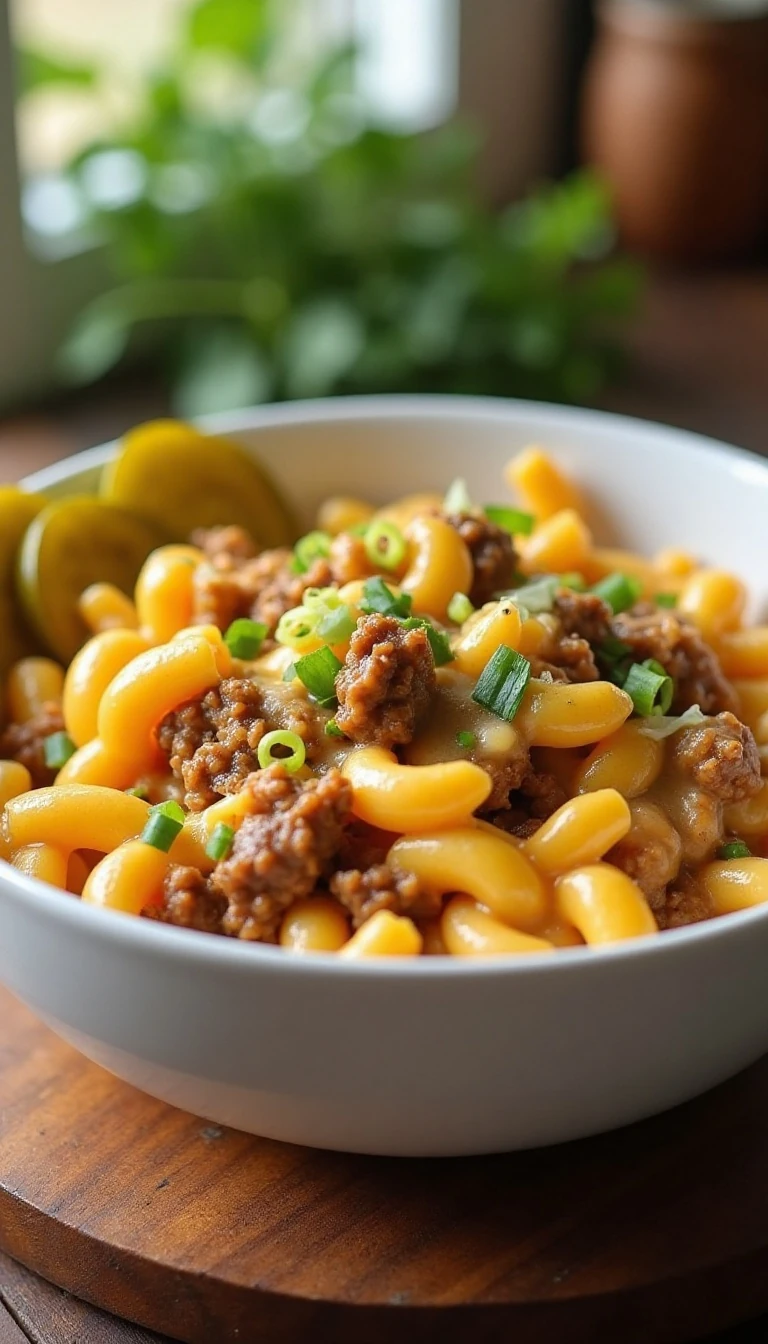
Better Hamburger Helper Cheeseburger Macaroni
Ingredients
Method
- Heat a large skillet over medium-high heat. Add the ground beef and diced onion, then cook for 6 to 8 minutes while breaking the beef into small pieces, until the meat is thoroughly browned and the onion is tender.
- Drain only excess grease if necessary, leaving a small amount in the pan for flavor and moisture. Return the skillet to the heat, add the minced garlic, and cook for about 30 seconds.
- Stir in the tomato paste, Worcestershire sauce, paprika, and black pepper. Cook for 1 minute so the tomato paste and spices become fragrant.
- Add the seasoning packet and pasta from the Hamburger Helper box, along with the water or low-sodium beef broth and milk. Stir thoroughly to combine the ingredients.
- Bring the mixture to a boil, then reduce the heat to medium-low. Cover or partially cover the skillet and simmer for the time printed on the box, usually 10 to 12 minutes, stirring every few minutes.
- Check the pasta for tenderness before the full liquid is absorbed. Remove the skillet from the heat when the pasta is tender and the sauce still looks slightly loose, because it will thicken as it rests.
- Stir in the shredded sharp cheddar cheese after removing the pan from the heat. Let the skillet stand for 2 to 3 minutes, then taste and add salt only if needed.
Notes
Final Thoughts
Making Hamburger Helper better is all about small, well-timed upgrades. Brown the beef, cook it with onion and garlic, choose broth instead of water, add a little tomato paste and Worcestershire sauce, and finish with cheddar after the skillet leaves the heat.
From there, make the recipe your own with mushrooms, frozen vegetables, extra spices, creamy dairy, or fun toppings such as pickles and hot sauce. This easy dinner stays fast and familiar while tasting more satisfying, flavorful, and homemade.
Remember to taste before adding salt, follow the liquid and timing guidance on your specific box, and let the finished pasta rest for 2 to 3 minutes. That short pause gives the sauce time to thicken into a creamy coating for every bite.