These Melt-in-Your-Mouth Lemon Meltaways are delicate shortbread-style cookies made with softened butter, powdered sugar, fresh lemon zest, lemon juice, flour, and cornstarch. The dough is chilled, sliced into neat rounds, baked at 350°F, and finished with a smooth lemon glaze for a bright, tender cookie that practically dissolves on the tongue.
Each bite combines buttery richness with a refreshing citrus finish. The cookies stay intentionally pale and soft rather than crisp and browned, making them perfect for afternoon tea, holiday cookie trays, spring celebrations, bake sales, or a simple homemade dessert whenever you want something light and fragrant.
Jump to RecipeWhy You’ll Love This Recipe

Lemon Meltaways have the luxurious texture of classic shortbread but with a lighter, more delicate crumb. Cornstarch is the quiet secret here: it reduces the toughness that can come from too much gluten and gives every cookie its famously soft, powdery bite.
The flavor is also beautifully balanced. Powdered sugar brings sweetness without a grainy texture, while fresh zest supplies fragrant citrus oils and lemon juice adds a clean, tangy note that keeps the buttery dough from tasting heavy.
These cookies are especially useful when you want a make-ahead dessert. The dough can be shaped into logs, chilled, and sliced when convenient, so you can bake a fresh tray shortly before guests arrive.
For a full lemon-themed meal, serve dessert after a savory dish such as crispy Parmesan chicken with lemon garlic pasta. The shared citrus notes create a thoughtful menu without making every course taste identical.
Ingredients You’ll Need
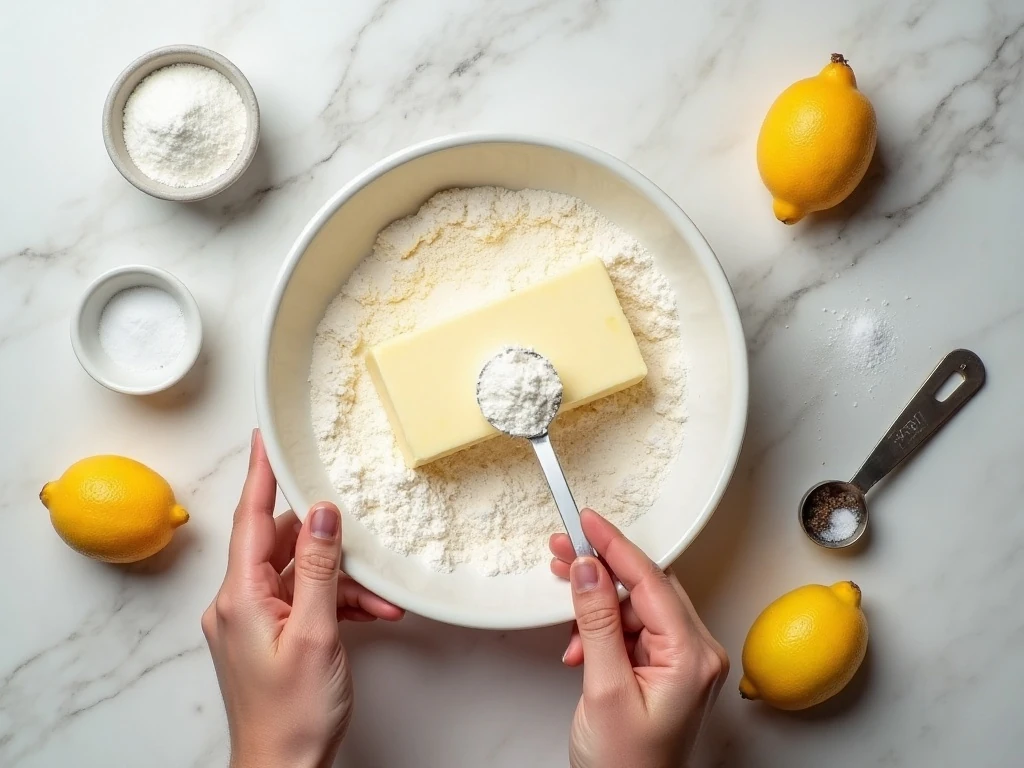
The ingredient list is short, so quality and preparation make a noticeable difference. Use unsalted butter so the salt level stays under your control, and soften it until it is pliable but not melted or oily.
- Butter: One cup creates the rich foundation and tender texture.
- Powdered sugar: Half a cup sweetens the dough while keeping it smooth.
- Lemon zest and juice: One tablespoon of each gives the cookie its fresh citrus character.
- Flour and cornstarch: All-purpose flour provides structure, while cornstarch helps create the meltaway texture.
- Salt: A quarter teaspoon sharpens the butter and lemon flavors.
- Glaze ingredients: Powdered sugar and two tablespoons of lemon juice make a bright, pourable finish; one teaspoon of extra zest is optional.
Always zest the lemon before squeezing it. A firm lemon is easier to zest cleanly, and using freshly squeezed juice gives the glaze a much more vibrant flavor than bottled juice.
If you are planning a complete seasonal spread, these cookies would also sit beautifully beside lemon herb roasted potatoes at a brunch or buffet where fresh lemon is the connecting flavor.
How to Make It Step-by-Step
Step 1: Begin by bringing the butter to a soft, room-temperature consistency. Beat it with the powdered sugar for about 2 minutes, stopping once or twice to scrape the bowl so the mixture becomes smooth and creamy rather than leaving pockets of butter along the sides.
Step 2: Add the finely grated lemon zest and one tablespoon of fresh lemon juice to the creamed butter mixture. Mix until the lemon is evenly blended, and do not worry if the mixture looks slightly looser after the juice is added.
Step 3: In a separate bowl, whisk the all-purpose flour, cornstarch, and salt together. Adding these ingredients separately distributes the salt and cornstarch, which helps prevent dense or uneven spots in the finished cookies.
Step 4: Add the dry ingredients to the butter mixture and mix just until a soft dough forms. Stop as soon as no obvious streaks of flour remain, since overmixing can make the cookies less tender.
Step 5: Divide the dough into two equal portions and shape each one into a log about 1 1/2 inches in diameter. Wrap the logs securely and refrigerate them for at least 30 minutes, or until firm enough to slice without flattening.
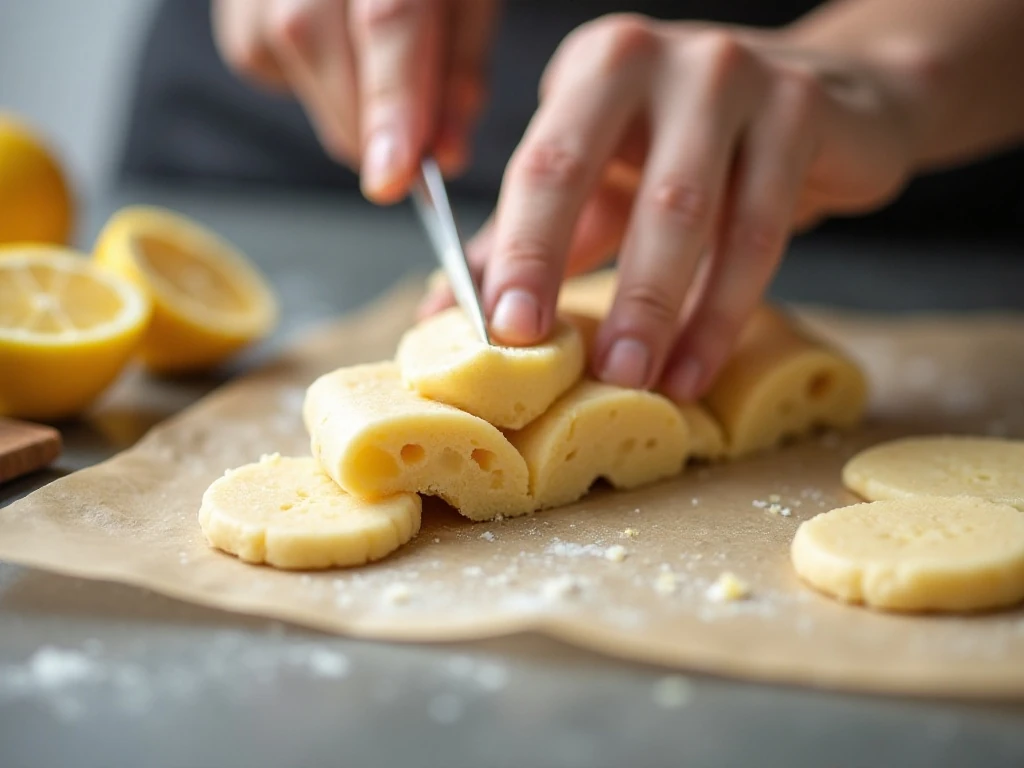
Step 6: Heat the oven to 350°F (175°C) and line baking sheets with parchment paper. Slice the chilled logs into rounds approximately 1/4 inch thick, using a sharp knife and a gentle sawing motion for clean, even pieces.
Step 7: Arrange the rounds on the parchment-lined sheets with a little space between them. Bake for 10–12 minutes per tray, removing them when the edges are just set and very lightly colored; the centers and tops should remain pale.
Step 8: Let the cookies cool on the baking sheet for several minutes so they firm up without breaking. Transfer them carefully to a wire rack and wait until they are completely cool before glazing.
Step 9: Whisk one cup of powdered sugar with two tablespoons of fresh lemon juice and the optional teaspoon of lemon zest. Drizzle or spread the glaze over the cooled cookies, then allow it to set before serving or layering them in a container.
For a hands-on visual idea, arrange the sliced dough rounds in neat rows and keep the cookies pale as they bake. Their understated color is part of the appeal, and a thin white glaze makes the lemon zest stand out beautifully.
Pro Tips for Tender Cookies

The most important technique is chilling. Firm dough logs slice more cleanly, hold their round shape better, and are less likely to spread in the oven, so give the dough the full chilling time rather than rushing it.
Measure the flour and cornstarch carefully. If using measuring cups, spoon the ingredients in and level them instead of packing them down, because too much dry ingredient can make a shortbread cookie feel crumbly rather than melt-in-your-mouth tender.
Watch the first tray closely because ovens vary. The cookies are ready when the edges are just set and barely colored, not when the centers look deeply golden; browning them will make them drier and less delicate.
For a slightly sweeter dough, some variations use two-thirds cup powdered sugar instead of one-half cup. You can also add up to one teaspoon of vanilla extract, although the listed recipe keeps the lemon flavor clean and prominent.
Keep the glaze fairly thick but spreadable. If it seems too loose, add a little more powdered sugar; if it is too thick to drizzle, loosen it with a tiny amount of lemon juice rather than adding water.
These meltaways make a lovely contrast on a dessert table with something fruity and richer, such as a chocolate chip cherry dessert. The buttery lemon cookies provide a crisp visual and flavor break between generous spoonfuls of chocolate and fruit.
Storage and Serving Ideas

Allow the glaze to set completely before storing the cookies. Once firm, place them in an airtight container and separate layers with parchment paper so the delicate tops do not stick together.
At room temperature, they are best enjoyed while the texture is tender and fresh. Serve them with black tea, green tea, coffee, or a cold glass of milk, and add a few fresh lemon slices or curls of zest to the serving platter for a simple finishing touch.
The cookies are fragile, so use a thin spatula when moving them from the baking sheet. If you are transporting them, choose a shallow container that keeps the layers from shifting and avoid sealing them while the glaze is still wet.
For a dessert buffet, place the lemon meltaways near crisp snacks such as smoked paprika sweet potato fries only if you are serving a sweet-and-savory spread; otherwise, keep them with cakes, bars, and fruit desserts to protect their delicate citrus aroma.
Easy Variations and Presentation
The glaze may be omitted if you prefer a more subtle shortbread cookie. Once completely cool, dust the cookies generously with powdered sugar instead for a snowy finish that is especially pretty during winter celebrations.
You can also vary the look without changing the dough. Spread the glaze over the entire top for a polished finish, drizzle it in fine ribbons for a casual bakery style, or add a tiny pinch of lemon zest to each cookie while the glaze is still wet.
For a mixed cookie platter, pair the meltaways with a warm, spiced treat such as apple pie egg rolls. The lemon cookies will taste bright and refreshing alongside cinnamon, apple, and crisp pastry.
Keep the cookies about 1/4 inch thick for the classic delicate texture. Thicker slices will be softer and more substantial, while thinner slices need especially close attention during the 10–12 minute baking window.

Melt-in-Your-Mouth Lemon Meltaways
Ingredients
Method
- Beat the softened butter and powdered sugar until smooth and creamy, about 2 minutes. Mix in the lemon zest and fresh lemon juice until evenly distributed.
- Whisk together the flour, cornstarch, and salt in a separate bowl. Add the dry mixture to the butter mixture and mix just until a soft dough forms.
- Divide the dough in half and shape each portion into a log approximately 1 1/2 inches in diameter. Wrap the logs and refrigerate for at least 30 minutes, or until firm.
- Heat the oven to 350°F (175°C) and line baking sheets with parchment paper. Slice the chilled logs into rounds about 1/4 inch thick and arrange them on the prepared sheets.
- Bake for 10–12 minutes per tray, watching closely so the cookies remain pale with edges that are just set and very lightly colored. Cool them on the baking sheet for several minutes, then transfer them to a rack to cool completely.
- Whisk the glaze ingredients until smooth, then drizzle or spread the glaze over the completely cooled cookies. Let the glaze set before serving or stacking.
Notes
Final Thoughts
Melt-in-Your-Mouth Lemon Meltaways are a small cookie with an impressive personality: buttery, fragrant, tender, and finished with just enough lemon glaze to make every bite sparkle. The recipe is simple, but careful chilling, gentle mixing, and restrained baking are what create that signature texture.
Make the dough when you have a quiet moment, keep the logs chilled, and slice only what you plan to bake. Whether served at a tea party, tucked into a gift box, or enjoyed straight from the cooling rack, these cookies bring a fresh homemade touch to any occasion.
For the best result, remember the three essentials: use fresh lemon, keep the dough cold, and remove the cookies before they brown. Follow those details and you will have a beautiful batch of approximately 30–36 lemon meltaways with crisp-looking edges, soft centers, and a glaze that delivers pure citrus charm.
1 thought on “Melt-in-Your-Mouth Lemon Meltaways Recipe”