Authentic Georgian khachapuri is a boat-shaped cheese bread filled with salty, stretchy cheese and finished with an egg and butter. This Adjaruli khachapuri recipe makes 4 individual breads from a soft yeast dough, a mozzarella-feta filling, and a high-heat bake that takes about 14–18 minutes after 60–90 minutes of rising.
Each khachapuri arrives bubbling, golden, and wonderfully aromatic, with crisp edges surrounding a creamy center. Stir the hot butter, egg yolk, and cheese together, then tear off pieces of crust and dip them into the filling for the classic Georgian way to eat it.
Jump to RecipeWhy You’ll Love This Recipe

Khachapuri is one of Georgia’s most recognizable breads, and Adjaruli khachapuri is the version that captures attention immediately. Its boat shape holds a molten mixture of cheese, egg, and butter, turning a simple bread dough into a complete and deeply satisfying meal.
The crust is lightly crisp at the edges but tender inside, while the low-moisture mozzarella supplies long, stretchy strands and feta brings the salty character needed to balance the rich topping. The recipe is approachable for a home baker because the dough needs only a straightforward knead and one substantial rise.
Although the cheese mixture is traditional in spirit, it is practical for kitchens outside Georgia. If you can find sulguni or imeruli, use them for a closer Georgian flavor; otherwise, mozzarella and feta create a delicious approximation with excellent texture.
Ingredients You’ll Need
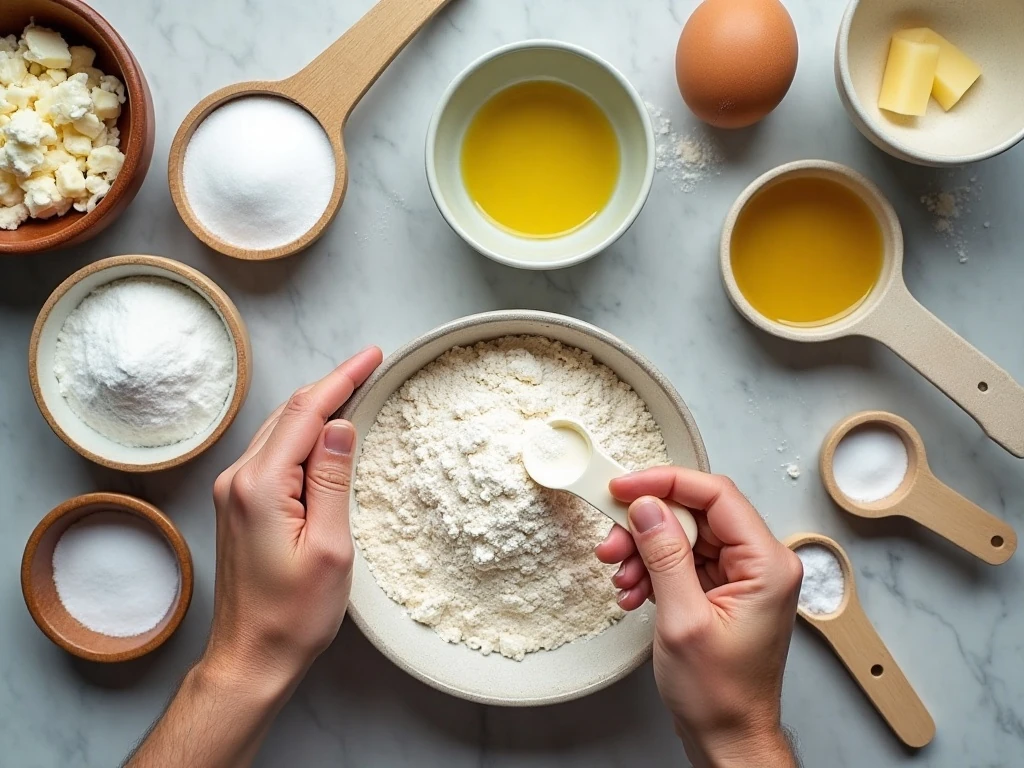
The dough uses 500 g of all-purpose or bread flour, 300 ml of lukewarm water, 7 g of yeast, 1 teaspoon sugar, 1½ teaspoons fine salt, and 1 tablespoon oil. Water keeps the dough lean and traditional, while the oil gives it enough tenderness to shape without making it heavy.
For the filling, combine 400 g grated low-moisture mozzarella with 200 g crumbled feta. Add up to 2 tablespoons of water or milk only if the mixture seems unusually dry, because excess moisture can make the bread soggy.
The final ingredients are 40 g unsalted butter and 4 large eggs. Divide the butter so each hot khachapuri receives a piece as soon as it comes out of the oven.
- Best mozzarella: Choose low-moisture mozzarella, not fresh mozzarella packed in liquid.
- Traditional option: Use approximately 600 g grated sulguni, or a mixture of sulguni and imeruli.
- Useful equipment: A baking stone, baking steel, or heavy baking sheet helps the bottoms brown properly.
How to Make It Step-by-Step
Step 1: Activate the yeast by combining the lukewarm water, yeast, and sugar in a small bowl. Active dry yeast should stand for 5–10 minutes until foamy, while instant yeast can go directly into the flour without this waiting period.
Step 2: Stir the flour and salt together in a large mixing bowl, then add the yeast mixture and oil. Knead the dough for 8–10 minutes, using your hands or a mixer, until it feels smooth, elastic, soft, and slightly tacky.
Step 3: Oil a clean bowl and place the dough inside, turning it once so the surface is lightly coated. Cover the bowl and let the dough rise in a warm place for 60–90 minutes, or until it has doubled in size.
Step 4: While the dough rises, grate the mozzarella and crumble the feta into a bowl. Mix them gently and keep the filling relatively dry; if it looks powdery or will not hold together at all, add water or milk one tablespoon at a time.
Step 5: Heat the oven to 230°C/450°F and place a baking stone, steel, or heavy baking sheet inside as it warms. A fully heated surface gives the dough a stronger initial burst of heat and encourages a deeply golden base.
Step 6: Turn the risen dough onto a lightly floured surface and divide it into 4 equal pieces. Roll each portion into an oval approximately 25–30 cm long, keeping the thickness fairly even from end to end.
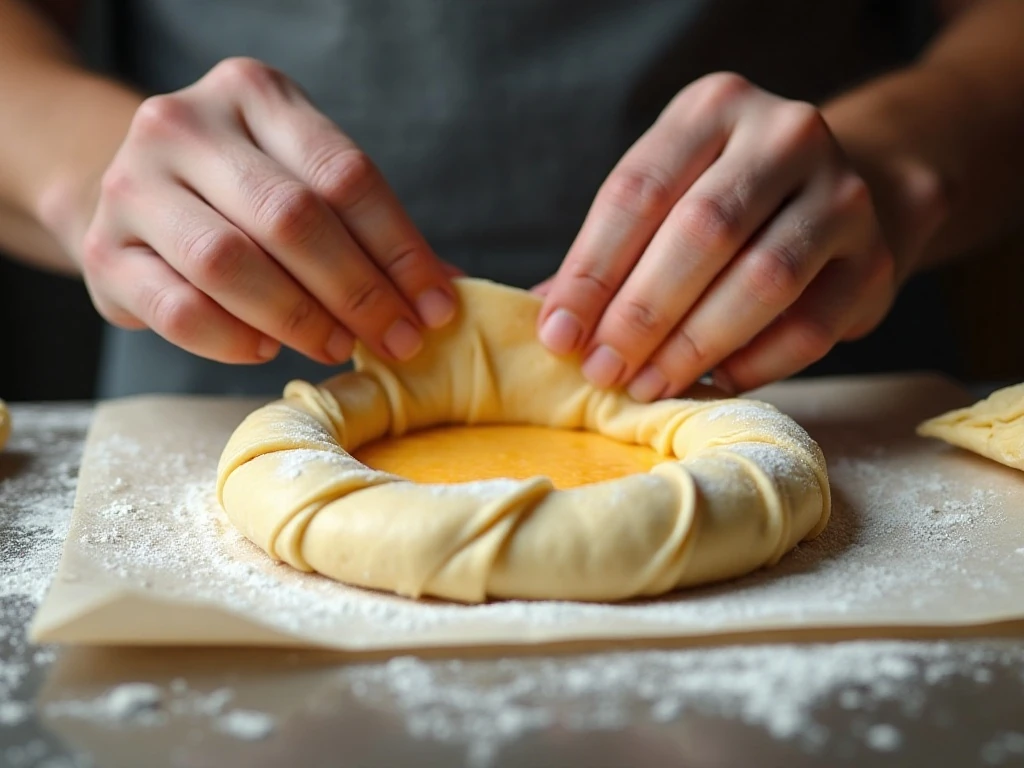
Step 7: Roll or fold the long sides inward to create raised borders, then pinch the two short ends together. The result should resemble a small boat with an open center, and the seams should be secure enough to hold the cheese.
Step 8: Arrange the shaped boats on parchment paper and place one-quarter of the cheese mixture in each center. Spread the filling toward the ends without packing it tightly against the raised dough borders.
Step 9: Bake the boats for approximately 12–15 minutes, watching for a deeply golden crust and bubbling cheese. Remove the tray carefully and make a shallow well in the center of each cheese filling.
Step 10: Crack one egg into each well and return the tray to the oven for 2–4 minutes. The egg white should be set enough to hold its shape, but the yolk should remain soft because it will continue cooking from the residual heat.
Step 11: Add a piece of butter to each hot khachapuri as soon as it leaves the oven. Serve immediately, stirring the butter, egg yolk, and cheese together before tearing off crust pieces for dipping.
Pro Tips for the Best Khachapuri

Measure the flour by weight when possible, since too much flour can create a stiff dough that is difficult to stretch into a boat. If measuring by cups, spoon the flour into the cup and level it rather than scooping directly from the bag.
The dough should feel slightly tacky after kneading, but it should not be wet or leave a thick coating on your hands. Resist adding large amounts of extra flour; a short rest can make the dough easier to handle and more relaxed.
Keep the cheese filling fairly dry. Fresh mozzarella contains more water than low-moisture mozzarella, so drain it thoroughly if that is your only option, and avoid adding liquid unless the mixture truly needs it.
Do not add the eggs at the beginning of baking. Adding them near the end allows the whites to set while protecting the yolks from becoming firm and dry.
Use a hot oven between 220°C and 245°C, with this recipe set at 230°C/450°F. The high heat supports a browned crust and bubbling cheese in a relatively short cooking time.
- Leave a visible dough border around the filling so the cheese stays inside the boat.
- Pinch the ends firmly, but avoid making them so thick that they remain doughy.
- Watch closely after adding the eggs because two to four minutes is usually sufficient.
- Serve on warmed plates so the cheese remains fluid while you eat.
Serving, Storage, and Reheating

Adjaruli khachapuri is best served immediately, while the cheese is bubbling and the butter is melting into the egg. Give each person a fork or spoon for stirring, but the most enjoyable method is to tear off the crust by hand and dip it into the center.
Because the egg yolk is intentionally soft, leftovers should be refrigerated promptly in a covered container. For the best texture, reheat them in a hot oven until the bread and cheese are warmed through, then monitor the center carefully so the remaining egg does not become overly firm.
Khachapuri is substantial enough to serve on its own, but a crisp salad, sliced cucumbers, tomatoes, or lightly dressed greens can add freshness. Unsweetened tea, sparkling water, or a bright Georgian-style side dish also pairs well with the rich cheese bread.
Khachapuri Styles and Georgian Tradition
Adjaruli khachapuri is only one member of Georgia’s varied khachapuri family. Its defining features are the open boat shape, cheese-filled center, egg, and butter, all associated with the Adjara region on Georgia’s Black Sea coast.
Imeruli khachapuri is round and enclosed, with the cheese tucked inside the dough. Megruli khachapuri is also round but is topped with additional cheese, giving it a generous, visibly cheesy finish.
Regional recipes naturally differ in their cheese blends, dough enrichment, and shaping. The method here preserves the defining features of Adjaruli khachapuri while using ingredients that are widely available in a home kitchen.

Authentic Georgian Khachapuri (Adjaruli Cheese Bread)
Ingredients
Method
- Combine the lukewarm water, yeast, and sugar. If using active dry yeast, let it stand for 5–10 minutes until foamy; instant yeast may be mixed directly with the flour.
- Mix the flour and salt in a large bowl, then add the yeast mixture and oil. Knead for 8–10 minutes until smooth and elastic, keeping the dough soft and slightly tacky rather than wet.
- Place the dough in an oiled bowl, cover it, and let it rise in a warm place for 60–90 minutes, or until doubled in size. Meanwhile, combine the grated mozzarella and crumbled feta, keeping the cheese mixture fairly dry.
- Heat the oven to 230°C/450°F with a baking stone, steel, or heavy baking sheet inside. Divide the risen dough into 4 equal pieces and roll each into an oval about 25–30 cm long.
- Roll or fold the long edges inward and pinch the two ends together to create a boat shape with an open center. Transfer the boats to parchment paper and fill each with one-quarter of the cheese mixture.
- Bake for 12–15 minutes, until the crust is deeply golden and the cheese is bubbling. Remove the tray briefly, make a shallow well in each cheese center, and crack one egg into each well.
- Return the khachapuri to the oven for 2–4 minutes, just until the egg white is set while the yolk remains soft. Add a piece of butter to each hot bread and serve immediately.
Notes
Final Thoughts
This authentic-style Georgian khachapuri recipe brings together a soft, yeasted crust, salty stretchy cheese, a creamy egg yolk, and melting butter in one unforgettable bread. The shaping is simple once you understand the boat form, and the high-temperature bake gives the finished breads the color and bubbling center they need.
For the most traditional result, seek out sulguni or a sulguni-imeruli blend, but the low-moisture mozzarella and feta version is a dependable choice. Serve the khachapuri as soon as it is baked, mix the center at the table, and enjoy every crisp piece dipped into the rich filling.
2 thoughts on “Authentic Georgian Khachapuri Recipe: Adjaruli Cheese Bread with Egg and Butter”