To freeze squash casserole without losing flavor, prepare the casserole with cooked and thoroughly drained yellow squash, cool it completely, and freeze it before baking whenever possible. Wrap the assembled casserole tightly with plastic wrap and aluminum foil, label it, and freeze it for up to 2–3 months. Thaw it overnight in the refrigerator, add fresh cracker crumbs, and bake at 350°F for about 30–40 minutes, until hot throughout and the center reaches 165°F.
This classic dinner casserole is creamy, cheesy, buttery, and pleasantly savory, with tender yellow squash and a crisp cracker topping. The most important detail is removing excess water from the squash before mixing, because squash releases additional moisture as it freezes and thaws.
Jump to RecipeWhy You’ll Love This Recipe
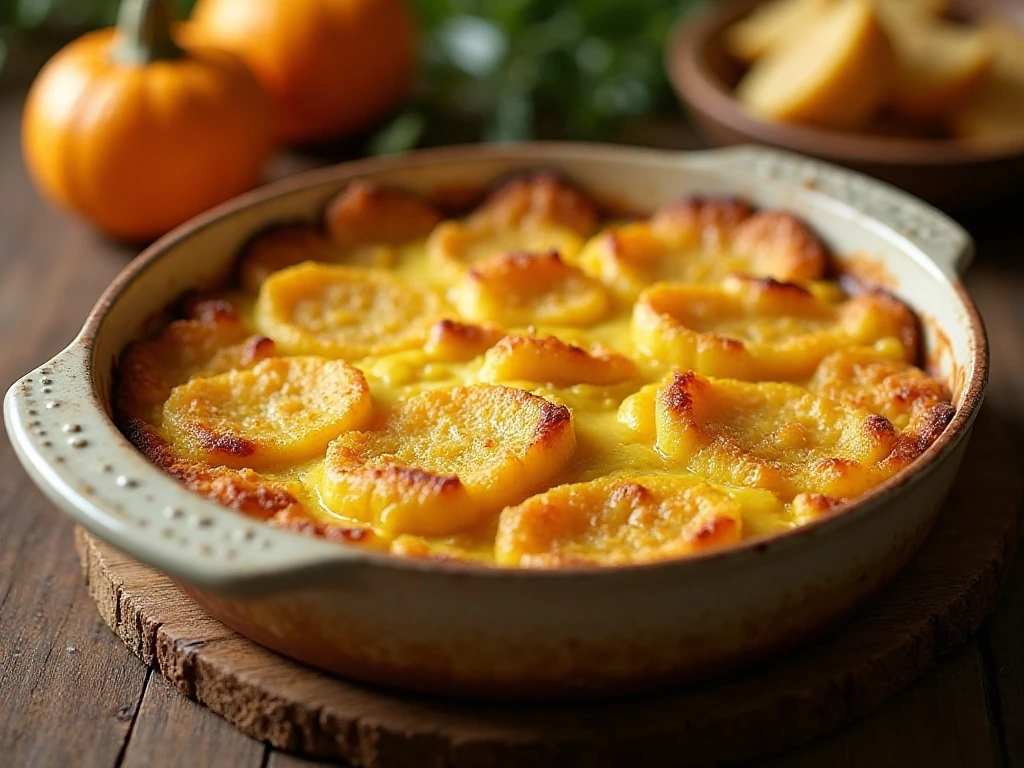
Squash casserole is the kind of side dish that can quietly become the favorite part of dinner. The yellow squash turns tender without losing all of its character, while sharp Cheddar, creamy eggs, and buttery crackers create a rich, comforting bite.
It is also an excellent make-ahead dish for holidays, Sunday suppers, and busy weeknights. Prepare it when you have fresh squash, freeze it in a convenient baking dish, and finish it later with a crisp topping that tastes freshly made.
For another cozy casserole idea, you can also try this sauerkraut casserole when you want a tangy, hearty dinner companion.
Ingredients You’ll Need
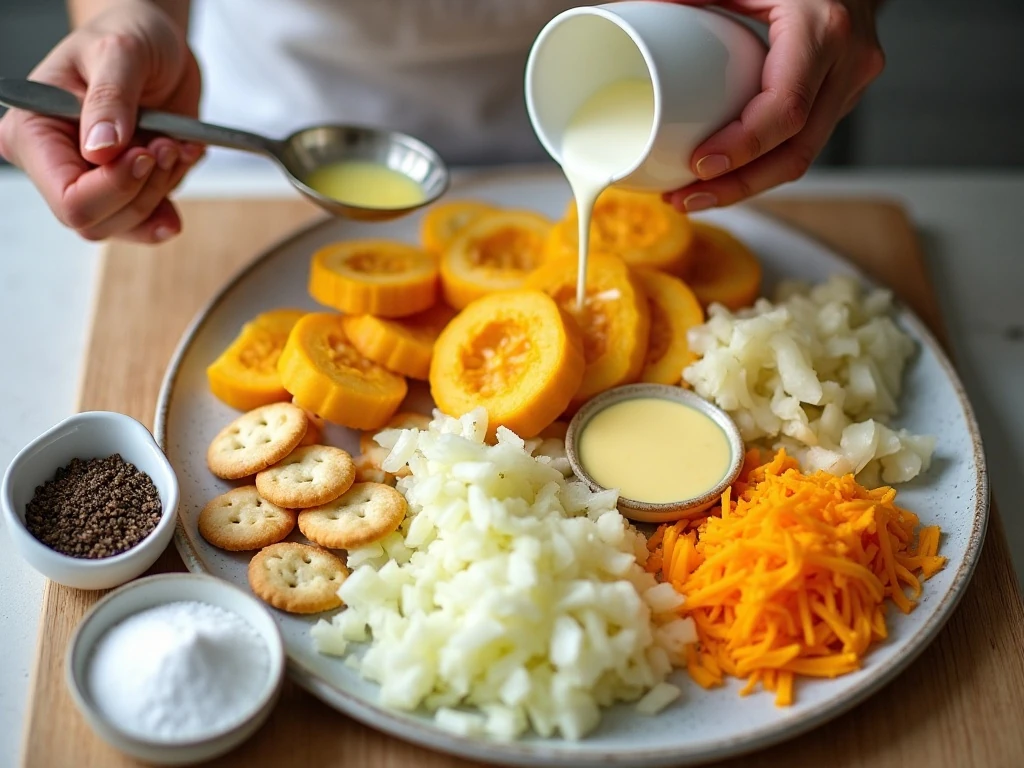
The recipe serves 6 and uses simple ingredients that balance creamy richness with a light vegetable flavor. Sharp Cheddar is especially useful because its bold taste remains noticeable after freezing.
- Yellow squash: Use 4 cups, sliced about 1/4 inch thick, so the pieces cook evenly.
- Onion: One-half cup of finely chopped onion adds savory sweetness.
- Sharp Cheddar: One cup of shredded cheese provides a distinct, satisfying flavor.
- Eggs and milk: Two beaten eggs and 3/4 cup milk help bind the casserole and give it a tender custard-like center.
- Butter: One-quarter cup of melted butter brings richness to both the filling and the final topping.
- Buttery round crackers: Crush 35 crackers, reserving about one-third for the topping.
- Seasoning: One teaspoon kosher salt and 1/4 teaspoon black pepper keep the flavor balanced.
Full-fat dairy ingredients and freshly melted butter tend to freeze more reliably than reduced-fat substitutes, which can separate more noticeably during thawing and reheating.
If you are planning a full comfort-food menu, these biscuits and gravy casserole ideas make another filling option for a relaxed brunch-style dinner.
How to Make It Step-by-Step
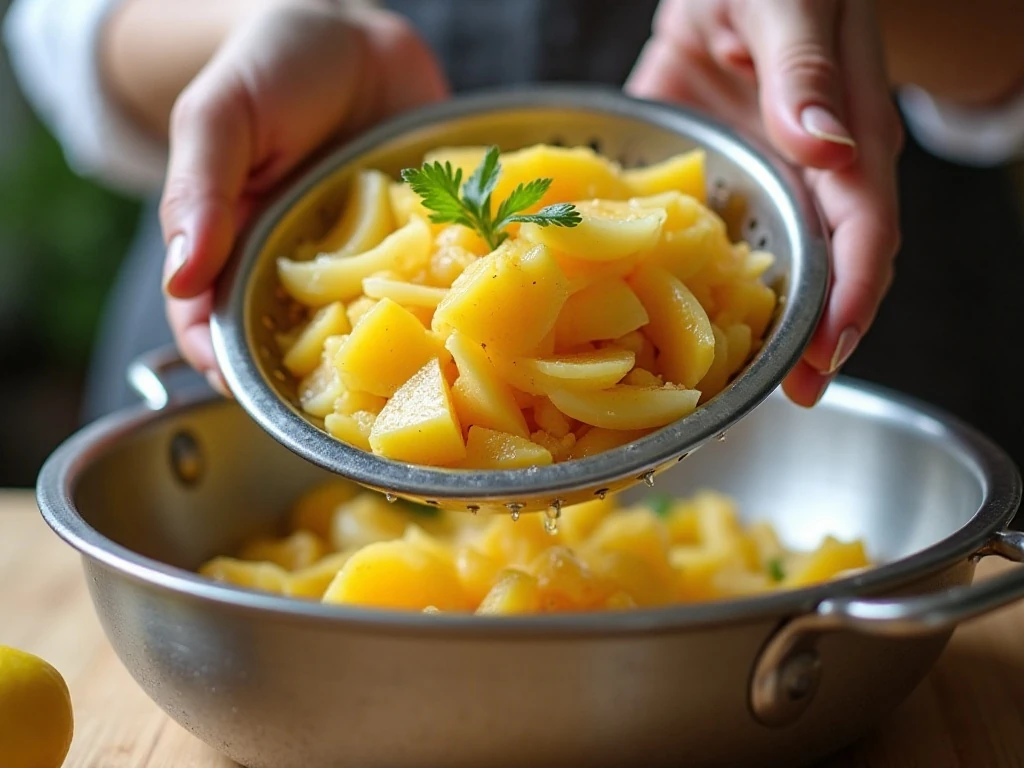
Step 1: Wash the squash and slice it into rounds about 1/4 inch thick. Add the squash and finely chopped onion to lightly salted boiling water, then cook for 5–8 minutes, just until the squash is tender but not falling apart.
Step 2: Drain the cooked squash and onion in a colander. Let them stand for several minutes, then press gently to remove as much excess water as possible; this step is the best protection against a watery frozen casserole.
Step 3: Beat the eggs in a large mixing bowl, then stir in the milk, melted butter, kosher salt, black pepper, shredded Cheddar, and most of the crushed crackers. Keep approximately one-third of the cracker crumbs separate for a fresh topping later.
Step 4: Fold the drained squash and onion into the cheese mixture. Stir gently so the tender squash stays in distinct pieces rather than becoming mashed.
Step 5: Grease an 8-inch square or 2-quart casserole dish and transfer the mixture into it. Smooth the surface, but do not add the reserved cracker crumbs if you are preparing the dish for the freezer.
Step 6: If serving immediately, scatter the cracker crumbs over the top and bake at 350°F for 35–40 minutes. The casserole is ready when the edges are bubbling and the center looks set.
Step 7: If freezing, allow the assembled casserole to cool completely, which usually takes 30–60 minutes. Wrap it tightly with plastic wrap and then aluminum foil, or use an airtight freezer-safe container.
Step 8: Label the casserole with the date and freeze it for up to 2–3 months. Keeping the topping separate is worthwhile because frozen cracker crumbs absorb moisture and lose their crisp texture.
Step 9: Thaw the casserole overnight in the refrigerator. Add fresh cracker crumbs and a little melted butter to the surface, then bake at 350°F for about 30–40 minutes, until the center reaches 165°F.
How to Keep Squash Casserole From Getting Watery

Water is the main enemy of frozen squash casserole, and it enters the dish primarily through the vegetable itself. Yellow squash contains a great deal of moisture, so simply draining it once is often not enough.
Cook the squash only until just tender, then drain it thoroughly. Letting it rest in the colander gives water time to escape, and gently pressing the squash removes even more without crushing every slice.
Do not skip the cooling period before wrapping. Trapping steam beneath plastic wrap can create condensation, ice crystals, and extra moisture that later returns to the casserole during thawing.
A fresh topping makes a noticeable difference. Add the reserved crumbs only after thawing, along with a little melted butter, so the surface becomes crisp and golden rather than soft.
Freezing, Thawing, and Reheating Tips
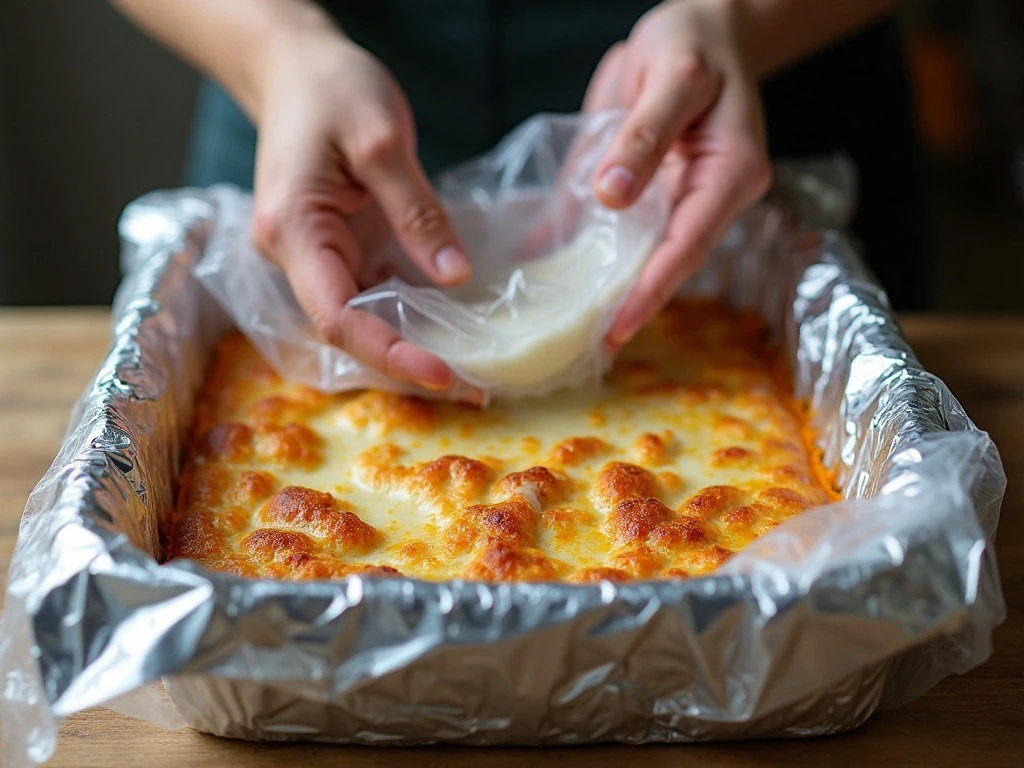
Freezing the casserole before baking generally gives the best texture. The egg and cheese mixture cooks only once after thawing, and the squash is less likely to become overly soft than it would be after freezing a fully baked dish.
- Cool completely: Wait 30–60 minutes after assembly, or until the casserole no longer gives off visible heat.
- Wrap securely: Use plastic wrap followed by aluminum foil, or choose an airtight freezer-safe container.
- Label clearly: Write the dish name and freezing date on the package.
- Use within 2–3 months: This period helps preserve the best flavor and texture.
- Thaw safely: Move the casserole to the refrigerator overnight instead of thawing it on the counter.
- Reheat thoroughly: Bake at 350°F for about 30–40 minutes, until hot throughout and the center reaches 165°F.
If you freeze a baked casserole, cool it completely first and cover it with foil while reheating. Covered reheating reduces drying, although the texture is usually best when the casserole is frozen before its initial bake.
For a fresh vegetable side to serve alongside it, consider these loaded smashed baby potatoes for a dinner spread with plenty of texture.
Serving Ideas and Flavor Variations

Serve squash casserole as a side dish with roasted chicken, grilled pork, or baked fish. Its creamy texture pairs especially well with a crisp green salad and a bright, acidic dressing.
Sharp Cheddar is the classic choice, but you can vary the flavor with a small portion of another firm cheese if desired. Keep the total cheese amount at 1 cup so the casserole maintains its familiar balance of squash, custard, and crumbs.
For a lighter plate, pair a modest square with steamed green beans or fresh tomatoes. A seafood dinner also works beautifully; this Southern-style baked tilapia would sit nicely beside the creamy casserole.
For a sweet finish after dinner, simple banana nut muffins can be made ahead and served warm or at room temperature.
Common Questions About Freezing Squash Casserole
Can I freeze it with the cracker topping? You can, but the topping is likely to soften during freezing and thawing. For the best contrast, reserve the crumbs and add fresh ones just before baking.
Can I freeze leftover baked casserole? Yes. Cool it completely, wrap it tightly, and reheat it covered with foil to reduce drying.
Why did my casserole become mushy? The squash probably retained too much water or was cooked beyond just tender. Drain it carefully, press out excess moisture, and avoid overcooking it before assembly.
How do I know it is ready after thawing? The edges should be bubbling, the center should look set, and the internal temperature should reach 165°F.

Freezer-Friendly Squash Casserole
Ingredients
Method
- Wash and slice the yellow squash into pieces about 1/4 inch thick. Cook the squash and chopped onion in lightly salted boiling water for 5–8 minutes, until just tender, then drain very well.
- Leave the squash and onion in a colander for several minutes. Press out excess water carefully, since thorough draining helps prevent a watery or mushy casserole after freezing.
- In a large bowl, combine the beaten eggs, milk, melted butter, salt, pepper, shredded Cheddar, and most of the crushed crackers. Reserve about one-third of the cracker crumbs for a fresh topping after thawing.
- Fold the drained squash and onion into the egg and cheese mixture. Transfer the mixture to a greased 8-inch square or 2-quart casserole dish.
- For immediate serving, cover with the reserved crumbs and bake at 350°F for 35–40 minutes, until bubbling and set in the center. For freezing, leave off the cracker topping and cool the assembled casserole completely.
- Wrap the cooled, unbaked casserole tightly with plastic wrap followed by aluminum foil, or place it in an airtight freezer-safe container. Label it with the name and date, then freeze for up to 2–3 months.
- Thaw the casserole overnight in the refrigerator. Add fresh cracker crumbs and a little melted butter, then bake uncovered at 350°F for about 30–40 minutes, until hot throughout and the center reaches 165°F.
Notes
Final Thoughts
Freezing squash casserole successfully comes down to three practical habits: cook the squash only until tender, drain it exceptionally well, and add the cracker topping fresh after thawing. These steps protect the creamy filling and help preserve the buttery, crisp finish that makes this dish so inviting.
Prepare the casserole in an 8-inch square or 2-quart dish, cool it completely, wrap it securely, and freeze it for up to 2–3 months. When dinner day arrives, thaw it overnight, add the fresh crumbs and melted butter, then bake at 350°F until bubbling and 165°F in the center.
The result is a warm, golden dinner side with tender squash, savory onion, sharp Cheddar, and a crunchy topping—comfort food that tastes carefully made rather than previously frozen.