This homemade cinnamon rolls with vanilla frosting recipe makes 12 soft, fluffy rolls with buttery cinnamon-sugar layers and a smooth, sweet vanilla glaze. The dough takes about 30–40 minutes of active preparation, followed by a 60–90 minute first rise, a 30–45 minute second rise, and 20–25 minutes in the oven.
Each roll is tender in the center, lightly golden around the edges, and filled with warm cinnamon flavor. The simple vanilla frosting melts into the spirals after the rolls cool for 5–10 minutes, creating the perfect finish for a weekend breakfast, holiday brunch, or comforting afternoon treat.
Jump to RecipeWhy You’ll Love This Recipe
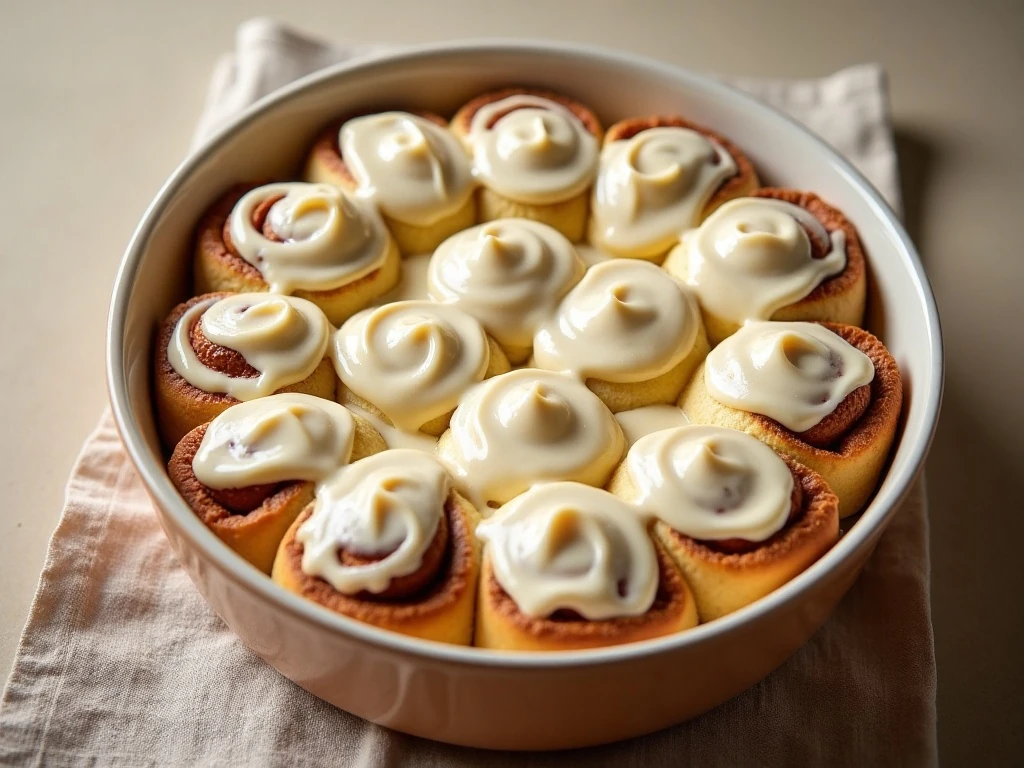
There is something especially satisfying about making cinnamon rolls from scratch. The dough is enriched with milk, butter, eggs, and sugar, giving every bite a tender crumb and a rich, homemade taste without becoming heavy.
The filling uses familiar pantry ingredients: softened butter, packed light brown sugar, and ground cinnamon. As the rolls bake, the sugar melts into the butter and cinnamon, creating fragrant swirls that cling to the soft dough.
This recipe also uses a straightforward vanilla frosting instead of cream cheese frosting. It is sweet, silky, and easy to adjust, making it a wonderful choice when you want bakery-style rolls with a simple finish.
For a full brunch spread, pair these rolls with savory baked goods such as Parmesan chive popovers. The buttery rolls and tender, herb-filled popovers give guests both sweet and savory options.
Ingredients You’ll Need
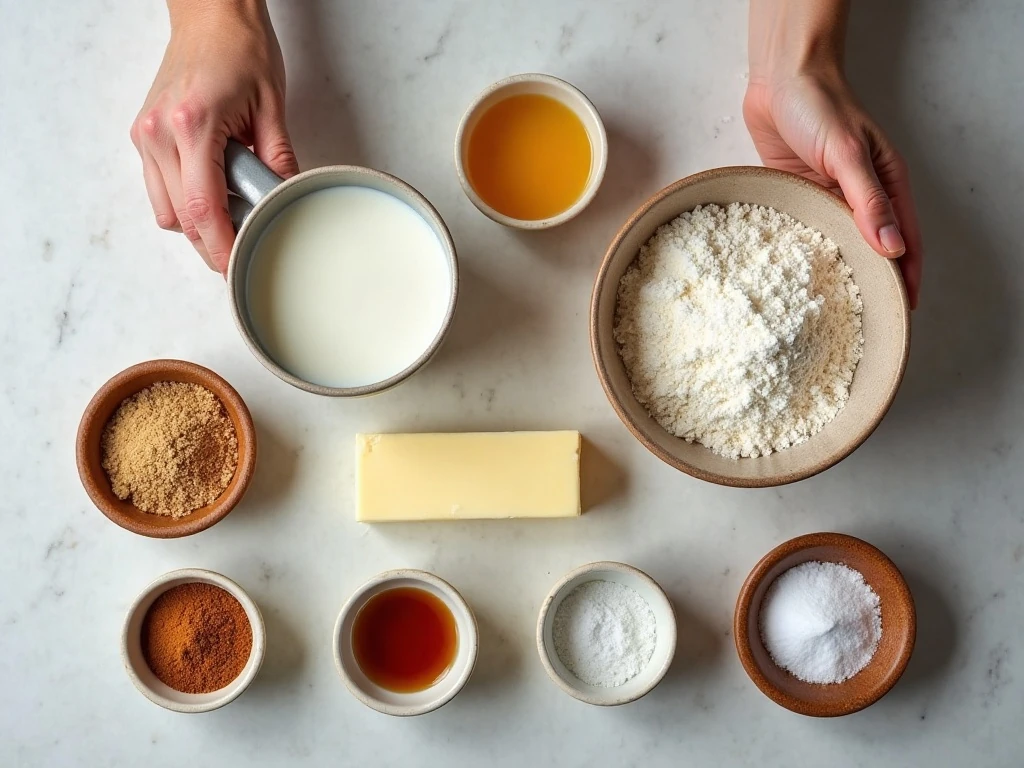
Start with whole milk warmed to 105–110°F (40–43°C). Milk that is lukewarm helps the yeast activate, while milk that is too hot may weaken or kill the yeast.
- Yeast and sugar: Active dry yeast provides the lift, while granulated sugar adds sweetness to the dough.
- Butter and eggs: Melted butter and room-temperature eggs create a tender, flavorful dough.
- Flour: Use 4 cups first, adding up to 1/2 cup more only if necessary. The final dough should feel soft and slightly tacky.
- Filling: Softened butter, 3/4 to 1 cup packed light brown sugar, 2 tablespoons ground cinnamon, and optional salt create the classic center.
- Frosting: Sifted confectioners’ sugar, butter, vanilla, and 2–4 tablespoons of milk or heavy cream make a smooth vanilla topping.
Room-temperature eggs blend more easily into the warm dough mixture. If you forgot to set them out, place the eggs in lukewarm water for a few minutes before beginning.
For the best texture, weigh the flour if you can. If using measuring cups, spoon the flour into each cup and level it with a straight edge rather than scooping directly from the bag.
How to Make It Step-by-Step
Step 1: Warm the milk until it feels lukewarm rather than hot, ideally between 105 and 110°F. Stir in the yeast and a small portion of the granulated sugar, then let the mixture stand for 5–10 minutes until a foamy layer appears on top.
Step 2: Add the remaining sugar, melted and slightly cooled butter, room-temperature eggs, and salt to the yeast mixture. Stir until the ingredients are well combined and the eggs are fully incorporated.
Step 3: Add 4 cups of flour gradually, mixing after each addition. Once a soft dough forms, judge its texture before adding more flour; it should be slightly tacky but should not be wet or impossible to handle.
Step 4: Knead the dough by hand for about 6–8 minutes, or use a dough hook for 4–5 minutes. Add the remaining flour a little at a time only if the dough is excessively sticky, because too much flour can make the finished rolls dense.
Step 5: Place the kneaded dough in a lightly greased bowl and turn it once so the surface is lightly coated. Cover the bowl and set it in a warm, draft-free place for 60–90 minutes, until the dough has doubled in size.
Step 6: Gently press down the risen dough and roll it into an approximately 15-by-20-inch rectangle. Spread the softened butter evenly over the surface, leaving a very narrow border, then distribute the brown sugar, cinnamon, and optional salt from edge to edge.
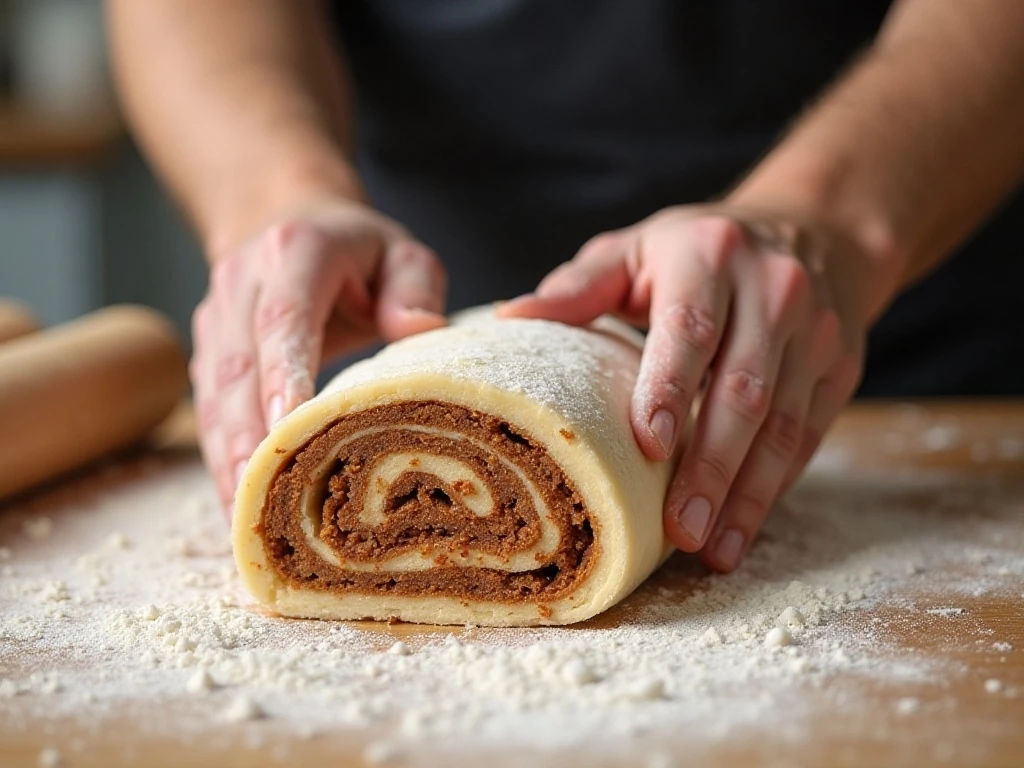
Step 7: Starting with a long side, roll the dough into a firm log. Keep the roll even as you work, then cut the log into 12 pieces with a sharp knife or unflavored dental floss for clean spirals.
Step 8: Grease a 9-by-13-inch baking pan and arrange the rolls inside with a little room between them. Cover the pan and allow the rolls to rise for 30–45 minutes, until they look noticeably puffy.
Step 9: Heat the oven to 350°F (175°C), then bake the rolls for 20–25 minutes. They should be lightly golden and set in the centers, but do not wait for a deep brown color because overbaking can dry the dough.
Step 10: While the rolls cool slightly, whisk together the sifted confectioners’ sugar, softened or melted butter, vanilla, optional salt, and 2 tablespoons of milk or cream. Add the remaining milk gradually until the frosting is smooth and spreadable, then apply it after the rolls have cooled for 5–10 minutes.
Pro Tips for Soft, Fluffy Rolls
The amount of flour can vary depending on humidity, measuring technique, and the size of your eggs. Begin with 4 cups, then add more only when the dough needs help coming together.
A slightly tacky dough is a good sign. If the dough feels firm and dry during kneading, the baked rolls will usually have a tighter, heavier texture.
Give the dough a warm place to rise, but avoid setting the bowl directly on a hot surface. A turned-off oven with the light on, or a draft-free spot near the stove, often provides a comfortable environment.
Spread the filling evenly so every roll has a balanced cinnamon spiral. Leave the log snug as you roll it, but do not pull so tightly that the filling squeezes out at the ends.
Cutting with unflavored dental floss can help preserve the round shape. Slide the floss beneath the log, cross the ends over the top, and pull to make a clean cut without crushing the layers.
If you enjoy cinnamon-forward desserts, serve these rolls alongside warm baked cinnamon apples. The soft fruit and fragrant spice complement the buttery rolls beautifully.
Vanilla Frosting and Serving Ideas
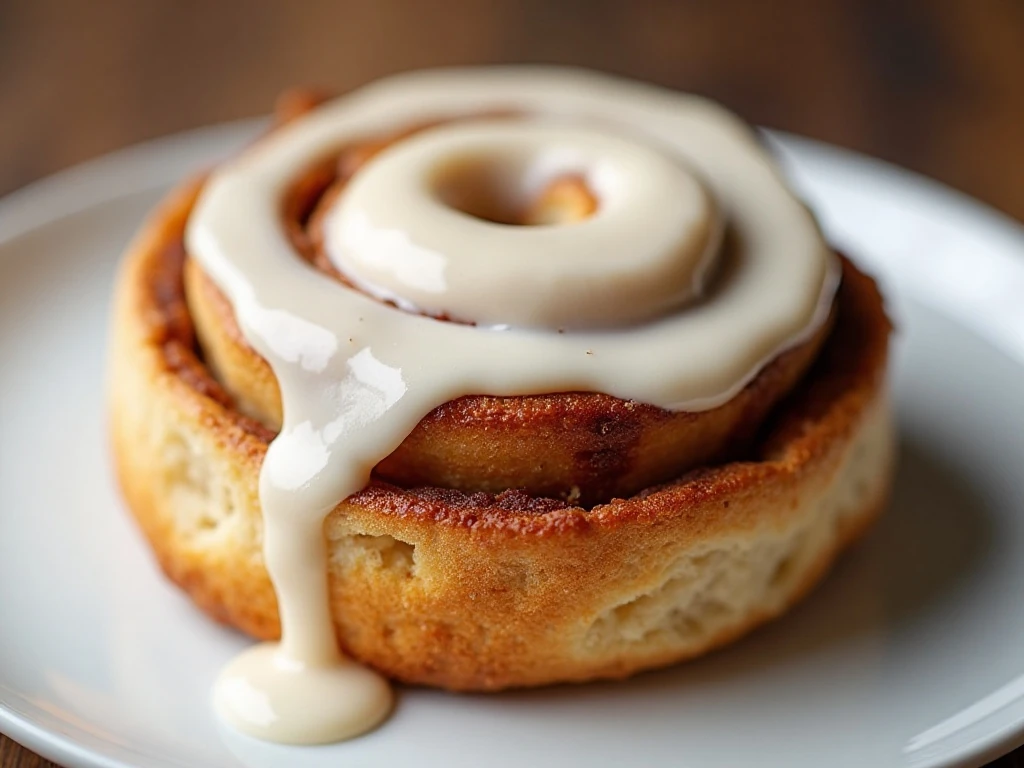
Sifting the confectioners’ sugar helps prevent lumps and gives the frosting a smooth texture. Begin with 2 tablespoons of milk or cream, then add more in small amounts until the icing is thick enough to spread but loose enough to drift into the warm spirals.
Frost the rolls while they are warm, not piping hot. After a 5–10 minute rest, the frosting will soften and melt slightly into the layers without completely running off the tops.
Serve the rolls with coffee, tea, or cold milk. They are especially inviting for a holiday breakfast, birthday brunch, or relaxed Sunday meal.
For a dessert table with several textures, add blueberry cream cheese egg rolls beside the cinnamon rolls. The berry filling offers a bright contrast to the warm brown sugar center.
After brunch, a slice of homemade chocolate pudding pie makes a rich follow-up dessert. The pie can be prepared ahead, allowing the cinnamon rolls to be the freshly baked centerpiece.
Storage and Reheating
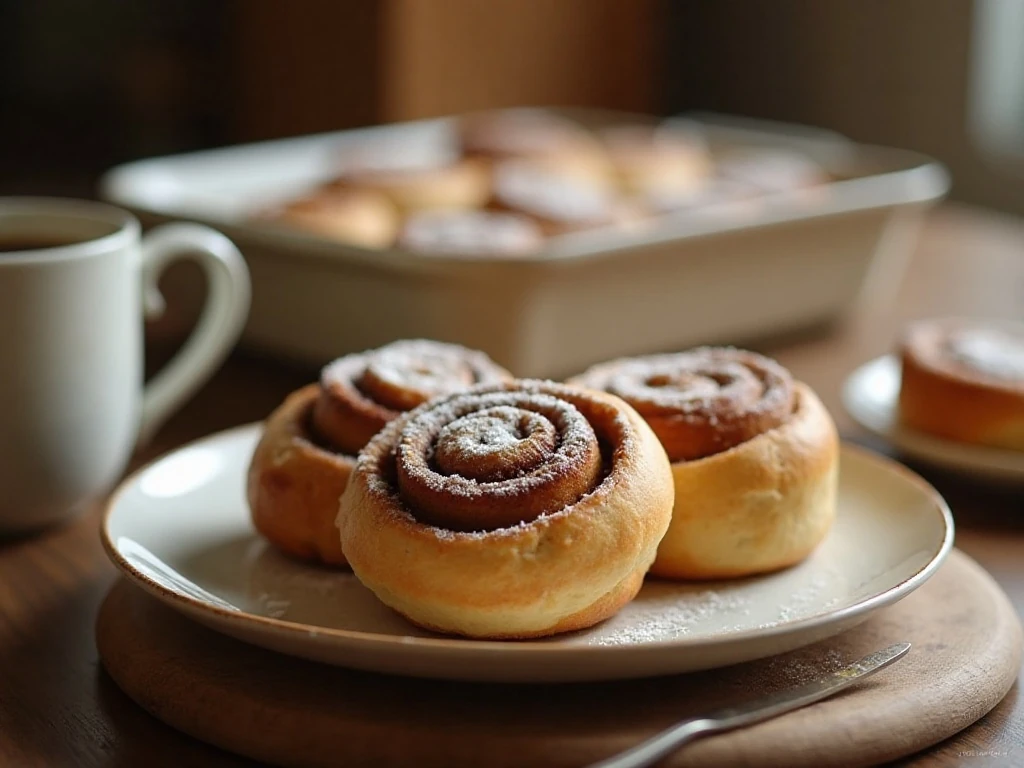
Store completely cooled frosted rolls in a tightly covered container at room temperature for up to 2 days. If your kitchen is warm, refrigerate them instead, but bring them toward room temperature before serving for the softest texture.
To reheat one roll, warm it gently in the microwave for a short interval until just soft and fragrant. Avoid overheating, since the frosting can become runny and the bread may dry out.
You can also warm several rolls in a covered baking dish in a low oven. Covering the dish helps protect the edges while the centers heat.
For a balanced breakfast table, offer a crisp side such as homemade coleslaw with savory brunch dishes, then finish with these sweet rolls. The fresh, crunchy salad brings contrast to the soft, buttery pastry.
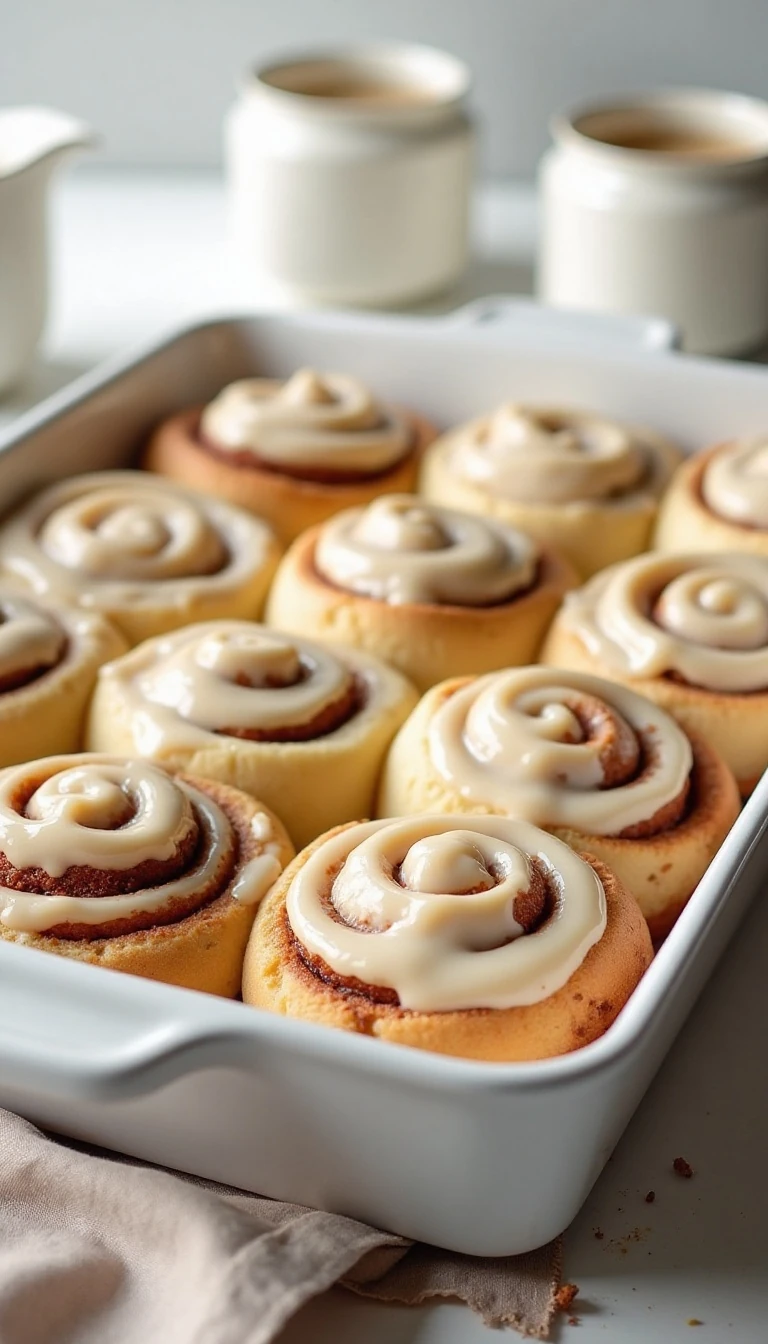
Homemade Cinnamon Rolls with Vanilla Frosting
Ingredients
Method
- Warm the milk to 105–110°F (40–43°C), then stir in the yeast and a small portion of the sugar. Let it stand for 5–10 minutes, until foamy.
- Mix in the remaining sugar, melted butter, eggs, and salt. Add 4 cups of flour gradually, mixing until a soft dough forms.
- Knead the dough by hand for 6–8 minutes or with a dough hook for 4–5 minutes. Add the remaining flour only as needed; the dough should be soft and slightly tacky, not stiff.
- Place the dough in a lightly greased bowl, cover it, and let it rise in a warm place for 60–90 minutes, or until doubled in size.
- Roll the dough into an approximately 15-by-20-inch rectangle. Spread it with softened butter, then evenly sprinkle over the brown sugar, cinnamon, and optional salt.
- Roll the dough tightly from the long side and cut it into 12 even pieces. Arrange the rolls in a greased 9-by-13-inch baking pan.
- Cover the pan and let the rolls rise again for 30–45 minutes, until noticeably puffy. Meanwhile, heat the oven to 350°F (175°C).
- Bake the rolls for 20–25 minutes, until lightly golden and the centers are set. Avoid overbaking so the interior stays soft.
- Whisk the confectioners’ sugar, butter, vanilla, optional salt, and 2 tablespoons of milk or cream together. Add more milk gradually until smooth and spreadable, then frost the warm rolls after they have cooled for 5–10 minutes.
Notes
Final Thoughts
These homemade cinnamon rolls with vanilla frosting are worth the waiting time because each rise builds flavor and tenderness. The finished rolls have soft centers, golden edges, fragrant cinnamon layers, and just enough vanilla icing to make every bite special.
Remember the most important details: keep the milk lukewarm, avoid adding too much flour, allow both rises to finish, and take the rolls from the oven when they are lightly golden with set centers. A brief 5–10 minute cooling period gives the frosting the ideal consistency.
Make the dough when you have a relaxed morning, invite everyone to the kitchen, and serve the rolls while they are still warm. Once you taste the buttery spirals and smooth vanilla topping, this recipe is likely to become a regular part of your breakfast and brunch rotation.