This traditional bread and butter pudding recipe makes a classic British dessert with eight slices of slightly stale white bread, buttery sultanas, and a rich vanilla custard. Prepare it in 15 minutes, let it soak for 15–20 minutes if possible, then bake at 180°C conventional, 160°C fan, or Gas Mark 4 for 35–45 minutes.
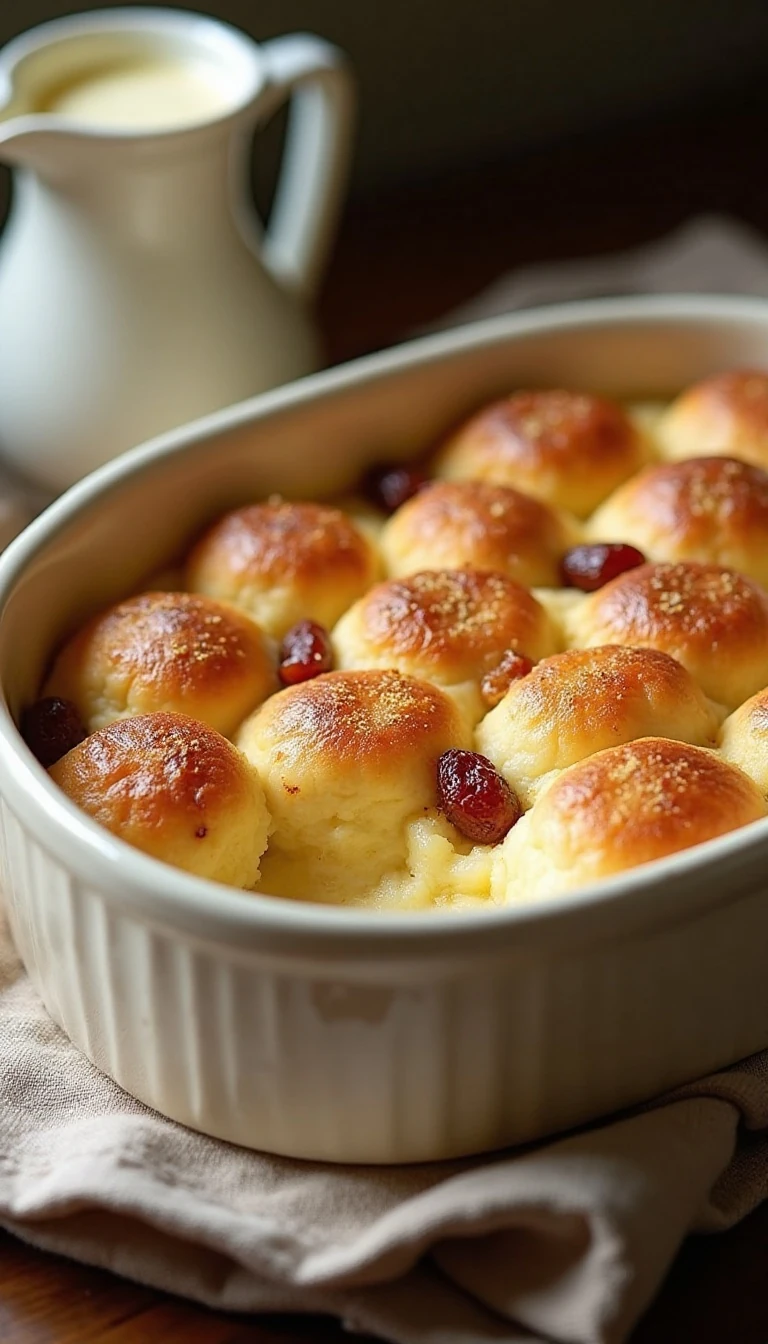
The finished pudding is golden and lightly crisp on top while remaining soft, warm, and custardy underneath. Serve it with pouring cream, custard, or vanilla ice cream for a comforting dessert that turns simple everyday ingredients into something truly special.
Jump to RecipeWhy You’ll Love This Recipe
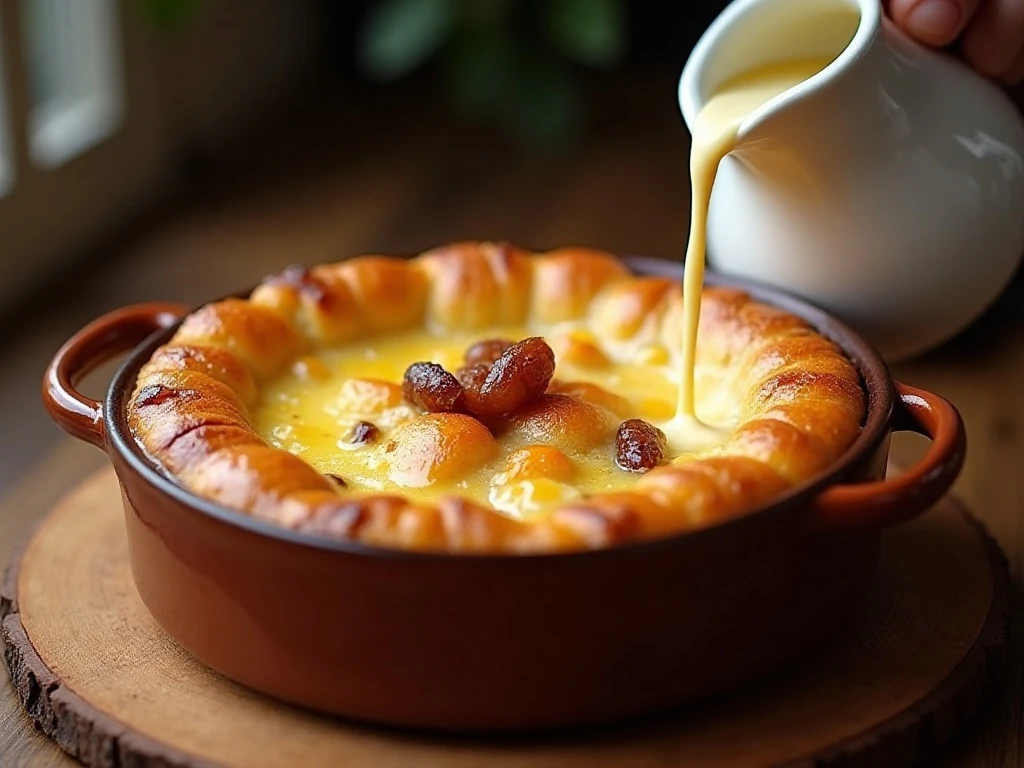
Traditional bread and butter pudding is one of the most satisfying ways to use a few slices of bread that are past their freshest stage. The bread absorbs a gently sweet custard flavored with vanilla, then bakes beneath a fragrant blanket of nutmeg until the edges are golden and the center is tender.
It is also wonderfully practical. There is no need for complicated pastry, specialist equipment, or a long list of ingredients, and the entire dessert can be assembled in about 15 minutes before its short soaking period.
Every spoonful offers a pleasant contrast between buttery bread, juicy sultanas, and creamy custard. For another cozy dessert idea, you can also browse this comforting rice pudding when you want something soft and milky.
Ingredients You’ll Need
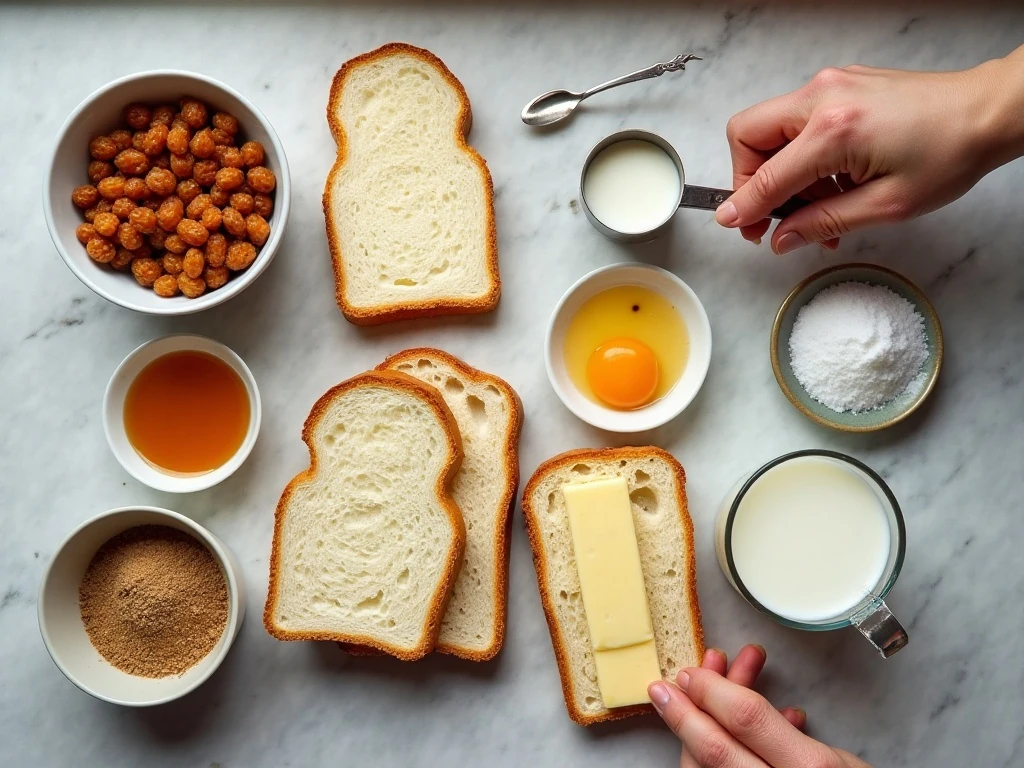
Start with eight slices of slightly stale white bread. Crusts may be removed for a particularly tender texture, although leaving them on gives the pudding a little more structure and a pleasantly rustic finish.
- Bread: Eight slices of slightly stale white bread, with crusts removed if preferred.
- Butter: Fifty grams of softened unsalted butter, plus a little extra for greasing the dish.
- Fruit: Seventy-five grams of sultanas or raisins.
- Eggs and sugar: Two large eggs and 50 grams of caster sugar create the custard base.
- Dairy: Five hundred milliliters of whole milk and 50 milliliters of double cream provide a smooth, rich texture.
- Flavorings: One teaspoon of vanilla extract, a pinch of salt, and finely grated nutmeg for the top.
The recipe uses whole milk and a small amount of double cream, giving the custard a rounded richness without making it heavy. If you enjoy baking your own bread before making desserts, our guide to homemade buttermilk bread offers a lovely option, though the bread should be slightly stale before using it here.
How to Make It Step-by-Step
Step 1: Heat the oven to 180°C conventional, 160°C fan, or Gas Mark 4. Grease a 1.5-litre baking dish thoroughly with a little extra butter, paying attention to the corners so the baked custard does not cling.
Step 2: Butter one side of all eight bread slices with the softened unsalted butter. Cut each slice into triangles or quarters, depending on whether you prefer a traditional layered appearance or smaller, easy-to-serve pieces.
Step 3: Arrange half of the bread in the greased dish with the buttered sides facing upward. Scatter half of the sultanas or raisins over the bread so the fruit is distributed through the first layer rather than collecting in one spot.
Step 4: Add the remaining bread and scatter over the remaining sultanas or raisins. Try to create an even layer, but do not press the bread down firmly yet because the custard needs room to flow between the pieces.
Step 5: Whisk the two eggs, caster sugar, whole milk, double cream, vanilla extract, and pinch of salt in a jug or bowl. Mix until the sugar is incorporated and the liquid looks evenly blended, without needing to create a great deal of foam.
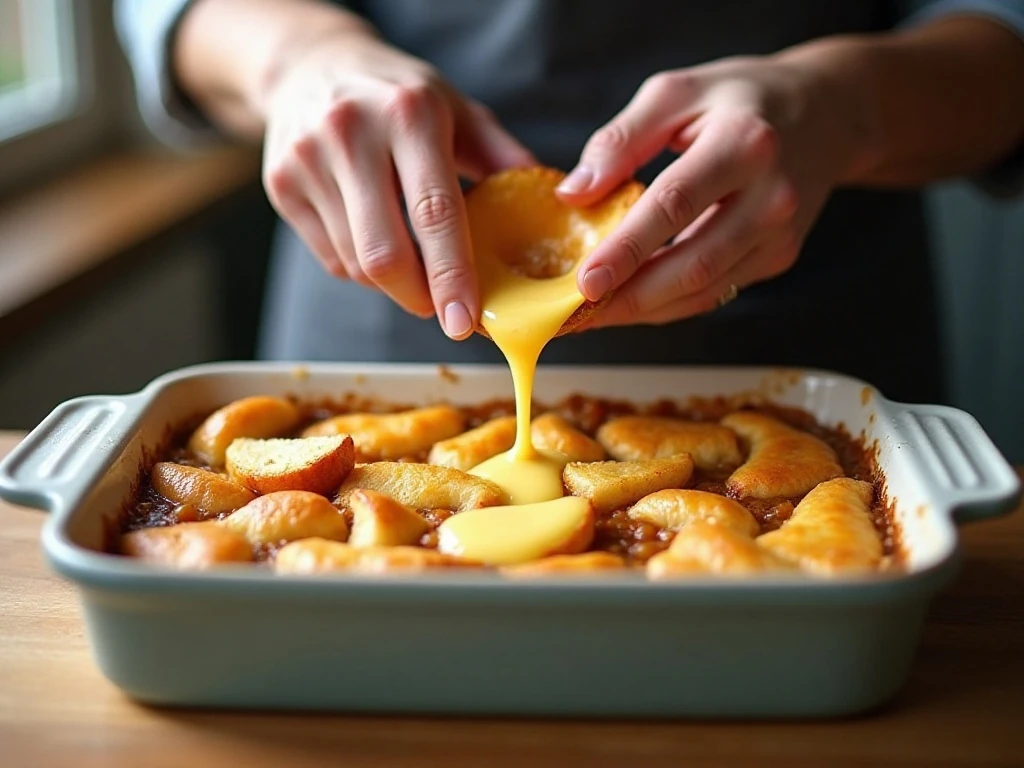
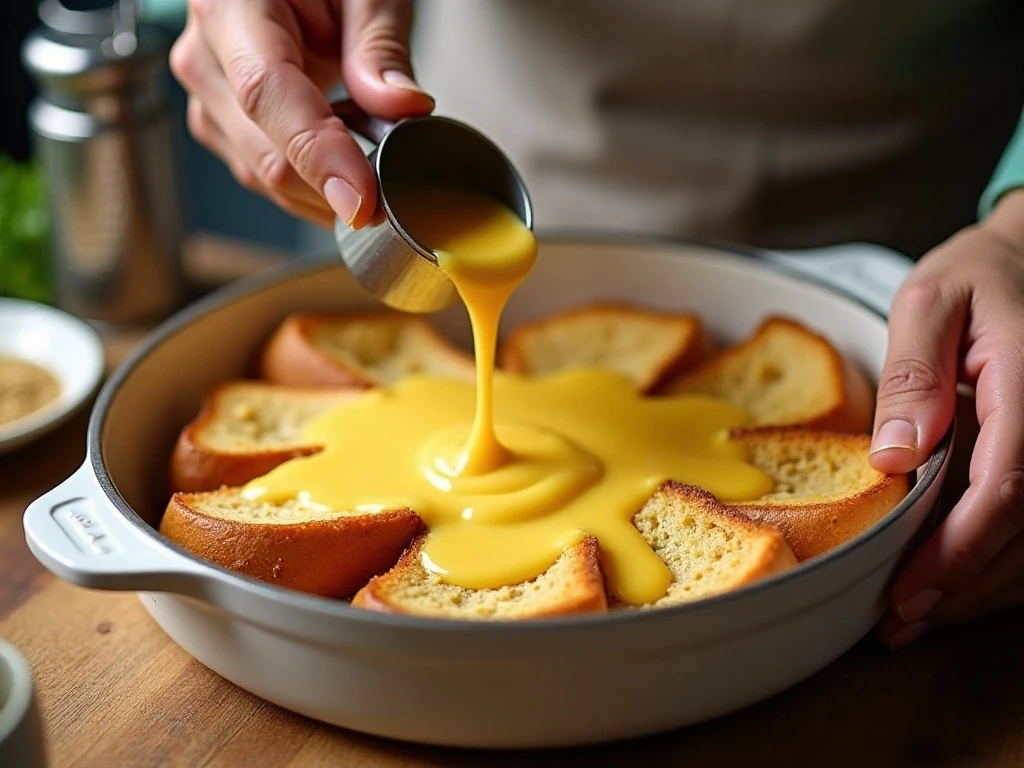
Step 6: Pour the custard slowly and evenly over the layered bread. Press the bread down gently with the back of a spoon so each piece begins absorbing the liquid, taking care not to crush the slices into a solid mass.
Step 7: Leave the assembled pudding to stand for 15–20 minutes if possible. This optional soaking time lets the slightly stale bread take in more custard, producing a cohesive pudding with a moist center.
Step 8: Grate nutmeg generously over the surface just before baking. The spice perfumes the custard as it cooks and gives the top its familiar traditional character.
Step 9: Bake for 35–45 minutes, checking toward the shorter end of the cooking range. The pudding is ready when puffed, lightly browned, and just set in the center, which should still look soft and custardy rather than dry.
Step 10: Let the dish rest briefly before serving. The center will continue cooking gently as it stands, and this short pause also makes it easier to spoon out neat, warm portions.
Chef’s Tips for the Best Texture
Slightly stale bread is the most important detail. Fresh bread can absorb the custard too quickly and become overly soft, while bread that has dried slightly has enough structure to hold the creamy mixture and create distinct layers.
Soft butter is easier to spread evenly, so take it out of the refrigerator before beginning if needed. Covering every slice with a thin layer helps the top brown attractively and adds the buttery flavor that gives this pudding its name.
Do not rush the custard pour. Pouring slowly allows the liquid to move through the bread instead of pooling at the bottom, and a gentle press helps expose any dry corners without tearing the slices apart.
Most importantly, do not overbake. Remove the dish when the middle has only just set, because residual heat continues cooking the custard after the pudding leaves the oven; waiting for a completely firm center can result in a dry dessert.
For a different bread-based baking project, try our peanut butter bread recipe. It is not a substitute for the plain white bread specified here, but it is a useful idea for another day when you want a sweet loaf.
Serving Suggestions
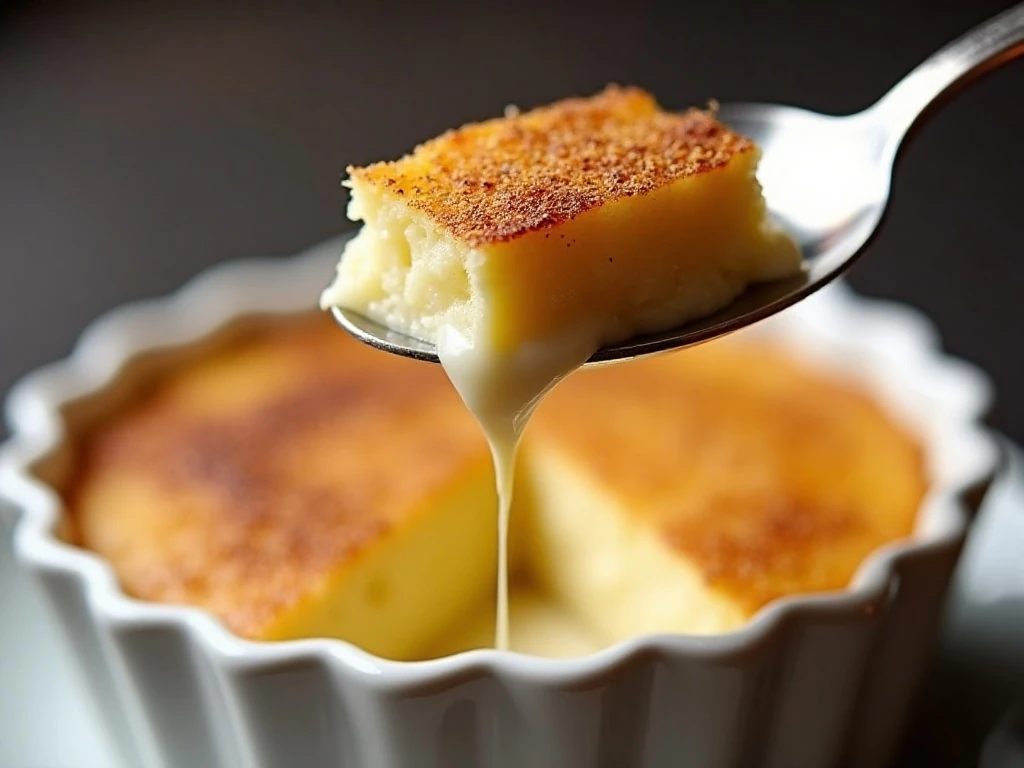
Serve this pudding warm, preferably in generous spoonfuls that include both golden top pieces and custardy center. Pouring cream is wonderfully simple, while warm custard creates an especially nostalgic British dessert.
Vanilla ice cream is another excellent choice because it begins melting against the hot pudding. A light dusting of icing sugar just before serving is optional, adding a delicate finish without changing the recipe’s traditional flavor.
If you are planning a full comfort-food menu, keep the rest of the meal straightforward so the pudding remains the finale. A savory side such as this brown butter green bean side can provide a fresh contrast before dessert.
Storage and Reheating
For the best texture, serve the pudding on the day it is baked. If you have leftovers, cool them, cover the dish, and refrigerate them promptly rather than leaving the custard at room temperature for an extended period.
Reheat portions gently until warm, taking care not to cook them so aggressively that the custard turns firm or dry. A splash of cream or a spoonful of custard alongside the reheated pudding can restore a little moisture.
The pudding may lose some of its freshly baked puff and crispness after chilling, but its soft center remains comforting. Avoid overbaking it during reheating, since the original recipe already depends on removing it when the middle is only just set.
Traditional Variations
This recipe stays close to the classic British version, using white bread, sultanas or raisins, vanilla custard, and nutmeg. Delia Smith-style versions often use milk rather than cream and may include lemon zest or mixed peel, while BBC-style versions commonly combine milk and cream with cinnamon or nutmeg.
Brioche, panettone, or raisin bread can also be substituted, but each creates a richer pudding that is less strictly traditional. These breads contain their own sweetness and flavor, so the result will feel more luxurious than the plain white-bread original.
You can also choose between sultanas and raisins according to preference. Sultanas are usually lighter and softer, while raisins bring a deeper fruit flavor; both work beautifully with the vanilla, butter, and nutmeg in this recipe.
For another peanut butter baking idea to save for the festive season, see these peanut butter Christmas cookies. They make a cheerful contrast to this warm, spoonable pudding.
Traditional Bread and Butter Pudding
Ingredients
Method
- Heat the oven to 180°C conventional, 160°C fan, or Gas Mark 4. Grease a 1.5-litre baking dish with a little extra butter.
- Butter one side of each bread slice, then cut the slices into triangles or quarters. Arrange half in the prepared dish, buttered-side up, and scatter over half the sultanas or raisins.
- Add the remaining bread and fruit. Whisk the eggs, caster sugar, whole milk, double cream, vanilla extract, and salt together until evenly combined.
- Pour the custard evenly over the bread, pressing the pieces down gently so they absorb the liquid. Leave the pudding to stand for 15–20 minutes if possible.
- Sprinkle generously with finely grated nutmeg. Bake for 35–45 minutes, until puffed, lightly browned, and just set in the center.
- Rest the pudding briefly before serving. Enjoy it warm with pouring cream, custard, or vanilla ice cream, with a light dusting of icing sugar if desired.
Notes
Final Thoughts
This traditional bread and butter pudding recipe proves that simple ingredients can create an exceptionally comforting dessert. Slightly stale bread, softened butter, dried fruit, and vanilla custard come together beneath a fragrant nutmeg topping, with the oven doing most of the work.
Keep an eye on the center during the final minutes of baking and remove the pudding while it is still soft and custardy. Serve it warm with cream, custard, or ice cream, and enjoy a timeless British dessert that is especially welcome on cool evenings.