Authentic Vietnamese cha gio are crispy fried spring rolls made with rice-paper wrappers and a savory filling of ground pork, optional minced shrimp, wood-ear mushrooms, glass noodles, carrot, onion, and jicama or cabbage. This traditional recipe makes about 20–24 rolls and takes roughly 1½ hours, including soaking, chopping, resting, and frying.
Each roll is crunchy, lightly blistered, and packed with juicy seasoned pork, tender shrimp, chewy noodles, and finely chopped vegetables. Serve the hot cha gio wrapped in lettuce and fresh herbs with tangy Vietnamese fish-sauce dipping sauce for an irresistible appetizer, snack, or light meal.
Jump to RecipeWhy You’ll Love This Recipe
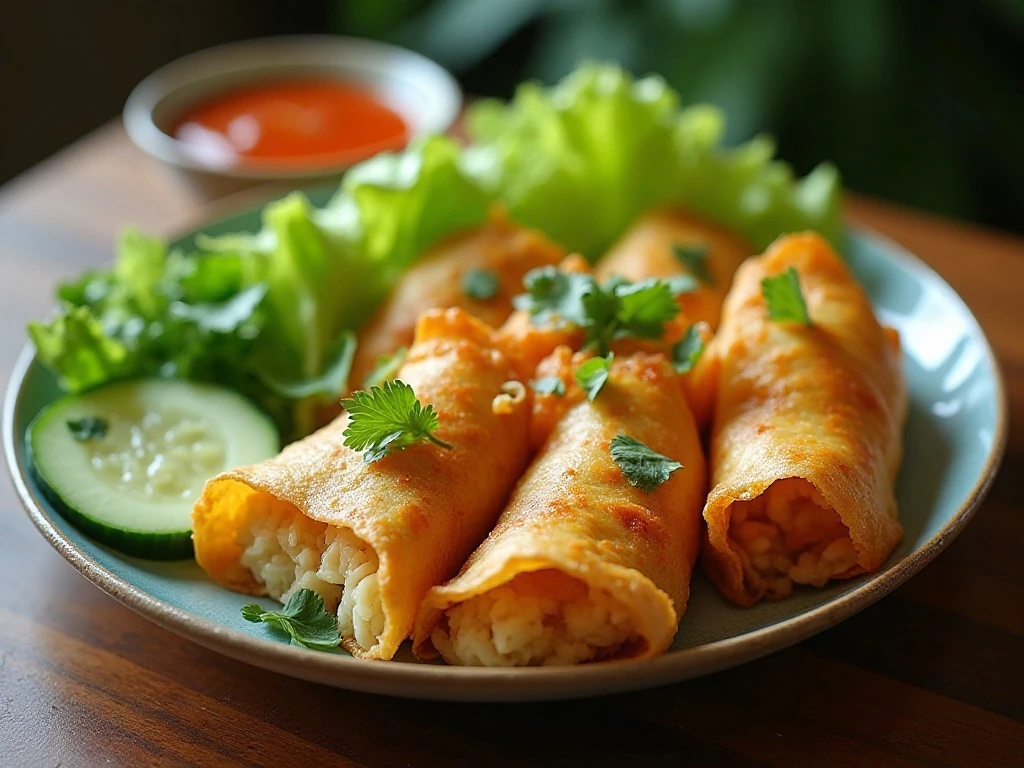
Cha gio offer the perfect contrast of textures: a brittle, golden rice-paper shell surrounding a juicy, aromatic filling. The pork brings richness, shrimp adds a gentle sweetness, and wood-ear mushrooms and mung-bean noodles create the characteristic tender-chewy bite found in many Vietnamese versions.
Unlike many wheat-wrapped spring rolls, rice-paper cha gio develop delicate bubbles and a wonderfully craggy surface as they fry. They are especially delicious when wrapped in cool lettuce with mint, Thai basil, or Vietnamese perilla, then dipped into bright, garlicky nước chấm.
This recipe is also a wonderful choice for a party because the filling can be prepared ahead and the rolls can be shaped before frying. If you enjoy creative hand-held appetizers, you may also like these bacon mac and cheese bites for another snack-table favorite.
Ingredients You’ll Need
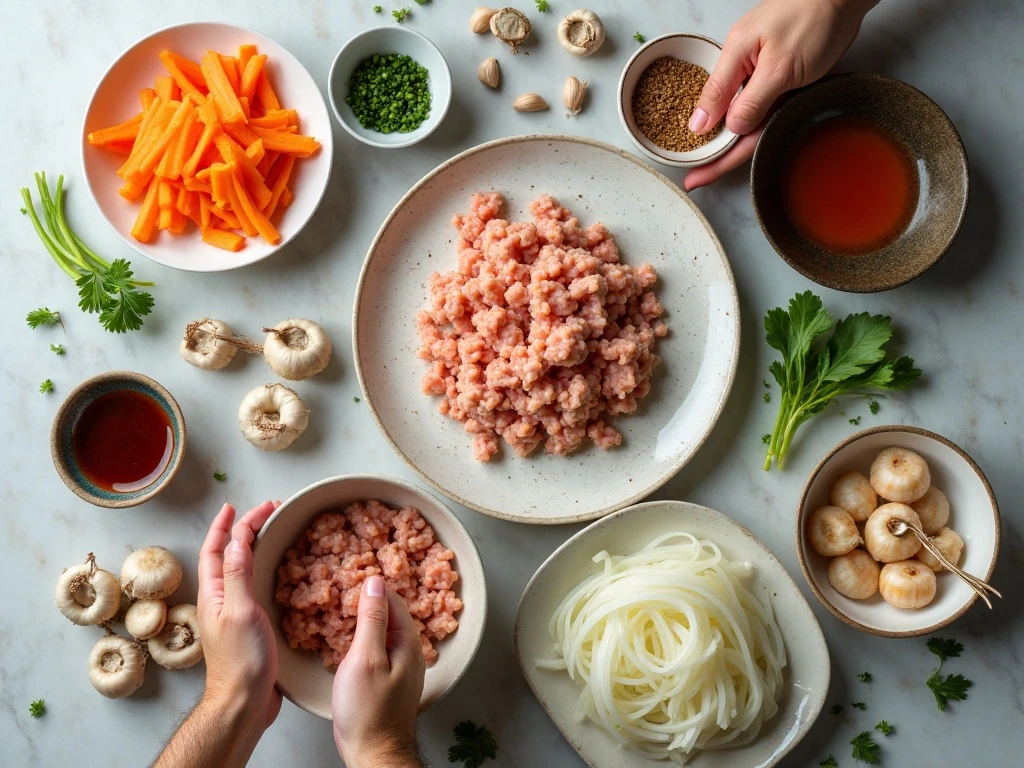
The filling begins with 1 pound of ground pork. Choose pork that is not extra-lean because a little fat keeps the interior moist while the wrappers become crisp.
Four ounces of raw minced shrimp are optional, but shrimp is traditional in many southern Vietnamese-style cha gio recipes. For a pork-only batch, simply omit the shrimp rather than replacing it with additional ingredients.
- Dried wood-ear mushrooms add a pleasant springy texture and earthy flavor.
- Mung-bean glass noodles absorb savory juices and help bind the filling.
- Carrot, onion, and jicama provide sweetness and delicate crunch.
- Fish sauce, garlic, sugar, pepper, and a modest amount of salt create the classic savory seasoning.
- Vietnamese rice-paper wrappers made for frying are preferred over delicate fresh-roll wrappers.
Jicama is especially common in southern Vietnamese-style cha gio, but finely minced taro or cabbage works well. For more delicious bread-category inspiration, try these cheesy garlic herb pull-apart rolls alongside your appetizer spread.
How to Make It Step-by-Step
Step 1: Soak the wood-ear mushrooms in hot water for 15-20 minutes, and soak the glass noodles separately until they become pliable. Drain both ingredients thoroughly, since trapped water can make the filling loose, cause the wrappers to burst, and create dangerous oil splatter.
Step 2: Finely chop the softened mushrooms and cut the drained noodles into short pieces. Shred or julienne the carrot, then mince the onion or shallots, jicama, taro, or cabbage, garlic, and shrimp into small, even pieces.
Step 3: Add the pork, shrimp, mushrooms, noodles, vegetables, egg, fish sauce, sugar, black pepper, garlic, and salt to a large bowl. Mix with clean hands or a sturdy spoon just until everything is evenly distributed; excessive mixing can make the filling dense.
Step 4: Cook a teaspoon of the filling in a small skillet and taste it once cool enough to sample. This quick test lets you adjust fish sauce, salt, or pepper before the filling is enclosed in the wrappers.
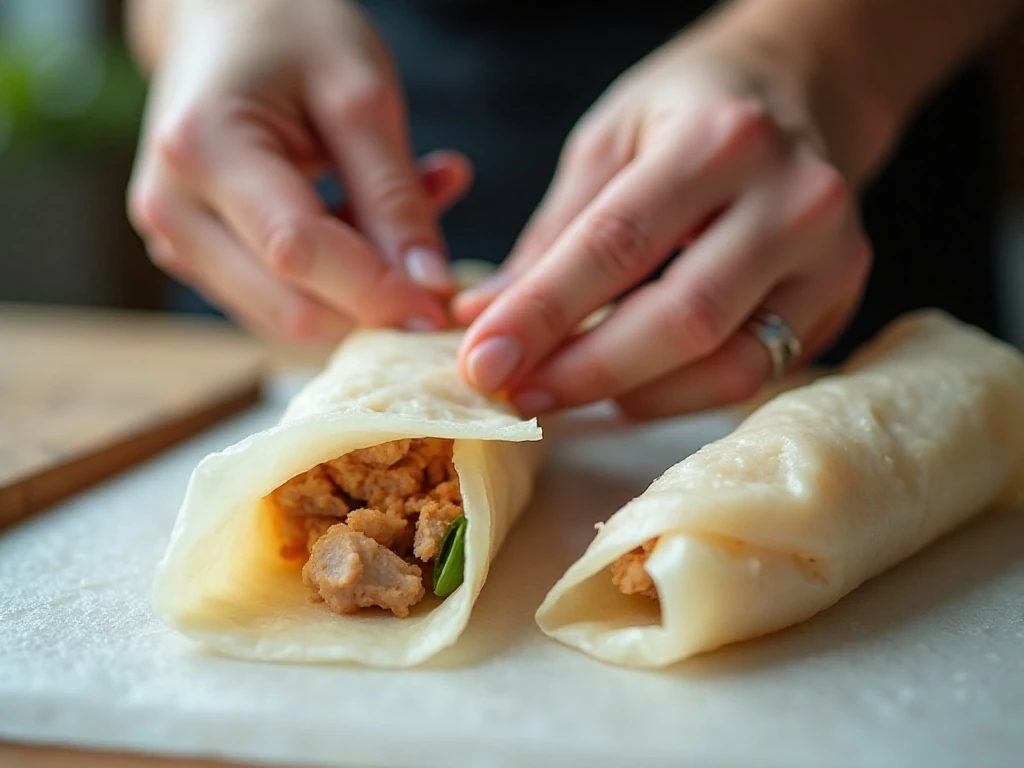
Step 5: Prepare a wide, shallow dish of room-temperature water and place a clean damp towel nearby. Dip one rice-paper wrapper for only 1-2 seconds, then lay it flat; it will continue softening as you work.
Step 6: Place approximately 1½-2 tablespoons of filling near the lower third of the wrapper. Fold the bottom edge over the filling, fold both sides toward the center, and roll upward with steady pressure, avoiding air pockets without making the roll so tight that the wrapper splits.
Step 7: Place the finished cha gio seam-side down on a rack or parchment-lined tray. Leave space between each roll and let them rest and dry for 10-20 minutes, which helps the wrapper fry more crisply and reduces splattering.
Step 8: Pour enough neutral oil into a heavy pot to reach 1½-2 inches and heat it to approximately 325°F (160°C). Fry the rolls in batches for about 6-8 minutes, turning occasionally, until the wrappers are lightly golden and the filling is cooked.
Step 9: Transfer the rolls to a rack to drain. For a deeply golden, extra-crisp finish, raise the oil temperature to 350-375°F (175-190°C) and fry the cha gio again for 1-2 minutes, then return them to the rack.
Step 10: Make nước chấm by stirring together the fish sauce, water, lime juice or rice vinegar, sugar, garlic, and optional Thai chile. Check that the pork and shrimp filling reaches at least 160°F (71°C) before serving.
Rolling Rice-Paper Wrappers Correctly
The key to rice-paper wrappers is restraint. They do not need to become fully soft in the water; a quick dip is enough because the wrapper continues hydrating on the work surface.
Use a consistent amount of filling in every roll, keeping it compact and centered. If a wrapper feels stiff while you roll, give it another moment to soften instead of dipping it again, since excess water makes the sheet sticky and fragile.
Rice-paper cha gio may feel slightly tacky immediately after shaping. That is normal, but the rolls should not touch one another during the 10-20 minute drying period.
Frying and Crispness Tips
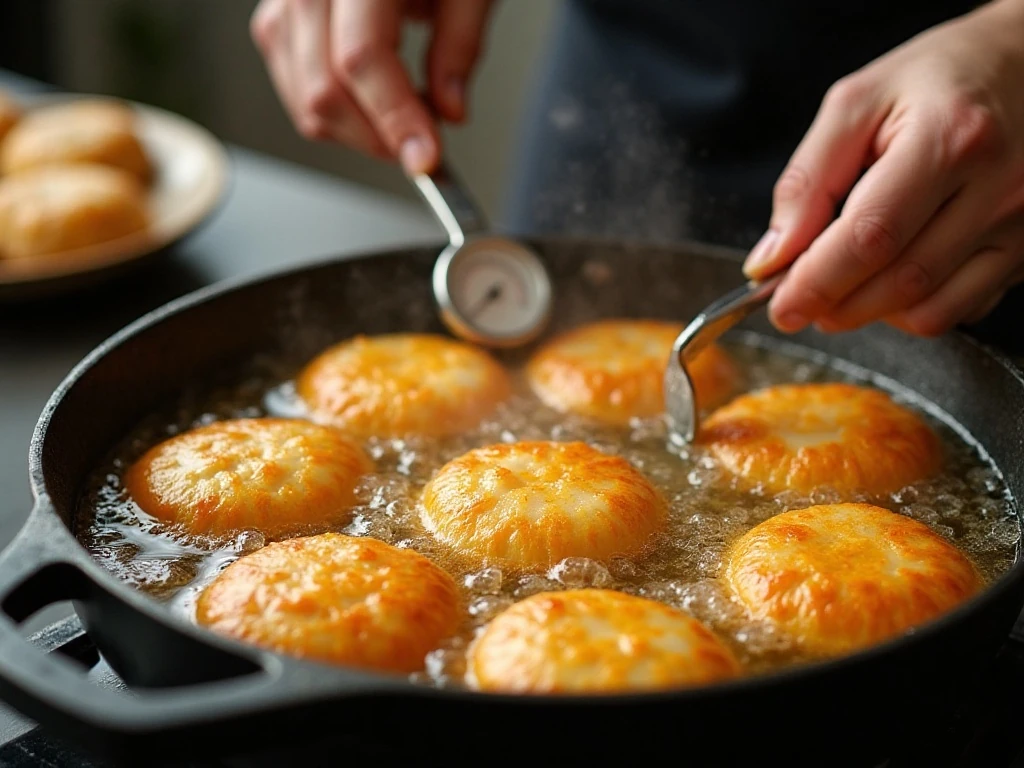
Use a thermometer to maintain the first frying temperature near 325°F (160°C). Overly hot oil can brown the wrapper before the filling cooks, while cool oil encourages the rice paper to absorb more oil.
Fry in batches with plenty of room around each roll. Crowding lowers the oil temperature and can make rolls stick together, so allow the oil to return to temperature between batches.
The optional second fry is the best way to achieve a deeply golden, blistered shell. Drain on a wire rack so hot steam can escape from all sides; paper towels placed directly beneath the rolls can trap steam and soften the crust.
For another crisp main-course idea to serve after these appetizers, consider this crispy Parmesan chicken with creamy lemon-garlic pasta.
How to Serve Cha Gio
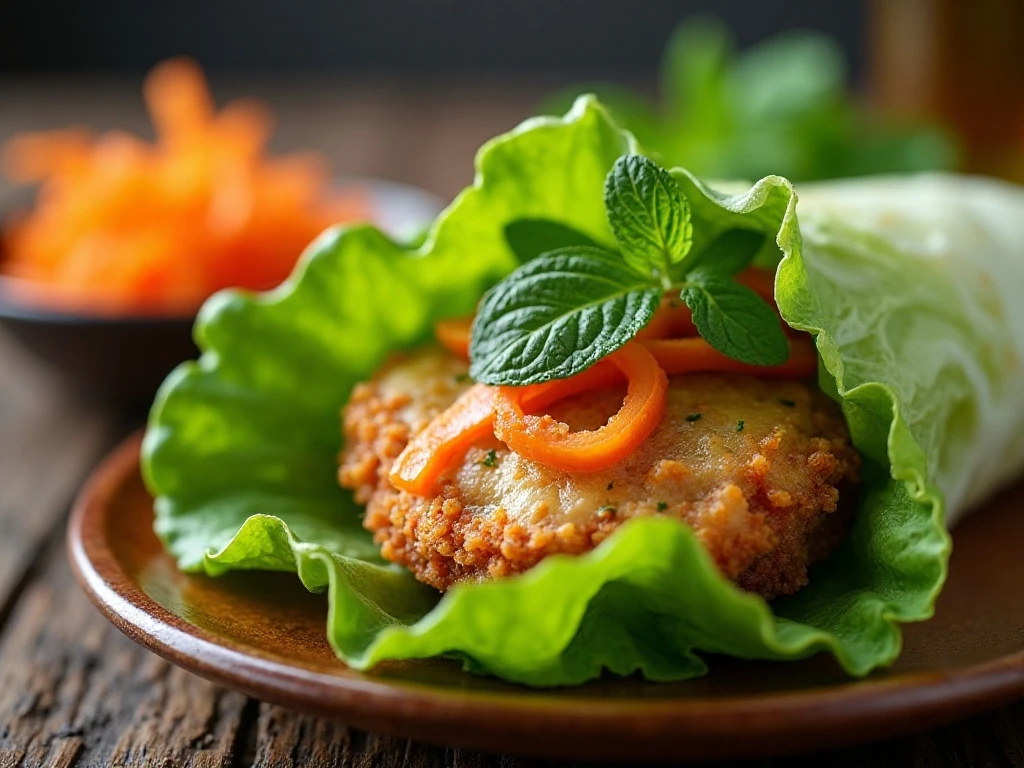
Cha gio are traditionally served hot with soft lettuce leaves and fresh herbs. Place one roll inside a lettuce leaf, add mint, Thai basil, or Vietnamese perilla, and dip each bite into nước chấm.
Cucumber ribbons and pickled carrot or daikon add coolness, acidity, and crunch. The dipping sauce should taste balanced rather than overwhelmingly salty: fish sauce supplies depth, water softens it, sugar rounds it out, and lime juice or rice vinegar adds brightness.
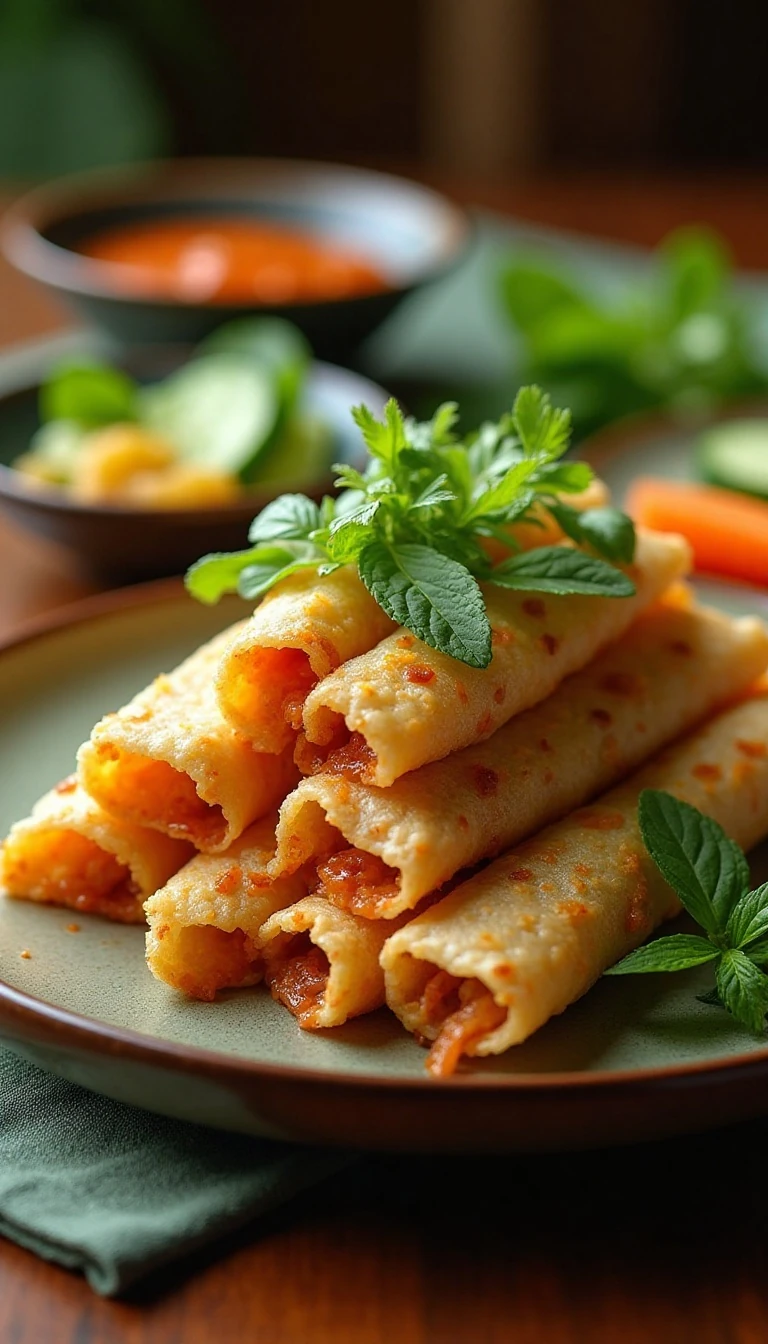
For a complete Vietnamese-inspired appetizer platter, arrange the rolls with herbs, lettuce, sliced cucumber, and a small bowl of sauce in the center. Keep extra sauce nearby because the crisp wrapper quickly absorbs its sweet-salty flavor.
Storage, Reheating, and Make-Ahead Advice
Freshly fried cha gio are at their best immediately, when the wrappers are crisp and the filling is steaming. If you have leftovers, cool them on a rack before refrigerating them in a covered container.
Reheat the rolls on a rack in a hot oven or air fryer until hot and crisp again. Avoid the microwave, which softens the rice-paper shell and leaves the texture chewy.
The uncooked filling can be mixed ahead and refrigerated, but keep it cold and use it promptly. You can also shape the rolls shortly before frying, arranging them with space between them so the wrappers do not stick together.
For a sweet finish after a savory meal, serve a slice of this Southern-style bourbon cake. If you are creating a broader party menu, crisp hand-held snacks such as apple pie egg rolls make a fun dessert pairing.
Authentic Vietnamese Cha Gio (Crispy Spring Rolls)
Ingredients
Method
- Soak the dried wood-ear mushrooms in hot water for 15-20 minutes and soak the glass noodles separately until pliable. Drain both very well, then finely chop the mushrooms and cut the noodles into short pieces.
- Finely chop or shred the carrot, onion or shallots, jicama, taro, or cabbage, garlic, and shrimp. Small, even pieces help the filling stay compact and cook at the same rate.
- Combine the pork, shrimp, mushrooms, noodles, vegetables, egg, fish sauce, sugar, pepper, garlic, and salt. Mix just until evenly combined without overworking the meat.
- Fry a teaspoon of the filling in a pan to test the seasoning. Adjust the fish sauce, salt, or pepper before rolling the full batch.
- Fill a wide shallow dish with room-temperature water. Dip one rice-paper wrapper for only 1-2 seconds, place it on a clean damp towel or work surface, and let it continue softening.
- Place 1 1/2-2 tablespoons of filling near the lower third of the wrapper. Fold the bottom over the filling, fold in both sides, and roll upward with gentle, even pressure.
- Set each roll seam-side down on a rack or parchment-lined tray, leaving space between the rolls. Allow them to dry for 10-20 minutes.
- Heat 1 1/2-2 inches of oil in a heavy pot to about 325°F (160°C). Fry the rolls in batches for approximately 6-8 minutes, turning occasionally, until lightly golden and cooked through.
- For extra crispness, raise the oil to 350-375°F (175-190°C) and fry the rolls a second time for 1-2 minutes, until deeply golden and blistered. Drain them on a rack rather than directly on paper towels.
- Mix the fish sauce, water, lime juice or rice vinegar, sugar, garlic, and optional chile to make nước chấm. Confirm that the pork and shrimp filling reaches at least 160°F (71°C), then serve the rolls hot with lettuce and herbs.
Notes
Final Thoughts
Authentic Vietnamese cha gio are worth every minute of chopping and rolling. The combination of crisp, blistered rice paper, savory pork and shrimp, aromatic vegetables, and fresh herbs makes each bite lively and satisfying.
Remember the three details that matter most: drain the soaked ingredients thoroughly, dip the wrappers very briefly, and let the shaped rolls dry for 10-20 minutes before frying. A gentle first fry followed by a quick hotter fry produces the crunchiest finish.
Serve the rolls hot with lettuce, herbs, optional pickled vegetables, and plenty of nước chấm. Once you master the rolling technique, this recipe becomes a reliable centerpiece for family dinners, celebrations, and casual appetizer gatherings.