This Best-Ever Lemon Cake is a tender 1960s-style lemon drizzle cake made with butter, caster sugar, eggs, self-rising flour, and fresh lemon zest. It takes about 15 minutes to prepare, bakes for 35–40 minutes at 180°C/350°F, and serves 8–10 slices from one 8-inch/20-cm round cake or 2-pound/900-g loaf cake.
Every bite brings together a soft, buttery crumb, bright lemon fragrance, and the traditional crisp topping created by spooning lemon juice and caster sugar over the hot cake. It is simple enough for an afternoon cup of tea but special enough for a birthday table, Sunday dessert, or nostalgic family bake.
Jump to RecipeWhy You’ll Love This Recipe
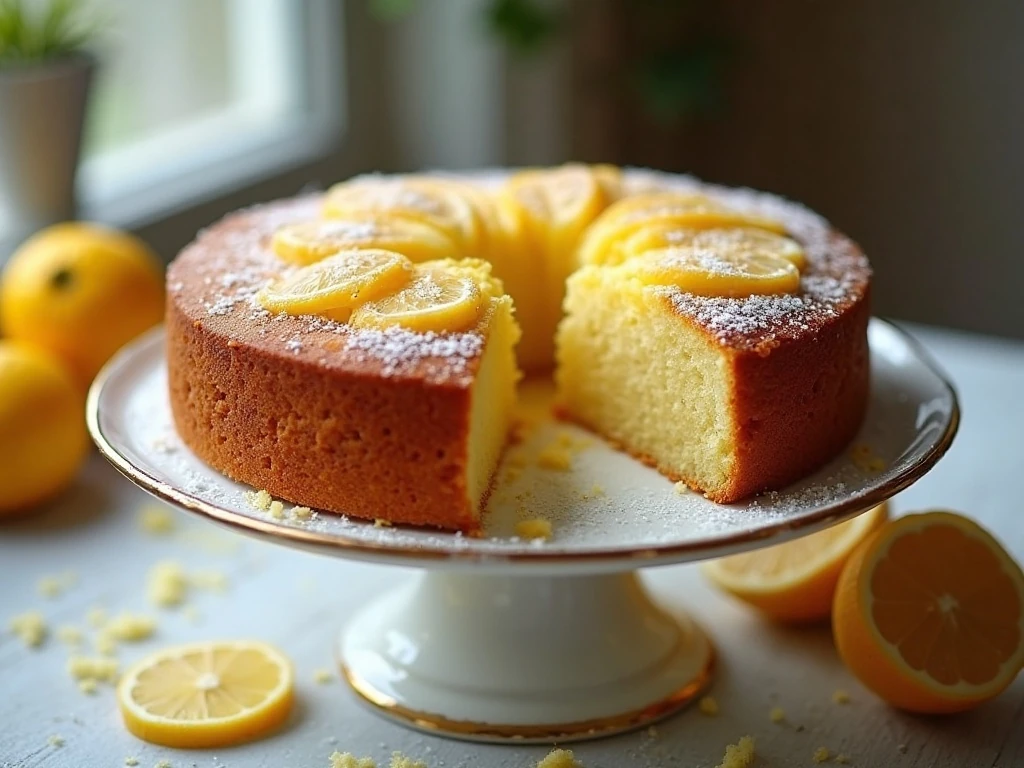
This is the kind of cake that proves a short ingredient list can produce a memorable dessert. The butter gives the crumb a mellow richness, while fresh lemon zest perfumes every slice without making the cake heavy or sharp.
The defining feature is the old-fashioned drizzle. Instead of a smooth icing, a mixture of lemon juice and caster sugar is poured over the hot cake, allowing the juice to soak down into the crumb and leaving a delicate, crackly layer on top.
It is also wonderfully practical. The batter comes together in one bowl, the cake needs no complicated decoration, and the finished result travels well to picnics, bake sales, potlucks, and afternoon tea.
If you enjoy quick single-serving citrus desserts too, try this lemon blueberry mug cake for a speedy treat on another day.
Ingredients You’ll Need
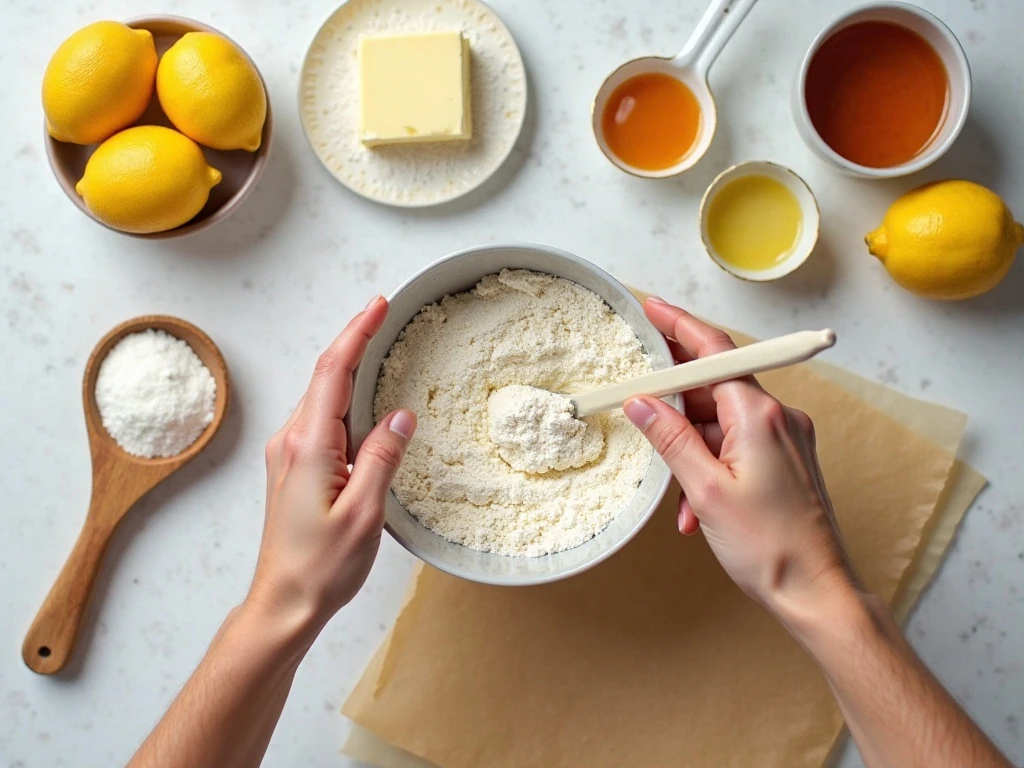
The original-style cake uses equal weights of three central ingredients: 175 g each of self-rising flour, caster sugar, and softened unsalted butter. This balanced formula is one reason the recipe is so dependable and easy to remember.
- Self-rising flour: It provides the structure and lift needed for a soft cake. Weighing the flour is most accurate, although 175 g is about 1 1/4 cups.
- Butter: Use unsalted butter at room temperature so it beats smoothly with the sugar. Soft butter should give slightly when pressed but should not be oily or melted.
- Caster sugar: The fine crystals dissolve readily in the batter and create a pleasant crunch in the drizzle. The cake uses 175 g, about 3/4 cup plus 2 tablespoons, with another 100 g, about 1/2 cup, for the topping.
- Eggs: Three large eggs bind the mixture and add richness. Room-temperature eggs blend more evenly into the creamed butter.
- Lemon: You need the finely grated zest and juice of 1 large lemon. Grate only the yellow outer skin, since the white pith can taste bitter.
If self-rising flour is unavailable, use 175 g all-purpose flour with 2 teaspoons baking powder and a small pinch of salt. Mix those dry ingredients together before adding them to the wet mixture.
How to Make It Step-by-Step

Step 1: Begin by heating the oven to 180°C/350°F, or 160°C/320°F fan. Grease and line an 8-inch/20-cm round tin or 2-pound/900-g loaf pan, leaving a little parchment overhang if you are using a loaf pan to make lifting easier.
Step 2: Place the softened butter, 175 g caster sugar, and lemon zest in a large mixing bowl. Beat until the mixture looks pale and fluffy, scraping the sides of the bowl once or twice so the zest and sugar are evenly distributed.
Step 3: Add the eggs one at a time, beating well after each one. If the mixture starts to curdle, do not worry; add a spoonful of the flour and continue, which will help bring the batter back together.
Step 4: Fold in the self-rising flour with a spatula using gentle strokes. Stop as soon as the flour disappears, because overmixing can make the crumb firm rather than light.
Step 5: Spoon the batter into the prepared pan and level the top. Place it in the heated oven and bake for 35–40 minutes, checking near the end with a skewer inserted into the center; it should come out clean or with only a few moist crumbs.
Step 6: While the cake is in the oven, combine the juice of 1 large lemon with 100 g caster sugar. Stir just enough to coat the sugar with juice, leaving some crystals intact for the traditional lightly crunchy finish.
Step 7: Remove the golden cake from the oven and immediately pierce the top all over with a skewer or toothpick. Spoon the lemon mixture across the surface in several passes, giving it time to seep into the holes and moisten the warm crumb.
Step 8: Leave the cake in its pan until fully cool, allowing 10–15 minutes or longer as needed before serving. Once cool, loosen the edges, lift or turn out the cake, and cut it into 8–10 slices.
Pro Tips for a Tender Lemon Cake

Room-temperature ingredients are a small detail with a big effect. Cold butter will not cream properly with the sugar, and cold eggs can cause the mixture to separate, so set both out before you begin.
Use a fine grater or microplane for the lemon zest. Work lightly around the fruit and turn it frequently so you collect the fragrant yellow skin without scraping into the white layer underneath.
The drizzle should go on while the cake is hot. A cooled cake will not absorb the lemon juice as readily, and the topping may sit on the surface instead of creating those moist lemony pockets throughout the crumb.
Do not try to make the drizzle smooth like a glaze. The partially undissolved sugar is intentional and gives this retro cake its signature contrast between tender cake and delicate crunch.
For another citrus-inspired bake, these lemon-lime thumbprint cookies make a lovely companion for a dessert platter.
Choosing the Right Pan and Serving Style
An 8-inch/20-cm round tin produces a classic cake shape with neat wedges. A 2-pound/900-g loaf pan gives you familiar rectangular slices and is especially convenient for wrapping, transporting, and storing.
Whatever pan you choose, avoid filling it too high. The batter should sit comfortably in the prepared pan with room to rise, and leveling the surface before baking encourages an even top.
Serve the cake at room temperature so the butter-based crumb is soft and fragrant. It needs no frosting, but a few curls of lemon zest, thin lemon slices, or a light dusting of confectioners’ sugar can make the presentation feel festive without hiding the crisp drizzle.
For a different chocolate-forward dessert option, our mocha latte chocolate cake brings a deeper flavor profile to the dessert table.
Storage, Slicing, and Make-Ahead Advice
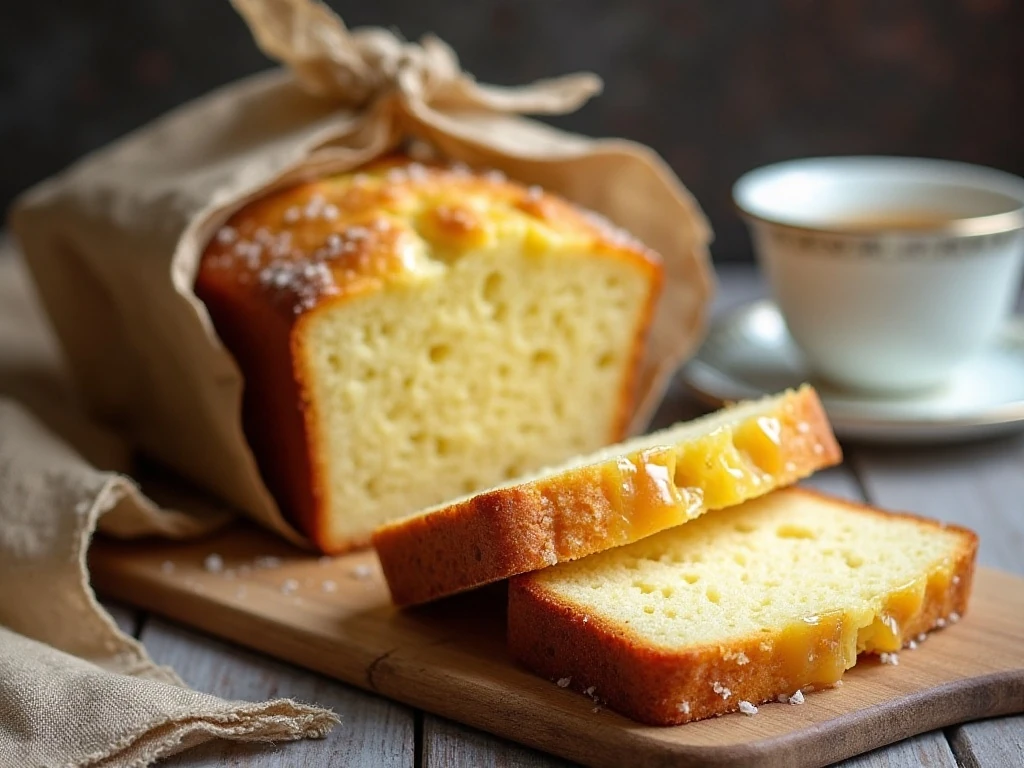
Once completely cool, keep the cake in an airtight container at room temperature. It is best within 2–3 days, although the lemon flavor remains appealing as the cake rests and the drizzle continues to settle into the crumb.
For the cleanest slices, use a sharp knife and wipe the blade between cuts. If the topping feels especially crisp, a gentle sawing motion will help preserve the surface instead of pressing down on it.
This cake can be baked earlier on the day it is needed, then cooled and covered once the drizzle has set. Avoid refrigerating it unless necessary, because cold storage can make the butter crumb seem firmer and can soften the sugary topping.
When you want a shortcut for a bright lemon cookie tray, consider these lemon crinkle cookies alongside the homemade cake.
What to Serve with Lemon Drizzle Cake
A pot of black tea is the classic partner, especially Earl Grey or a gentle English breakfast blend. Coffee, iced tea, or sparkling water with lemon also work beautifully when you are serving the cake after lunch.
For a simple dessert plate, add fresh berries, softly whipped cream, or a spoonful of plain yogurt. Keep the accompaniments mild so the fresh lemon and crisp topping remain the focus.
If this cake is part of a larger meal, serve it after a savory starter such as black-eyed pea soup. The bright citrus finish provides a welcome contrast to a hearty bowl.
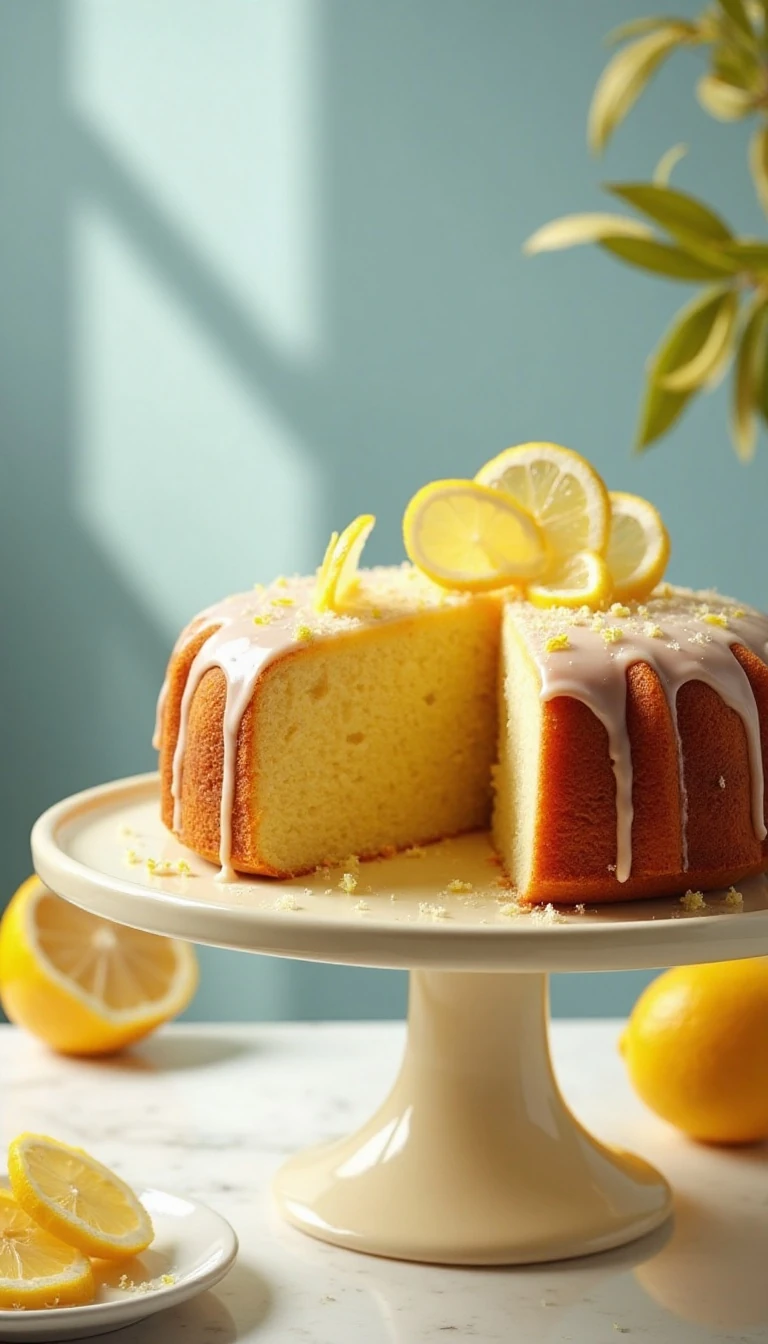
Best-Ever Lemon Cake: An Original 1960s Recipe
Ingredients
Method
- Heat the oven to 180°C/350°F, or 160°C/320°F fan. Grease and line an 8-inch/20-cm round cake tin or a 2-pound/900-g loaf pan with parchment paper.
- Beat the softened butter, 175 g caster sugar, and finely grated lemon zest until pale, light, and fluffy. This usually takes a few minutes and creates the airy base that gives the finished cake its tender texture.
- Beat in the eggs one at a time, mixing well after each addition. If the batter begins to look curdled, add a spoonful of the flour before adding the next egg.
- Fold in the self-rising flour just until no dry streaks remain. If using all-purpose flour, combine it with 2 teaspoons baking powder and a small pinch of salt before folding it into the batter, and do not overmix.
- Transfer the batter to the prepared pan and gently level the surface with a spatula. Bake for 35–40 minutes, until golden and a skewer inserted in the center comes out clean.
- While the cake bakes, stir together the juice of 1 large lemon and the remaining 100 g caster sugar. Leave the sugar slightly grainy rather than dissolving it completely, because those crystals form the classic crunchy topping.
- As soon as the cake comes from the oven, pierce it all over with a skewer or toothpick. Spoon the lemon-sugar mixture slowly over the hot surface so the juice sinks into the crumb while the sugar remains lightly crisp on top.
- Let the cake cool completely in the pan before removing it. Slice with a sharp knife and serve plain, with tea or coffee, or alongside a spoonful of softly whipped cream.
Notes
Final Thoughts
This Best-Ever Lemon Cake captures everything charming about a classic 1960s bake: straightforward ingredients, familiar mixing methods, and a finish that depends on timing rather than elaborate decoration. The hot lemon-sugar drizzle is the detail that transforms a simple butter cake into a dessert people remember.
For the best result, measure carefully, use room-temperature ingredients, grate only the yellow lemon zest, and pour the drizzle over the cake as soon as it leaves the oven. Give it time to cool, then cut generous slices and enjoy the tender center with its bright citrus flavor and crisp sugary top.
Whether served at afternoon tea or packed for a family gathering, this recipe is a reliable classic worth keeping in your baking collection. It is proof that the most comforting cakes are often the ones made with a few good ingredients and plenty of fresh lemon.