This authentic baklava recipe makes about 24 to 32 crisp, syrup-soaked pieces in a 9 x 13-inch pan. It features buttery phyllo dough, finely chopped walnuts or a nut combination, cinnamon, and a honey-lemon syrup, with a bake time of 50 to 60 minutes at 350°F (175°C).
Each bite offers delicate crackling pastry, rich toasted nuts, fragrant spice, and just enough syrup to create a lush but balanced dessert. Because the recipe needs at least four hours to cool and absorb the syrup, overnight resting is preferred for the cleanest cuts and best texture.
Jump to RecipeWhy You’ll Love This Recipe
Baklava is one of those desserts that looks elaborate but becomes quite manageable once the layering rhythm is established. The method is simple: butter the phyllo, scatter the seasoned nuts, repeat the layers, cut the pastry, bake it thoroughly, and add syrup while it is hot.
This version follows familiar proportions found across Greek, Turkish, Middle Eastern, and Balkan preparations while keeping the flavor profile classic. Walnuts give the filling a hearty, slightly earthy taste, while pistachios or almonds can be added for color and variety.
The contrast of textures makes this dessert special. The top and edges become crisp and flaky, the center turns tender from the honey syrup, and the nut filling adds a satisfying bite between the pastry layers.
For another rich dessert to serve at a gathering, our fudgy brownie recipe makes a wonderful companion to a baklava platter.
Ingredients You’ll Need
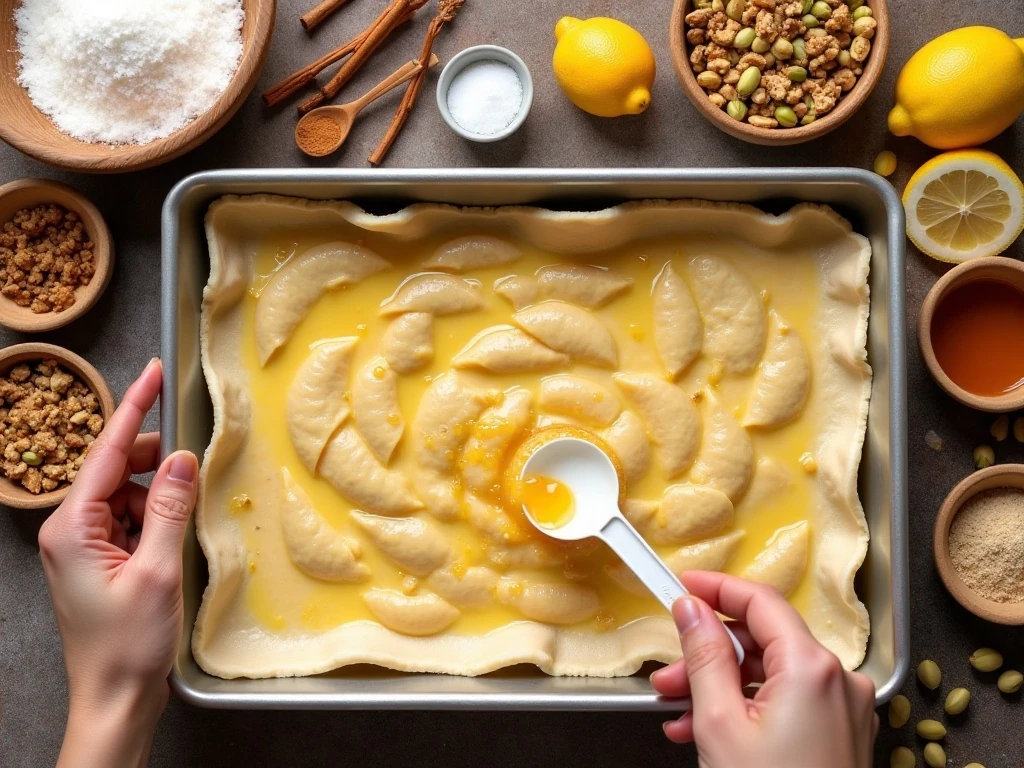
Use a full pound of phyllo dough and thaw it according to the package directions. Phyllo is delicate, so proper thawing and careful covering are just as important as the measured ingredients.
- Phyllo dough: One pound of thawed sheets creates the many crisp layers that define baklava.
- Unsalted butter: One cup of melted butter is brushed between the sheets, adding flavor and helping each layer bake golden.
- Nuts: Use 3 cups of finely chopped walnuts, pistachios, almonds, or a combination. Walnuts are especially common in Greek-style versions, while pistachios are closely associated with Turkish and Middle Eastern styles.
- Spices: Granulated sugar, 1 to 2 teaspoons of cinnamon, a pinch of salt, and optional ground cloves season the nut mixture.
- Syrup: Sugar, water, honey, lemon juice, and optional lemon peel, cinnamon, and cloves create a fragrant finish.
Chop the nuts finely enough to spread evenly, but avoid turning them into a paste. A mixture with small pieces and a little texture gives every slice a more pleasing bite.
How to Make It Step-by-Step
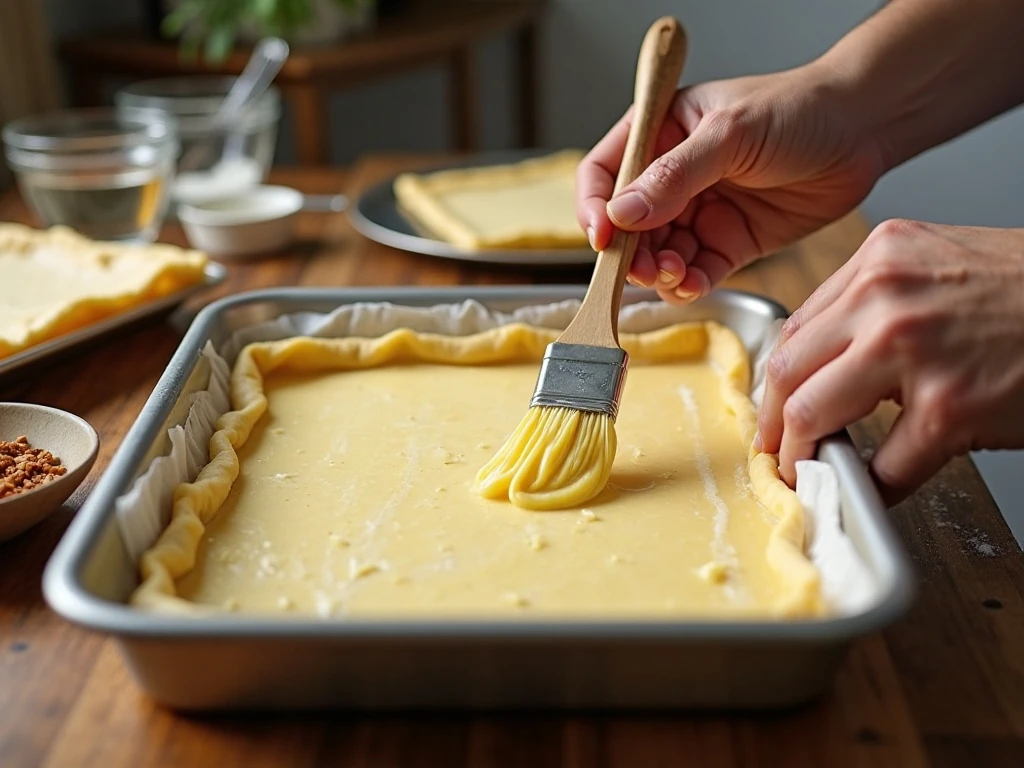
Step 1: Thaw the phyllo in the refrigerator overnight, then let it stand at room temperature for about 30 minutes. Keep the sheets covered with a slightly damp, not wet, kitchen towel while assembling so they do not dry out and crack.
Step 2: Mix the chopped nuts with 1/4 cup granulated sugar, cinnamon, optional cloves, and a pinch of salt. Toss thoroughly so the sugar and spices are dispersed through the nuts instead of collecting in one area.
Step 3: Butter a 9 x 13-inch baking pan and place one sheet of phyllo inside. Brush it lightly with melted butter, then continue layering and buttering about 8 to 10 sheets, working gently and keeping the remaining dough covered.
Step 4: Spread approximately one-third of the nut mixture evenly over the first phyllo section. Add 4 to 6 more phyllo sheets, brushing each with butter, then add another portion of the nuts and repeat the pattern as needed.
Step 5: Finish with 8 to 10 sheets of phyllo, buttering each one and giving the top a final light coating. Tuck or trim any especially large edges so the surface sits neatly in the pan.
Step 6: Use a sharp knife to cut the baklava into diamonds or squares before it goes into the oven. Make deliberate cuts through the layers, but do not press down hard enough to compact the delicate pastry.
Step 7: Bake at 350°F (175°C) for 50 to 60 minutes. The baklava should be deeply golden brown and crisp; if the top colors too quickly, loosely cover it with foil during the final part of baking.
Step 8: While the pastry bakes, combine 1 cup sugar, 3/4 cup water, 1/2 cup honey, and 1 tablespoon lemon juice in a saucepan. Add the optional lemon peel, cinnamon stick, and whole cloves, bring to a boil while stirring until the sugar dissolves, then simmer for about 5 minutes.
Step 9: Remove the spices from the syrup and let it cool slightly. Pour the warm or cooled syrup slowly over the hot baklava as soon as it comes from the oven, directing it along the cuts and edges so it reaches the center.
Step 10: Leave the pan uncovered at room temperature for at least 4 hours, with overnight resting preferred. The syrup will gradually soak into the layers while the pastry settles into clean, sturdy portions.
Pro Tips for Crisp, Flavorful Baklava
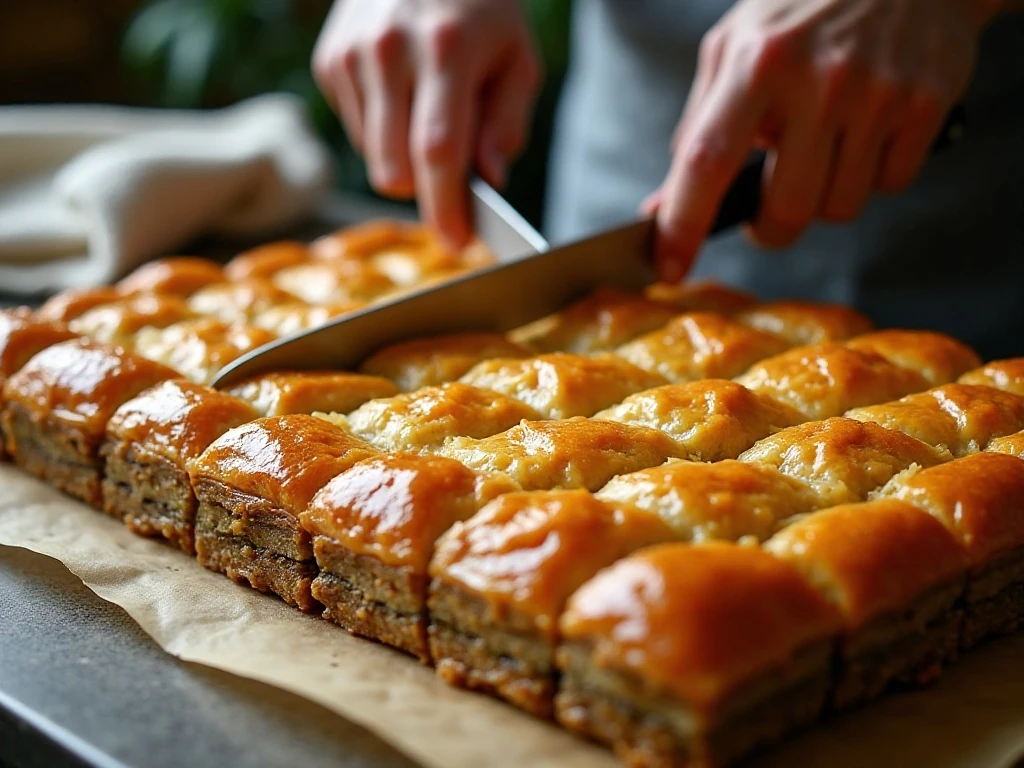
The biggest phyllo mistake is allowing the sheets to dry while assembling. A slightly damp towel keeps them flexible, but a wet towel can make them sticky, so wring it out well before placing it over the dough.
Brush each sheet lightly rather than flooding it with butter. Too much butter can make the layers heavy and greasy, while too little prevents the pastry from becoming richly browned and crisp.
Do not judge doneness by the clock alone. Baklava should be deeply browned before the syrup is added; pale pastry tends to soften excessively and may taste greasy after soaking.
Using hot pastry and cool or room-temperature syrup is the standard technique. The difference in temperature helps the syrup enter the layers while preserving more of the pastry’s crisp character.
Cutting before baking is more than a presentation trick. It creates channels for the syrup and makes it easier to portion the finished dessert without breaking the top layers.
For a savory contrast on a larger buffet, you could also serve crisp half-sour pickles alongside other rich and sweet bites.
Choosing Nuts and Flavor Variations
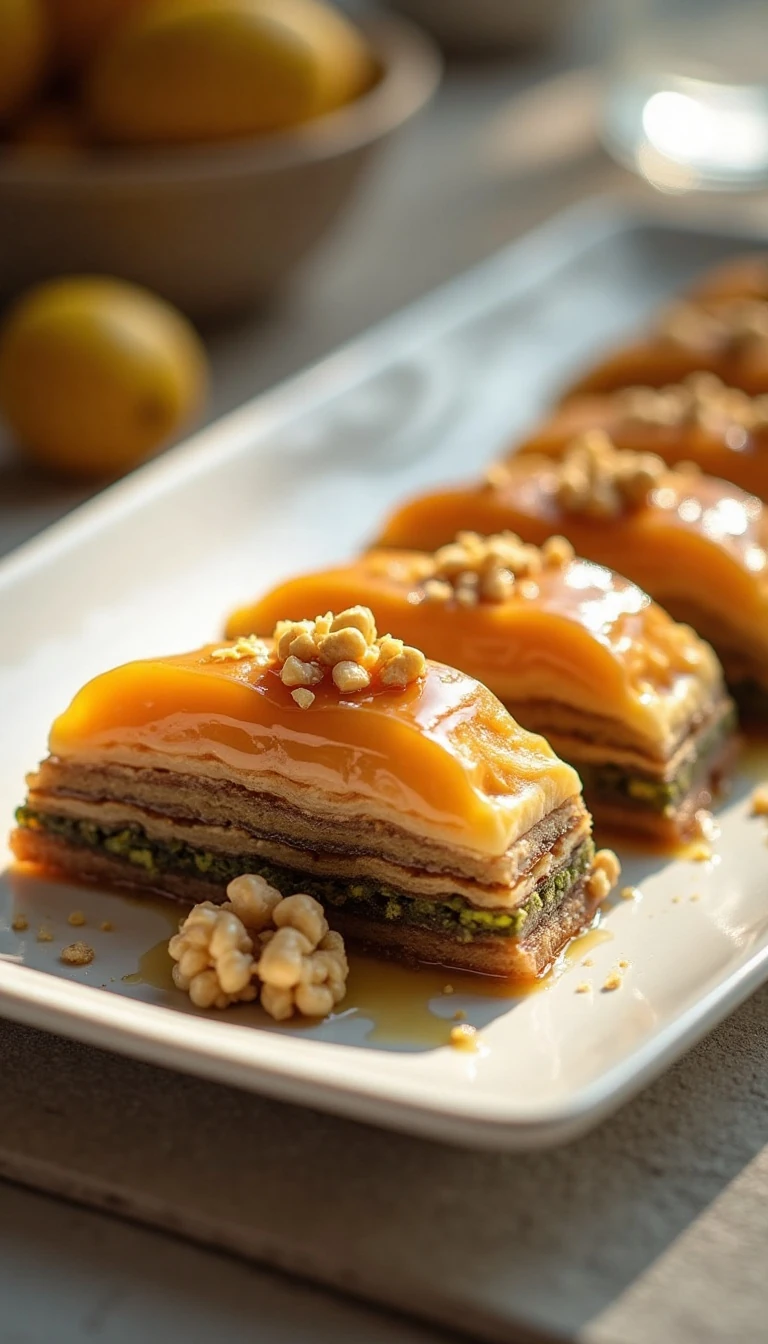
Walnuts are the most common choice for a Greek-style baklava and bring a robust flavor that pairs naturally with cinnamon. Pistachios provide a beautiful green color and a more distinctive, buttery taste, while almonds add a firm, mildly sweet crunch.
You can use one nut exclusively or combine two or three varieties, as long as the total remains about 3 cups. Finely chopping the nuts helps the filling spread evenly and prevents oversized pieces from tearing the phyllo.
The syrup can remain gently lemon-scented or become more warmly spiced with a cinnamon stick and whole cloves. Honey supplies floral sweetness and a fuller finish, while lemon juice keeps the syrup from tasting flat.
For a festive drink pairing, a tart cocktail such as this spicy apple margarita can cut through the dessert’s buttery richness.
Storage, Serving, and Presentation
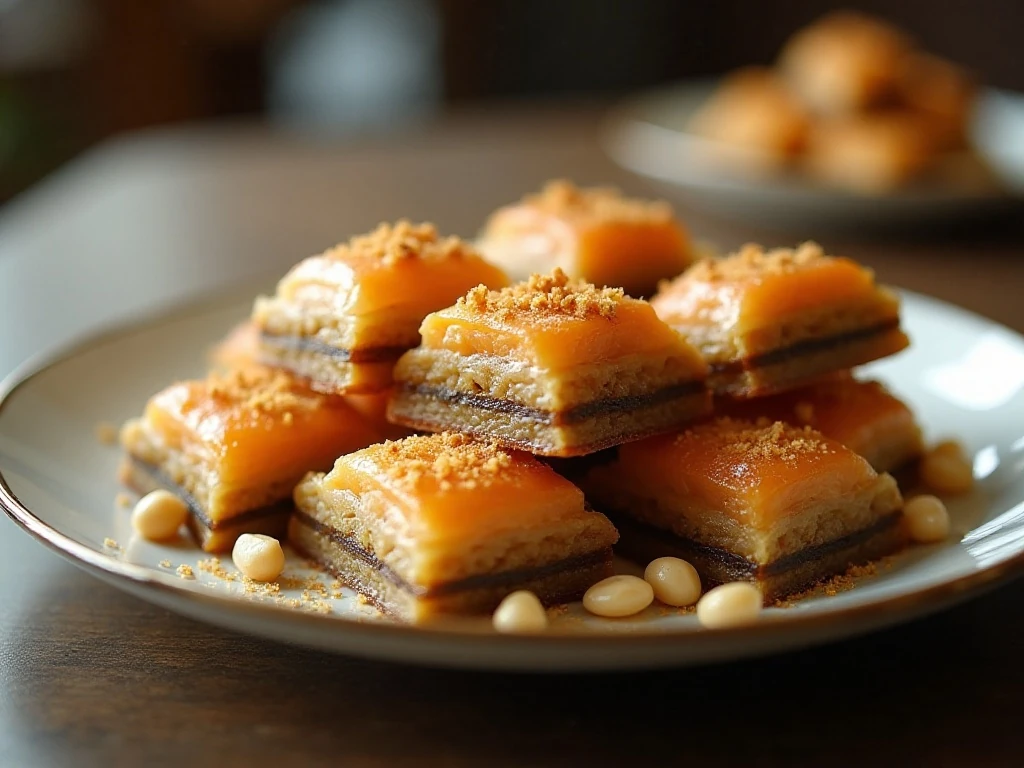
Allow the baklava to rest uncovered at room temperature for at least four hours before serving. Overnight is even better because the syrup has more time to distribute through the layers and the cuts become easier to separate.
Store it at room temperature, lightly covered if needed, and avoid refrigeration unless necessary. Cold storage can soften the phyllo and reduce the crisp texture that makes freshly baked baklava so appealing.
Serve individual diamonds or squares on a platter, using the pre-baked cuts as guides. The dessert needs no elaborate garnish, although a few finely chopped pistachios can add color if they are already part of your chosen nut mixture.
For a lighter, creamy option on the same dessert table, consider our bright orange fluff for a cool contrast to the warm spices and honey.
Common Baklava Questions
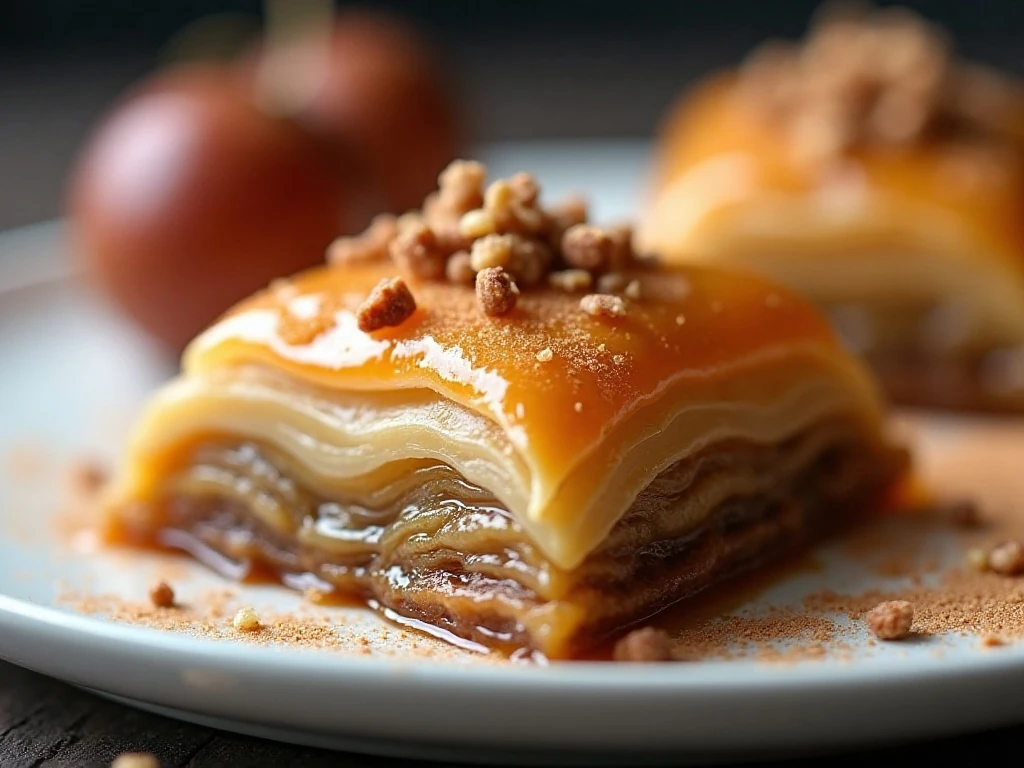
Can I use only walnuts? Yes. Walnuts are a classic and especially common in Greek-style baklava, so an all-walnut filling delivers a traditional flavor.
Why cut the baklava before baking? Pre-cutting helps the syrup reach the interior and makes serving much cleaner. It also avoids crushing the crisp top after the pastry has baked.
Should the syrup be cold? It can be cooled or warm, but it should not be the same temperature as the pastry. Hot baklava with cool or room-temperature syrup is the usual approach.
Can I replace butter with oil? Butter is traditionally brushed between the phyllo sheets. Oil changes the flavor and texture, so use melted unsalted butter for the classic result.
Why is my baklava soft? Common causes include underbaking, adding too much syrup too quickly, or refrigerating the finished pastry. Bake until deeply golden and pour the syrup slowly along the cuts and edges.
Authentic Baklava: A Classic Recipe with Rich Flavor
Ingredients
Method
- Thaw the phyllo in the refrigerator overnight, then let it stand at room temperature for about 30 minutes. Keep the opened sheets covered with a slightly damp kitchen towel while you work.
- Combine the finely chopped nuts, 1/4 cup granulated sugar, cinnamon, optional ground cloves, and salt in a bowl. Stir until the spices are evenly distributed.
- Butter a 9 x 13-inch baking pan. Place one phyllo sheet in the pan, brush it lightly with melted butter, and repeat with about 8 to 10 sheets.
- Spread approximately one-third of the nut mixture over the phyllo. Add 4 to 6 more buttered sheets, then add another layer of nuts, repeating as needed and finishing with 8 to 10 buttered sheets.
- Cut the assembled baklava into diamonds or squares with a sharp knife before baking. Cut through the layers without pressing down heavily and crushing the phyllo.
- Bake at 350°F (175°C) for 50 to 60 minutes, until deeply golden brown and crisp. If the top browns too quickly, loosely cover it with foil during the final part of baking.
- Combine the syrup sugar, water, honey, lemon juice, and optional spices in a saucepan. Bring the mixture to a boil while stirring until the sugar dissolves, then reduce the heat and simmer for about 5 minutes.
- Remove the spices from the syrup and cool it slightly. Pour the warm or cooled syrup slowly over the hot baklava as soon as it leaves the oven, focusing on the cuts and edges.
- Leave the baklava uncovered at room temperature for at least 4 hours, preferably overnight. This resting time allows the syrup to absorb and the layers to set.
Notes
Final Thoughts
This classic baklava brings together everything a memorable pastry should offer: crisp phyllo, fragrant nuts, warm spice, buttery richness, and a bright honey-lemon syrup. The process rewards patience, especially during the long resting period when the layers absorb flavor and settle into perfect portions.
Keep the phyllo covered, butter lightly, bake until deeply golden, and add the syrup slowly while the pastry is hot. Follow those key steps and you will have a generous 9 x 13-inch pan of golden baklava ready for holidays, dinner parties, coffee service, or any occasion that calls for a truly special dessert.