The best classic basil pesto is made by pulsing fresh basil, pine nuts, garlic, Parmesan, olive oil, and salt until the mixture is finely chopped but still lightly textured. This traditional pesto alla Genovese takes about 10 minutes to prepare, makes approximately 1 cup, and provides enough sauce for about 12 ounces of pasta or four servings.
Expect a bright, herbaceous sauce with sweet basil, nutty pine nuts, savory cheese, gentle garlic, and fruity extra-virgin olive oil in every spoonful. This complete guide explains how to make pesto, how to keep it brilliantly green, the best ways to use it, and how to refrigerate or freeze it for later.
Jump to RecipeWhy You’ll Love This Recipe
Classic basil pesto is one of the fastest sauces you can make, yet its flavor tastes carefully crafted. Fresh basil supplies a sweet, peppery fragrance, while pine nuts add a soft nuttiness and Parmesan gives the sauce its salty, savory depth.
The food processor makes this recipe practical for a weeknight, but the method still respects the traditional character of pesto. Pulsing instead of continuously puréeing keeps the basil from becoming overly smooth, warm, or dull.
One batch does far more than dress a bowl of pasta. Spoon it over roasted vegetables, spread it inside sandwiches, swirl it into soup, or serve it with warm crusty bread for an instant appetizer.
If you enjoy making flavorful pantry-friendly toppings, you may also like this pesto butter recipe, which turns the same fragrant combination of basil, garlic, cheese, and oil into a spreadable finish.
Ingredients You’ll Need
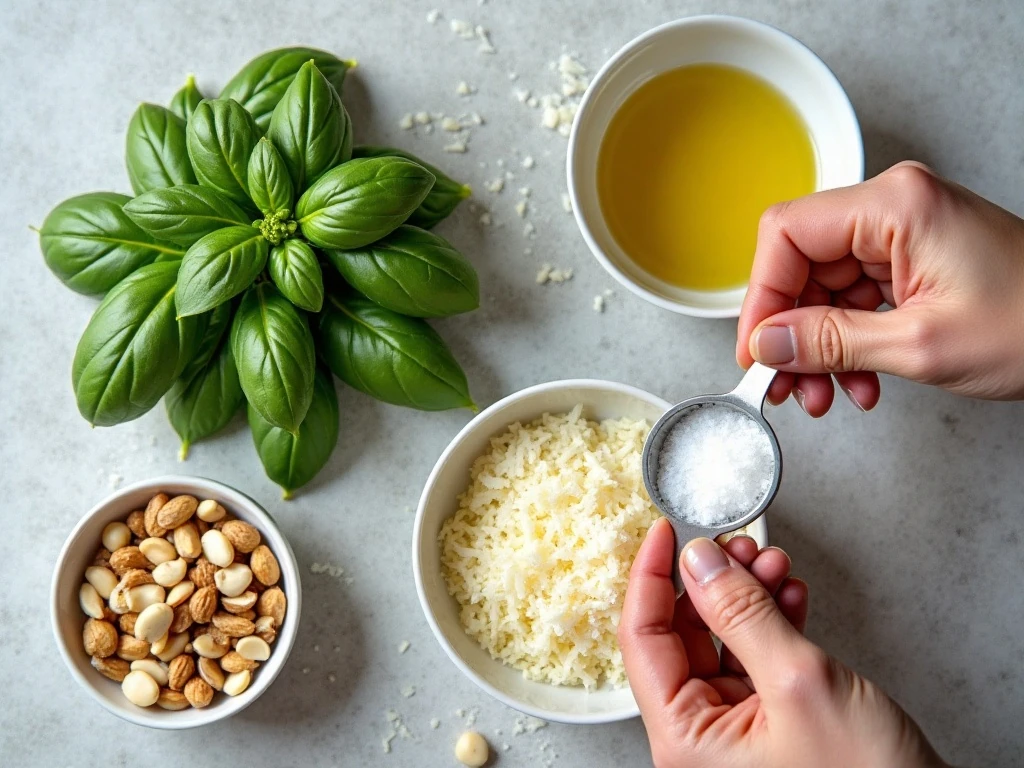
Use the freshest basil you can find, preferably leaves that are vivid green and free from dark spots. Two packed cups provide the correct basil-to-oil balance for approximately one cup of finished pesto.
- Fresh basil: 2 packed cups, about 60 g, washed and thoroughly dried.
- Pine nuts: 1/3 cup, about 45 g, for a creamy, buttery nut flavor.
- Garlic: 2 roughly chopped cloves for a warm savory bite.
- Parmesan: 1/2 cup finely grated, about 45-50 g.
- Extra-virgin olive oil: 1/2 cup, or 120 ml.
- Kosher salt: 1/2 teaspoon, adjusted to taste.
- Optional Pecorino Romano: 1-2 tablespoons, replacing part of the Parmesan for a sharper finish.
Finely grating the cheese helps it blend easily after processing. A block of Parmesan grated at home usually gives better flavor and a softer texture than pre-shredded cheese.
Toasting the pine nuts is optional. It adds a deeper roasted note, but always cool the nuts completely before adding them so they do not warm the basil or loosen the sauce.
How to Make It Step-by-Step
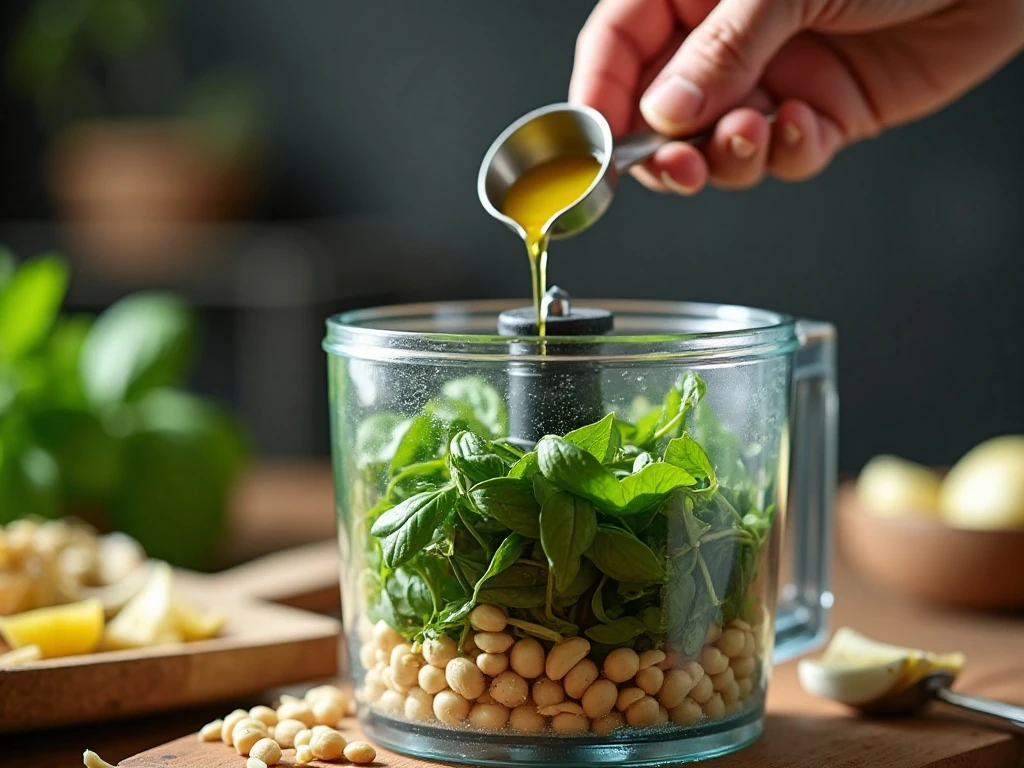
Step 1: Wash the basil leaves under cool water, then dry them very thoroughly with a salad spinner or clean kitchen towels. Excess water can make the pesto thin and dilute its fresh flavor, so take time to remove as much moisture as possible.
Step 2: If you want a toastier flavor, place the pine nuts in a dry skillet over medium-low heat. Cook until lightly golden, shaking the skillet often so they do not scorch, then transfer them to a plate and let them cool completely.
Step 3: Put the roughly chopped garlic, pine nuts, and kosher salt into a food processor. Pulse several times until the mixture is coarsely chopped, stopping before it becomes a smooth paste.
Step 4: Add the dry basil leaves to the processor. Pulse repeatedly, scraping down the sides as needed, until the basil is finely chopped and evenly distributed with the garlic and pine nuts.
Step 5: Turn the processor on and slowly drizzle in the extra-virgin olive oil. Continue only until the ingredients come together; a little texture is desirable and gives the pesto a fresh, homemade character.
Step 6: Scrape the pesto into a bowl and stir in the finely grated Parmesan by hand. Taste it carefully, then adjust with additional salt or a small amount of olive oil if the mixture seems too thick.
Step 7: If serving with pasta, reserve a few tablespoons of the hot pasta water before draining the noodles. Stir that water into the pesto to loosen it, then toss the sauce with the cooked pasta off the heat rather than cooking the pesto directly in a hot pan.
How to Keep Pesto Bright Green
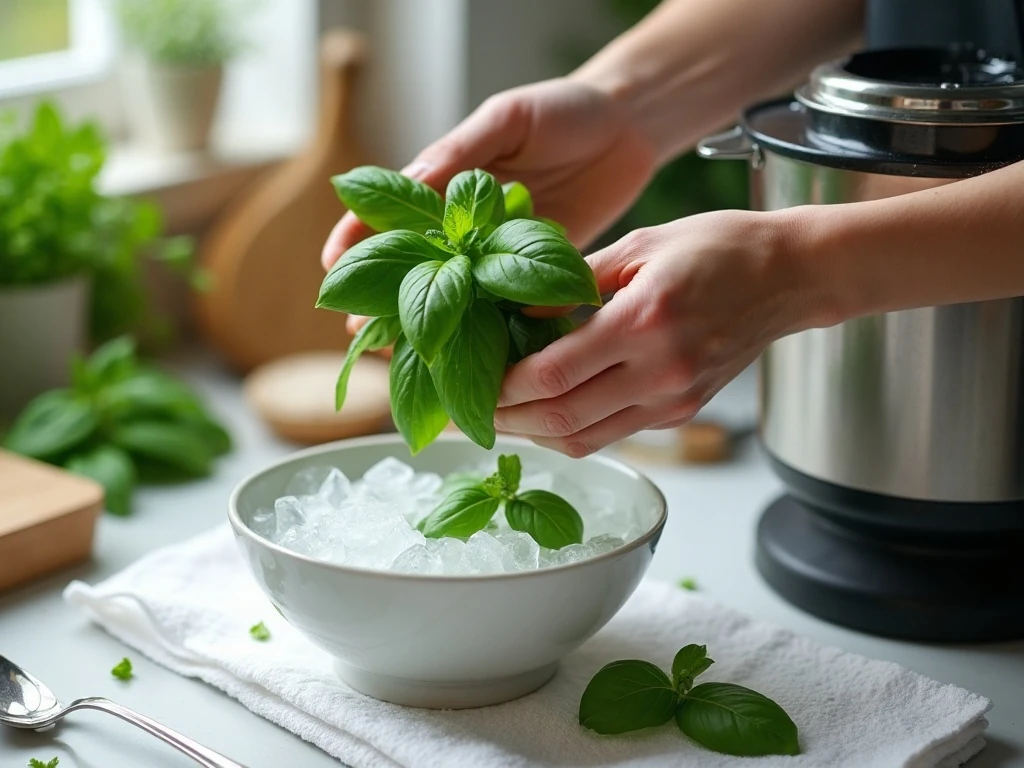
Raw basil produces the most traditional pesto flavor, but basil can darken when exposed to air, heat, or excess handling. Thorough drying and short pulses are the simplest ways to protect its color and aroma.
For a brighter green result, blanch the basil leaves briefly for about 5-10 seconds. Transfer them immediately to ice water, then dry them extremely well before processing.
Blanching is optional rather than essential. If you choose this method, avoid leaving the basil in hot water longer than needed, since overcooking can soften its flavor and make the leaves watery.
Avoid running the food processor continuously for a long time. The motor can warm the mixture, and excessive processing may turn the pesto overly smooth while muting the fresh basil character.
Best Ways to Use Homemade Pesto
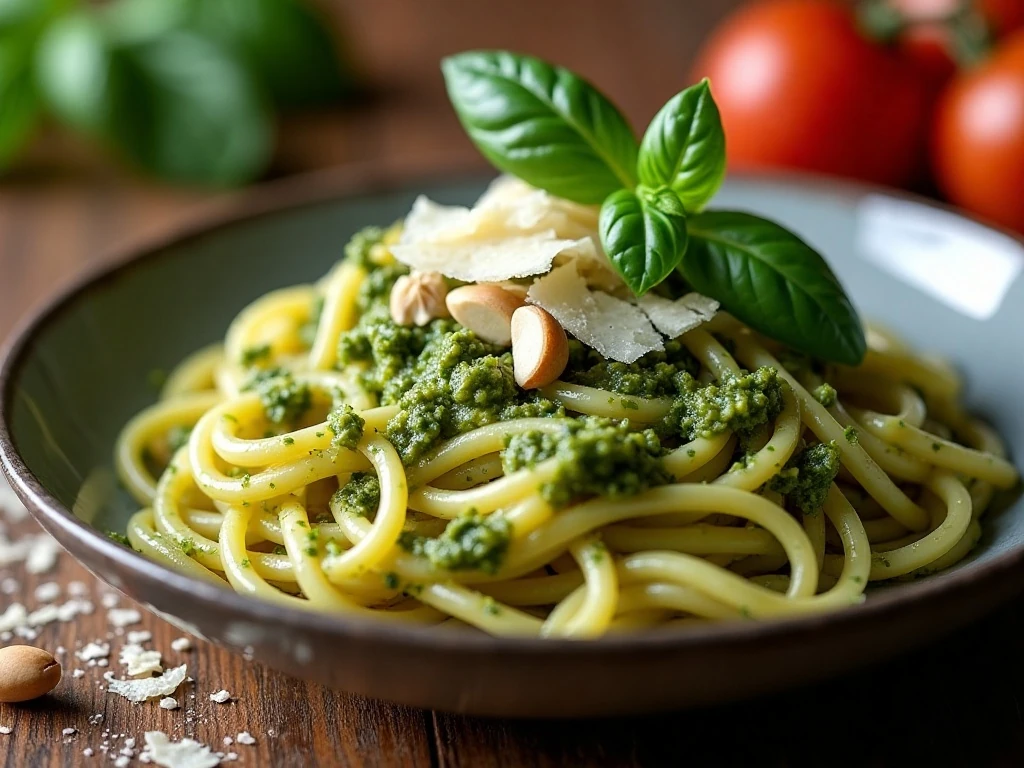
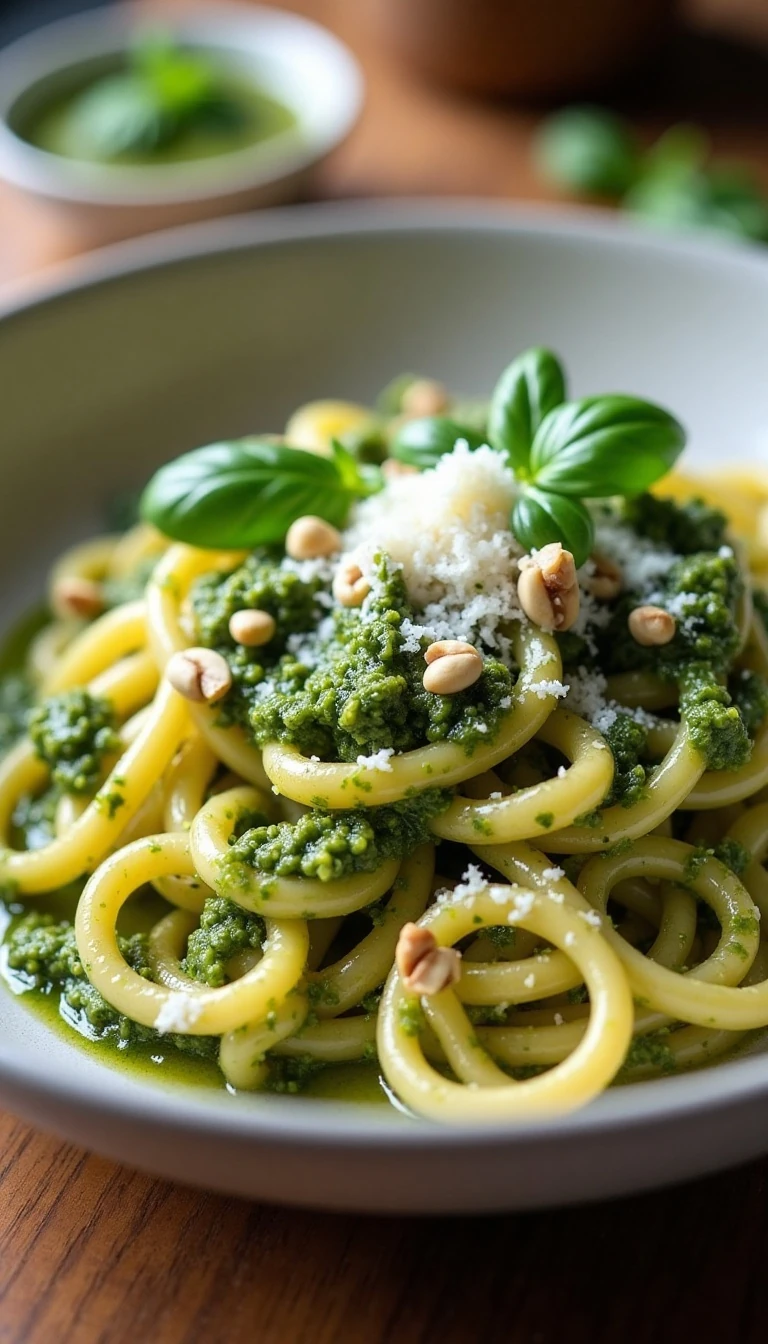
Pasta is the classic choice, and the sauce works especially well with spaghetti, linguine, fusilli, penne, or short ridged shapes that catch the creamy mixture. Remember to thin it with hot pasta water so the pesto coats the noodles without requiring extra oil.
- Spoon it over grilled chicken, fish, shrimp, or roasted vegetables.
- Spread it on sandwiches, wraps, flatbreads, and toasted sourdough.
- Swirl it into tomato soup, white bean soup, or vegetable broth.
- Dot it over scrambled eggs, baked potatoes, or savory breakfast bowls.
- Mix it with mayonnaise, yogurt, or softened cream cheese for a quick dip.
- Use it as a topping for mozzarella, tomatoes, and toasted bread.
For a sweet-and-savory menu, serve pesto-topped toast alongside a breakfast spread that includes this apple French toast breakfast pizza. The basil, cheese, and olive oil provide a fresh contrast to warm fruit and cinnamon.
Pesto also makes a thoughtful finishing touch for entertaining. Place it in a small bowl with vegetables, crackers, and bread, or spoon small portions over individual plates just before serving.
Storage, Freezing, and Serving Tips
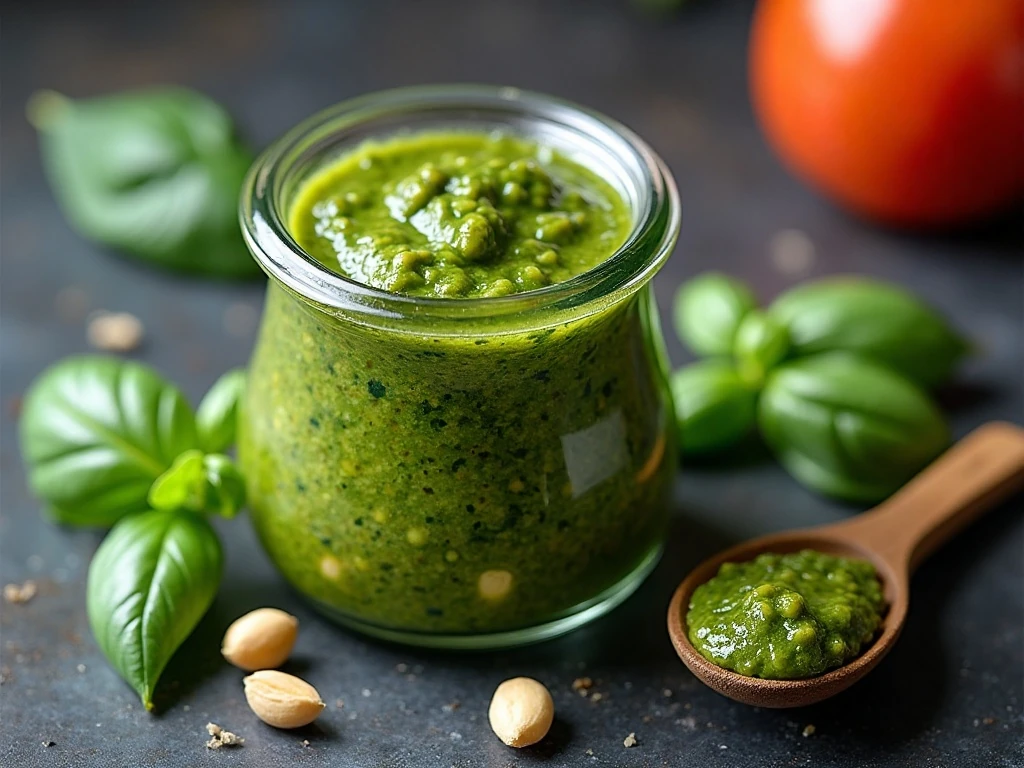
Store homemade pesto in an airtight container in the refrigerator for up to 4-5 days. Press plastic wrap directly onto the surface or pour a thin layer of olive oil over the top to reduce contact with air and help limit browning.
For longer storage, freeze pesto in small portions or ice-cube trays for up to several months. Once frozen, transfer the cubes to a freezer-safe container or bag so you can thaw only what you need.
Thaw frozen pesto in the refrigerator or add a frozen portion to hot drained pasta, allowing the residual heat to soften it gently. Do not fry or boil the pesto over high heat, because intense heat can darken the basil and dull the fresh flavor.
If the refrigerated pesto looks slightly darker on top, stir it well and check its aroma and taste. A fresh batch should smell herbaceous, garlicky, nutty, and pleasantly cheesy.
When planning a dessert menu after a pesto-centered meal, consider these pumpkin cookies for a warmly spiced finish, or try these chewy and spicy oatmeal raisin cookies with coffee.
Chef’s Troubleshooting Guide
If your pesto is too thin, stir in a little more grated Parmesan or add another small handful of basil and pine nuts if you have them available. If it is too thick, add olive oil gradually rather than pouring in a large amount at once.
If the flavor seems flat, taste for salt first. Cheese varies in saltiness, so the correct amount depends on the Parmesan, optional Pecorino Romano, and the salt used in the mixture.
If the garlic tastes too strong, let the pesto rest in the refrigerator for a short time before serving. The flavor will mellow as the ingredients mingle, especially when the sauce is tossed with pasta water.
If the pesto tastes bitter, the olive oil may be strongly flavored or the pine nuts may have been over-toasted. Use a mild, fruity oil next time and remove toasted nuts from the skillet as soon as they turn lightly golden.
For another comforting recipe to serve before or after your pesto dinner, keep this moist pumpkin bread in mind for a cozy seasonal table.
Classic Basil Pesto alla Genovese
Ingredients
Method
- Wash the basil leaves and dry them thoroughly. If desired, toast the pine nuts in a dry skillet over medium-low heat until lightly golden, then cool them completely.
- Add the garlic, pine nuts, and kosher salt to a food processor. Pulse until the ingredients are coarsely chopped.
- Add the basil and pulse repeatedly until it is finely chopped, scraping down the sides of the bowl as needed.
- With the food processor running, slowly drizzle in the olive oil. Stop when the pesto is combined but still has a slightly textured consistency.
- Transfer the pesto to a bowl and stir in the grated Parmesan by hand. Taste and adjust the salt or add a little more olive oil if needed.
- For pasta, loosen the pesto with a few tablespoons of hot pasta water before tossing it with cooked noodles. Do not cook the pesto directly over high heat.
Notes
Final Thoughts
The ultimate pesto is fresh, fragrant, and textured, not overheated or completely smooth. Start with well-dried basil, pulse the ingredients in stages, add the olive oil slowly, and stir in the cheese by hand for the best balance.
In just 10 minutes, you can make approximately one cup of classic pesto alla Genovese, enough for about 12 ounces of pasta or four servings. Keep it chilled for up to 4-5 days, freeze extra portions for several months, and thin it with hot pasta water whenever you want a glossy sauce that clings beautifully to noodles.
Once you taste homemade pesto, it becomes an easy staple for quick lunches, simple dinners, party snacks, and vibrant vegetable dishes. Make a batch, keep the heat gentle, and let the basil remain the star.