This creamy carbonara recipe makes a rich, silky dinner for four in about 25 minutes, using spaghetti or bucatini, guanciale, eggs, Pecorino Romano, black pepper, and starchy pasta water. The authentic method contains no cream: the luxurious sauce comes from carefully emulsifying eggs, cheese, rendered pork fat, and pasta water away from direct heat.
Every bite delivers al dente pasta, savory crisp guanciale, salty Pecorino, and a gentle peppery warmth. If you are cooking for someone who loves comforting Italian meals, you may also enjoy our easy skillet pasta dinner for another satisfying weeknight option.
Jump to RecipeWhy You’ll Love This Recipe
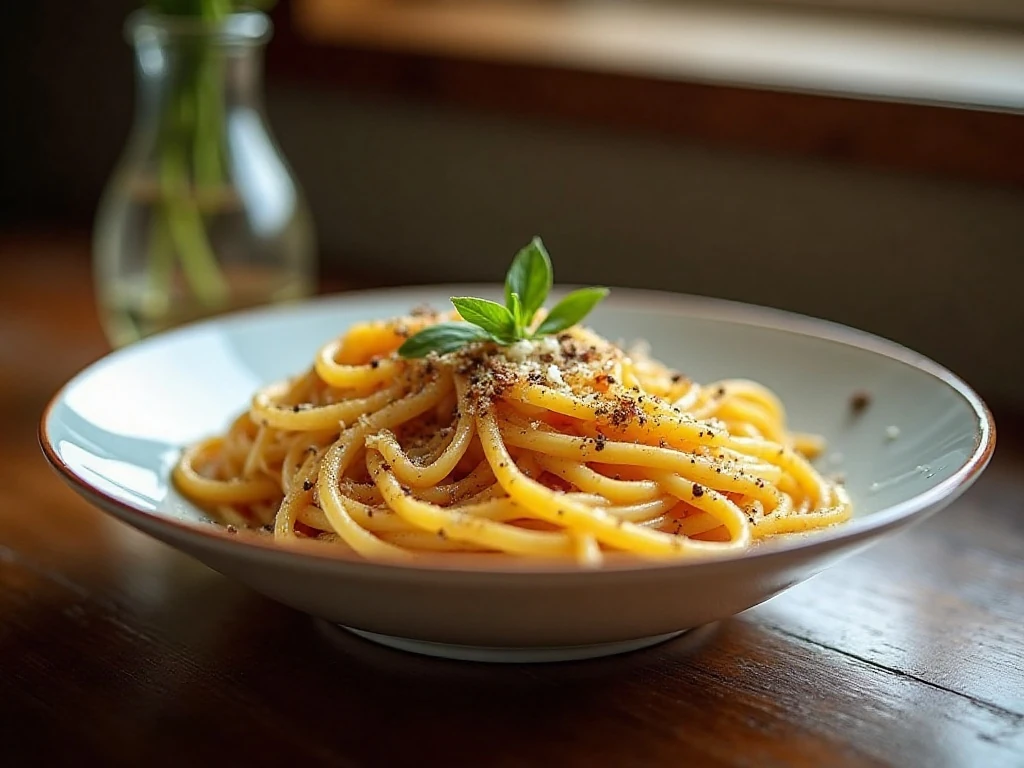
This is the kind of dinner that feels special but does not require a long ingredient list or an afternoon in the kitchen. The preparation takes about 10 minutes, cooking takes about 15 minutes, and the finished meal serves four hungry people.
The texture is the star. Properly mixed carbonara has a smooth, glossy coating that wraps around each strand instead of sitting in a heavy puddle at the bottom of the bowl.
Guanciale brings a deep pork flavor and crisp edges, while Pecorino Romano adds a salty, pleasantly sharp finish. Black pepper cuts through the richness and gives the dish its familiar Roman character.
For another quick egg-centered meal, keep our cheesy omelet idea in mind for breakfast, lunch, or a simple meatless dinner.
Ingredients You’ll Need
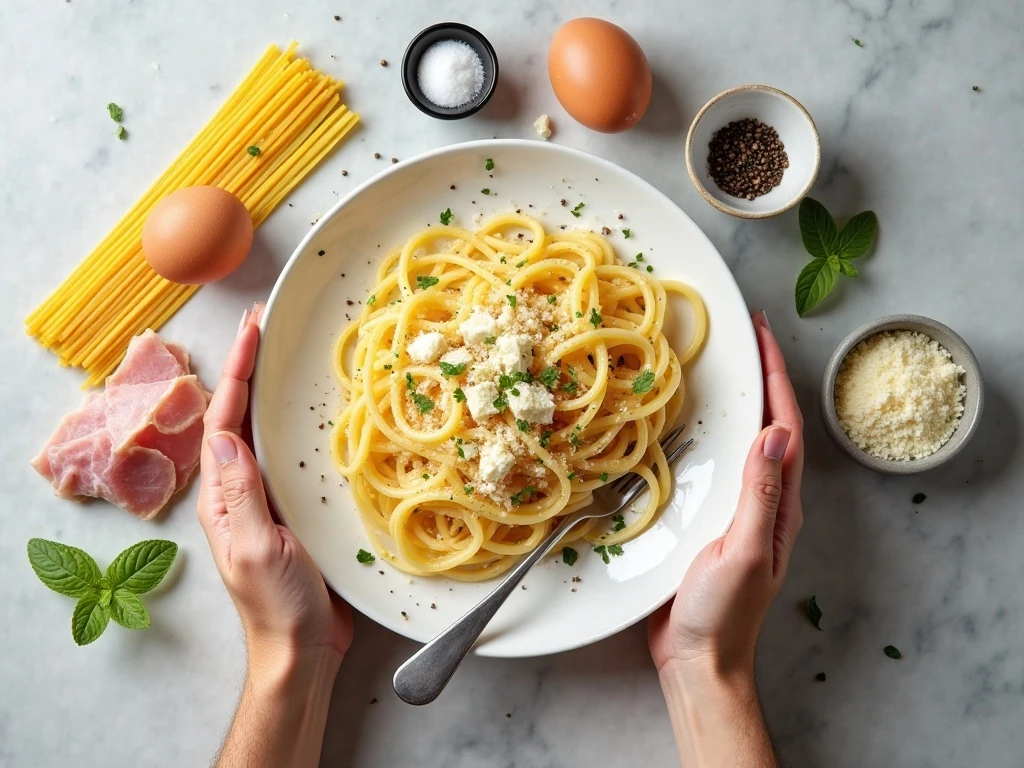
Choose good ingredients because every flavor is easy to notice in a recipe this simple. The amounts below are designed for four servings.
- 400 g spaghetti or bucatini: Spaghetti is classic, while bucatini gives the sauce a hearty, chewy shape to cling to.
- 150 g guanciale: Cut it into small strips or cubes so it browns evenly. Pancetta is the usual substitute, and bacon can be used when necessary, although it is less traditional.
- 4 egg yolks and 2 whole eggs: The yolks provide richness and body, while the whole eggs help create a fluid sauce.
- 100 g finely grated Pecorino Romano: Grate it very finely so it blends smoothly with the eggs rather than forming lumps.
- 1-2 teaspoons freshly ground black pepper: Use less for a gentler flavor or the full amount for a more pronounced peppery finish.
- Salt for the pasta water: Salt moderately because the cured pork and cheese are already salty.
Heavy cream is optional only if you want an extra-creamy variation. Add 60-120 ml if desired, but remember that authentic carbonara traditionally contains no cream.
For dessert after this savory pasta, you could serve a chilled no-bake pineapple pie that can be prepared ahead of time.
How to Make It Step-by-Step
Step 1: Bring a large pot of water to a boil, then salt it moderately. The water should taste pleasantly seasoned, but avoid making it aggressively salty because guanciale and Pecorino Romano will contribute additional salt to the finished sauce.
Step 2: Put the guanciale into a cold, dry skillet and set it over medium-low heat. Starting cold allows the fat to render gradually, so the pork becomes crisp and golden without burning before its flavorful fat has been released.
Step 3: Cook the guanciale for about 6-8 minutes, stirring or turning the pieces occasionally. Once the edges are crisp and the skillet contains a noticeable layer of rendered fat, remove the pan from the heat and leave it nearby.
Step 4: In a bowl, whisk together the four egg yolks, two whole eggs, finely grated Pecorino Romano, and freshly ground black pepper. Continue whisking until the mixture looks thick and smooth, with the cheese evenly distributed throughout.
Step 5: Cook the spaghetti or bucatini in the boiling water until al dente according to the package directions. Before draining, scoop out at least 250 ml of pasta water and keep it within reach, since its starch is essential for adjusting and binding the sauce.
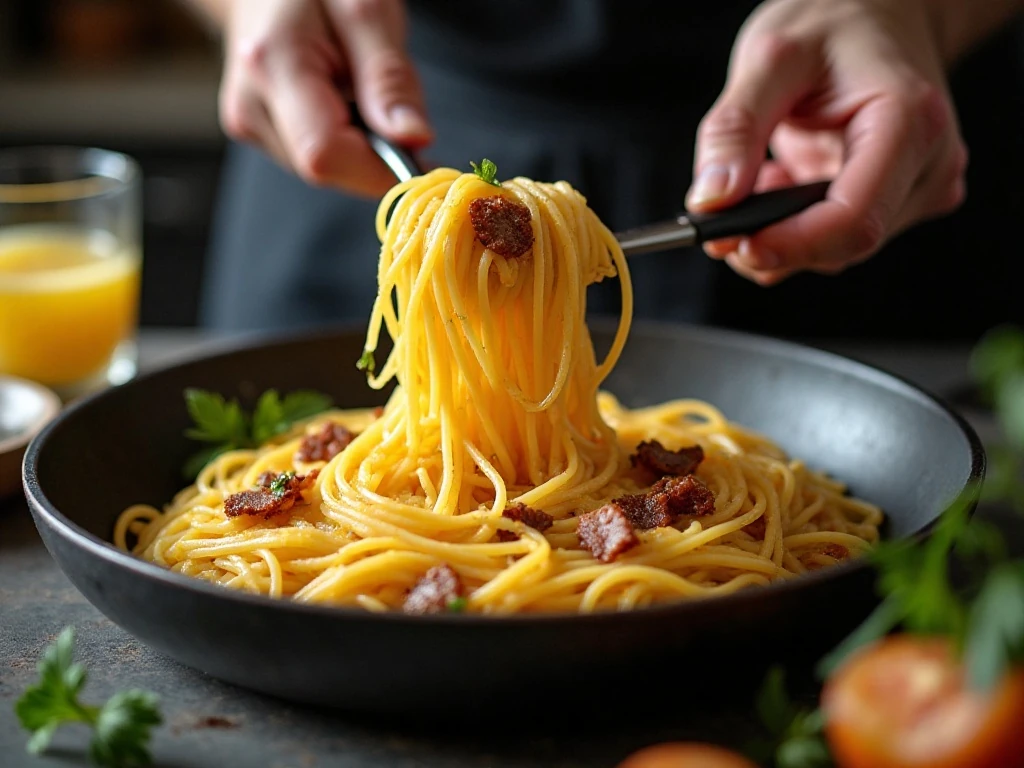
Step 6: Drain the pasta and immediately add it to the skillet with the guanciale and rendered fat. Toss thoroughly to coat the strands, then wait about 30 seconds so the pasta loses a little heat before the eggs are introduced.
Step 7: Add the egg-and-cheese mixture to the pasta while the skillet is off direct heat. Toss vigorously and continuously, allowing the residual heat to gently cook the eggs without scrambling them.
Step 8: Add reserved pasta water one or two tablespoons at a time while tossing. Stop when the sauce is glossy and creamy and clings to the pasta; you may not need all the water, but having extra gives you control over the consistency.
Step 9: Divide the carbonara among four bowls and finish with extra Pecorino Romano and black pepper. Serve immediately, because the sauce thickens as it stands and is most silky while hot.
Chef’s Tips for Silky Carbonara
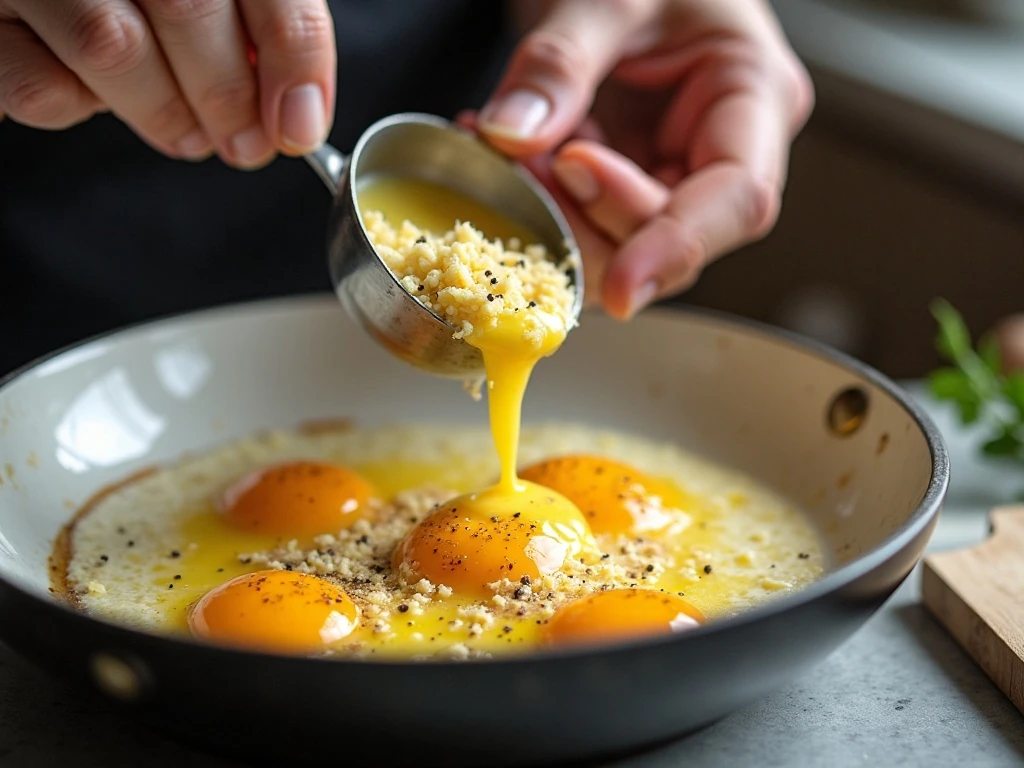
The most important technique is heat control. Eggs can turn from creamy to scrambled quickly, so always remove the skillet from direct heat before adding the egg mixture and let the pasta cool briefly.
Finely grated cheese matters more than many cooks expect. Large shreds do not melt into the eggs as evenly, but a powder-fine grate blends into a smooth paste that coats the pasta more consistently.
Do not rinse the pasta after draining. The starch on the surface helps the rendered pork fat, eggs, cheese, and pasta water come together into the characteristic creamy sauce.
Keep the tossing motion active. Carbonara is not a sauce that should simply be poured over pasta; vigorous mixing distributes heat and encourages the ingredients to emulsify.
- Use a large skillet so the pasta has room to move.
- Reserve more pasta water than you think you will need.
- Taste before adding extra salt, since the cheese and guanciale are already seasoned.
- Serve in warmed bowls if possible to help the sauce remain fluid.
If you are planning a comforting Italian-inspired menu, our skillet lasagna recipe is another useful option for a cozy family meal.
Authentic Carbonara or Extra-Creamy Variation?
Traditional carbonara uses no cream. Its creamy consistency is produced by the emulsion of egg, Pecorino Romano, rendered guanciale fat, and starchy pasta water, which is why the mixing technique is more important than adding dairy.
If you prefer a softer, richer variation, add 60-120 ml heavy cream to the egg-and-cheese mixture before it goes into the pasta. This is not the classic Roman method, but it can be useful when cooking for guests who prefer a particularly mild and creamy sauce.
For a gentler cheese profile, replace some or all of the Pecorino with Parmesan, or use a 50:50 Pecorino-Parmesan blend. Guanciale remains the most traditional pork choice, pancetta is the usual substitute, and bacon is less traditional but workable when that is what you have.
After dinner, a slice of pineapple lush cake offers a cool, sweet contrast to the salty pasta.
Serving, Storage, and Reheating
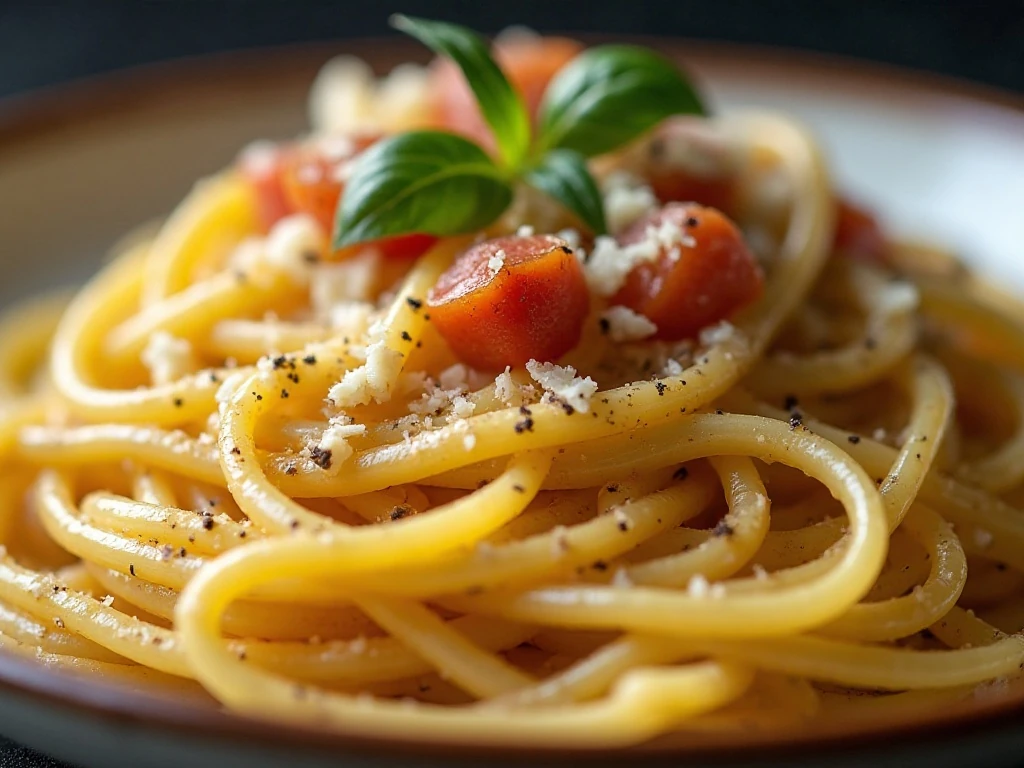
Carbonara should be served immediately, topped with extra Pecorino and black pepper. A simple green salad or lightly dressed vegetables can balance the richness without competing with the pasta.
Leftovers can be refrigerated in an airtight container, but the sauce will firm up as it cools. For the best texture, make only what you plan to eat, since reheating egg-based sauce can cause it to become thick or grainy.
If you do have leftovers, warm them gently in a skillet over low heat with a small splash of water. Toss often and avoid high heat, which can scramble the remaining egg mixture.
For a sweet homemade treat to keep alongside your meal planning, try our homemade almond candy.
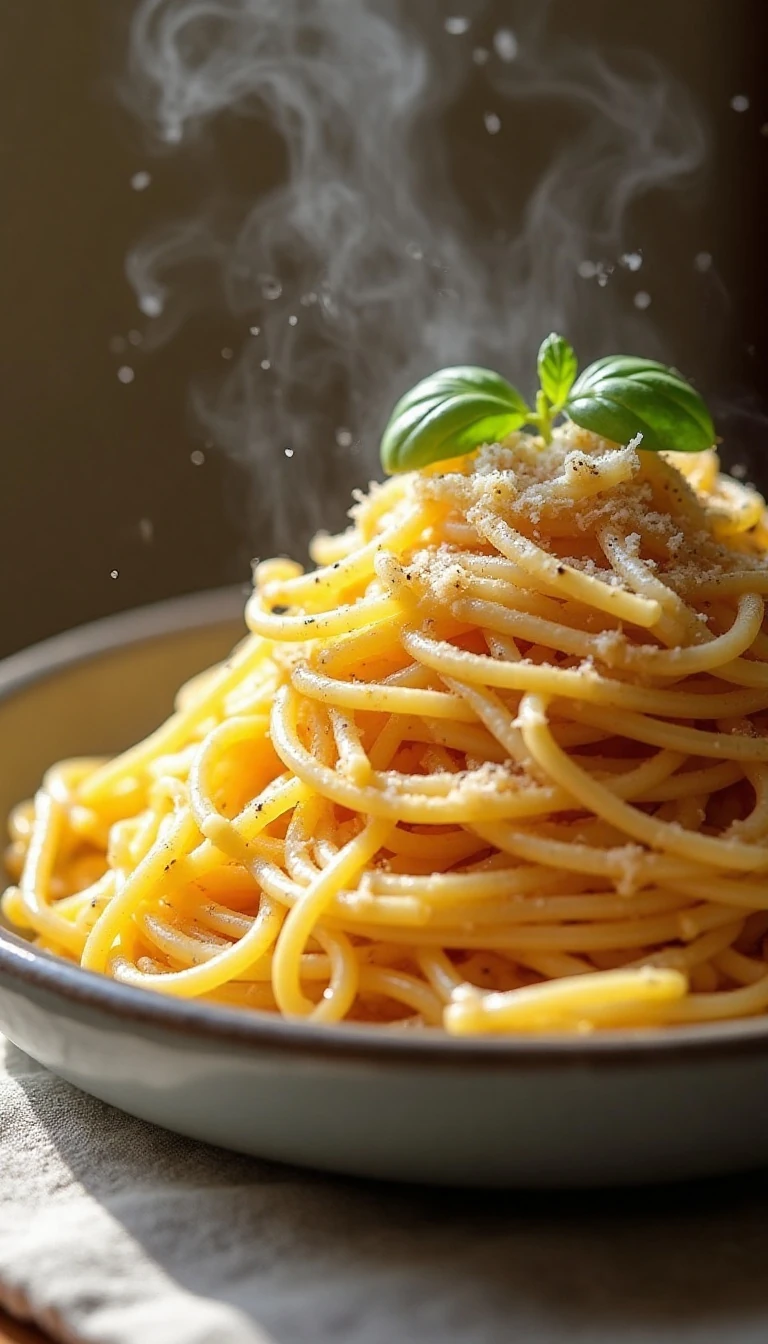
Creamy Carbonara Recipe
Ingredients
Method
- Bring a large pot of water to a boil and salt it moderately, remembering that guanciale and Pecorino Romano already provide plenty of salt.
- Place the guanciale in a cold, dry skillet over medium-low heat. Cook for 6-8 minutes, turning occasionally, until the fat renders and the pieces become crisp, then remove the skillet from the heat.
- Whisk the egg yolks, whole eggs, finely grated Pecorino Romano, and black pepper in a bowl until the mixture is thick and smooth.
- Cook the pasta until al dente according to the package directions. Before draining, reserve at least 250 ml of the starchy pasta water.
- Add the drained pasta to the skillet with the guanciale and toss well so the strands are coated with the rendered fat. Let the pasta cool for about 30 seconds before adding the egg mixture.
- Add the egg-and-cheese mixture and toss vigorously away from direct heat. Add reserved pasta water a tablespoon or two at a time until the sauce becomes glossy, creamy, and loose enough to coat the pasta.
- Serve immediately with extra Pecorino Romano and freshly ground black pepper. Carbonara is at its best straight from the skillet while the sauce is warm and fluid.
Notes
Final Thoughts
This creamy carbonara recipe proves that a short ingredient list can produce an exceptionally satisfying meal. With 400 g of pasta, 150 g of guanciale, eggs, Pecorino Romano, pepper, and reserved pasta water, you can bring a glossy bowl of authentic-style comfort to the table in about 25 minutes.
Remember the three details that make the difference: start the guanciale in a cold pan, grate the cheese finely, and keep the skillet off direct heat when the egg mixture is added. Toss with patience and use pasta water gradually until the sauce looks silky rather than watery.
Make it for a relaxed weeknight dinner, a casual gathering, or any evening when you want restaurant-style pasta without complicated preparation. Serve it at once, add plenty of fresh pepper, and enjoy every creamy, savory bite.