This easy butterscotch pie recipe features a baked 9-inch pastry shell filled with creamy stovetop brown-sugar custard. The filling comes together in one saucepan with brown sugar, flour, whole milk, egg yolks, butter, and vanilla, then chills for at least 3 hours until sliceable.
Every bite has a mellow caramel-like flavor, silky pudding texture, and buttery finish tucked into a crisp pastry crust. Add a cloud of whipped cream just before serving for a traditional dessert that is simple enough for a weekend treat and special enough for a holiday table.
Jump to RecipeWhy You’ll Love This Recipe
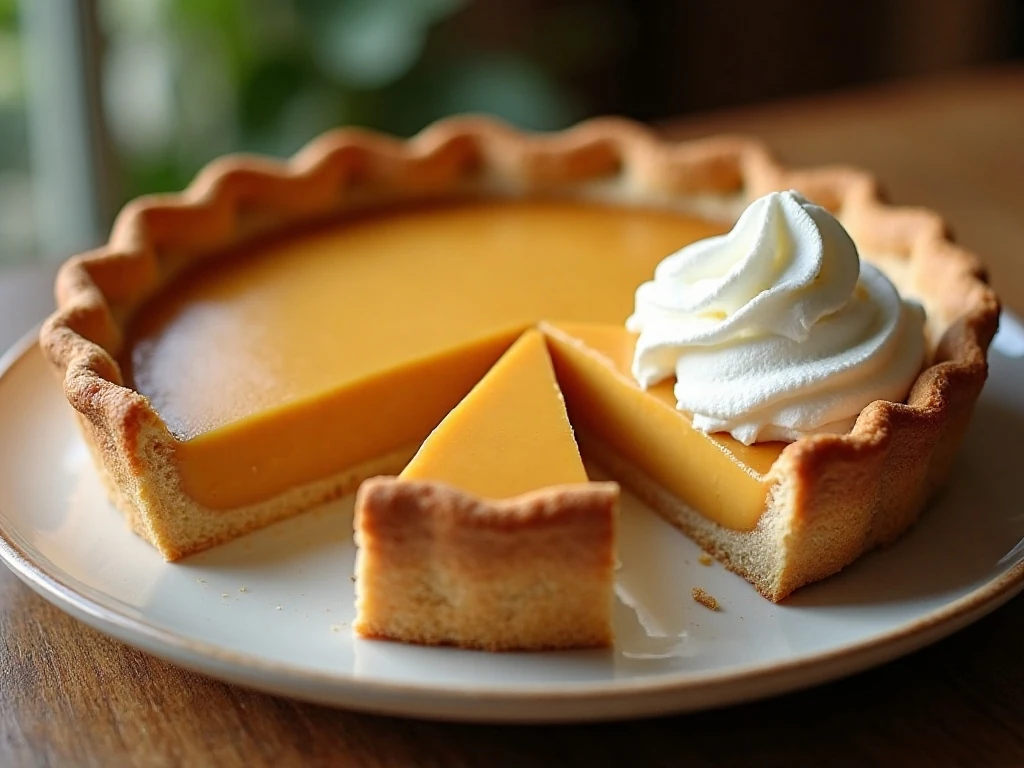
This pie delivers the comfort of homemade pudding in a beautiful pastry shell, without requiring a candy thermometer or complicated caramel technique. The brown sugar supplies the characteristic butterscotch taste, while egg yolks and butter create a custard that feels rich and tender on the tongue.
The method is also forgiving when you pay attention to temperature. The flour helps thicken the milk mixture, and tempering the yolks protects them from sudden heat so the finished filling stays creamy instead of curdled.
It is a wonderful choice when you want a make-ahead dessert. The pie needs at least 3 hours to chill, and an overnight rest makes the custard even easier to slice the next day.
If you enjoy creative pie night ideas, you can also browse this savory taco pie idea for a completely different take on a baked pie.
Ingredients You’ll Need
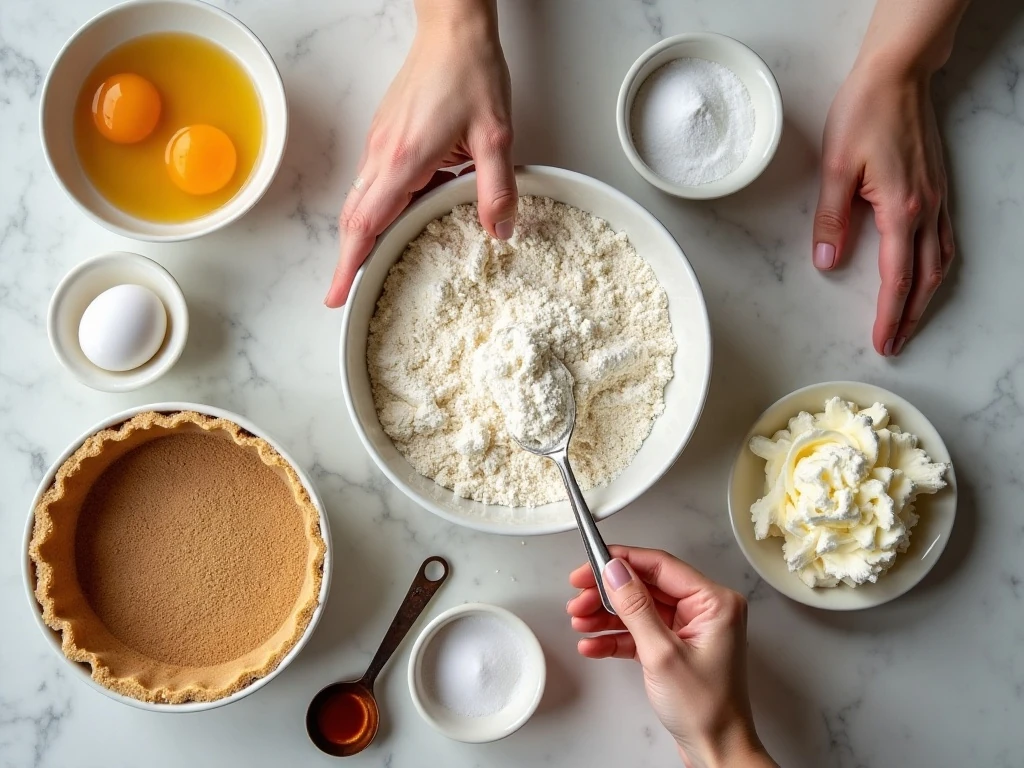
The ingredient list is short, but each component has an important job. Measure everything before you begin, because the custard thickens quickly once it reaches a gentle boil.
- Pie crust: Use one 9-inch crust. Blind-bake it if your package or recipe calls for that step; otherwise, use a fully baked and cooled crust.
- Brown sugar: Firmly packed light or dark brown sugar sweetens the custard and gives it a warm molasses note. Dark brown sugar creates a deeper butterscotch flavor.
- Flour and salt: All-purpose flour thickens the filling, while salt keeps the sweetness balanced.
- Whole milk: Whole milk gives the custard a full, creamy texture and helps the filling set properly.
- Egg yolks: Three large yolks add richness, color, and a soft custard texture.
- Butter and vanilla: Stir in unsalted butter and vanilla after cooking for a smooth, fragrant finish.
- Whipped cream: This optional topping adds lightness and makes each slice look especially inviting.
If you prefer making your own pastry, our easy pie crust guide is a useful companion for the shell.
How to Make It Step-by-Step
Step 1: Prepare the crust before starting the filling. Prick the bottom of the 9-inch pastry shell, line it with parchment and pie weights, and bake at 425°F for 12–15 minutes if blind-baking is required; remove the weights and let the crust cool completely.
Step 2: Build the dry base in a medium saucepan by whisking together the brown sugar, flour, and salt. Breaking up any visible flour pockets now makes it easier to create a smooth filling once the milk is added.
Step 3: Gradually whisk in the whole milk rather than pouring it in all at once. Keep whisking until the mixture looks evenly blended and no dry flour remains around the edges or bottom of the pan.
Step 4: Place the saucepan over medium heat and whisk frequently as the mixture warms. Once it becomes thick and reaches a gentle boil, continue cooking for about 1 minute, but do not keep it boiling longer than necessary.
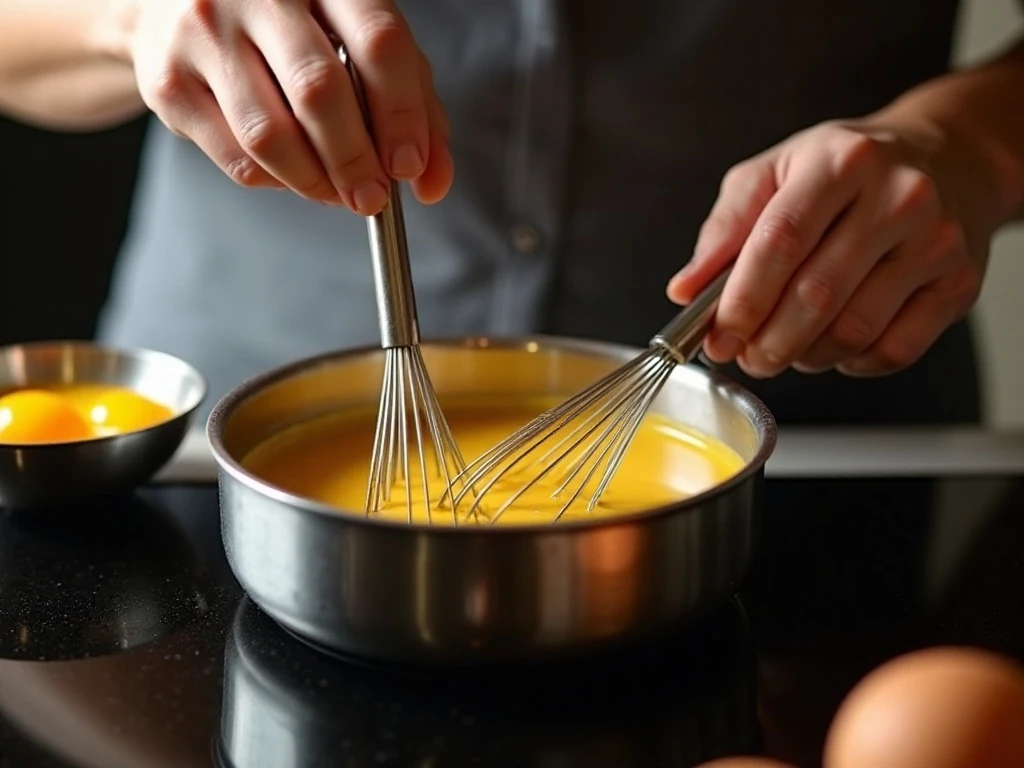
Step 5: While the milk mixture heats, whisk the three egg yolks in a separate bowl. Slowly add about 1 cup of the hot mixture to the yolks while whisking constantly, allowing the yolks to warm gradually instead of scrambling.
Step 6: Pour the tempered yolk mixture back into the saucepan. Reduce the heat to medium-low and cook for 1–2 minutes, stirring constantly; the custard should be thick, glossy, and hot, but it should not boil vigorously.
Step 7: Remove the pan from the heat and immediately stir in the unsalted butter and vanilla extract. Continue stirring until the butter melts completely and the filling looks uniform.
Step 8: If you want an especially smooth pie, pass the finished custard through a fine-mesh sieve into a bowl or measuring jug. This catches any tiny cooked bits before they reach the crust.
Step 9: Pour the warm custard into the cooled pastry shell and smooth the top gently. Press plastic wrap directly against the surface, then refrigerate the pie for at least 3 hours, preferably 4 hours or overnight.
Step 10: Remove the plastic wrap when you are ready to serve and add whipped cream if desired. Slice the pie cold with a sharp knife, wiping the blade between cuts for clean edges.
Pro Tips for Silky Butterscotch Custard

The most important technique is tempering. Hot custard added directly to cool yolks can cook them instantly, creating scrambled pieces and lumps, so add the hot mixture slowly while whisking continuously.
Use medium heat for the first cooking stage and medium-low heat after the yolks return to the pan. Gentle, controlled heat gives the flour time to thicken the milk without encouraging the custard to scorch or become grainy.
For a more pronounced butterscotch flavor, choose dark brown sugar. It contains more molasses than light brown sugar, giving the pie a darker color and a fuller caramel note.
Do not prolong the boil in an attempt to make the custard thicker. The filling continues to set as it cools, and excessive cooking can affect its smooth texture.
A fine-mesh sieve is optional but worthwhile when you want a polished result. Straining takes only a moment and removes small lumps that may develop during cooking.
For another comforting dinner pie to serve before dessert, try this chicken pot pie recipe with a savory filling and flaky crust.
Chilling, Storage, and Slicing
Cover the pie with plastic wrap pressed directly onto the custard while it chills. This prevents a skin from forming and keeps the surface soft, glossy, and ready for whipped cream.
Plan on at least 3 hours in the refrigerator, although 4 hours or overnight is preferable for the firmest slices. The pie should be completely cold before cutting; a warm or barely chilled filling may spread across the plate.
Keep leftover pie refrigerated and serve it cold. Add whipped cream to individual slices rather than covering the entire pie if you expect leftovers, since the topping is best when freshly added.
When slicing, use a sharp knife and make one confident cut through the crust and filling. Wiping the blade after each slice helps preserve the attractive layers and keeps brown-sugar custard from smearing.
Serving Ideas and Dessert Pairings
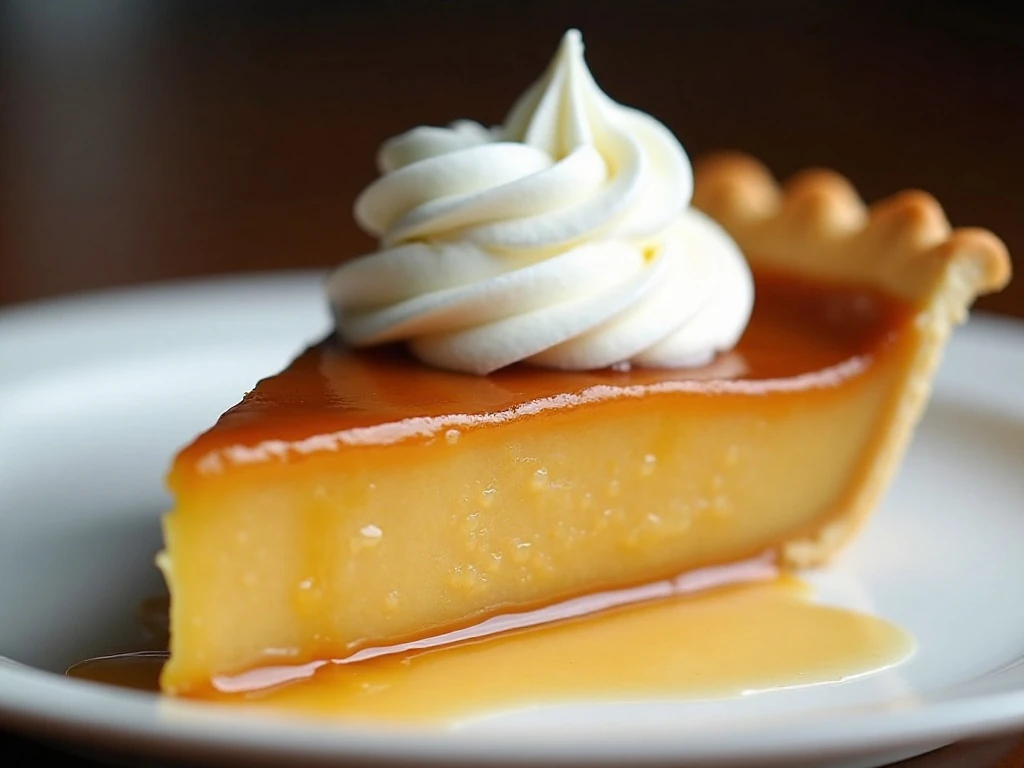
Classic whipped cream is all this pie needs, but you can make the presentation feel special with generous soft swirls on each slice. A simple white plate shows off the golden filling and toasted pastry edge.
Serve smaller wedges after a hearty meal because the custard is rich and satisfying. The pie also pairs nicely with coffee, black tea, or a glass of cold milk.
For a dessert table, contrast the creamy pie with fruit-forward sweets such as this blueberry cake with lemon frosting. A batch of festive snowman cupcakes can add a playful option for a winter gathering.
Keep the garnishes restrained so the butterscotch remains the star. Whipped cream, a neat crust, and a carefully chilled custard are enough to make this traditional pie look and taste memorable.

Easy Butterscotch Pie
Ingredients
Method
- Prepare the 9-inch crust according to its package or recipe directions. If blind-baking is required, prick the bottom, line the crust with parchment and pie weights, and bake at 425°F for 12–15 minutes, or until lightly golden; remove the weights and cool completely.
- In a medium saucepan, whisk together the firmly packed brown sugar, flour, and salt. Gradually whisk in the whole milk so the dry ingredients dissolve without forming lumps.
- Cook the mixture over medium heat, whisking frequently, until it thickens and reaches a gentle boil. Continue cooking for about 1 minute, watching carefully and avoiding prolonged boiling.
- Whisk the egg yolks in a separate bowl. Slowly whisk about 1 cup of the hot milk mixture into the yolks to temper them and warm them gradually.
- Pour the tempered yolk mixture back into the saucepan. Cook over medium-low heat for 1–2 minutes, stirring constantly, and do not allow the custard to boil vigorously.
- Remove the saucepan from the heat and stir in the butter and vanilla until the custard is smooth. For an especially silky filling, strain it through a fine-mesh sieve.
- Pour the warm filling into the cooled crust. Press plastic wrap directly onto the surface to prevent a skin from forming, then refrigerate for at least 3 hours, preferably 4 hours or overnight.
- Serve the pie cold with whipped cream, adding the topping shortly before slicing. Use a sharp knife and wipe it clean between cuts for neat portions.
Notes
Final Thoughts
This easy butterscotch pie recipe proves that a few everyday ingredients can create a deeply comforting dessert. Brown sugar, milk, egg yolks, butter, and vanilla come together as a smooth custard with a warm butterscotch flavor, while the baked pastry shell supplies the perfect crisp contrast.
Take your time with the crust cooling and the egg-yolk tempering, then give the finished pie a full chill before slicing. Once topped with whipped cream and served cold, each wedge is creamy, fragrant, and wonderfully old-fashioned.
Make it the day before your gathering for relaxed hosting, or prepare it as a weekend baking project when you want a dessert that feels special without a long ingredient list.
13 thoughts on “Easy Butterscotch Pie Recipe with Brown Sugar Custard”