This easy patty cake pie crust recipe makes one 9-inch single crust with 1 1/2 cups all-purpose flour, salt, vegetable oil, and milk. There is no rolling pin, chilling, or complicated pastry technique required: mix the ingredients with a fork, then press the soft dough directly into the pie plate.
The finished crust is tender, lightly crisp at the edges, and wonderfully practical for fruit pies, cream pies, and other favorite desserts. Use it unbaked beneath a filled pie, or prick and blind-bake it at 425°F for about 12–18 minutes when you need a shell for a no-bake filling.
Jump to RecipeWhy You’ll Love This Recipe
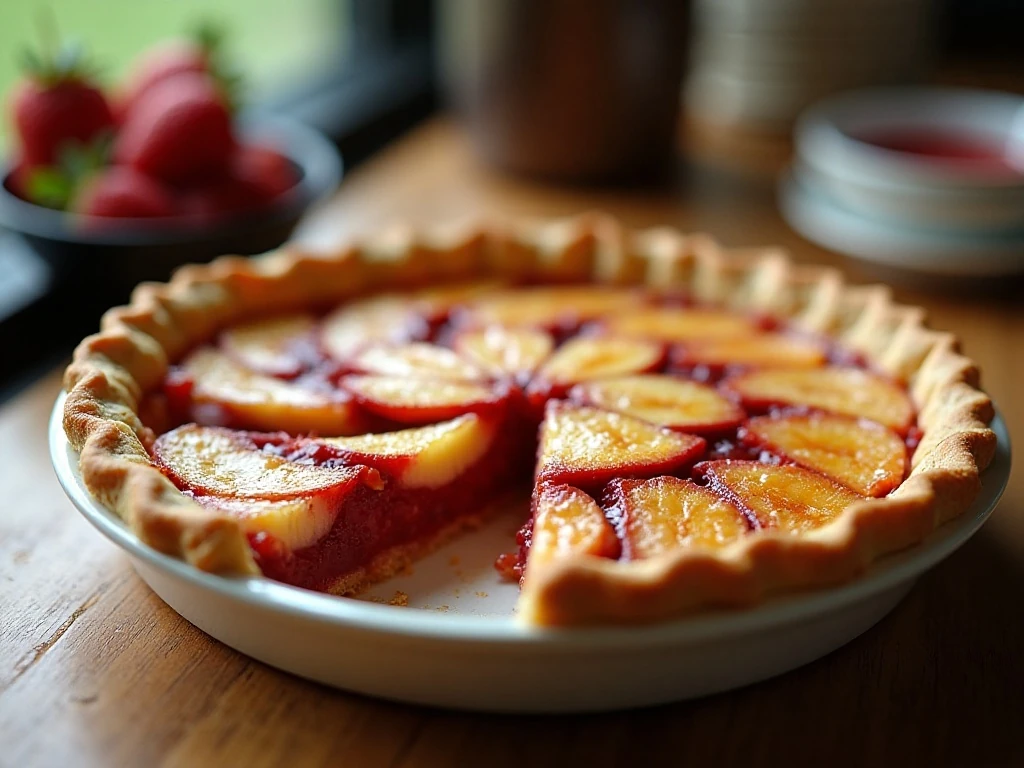
This patty cake crust is one of the most approachable ways to make homemade pastry. Instead of spreading flour across the counter and wrestling with a rolling pin, you mix everything in the pie plate and press the dough into place.
The oil gives this crust a tender texture and keeps the method refreshingly simple. Because there is no butter to cut in and no chilling period, you can have the crust ready for its filling in about 10 minutes.
It is also a useful recipe when you want a reliable dessert base without making a separate batch of pastry for the counter. The dough is soft, flexible, and easy to shape with your fingertips.
If you are making a fruit pie on a busy afternoon, pair this crust with ideas from our easy apple pie guide. The filling can be homemade while the crust keeps the preparation wonderfully low-stress.
Ingredients You’ll Need
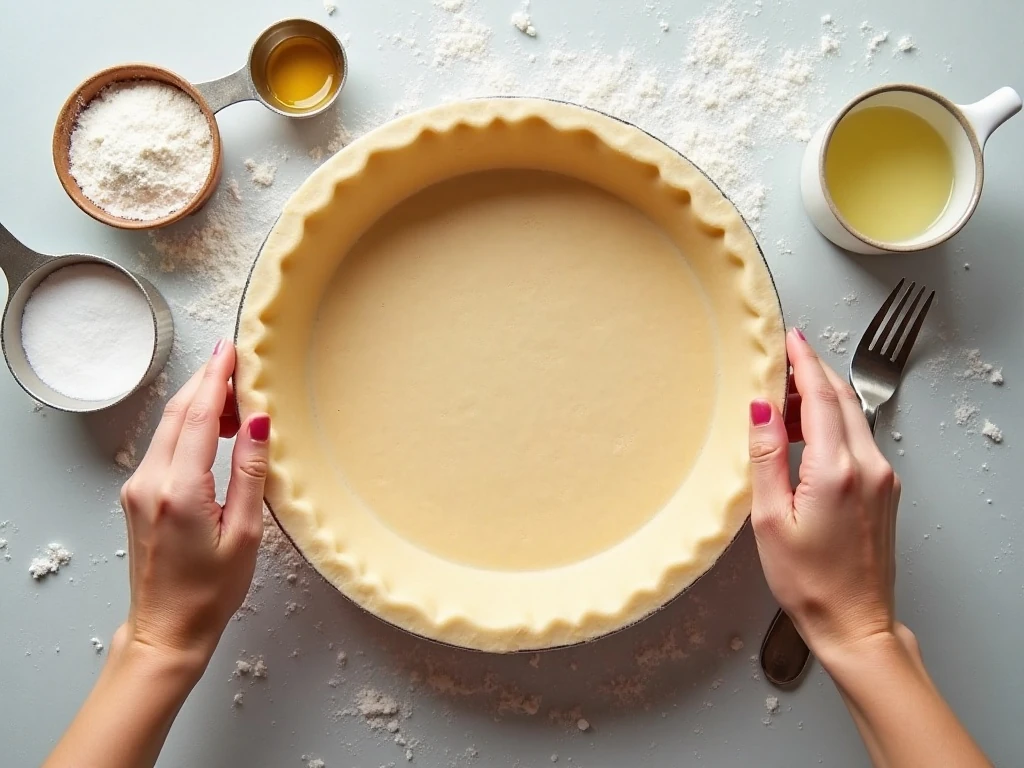
The ingredient list is short, but each item has an important job. Measure the flour carefully, use a mild vegetable oil, and choose milk or one of the simple alternatives described below.
- 1 1/2 cups all-purpose flour: This is about 180 grams and forms the structure of the crust.
- 1/2 teaspoon salt: Salt balances the flavor and keeps the pastry from tasting flat.
- 1/2 cup vegetable oil: Canola or another mild oil provides tenderness without a strong flavor.
- 2 tablespoons milk: Milk helps bring the flour together into a soft dough.
For a slightly sweeter dessert crust, you may add about 1 teaspoon sugar. It is optional and is not part of the basic formula, so leave it out when you want a neutral crust.
Some published versions replace the milk with 2–3 tablespoons cold water. This is a useful option if you are out of milk or prefer a more straightforward, water-based dough.
How to Make It Step-by-Step
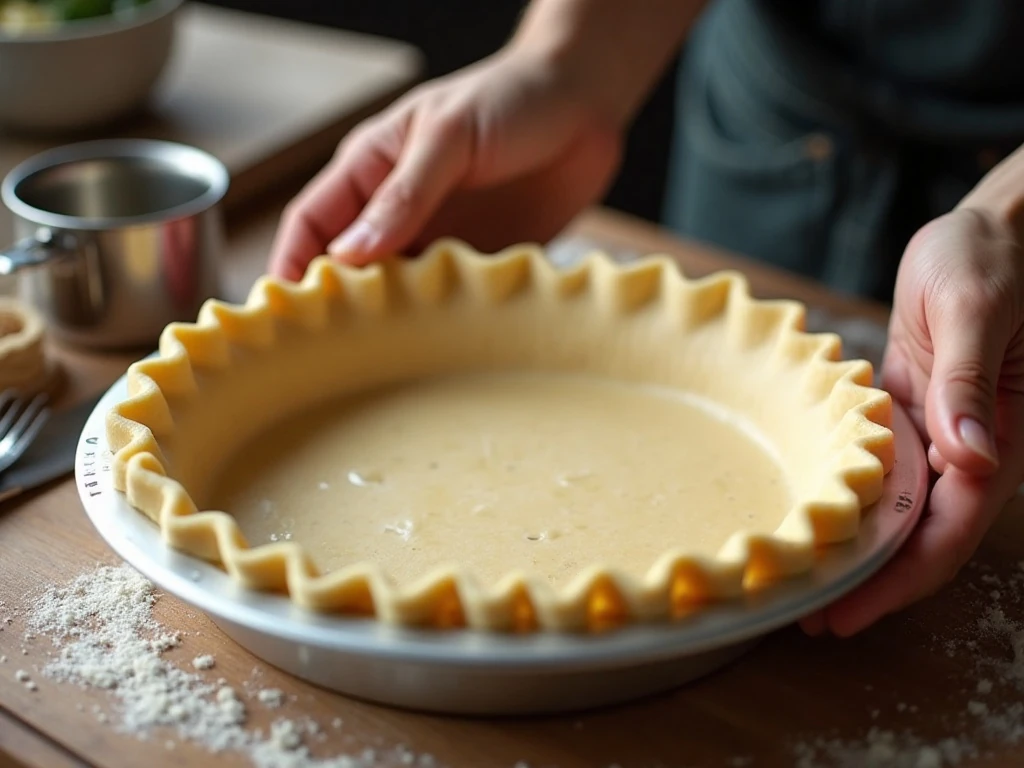
Step 1: Set out a 9-inch pie plate and add the flour and salt directly to it. Gently mix the dry ingredients with a fork so the salt is distributed before adding the liquid.
Step 2: Measure the vegetable oil and milk together in a cup. The traditional method does not require stirring them together, so simply measure accurately and keep the cup nearby.
Step 3: Pour the oil and milk over the flour mixture. Stir gently with a fork only until the flour is moistened and a soft dough forms; a few small uneven spots are preferable to excessive mixing.
Step 4: Use your fingertips to press the dough across the bottom of the pie plate. Continue pressing it evenly up the sides, taking care not to leave a very thin area at the corner where the base meets the wall.
Step 5: Shape the top edge with your fingers. You can leave it rustic, press a simple scalloped pattern around the rim, or crimp it gently for a classic pie-shop appearance.
Step 6: If you are making a filled pie, add the filling according to its recipe while the crust is still unbaked. Follow the filling recipe for the oven temperature and baking time because those details vary from pie to pie.
Step 7: For a blind-baked shell, prick the bottom several times with a fork. Add pie weights or dried beans if desired, then bake at 425°F until lightly golden, generally 12–18 minutes.
Step 8: Let the blind-baked shell cool before adding a no-bake filling. Cooling helps the crust firm up and keeps a chilled filling from becoming warm or loose.
Pro Tips for a Tender Crust
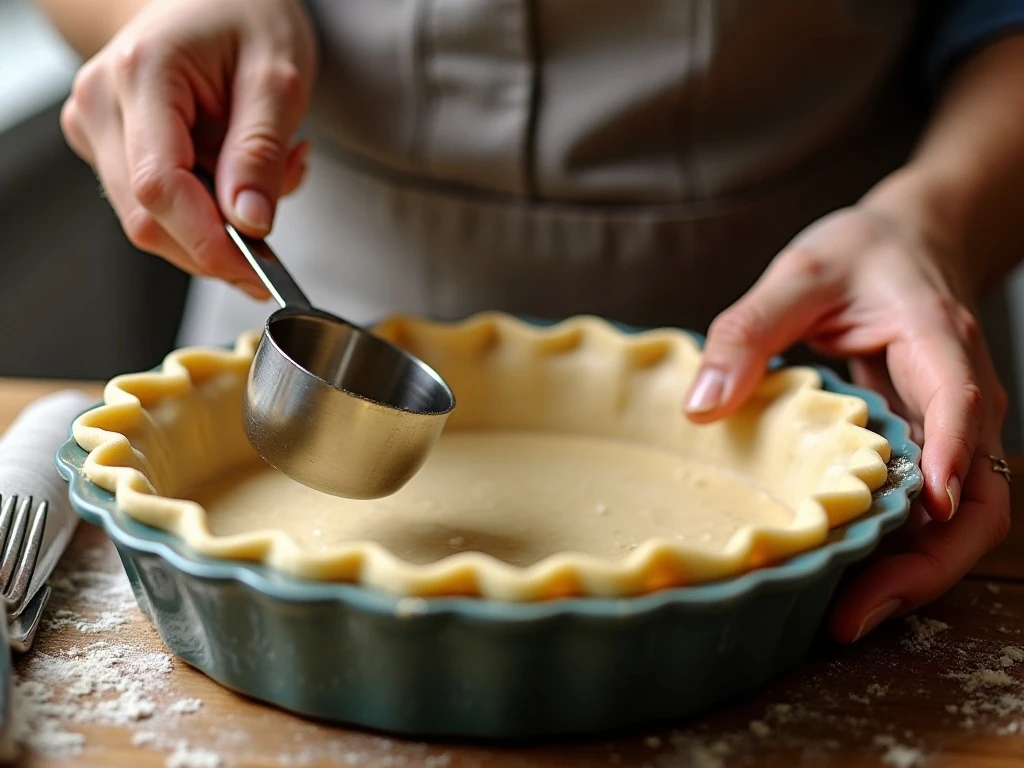
The most important rule is to stop mixing as soon as the flour is moistened. This is not a dough to knead, fold, or work until smooth; excessive mixing can make this simple crust tough.
Press with a light, steady touch rather than compacting the dough aggressively. If you want an especially even base, use the flat bottom of a measuring cup to gently press the dough across the bottom of the pie plate.
- Keep the crust thickness as even as possible so the rim and bottom finish at about the same time.
- Do not stretch the dough up the sides, since stretched areas may pull back while baking.
- Use pie weights or dried beans during blind baking to help prevent the bottom from puffing.
- Prick the bottom several times before blind baking, even when you plan to use weights.
- Watch the crust near the end of the 12–18 minute baking range because pie plates and ovens can vary.
For a savory baking project, you can keep this technique in mind when preparing a crust-like base for a meal pie. Our easy turkey casserole is another comforting option when dinner, rather than dessert, is on the menu.
Filled Pie or Blind-Baked Shell?
Use the crust unbaked when your filling needs substantial oven time. Apple, pumpkin, and other traditional baked pies usually go straight into the oven after the filling is added, following the instructions for that particular recipe.
Blind baking is different because the crust bakes before it receives its filling. This method is best for no-bake cream fillings, chilled puddings, and desserts that would not provide enough oven time to cook the pastry underneath.
A blind-baked crust should be lightly golden rather than deeply brown. Cool it completely before adding a no-bake filling, then chill the finished dessert as directed by the filling recipe.
For another family-friendly comfort-food idea between baking projects, try our cheesy tater tot casserole. It uses a very different cooking method, but it has the same welcoming, practical spirit as this no-fuss crust.
Serving Ideas and Dessert Pairings
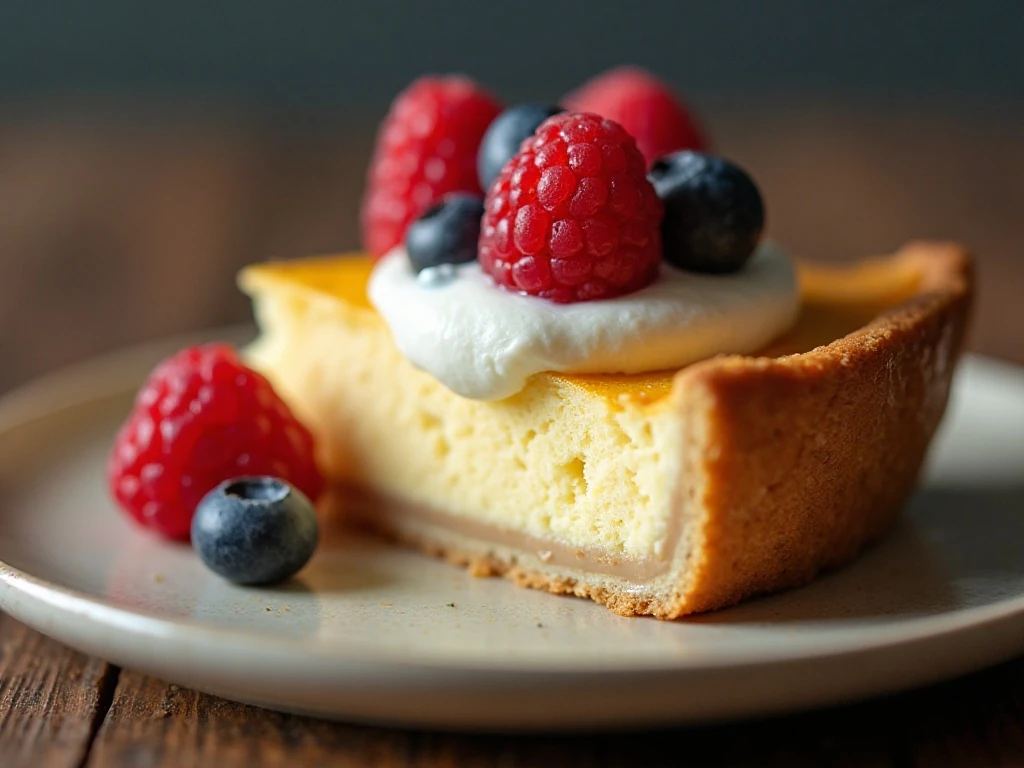
This crust is a natural partner for apple, peach, berry, and custard pies. Its mild flavor lets the filling stand out, while the crisp baked edge adds a pleasant contrast to soft fruit or creamy centers.
For a no-bake dessert, fill the cooled shell with vanilla pudding, chocolate cream, lemon curd, or a chilled cheesecake-style mixture. Finish with whipped cream, fresh fruit, or a light dusting of cinnamon just before serving.
Cut the pie with a sharp knife and use a pie server to support the bottom slice. A short rest at room temperature can make a chilled pie easier to cut, but follow the food-safety and storage directions for the filling.
Planning a dessert table? Small treats such as these no-bake vanilla cake pops can join the pie without requiring another oven project.
Storage and Troubleshooting
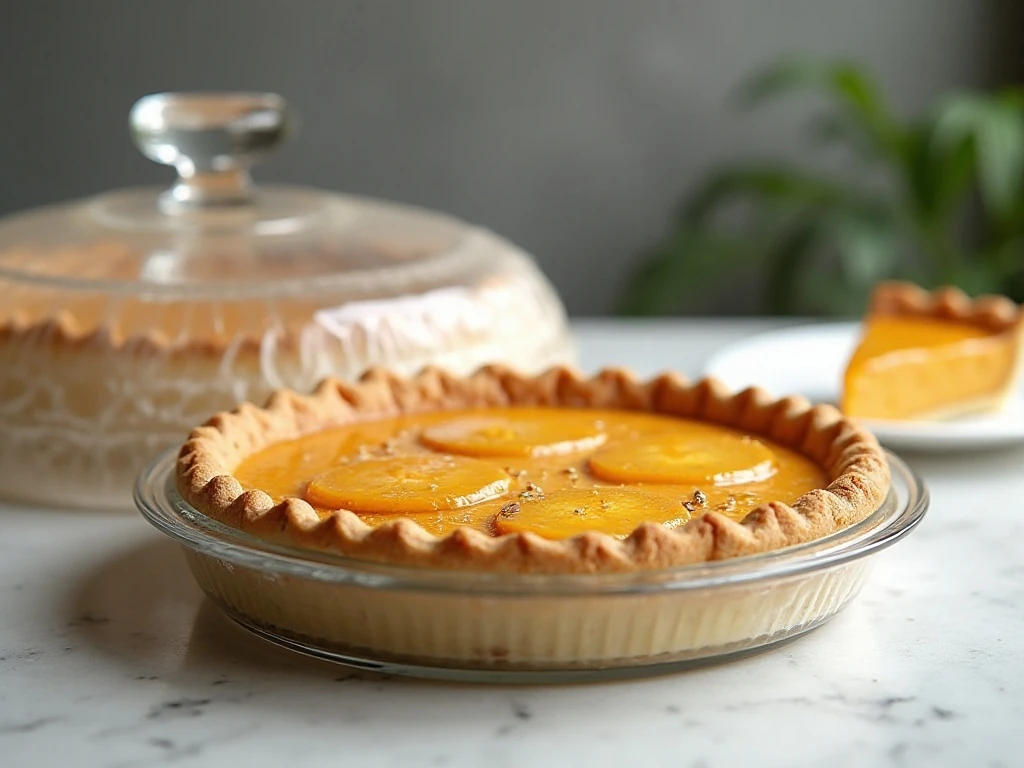
An unbaked, pressed crust does not require a resting or chilling period according to this traditional method. If you are not ready to fill it immediately, protect it from drying out and proceed with the filling recipe as soon as practical.
Store a baked pie according to its filling. Fruit pies may be kept according to the filling instructions, while dairy-based and no-bake pies generally need refrigeration.
If the dough seems crumbly, press it gently rather than adding a large amount of extra liquid. If it seems sticky, avoid adding lots of flour; use lightly floured fingertips only if needed and remember that overworking the dough is the bigger risk.
If the bottom puffs during blind baking, prick it more thoroughly next time and use pie weights or dried beans. If the rim browns too quickly, watch it closely near the end of baking and protect it according to the needs of your oven.
When you want a warm, hearty contrast to a sweet pie, our Mexican chicken tortilla soup makes a cozy meal before dessert.
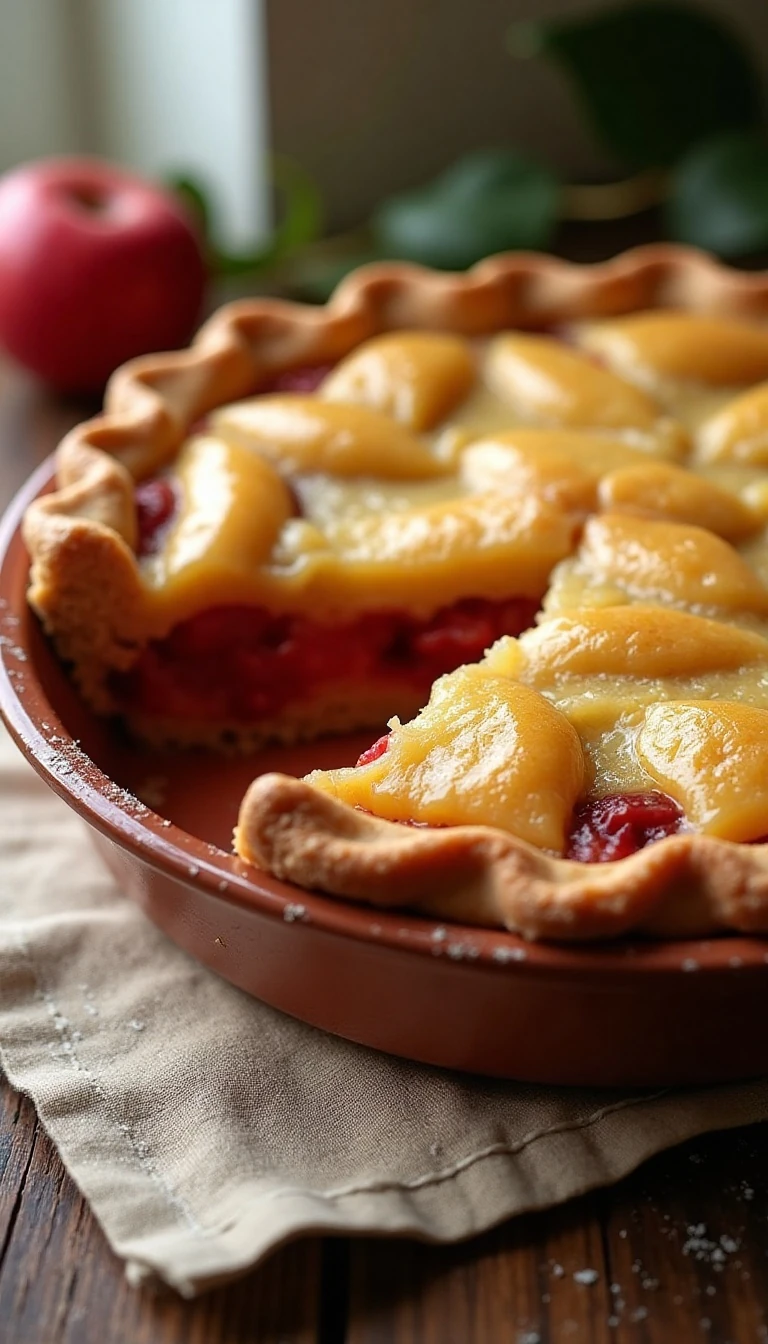
Easy Patty Cake Pie Crust
Ingredients
Method
- Put the flour and salt directly into a 9-inch pie plate.
- Measure the oil and milk together in a cup. Do not worry about stirring them together.
- Pour the liquid over the flour mixture and stir gently with a fork just until the flour is moistened and a soft dough forms.
- Press the dough evenly over the bottom and up the sides of the pie plate. Shape or crimp the rim with your fingers.
- For a blind-baked shell, prick the bottom several times with a fork, add pie weights or dried beans if desired, and bake at 425°F until lightly golden, generally 12–18 minutes. Cool before adding a no-bake filling.
Notes
Final Thoughts
This easy patty cake pie crust proves that homemade pastry does not need to be complicated. With flour, salt, oil, and milk, you can create a tender 9-inch crust directly in the pie plate, with no rolling, kneading, or chilling required.
Remember to mix gently, press the dough evenly, and choose the correct baking method for your filling. Bake it unfilled at 425°F for about 12–18 minutes when you need a shell, or fill it unbaked and follow the instructions for your favorite pie.
Once you try this simple method, it is likely to become a dependable part of your dessert routine. Add the optional teaspoon of sugar for a sweeter finish, or keep the basic crust neutral so it can support nearly any filling you love.
7 thoughts on “Easy Patty Cake Pie Crust Recipe: No-Roll, Pat-in-the-Pan Crust”