The best crispy Greek ribs recipe starts with juicy pork spare ribs marinated in extra-virgin olive oil, fresh lemon juice, garlic, Greek oregano, salt, pepper, and a touch of paprika. The ribs cook low and covered at 275°F for 2 1/2 to 3 hours, then finish uncovered at high heat for 10 to 15 minutes so the edges become beautifully browned and crisp.
Every bite brings together bright lemon, fragrant oregano, savory garlic, and rich pork. This recipe makes 4 to 6 servings and takes about 15 to 20 minutes to prepare, plus 2 hours to overnight for marinating, making it an excellent centerpiece for a relaxed family dinner or a generous weekend meal.
Jump to RecipeWhy You’ll Love This Recipe
These Greek ribs have the kind of flavor that tastes both rustic and special. The marinade uses a short list of familiar ingredients, yet lemon, garlic, olive oil, and oregano create a bold Mediterranean profile that sinks into the pork during its long rest.
The cooking method is what gives this recipe its wonderful contrast. Covered, low-temperature roasting softens the meat until it is tender, while the final blast of heat creates crisp edges without leaving the center dry.
Pork spare ribs are especially well suited to this approach because they contain enough marbling to remain juicy during the 2 1/2 to 3-hour covered cook. St. Louis-cut ribs are also a practical choice because their even shape makes them easy to season, roast, and portion.
If you enjoy a hearty dinner with bright, fresh accents, serve these ribs alongside a crisp salad, roasted potatoes, rice, or warm bread for catching the savory pan juices. For another comforting dinner idea, you can also browse this classic chicken Parmesan.
Ingredients You’ll Need
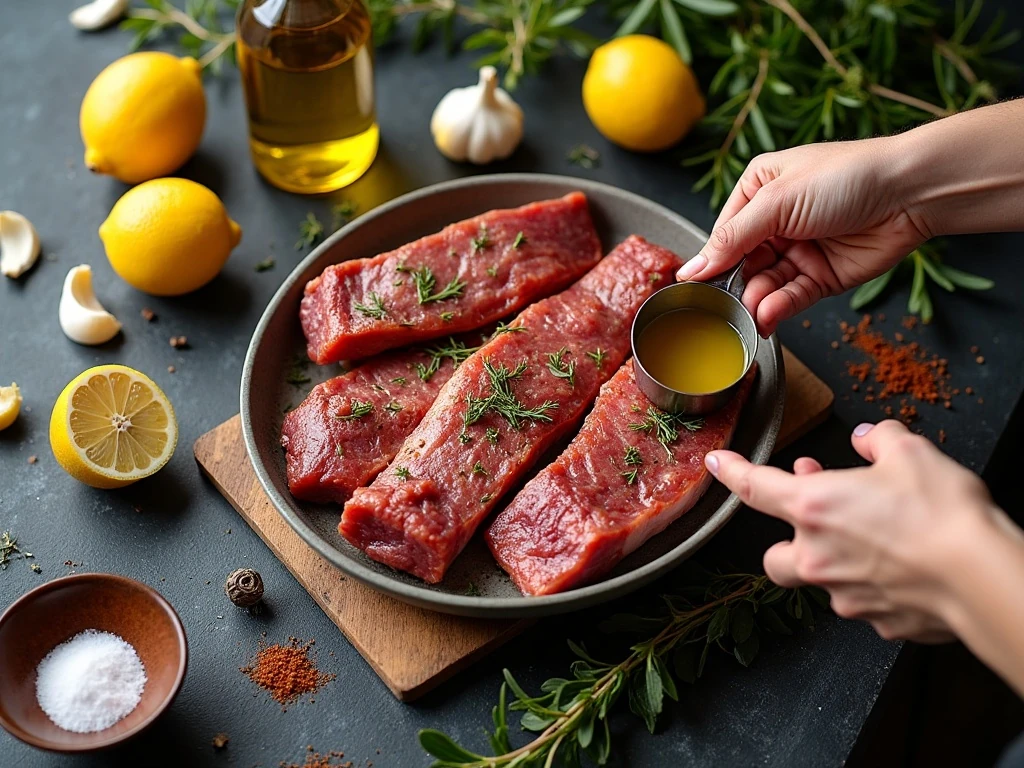
The ingredient list is simple, but each item has an important job. Use the freshest lemon juice possible, and choose dried Greek oregano for its earthy, peppery aroma.
- 4 pounds pork spare ribs or St. Louis-cut ribs: Spare ribs generally stay juicy during the long covered bake.
- 1/2 cup extra-virgin olive oil: This carries the garlic and oregano across the meat while helping the exterior brown.
- 1/3 cup fresh lemon juice: Lemon supplies the defining bright Greek flavor and balances the richness of the pork.
- 6 finely minced garlic cloves: Mince the garlic finely so it spreads evenly over both racks.
- 2 tablespoons dried Greek oregano: This is the central herb in the marinade and should not be replaced with a mild Italian herb blend.
- 2 teaspoons kosher salt and 1 teaspoon black pepper: These season the meat thoroughly from the outside in.
- 1 teaspoon paprika, optional: Paprika adds warm color and supports browning without changing the main flavor.
- 1/2 cup water or chicken stock: The liquid creates gentle moisture inside the covered roasting pan.
- Lemon wedges and optional parsley or oregano: These add a fresh finish at the table.
Before seasoning, remove the thin membrane from the bone side of the ribs. A small piece of paper towel can help grip the membrane, and removing it allows the marinade to contact the meat more directly.
For a complete meal, pair the ribs with a chilled vegetable salad or a creamy side. If you want a lighter make-ahead option for lunch the next day, try this easy egg salad as a separate meal.
How to Make It Step-by-Step
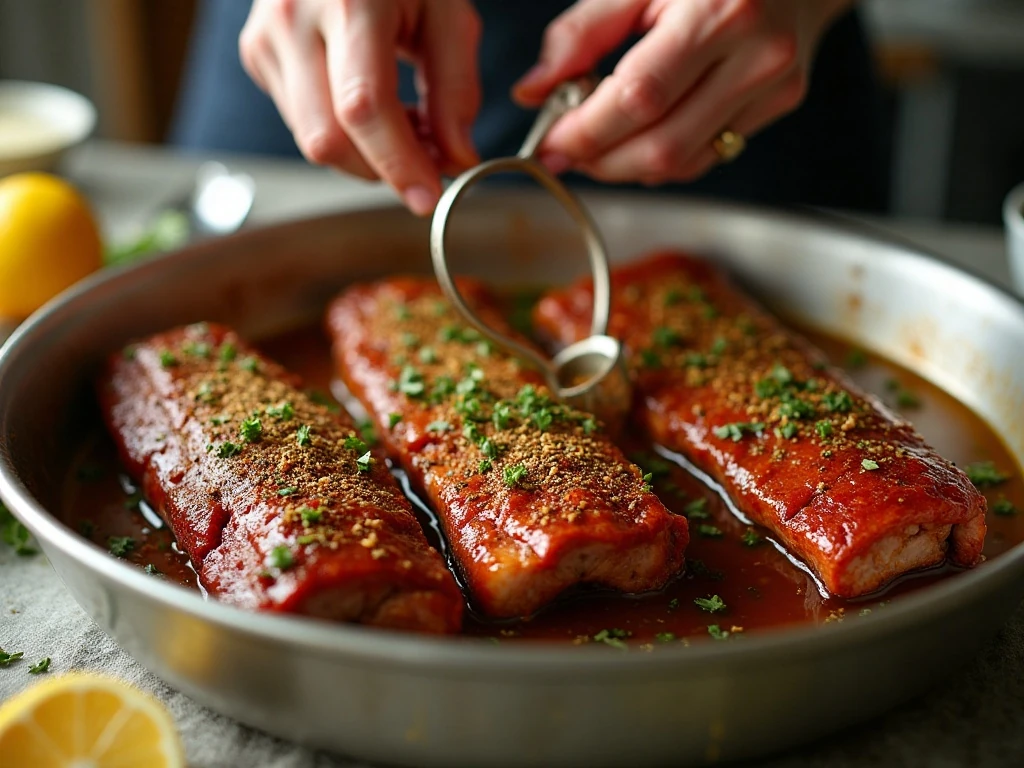
Step 1: Prepare the ribs by removing the thin membrane from the bone side. Pat both sides very dry with paper towels, since a dry surface helps the marinade cling and makes the later crisping stage more effective.
Step 2: Make the Greek marinade by whisking together 1/2 cup extra-virgin olive oil, 1/3 cup fresh lemon juice, 6 finely minced garlic cloves, 2 tablespoons dried Greek oregano, 2 teaspoons kosher salt, 1 teaspoon freshly ground black pepper, and the optional paprika. Continue whisking until the lemon juice and oil are well combined.
Step 3: Place the ribs in a large dish or rimmed pan and rub the marinade thoroughly over every surface. Turn the ribs so the bone side and meat side are both coated, then cover the dish and refrigerate for at least 2 hours or preferably overnight.
Step 4: When you are ready to cook, heat the oven to 275°F. Let the ribs sit out briefly while the oven heats, but keep them refrigerated until you are ready to place them in the pan.
Step 5: Arrange the marinated ribs in a roasting pan or rimmed baking dish. Pour 1/2 cup water or chicken stock into the pan around the ribs, taking care not to wash the marinade from the meat.
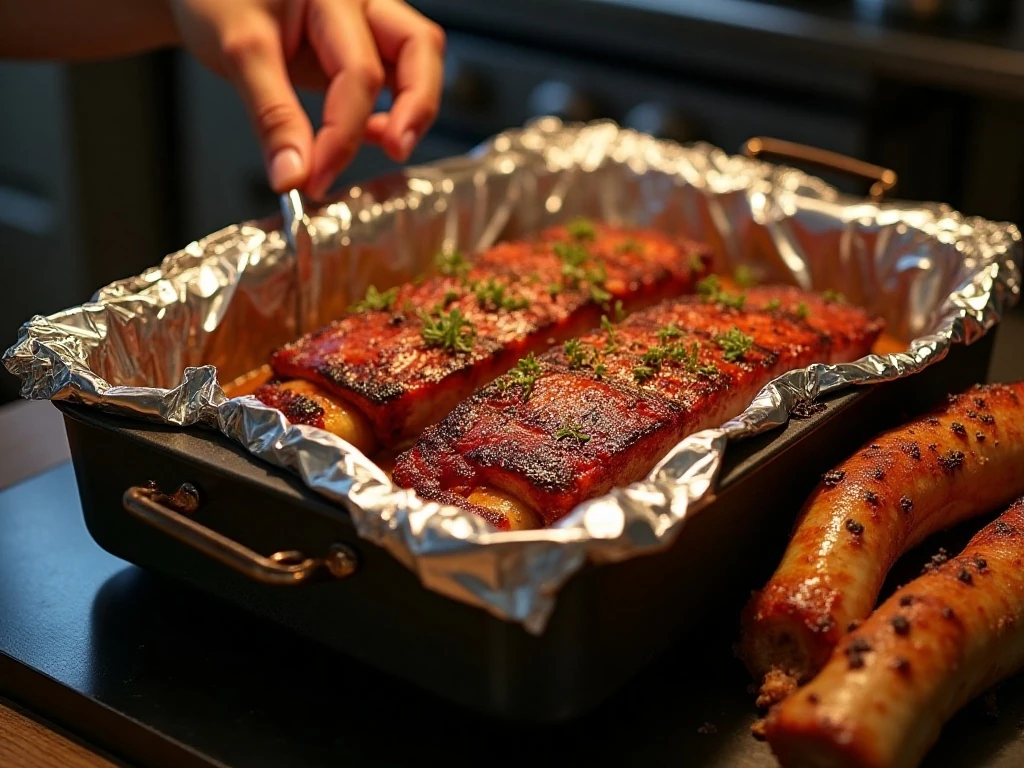
Step 6: Cover the pan tightly with foil so steam cannot easily escape. Bake for about 2 1/2 to 3 hours, checking near the end of that range for meat that is very tender and beginning to pull back from the bones.
Step 7: Remove the pan from the oven and carefully take off the foil because hot steam will escape. Drain excess liquid if necessary, then pat the tops of the ribs dry; this small step helps the exterior brown instead of steaming.
Step 8: Raise the oven temperature to 425-450°F and return the ribs to the oven uncovered for 10 to 15 minutes. You may also broil them briefly or finish them on a hot grill, turning once, until the outside is browned and crisp.
Step 9: Keep a close eye on the ribs during this final stage because the lemon and garlic marinade can burn quickly. Remove them as soon as the edges are crisp and deeply golden, rather than waiting for a dark, bitter crust.
Step 10: Rest the ribs for 10 minutes before cutting between the bones. Serve each portion with lemon wedges and a scattering of chopped parsley or extra oregano if desired.
Pro Tips for Crisp, Tender Ribs
The overnight marinade is worth planning for. Two hours will season the ribs, but a longer rest gives the lemon, garlic, and oregano more time to flavor the surface and the meat near the bones.
Do not skip the covered bake in an attempt to shorten the recipe. Raw ribs can brown on the outside long before the connective tissue has softened, while the covered low-temperature stage gives the meat time to become tender.
- Use a tight foil seal: A well-covered pan holds in moisture and helps prevent the ribs from drying during the long bake.
- Dry before crisping: Pat the cooked ribs dry and brush lightly with olive oil if the surface looks wet.
- Watch high heat carefully: Garlic and lemon taste wonderful when browned, but they can scorch under a broiler.
- Rest before slicing: Ten minutes allows the juices to settle so the rib meat stays moist when cut.
- Choose spare ribs when possible: Their richer texture and juiciness make them a strong match for this cooking method.
The roasting pan liquid can be spooned over the ribs in small amounts at serving time. Avoid soaking the crisp exterior, since too much liquid will soften the browned crust.
For a fresh, family-friendly spread, set out the ribs with lemon wedges and a simple tomato-based side. This tomato soup recipe is another cozy option for a different meal, especially when the weather is cool.
Serving Ideas and Pairings
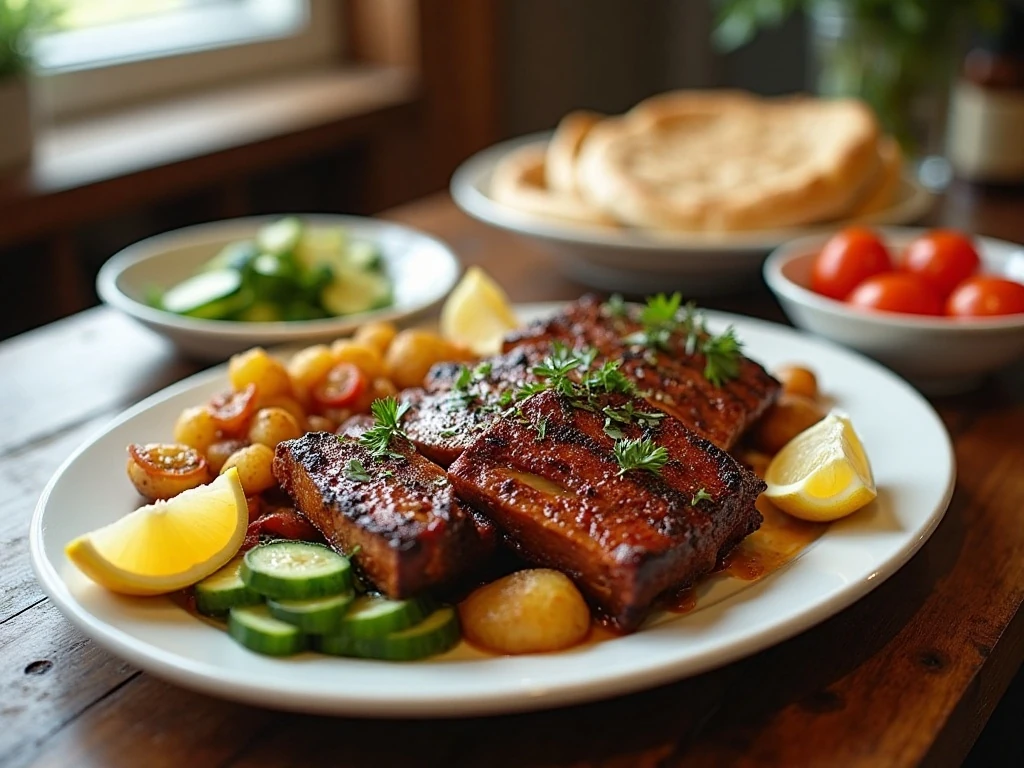
Serve the ribs on a large platter so everyone can see the crisp edges and fragrant oregano. Lemon wedges should be plentiful, allowing each person to add a final squeeze just before eating.
Greek-inspired sides work beautifully here. Consider roasted potatoes, a cucumber and tomato salad, warm pita, rice, grilled vegetables, or a cool yogurt-based sauce that can temper the richness of the pork.
For a party menu, arrange the ribs in smaller portions and add other hand-held favorites. These crispy baked chicken wings can join the table when you want a generous game-day-style spread with plenty of savory choices.
A simple green salad also brings welcome freshness. Keep the dressing light so it does not compete with the lemon and oregano already working in the ribs.
Storage and Reheating
Cool leftover ribs promptly, place them in a covered container, and refrigerate them. For the best texture, keep the ribs whole or in large portions rather than cutting every bone apart before storage.
To reheat, warm the ribs gently in a moderate oven until heated through, then finish them briefly under the broiler or in a hot oven to restore some crispness. Watch closely during the final minutes because the marinade residue can darken quickly.
Do not add extra lemon juice before reheating. Serve fresh lemon wedges at the table instead, which keeps the exterior crisp and gives you better control over the final brightness.
Leftover rib meat can also be pulled from the bones and added to rice, salad, flatbread, or a warm grain bowl. Its garlic-and-oregano seasoning means it needs very little additional seasoning.
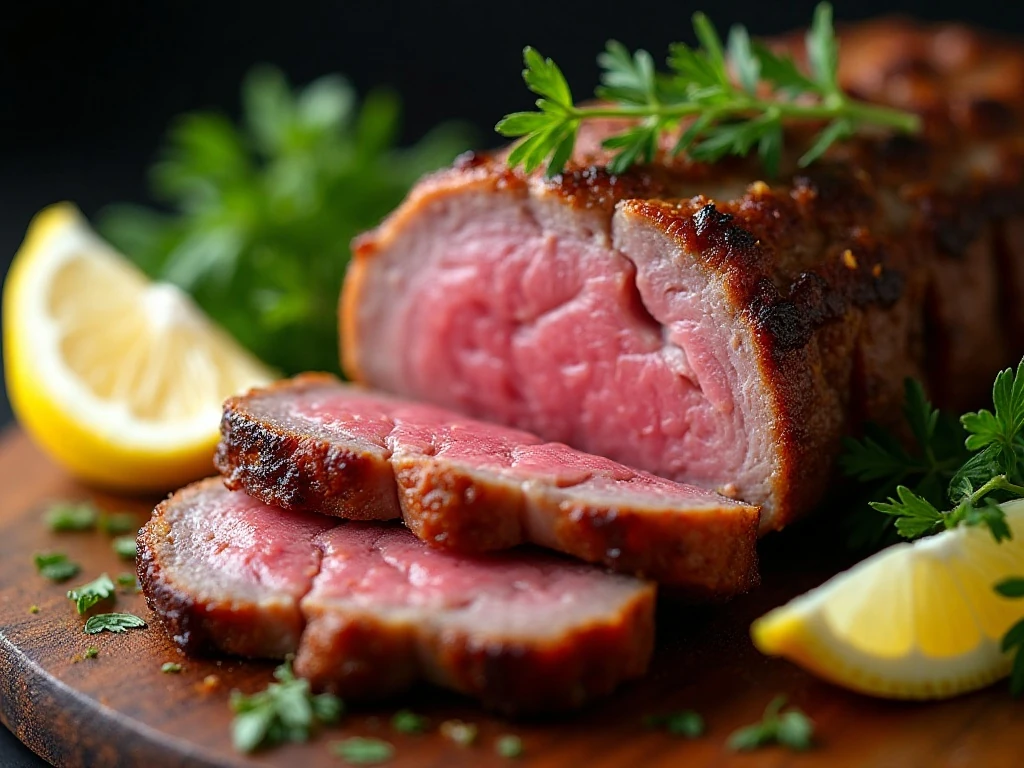
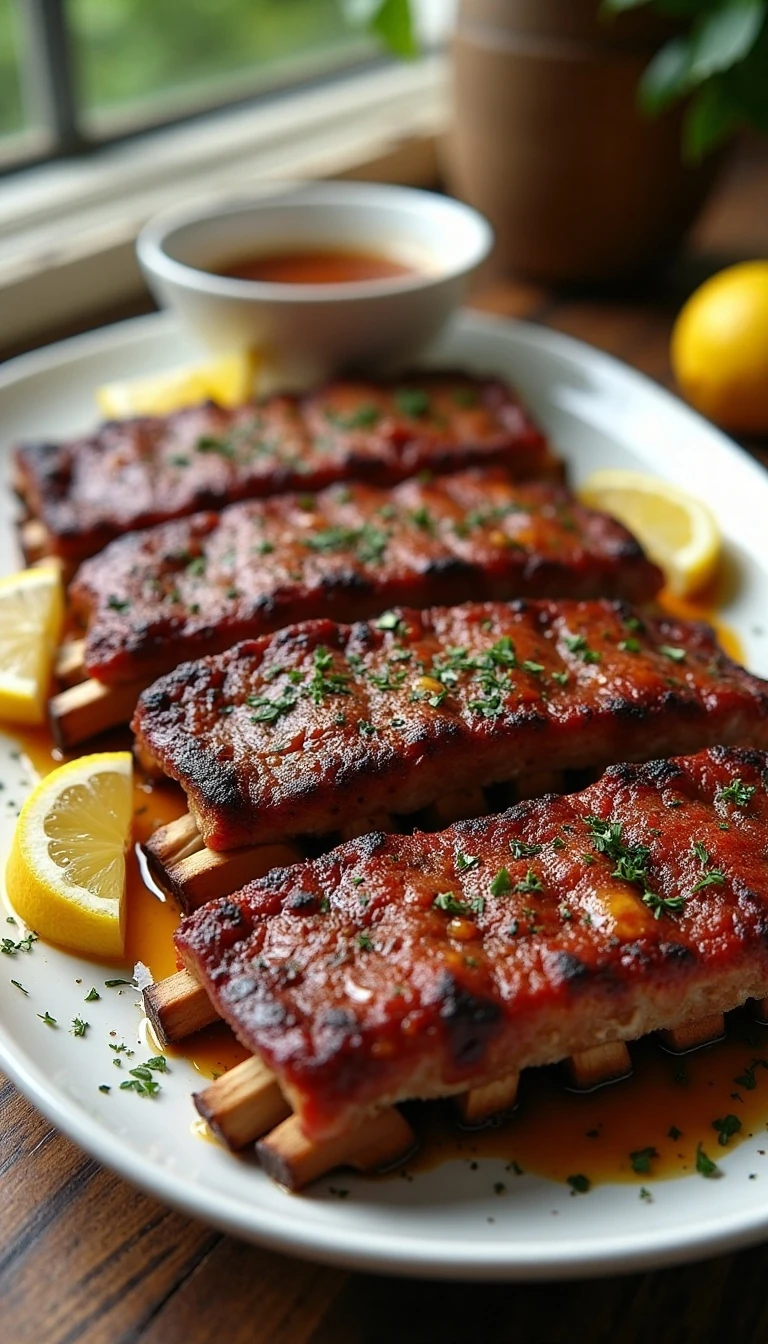
The Best Crispy Greek Ribs Recipe
Ingredients
Method
- Remove the thin membrane from the bone side of the ribs, then pat the ribs dry. Whisk the olive oil, lemon juice, garlic, oregano, salt, pepper, and optional paprika together in a bowl.
- Rub the marinade thoroughly over both sides of the ribs. Cover and refrigerate for at least 2 hours, preferably overnight.
- Heat the oven to 275°F. Place the ribs in a roasting pan or rimmed baking dish, add the water or chicken stock, and cover the pan tightly with foil.
- Bake the covered ribs for 2 1/2 to 3 hours, until the meat is very tender and has begun pulling back from the bones.
- Remove the foil and drain excess liquid if needed. For especially crisp ribs, pat the surface dry and brush it lightly with olive oil.
- Raise the oven temperature to 425-450°F. Roast the ribs uncovered for 10 to 15 minutes, or broil briefly, turning once, until browned and crisp.
- Watch the ribs closely during the high-heat finish because the lemon and garlic marinade can burn. Remove the ribs when the outside is richly browned and crisp.
- Rest the ribs for 10 minutes, then cut between the bones. Serve with lemon wedges and optional chopped parsley or additional oregano.
Notes
Final Thoughts
The best crispy Greek ribs recipe succeeds because it respects both tenderness and texture. A patient covered bake at 275°F gives the pork time to become succulent, while the final 10 to 15 minutes at 425-450°F brings the browned, crisp finish everyone wants.
Fresh lemon, olive oil, garlic, and Greek oregano make the flavor unmistakable without requiring a long list of ingredients. Marinate the ribs overnight when possible, use spare ribs for their juicy texture, and keep a close watch during the final high-heat stage.
After a 10-minute rest, cut between the bones, add lemon wedges, and serve these ribs straight from the platter. They are warm, aromatic, tender, and crisp enough to become a dependable favorite for family dinners and gatherings alike.
For a sweet finish after this savory meal, consider baking a batch of rolled sugar cookies to serve with coffee or tea.